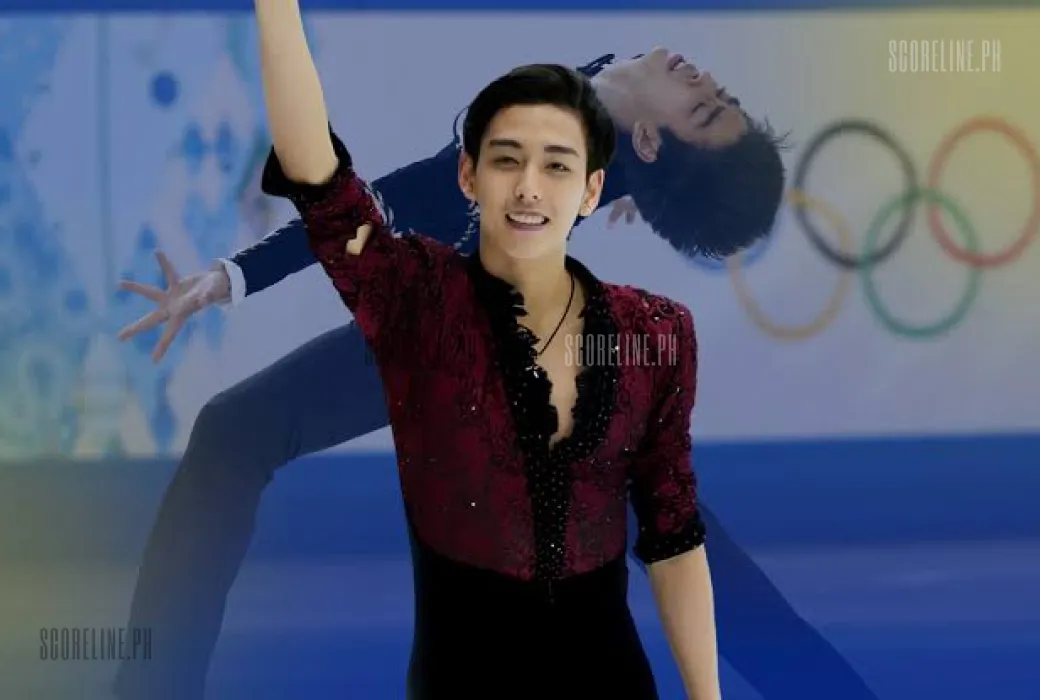
Michael Martinez Launches Figure Skating Comeback at 30 With a Bigger Mission for Philippine Winter Sports
Two-time Winter Olympian Michael Christian Martinez returns to competitive figure skating after years away, balancing intensive training and coaching while hoping to inspire the next generation of Filipino skaters.
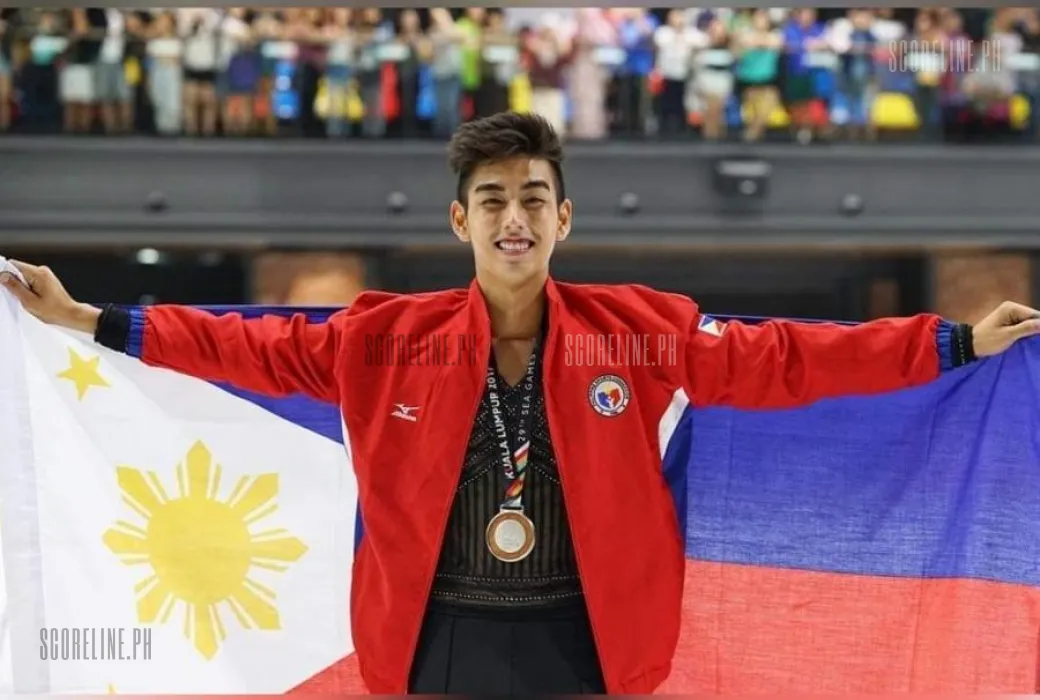
At 17, Michael Christian Martinez made history by becoming the first Filipino figure skater to compete at the Winter Olympic Games.
At 30, he is preparing to write another chapter in his remarkable sporting journey.
But this time, the goal is different.
The two-time Winter Olympian is not returning to competitive figure skating simply to relive his younger years or chase the achievements that made him one of the Philippines' most recognizable winter sports athletes.
He is returning with a mission that extends beyond personal glory.
Martinez wants to bring Philippine figure skating back into the spotlight and help create greater opportunities for the next generation of Filipino skaters.
After years away from competition, the former Olympian has resumed intensive training ahead of the 2026 Philippine National Figure Skating Championships, scheduled for November 19 to 21 at SM Skating Mall of Asia.
His comeback represents both a personal challenge and an opportunity to renew public interest in a sport that continues to develop in a tropical country where access to ice facilities remains limited.
Martinez became a household name when he represented the Philippines at the 2014 Sochi Winter Olympics.
His appearance marked a historic breakthrough for Philippine figure skating and demonstrated that Filipino athletes could compete on the world's biggest winter sports stage.
He returned to Olympic competition at the 2018 PyeongChang Winter Games, further establishing his place in Philippine sporting history.
Those appearances inspired many young Filipinos to discover figure skating and consider pursuing the sport competitively.
But after stepping away from international competition, Martinez gradually shifted his focus toward coaching and helping younger athletes develop their skills.
For years, questions about a possible comeback followed him.
His response was often uncertain.
Returning to elite competition would require significant physical preparation, time, and commitment.
Eventually, however, the possibility became too compelling to ignore.
Now, at 30, Martinez has decided to return.
Not to recreate the past, but to discover what he can still accomplish today.
Martinez is taking his return seriously.
The veteran skater has resumed intensive preparation, training approximately two hours a day, five days a week, while continuing his responsibilities as a coach.
The schedule presents a demanding challenge.
Elite figure skating requires a combination of technical precision, flexibility, balance, strength, endurance, and exceptional body control.
Athletes must execute difficult jumps, spins, and footwork sequences while maintaining rhythm, artistry, and composure.
For Martinez, returning to that level of physical preparation after years away from competition has required significant adjustments.
He admitted that balancing his coaching responsibilities with personal training has not been easy.
"It's been very difficult. Honestly, I mean, I've been trying my best to go back and forth a long time," Martinez shared.
He explained that he initially attempted to balance coaching with limited practice sessions before committing more fully to his comeback.
Since announcing his return, however, he has intensified his preparation.
The transition has demanded discipline and patience.
At 30, Martinez understands that his body responds differently compared with his teenage years.
His back, joints, and overall physical condition require greater attention.
But rather than treating those limitations as reasons to abandon his comeback, he has chosen to approach training with a more mature perspective.
'I'm Not Coming Back to Recreate What I Was at 17'
Perhaps the most revealing aspect of Martinez's comeback is his mindset.
The former Olympian has made it clear that he is not attempting to reproduce the performances of his younger self.
Instead, he wants to understand what he can achieve with his current abilities, experience, and physical condition.
"I'm not coming back to recreate what I was when I was 17. I'm coming back so that I'm able to do what I'm capable of doing today," Martinez said.
The statement reflects an important shift in his approach to competition.
During his teenage years, Martinez was focused on establishing himself internationally and proving that a Filipino could compete in Olympic figure skating.
Now, his motivation includes personal fulfillment, continued development, and the opportunity to inspire others.
He also recognizes the importance of appreciating smaller achievements during training.
For an athlete returning after a lengthy competitive absence, progress may come gradually.
Regaining technical consistency, rebuilding endurance, and restoring confidence can require months of preparation.
Martinez's comeback is not about proving that age has no consequences. It is about showing that athletic ambition can evolve with experience.
While returning to competition is an important personal milestone, Martinez says his motivation extends beyond winning medals.
He wants his comeback to generate greater awareness and support for Philippine figure skating.
"I'm not just doing this for myself. I'm honestly doing this to hopefully give more attention to Philippine sports, to Philippine figure skating because I feel like we do deserve it," he explained.
For Martinez, the sport's future depends on developing young athletes who have the talent and determination to compete internationally.
He believes the Philippines already has promising figure skaters capable of achieving significant results.
But those athletes need opportunities to develop their abilities.
"I'm really doing this to really share awareness, not just awareness, but really to inspire my skaters and, of course, to really put attention to the sport and hopefully to help the next generation," Martinez said.
He emphasized that young Filipino figure skaters are talented, hardworking, and dedicated.
His hope is that their commitment will be matched by adequate support.
The message is clear: talent exists in Philippine figure skating. The challenge is ensuring that talent receives the resources necessary to succeed.
Why Philippine Figure Skating Needs Greater Support
Figure skating remains one of the more challenging sports to develop in the Philippines.
Unlike countries with extensive winter sports infrastructure, the Philippines has limited access to ice-skating facilities.
Training often requires athletes to travel to specialized rinks, pay for coaching, purchase expensive equipment, and dedicate substantial time to technical development.
For families supporting young figure skaters, those requirements can create considerable financial pressure.
International competition introduces additional expenses, including travel, accommodation, training camps, and professional coaching.
These challenges can limit opportunities for talented athletes who may not have sufficient financial resources.
Martinez's return could help bring renewed attention to these issues.
His Olympic background and public recognition provide him with a platform to encourage stronger support for the sport.
However, sustainable development requires more than public enthusiasm.
It requires cooperation among sports organizations, training institutions, private sponsors, and government agencies.
A successful national figure skating program must be built on accessible facilities, qualified coaching, athlete development, and consistent international exposure.
From Competitor to Mentor — and Back Again
One of the most interesting aspects of Martinez's return is his dual role as an athlete and coach.
After stepping away from elite competition, he dedicated considerable time to helping younger skaters improve their skills.
That experience has given him a different understanding of the sport.
As a coach, Martinez observes the challenges faced by developing athletes and the importance of patience, discipline, and technical preparation.
As a returning competitor, he must apply those same principles to himself.
The combination creates an unusual but potentially valuable perspective.
He understands the demands of elite competition because he has experienced them.
He also understands the developmental challenges faced by younger skaters because he now helps guide them.
His comeback could therefore become a powerful teaching experience.
Young athletes will have the opportunity to observe how an experienced Olympian approaches training, manages physical limitations, and prepares mentally for competition.
Martinez is not simply telling the next generation to work hard. He is demonstrating that commitment through his own return to the ice.
Overwhelming Support Fuels the Comeback
Since announcing his return, Martinez has received an enthusiastic response from Filipino sports fans.
The support has surprised him.
"I'm very happy. I'm very grateful. I'm very surprised, and with all the love and support coming from everybody, honestly, I did not expect it," he said.
For an athlete who spent years away from the competitive spotlight, the reaction has been meaningful.
Martinez expressed appreciation that fans continue to remember his Olympic journey and recognize his contributions to Philippine figure skating.
He also sees growing interest among younger Filipinos as an encouraging development.
"I'm honestly really happy for people [who] still remember me, and I feel like a lot of new generations are actually getting into figure skating," he shared.
The response reinforces his belief that Philippine figure skating has a community worth supporting.
It also provides additional motivation as he prepares for his return to competition.
November 19–21: The National Championships Await
Martinez's comeback will face its first major test at the 2026 Philippine National Figure Skating Championships, scheduled for November 19 to 21 at SM Skating Mall of Asia.
The event will provide an opportunity to assess his competitive readiness after years away from the sport.
It will also allow fans to witness the return of one of the country's most recognizable winter sports athletes.
But expectations must remain realistic.
Martinez is returning after a lengthy absence, and his current physical condition differs from his Olympic years.
Rebuilding competitive consistency takes time.
The national championships should therefore be viewed as an important step in his comeback rather than a final measure of his potential.
Martinez has also expressed hope of eventually returning to international competition in 2027.
Whether that goal becomes achievable will depend on his progress, physical condition, and competitive results.
For now, the immediate objective is clear.
Return to the ice, compete again, and rediscover the experience of performing as an athlete.
More Than Nostalgia: A Chance to Inspire the Future
Martinez's comeback naturally brings memories of his historic Olympic appearances.
His journey to Sochi and PyeongChang helped introduce Philippine figure skating to a wider audience.
But focusing exclusively on those achievements would overlook the broader significance of his return.
At 30, Martinez has an opportunity to use his experience and public recognition to help strengthen the sport's future.
His comeback could encourage young skaters to pursue their ambitions.
It could also generate renewed discussion about the resources needed to develop internationally competitive Filipino athletes.
For sports officials and potential sponsors, his return presents an opportunity to examine how Philippine figure skating can become more sustainable.
The country's young skaters need pathways that allow them to progress from local training to international competition.
Martinez's experience demonstrates that those pathways can lead to the Olympic Games.
The next challenge is ensuring that future Filipino skaters have stronger opportunities to follow that journey.
The Legacy Continues
Michael Christian Martinez has already secured an important place in Philippine sports history.
As the country's first Olympic figure skater and a two-time Winter Olympian, his achievements helped establish the Philippines' presence in international figure skating.
Nothing that happens during his comeback can erase those accomplishments.
But his return offers something new.
It allows him to compete again while using his experience to encourage younger athletes.
His goals are no longer defined exclusively by medals, rankings, or Olympic qualification.
They now include mentorship, awareness, and the development of Philippine figure skating.
For Martinez, that broader purpose gives his comeback special meaning.
HE IS NOT RETURNING TO BECOME THE 17-YEAR-OLD OLYMPIAN HE ONCE WAS. HE IS RETURNING TO DISCOVER WHAT THE 30-YEAR-OLD ATHLETE CAN STILL ACHIEVE.
And perhaps more importantly, he wants to help the next generation achieve even more.
The Olympian Returns, but the Mission Has Changed
As November approaches, Martinez continues preparing for his return to competitive figure skating.
The physical demands are significant.
The expectations are growing.
And the challenges of balancing coaching and personal training remain.
But the former Olympian is embracing the process.
He understands that success may look different this time.
It may come through improved technical execution, renewed confidence, or simply the satisfaction of competing again.
It may also come through inspiring a young Filipino skater to pursue an Olympic dream.
That possibility could become one of the most meaningful outcomes of his comeback.
MICHAEL MARTINEZ HAS ALREADY MADE HISTORY FOR PHILIPPINE FIGURE SKATING. NOW HE WANTS TO HELP BUILD ITS FUTURE.
OLDER. WISER. STILL PASSIONATE. STILL WILLING TO COMPETE.
THE OLYMPIAN RETURNS. THE DREAM EVOLVES. AND A NEW CHAPTER FOR PHILIPPINE FIGURE SKATING BEGINS.