FLAG FIRST BILL: Can Philippine Law Force Foreign Clubs to Release Gilas Players?
Senator Bong Go's proposed legislation raises questions about national team duty, overseas player contracts, and the legal limits of compelling foreign basketball clubs to release Filipino athletes.
Should representing the Philippine flag take priority over professional basketball commitments abroad?
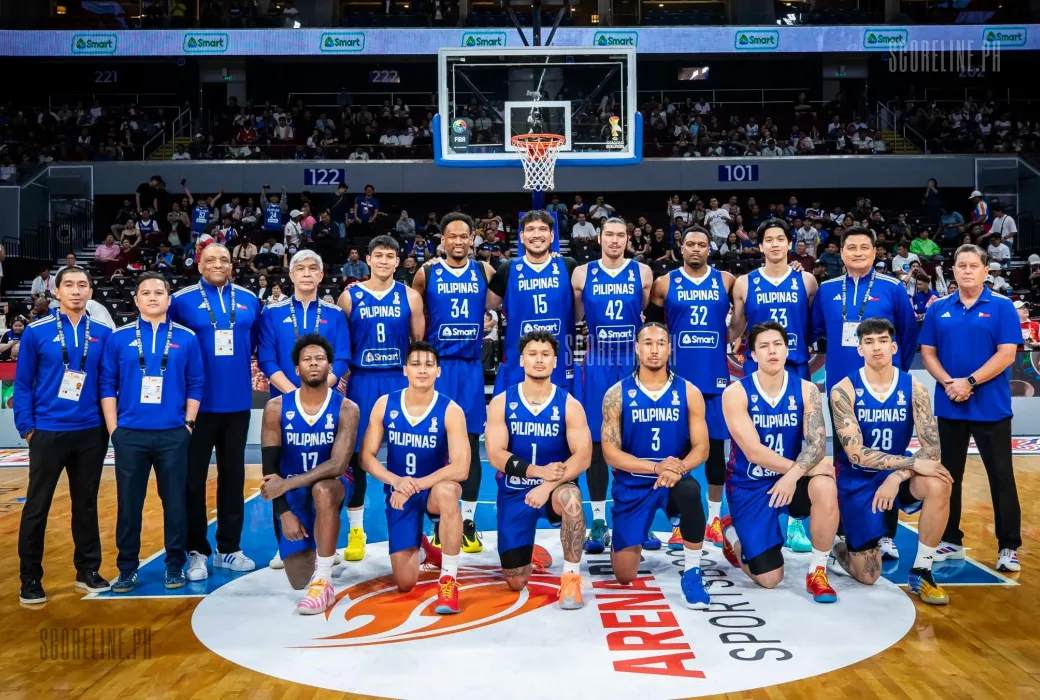
That question has become a major issue in Philippine basketball following Gilas Pilipinas' disappointing campaign at the 2026 Asian Games in Aichi-Nagoya, Japan.
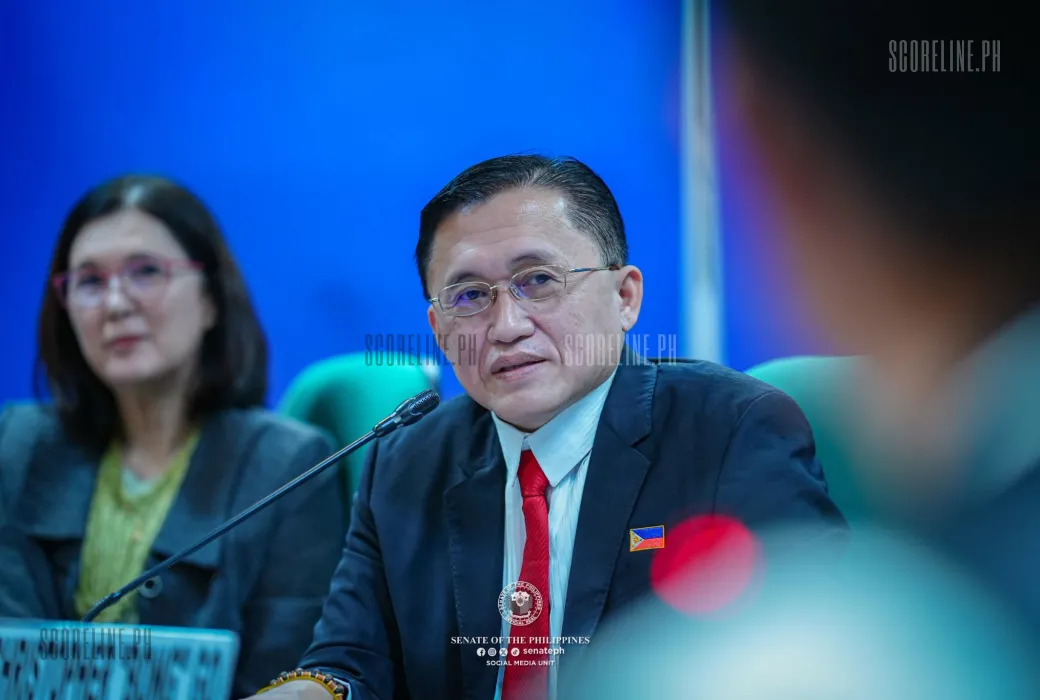
With several overseas-based Filipino players unavailable for national team duty, Senator Bong Go is studying a proposed measure known as the Flag First Bill, which seeks to establish a national policy giving greater priority to representing the Philippines in international competitions.
But the proposal faces a complicated legal question.
Can a law passed in the Philippines compel professional basketball clubs in Japan and South Korea to release Filipino players for national team assignments?
The answer is not straightforward.
While Philippine legislation can establish obligations for individuals and organizations under its jurisdiction, it cannot automatically impose requirements on foreign clubs operating under different national laws and professional league regulations.
Tim Cone Raises Player Availability Concerns
The issue gained renewed attention during the Senate Committee on Sports hearing on October 8, when Gilas Pilipinas head coach Tim Cone discussed the difficulties of assembling the national team's preferred roster for the Asian Games.
Several Filipino basketball stars competing in overseas professional leagues were unable to join the national team because their clubs did not release them.
Among the players whose availability became an issue were Kai Sotto, Dwight Ramos, AJ Edu, Kevin Quiambao, and Carl Tamayo.
Their absence affected Gilas' preparations and limited Cone's roster options for the continental tournament.
The Philippines eventually finished ninth among 12 teams, falling short in its attempt to defend the Asian Games basketball gold medal.
Cone's remarks highlighted a longstanding problem for national teams that depend on professional players competing internationally.
Even when athletes are willing to represent their country, their participation may depend on contractual obligations and the willingness of their clubs to release them.
International basketball already has established player-release mechanisms under the regulations of the International Basketball Federation (FIBA).
For competitions covered by mandatory release provisions, clubs are generally required to make eligible players available during designated national team windows, subject to the applicable rules.
However, the Asian Games does not automatically fall under the same mandatory release framework.
That distinction creates difficulties for countries whose national team players compete in professional leagues overseas.
Japan's B.League and South Korea's Korean Basketball League operate according to their respective league schedules, contractual arrangements, and domestic regulations.
Without an applicable mandatory international release requirement, clubs may decline requests that conflict with their professional commitments.
For Gilas Pilipinas, the result can be an incomplete roster even when the national team has identified its preferred players.
The problem is not necessarily a lack of willingness among Filipino athletes. It is the absence of an enforceable release arrangement covering certain international competitions.
Senator Go has indicated that he is studying legislation intended to strengthen the country's ability to secure national team participation from Filipino athletes competing professionally.
The proposal would explore establishing a national policy prioritizing representation of the Philippines during major international sporting events.
However, the measure remains under development, and its final provisions have not been established.
Consultations with athletes, professional leagues, sports organizations, and other stakeholders would be important in determining how such a policy could operate.
One possible approach involves encouraging or requiring national team release provisions in overseas player contracts, subject to applicable laws and contractual arrangements.
But implementing such a requirement could create complications.
Foreign employers would still be subject to their own domestic laws, league regulations, and contractual rights.
A Philippine law could influence certain agreements involving Filipino athletes, but it would not automatically override the legal obligations of foreign basketball clubs.
The central limitation involves legal jurisdiction.
A law enacted by the Philippine Congress generally operates within the country's jurisdiction and applies to persons or organizations legally subject to its authority.
Professional basketball clubs based in Japan and South Korea operate under the laws of their respective countries.
Their employment contracts and league obligations cannot automatically be rewritten by Philippine legislation.
For example, if a Filipino player signs a contract with a Japanese professional team, the agreement may contain provisions governing national team participation, scheduling conflicts, compensation, and player availability.
A Philippine law requiring national team participation would not necessarily invalidate conflicting contractual provisions enforceable under Japanese law.
The same issue could arise with Filipino players competing in South Korea.
This means the Flag First Bill would need to consider international legal limitations and practical enforcement mechanisms.
Passing a law in Manila is one thing. Making it enforceable against a professional basketball club in Tokyo or Seoul is another.
Could Mandatory Release Clauses Affect Overseas Opportunities?
Another concern involves the possible consequences for Filipino athletes seeking professional careers abroad.
Overseas basketball opportunities provide Filipino players with access to competitive leagues, higher salaries, international experience, and professional development.
If Philippine legislation required extensive national team release commitments, foreign clubs might consider those obligations when deciding whether to sign Filipino players.
For example, a club preparing for a crucial league game or championship series could face difficulties if a player were required to leave for an international tournament outside the recognized FIBA calendar.
Such situations could create scheduling and contractual conflicts.
The possibility raises an important question for policymakers.
Could a law intended to strengthen the national team unintentionally make Filipino players less attractive to overseas professional clubs?
That concern does not automatically mean the proposed legislation would produce such an outcome.
Its actual effects would depend on the final provisions, applicable legal requirements, and how clubs and players respond.
Nevertheless, the potential consequences deserve careful examination.
Protecting National Duty Without Sacrificing Professional Careers
For Filipino basketball players, representing the national team is often a source of enormous pride.
But professional basketball is also their livelihood.
Players must consider contractual obligations, financial security, physical conditioning, injury risks, and long-term career opportunities.
A policy requiring national team participation would therefore need to balance several interests.
The national team needs reliable player availability.
Professional clubs need predictable roster arrangements.
Athletes need protection from unreasonable contractual or financial consequences.
And sports organizations must coordinate international schedules effectively.
One possible solution involves stronger cooperation between the Samahang Basketbol ng Pilipinas (SBP), overseas leagues, professional clubs, and international basketball authorities.
Advance scheduling, negotiated release agreements, insurance arrangements, and clear communication could help reduce conflicts.
Such mechanisms may provide practical alternatives or complementary measures to domestic legislation.
The Flag First Bill discussion highlights a broader issue in Philippine basketball development.
Gilas Pilipinas has increasingly relied on talented Filipino players competing in professional leagues abroad.
That international exposure can strengthen the national team by providing athletes with valuable experience against high-level competition.
However, overseas commitments can also complicate national team preparation.
The challenge is developing a system that allows the Philippines to benefit from the professional growth of its players while maintaining reliable access to them during important international competitions.
That requires long-term planning.
National team schedules must be coordinated as early as possible.
Sports officials must maintain strong relationships with professional clubs.
Players must understand their potential national team commitments before signing contracts.
And the coaching staff must prepare alternative roster options when certain athletes are unavailable.
A competitive national team cannot depend entirely on last-minute negotiations for player releases.
The debate surrounding the proposed Flag First Bill should not be reduced to a simple choice between patriotism and professional obligations.
Filipino athletes can value national representation while also honoring legitimate commitments to their employers.
Likewise, foreign clubs can respect the importance of international competition while protecting their contractual and competitive interests.
The challenge for lawmakers is establishing a policy that recognizes these competing responsibilities.
A workable framework would need to clarify when national team participation should receive priority, what obligations may legally be imposed, and how potential disputes should be resolved.
It would also need to consider whether the proposed requirements apply only to basketball or to other Filipino athletes competing professionally overseas.
The broader implications could extend across several sports.
Senator Go's proposed legislation has brought renewed attention to an issue that has affected Philippine national teams for years.
The difficulties experienced by Gilas Pilipinas at the Asian Games demonstrate why player availability deserves serious discussion.
But solving the problem requires more than establishing a patriotic principle.
The effectiveness of any future law would depend on its legal enforceability, compatibility with international regulations, and ability to protect the interests of Filipino athletes.
It would also require meaningful cooperation with foreign professional leagues.
For Gilas Pilipinas, the objective remains clear: assemble the strongest available team and provide sufficient preparation time to compete against Asia's basketball powers.
Whether the Flag First Bill can help achieve that objective will depend on how the proposal is developed.
THE PHILIPPINE FLAG DESERVES RESPECT. SO DO THE CONTRACTS, LIVELIHOODS, AND PROFESSIONAL FUTURES OF THE ATHLETES WHO REPRESENT IT.
The challenge is finding a system that allows both responsibilities to coexist.