Michael Martinez
MichaelMartinez PhilippineFigureSkaters FigureSkating

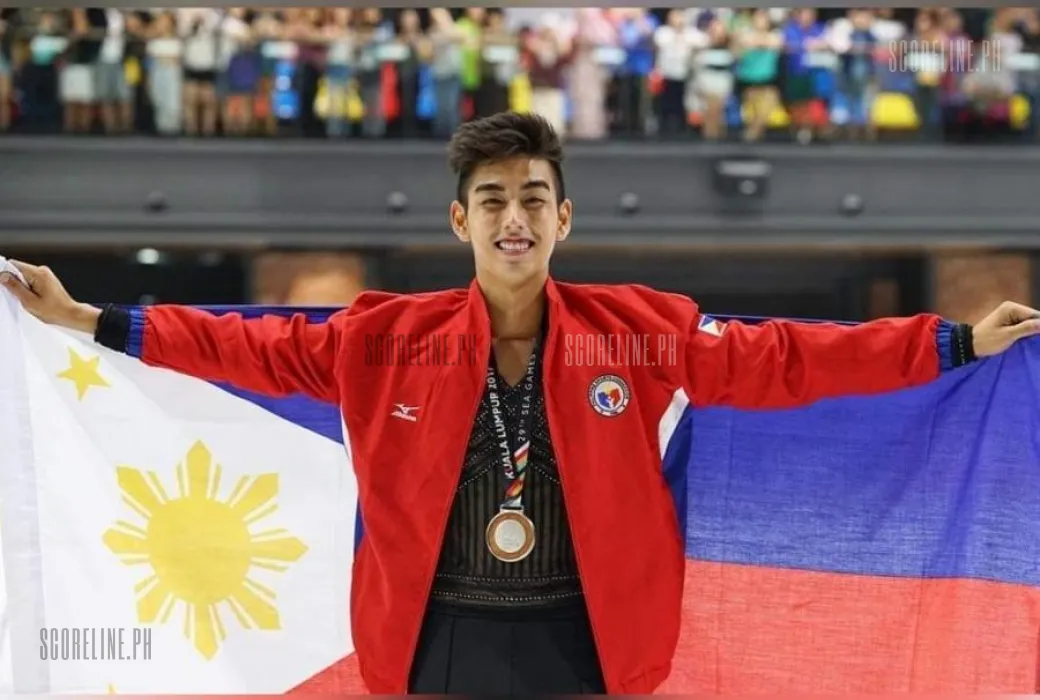
Michael Martinez Launches Figure Skating Comeback at 30 With a Bigger Mission for Philippine Winter Sports

Two-time Winter Olympian Michael Christian Martinez returns to competitive figure skating after years away, balancing intensive training and coaching while hoping to inspire the next generation of Filipino skaters.

At 17, Michael Christian Martinez made history by becoming the first Filipino figure skater to compete at the Winter Olympic Games.

At 30, he is preparing to write another chapter in his remarkable sporting journey.

But this time, the goal is different.

The two-time Winter Olympian is not returning to competitive figure skating simply to relive his younger years or chase the achievements that made him one of the Philippines' most recognizable winter sports athletes.

He is returning with a mission that extends beyond personal glory.

Martinez wants to bring Philippine figure skating back into the spotlight and help create greater opportunities for the next generation of Filipino skaters.

After years away from competition, the former Olympian has resumed intensive training ahead of the 2026 Philippine National Figure Skating Championships, scheduled for November 19 to 21 at SM Skating Mall of Asia.

His comeback represents both a personal challenge and an opportunity to renew public interest in a sport that continues to develop in a tropical country where access to ice facilities remains limited.

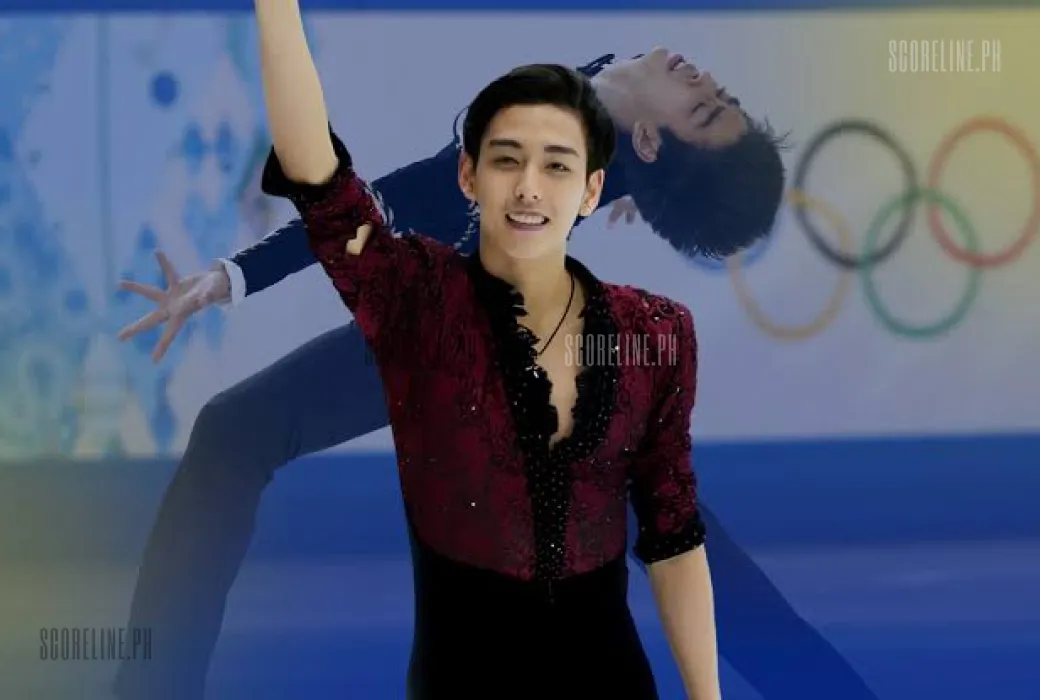
Martinez became a household name when he represented the Philippines at the 2014 Sochi Winter Olympics.

His appearance marked a historic breakthrough for Philippine figure skating and demonstrated that Filipino athletes could compete on the world's biggest winter sports stage.

He returned to Olympic competition at the 2018 PyeongChang Winter Games, further establishing his place in Philippine sporting history.

Those appearances inspired many young Filipinos to discover figure skating and consider pursuing the sport competitively.

But after stepping away from international competition, Martinez gradually shifted his focus toward coaching and helping younger athletes develop their skills.

For years, questions about a possible comeback followed him.

His response was often uncertain.

Returning to elite competition would require significant physical preparation, time, and commitment.

Eventually, however, the possibility became too compelling to ignore.

Now, at 30, Martinez has decided to return.

Not to recreate the past, but to discover what he can still accomplish today.

Martinez is taking his return seriously.

The veteran skater has resumed intensive preparation, training approximately two hours a day, five days a week, while continuing his responsibilities as a coach.

The schedule presents a demanding challenge.

Elite figure skating requires a combination of technical precision, flexibility, balance, strength, endurance, and exceptional body control.

Athletes must execute difficult jumps, spins, and footwork sequences while maintaining rhythm, artistry, and composure.

For Martinez, returning to that level of physical preparation after years away from competition has required significant adjustments.

He admitted that balancing his coaching responsibilities with personal training has not been easy.

"It's been very difficult. Honestly, I mean, I've been trying my best to go back and forth a long time," Martinez shared.

He explained that he initially attempted to balance coaching with limited practice sessions before committing more fully to his comeback.

Since announcing his return, however, he has intensified his preparation.

The transition has demanded discipline and patience.

At 30, Martinez understands that his body responds differently compared with his teenage years.

His back, joints, and overall physical condition require greater attention.

But rather than treating those limitations as reasons to abandon his comeback, he has chosen to approach training with a more mature perspective.

'I'm Not Coming Back to Recreate What I Was at 17'

Perhaps the most revealing aspect of Martinez's comeback is his mindset.

The former Olympian has made it clear that he is not attempting to reproduce the performances of his younger self.

Instead, he wants to understand what he can achieve with his current abilities, experience, and physical condition.

"I'm not coming back to recreate what I was when I was 17. I'm coming back so that I'm able to do what I'm capable of doing today," Martinez said.

The statement reflects an important shift in his approach to competition.

During his teenage years, Martinez was focused on establishing himself internationally and proving that a Filipino could compete in Olympic figure skating.

Now, his motivation includes personal fulfillment, continued development, and the opportunity to inspire others.

He also recognizes the importance of appreciating smaller achievements during training.

For an athlete returning after a lengthy competitive absence, progress may come gradually.

Regaining technical consistency, rebuilding endurance, and restoring confidence can require months of preparation.

Martinez's comeback is not about proving that age has no consequences. It is about showing that athletic ambition can evolve with experience.

While returning to competition is an important personal milestone, Martinez says his motivation extends beyond winning medals.

He wants his comeback to generate greater awareness and support for Philippine figure skating.

"I'm not just doing this for myself. I'm honestly doing this to hopefully give more attention to Philippine sports, to Philippine figure skating because I feel like we do deserve it," he explained.

For Martinez, the sport's future depends on developing young athletes who have the talent and determination to compete internationally.

He believes the Philippines already has promising figure skaters capable of achieving significant results.

But those athletes need opportunities to develop their abilities.

"I'm really doing this to really share awareness, not just awareness, but really to inspire my skaters and, of course, to really put attention to the sport and hopefully to help the next generation," Martinez said.

He emphasized that young Filipino figure skaters are talented, hardworking, and dedicated.

His hope is that their commitment will be matched by adequate support.

The message is clear: talent exists in Philippine figure skating. The challenge is ensuring that talent receives the resources necessary to succeed.

Why Philippine Figure Skating Needs Greater Support

Figure skating remains one of the more challenging sports to develop in the Philippines.

Unlike countries with extensive winter sports infrastructure, the Philippines has limited access to ice-skating facilities.

Training often requires athletes to travel to specialized rinks, pay for coaching, purchase expensive equipment, and dedicate substantial time to technical development.

For families supporting young figure skaters, those requirements can create considerable financial pressure.

International competition introduces additional expenses, including travel, accommodation, training camps, and professional coaching.

These challenges can limit opportunities for talented athletes who may not have sufficient financial resources.

Martinez's return could help bring renewed attention to these issues.

His Olympic background and public recognition provide him with a platform to encourage stronger support for the sport.

However, sustainable development requires more than public enthusiasm.

It requires cooperation among sports organizations, training institutions, private sponsors, and government agencies.

A successful national figure skating program must be built on accessible facilities, qualified coaching, athlete development, and consistent international exposure.

From Competitor to Mentor — and Back Again

One of the most interesting aspects of Martinez's return is his dual role as an athlete and coach.

After stepping away from elite competition, he dedicated considerable time to helping younger skaters improve their skills.

That experience has given him a different understanding of the sport.

As a coach, Martinez observes the challenges faced by developing athletes and the importance of patience, discipline, and technical preparation.

As a returning competitor, he must apply those same principles to himself.

The combination creates an unusual but potentially valuable perspective.

He understands the demands of elite competition because he has experienced them.

He also understands the developmental challenges faced by younger skaters because he now helps guide them.

His comeback could therefore become a powerful teaching experience.

Young athletes will have the opportunity to observe how an experienced Olympian approaches training, manages physical limitations, and prepares mentally for competition.

Martinez is not simply telling the next generation to work hard. He is demonstrating that commitment through his own return to the ice.

Overwhelming Support Fuels the Comeback

Since announcing his return, Martinez has received an enthusiastic response from Filipino sports fans.

The support has surprised him.

"I'm very happy. I'm very grateful. I'm very surprised, and with all the love and support coming from everybody, honestly, I did not expect it," he said.

For an athlete who spent years away from the competitive spotlight, the reaction has been meaningful.

Martinez expressed appreciation that fans continue to remember his Olympic journey and recognize his contributions to Philippine figure skating.

He also sees growing interest among younger Filipinos as an encouraging development.

"I'm honestly really happy for people [who] still remember me, and I feel like a lot of new generations are actually getting into figure skating," he shared.

The response reinforces his belief that Philippine figure skating has a community worth supporting.

It also provides additional motivation as he prepares for his return to competition.

November 19–21: The National Championships Await

Martinez's comeback will face its first major test at the 2026 Philippine National Figure Skating Championships, scheduled for November 19 to 21 at SM Skating Mall of Asia.

The event will provide an opportunity to assess his competitive readiness after years away from the sport.

It will also allow fans to witness the return of one of the country's most recognizable winter sports athletes.

But expectations must remain realistic.

Martinez is returning after a lengthy absence, and his current physical condition differs from his Olympic years.

Rebuilding competitive consistency takes time.

The national championships should therefore be viewed as an important step in his comeback rather than a final measure of his potential.

Martinez has also expressed hope of eventually returning to international competition in 2027.

Whether that goal becomes achievable will depend on his progress, physical condition, and competitive results.

For now, the immediate objective is clear.

Return to the ice, compete again, and rediscover the experience of performing as an athlete.

More Than Nostalgia: A Chance to Inspire the Future

Martinez's comeback naturally brings memories of his historic Olympic appearances.

His journey to Sochi and PyeongChang helped introduce Philippine figure skating to a wider audience.

But focusing exclusively on those achievements would overlook the broader significance of his return.

At 30, Martinez has an opportunity to use his experience and public recognition to help strengthen the sport's future.

His comeback could encourage young skaters to pursue their ambitions.

It could also generate renewed discussion about the resources needed to develop internationally competitive Filipino athletes.

For sports officials and potential sponsors, his return presents an opportunity to examine how Philippine figure skating can become more sustainable.

The country's young skaters need pathways that allow them to progress from local training to international competition.

Martinez's experience demonstrates that those pathways can lead to the Olympic Games.

The next challenge is ensuring that future Filipino skaters have stronger opportunities to follow that journey.

The Legacy Continues

Michael Christian Martinez has already secured an important place in Philippine sports history.

As the country's first Olympic figure skater and a two-time Winter Olympian, his achievements helped establish the Philippines' presence in international figure skating.

Nothing that happens during his comeback can erase those accomplishments.

But his return offers something new.

It allows him to compete again while using his experience to encourage younger athletes.

His goals are no longer defined exclusively by medals, rankings, or Olympic qualification.

They now include mentorship, awareness, and the development of Philippine figure skating.

For Martinez, that broader purpose gives his comeback special meaning.

HE IS NOT RETURNING TO BECOME THE 17-YEAR-OLD OLYMPIAN HE ONCE WAS. HE IS RETURNING TO DISCOVER WHAT THE 30-YEAR-OLD ATHLETE CAN STILL ACHIEVE.

And perhaps more importantly, he wants to help the next generation achieve even more.

The Olympian Returns, but the Mission Has Changed

As November approaches, Martinez continues preparing for his return to competitive figure skating.

The physical demands are significant.

The expectations are growing.

And the challenges of balancing coaching and personal training remain.

But the former Olympian is embracing the process.

He understands that success may look different this time.

It may come through improved technical execution, renewed confidence, or simply the satisfaction of competing again.

It may also come through inspiring a young Filipino skater to pursue an Olympic dream.

That possibility could become one of the most meaningful outcomes of his comeback.

MICHAEL MARTINEZ HAS ALREADY MADE HISTORY FOR PHILIPPINE FIGURE SKATING. NOW HE WANTS TO HELP BUILD ITS FUTURE.

OLDER. WISER. STILL PASSIONATE. STILL WILLING TO COMPETE.

THE OLYMPIAN RETURNS. THE DREAM EVOLVES. AND A NEW CHAPTER FOR PHILIPPINE FIGURE SKATING BEGINS. 
News

JunnaTsukii

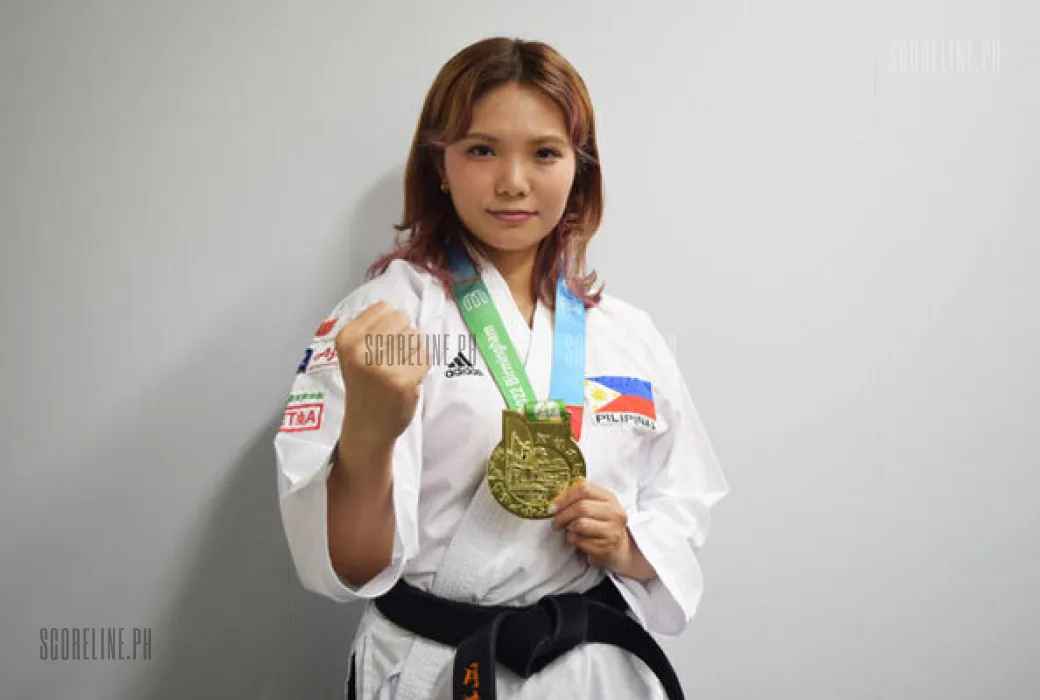
Beyond bloodlines: Junna Tsukii fights for Philippine pride, silences doubts over Filipino identity

The world karate champion has fought for medals, carried the Philippine flag on the international stage and challenged the notion that Filipino identity should be judged by appearance or ancestry.
Inside the karate arena, Junna Tsukii has faced formidable opponents, endured demanding battles and established herself as one of the Philippines' most accomplished martial artists.

But one of the most personal challenges she encountered did not come from an opponent standing across the competition mat.

It came from someone questioning whether she was Filipino enough to represent the country.

Born to a Filipino mother and a Japanese father, Tsukii has proudly competed under the Philippine flag, building an international career highlighted by a world karate championship and Southeast Asian Games success.

Yet following her medal-winning performance at the 2023 SEA Games, an online critic reportedly questioned her Filipino identity.

Her response was direct and unwavering.

“I am proudly fighting with my face and name.”

Those words carried a message far beyond karate.

For Tsukii, representing the Philippines was not something that required the approval of strangers on social media. It was a commitment she had already demonstrated through years of training, competition and sacrifice.

Tsukii's Filipino-Japanese heritage has been part of her identity throughout her life.

Rather than allowing her mixed ancestry to become a source of division, she embraced the opportunity to represent the Philippines in international karate.

That decision placed her among the country's athletes competing against some of the strongest martial arts programs in the world.

Her journey demanded the same qualities required of every elite competitor: discipline, resilience, technical excellence and the willingness to endure setbacks in pursuit of success.

Her achievements eventually brought her recognition as a world karate champion, strengthening her place in Philippine sporting history.

But while her victories earned applause, the questions surrounding her identity exposed an uncomfortable reality faced by some athletes with multicultural backgrounds.

In international sports, athletes with mixed heritage are often celebrated for choosing to represent the Philippines.

Their victories become national achievements. Their medals inspire pride. Their performances unite supporters behind the Philippine flag.

Yet the same athletes can sometimes face questions about their nationality, appearance, surname or cultural background.

Tsukii's experience highlights the contradiction.

Her Filipino heritage is not diminished by having a Japanese father. Neither does her appearance determine the sincerity of her connection to the Philippines.

Filipino identity cannot be reduced to a particular facial feature, accent or family name.

For athletes like Tsukii, multicultural heritage is not something that should automatically invite suspicion.

It is part of who they are.

And in Tsukii's case, her decision to compete for the Philippines has been accompanied by tangible achievements on the international stage.

Tsukii's response to the online criticism was striking because she did not attempt to conceal or apologize for her background.

Instead, she expressed pride in competing openly under her own identity.

“I am proudly fighting with my face and name.”

It was a declaration of confidence from an athlete who had already proven herself through competition.

Her message also reflected a broader truth about sports: national representation is not measured by whether an athlete fits someone else's expectations of what a Filipino should look like.

Athletes represent their countries through established eligibility rules, personal commitment and participation in international competition.

Their performances deserve to be evaluated on sporting merit.

Tsukii has earned recognition through her achievements, regardless of the opinions expressed by online critics.

The controversy surrounding Tsukii offers an opportunity to examine how Filipino supporters treat athletes with mixed heritage.

Philippine sports has long benefited from competitors whose families, upbringing and experiences span different cultures.

These athletes contribute to the country's international campaigns while bringing their own backgrounds and perspectives to the national team.

Their diversity should not overshadow their dedication.

More importantly, athletes should not have to repeatedly defend their personal identities simply because they do not match a narrow stereotype.

Constructive criticism of athletic performance is part of sports. Questioning an athlete's belonging based on appearance or mixed ancestry is another matter.

For Tsukii, the strongest response has been the career she has built and the Philippine flag she has represented.

Junna Tsukii's story is not only about medals or championship performances.

It is also about the confidence to embrace one's identity despite public scrutiny.

Her achievements demonstrate the determination required to succeed in elite karate, while her response to criticism reflects the pride she takes in representing the Philippines.

The karate mat has been the stage for her sporting accomplishments.

Outside it, her experience has become part of a wider conversation about identity, acceptance and respect.

She did not need to abandon one part of her heritage to embrace another.

She did not need to look a certain way to take pride in her Filipino roots.

And she did not need an online critic's approval to celebrate her achievements under the Philippine flag.

Junna Tsukii stepped onto the mat, fought for the Philippines and made her country proud.

Her victories belong in the country's sporting story, and her Filipino heritage deserves the same respect afforded to every athlete who proudly represents the nation.

Because being Filipino is not about fitting someone else's definition of identity. And being a champion is about what an athlete earns through dedication, sacrifice and performance.

3
Learn more
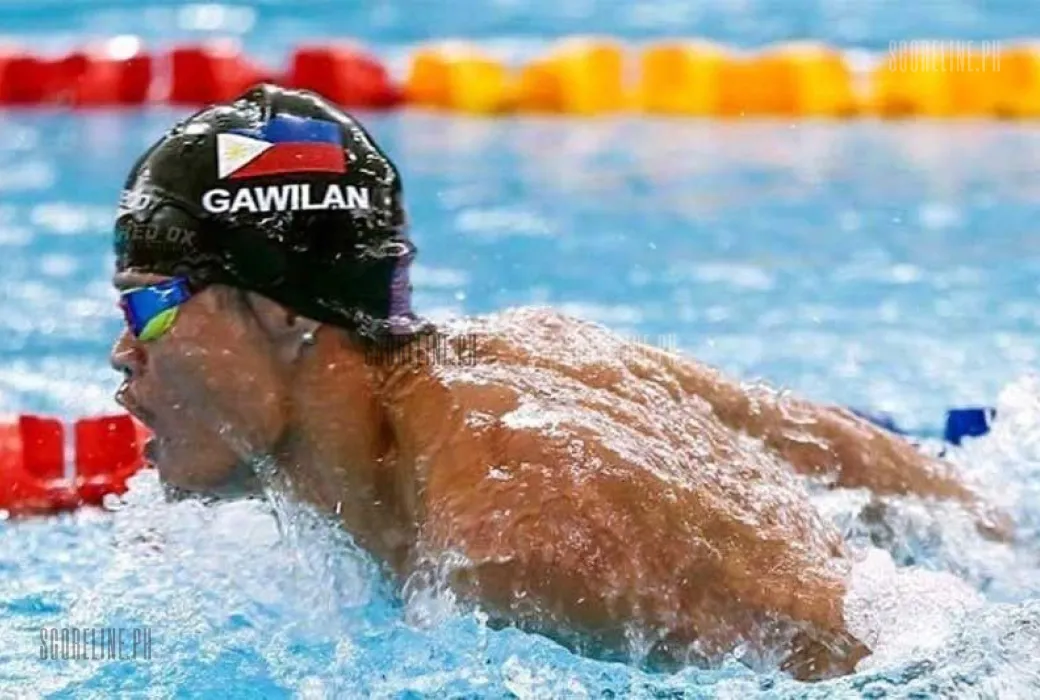
Ernie Gawilan

The world saw his disability. He showed the world his ability.

Born with physical differences, the Filipino swimming champion transformed his passion for the water into a remarkable sporting career — proving that greatness is measured not by physical appearance, but by determination, discipline and achievement.

In a world where athletes are often measured by physical strength, speed and perfection, Ernie Gawilan has built an extraordinary career by challenging conventional perceptions of what a champion should look like.

Born with physical differences and raised by his grandmother in Davao, Gawilan grew up facing circumstances that could have shaped how others viewed his future.

But he refused to allow those perceptions to determine his destiny.

Instead, he discovered something remarkable in the swimming pool — an opportunity to develop his abilities, pursue excellence, and eventually represent the Philippines against some of Asia's finest para athletes.

Today, Gawilan stands among the country's most accomplished para swimmers, with multiple Asian Para Games gold medals highlighting a career defined by perseverance, discipline, and competitive excellence.

His journey is not simply a story about overcoming adversity.

It is a story about discovering potential where others might have seen limitations.

Growing up in Davao under the care of his grandmother, Gawilan experienced a childhood far removed from the bright lights of international sporting competitions.

His physical differences were part of his life from birth, but they never defined the full extent of his abilities.

What eventually changed his direction was swimming.

In the water, Gawilan discovered a sporting environment where he could develop his strengths and challenge himself through training and competition.

The swimming pool became more than a place for recreation. It became a pathway toward independence, personal growth, and athletic achievement.

And with every training session, he moved closer to a future that would eventually take him beyond Davao and onto the international stage.

Perhaps the most powerful reflection on Gawilan's journey comes from the swimmer himself.

"Even though I was born like this, I realized I could do something that not all people can do."

Those words capture the philosophy behind his success.

Rather than viewing his physical condition solely through the challenges it presented, Gawilan recognized his ability to excel in a demanding sport.

But his accomplishments were not built on positive thinking alone.

Competitive swimming requires years of disciplined preparation, technical development, physical conditioning, and mental toughness.

For para swimmers, the demands of international competition are equally unforgiving.

Every fraction of a second matters. Every stroke must be executed with precision. Every race requires focus, preparation, and the ability to perform under pressure.

Gawilan embraced those demands and transformed his potential into results.

The defining proof of Gawilan's sporting excellence came through his performances at the Asian Para Games.

Competing against elite para swimmers from across the continent, the Filipino standout established himself as a formidable competitor, capturing multiple gold medals and bringing international recognition to Philippine para swimming.

His victories represented more than personal milestones.

They demonstrated that Filipino para athletes could compete successfully against Asia's strongest sporting programs.

For a country where basketball, boxing and volleyball frequently dominate public attention, Gawilan's achievements offered another compelling reason to celebrate Philippine sporting excellence.

He was not winning because opponents underestimated him.

He was winning because he possessed the training, technique, determination and competitive ability required to succeed at the highest level.

His medals were earned through athletic performance — not sympathy.

There is a tendency in sports coverage to describe para athletes primarily through the difficulties they have experienced.

While those experiences deserve recognition, focusing exclusively on adversity risks overlooking what makes these competitors exceptional: their athletic accomplishments.

Gawilan's career deserves to be celebrated for the same reasons any elite athlete's career would be celebrated.

He trained to improve. He competed to win. He represented his country with pride.

His achievements deserve serious attention not merely because he was born with physical differences, but because he developed himself into an outstanding international competitor.

That distinction matters.

Para athletes should not have to rely on inspirational narratives to receive recognition for their sporting achievements.

Their performances, records, medals and dedication already provide compelling reasons for national admiration.

Gawilan's success also raises a broader question about the place of para sports in Philippine athletics.

While major victories in mainstream sports frequently dominate headlines and social media discussions, the accomplishments of para athletes do not always command comparable public attention.

Yet the sacrifices involved in pursuing international success remain substantial.

Para athletes dedicate countless hours to training, endure demanding competitive schedules and carry the same Philippine flag into international arenas.

Their achievements deserve sustained media coverage, meaningful institutional support and opportunities to inspire future generations of athletes with disabilities.

Gawilan's story demonstrates what can happen when athletic talent is recognized, developed and given an opportunity to flourish.

It also highlights why investing in accessible sports programs and athlete development is essential to strengthening the country's sporting future.

For Ernie Gawilan, the journey from Davao to international swimming success has never been about proving that his life should be viewed as a tragedy transformed into triumph.

His own words reveal a different perspective.

He recognized that he possessed abilities worth developing — and he worked to make the most of them.

That determination eventually carried him to the podium, where the Philippine flag became part of his greatest sporting moments.

His story is a reminder that excellence does not follow a single physical standard.

Champions emerge from different backgrounds, possess different abilities and travel different paths toward success.

What unites them is the pursuit of greatness.

And Gawilan has earned his place among them.

The medals will remain an important part of Ernie Gawilan's legacy.

But his influence reaches beyond podium finishes and championship results.

For young Filipinos with disabilities who dream of participating in sports, his career offers a powerful example of what dedicated training and meaningful opportunities can achieve.

For the Philippine sporting community, his success reinforces the importance of recognizing athletes for their abilities rather than defining them by perceived limitations.

And for the nation, he represents the excellence, resilience, and competitive spirit that deserve celebration in every sporting arena.

Ernie Gawilan did not become a champion because the world lowered its expectations. He became a champion because he developed the skills to compete with the best.

The water never judged his appearance or questioned his potential.

It simply offered a place to compete.

And Ernie Gawilan made that place his own — one stroke, one race, and one gold medal at a time.

4
Learn more
Alex Eala

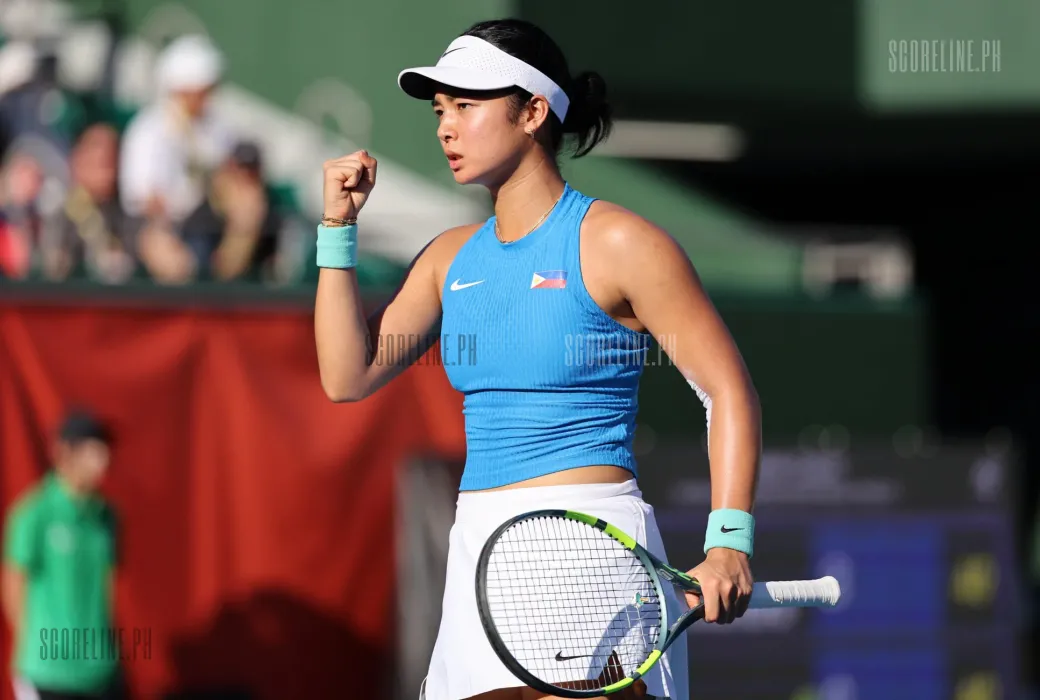
From No. 53 to No. 15: Alex Eala’s Remarkable Rise in World Tennis

Alex Eala may have finished as runner-up at the 2026 Hong Kong Tennis Open, but her latest achievement has set the Philippine tennis world abuzz: a new career-high world No. 15 ranking in the WTA — the highest ever for the 21-year-old Filipina sensation.

Eala capped her breakout season in Hong Kong, falling to American Claire Liu, 6-3, 6-0, in the championship match. Yet, that single defeat could not overshadow what was arguably the most significant year of her young career.

The numbers tell the story of Eala's meteoric ascent:

• Started 2026 ranked world No. 53 • Captured her maiden WTA Tour title in Washington, D.C. in August • Reached the Hong Kong Open final • Finished the year at a career-best world No. 15

For Eala, the climb up the rankings is more than just statistics. It is the fulfillment of a dream long in the making.

"It just makes me so emotional... Just to look back at everything that's happened this year and wrap it up at 15," Eala shared. "These are things that I dream about. To live it out and be in the moment, it's indescribable."

Eala’s journey in 2026 was defined by grit, poise, and a refusal to be defined by setbacks. Her breakthrough WTA title in Washington proved she could compete with — and conquer — the best, while her Hong Kong Open run cemented her place among the sport’s elite.

Now, Eala heads home to the Philippines for a well-earned holiday break before taking on Indonesia’s Janice Tjen in an exhibition match at the Philippine Arena on December 8.

Eala’s leap from No. 53 to No. 15 is more than just a personal milestone — it’s a historic step for Philippine tennis. Her rise has inspired countless fans and young athletes who see in her journey the possibilities for Filipino excellence on the global stage.

She began the year outside the world’s top 50. She ends it firmly among the best 15 players in women’s tennis.

That’s not just progress — it’s a statement to the world: Alex Eala has arrived, and her story is just getting started.

Congratulations, Alex! The nation celebrates your incredible season and looks forward to even greater heights ahead.

10
Learn more
Naiomi Cesar

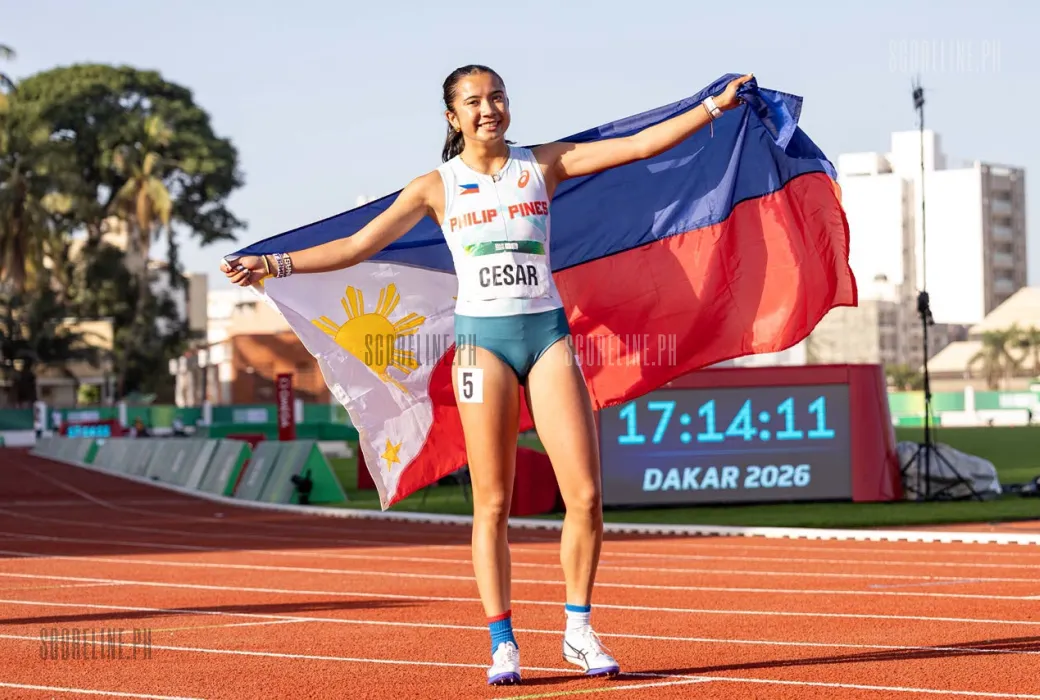
Unstoppable Surge: Naomi Cesar’s Thrilling Final Kick Delivers Silver at Dakar Youth Olympics

In a race where every second counted, Naomi Marjorie Cesar refused to let history slip away.

The Filipino middle-distance sensation unleashed a breathtaking final-lap comeback to seize the silver medal in the women’s 800-meter final at the 4th Youth Olympic Games — delivering a performance defined by heart, hunger, and an unforgettable finishing kick.

With just 100 meters left and Cesar sitting in fourth, the odds seemed stacked against her. But in the electrifying closing stretch, she summoned every ounce of speed and determination, storming past two rivals in the final meters to claim second place for Team Philippines with a blazing time of 2:09.34.

Ethiopia’s Netsanet Selemon dominated for gold in 2:04.43, while Morocco’s Khadija Elmostaqim settled for bronze at 2:10.05. Yet it was Cesar’s dramatic surge that sent shockwaves through the stadium — and hope rippling across Philippine sports.

For a delegation searching for its breakthrough, Cesar’s silver was more than a medal. It was a moment of defiance, proof that even on the world stage, Filipino athletes can summon greatness when it matters most.

The reigning Southeast Asian Games champion arrived in Dakar with a Philippine record and the determination to match the world’s best. After a cautious qualifying heat, she exploded in the final, slashing more than 10 seconds off her previous time and showing the competitive fire that makes champions.

Cesar’s race was not just about speed — it was about resilience. She entered the final straight outside the medals, but her refusal to quit transformed a daunting challenge into a spectacular triumph.

As she crossed the line in silver-medal position, arms raised in disbelief, Cesar etched her name onto the Youth Olympics stage and into the hearts of Filipino fans everywhere.

Naomi Cesar’s sensational finish is a beacon for the next generation of Philippine athletes: when the moment comes, never count yourself out. The podium is not reserved for the lucky — it belongs to those who dare to chase it down to the very last stride.

8
Learn more
Philippine Athletes

Beyond the Medals: Young Filipino Athletes Gain Valuable Lessons at Dakar Youth Olympics


Gymnast Tchelzy Mei Maayo and cyclist Maritanya Krog may have missed the podium, but their performances highlight the challenges, determination, and development of the Philippines' next generation of athletes.
 

The Olympic dream is often measured in gold, silver, and bronze. But for young athletes competing on the international stage for the first time, success can also be found in the experience gained, the challenges overcome, and the determination to keep improving.


For Filipino gymnast Tchelzy Mei Maayo and cyclist Maritanya Krog, the 4th Youth Olympic Games in Dakar, Senegal, offered a valuable glimpse into the demanding world of elite international competition.


Both athletes faced formidable opponents in their respective events on Sunday, with Maayo finishing 36th in the women's artistic gymnastics individual all-around and Krog placing 30th in the women's individual road race.


Although neither reached the podium, their participation represented an important step in their development as young Filipino athletes. Maayo shows composure against world-class competition.


At just 14 years old, Maayo stepped onto the Olympic gymnastics floor carrying the Philippine colors against talented competitors from established international gymnastics programs.


Competing at the Dakar Exhibition Center in Diamniadio, the young Filipina recorded a combined score of 44.399 points across four apparatus.


Her strongest performance came in the vault, where she earned 12.633 points, followed by 11.466 in floor exercise, 10.800 on balance beam, and 9.500 on uneven bars.


The scores placed her 36th overall in a field of 57 entered gymnasts, four of whom did not complete the competition.
China's Xie Guying led the qualifiers with 53.099 points, followed by compatriot Zhong Qi with 52.932, while Polina Dmitrieva of the Russian Federation registered 52.733.


Japan's Yume and Nanami Togo also delivered strong performances to reach the 18-athlete final.
For Maayo, the competition clearly showed the level of precision, consistency, and technical execution required to compete with the world's leading young gymnasts.


Although she finished outside the final qualification places, she was satisfied with completing her routines without a fall.
"I competed without any falls, although I wobbled [on the balance beam] a bit; I really enjoyed the games, and I'm just happy to have performed and competed," Maayo said.


Her remarks reflected a young athlete beginning to understand that international competition is as much a test of mental strength as physical ability.


Perhaps the most meaningful part of Maayo's Olympic experience was not reflected on the scoreboard.
It was the lesson she learned about responding to setbacks.
"I learned to stay strong even if your score is not really good," she said.
"It's about focusing on your next event after you missed one."


For a gymnast still in the early stages of her competitive career, that mindset could prove valuable.
Artistic gymnastics demands exceptional concentration. A slight hesitation, imperfect landing, or momentary loss of balance can affect an athlete's score.


Learning to recover mentally from those mistakes is an essential part of becoming a more consistent competitor.
Maayo's ability to complete her routines and recognize areas for improvement suggests that she is approaching her development with a willingness to learn.


The experience in Dakar may not have produced a medal, but it offered lessons that can help shape her future performances.
Krog faces a demanding international cycling field.


Meanwhile, Filipina cyclist Maritanya Krog encountered her own challenges in the women's individual road race.
Krog finished 30th against a competitive international field, gaining experience in an event that demands endurance, race awareness, tactical decision-making, and physical resilience.


Road cycling presents a different kind of challenge from gymnastics. Riders must manage their energy while responding to changes in pace, positioning, and race conditions.


For young cyclists, competing against athletes from countries with established cycling development programs provides valuable exposure to international racing standards.


Although Krog finished outside the medal positions, her participation allowed her to experience the intensity of Olympic-level competition.


That exposure can become an important foundation as she continues developing her skills and preparing for future races.

Maayo will not have to wait long for another opportunity to compete.
The young gymnast is expected to participate in the Batang Pinoy National Championships in Bacolod City this December, where she remains eligible to compete.


The tournament, a flagship grassroots sports development program of the Philippine Sports Commission, provides young athletes with opportunities to test their abilities in national competition. For Maayo, the event presents a chance to apply what she learned in Dakar.


After competing against international opponents, she returns to the domestic stage with greater awareness of the standards required at higher levels.


Her immediate objective is straightforward: continue training, improve her routines, and deliver stronger performances.
"I'll do my best and work harder in the next competitions," she said.


That determination may ultimately prove more important to her long-term development than her final ranking in Senegal.

The performances of Maayo and Krog also highlight a broader issue in Philippine sports: the importance of providing young athletes with consistent opportunities to compete internationally.


The Youth Olympic Games bring together promising athletes from different sporting systems, many of whom have access to specialized coaching, structured training programs, and regular high-level competition.


For developing athletes, competing in such an environment provides a realistic assessment of their current abilities.
It allows them to identify technical weaknesses, understand international competition standards, and experience the pressure of performing against talented opponents.


These lessons cannot always be replicated through domestic training alone.


However, international exposure becomes most valuable when it is followed by sustained development.
Young athletes need appropriate coaching, access to facilities, competition opportunities, recovery support, and long-term planning.


Without that continuity, valuable international experience may not translate into meaningful competitive improvement.

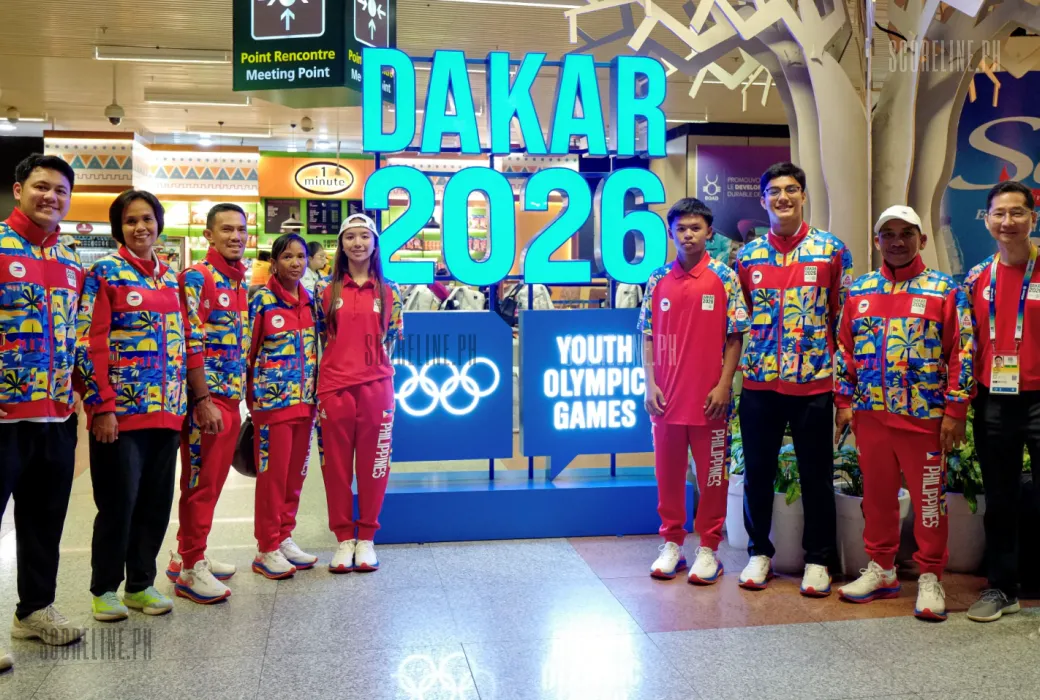
Maayo and Krog are among the nine Filipino athletes representing the country at the Dakar Youth Olympic Games, with the delegation endorsed by the Philippine Olympic Committee and supported by the Philippine Sports Commission.
Their participation reflects the continuing effort to develop Filipino talent across different sporting disciplines.
But producing future international medal contenders requires patience.


Athletes at the youth level are still developing physically, technically, and mentally.


Their performances should be evaluated not only through medals and rankings but also through their progress over time.
A disappointing result at 14 years old does not determine the limits of an athlete's potential.


Likewise, international exposure alone does not guarantee future success. The challenge for Philippine sports development is to ensure that young competitors receive the guidance and opportunities needed to build on these experiences.


For Maayo and Krog, Dakar should be viewed as one stage in a much longer journey.

The absence of a medal does not mean the absence of achievement.
Maayo completed her gymnastics routines against a demanding international field and emerged with a stronger understanding of the mental discipline required to compete.


Krog tested herself in an international road race and gained experience against talented young cyclists.
Both athletes represented the Philippines on a stage that many aspiring competitors dream of reaching.
Their results also serve as a reminder that international sporting success is rarely achieved overnight. It is built through years of preparation, difficult competitions, personal sacrifices, and lessons learned from defeat.


As Team Philippines continues its campaign in Dakar, the search for a breakthrough medal remains an important goal. But the country's long-term sporting future also depends on what happens after these young athletes return home.
Will they receive the training, competition opportunities, and institutional support necessary to keep progressing? That question matters beyond any single Youth Olympic Games.


For Tchelzy Mei Maayo and Maritanya Krog, the journey continues.


They may have left their respective events without medals, but they return with something that can help shape their futures: international experience, a clearer understanding of the competition, and the motivation to become better athletes.

14
Learn more

Top News

Kenji Moral

Kenji Moral’s Fast Break to Rising Star in PH's Youth Basketball

2,193
Mario Barasi Jr.

Mario Barasi Jr.: Rising Big Man ready for the PBA stage

831
Michael Martinez

Michael Martinez: The Filipino Athlete Who Funded His Own Olympic Dream

416
Masters Pinoy Pilipinas Basketball squad with team Mongolia.

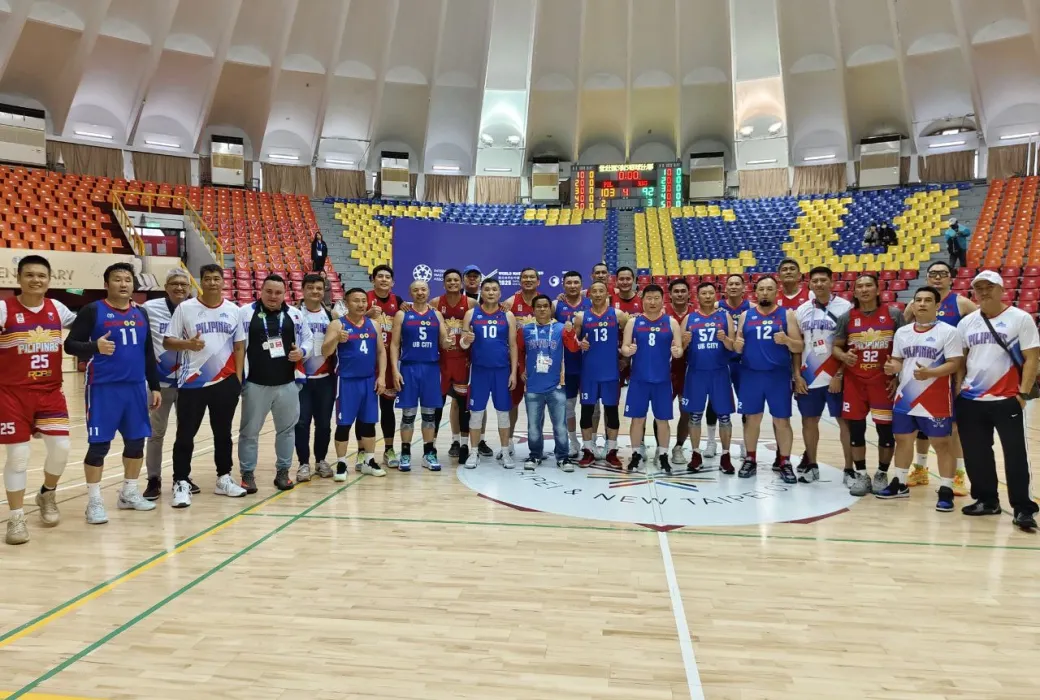
Masters Pinoy captures basketball gold at the World Masters Games

390
janine

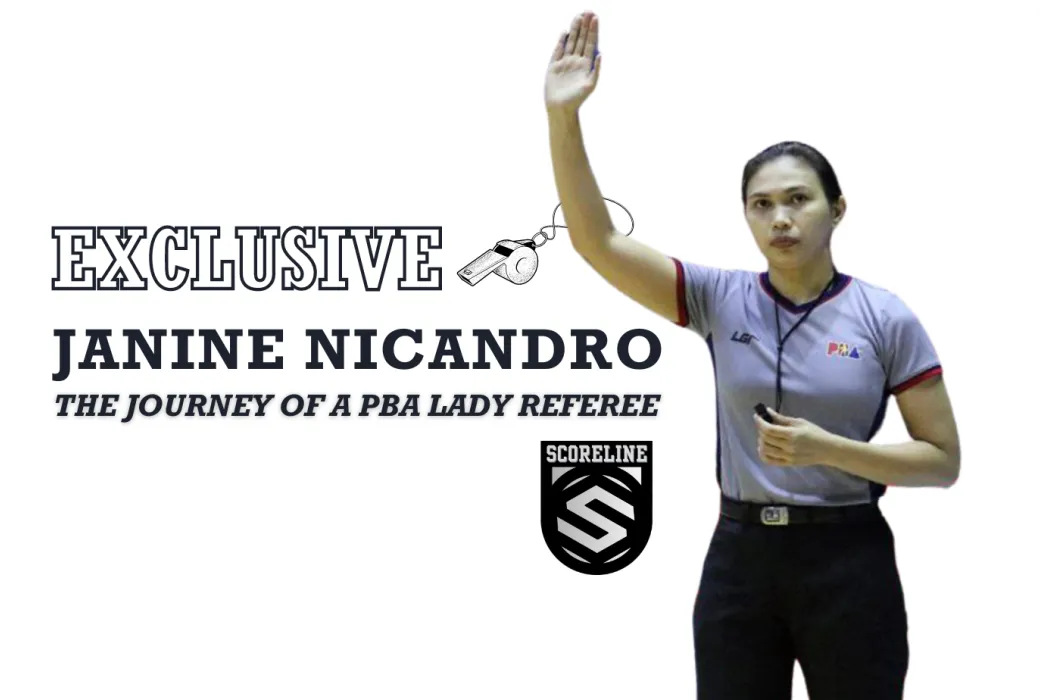
Exclusive: Janine Nicandro, The Journey of a PBA Referee

376
Loren Brill

Loren Brill: Reigniting a basketball legacy born of champions

342
Guiness Nabung of Masters Pinoy Pilipinas Basketball team.

Guiness Nabung - Masters Pinoy Pilipinas Basketball Profile

306
Isaiah Africano poses for Scoreline.ph during the PBA 50th Rookie Draft

Isaiah Africano joins Guam National Team for FIBA WCA Qualifiers

301
Johann Chua & Carlo Biado

17 Filipino cue artists eye glory at World Pool Championship in Saudi Arabia

300
Efren Reyes

Player Profile Series: “The Magician” Efren “Bata” Reyes

296
Gilas Pilipinas

Gilas Pilipinas begins Asian Games title defense with a new-look squad

294
Andre Jamgerald Ugaddan

Andre Jamgerald Ugaddan – “Batang Mamaw” ng Reg. 4A

290
Kevin Quiambao

UAAP: UP fighting Maroons fall short to Green Archers, forced to Game 3

279
Paul Reguera

Paul Reguera - Masters Pinoy Pilipinas Basketball Profile

267
Dr. Obet Vital is the new Assistant Coach of the UP Fighting Maroons Women's Volleyball Team

Looking Ahead: Obet Vital's new era of growth and opportunity

264
Alvin "The Captain" Patrimonio - a player with a lion heart.

Player Profile Series: “The Captain” Alvin Patrimonio’s lion heart

245
Deanna Wong

Player Profile Series: Deanna Wong, The Court’s Quiet Leader

234
Ricky Ricafuente

Ricky Ricafuente - Masters Pinoy Pilipinas Basketball Profile

231
First ever PBA MVP William "Bogs" Adornado.

Player Profile: William "Bogs" Adornado - First PBA MVP

228
Oliver Agapito of Masters Pinoy Pilipinas Basketball team.

Oliver Agapito resharpens his basketball form with Masters Pinoy

222
Roger Yap of Masters Pinoy Pilipinas Basketball team.

Roger Yap - Masters Pinoy Pilipinas Basketball Profile

214
Aiza Maizo-Pontillas

Player Profile Series: The fierce journey of Aiza Maizo-Pontillas

208
Captain Nica Celis of the UP Fighting Maroons Women's Volleyball Team

Nica Celis aims to helm Fighting Maroons' escape from bottom spot

200
Alberto "Abet" Guidaben - PBA 50 Greatest Players (2000)

Player Profile Series: Abet Guidaben – PBA Legend, 2 Slams

193
Toshihiko Era

Japanese boxer scores a remarkable victory in Bangkok at age 50

191
Johann Chua

Player Profile Series: Johann Gonzales Chua - The "Bad Koi"

190
Cloanne Mondonedo

Player Profile Series: Clo Mondoñedo’s journey to setter glory

186
Alex Pagulayan

Player Profile Series: Billiards' "Lion Heart" Alex Pagulayan

184
Kamille Cal

Player Profile Series: Kamille Cal brings precision to Akari

179
Association of Boxing Alliances in the Philippines

13-strong boxers to lead PH Boxing Team in 2025 SEA Games

175
Sisi Rondina and Bernadeth Pons

Rondina, Pons claim first Challenge win at Beach Pro Tour Nuvali

174
Sisi Rondina

Player Profile Series: Sisi Rondina, Volleyball’s Cherry Bomb

169
"The Quick Brown Fox" - Ricardo Brown

Player Profile Series: Ricardo Brown – "The Quick Brown Fox"

167
PBA Commissioner Willie Marcial

PBA Season 50 eyes more overseas tours and foreign guest teams

157
Arena Fitness Dojo

From Grassroots to Global: Arena Fitness Dojo

155
Spike and Serve with Petro Gazz Angels & Volleybukids

Spike and Serve reaches out to Volleybukids in Morong, Bataan

153
Ricky Ricafuente

Ricky Ricafuente brings his global experience to Masters Pinoy

153
Francisico Bustamante

Player Profile Series: The iconic Francisco "Django" Bustamante

152
Philip Cezar - PBA's Tapal King

Player Profile Series: Philip Cezar – The PBA's Tapal King

149
Freddie Hubalde - The Silent Operator

Player Profile Series: Freddie Hubalde - The Silent Operator

148
General Trias City Sports Park

General Trias City LGU eyes vows world-class sports facilities for youth

146
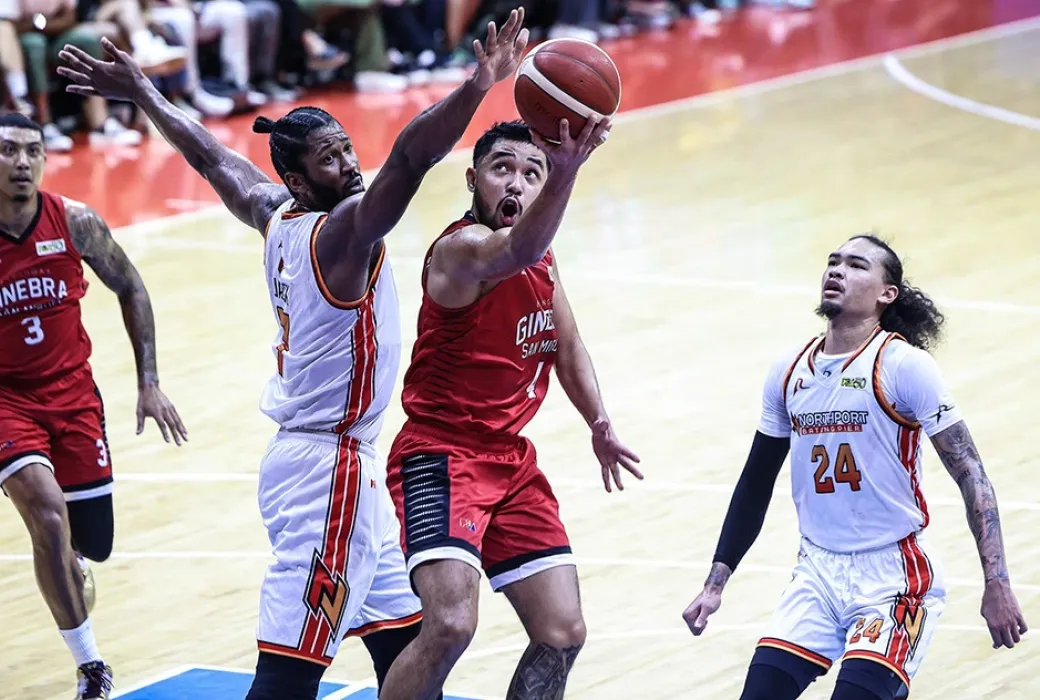
Ginebra's RJ Abarrientos tries to score against NorthPort's import Kadeem Jack.

Ginebra dominates NorthPort to get Game 1 of their Semis series

145