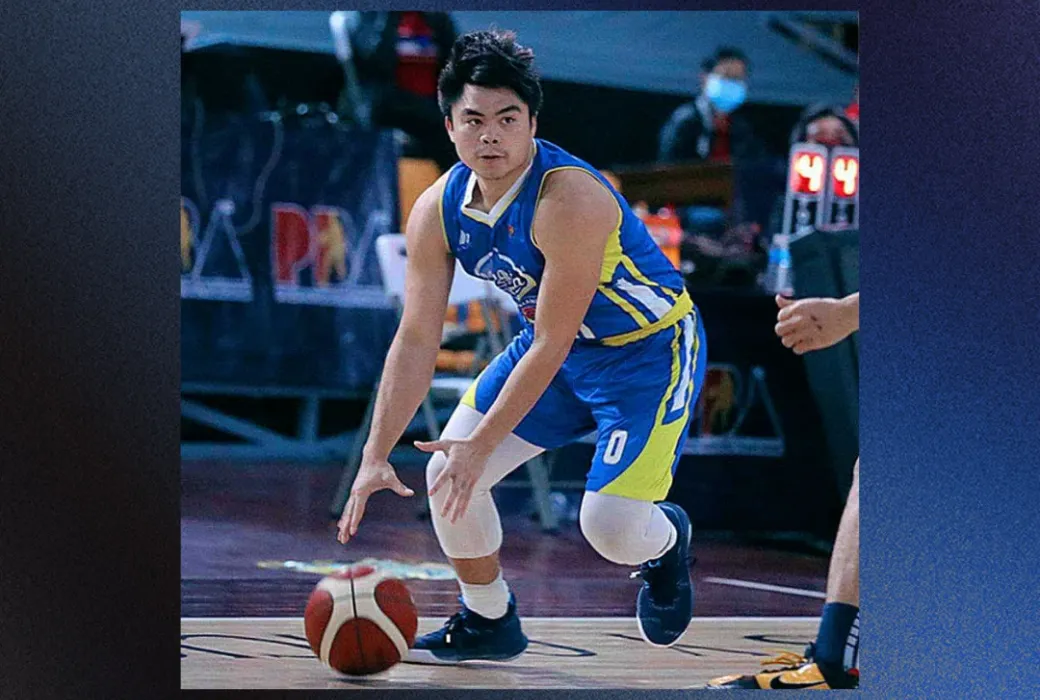

Loren Brill
LOREN BRILL
PHOTO COURTESY: PBA
LorenBrill MagnoliaChickenTimpladosHotshots PBA Basketball

Loren Brill: Reigniting a basketball legacy born of champions

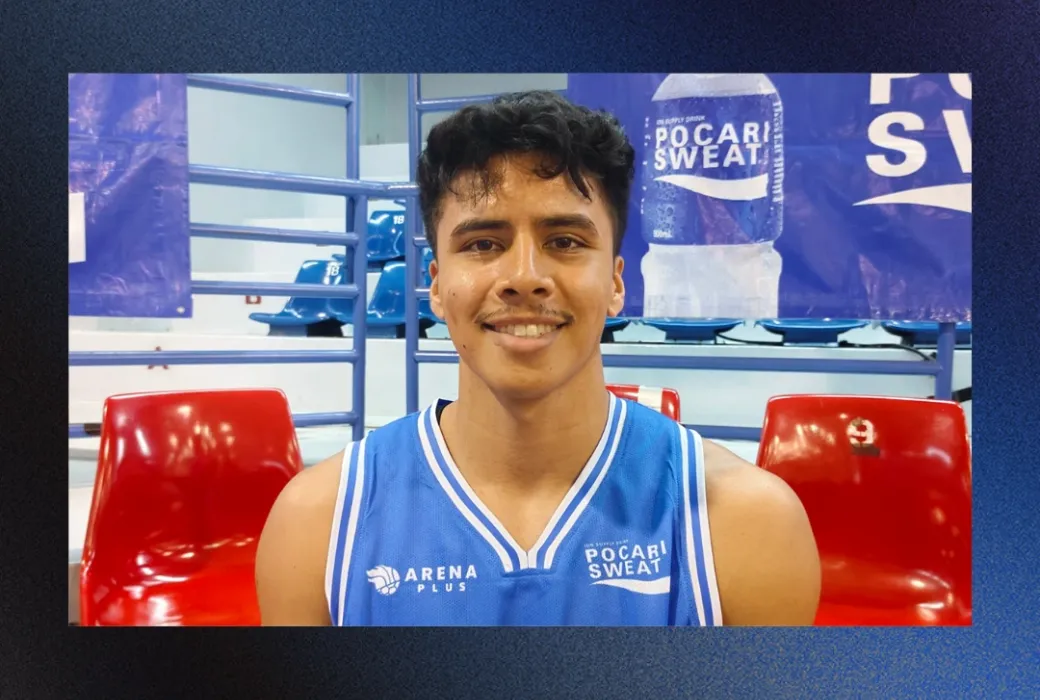
Loren Brill, the Filipino-American guard and son of former Olongapo sports star Louie Brill, is set on reigniting his professional basketball journey in the Philippines. Standing at 6’0” and weighing 190 pounds, Loren brings a mix of international experience, athleticism, and heritage pride to the court.

His father, Louie Brill, was a back-to-back NCAA champion (1977–1978) with the San Beda Red Lions and team captain of the 1982 RP Youth team that won the ABC Juniors Championship, cementing his place among the country’s standout basketball figures of his era.

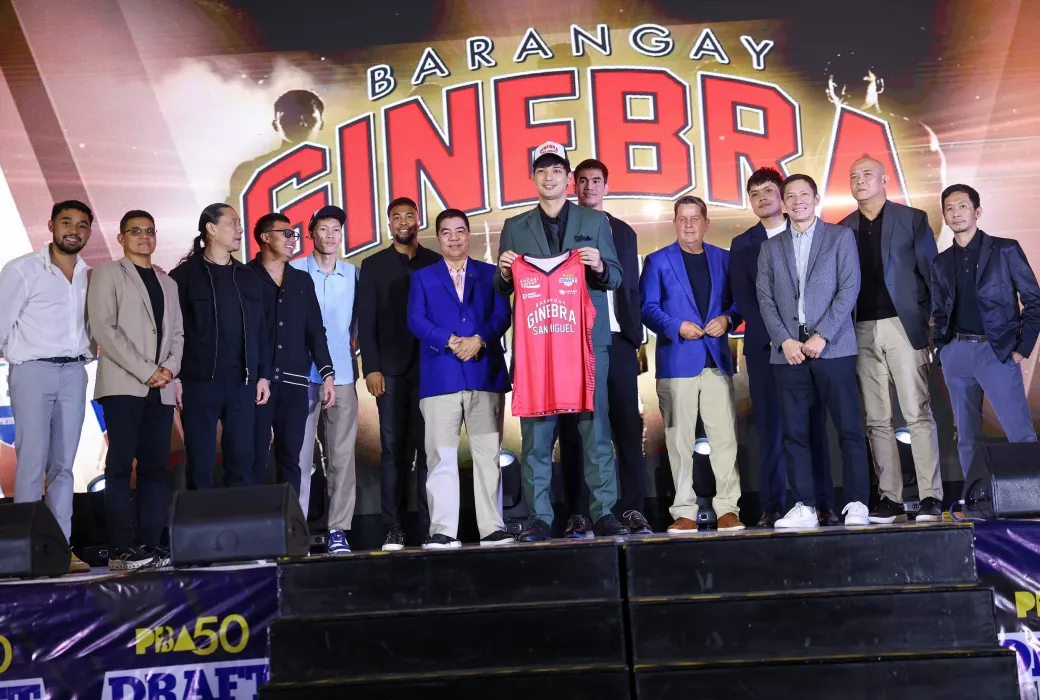
Following in those footsteps, Loren carved his own path abroad. A former Magnolia Chicken Timplados Hotshots draftee, he was selected 28th overall in the 2021 PBA Draft, contributing to Magnolia’s deep playoff runs in the Philippine Cup and Governor’s Cup. 

Before turning pro, he played Division I basketball in the U.S. — first with California State University Fullerton, and later with Old Dominion University, where he competed in the 2019 NCAA March Madness Tournament.

After a solid stint with the Dasmariñas Monarchs in the 2023 AsiaBasket League, Loren now looks to return to the PBA with renewed focus and hunger. 

Carrying the competitive fire of his father Louie, a champion and youth team legend, Loren Brill is determined to write the next chapter of the Brill basketball legacy — one built on history, pride, and perseverance.

News

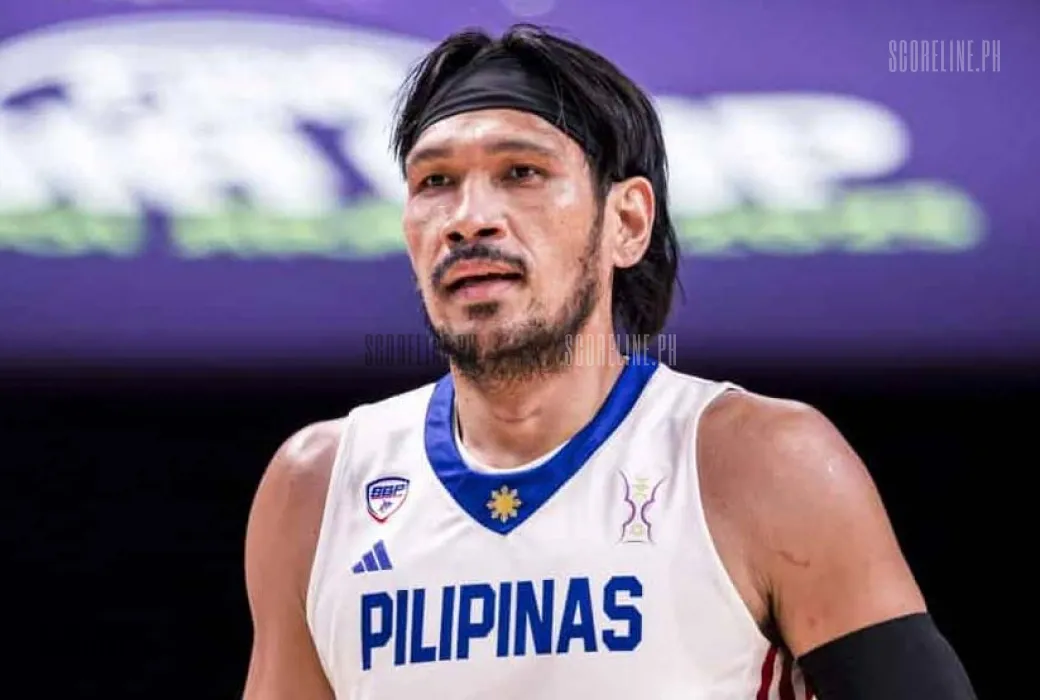
tim cone and bennie boatwright

Can Bennie Boatwright Become the Missing Piece in Philippine Basketball's Comeback?

BROWNLEE'S STATUS UNCERTAIN. FAJARDO'S GILAS CHAPTER CLOSED. THE PRESSURE IS ON — AND BENNIE BOATWRIGHT COULD BE THE ANSWER.

Philippine basketball is approaching another crucial crossroads, and Gilas Pilipinas may soon have a new weapon capable of transforming its international campaign.

With veteran naturalized star Justin Brownlee's availability still uncertain, the spotlight is shifting toward 6-foot-11 scoring powerhouse Bennie Boatwright, whose potential inclusion could provide the national team with the size, offensive versatility, and scoring punch it needs against Asia's strongest basketball programs.

But there is one major obstacle.

Boatwright's naturalization and eligibility requirements are still being processed, and time is running out before the November FIBA World Cup Asian Qualifiers.

For Gilas head coach Tim Cone, the hope is that the Samahang Basketbol ng Pilipinas (SBP) can complete the necessary requirements before the national team's scheduled games in Malaysia on November 27 and 29.

"They are being worked on," Cone said when asked about Boatwright's documents.

The statement offers hope, but no guarantee.

And for a national team seeking consistency after its disappointing Asian Games campaign, uncertainty is becoming an increasingly familiar challenge.

A 6-Foot-11 Offensive Weapon Gilas Cannot Ignore

Boatwright is not simply another big man who can occupy space inside the paint.

The American forward-center brings an offensive skill set that could significantly expand Gilas' attacking options.

At 6-foot-11, Boatwright combines size with perimeter shooting, mobility, and the ability to score from multiple areas of the court.

Currently playing in China for the Fujian Sturgeons, he has the potential to give the Philippines a different offensive dimension.

His ability to stretch the floor could create additional driving lanes for Filipino guards, while his scoring threat could force opposing defenses to adjust their coverage.

Against physically imposing Asian teams, that versatility could prove valuable.

Gilas doesn't just need another tall player. It needs a big man who can create mismatches, score under pressure, and make the entire offense more difficult to defend.

Boatwright could potentially provide those qualities.

However, his effectiveness would depend on how quickly he adapts to Cone's system, develops chemistry with the local players, and adjusts to international competition.

Talent alone will not guarantee success.

The Brownlee Question: Why Gilas Needs Another Option

For years, Justin Brownlee has been one of the most important figures in Philippine basketball's international campaigns.

His leadership, clutch scoring, and familiarity with Cone's system have made him a trusted offensive centerpiece.

But with his availability uncertain, Gilas cannot afford to build its entire preparation around a single naturalized player.

The lesson is simple: A serious national team must have alternatives before a crisis happens — not after.

Boatwright's potential addition should not automatically be viewed as replacing Brownlee.

Instead, it could give the coaching staff greater flexibility when selecting the team's naturalized reinforcement.

Under FIBA's standard eligibility rules, a national team may generally field only one player classified as naturalized on its game roster.

That means Brownlee and Boatwright would not ordinarily be able to play together if both are classified as naturalized players.

But having both eligible and available would allow Gilas to make strategic decisions based on player health, opponent matchups, and tournament requirements.

The urgency surrounding Boatwright's possible arrival comes after Gilas finished ninth at the 2026 Asian Games in Japan, falling short of defending its historic gold medal.

The disappointing campaign raised serious questions about player availability, roster preparation, and the national team's long-term direction.

Cone previously revealed that several overseas-based Filipino stars were unable to join the Asian Games squad because their professional clubs did not release them.

Among the notable absentees were Kai Sotto, Dwight Ramos, AJ Edu, Kevin Quiambao, and Carl Tamayo.

Their absence exposed an uncomfortable reality.

The Philippines may have the talent to assemble a formidable national team, but talent means little when the best players cannot be brought together at the right time.

Boatwright's situation represents another test of that problem.

If his documentation is not completed in time, Gilas could once again find itself preparing for major international competition without an important potential reinforcement.

That is why the SBP must treat naturalization, player eligibility, overseas club coordination, and long-term roster planning as essential parts of national team development.

Gilas Has Already Proven It Can Fight Without a Naturalized Star

Despite the criticism surrounding its recent international performances, Gilas has shown that an all-local lineup can compete.

Victories over Jordan and Iran in the Asian Qualifiers demonstrated the team's resilience and ability to execute under pressure.

Those results should not be overlooked.

They showed that Filipino players possess the talent and determination to challenge quality international opposition.

But competing consistently against Asia's elite requires more than occasional impressive victories.

It demands offensive balance, defensive discipline, rebounding, reliable shooting, and roster continuity.

A naturalized reinforcement can help address specific weaknesses, but cannot solve every structural problem.

Boatwright could strengthen Gilas. He cannot single-handedly fix Philippine basketball.

The responsibility remains with the coaching staff and basketball leadership to establish a sustainable system capable of producing results regardless of which naturalized player is available.

Another major challenge facing Gilas is the departure of June Mar Fajardo from international competition.

The nine-time PBA MVP has confirmed that his national team career is over, closing an important chapter for Philippine basketball.

His retirement leaves Gilas without one of its most experienced interior players.

While younger talents such as Kai Sotto and AJ Edu represent the future of the national team's frontline, their availability and continued development remain important factors.

Boatwright could provide additional size and offensive versatility during this transition.

But the Philippines must avoid treating naturalization as a substitute for developing its homegrown big men.

The long-term objective should be to develop a frontcourt capable of competing internationally for years, not merely finding short-term solutions before every qualifying window.

The upcoming FIBA World Cup Asian Qualifiers in Malaysia will provide another opportunity for Gilas to demonstrate progress.

But the immediate question remains unanswered.

Will Boatwright's documents and eligibility be completed in time?

And if they are, will he have sufficient preparation to contribute effectively to Cone's system?

These are significant questions with no guaranteed answers.

Even if his naturalization is completed, international eligibility requirements and tournament registration procedures must still be satisfied.

The SBP cannot afford to confuse optimism with readiness. For a national team seeking to regain momentum, every available training session and every roster decision matters.

Boatwright's potential arrival is exciting, but the conversation should not stop with his scoring ability or physical attributes.

The Philippines needs a deeper and more reliable national basketball program.

That means stronger coordination with overseas clubs, better long-term player development, early roster planning, and greater flexibility in preparing for international tournaments.

Brownlee has already demonstrated the value of having a dependable naturalized player who understands the national team's system.

Boatwright could offer a different set of strengths.

Together, as alternative naturalized options, they could give Cone greater flexibility.

But neither player should be expected to carry the entire burden of Philippine basketball's international ambitions.

Boatwright may be an important piece of that system.

He could provide the offensive firepower, size, and versatility Gilas needs against bigger and more physical opponents.

But the real victory would be establishing a national team program that is prepared long before the opening tip.

The Next Chapter Begins With Preparation

For Bennie Boatwright, the opportunity to represent the Philippines could become a defining moment in his basketball career.

For Tim Cone, it could provide another valuable offensive option.

And for Filipino basketball fans, it offers renewed hope that Gilas can strengthen its roster and compete more consistently on the international stage.

But the countdown has already begun.

The paperwork must be completed.

The eligibility requirements must be satisfied.

And the national team must be ready to compete, with or without its preferred reinforcement.

THE PHILIPPINES HAS THE PASSION. IT HAS THE TALENT. IT HAS THE POTENTIAL.

NOW IT NEEDS THE PREPARATION, DEPTH, AND ORGANIZATION TO TURN THAT POTENTIAL INTO RESULTS.

BENNIE BOATWRIGHT COULD BE THE NEW WEAPON. BUT A STRONGER GILAS SYSTEM MUST BE THE REAL GAME-CHANGER. 
1
Learn more
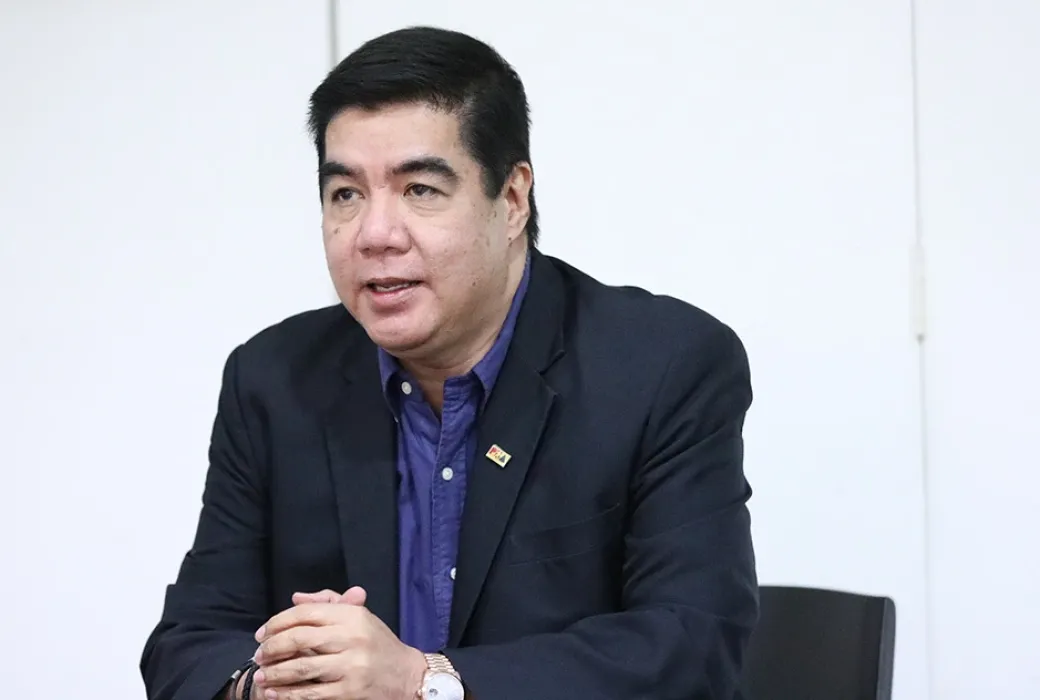
June Mar Fajardo

June Mar Fajardo confirmed that his retirement from Gilas Pilipinas is Final

🇵🇭🏀💔 END OF AN ERA! JUNE MAR FAJARDO CLOSES THE DOOR ON GILAS PILIPINAS COMEBACK!

 “OK na ako sa national team.” — June Mar Fajardo

THE KRAKEN HAS SPOKEN. HIS NATIONAL TEAM JOURNEY IS OVER! 🏆🇵🇭

Nine-time PBA MVP JUNE MAR FAJARDO has confirmed that his retirement from Gilas Pilipinas is FINAL, ending an unforgettable chapter in Philippine basketball.

The 36-year-old basketball legend revealed that his final appearance for Gilas came against Iran during the FIBA World Cup qualifying window.

Fajardo also made it clear that even if he had been invited to join the 2026 Asian Games squad, he would have declined.

His decision comes as Gilas faces serious questions following its disappointing ninth-place finish at the Asian Games in Japan.

For years, the Kraken battled Asia's toughest big men, sacrificed his body, and proudly carried the Philippine flag in international competition.

He gave his strength, experience, and commitment to the national team.

The next generation of Filipino big men must step up.

Players like Kai Sotto, AJ Edu, and other emerging talents represent the future of the national team's frontline.

But developing that future requires more than simply naming replacements.

It demands proper preparation, player availability, long-term planning, and a system that allows younger players to grow into leadership roles.

June Mar's national team chapter may be over, but his contributions to Philippine basketball will remain part of its history.

For every battle under the basket.

For every sacrifice wearing the national colors.

For every moment you gave Filipino basketball fans something to cheer about.

ONCE A GILAS WARRIOR. FOREVER THE KRAKEN. FOREVER A PHILIPPINE BASKETBALL LEGEND! 
1
Learn more
Alyssa Solomon

Alyssa Solomon Takes Another Bold Step in Her International Volleyball Journey

FILIPINA POWER GOES GLOBAL!

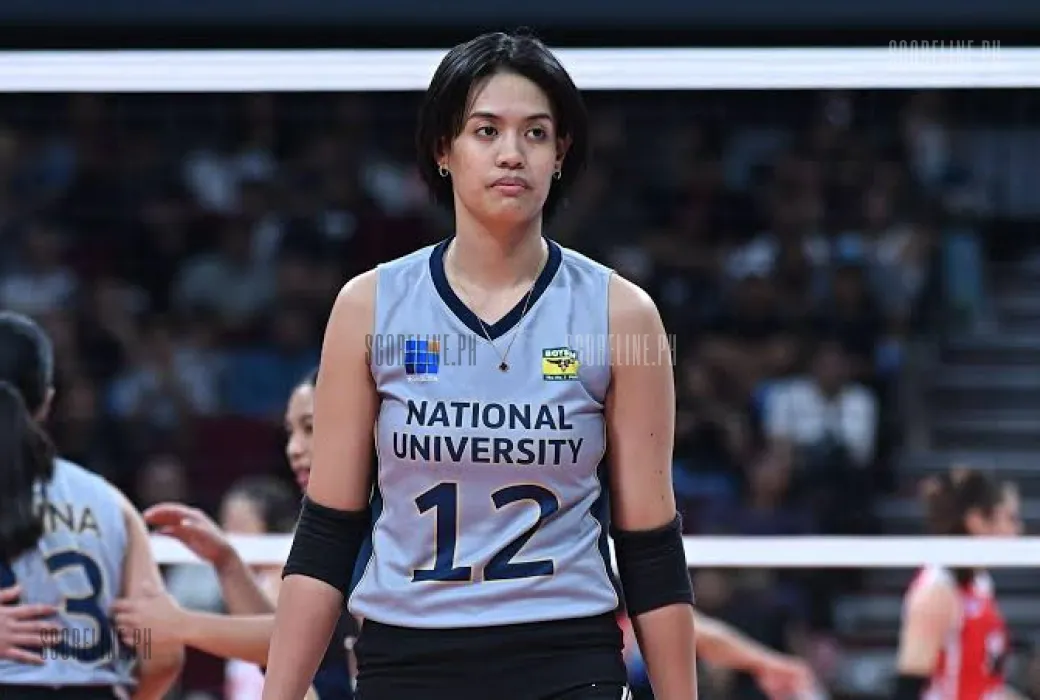
The journey continues for one of Philippine volleyball's most promising stars as Alyssa Solomon takes her talents to Thailand, joining powerhouse club Nakhon Ratchasima 3M Films VC for the upcoming Thailand League season.

At just 24 years old, the former National University standout is proving that her volleyball ambitions extend far beyond the Philippine volleyball scene.

After experiencing the demanding competition of Japan's volleyball league with Osaka Marvelous and representing Alas Pilipinas at the Asian Games, Solomon is preparing for another challenge in her growing international career.

From the UAAP to Japan, and now Thailand, Solomon is building her career one international opportunity at a time.

While many Filipino volleyball fans were hoping to see Solomon bring her powerful attacks to the Premier Volleyball League (PVL), the towering opposite spiker has chosen to continue competing overseas.

Instead of entering the PVL Draft, Solomon opted to pursue international opportunities, a decision that reflects her determination to challenge herself against different playing styles and higher levels of competition.

Her move to Nakhon Ratchasima offers another opportunity to sharpen her offensive skills, improve her consistency, and gain valuable experience against established international players.

For a young athlete with national team aspirations, those opportunities could prove important.

Solomon isn't simply looking for another team to play for. She's investing in her development as a world-class volleyball player.

Solomon's arrival at Nakhon Ratchasima adds another chapter to the growing connection between Philippine volleyball and the Thai club.

She becomes the fourth Filipino player to suit up for the team, following:

Mylene Paat — Former Alas Pilipinas standout known for her powerful attacking game.

Dindin Santiago-Manabat — Veteran opposite hitter with extensive international experience.

Ced Domingo — Middle blocker who brought her talent and defensive presence to Thailand.

Now, Solomon has the opportunity to build on that Filipino legacy.

Her combination of height, attacking power, and international exposure could make her an important addition to Nakhon Ratchasima's roster.

But succeeding in Thailand will require more than physical ability.

She will need to adapt to a new system, establish chemistry with her teammates, and demonstrate consistency against competitive opposition.

The challenge is significant, but so is the opportunity.

Solomon's decision also highlights an important development in Philippine volleyball: more Filipino players are seeking opportunities beyond the domestic league.

For years, the PVL has served as a major platform for showcasing the country's top volleyball talents.

But international exposure offers a different set of challenges.

Competing overseas exposes athletes to unfamiliar systems, varying tactical approaches, and the pressure of adjusting to new teammates and coaching philosophies.

Those experiences can help players develop greater versatility and confidence.

And when those athletes return to represent the Philippines, their international experience can potentially strengthen the national team.

For Alas Pilipinas, having players who regularly compete in different international leagues could become a valuable advantage.

Solomon's stint in Japan provided an opportunity to experience a highly structured volleyball environment.

Her upcoming campaign in Thailand offers another chance to grow, particularly in a region where volleyball competition continues to attract considerable attention.

Solomon's career decision raises an important question about the future of Philippine volleyball development.

Should the country's brightest young players prioritize domestic competition, or should they be encouraged to test themselves overseas?

The answer does not have to be one or the other.

The PVL remains important to the growth of Philippine volleyball, providing professional opportunities, exposure, and a strong domestic fan base.

But international opportunities should also be supported.

Philippine volleyball cannot measure its progress solely by the popularity of its domestic league. It must also develop athletes capable of competing consistently beyond the country's borders.

Solomon's decision represents an opportunity to demonstrate what Filipino talent can accomplish when given access to different competitive environments.

Of course, playing abroad does not automatically guarantee improvement.

Success will depend on meaningful playing time, quality coaching, physical conditioning, and the ability to translate experience into better performances.

But the willingness to embrace those challenges is an important part of an athlete's development.

Solomon's rise began with her impressive performances for National University, where she established herself as one of the most dangerous young attackers in collegiate volleyball.

Her combination of offensive power and competitive determination made her a standout in the UAAP.

Now, the challenges are bigger.

The opponents are more experienced.

And the expectations are higher.

But Solomon is no longer simply a promising collegiate star.

She is an international professional athlete seeking to establish herself beyond the Philippine volleyball circuit.

At 24, she still has considerable room to develop her skills and expand her career.

Her journey from NU to Japan and Thailand illustrates the possibilities available to Filipino volleyball players willing to pursue opportunities outside their comfort zones.

The upcoming Thailand League season will provide another important test of Solomon's growth.

Can she become a reliable offensive weapon for Nakhon Ratchasima?

Can she adapt quickly to the team's system?

And can her international experience help her become an even more valuable player for Alas Pilipinas?

Those questions will be answered on the court.

For now, one thing is clear.

Alyssa Solomon is choosing development over familiarity, international exposure over comfort, and long-term growth over the easier path of staying close to home.

Her move should not be viewed as a rejection of Philippine volleyball, but as another opportunity for Filipino talent to gain recognition abroad.

For Alyssa Solomon, the journey is far from finished.

And for Philippine volleyball, her continued international career represents another opportunity to show that Filipino players can compete beyond their home courts.

FROM THE PHILIPPINES TO THE WORLD — ALYSSA SOLOMON IS JUST GETTING STARTED! 

2
Learn more
Coach Tim Cone

Gilas Pilipinas Asian Games Gold Defense Crippled by Missing Stars - Tim Cone

 TIM CONE SPEAKS OUT! GILAS' ASIAN GAMES GOLD DEFENSE CRIPPLED BY MISSING STARS.

HOW CAN GILAS DEFEND ITS GOLD MEDAL WHEN SOME OF ITS BEST PLAYERS CAN'T EVEN SUIT UP?

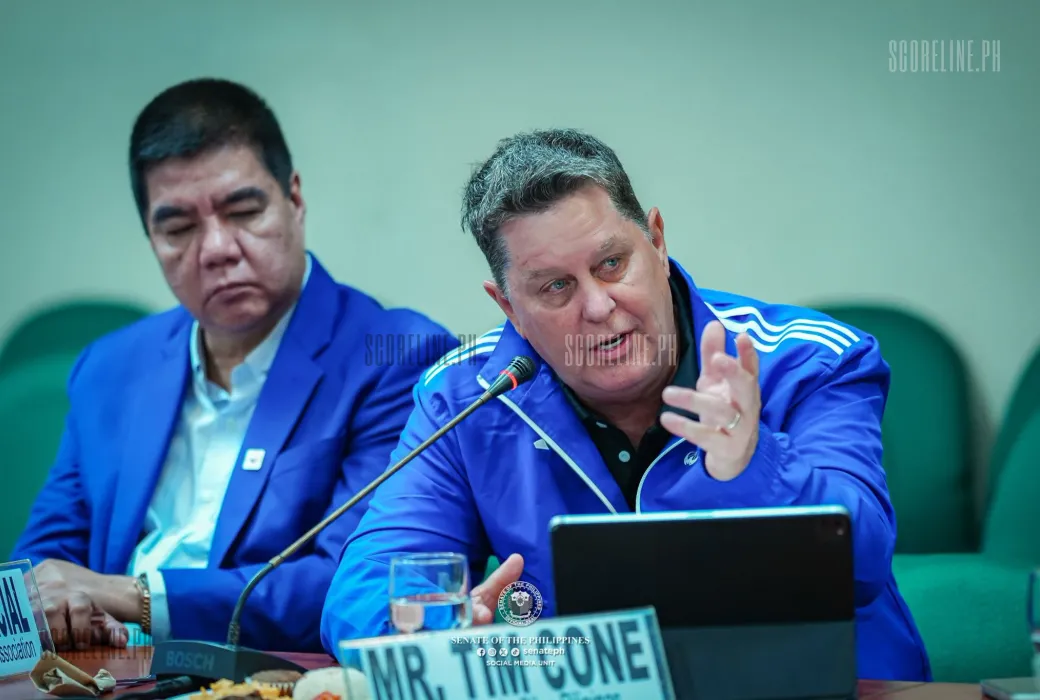
Gilas Pilipinas head coach TIM CONE revealed during the October 8 Senate Committee Hearing on Sports that the national team had hoped to assemble its strongest possible lineup to defend its historic Asian Games basketball gold.

But those plans hit a major snag when overseas club commitments kept several Filipino stars from joining the squad!

🚨 THE MISSING FIREPOWER:

🏀 Kai Sotto

🏀 Dwight Ramos

🏀 AJ Edu

🏀 Kevin Quiambao

🏀 Carl Tamayo

According to Cone, Japanese and South Korean clubs did not release the players despite their willingness to represent the Philippines.

And here's the frustrating part!

THE ASIAN GAMES ARE NOT UNDER FIBA'S MANDATORY PLAYER-RELEASE RULES!

That means overseas clubs are not automatically required to release their Filipino players for the tournament.

Cone also questioned why Japanese and Korean national teams could field their players while Filipino imports competing in those leagues couldn't join Gilas.

The result?

GILAS FINISHED 9TH OUT OF 12 TEAMS, falling short in its bid to defend the Asian Games gold medal.

OUR TAKE: YOU CANNOT EXPECT A NATIONAL TEAM TO COMPETE AT ITS HIGHEST LEVEL WITHOUT A RELIABLE SYSTEM FOR PLAYER AVAILABILITY!

This is not simply about blaming overseas clubs.

Those clubs have contracts, schedules, and professional obligations to consider.

But Philippine basketball officials must also recognize that international success requires planning, coordination, and negotiations long before major tournaments begin.

THE SOLUTION ISN'T JUST FINDING BETTER PLAYERS — IT'S MAKING SURE OUR BEST PLAYERS CAN ACTUALLY REPRESENT THE COUNTRY!

The Samahang Basketbol ng Pilipinas, overseas clubs, and other basketball stakeholders need stronger agreements and better scheduling coordination.

Because when the Asian Games arrive, Gilas should be preparing to beat Asia's best — not scrambling to complete its roster!

And let's be clear:

A GOLD MEDAL CANNOT BE DEFENDED BY TALENT ALONE. IT REQUIRES PREPARATION, COMMITMENT, AND COOPERATION!

2
Learn more
Eya Laure

Eya Laure Powers Choco Mucho, Sends Championship Warning to PVL Rivals


22 POINTS. 11 DIGS. 15 RECEPTIONS. ONE MVP. ONE MASSIVE STATEMENT.

For years, the Choco Mucho Flying Titans have been a team overflowing with talent, passion, and championship potential. Yet somehow, the biggest prize has continued to slip through their fingers.

Injuries. National team commitments. Exhaustion. Inconsistent lineups.

There always seemed to be something standing between the Flying Titans and the championship breakthrough their passionate supporters have been waiting for.

But this time, something feels different.

With a healthy and complete roster operating under head coach Dante Alinsunurin's system, Choco Mucho is beginning to show what happens when talent, discipline, chemistry, and determination finally come together.

And at the center of this transformation stands one player.

Eya Laure: The New Face of Choco Mucho's Championship Ambitions

If there were still questions about what Eya Laure could bring to the Flying Titans, her latest performance delivered a powerful answer.

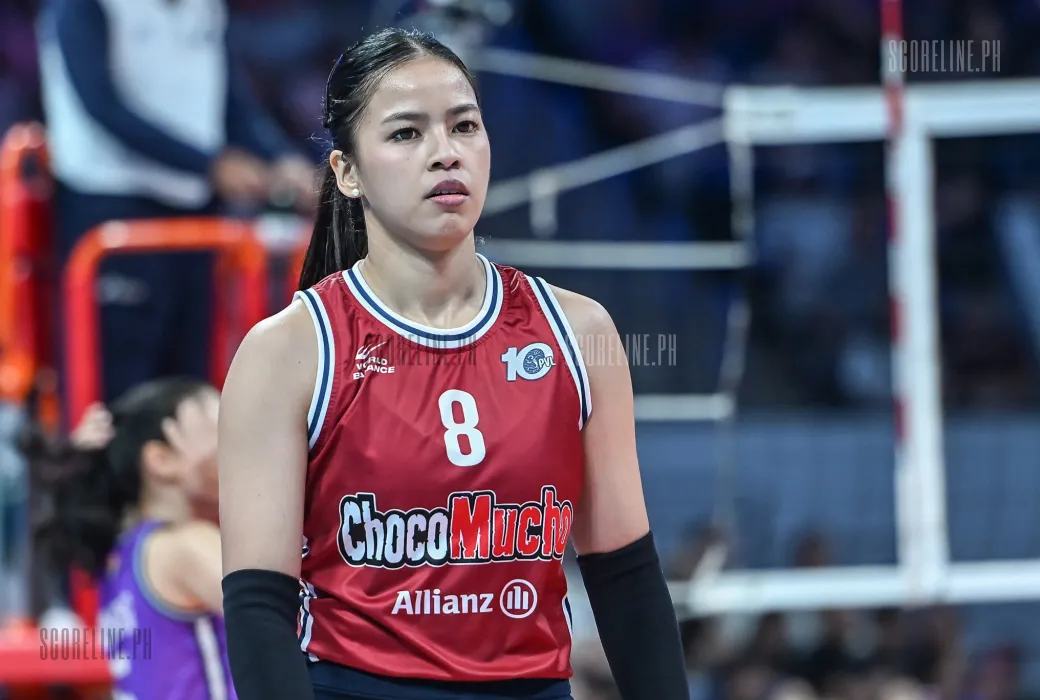
The former UST superstar and Alas Pilipinas standout erupted for 22 points, 11 excellent digs, and 15 excellent receptions, producing an outstanding all-around performance that earned her the first-ever Siklab Series Most Valuable Player award.

But statistics alone cannot fully capture her impact.

When the pressure intensified in the fourth and fifth sets, Laure refused to disappear.

She attacked with confidence, defended with determination, and delivered the kind of leadership that championship-caliber teams desperately need.

This wasn't simply a scoring performance. It was a statement of responsibility.

Laure showed that she is capable of carrying the offensive burden while remaining committed to the defensive responsibilities that make a complete volleyball player.

Her experience with Alas Pilipinas is becoming increasingly evident in her decision-making, composure, and willingness to embrace the biggest moments.

And that should concern the rest of the PVL. Because a confident Eya Laure is dangerous.

A confident Eya Laure surrounded by a healthy Choco Mucho roster is an entirely different problem.

Coach Dante's System Is Finally Taking Shape

For head coach Dante Alinsunurin, the victory offered a glimpse of what his system can produce when the team executes collectively.

Choco Mucho's imposing net defense delivered 12 blocks, disrupting its opponent's offensive rhythm and creating crucial opportunities during the most demanding stretches of the match.

The Flying Titans didn't simply rely on offensive firepower. They showed patience, defensive discipline, and the ability to make adjustments when momentum threatened to shift.

Dawn Catindig's outstanding floor defense provided stability, allowing the team to extend rallies and turn difficult defensive situations into attacking opportunities.

That kind of balance is essential for a team with championship ambitions.

Power can win rallies. Defense and composure can win championships.

And for perhaps the most encouraging part of Choco Mucho's performance, the Flying Titans demonstrated that they no longer need everything to go perfectly to remain competitive.

They can absorb pressure.

They can recover from mistakes.

And most importantly, they can fight back.

Rondina, Madayag and Laure: A Dangerous Combination

While Laure deservedly commanded the spotlight, Choco Mucho's supporting cast provided another reason for optimism.

Sisi Rondina-Rosales, coming off the bench, delivered 12 points and brought her trademark energy and explosiveness to the court.

Maddie Madayag contributed 11 points, adding another reliable offensive option and strengthening the team's presence at the net.

Together, they represent the kind of depth that could make Choco Mucho difficult to contain.

Opponents cannot afford to concentrate solely on Laure when Rondina can explode offensively and Madayag can punish defensive lapses.

Add the defensive stability provided by Catindig, and the Flying Titans suddenly possess a more balanced combination of attacking options, floor coverage, and net protection.

The chemistry is still developing, but the possibilities are becoming increasingly clear.

This is no longer a team that needs one superstar to do everything. This is a team learning how to win together.

Here is where the conversation surrounding Choco Mucho must change.

For too long, the Flying Titans have been judged by their potential rather than their accomplishments.

They have assembled talented rosters, generated enormous fan support, and produced memorable performances.

But championship expectations demand more than exciting volleyball. They demand consistency. They demand accountability.

They demand the ability to execute when the stakes are highest.

And now that Choco Mucho has shown what a complete roster can accomplish, the standard must be higher.

Injuries and scheduling difficulties are legitimate challenges, but championship teams eventually have to overcome adversity rather than be defined by it.

This victory suggests that the Flying Titans are developing the mental toughness to do exactly that.

Their response to a difficult start was particularly impressive.

Instead of allowing frustration to dictate the outcome, they trusted their system, strengthened their defense, and relied on their leaders.

That is the mentality championship contenders must possess. One outstanding performance does not guarantee a championship.

The PVL is filled with talented teams capable of exposing weaknesses, forcing adjustments, and turning promising campaigns into disappointing endings.

Choco Mucho still has work to do. Its players must remain healthy, sustain their defensive intensity, improve consistency, and continue developing the chemistry needed for the biggest matches.

But there is no denying the significance of what the Flying Titans have shown.

Eya Laure is emerging as a leader capable of influencing games in multiple ways.

Rondina and Madayag provide additional firepower.

Catindig gives the team defensive stability.

And Alinsunurin is beginning to see his system translate into results.

The talent is there. The experience is there. The depth is there.

And perhaps most importantly, the fighting spirit is there.

The question is whether the Flying Titans can sustain that level when the championship is actually on the line.

Because in professional volleyball, potential creates excitement. For Eya Laure and Choco Mucho, the next chapter promises to be fascinating.


2
Learn more

Top News

Kenji Moral

Kenji Moral’s Fast Break to Rising Star in PH's Youth Basketball

2,167
Mario Barasi Jr.

Mario Barasi Jr.: Rising Big Man ready for the PBA stage

825
Michael Martinez

Michael Martinez: The Filipino Athlete Who Funded His Own Olympic Dream

394
Masters Pinoy Pilipinas Basketball squad with team Mongolia.

Masters Pinoy captures basketball gold at the World Masters Games

385
janine

Exclusive: Janine Nicandro, The Journey of a PBA Referee

361
Loren Brill

Loren Brill: Reigniting a basketball legacy born of champions

331
Guiness Nabung of Masters Pinoy Pilipinas Basketball team.

Guiness Nabung - Masters Pinoy Pilipinas Basketball Profile

299
Isaiah Africano poses for Scoreline.ph during the PBA 50th Rookie Draft

Isaiah Africano joins Guam National Team for FIBA WCA Qualifiers

297
Johann Chua & Carlo Biado

17 Filipino cue artists eye glory at World Pool Championship in Saudi Arabia

291
Gilas Pilipinas

Gilas Pilipinas begins Asian Games title defense with a new-look squad

285
Andre Jamgerald Ugaddan

Andre Jamgerald Ugaddan – “Batang Mamaw” ng Reg. 4A

278
Efren Reyes

Player Profile Series: “The Magician” Efren “Bata” Reyes

274
Kevin Quiambao

UAAP: UP fighting Maroons fall short to Green Archers, forced to Game 3

265
Dr. Obet Vital is the new Assistant Coach of the UP Fighting Maroons Women's Volleyball Team

Looking Ahead: Obet Vital's new era of growth and opportunity

257
Paul Reguera

Paul Reguera - Masters Pinoy Pilipinas Basketball Profile

253
Alvin "The Captain" Patrimonio - a player with a lion heart.

Player Profile Series: “The Captain” Alvin Patrimonio’s lion heart

233
Deanna Wong

Player Profile Series: Deanna Wong, The Court’s Quiet Leader

222
Ricky Ricafuente

Ricky Ricafuente - Masters Pinoy Pilipinas Basketball Profile

220
Oliver Agapito of Masters Pinoy Pilipinas Basketball team.

Oliver Agapito resharpens his basketball form with Masters Pinoy

214
First ever PBA MVP William "Bogs" Adornado.

Player Profile: William "Bogs" Adornado - First PBA MVP

214
Roger Yap of Masters Pinoy Pilipinas Basketball team.

Roger Yap - Masters Pinoy Pilipinas Basketball Profile

203
Captain Nica Celis of the UP Fighting Maroons Women's Volleyball Team

Nica Celis aims to helm Fighting Maroons' escape from bottom spot

196
Toshihiko Era

Japanese boxer scores a remarkable victory in Bangkok at age 50

186
Alberto "Abet" Guidaben - PBA 50 Greatest Players (2000)

Player Profile Series: Abet Guidaben – PBA Legend, 2 Slams

183
Aiza Maizo-Pontillas

Player Profile Series: The fierce journey of Aiza Maizo-Pontillas

182
Johann Chua

Player Profile Series: Johann Gonzales Chua - The "Bad Koi"

175
Cloanne Mondonedo

Player Profile Series: Clo Mondoñedo’s journey to setter glory

174
Sisi Rondina and Bernadeth Pons

Rondina, Pons claim first Challenge win at Beach Pro Tour Nuvali

173
Kamille Cal

Player Profile Series: Kamille Cal brings precision to Akari

169
Alex Pagulayan

Player Profile Series: Billiards' "Lion Heart" Alex Pagulayan

167
Association of Boxing Alliances in the Philippines

13-strong boxers to lead PH Boxing Team in 2025 SEA Games

167
"The Quick Brown Fox" - Ricardo Brown

Player Profile Series: Ricardo Brown – "The Quick Brown Fox"

162
Sisi Rondina

Player Profile Series: Sisi Rondina, Volleyball’s Cherry Bomb

162
Arena Fitness Dojo

From Grassroots to Global: Arena Fitness Dojo

153
PBA Commissioner Willie Marcial

PBA Season 50 eyes more overseas tours and foreign guest teams

149
Spike and Serve with Petro Gazz Angels & Volleybukids

Spike and Serve reaches out to Volleybukids in Morong, Bataan

148
Ricky Ricafuente

Ricky Ricafuente brings his global experience to Masters Pinoy

145
Ginebra's RJ Abarrientos tries to score against NorthPort's import Kadeem Jack.

Ginebra dominates NorthPort to get Game 1 of their Semis series

142
Jelena Todorovic is the new Head Coach of Fortaleza Basquete Cearens.

Brazil’s NBB gets first female coach in Jelena Todorovic

138
General Trias City Sports Park

General Trias City LGU eyes vows world-class sports facilities for youth

137
Carlo Biado

Player Profile Series: Carlo Biado, the WPA World 9-Ball Champion

137
Freddie Hubalde - The Silent Operator

Player Profile Series: Freddie Hubalde - The Silent Operator

137