Inoue-Rodriguez
NaoyaInoue Jesse“Bam”Rodriguez JapaneseBoxing WBO WBC IBF IBA Boxing

Boxing's Dream Superfight Faces Uncertain Future as Inoue Eyes Featherweight Move

Two undefeated pound-for-pound superstars, one potential blockbuster showdown, and a growing concern that boxing fans could miss one of this generation's greatest matchups of this generation.

The boxing world may be on the verge of witnessing one of the most fascinating fights of the modern era.

But just as anticipation builds for a possible 2027 showdown between Japanese superstar Naoya “The Monster” Inoue and undefeated American sensation Jesse “Bam” Rodriguez, conflicting career plans are threatening to delay — or potentially derail — the highly anticipated encounter.

Inoue, the undisputed super bantamweight champion, has established himself as one of boxing's most dominant pound-for-pound fighters.

Rodriguez, meanwhile, continues his remarkable rise through the lower weight divisions, combining technical brilliance, speed, and finishing ability to build an undefeated championship career.

On paper, the matchup has everything boxing fans could want.

Two undefeated champions. Two elite technicians. Two devastating finishers. One potential generational superfight.

Yet the biggest obstacle may not be either fighter's ability.

It could be timing.

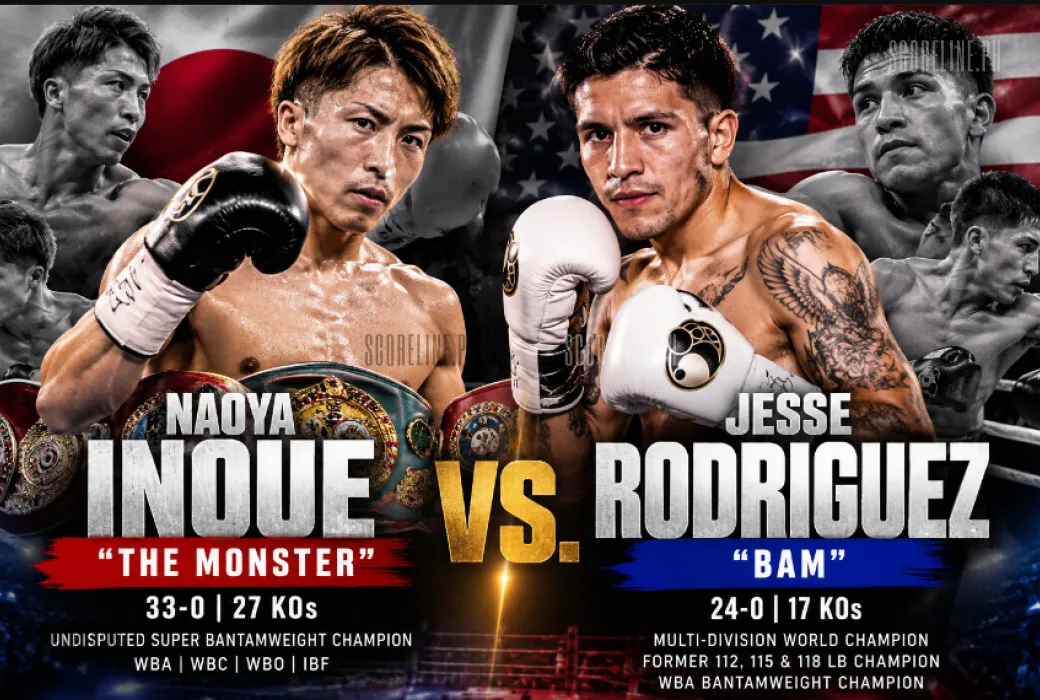
Inoue enters the discussion with a remarkable professional record of 33 victories without defeat, including 27 knockouts.

The Japanese superstar currently reigns over the 122-pound super bantamweight division, holding the WBA, WBC, WBO, and IBF world championships.

His combination of explosive punching power, exceptional timing, precise counterpunching, and disciplined ring intelligence has made him one of the most feared fighters in boxing.

Across the Pacific, Rodriguez has built an equally impressive reputation.

The San Antonio, Texas native boasts an undefeated 24-0 record with 17 knockouts, establishing himself as one of America's most exciting young boxing talents.

Rodriguez has captured world championships across multiple weight divisions, demonstrating his ability to carry speed, skill, and power as he moves up in weight.

His recent sixth-round knockout of Antonio Vargas to capture the WBA bantamweight championship at 118 pounds brought him closer to Inoue's territory.

With only four pounds separating the two fighters' current divisions, the possibility of a showdown at 122 pounds appeared increasingly realistic.

For boxing fans, the dream matchup was no longer just fantasy. It was beginning to look achievable.

Saudi boxing powerbroker Turki Alalshikh, one of the most influential figures behind the Riyadh Season boxing events, has reportedly expressed interest in staging the Inoue-Rodriguez showdown as early as January 2027.

Tokyo and Nagoya have emerged as potential host cities.

A fight in Japan would provide an extraordinary setting for the matchup.

Inoue enjoys enormous popularity in his home country, where his championship appearances have become major sporting events.

A showdown against another undefeated pound-for-pound star could attract worldwide attention and reinforce Japan's growing importance as a destination for elite professional boxing.

Rodriguez would also have an opportunity to establish himself internationally against one of the sport's most accomplished champions.

But despite the financial possibilities and global interest, negotiations face a major complication.

Reports indicate that Inoue is considering moving up to the 126-pound featherweight division.

The proposed move would allow the Japanese champion to pursue additional world titles and extend his legacy across another weight class.

For a fighter who has already achieved undisputed status, conquering another division presents a significant career opportunity.

However, moving to featherweight could place additional distance between Inoue and Rodriguez.

While Rodriguez has recently advanced to 118 pounds, Inoue's potential move to 126 would create an eight-pound gap between their divisions.

That difference could make negotiations more complicated, particularly if either fighter prefers to compete at a weight that best suits his physical development.

The timing is equally important.

Rodriguez's camp is reportedly considering a December bantamweight unification fight against WBO champion Christian Medina of Mexico.

Such a bout would allow Rodriguez to pursue another championship objective before potentially moving up to super bantamweight.

But it could also interfere with the proposed January 2027 schedule.

The problem is becoming clear: Inoue may be ready to pursue bigger challenges at featherweight while Rodriguez still has unfinished business at bantamweight.

If the fight eventually materializes, it would present one of the most intriguing technical matchups in boxing.

Inoue's greatest weapon is not simply his punching power.

It is his ability to create openings through positioning, timing, and precise offensive execution.

The Japanese champion can attack the body, counter opponents attempting to close the distance, and finish combinations with devastating accuracy.

His power has remained effective throughout his progression across multiple weight divisions.

Rodriguez, however, offers a different set of challenges.

The American southpaw is known for his intelligent footwork, sharp angles, combination punching, and ability to control exchanges through positioning.

He frequently uses subtle movements to create attacking opportunities while avoiding unnecessary punishment.

Against Inoue, Rodriguez's speed and technical adaptability could become crucial.

The fight would likely feature a fascinating battle over distance, timing, and ring control.

Inoue would attempt to impose his explosive offense and punish mistakes.

Rodriguez would look to use his movement, precision, and tactical awareness to disrupt the Japanese champion's rhythm.

MONSTER'S EXPLOSIVE POWER AND TIMING AGAINST BAM'S SPEED, ANGLES, AND TECHNICAL BRILLIANCE.

It is the kind of matchup that could test both fighters in ways few previous opponents have managed.

The Weight Question Could Decide Everything

Although both fighters have demonstrated success across different weight classes, moving up presents physical and tactical challenges.

A fighter who dominates at 118 pounds may not immediately reproduce the same results against an elite opponent at 122.

Differences in strength, punch resistance, and physical conditioning can become more significant at the highest level.

For Rodriguez, moving up to challenge Inoue would require careful preparation.

For Inoue, remaining at super bantamweight could mean postponing his ambitions of competing at featherweight.

Neither fighter can be expected to make such decisions without considering long-term career goals.

The ideal matchup would require a mutually acceptable weight agreement and sufficient preparation time.

A rushed arrangement could undermine the quality of a fight that has the potential to become a major boxing event.

Professional boxing has a long history of highly anticipated matchups being delayed by promotional negotiations, weight disagreements, scheduling conflicts, and competing championship obligations.

Some eventually become legendary events.

Others never happen.

The possibility of Inoue versus Rodriguez raises concerns that boxing could once again struggle to bring together two elite fighters while both remain near their competitive peaks.

The sport benefits when its leading champions face opponents capable of genuinely testing them.

Such matchups generate excitement, attract new audiences, and provide opportunities to establish lasting sporting legacies.

However, boxing is also a business in which athletes must carefully manage physical risks and career opportunities.

The challenge is finding a balance between competitive ambition, commercial interests, and realistic preparation.

A dream fight should not happen simply because fans demand it. But when two elite fighters are willing, and the conditions are right, the sport benefits from making those opportunities possible.

For Inoue, defeating Rodriguez would add another elite name to an already remarkable résumé.

A victory over an undefeated, multi-division world champion could further strengthen his standing among boxing's greatest fighters.

For Rodriguez, defeating Inoue would represent a career-defining achievement.

Overcoming one of the most dominant champions of the modern era could dramatically elevate his international profile and establish him among the sport's leading stars.

Both fighters also face considerable risks.

Inoue would be confronting a younger, technically gifted opponent capable of exploiting defensive mistakes.

Rodriguez would be stepping into the ring against a naturally larger champion with exceptional punching power and championship experience.

The uncertainty surrounding the result is precisely what makes the matchup compelling.

Neither fighter needs this bout to establish his greatness. But facing each other could add an extraordinary chapter to both careers.

The proposed January schedule remains ambitious.

Rodriguez's potential December championship unification fight would leave limited recovery and preparation time for another major contest.

Inoue's possible move to featherweight could further complicate the timeline.

For the superfight to happen, both camps would need to reach agreements on weight, scheduling, financial terms, and championship considerations.

Until those matters are resolved, the matchup remains a possibility rather than a confirmed event.

Boxing fans may therefore need to wait longer than originally anticipated.

But postponement does not necessarily mean cancellation.

Both fighters remain undefeated, internationally recognized, and capable of generating enormous interest in a future showdown.

Naoya Inoue and Jesse Rodriguez represent two of the finest talents in contemporary boxing.

Their achievements across multiple weight divisions demonstrate extraordinary technical ability, discipline, and competitive ambition.

A meeting between them could become one of the defining fights of the decade. But timing will be critical.

If Inoue moves permanently to featherweight while Rodriguez continues building his career at bantamweight, the opportunity for a natural meeting at 122 pounds could become increasingly difficult.

The sport has witnessed too many potential superfights lose momentum as fighters pursue different career paths.

Inoue versus Rodriguez deserves serious consideration because it offers something increasingly valuable in professional boxing:

Two undefeated elite champions with contrasting styles and a genuine opportunity to test each other's greatness.

Whether the fight happens in Tokyo, Nagoya, or another international venue, its appeal would extend far beyond the championship belts involved.

It would be a contest between two exceptional fighters seeking to strengthen their legacies.

For now, boxing fans can only watch as the two camps determine their next moves.

TWO UNDEFEATED STARS. ONE DREAM MATCHUP. A WINDOW OF OPPORTUNITY THAT MAY NOT REMAIN OPEN FOREVER.

NAOYA “THE MONSTER” INOUE VS. JESSE “BAM” RODRIGUEZ — THE SUPERFIGHT BOXING FANS WANT, BUT THE SPORT HAS YET TO DELIVER.

News

JunnaTsukii

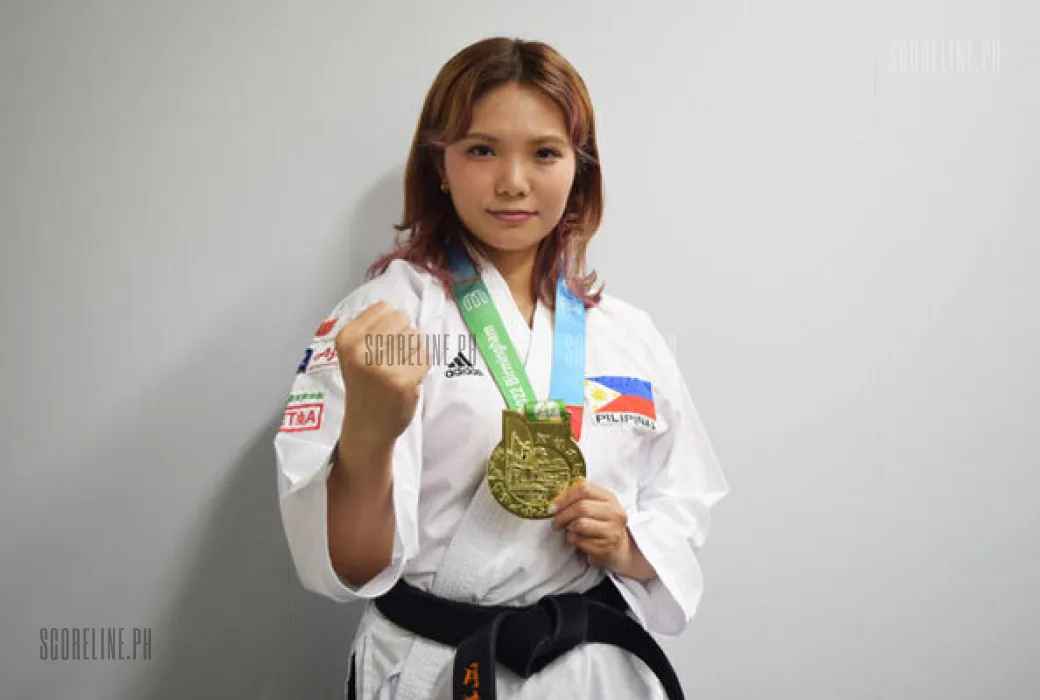
Beyond bloodlines: Junna Tsukii fights for Philippine pride, silences doubts over Filipino identity

The world karate champion has fought for medals, carried the Philippine flag on the international stage and challenged the notion that Filipino identity should be judged by appearance or ancestry.

Inside the karate arena, Junna Tsukii has faced formidable opponents, endured demanding battles and established herself as one of the Philippines' most accomplished martial artists.

But one of the most personal challenges she encountered did not come from an opponent standing across the competition mat.

It came from someone questioning whether she was Filipino enough to represent the country.

Born to a Filipino mother and a Japanese father, Tsukii has proudly competed under the Philippine flag, building an international career highlighted by a world karate championship and Southeast Asian Games success.

Yet following her medal-winning performance at the 2023 SEA Games, an online critic reportedly questioned her Filipino identity.

Her response was direct and unwavering.

“I am proudly fighting with my face and name.”

Those words carried a message far beyond karate.

For Tsukii, representing the Philippines was not something that required the approval of strangers on social media. It was a commitment she had already demonstrated through years of training, competition and sacrifice.

Tsukii's Filipino-Japanese heritage has been part of her identity throughout her life.

Rather than allowing her mixed ancestry to become a source of division, she embraced the opportunity to represent the Philippines in international karate.

That decision placed her among the country's athletes competing against some of the strongest martial arts programs in the world.

Her journey demanded the same qualities required of every elite competitor: discipline, resilience, technical excellence and the willingness to endure setbacks in pursuit of success.

Her achievements eventually brought her recognition as a world karate champion, strengthening her place in Philippine sporting history.

But while her victories earned applause, the questions surrounding her identity exposed an uncomfortable reality faced by some athletes with multicultural backgrounds.

In international sports, athletes with mixed heritage are often celebrated for choosing to represent the Philippines.

Their victories become national achievements. Their medals inspire pride. Their performances unite supporters behind the Philippine flag.

Yet the same athletes can sometimes face questions about their nationality, appearance, surname or cultural background.

Tsukii's experience highlights the contradiction.

Her Filipino heritage is not diminished by having a Japanese father. Neither does her appearance determine the sincerity of her connection to the Philippines.

Filipino identity cannot be reduced to a particular facial feature, accent or family name.

For athletes like Tsukii, multicultural heritage is not something that should automatically invite suspicion.

It is part of who they are.

And in Tsukii's case, her decision to compete for the Philippines has been accompanied by tangible achievements on the international stage.

Tsukii's response to the online criticism was striking because she did not attempt to conceal or apologize for her background.

Instead, she expressed pride in competing openly under her own identity.

“I am proudly fighting with my face and name.”

It was a declaration of confidence from an athlete who had already proven herself through competition.

Her message also reflected a broader truth about sports: national representation is not measured by whether an athlete fits someone else's expectations of what a Filipino should look like.

Athletes represent their countries through established eligibility rules, personal commitment and participation in international competition.

Their performances deserve to be evaluated on sporting merit.

Tsukii has earned recognition through her achievements, regardless of the opinions expressed by online critics.

The controversy surrounding Tsukii offers an opportunity to examine how Filipino supporters treat athletes with mixed heritage.

Philippine sports has long benefited from competitors whose families, upbringing and experiences span different cultures.

These athletes contribute to the country's international campaigns while bringing their own backgrounds and perspectives to the national team.

Their diversity should not overshadow their dedication.

More importantly, athletes should not have to repeatedly defend their personal identities simply because they do not match a narrow stereotype.

Constructive criticism of athletic performance is part of sports. Questioning an athlete's belonging based on appearance or mixed ancestry is another matter.

For Tsukii, the strongest response has been the career she has built and the Philippine flag she has represented.

Junna Tsukii's story is not only about medals or championship performances.

It is also about the confidence to embrace one's identity despite public scrutiny.

Her achievements demonstrate the determination required to succeed in elite karate, while her response to criticism reflects the pride she takes in representing the Philippines.

The karate mat has been the stage for her sporting accomplishments.

Outside it, her experience has become part of a wider conversation about identity, acceptance and respect.

She did not need to abandon one part of her heritage to embrace another.

She did not need to look a certain way to take pride in her Filipino roots.

And she did not need an online critic's approval to celebrate her achievements under the Philippine flag.

Junna Tsukii stepped onto the mat, fought for the Philippines and made her country proud.

Her victories belong in the country's sporting story, and her Filipino heritage deserves the same respect afforded to every athlete who proudly represents the nation.

Because being Filipino is not about fitting someone else's definition of identity. And being a champion is about what an athlete earns through dedication, sacrifice and performance.
9
Learn more
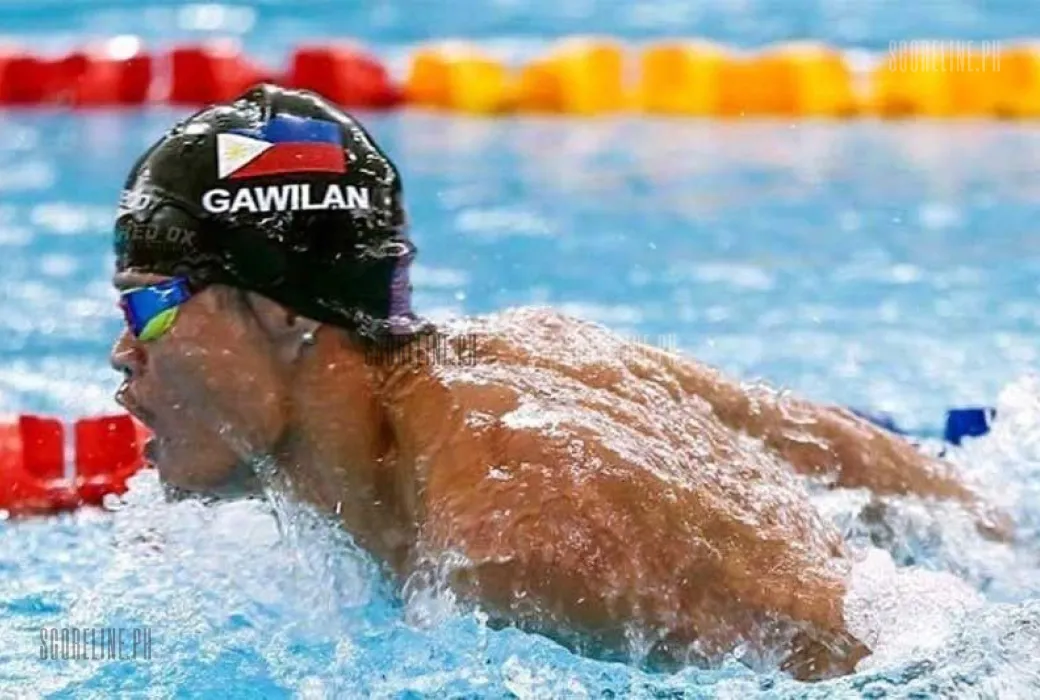
Ernie Gawilan

The world saw his disability. He showed the world his ability.

Born with physical differences, the Filipino swimming champion transformed his passion for the water into a remarkable sporting career — proving that greatness is measured not by physical appearance, but by determination, discipline and achievement.

In a world where athletes are often measured by physical strength, speed and perfection, Ernie Gawilan has built an extraordinary career by challenging conventional perceptions of what a champion should look like.

Born with physical differences and raised by his grandmother in Davao, Gawilan grew up facing circumstances that could have shaped how others viewed his future.

But he refused to allow those perceptions to determine his destiny.

Instead, he discovered something remarkable in the swimming pool — an opportunity to develop his abilities, pursue excellence, and eventually represent the Philippines against some of Asia's finest para athletes.

Today, Gawilan stands among the country's most accomplished para swimmers, with multiple Asian Para Games gold medals highlighting a career defined by perseverance, discipline, and competitive excellence.

His journey is not simply a story about overcoming adversity.

It is a story about discovering potential where others might have seen limitations.

Growing up in Davao under the care of his grandmother, Gawilan experienced a childhood far removed from the bright lights of international sporting competitions.

His physical differences were part of his life from birth, but they never defined the full extent of his abilities.

What eventually changed his direction was swimming.

In the water, Gawilan discovered a sporting environment where he could develop his strengths and challenge himself through training and competition.

The swimming pool became more than a place for recreation. It became a pathway toward independence, personal growth, and athletic achievement.

And with every training session, he moved closer to a future that would eventually take him beyond Davao and onto the international stage.

Perhaps the most powerful reflection on Gawilan's journey comes from the swimmer himself.

"Even though I was born like this, I realized I could do something that not all people can do."

Those words capture the philosophy behind his success.

Rather than viewing his physical condition solely through the challenges it presented, Gawilan recognized his ability to excel in a demanding sport.

But his accomplishments were not built on positive thinking alone.

Competitive swimming requires years of disciplined preparation, technical development, physical conditioning, and mental toughness.

For para swimmers, the demands of international competition are equally unforgiving.

Every fraction of a second matters. Every stroke must be executed with precision. Every race requires focus, preparation, and the ability to perform under pressure.

Gawilan embraced those demands and transformed his potential into results.

The defining proof of Gawilan's sporting excellence came through his performances at the Asian Para Games.

Competing against elite para swimmers from across the continent, the Filipino standout established himself as a formidable competitor, capturing multiple gold medals and bringing international recognition to Philippine para swimming.

His victories represented more than personal milestones.

They demonstrated that Filipino para athletes could compete successfully against Asia's strongest sporting programs.

For a country where basketball, boxing and volleyball frequently dominate public attention, Gawilan's achievements offered another compelling reason to celebrate Philippine sporting excellence.
He was not winning because opponents underestimated him.

He was winning because he possessed the training, technique, determination and competitive ability required to succeed at the highest level.

His medals were earned through athletic performance — not sympathy.

There is a tendency in sports coverage to describe para athletes primarily through the difficulties they have experienced.

While those experiences deserve recognition, focusing exclusively on adversity risks overlooking what makes these competitors exceptional: their athletic accomplishments.

Gawilan's career deserves to be celebrated for the same reasons any elite athlete's career would be celebrated.

He trained to improve. He competed to win. He represented his country with pride.
His achievements deserve serious attention not merely because he was born with physical differences, but because he developed himself into an outstanding international competitor.

That distinction matters.

Para athletes should not have to rely on inspirational narratives to receive recognition for their sporting achievements.

Their performances, records, medals and dedication already provide compelling reasons for national admiration.

Gawilan's success also raises a broader question about the place of para sports in Philippine athletics.

While major victories in mainstream sports frequently dominate headlines and social media discussions, the accomplishments of para athletes do not always command comparable public attention.

Yet the sacrifices involved in pursuing international success remain substantial.

Para athletes dedicate countless hours to training, endure demanding competitive schedules and carry the same Philippine flag into international arenas.

Their achievements deserve sustained media coverage, meaningful institutional support and opportunities to inspire future generations of athletes with disabilities.

Gawilan's story demonstrates what can happen when athletic talent is recognized, developed and given an opportunity to flourish.

It also highlights why investing in accessible sports programs and athlete development is essential to strengthening the country's sporting future.

For Ernie Gawilan, the journey from Davao to international swimming success has never been about proving that his life should be viewed as a tragedy transformed into triumph.

His own words reveal a different perspective.

He recognized that he possessed abilities worth developing — and he worked to make the most of them.

That determination eventually carried him to the podium, where the Philippine flag became part of his greatest sporting moments.

His story is a reminder that excellence does not follow a single physical standard.

Champions emerge from different backgrounds, possess different abilities and travel different paths toward success.

What unites them is the pursuit of greatness.

And Gawilan has earned his place among them.

The medals will remain an important part of Ernie Gawilan's legacy.

But his influence reaches beyond podium finishes and championship results.

For young Filipinos with disabilities who dream of participating in sports, his career offers a powerful example of what dedicated training and meaningful opportunities can achieve.

For the Philippine sporting community, his success reinforces the importance of recognizing athletes for their abilities rather than defining them by perceived limitations.

And for the nation, he represents the excellence, resilience, and competitive spirit that deserve celebration in every sporting arena.

Ernie Gawilan did not become a champion because the world lowered its expectations. He became a champion because he developed the skills to compete with the best.

The water never judged his appearance or questioned his potential.

It simply offered a place to compete.

And Ernie Gawilan made that place his own — one stroke, one race, and one gold medal at a time.

4
Learn more
Alex Eala

From No. 53 to No. 15: Alex Eala’s Remarkable Rise in World Tennis

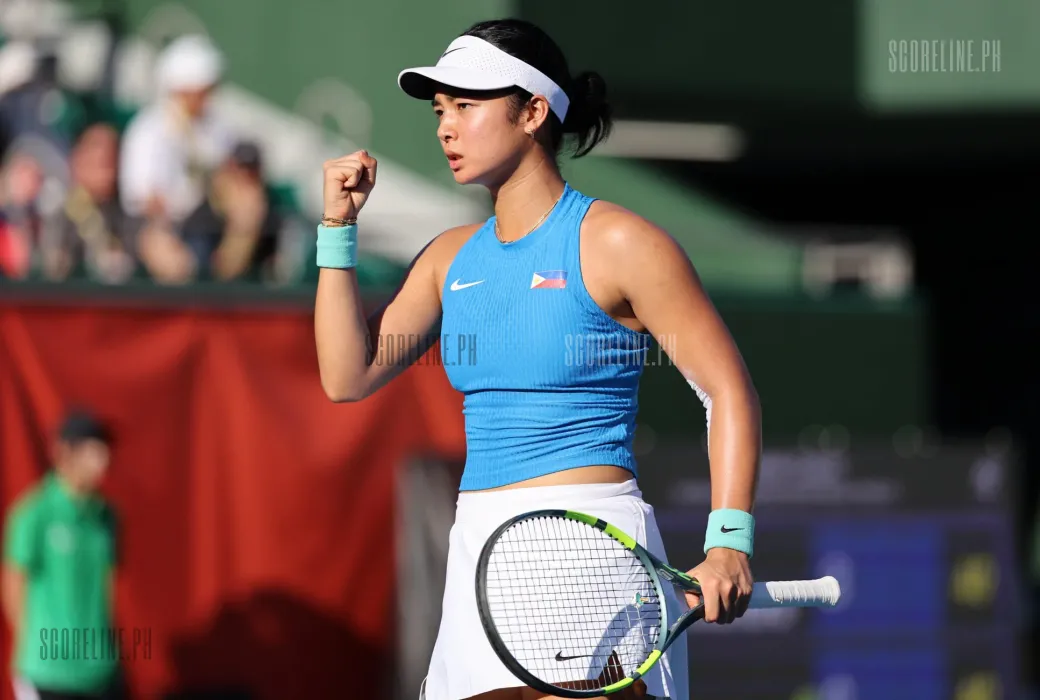
Alex Eala may have finished as runner-up at the 2026 Hong Kong Tennis Open, but her latest achievement has set the Philippine tennis world abuzz: a new career-high world No. 15 ranking in the WTA — the highest ever for the 21-year-old Filipina sensation.

Eala capped her breakout season in Hong Kong, falling to American Claire Liu, 6-3, 6-0, in the championship match. Yet, that single defeat could not overshadow what was arguably the most significant year of her young career.

The numbers tell the story of Eala's meteoric ascent:

• Started 2026 ranked world No. 53 • Captured her maiden WTA Tour title in Washington, D.C. in August • Reached the Hong Kong Open final • Finished the year at a career-best world No. 15

For Eala, the climb up the rankings is more than just statistics. It is the fulfillment of a dream long in the making.

"It just makes me so emotional... Just to look back at everything that's happened this year and wrap it up at 15," Eala shared. "These are things that I dream about. To live it out and be in the moment, it's indescribable."

Eala’s journey in 2026 was defined by grit, poise, and a refusal to be defined by setbacks. Her breakthrough WTA title in Washington proved she could compete with — and conquer — the best, while her Hong Kong Open run cemented her place among the sport’s elite.

Now, Eala heads home to the Philippines for a well-earned holiday break before taking on Indonesia’s Janice Tjen in an exhibition match at the Philippine Arena on December 8.

Eala’s leap from No. 53 to No. 15 is more than just a personal milestone — it’s a historic step for Philippine tennis. Her rise has inspired countless fans and young athletes who see in her journey the possibilities for Filipino excellence on the global stage.

She began the year outside the world’s top 50. She ends it firmly among the best 15 players in women’s tennis.

That’s not just progress — it’s a statement to the world: Alex Eala has arrived, and her story is just getting started.

Congratulations, Alex! The nation celebrates your incredible season and looks forward to even greater heights ahead.

11
Learn more
Naiomi Cesar

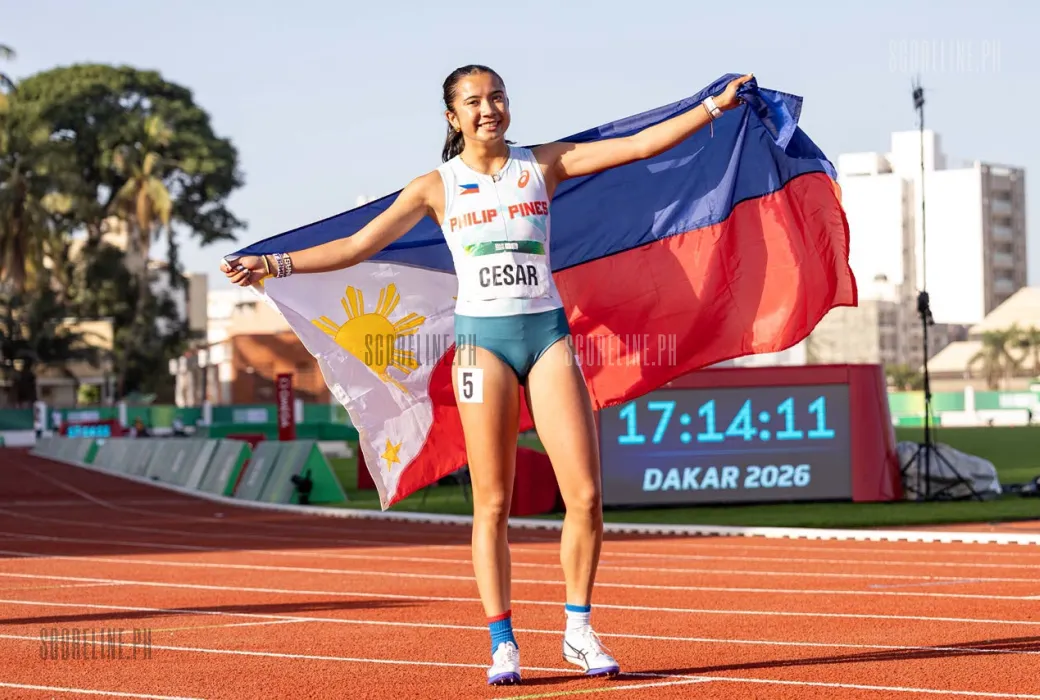
Unstoppable Surge: Naomi Cesar’s Thrilling Final Kick Delivers Silver at Dakar Youth Olympics

In a race where every second counted, Naomi Marjorie Cesar refused to let history slip away.

The Filipino middle-distance sensation unleashed a breathtaking final-lap comeback to seize the silver medal in the women’s 800-meter final at the 4th Youth Olympic Games — delivering a performance defined by heart, hunger, and an unforgettable finishing kick.

With just 100 meters left and Cesar sitting in fourth, the odds seemed stacked against her. But in the electrifying closing stretch, she summoned every ounce of speed and determination, storming past two rivals in the final meters to claim second place for Team Philippines with a blazing time of 2:09.34.

Ethiopia’s Netsanet Selemon dominated for gold in 2:04.43, while Morocco’s Khadija Elmostaqim settled for bronze at 2:10.05. Yet it was Cesar’s dramatic surge that sent shockwaves through the stadium — and hope rippling across Philippine sports.

For a delegation searching for its breakthrough, Cesar’s silver was more than a medal. It was a moment of defiance, proof that even on the world stage, Filipino athletes can summon greatness when it matters most.

The reigning Southeast Asian Games champion arrived in Dakar with a Philippine record and the determination to match the world’s best. After a cautious qualifying heat, she exploded in the final, slashing more than 10 seconds off her previous time and showing the competitive fire that makes champions.

Cesar’s race was not just about speed — it was about resilience. She entered the final straight outside the medals, but her refusal to quit transformed a daunting challenge into a spectacular triumph.

As she crossed the line in silver-medal position, arms raised in disbelief, Cesar etched her name onto the Youth Olympics stage and into the hearts of Filipino fans everywhere.

Naomi Cesar’s sensational finish is a beacon for the next generation of Philippine athletes: when the moment comes, never count yourself out. The podium is not reserved for the lucky — it belongs to those who dare to chase it down to the very last stride.

11
Learn more
Philippine Athletes

Beyond the Medals: Young Filipino Athletes Gain Valuable Lessons at Dakar Youth Olympics


Gymnast Tchelzy Mei Maayo and cyclist Maritanya Krog may have missed the podium, but their performances highlight the challenges, determination, and development of the Philippines' next generation of athletes.
 

The Olympic dream is often measured in gold, silver, and bronze. But for young athletes competing on the international stage for the first time, success can also be found in the experience gained, the challenges overcome, and the determination to keep improving.


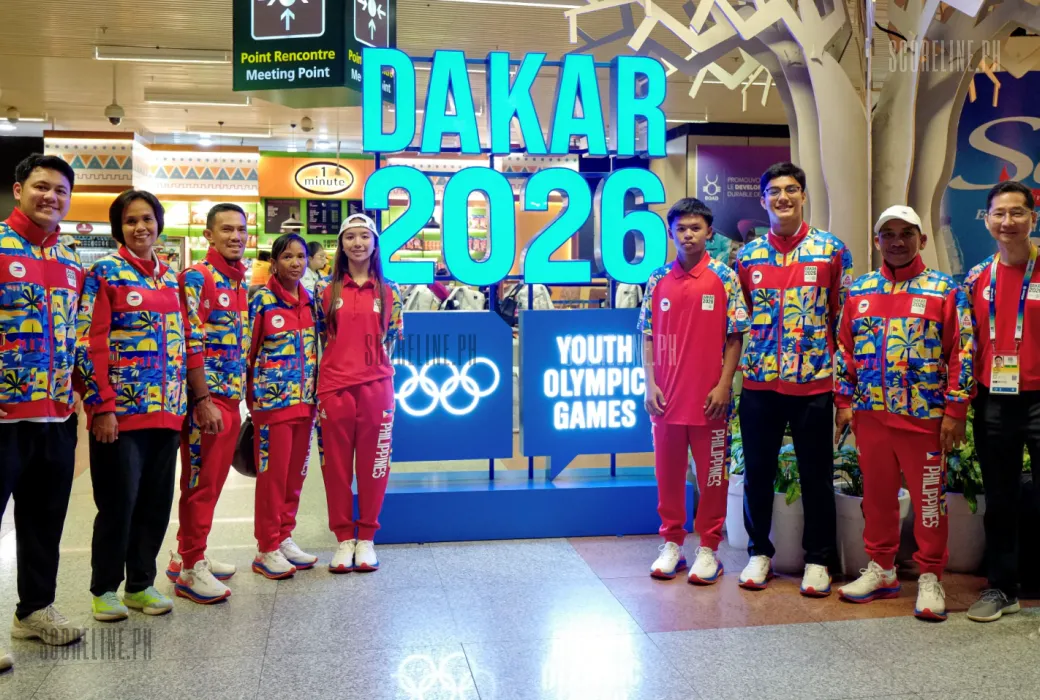
For Filipino gymnast Tchelzy Mei Maayo and cyclist Maritanya Krog, the 4th Youth Olympic Games in Dakar, Senegal, offered a valuable glimpse into the demanding world of elite international competition.


Both athletes faced formidable opponents in their respective events on Sunday, with Maayo finishing 36th in the women's artistic gymnastics individual all-around and Krog placing 30th in the women's individual road race.


Although neither reached the podium, their participation represented an important step in their development as young Filipino athletes. Maayo shows composure against world-class competition.


At just 14 years old, Maayo stepped onto the Olympic gymnastics floor carrying the Philippine colors against talented competitors from established international gymnastics programs.


Competing at the Dakar Exhibition Center in Diamniadio, the young Filipina recorded a combined score of 44.399 points across four apparatus.


Her strongest performance came in the vault, where she earned 12.633 points, followed by 11.466 in floor exercise, 10.800 on balance beam, and 9.500 on uneven bars.


The scores placed her 36th overall in a field of 57 entered gymnasts, four of whom did not complete the competition.
China's Xie Guying led the qualifiers with 53.099 points, followed by compatriot Zhong Qi with 52.932, while Polina Dmitrieva of the Russian Federation registered 52.733.


Japan's Yume and Nanami Togo also delivered strong performances to reach the 18-athlete final.
For Maayo, the competition clearly showed the level of precision, consistency, and technical execution required to compete with the world's leading young gymnasts.


Although she finished outside the final qualification places, she was satisfied with completing her routines without a fall.
"I competed without any falls, although I wobbled [on the balance beam] a bit; I really enjoyed the games, and I'm just happy to have performed and competed," Maayo said.


Her remarks reflected a young athlete beginning to understand that international competition is as much a test of mental strength as physical ability.


Perhaps the most meaningful part of Maayo's Olympic experience was not reflected on the scoreboard.
It was the lesson she learned about responding to setbacks.
"I learned to stay strong even if your score is not really good," she said.
"It's about focusing on your next event after you missed one."


For a gymnast still in the early stages of her competitive career, that mindset could prove valuable.
Artistic gymnastics demands exceptional concentration. A slight hesitation, imperfect landing, or momentary loss of balance can affect an athlete's score.


Learning to recover mentally from those mistakes is an essential part of becoming a more consistent competitor.
Maayo's ability to complete her routines and recognize areas for improvement suggests that she is approaching her development with a willingness to learn.


The experience in Dakar may not have produced a medal, but it offered lessons that can help shape her future performances.
Krog faces a demanding international cycling field.


Meanwhile, Filipina cyclist Maritanya Krog encountered her own challenges in the women's individual road race.
Krog finished 30th against a competitive international field, gaining experience in an event that demands endurance, race awareness, tactical decision-making, and physical resilience.


Road cycling presents a different kind of challenge from gymnastics. Riders must manage their energy while responding to changes in pace, positioning, and race conditions.


For young cyclists, competing against athletes from countries with established cycling development programs provides valuable exposure to international racing standards.


Although Krog finished outside the medal positions, her participation allowed her to experience the intensity of Olympic-level competition.


That exposure can become an important foundation as she continues developing her skills and preparing for future races.

Maayo will not have to wait long for another opportunity to compete.
The young gymnast is expected to participate in the Batang Pinoy National Championships in Bacolod City this December, where she remains eligible to compete.


The tournament, a flagship grassroots sports development program of the Philippine Sports Commission, provides young athletes with opportunities to test their abilities in national competition. For Maayo, the event presents a chance to apply what she learned in Dakar.


After competing against international opponents, she returns to the domestic stage with greater awareness of the standards required at higher levels.


Her immediate objective is straightforward: continue training, improve her routines, and deliver stronger performances.
"I'll do my best and work harder in the next competitions," she said.


That determination may ultimately prove more important to her long-term development than her final ranking in Senegal.

The performances of Maayo and Krog also highlight a broader issue in Philippine sports: the importance of providing young athletes with consistent opportunities to compete internationally.


The Youth Olympic Games bring together promising athletes from different sporting systems, many of whom have access to specialized coaching, structured training programs, and regular high-level competition.


For developing athletes, competing in such an environment provides a realistic assessment of their current abilities.
It allows them to identify technical weaknesses, understand international competition standards, and experience the pressure of performing against talented opponents.


These lessons cannot always be replicated through domestic training alone.


However, international exposure becomes most valuable when it is followed by sustained development.
Young athletes need appropriate coaching, access to facilities, competition opportunities, recovery support, and long-term planning.


Without that continuity, valuable international experience may not translate into meaningful competitive improvement.

Maayo and Krog are among the nine Filipino athletes representing the country at the Dakar Youth Olympic Games, with the delegation endorsed by the Philippine Olympic Committee and supported by the Philippine Sports Commission.
Their participation reflects the continuing effort to develop Filipino talent across different sporting disciplines.
But producing future international medal contenders requires patience.


Athletes at the youth level are still developing physically, technically, and mentally.


Their performances should be evaluated not only through medals and rankings but also through their progress over time.
A disappointing result at 14 years old does not determine the limits of an athlete's potential.


Likewise, international exposure alone does not guarantee future success. The challenge for Philippine sports development is to ensure that young competitors receive the guidance and opportunities needed to build on these experiences.


For Maayo and Krog, Dakar should be viewed as one stage in a much longer journey.

The absence of a medal does not mean the absence of achievement.
Maayo completed her gymnastics routines against a demanding international field and emerged with a stronger understanding of the mental discipline required to compete.


Krog tested herself in an international road race and gained experience against talented young cyclists.
Both athletes represented the Philippines on a stage that many aspiring competitors dream of reaching.
Their results also serve as a reminder that international sporting success is rarely achieved overnight. It is built through years of preparation, difficult competitions, personal sacrifices, and lessons learned from defeat.


As Team Philippines continues its campaign in Dakar, the search for a breakthrough medal remains an important goal. But the country's long-term sporting future also depends on what happens after these young athletes return home.
Will they receive the training, competition opportunities, and institutional support necessary to keep progressing? That question matters beyond any single Youth Olympic Games.


For Tchelzy Mei Maayo and Maritanya Krog, the journey continues.


They may have left their respective events without medals, but they return with something that can help shape their futures: international experience, a clearer understanding of the competition, and the motivation to become better athletes.

14
Learn more

Top News

Kenji Moral

Kenji Moral’s Fast Break to Rising Star in PH's Youth Basketball

2,196
Mario Barasi Jr.

Mario Barasi Jr.: Rising Big Man ready for the PBA stage

832
Michael Martinez

Michael Martinez: The Filipino Athlete Who Funded His Own Olympic Dream

416
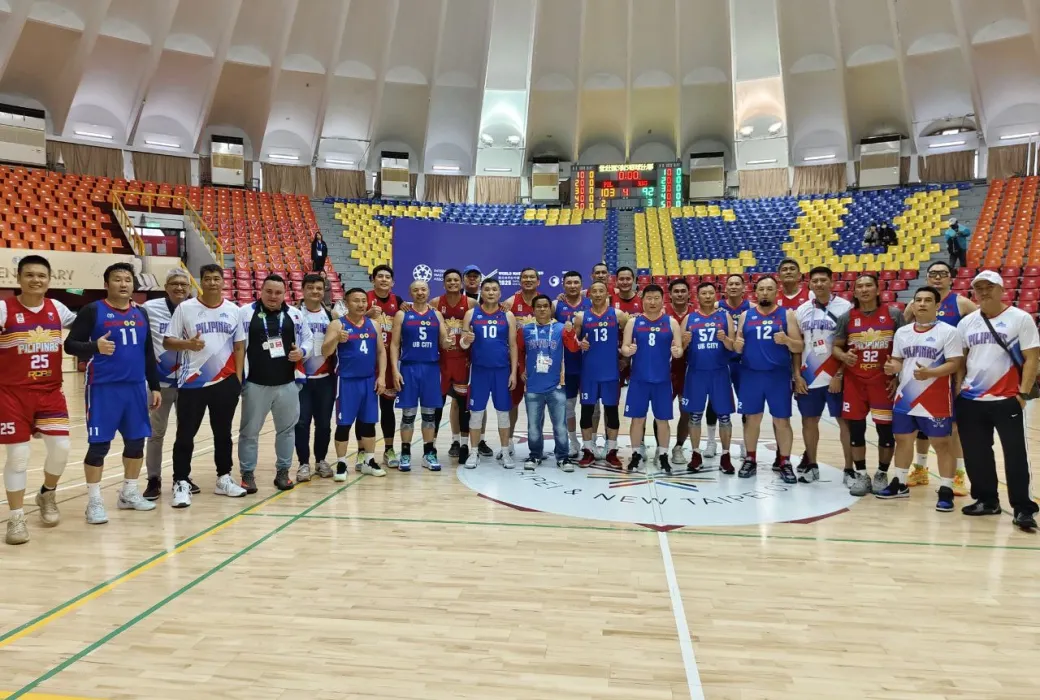
Masters Pinoy Pilipinas Basketball squad with team Mongolia.

Masters Pinoy captures basketball gold at the World Masters Games

392
janine

Exclusive: Janine Nicandro, The Journey of a PBA Referee

377
Loren Brill

Loren Brill: Reigniting a basketball legacy born of champions

343
Guiness Nabung of Masters Pinoy Pilipinas Basketball team.

Guiness Nabung - Masters Pinoy Pilipinas Basketball Profile

307
Johann Chua & Carlo Biado

17 Filipino cue artists eye glory at World Pool Championship in Saudi Arabia

304
Isaiah Africano poses for Scoreline.ph during the PBA 50th Rookie Draft

Isaiah Africano joins Guam National Team for FIBA WCA Qualifiers

303
Efren Reyes

Player Profile Series: “The Magician” Efren “Bata” Reyes

297
Gilas Pilipinas

Gilas Pilipinas begins Asian Games title defense with a new-look squad

294
Andre Jamgerald Ugaddan

Andre Jamgerald Ugaddan – “Batang Mamaw” ng Reg. 4A

293
Kevin Quiambao

UAAP: UP fighting Maroons fall short to Green Archers, forced to Game 3

283
Paul Reguera

Paul Reguera - Masters Pinoy Pilipinas Basketball Profile

270
Dr. Obet Vital is the new Assistant Coach of the UP Fighting Maroons Women's Volleyball Team

Looking Ahead: Obet Vital's new era of growth and opportunity

266
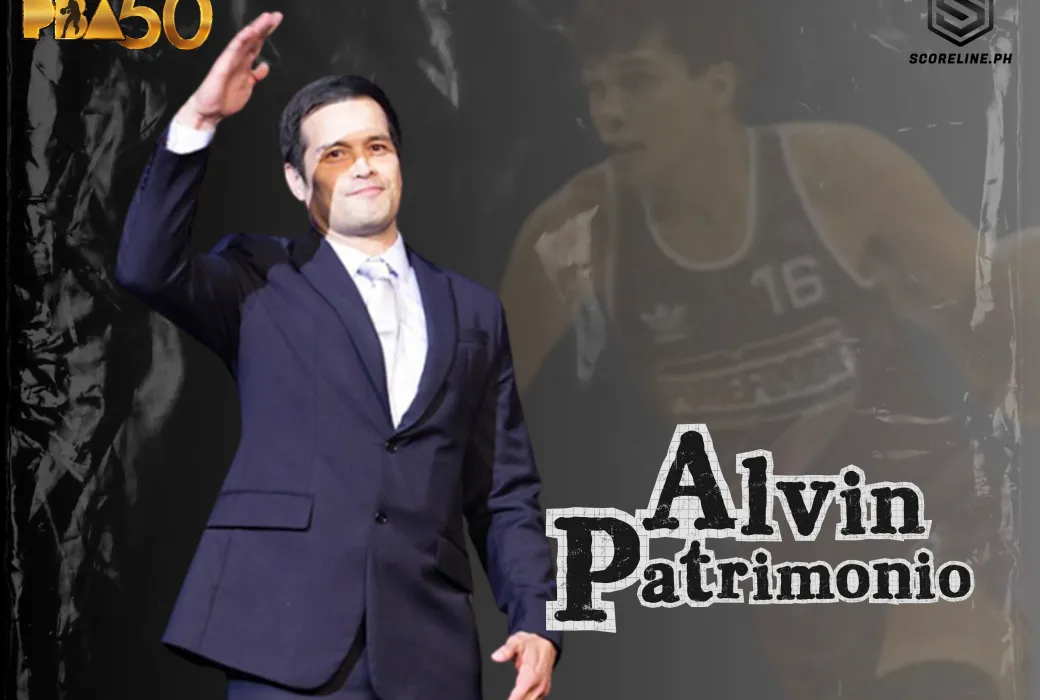
Alvin "The Captain" Patrimonio - a player with a lion heart.

Player Profile Series: “The Captain” Alvin Patrimonio’s lion heart

245
Deanna Wong

Player Profile Series: Deanna Wong, The Court’s Quiet Leader

236
Ricky Ricafuente

Ricky Ricafuente - Masters Pinoy Pilipinas Basketball Profile

233
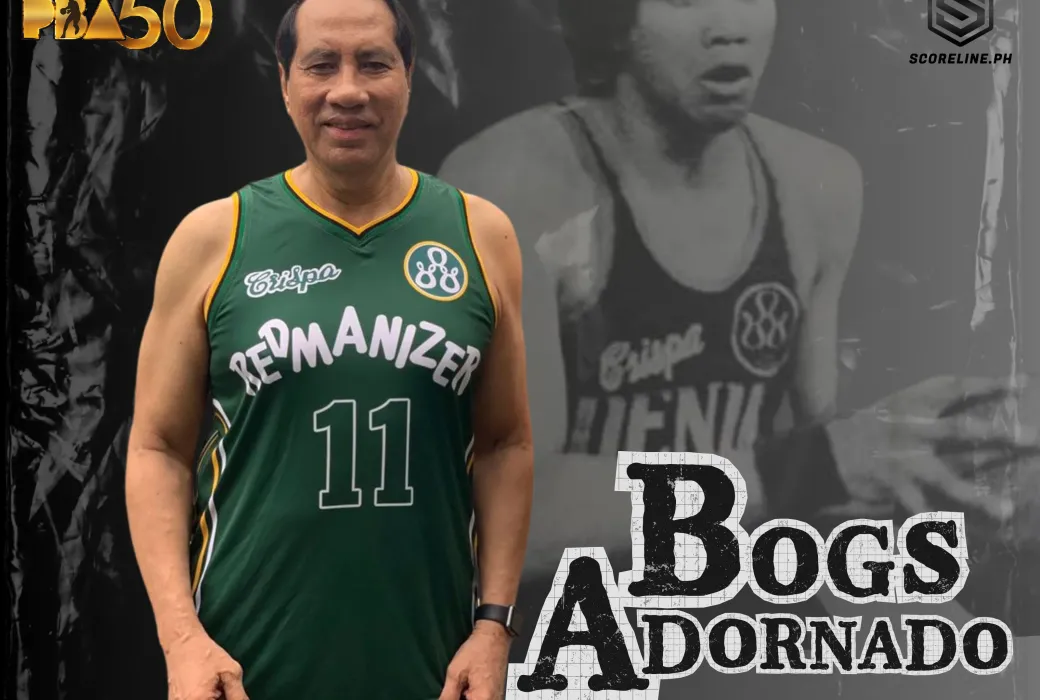
First ever PBA MVP William "Bogs" Adornado.

Player Profile: William "Bogs" Adornado - First PBA MVP

229
Oliver Agapito of Masters Pinoy Pilipinas Basketball team.

Oliver Agapito resharpens his basketball form with Masters Pinoy

224
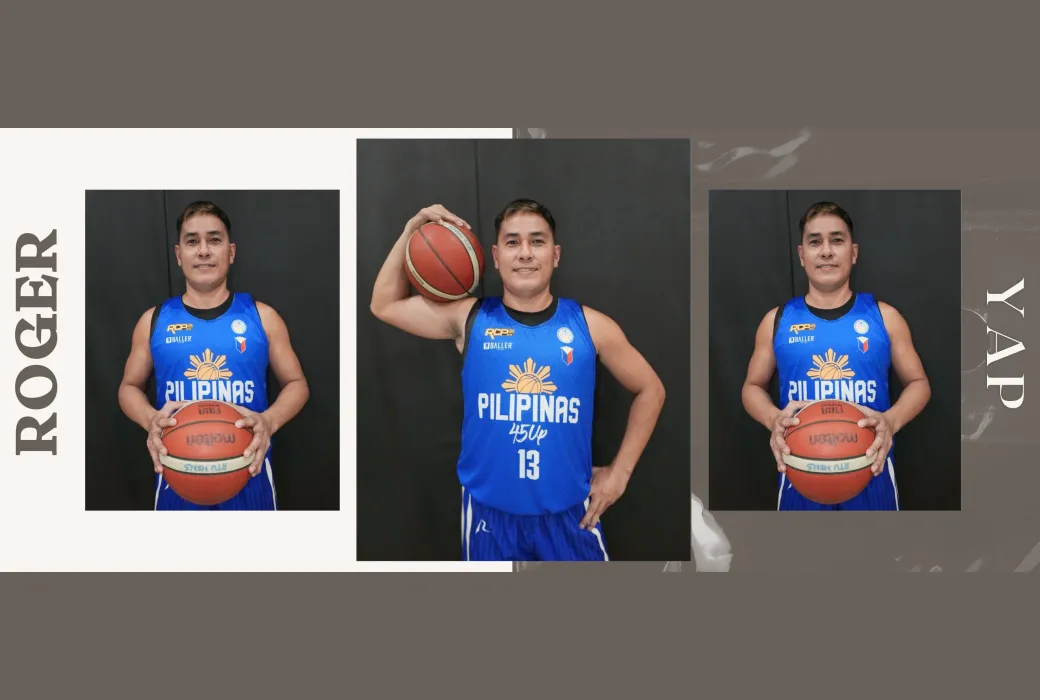
Roger Yap of Masters Pinoy Pilipinas Basketball team.

Roger Yap - Masters Pinoy Pilipinas Basketball Profile

217
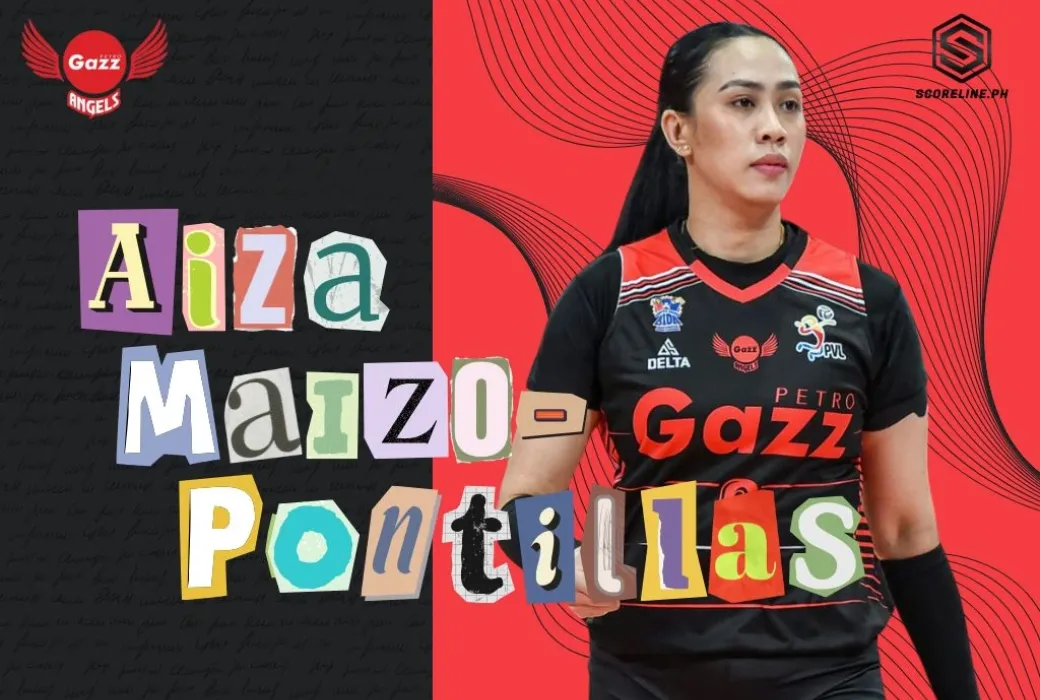
Aiza Maizo-Pontillas

Player Profile Series: The fierce journey of Aiza Maizo-Pontillas

214
Captain Nica Celis of the UP Fighting Maroons Women's Volleyball Team

Nica Celis aims to helm Fighting Maroons' escape from bottom spot

202
Alberto "Abet" Guidaben - PBA 50 Greatest Players (2000)

Player Profile Series: Abet Guidaben – PBA Legend, 2 Slams

195
Toshihiko Era

Japanese boxer scores a remarkable victory in Bangkok at age 50

193
Johann Chua

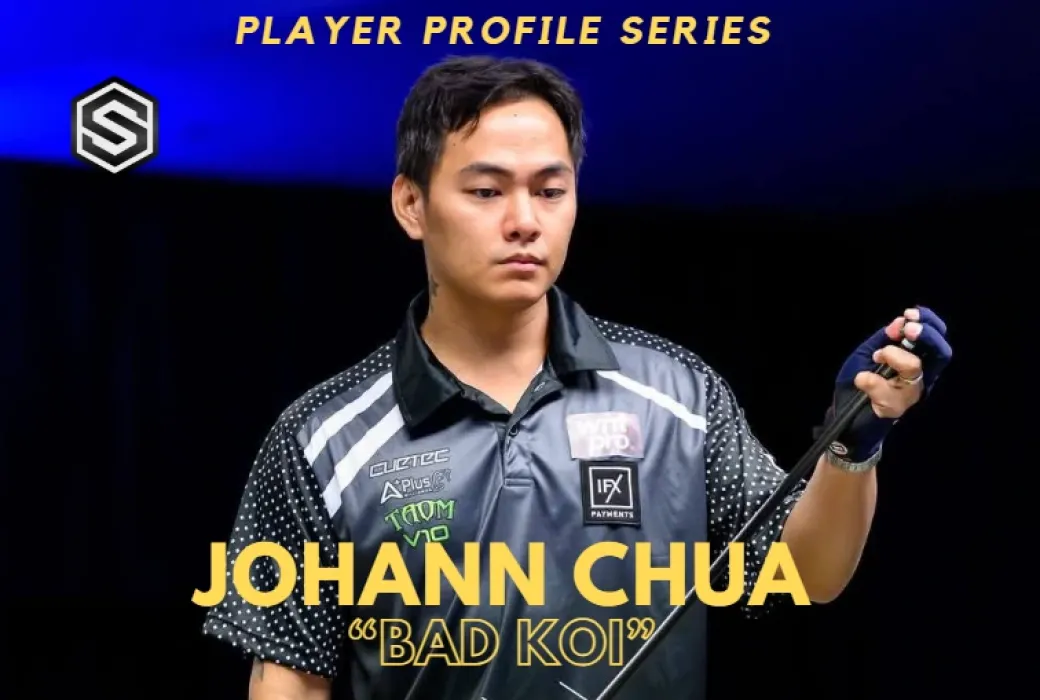
Player Profile Series: Johann Gonzales Chua - The "Bad Koi"

192
Cloanne Mondonedo

Player Profile Series: Clo Mondoñedo’s journey to setter glory

187
Alex Pagulayan

Player Profile Series: Billiards' "Lion Heart" Alex Pagulayan

184
Kamille Cal

Player Profile Series: Kamille Cal brings precision to Akari

180
Association of Boxing Alliances in the Philippines

13-strong boxers to lead PH Boxing Team in 2025 SEA Games

177
Sisi Rondina and Bernadeth Pons

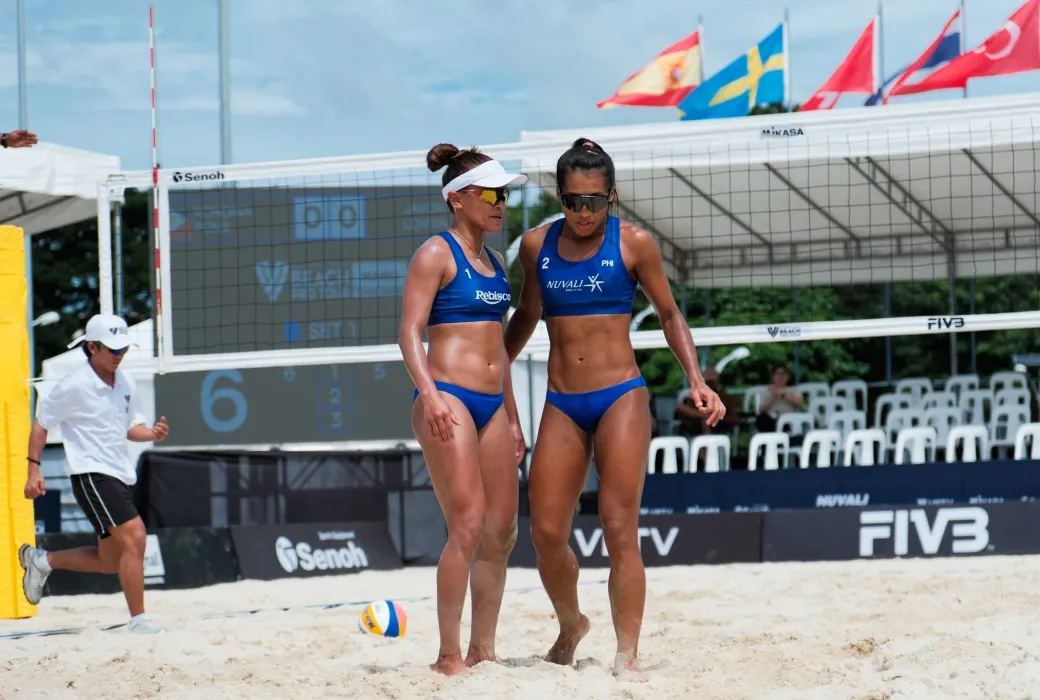
Rondina, Pons claim first Challenge win at Beach Pro Tour Nuvali

175
Sisi Rondina

Player Profile Series: Sisi Rondina, Volleyball’s Cherry Bomb

171
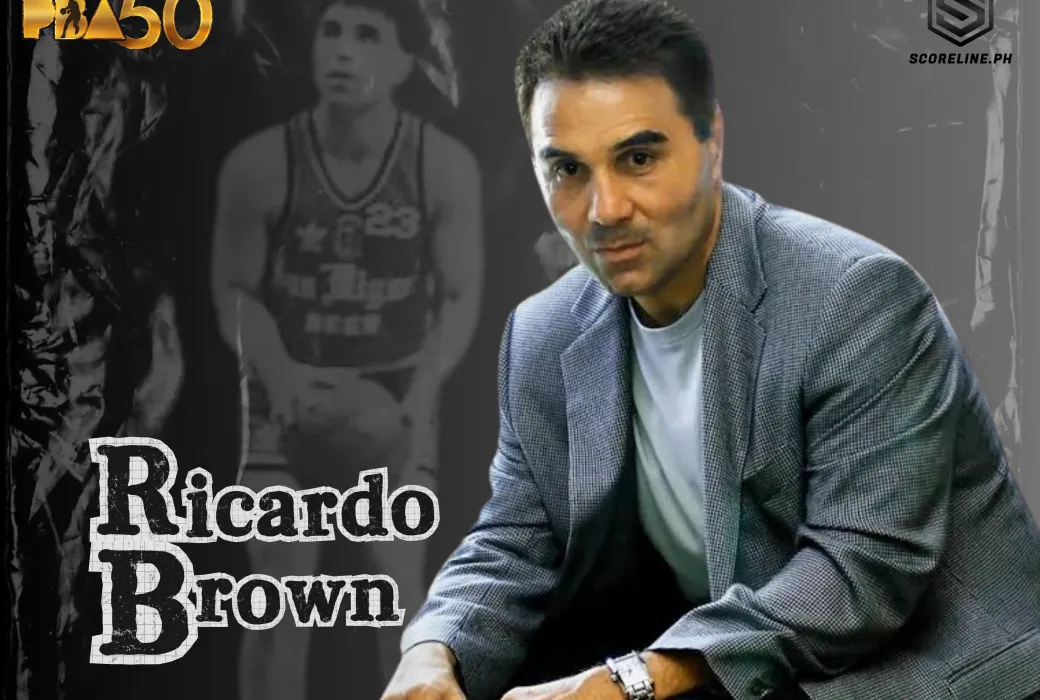
"The Quick Brown Fox" - Ricardo Brown

Player Profile Series: Ricardo Brown – "The Quick Brown Fox"

169
PBA Commissioner Willie Marcial

PBA Season 50 eyes more overseas tours and foreign guest teams

158
Spike and Serve with Petro Gazz Angels & Volleybukids

Spike and Serve reaches out to Volleybukids in Morong, Bataan

156
Arena Fitness Dojo

From Grassroots to Global: Arena Fitness Dojo

156
Ricky Ricafuente

Ricky Ricafuente brings his global experience to Masters Pinoy

155
Francisico Bustamante

Player Profile Series: The iconic Francisco "Django" Bustamante

152
Philip Cezar - PBA's Tapal King

Player Profile Series: Philip Cezar – The PBA's Tapal King

152
Freddie Hubalde - The Silent Operator

Player Profile Series: Freddie Hubalde - The Silent Operator

150
Ginebra's RJ Abarrientos tries to score against NorthPort's import Kadeem Jack.

Ginebra dominates NorthPort to get Game 1 of their Semis series

147
Jelena Todorovic is the new Head Coach of Fortaleza Basquete Cearens.

Brazil’s NBB gets first female coach in Jelena Todorovic

146