All news tagged GilasPilipinas

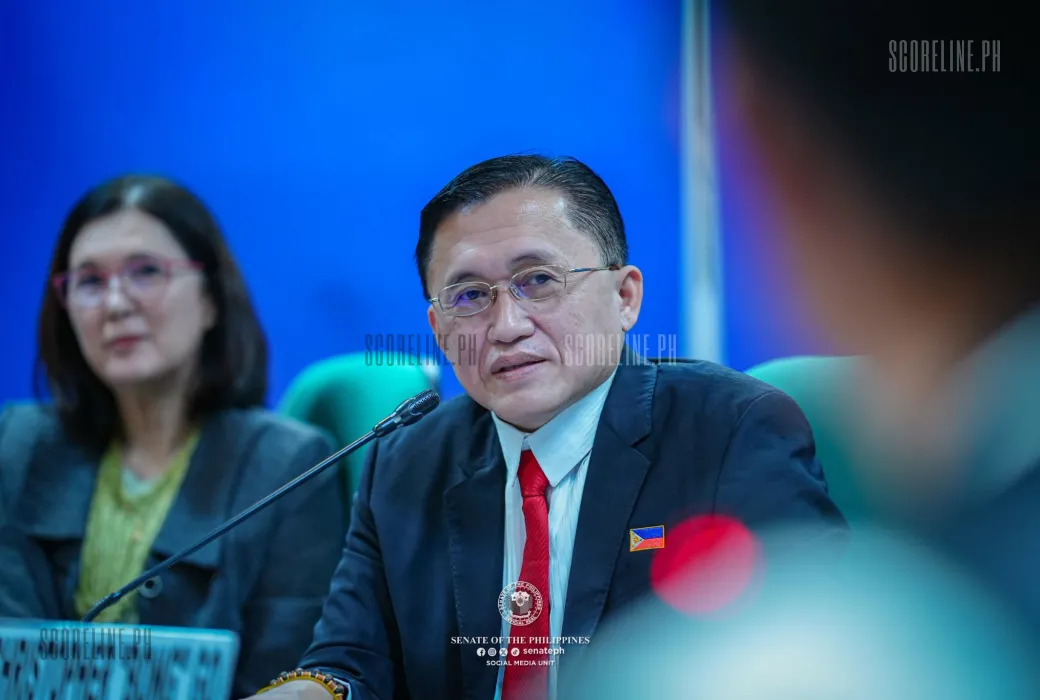
Sen. Bong Go

FLAG FIRST BILL: Can Philippine Law Force Foreign Clubs to Release Gilas Players?

Senator Bong Go's proposed legislation raises questions about national team duty, overseas player contracts, and the legal limits of compelling foreign basketball clubs to release Filipino athletes.

Should representing the Philippine flag take priority over professional basketball commitments abroad?

That question has become a major issue in Philippine basketball following Gilas Pilipinas' disappointing campaign at the 2026 Asian Games in Aichi-Nagoya, Japan.

With several overseas-based Filipino players unavailable for national team duty, Senator Bong Go is studying a proposed measure known as the Flag First Bill, which seeks to establish a national policy giving greater priority to representing the Philippines in international competitions.

But the proposal faces a complicated legal question.

Can a law passed in the Philippines compel professional basketball clubs in Japan and South Korea to release Filipino players for national team assignments?

The answer is not straightforward.

While Philippine legislation can establish obligations for individuals and organizations under its jurisdiction, it cannot automatically impose requirements on foreign clubs operating under different national laws and professional league regulations.

Tim Cone Raises Player Availability Concerns

The issue gained renewed attention during the Senate Committee on Sports hearing on October 8, when Gilas Pilipinas head coach Tim Cone discussed the difficulties of assembling the national team's preferred roster for the Asian Games.

Several Filipino basketball stars competing in overseas professional leagues were unable to join the national team because their clubs did not release them.

Among the players whose availability became an issue were Kai Sotto, Dwight Ramos, AJ Edu, Kevin Quiambao, and Carl Tamayo.

Their absence affected Gilas' preparations and limited Cone's roster options for the continental tournament.

The Philippines eventually finished ninth among 12 teams, falling short in its attempt to defend the Asian Games basketball gold medal.

Cone's remarks highlighted a longstanding problem for national teams that depend on professional players competing internationally.

Even when athletes are willing to represent their country, their participation may depend on contractual obligations and the willingness of their clubs to release them.

International basketball already has established player-release mechanisms under the regulations of the International Basketball Federation (FIBA).

For competitions covered by mandatory release provisions, clubs are generally required to make eligible players available during designated national team windows, subject to the applicable rules.

However, the Asian Games does not automatically fall under the same mandatory release framework.

That distinction creates difficulties for countries whose national team players compete in professional leagues overseas.

Japan's B.League and South Korea's Korean Basketball League operate according to their respective league schedules, contractual arrangements, and domestic regulations.

Without an applicable mandatory international release requirement, clubs may decline requests that conflict with their professional commitments.

For Gilas Pilipinas, the result can be an incomplete roster even when the national team has identified its preferred players.

The problem is not necessarily a lack of willingness among Filipino athletes. It is the absence of an enforceable release arrangement covering certain international competitions.

Senator Go has indicated that he is studying legislation intended to strengthen the country's ability to secure national team participation from Filipino athletes competing professionally.

The proposal would explore establishing a national policy prioritizing representation of the Philippines during major international sporting events.

However, the measure remains under development, and its final provisions have not been established.

Consultations with athletes, professional leagues, sports organizations, and other stakeholders would be important in determining how such a policy could operate.

One possible approach involves encouraging or requiring national team release provisions in overseas player contracts, subject to applicable laws and contractual arrangements.

But implementing such a requirement could create complications.

Foreign employers would still be subject to their own domestic laws, league regulations, and contractual rights.

A Philippine law could influence certain agreements involving Filipino athletes, but it would not automatically override the legal obligations of foreign basketball clubs.

The central limitation involves legal jurisdiction.

A law enacted by the Philippine Congress generally operates within the country's jurisdiction and applies to persons or organizations legally subject to its authority.

Professional basketball clubs based in Japan and South Korea operate under the laws of their respective countries.

Their employment contracts and league obligations cannot automatically be rewritten by Philippine legislation.

For example, if a Filipino player signs a contract with a Japanese professional team, the agreement may contain provisions governing national team participation, scheduling conflicts, compensation, and player availability.

A Philippine law requiring national team participation would not necessarily invalidate conflicting contractual provisions enforceable under Japanese law.

The same issue could arise with Filipino players competing in South Korea.

This means the Flag First Bill would need to consider international legal limitations and practical enforcement mechanisms.

Passing a law in Manila is one thing. Making it enforceable against a professional basketball club in Tokyo or Seoul is another.

Could Mandatory Release Clauses Affect Overseas Opportunities?

Another concern involves the possible consequences for Filipino athletes seeking professional careers abroad.

Overseas basketball opportunities provide Filipino players with access to competitive leagues, higher salaries, international experience, and professional development.

If Philippine legislation required extensive national team release commitments, foreign clubs might consider those obligations when deciding whether to sign Filipino players.

For example, a club preparing for a crucial league game or championship series could face difficulties if a player were required to leave for an international tournament outside the recognized FIBA calendar.

Such situations could create scheduling and contractual conflicts.

The possibility raises an important question for policymakers.

Could a law intended to strengthen the national team unintentionally make Filipino players less attractive to overseas professional clubs?

That concern does not automatically mean the proposed legislation would produce such an outcome.

Its actual effects would depend on the final provisions, applicable legal requirements, and how clubs and players respond.

Nevertheless, the potential consequences deserve careful examination.

Protecting National Duty Without Sacrificing Professional Careers

For Filipino basketball players, representing the national team is often a source of enormous pride.

But professional basketball is also their livelihood.

Players must consider contractual obligations, financial security, physical conditioning, injury risks, and long-term career opportunities.

A policy requiring national team participation would therefore need to balance several interests.

The national team needs reliable player availability.

Professional clubs need predictable roster arrangements.

Athletes need protection from unreasonable contractual or financial consequences.

And sports organizations must coordinate international schedules effectively.

One possible solution involves stronger cooperation between the Samahang Basketbol ng Pilipinas (SBP), overseas leagues, professional clubs, and international basketball authorities.

Advance scheduling, negotiated release agreements, insurance arrangements, and clear communication could help reduce conflicts.

Such mechanisms may provide practical alternatives or complementary measures to domestic legislation.

The Flag First Bill discussion highlights a broader issue in Philippine basketball development.

Gilas Pilipinas has increasingly relied on talented Filipino players competing in professional leagues abroad.

That international exposure can strengthen the national team by providing athletes with valuable experience against high-level competition.

However, overseas commitments can also complicate national team preparation.

The challenge is developing a system that allows the Philippines to benefit from the professional growth of its players while maintaining reliable access to them during important international competitions.

That requires long-term planning.

National team schedules must be coordinated as early as possible.

Sports officials must maintain strong relationships with professional clubs.

Players must understand their potential national team commitments before signing contracts.

And the coaching staff must prepare alternative roster options when certain athletes are unavailable.

A competitive national team cannot depend entirely on last-minute negotiations for player releases.

The debate surrounding the proposed Flag First Bill should not be reduced to a simple choice between patriotism and professional obligations.

Filipino athletes can value national representation while also honoring legitimate commitments to their employers.

Likewise, foreign clubs can respect the importance of international competition while protecting their contractual and competitive interests.

The challenge for lawmakers is establishing a policy that recognizes these competing responsibilities.

A workable framework would need to clarify when national team participation should receive priority, what obligations may legally be imposed, and how potential disputes should be resolved.

It would also need to consider whether the proposed requirements apply only to basketball or to other Filipino athletes competing professionally overseas.

The broader implications could extend across several sports.

Senator Go's proposed legislation has brought renewed attention to an issue that has affected Philippine national teams for years.

The difficulties experienced by Gilas Pilipinas at the Asian Games demonstrate why player availability deserves serious discussion.

But solving the problem requires more than establishing a patriotic principle.

The effectiveness of any future law would depend on its legal enforceability, compatibility with international regulations, and ability to protect the interests of Filipino athletes.

It would also require meaningful cooperation with foreign professional leagues.

For Gilas Pilipinas, the objective remains clear: assemble the strongest available team and provide sufficient preparation time to compete against Asia's basketball powers.

Whether the Flag First Bill can help achieve that objective will depend on how the proposal is developed.

THE PHILIPPINE FLAG DESERVES RESPECT. SO DO THE CONTRACTS, LIVELIHOODS, AND PROFESSIONAL FUTURES OF THE ATHLETES WHO REPRESENT IT.

The challenge is finding a system that allows both responsibilities to coexist.
24.10.2026
Bennie Boatwright

Bennie Boatwright Takes Oath of Allegiance as Race Against FIBA Deadline Begins

The 6-foot-10 scoring powerhouse moves closer to becoming Gilas Pilipinas' newest naturalized reinforcement, but legal documentation and international eligibility requirements remain crucial before his anticipated national team debut.

Gilas Pilipinas may soon have another powerful weapon in its international basketball arsenal.

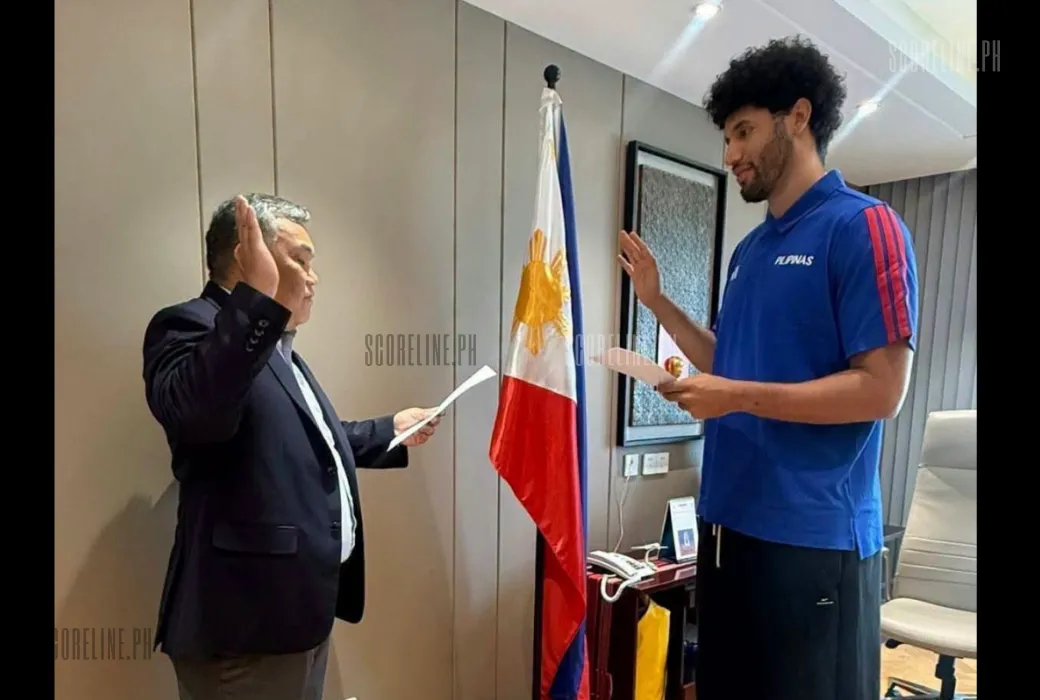
After months of anticipation, Bennie Boatwright has taken a significant step toward representing the Philippines, officially taking his Oath of Allegiance to the country on Wednesday, October 21, 2026, at the Philippine Embassy in China.

The development brings the 6-foot-10 American basketball standout closer to completing his naturalization process and potentially joining the national team for the upcoming FIBA Basketball World Cup Asian Qualifiers.

But while the oath represents an important milestone, the journey is far from complete.

With a November 14 deadline approaching for the submission of eligibility documents to FIBA, the Samahang Basketbol ng Pilipinas (SBP) faces a race against time to complete the remaining requirements.

For Gilas Pilipinas, Boatwright's potential arrival represents more than another roster addition. It could provide the national team with a different offensive dimension as it prepares for another demanding international campaign.

Boatwright's appearance at the Philippine Embassy in China marked an important development in the country's efforts to secure another naturalized basketball player.

The oath is a significant step in the legal process, but it does not automatically complete all the requirements necessary for him to represent the Philippines internationally.

According to the process outlined by the SBP, Boatwright's oath must still be registered with the Bureau of Immigration.

The registration will be followed by the issuance of his Certificate of Naturalization, after which he can proceed with his application for a Philippine passport.

Even after securing the necessary Philippine documents, his participation in FIBA competitions will remain subject to the international basketball federation's eligibility requirements.

Taking the oath moves Boatwright closer to Gilas. Securing FIBA clearance will determine whether he can finally wear the Philippine jersey.

The urgency surrounding Boatwright's naturalization stems from the approaching FIBA documentation deadline.

SBP Executive Director Erika Dy said the necessary requirements must be submitted to FIBA by November 14, 2026, for Boatwright to become eligible for consideration in the upcoming qualifying window.

Gilas is preparing for scheduled FIBA World Cup Asian Qualifiers games in Malaysia on November 27 and 29.

That leaves a limited period to complete the remaining documentation, obtain international eligibility clearance, and potentially integrate Boatwright into the national team's preparation.

For head coach Tim Cone, the situation presents both an opportunity and a challenge.

Boatwright could provide additional scoring and size, but his availability cannot be treated as guaranteed until the necessary requirements are satisfied.

The coaching staff must therefore prepare for multiple roster possibilities.

The talent is available. The opportunity is approaching. But the paperwork must be completed before the basketball can begin

At 6-foot-10, Boatwright offers a combination of height, shooting ability, and offensive versatility that could make him a valuable reinforcement for the national team.

Unlike traditional centers who operate primarily inside the paint, Boatwright is capable of stretching the floor and creating scoring opportunities from the perimeter.

His shooting range could force opposing big men to defend farther from the basket, potentially opening driving lanes for Filipino guards and additional space for interior players.

That offensive flexibility could become particularly valuable against Asian opponents that rely on size, physicality, and disciplined half-court defense.

Boatwright's scoring ability could also give Gilas another option when opposing teams successfully disrupt its offensive sets.

Currently playing for the Fujian Sturgeons in the Chinese Basketball Association, he continues to gain professional experience in a competitive international environment.

However, success in club basketball does not automatically guarantee immediate effectiveness in FIBA competition.

International basketball presents different tactical challenges, defensive systems, and physical demands.

Boatwright would need to adjust to Cone's offensive structure, develop chemistry with his teammates, and understand the responsibilities expected of him within the national team.

Gilas would not simply be adding another tall player. It would potentially be adding a big man capable of changing how opposing teams defend the Philippines.

Boatwright's progress comes at a time when the availability of veteran naturalized star Justin Brownlee remains uncertain.

Brownlee has been one of the most influential figures in Gilas Pilipinas' recent international campaigns.

His familiarity with Cone's system, leadership, offensive creativity, and ability to perform under pressure have made him a trusted national team reinforcement.

But relying exclusively on one naturalized player presents risks when injuries, scheduling conflicts, or other availability concerns arise.

Boatwright's eligibility could give the coaching staff another option. The two players offer different strengths.

Brownlee provides experience, playmaking, and an established understanding of the team's system.

Boatwright could offer additional height, perimeter shooting, and offensive versatility.

Under FIBA's standard national team eligibility rules, only one player classified as naturalized may generally be included in a team's game roster.

Therefore, having both Brownlee and Boatwright available would primarily provide Gilas with greater flexibility in selecting its naturalized reinforcement.

The question should not simply be Brownlee or Boatwright. The bigger objective is ensuring that Gilas has reliable options when international competitions arrive.

Boatwright's potential arrival also comes during a transition period for the national team.

Nine-time PBA Most Valuable Player June Mar Fajardo has confirmed that his Gilas Pilipinas career is over, ending the international journey of one of the country's most accomplished big men.

His departure leaves a significant gap in experience and interior presence.

Younger Filipino talents such as Kai Sotto and AJ Edu represent important pieces of the national team's future, but their availability and continued development remain essential considerations.

Boatwright could help strengthen the frontcourt while providing a different offensive skill set.

Still, his potential inclusion should complement rather than replace long-term investment in Filipino big men.

A sustainable national team program requires both experienced reinforcements and a dependable pipeline of locally developed talent.

Naturalization can strengthen a national team, but it cannot substitute for a comprehensive player development system.

Boatwright's possible addition will undoubtedly generate excitement among Filipino basketball fans.

But the national team's recent challenges have demonstrated that individual talent alone is not enough to guarantee success.

Player availability, preparation time, roster continuity, and effective coordination with professional clubs remain critical.

The Philippines' disappointing ninth-place finish at the 2026 Asian Games raised questions about the national team's ability to assemble its strongest possible lineup.

Several overseas-based Filipino players were unable to participate because of professional club commitments.

That experience highlighted the importance of early planning and stronger coordination among basketball stakeholders.

Boatwright's naturalization process represents another test of the country's preparation system.

Completing his eligibility requirements would provide a valuable option, but the coaching staff would still need sufficient time to establish his role.

A powerful scorer can help win games. A well-prepared team is what creates sustained international success.

With Boatwright's oath of allegiance completed, attention now shifts to the remaining administrative and international eligibility requirements.

The SBP must secure the necessary documentation and meet the November 14 submission deadline.

If the process is completed successfully and FIBA grants the required clearance, Boatwright could become available for national team selection.

But until those steps are finalized, his participation remains uncertain.

For Cone and Gilas Pilipinas, the immediate priority is preparing a competitive lineup regardless of the outcome.

Boatwright's potential arrival offers optimism, but the national team cannot afford to build its entire preparation around an unresolved eligibility process.

For Bennie Boatwright, representing the Philippines would mark a significant milestone in his professional basketball career.

For Gilas Pilipinas, it could provide another valuable weapon against Asia's strongest teams.

And for Filipino basketball fans, the possibility of seeing a versatile 6-foot-10 scorer wearing the national colors offers renewed excitement.

But the true significance of his arrival would be measured by how effectively he contributes to the team.

The Philippines needs more than impressive individual performances.

It needs consistent preparation, reliable player availability, and a system capable of competing internationally over the long term.

Boatwright could become an important part of that effort.

THE OATH HAS BEEN TAKEN. THE DEADLINE IS APPROACHING. THE POSSIBILITY OF A NEW GILAS WEAPON IS GETTING CLOSER.

But the next chapter will depend on completing the legal process, securing FIBA eligibility, and preparing the team for the challenges ahead.

22.10.2026
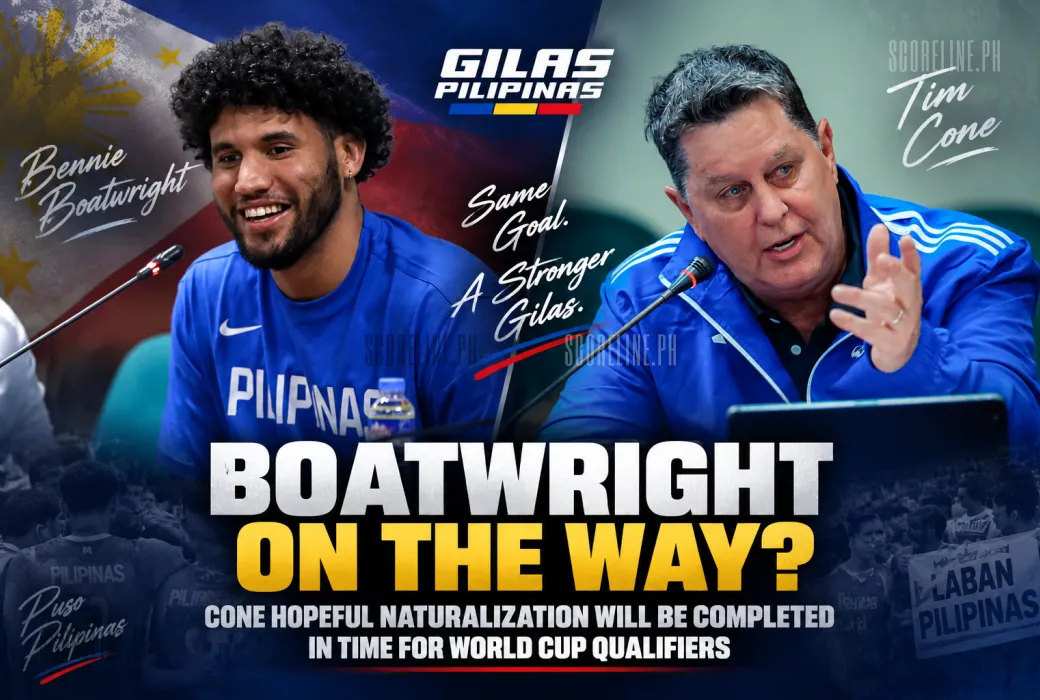
tim cone and bennie boatwright

Can Bennie Boatwright Become the Missing Piece in Philippine Basketball's Comeback?

BROWNLEE'S STATUS UNCERTAIN. FAJARDO'S GILAS CHAPTER CLOSED. THE PRESSURE IS ON — AND BENNIE BOATWRIGHT COULD BE THE ANSWER.

Philippine basketball is approaching another crucial crossroads, and Gilas Pilipinas may soon have a new weapon capable of transforming its international campaign.

With veteran naturalized star Justin Brownlee's availability still uncertain, the spotlight is shifting toward 6-foot-11 scoring powerhouse Bennie Boatwright, whose potential inclusion could provide the national team with the size, offensive versatility, and scoring punch it needs against Asia's strongest basketball programs.

But there is one major obstacle.

Boatwright's naturalization and eligibility requirements are still being processed, and time is running out before the November FIBA World Cup Asian Qualifiers.

For Gilas head coach Tim Cone, the hope is that the Samahang Basketbol ng Pilipinas (SBP) can complete the necessary requirements before the national team's scheduled games in Malaysia on November 27 and 29.

"They are being worked on," Cone said when asked about Boatwright's documents.

The statement offers hope, but no guarantee.

And for a national team seeking consistency after its disappointing Asian Games campaign, uncertainty is becoming an increasingly familiar challenge.

A 6-Foot-11 Offensive Weapon Gilas Cannot Ignore

Boatwright is not simply another big man who can occupy space inside the paint.

The American forward-center brings an offensive skill set that could significantly expand Gilas' attacking options.

At 6-foot-11, Boatwright combines size with perimeter shooting, mobility, and the ability to score from multiple areas of the court.

Currently playing in China for the Fujian Sturgeons, he has the potential to give the Philippines a different offensive dimension.

His ability to stretch the floor could create additional driving lanes for Filipino guards, while his scoring threat could force opposing defenses to adjust their coverage.

Against physically imposing Asian teams, that versatility could prove valuable.

Gilas doesn't just need another tall player. It needs a big man who can create mismatches, score under pressure, and make the entire offense more difficult to defend.

Boatwright could potentially provide those qualities.

However, his effectiveness would depend on how quickly he adapts to Cone's system, develops chemistry with the local players, and adjusts to international competition.

Talent alone will not guarantee success.

The Brownlee Question: Why Gilas Needs Another Option

For years, Justin Brownlee has been one of the most important figures in Philippine basketball's international campaigns.

His leadership, clutch scoring, and familiarity with Cone's system have made him a trusted offensive centerpiece.

But with his availability uncertain, Gilas cannot afford to build its entire preparation around a single naturalized player.

The lesson is simple: A serious national team must have alternatives before a crisis happens — not after.

Boatwright's potential addition should not automatically be viewed as replacing Brownlee.

Instead, it could give the coaching staff greater flexibility when selecting the team's naturalized reinforcement.

Under FIBA's standard eligibility rules, a national team may generally field only one player classified as naturalized on its game roster.

That means Brownlee and Boatwright would not ordinarily be able to play together if both are classified as naturalized players.

But having both eligible and available would allow Gilas to make strategic decisions based on player health, opponent matchups, and tournament requirements.

The urgency surrounding Boatwright's possible arrival comes after Gilas finished ninth at the 2026 Asian Games in Japan, falling short of defending its historic gold medal.

The disappointing campaign raised serious questions about player availability, roster preparation, and the national team's long-term direction.

Cone previously revealed that several overseas-based Filipino stars were unable to join the Asian Games squad because their professional clubs did not release them.

Among the notable absentees were Kai Sotto, Dwight Ramos, AJ Edu, Kevin Quiambao, and Carl Tamayo.

Their absence exposed an uncomfortable reality.

The Philippines may have the talent to assemble a formidable national team, but talent means little when the best players cannot be brought together at the right time.

Boatwright's situation represents another test of that problem.

If his documentation is not completed in time, Gilas could once again find itself preparing for major international competition without an important potential reinforcement.

That is why the SBP must treat naturalization, player eligibility, overseas club coordination, and long-term roster planning as essential parts of national team development.

Gilas Has Already Proven It Can Fight Without a Naturalized Star

Despite the criticism surrounding its recent international performances, Gilas has shown that an all-local lineup can compete.

Victories over Jordan and Iran in the Asian Qualifiers demonstrated the team's resilience and ability to execute under pressure.

Those results should not be overlooked.

They showed that Filipino players possess the talent and determination to challenge quality international opposition.

But competing consistently against Asia's elite requires more than occasional impressive victories.

It demands offensive balance, defensive discipline, rebounding, reliable shooting, and roster continuity.

A naturalized reinforcement can help address specific weaknesses, but cannot solve every structural problem.

Boatwright could strengthen Gilas. He cannot single-handedly fix Philippine basketball.

The responsibility remains with the coaching staff and basketball leadership to establish a sustainable system capable of producing results regardless of which naturalized player is available.

Another major challenge facing Gilas is the departure of June Mar Fajardo from international competition.

The nine-time PBA MVP has confirmed that his national team career is over, closing an important chapter for Philippine basketball.

His retirement leaves Gilas without one of its most experienced interior players.

While younger talents such as Kai Sotto and AJ Edu represent the future of the national team's frontline, their availability and continued development remain important factors.

Boatwright could provide additional size and offensive versatility during this transition.

But the Philippines must avoid treating naturalization as a substitute for developing its homegrown big men.

The long-term objective should be to develop a frontcourt capable of competing internationally for years, not merely finding short-term solutions before every qualifying window.

The upcoming FIBA World Cup Asian Qualifiers in Malaysia will provide another opportunity for Gilas to demonstrate progress.

But the immediate question remains unanswered.

Will Boatwright's documents and eligibility be completed in time?

And if they are, will he have sufficient preparation to contribute effectively to Cone's system?

These are significant questions with no guaranteed answers.

Even if his naturalization is completed, international eligibility requirements and tournament registration procedures must still be satisfied.

The SBP cannot afford to confuse optimism with readiness. For a national team seeking to regain momentum, every available training session and every roster decision matters.

Boatwright's potential arrival is exciting, but the conversation should not stop with his scoring ability or physical attributes.

The Philippines needs a deeper and more reliable national basketball program.

That means stronger coordination with overseas clubs, better long-term player development, early roster planning, and greater flexibility in preparing for international tournaments.

Brownlee has already demonstrated the value of having a dependable naturalized player who understands the national team's system.

Boatwright could offer a different set of strengths.

Together, as alternative naturalized options, they could give Cone greater flexibility.

But neither player should be expected to carry the entire burden of Philippine basketball's international ambitions.

Boatwright may be an important piece of that system.

He could provide the offensive firepower, size, and versatility Gilas needs against bigger and more physical opponents.

But the real victory would be establishing a national team program that is prepared long before the opening tip.

The Next Chapter Begins With Preparation

For Bennie Boatwright, the opportunity to represent the Philippines could become a defining moment in his basketball career.

For Tim Cone, it could provide another valuable offensive option.

And for Filipino basketball fans, it offers renewed hope that Gilas can strengthen its roster and compete more consistently on the international stage.

But the countdown has already begun.

The paperwork must be completed.

The eligibility requirements must be satisfied.

And the national team must be ready to compete, with or without its preferred reinforcement.

THE PHILIPPINES HAS THE PASSION. IT HAS THE TALENT. IT HAS THE POTENTIAL.

NOW IT NEEDS THE PREPARATION, DEPTH, AND ORGANIZATION TO TURN THAT POTENTIAL INTO RESULTS.

BENNIE BOATWRIGHT COULD BE THE NEW WEAPON. BUT A STRONGER GILAS SYSTEM MUST BE THE REAL GAME-CHANGER. 

19.10.2026
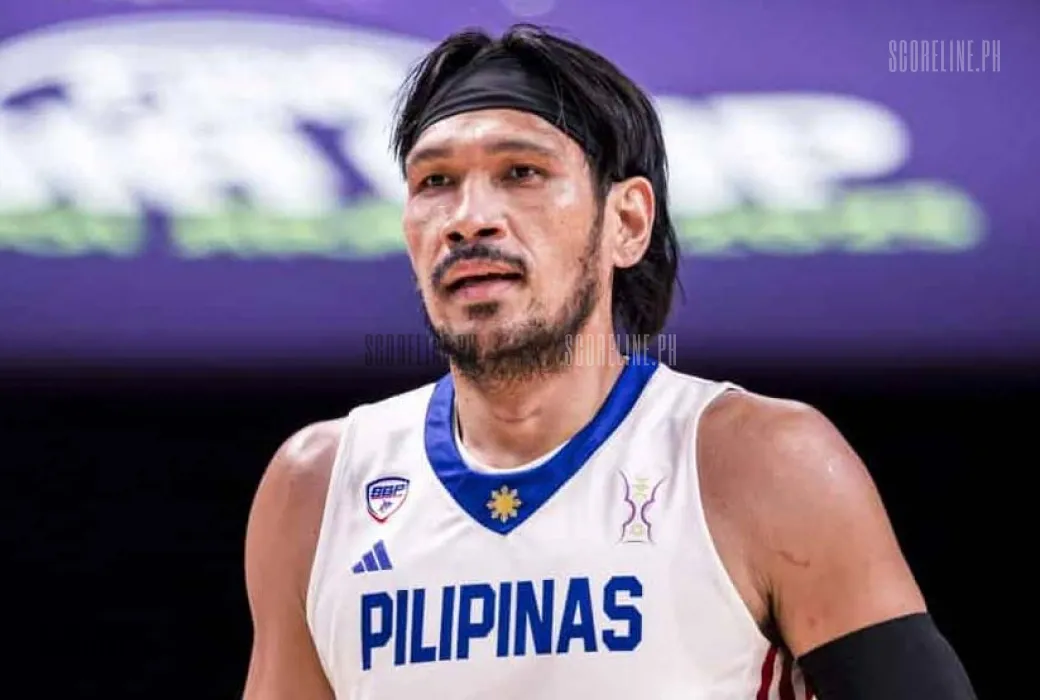
June Mar Fajardo

June Mar Fajardo confirmed that his retirement from Gilas Pilipinas is Final

🇵🇭🏀💔 END OF AN ERA! JUNE MAR FAJARDO CLOSES THE DOOR ON GILAS PILIPINAS COMEBACK!

 “OK na ako sa national team.” — June Mar Fajardo

THE KRAKEN HAS SPOKEN. HIS NATIONAL TEAM JOURNEY IS OVER! 🏆🇵🇭

Nine-time PBA MVP JUNE MAR FAJARDO has confirmed that his retirement from Gilas Pilipinas is FINAL, ending an unforgettable chapter in Philippine basketball.

The 36-year-old basketball legend revealed that his final appearance for Gilas came against Iran during the FIBA World Cup qualifying window.

Fajardo also made it clear that even if he had been invited to join the 2026 Asian Games squad, he would have declined.

His decision comes as Gilas faces serious questions following its disappointing ninth-place finish at the Asian Games in Japan.

For years, the Kraken battled Asia's toughest big men, sacrificed his body, and proudly carried the Philippine flag in international competition.

He gave his strength, experience, and commitment to the national team.

The next generation of Filipino big men must step up.

Players like Kai Sotto, AJ Edu, and other emerging talents represent the future of the national team's frontline.

But developing that future requires more than simply naming replacements.

It demands proper preparation, player availability, long-term planning, and a system that allows younger players to grow into leadership roles.

June Mar's national team chapter may be over, but his contributions to Philippine basketball will remain part of its history.

For every battle under the basket.

For every sacrifice wearing the national colors.

For every moment you gave Filipino basketball fans something to cheer about.

ONCE A GILAS WARRIOR. FOREVER THE KRAKEN. FOREVER A PHILIPPINE BASKETBALL LEGEND! 

19.10.2026
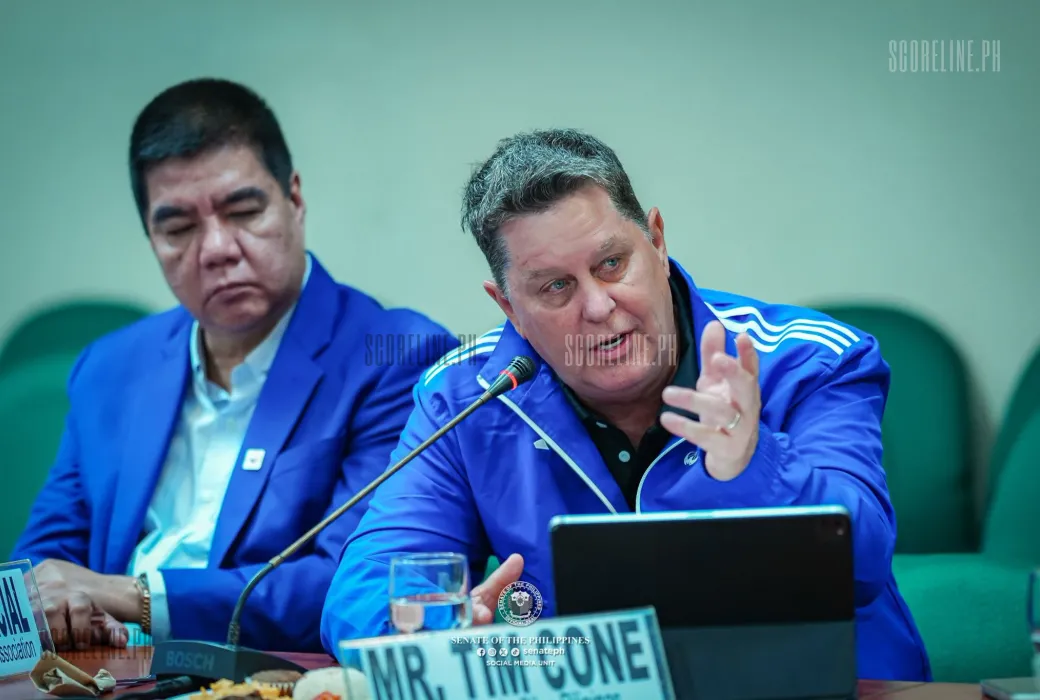
Coach Tim Cone

Gilas Pilipinas Asian Games Gold Defense Crippled by Missing Stars - Tim Cone

 TIM CONE SPEAKS OUT! GILAS' ASIAN GAMES GOLD DEFENSE CRIPPLED BY MISSING STARS.

HOW CAN GILAS DEFEND ITS GOLD MEDAL WHEN SOME OF ITS BEST PLAYERS CAN'T EVEN SUIT UP?

Gilas Pilipinas head coach TIM CONE revealed during the October 8 Senate Committee Hearing on Sports that the national team had hoped to assemble its strongest possible lineup to defend its historic Asian Games basketball gold.

But those plans hit a major snag when overseas club commitments kept several Filipino stars from joining the squad!

🚨 THE MISSING FIREPOWER:

🏀 Kai Sotto

🏀 Dwight Ramos

🏀 AJ Edu

🏀 Kevin Quiambao

🏀 Carl Tamayo

According to Cone, Japanese and South Korean clubs did not release the players despite their willingness to represent the Philippines.

And here's the frustrating part!

THE ASIAN GAMES ARE NOT UNDER FIBA'S MANDATORY PLAYER-RELEASE RULES!

That means overseas clubs are not automatically required to release their Filipino players for the tournament.

Cone also questioned why Japanese and Korean national teams could field their players while Filipino imports competing in those leagues couldn't join Gilas.

The result?

GILAS FINISHED 9TH OUT OF 12 TEAMS, falling short in its bid to defend the Asian Games gold medal.

OUR TAKE: YOU CANNOT EXPECT A NATIONAL TEAM TO COMPETE AT ITS HIGHEST LEVEL WITHOUT A RELIABLE SYSTEM FOR PLAYER AVAILABILITY!

This is not simply about blaming overseas clubs.

Those clubs have contracts, schedules, and professional obligations to consider.

But Philippine basketball officials must also recognize that international success requires planning, coordination, and negotiations long before major tournaments begin.

THE SOLUTION ISN'T JUST FINDING BETTER PLAYERS — IT'S MAKING SURE OUR BEST PLAYERS CAN ACTUALLY REPRESENT THE COUNTRY!

The Samahang Basketbol ng Pilipinas, overseas clubs, and other basketball stakeholders need stronger agreements and better scheduling coordination.

Because when the Asian Games arrive, Gilas should be preparing to beat Asia's best — not scrambling to complete its roster!

And let's be clear:

A GOLD MEDAL CANNOT BE DEFENDED BY TALENT ALONE. IT REQUIRES PREPARATION, COMMITMENT, AND COOPERATION!

19.10.2026
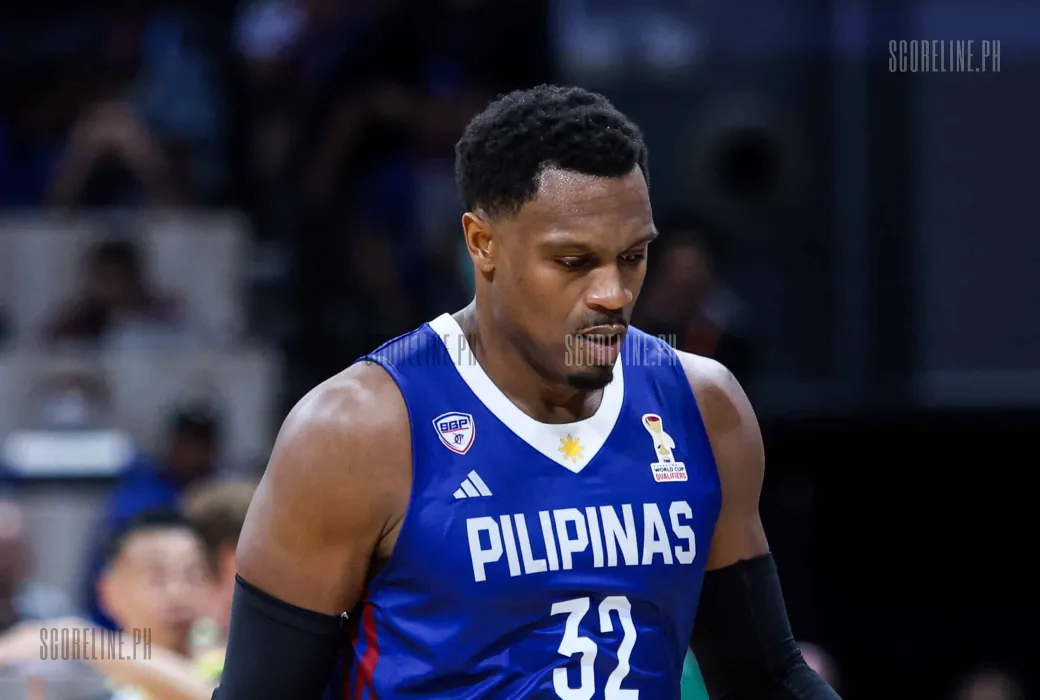
Justin Brownlee

Gilas Pilipinas did not just lose a star. It lost the heart of its championship identity.

Justin Brownlee’s absence from the Philippines’ disastrous 2026 Asian Games campaign was not simply a matter of injury or basketball availability. It was a health issue involving blood pressure and the heart, according to national team coach Tim Cone.

Speaking at a Senate hearing Thursday, Cone revealed why the naturalized Filipino star has been unable to play for both Gilas Pilipinas and Barangay Ginebra in the PBA.

“Because he’s had health concerns regarding blood pressure and heart issues. So he is not able to play at this point,” Cone said.

The revelation puts Brownlee’s prolonged absence into a more serious perspective. This is not just about missing a tournament or a key player being unavailable for a crucial stretch. It is about an athlete dealing with a potentially serious health concern—and the need to put his well-being ahead of basketball.

For a player who has carried the Philippines through some of its biggest recent triumphs, that reality deserves understanding, not pressure.

THE ABSENCE THAT GILAS COULD NOT OVERCOME

Brownlee was instrumental in the Philippines’ historic gold medal run at the 2023 Asian Games in Hangzhou, helping end a 61-year wait for the country’s men’s basketball team to reclaim the continental crown.

His value went beyond scoring. He provided experience, composure, versatility, and the kind of big-game presence that can steady a team when everything starts falling apart.

In Aichi-Nagoya, Gilas had none of that from its naturalized star.

The national team entered the competition with an all-PBA roster but failed to reach the knockout stage, settling for ninth place in one of its worst Asian Games campaigns in men's 5-on-5 basketball. Its preliminary-round schedule included a crushing 105-61 defeat to China.

Brownlee had also missed the Philippines’ two home games in the fourth window of the FIBA World Cup Asian Qualifiers in August and remained unavailable for Ginebra throughout the PBA Governors’ Cup.

His absence was a significant setback. But it would be too simplistic to blame the entire Asian Games collapse on one player’s unavailability.

A championship team must have contingency plans. It must develop alternatives, establish a system that can survive personnel changes, and prepare for the possibility that even its best players will not always be available.

Gilas struggled badly without Brownlee. That should prompt difficult questions about roster construction, preparation, and the team's ability to adapt—not criticism of a player whose health must come first.

A WARNING FOR PHILIPPINE BASKETBALL

Brownlee’s situation also highlights a broader truth: national team planning cannot depend indefinitely on one irreplaceable figure.

His contributions have been enormous, but the Philippines needs a deeper pool of players capable of delivering under pressure. It needs a reliable structure that does not unravel when a key star is sidelined.

That responsibility falls on the people building and managing the program.

The Asian Games campaign exposed the consequences of entering a major tournament without a naturalized player of Brownlee’s caliber. The challenge now is to learn from that experience instead of treating his return as the only solution.

And while fans understandably want to see him back on the court, the priority must remain clear.

Heart-related health concerns are not something to rush through for a tournament, a club, or a national team. Brownlee's recovery and medical clearance must take precedence over the demands of competition.

LET THE MAN HEAL

Brownlee has already given Philippine basketball unforgettable moments. He helped deliver an Asian Games gold medal and earned the trust of Filipino fans through his performances for Gilas and Ginebra.

He does not owe anyone a premature return.

The country can hope to see him play again, but that hope must come with patience. Until he is medically cleared, his absence should be understood for what it is: a health matter, not a failure of commitment.
Gilas must now confront its own shortcomings and build a team capable of competing even when its biggest weapon is unavailable.

Justin Brownlee needs to focus on his health. Gilas needs to focus on fixing its problems. Neither responsibility should be sacrificed for the other.

The Philippines needs its basketball heroes—but first, it needs them healthy.

09.10.2026
Gilas Pilipinas

Gilas Pilipinas begins Asian Games title defense with a new-look squad

Gilas Pilipinas begins its campaign to defend the men’s basketball gold medal at the 2026 Asian Games with a significantly different lineup from the team that ended the country’s 61-year title drought in Hangzhou.

The Philippines opens its title defense against Bahrain on September 11 in Nagoya, Japan, beginning a challenging tournament that will test whether the new-look national team can once again rise to the occasion on the Asian stage.

The men’s basketball competition will be held from September 10 to 20, ahead of the official Asian Games opening ceremony, with the 5-on-5 tournament taking place at the Aichi International Arena in Nagoya.

Coach Tim Cone is building the 2026 squad primarily around players from the Philippine Basketball Association (PBA) after several regular Gilas players based in Japan and South Korea became unavailable because the Asian Games falls outside the regular FIBA competition calendar.

That has left the Philippines with a roster that looks markedly different from the squad that won gold in Hangzhou in 2023.

A very different Gilas team

The Philippines will enter the tournament without several key players who have been part of its recent international campaigns.

Among those unavailable are Kai Sotto, Dwight Ramos, AJ Edu, Kevin Quiambao and Carl Tamayo, while veteran center June Mar Fajardo has already retired from international basketball.

Cone has confirmed that RJ Abarrientos, Justin Arana and Justin Baltazar will be part of the Asian Games team, while players such as Robert Bolick and Adrian Nocum are among the prominent candidates for the final 12-man lineup.

The final roster, however, remained subject to confirmation as of September 1.

The changes mean Cone will have to build a team around a different mix of size, athleticism and offensive firepower.

With a smaller lineup compared with previous Gilas squads, the coach is expected to emphasize speed, quickness and an up-tempo style of basketball.

The approach could allow the Philippines to maximize its athleticism, but it also presents challenges against teams capable of exploiting Gilas’ lack of size in the frontcourt.

Brownlee remains the biggest question

Perhaps the most important unresolved issue surrounding the team is the availability of Justin Brownlee.

The veteran naturalized player played a pivotal role in Gilas’ historic 2023 Asian Games campaign, but his participation in Nagoya has yet to be confirmed.

Cone said the Philippines has reserved a roster spot for Brownlee, leaving the door open for his return if he is healthy enough to compete.

Brownlee had been dealing with leg, hamstring and knee problems and missed Gilas’ recent FIBA World Cup Asian Qualifiers games against Jordan and Iran.

His importance to the team is difficult to overstate.

In the 2023 Asian Games semifinals, Brownlee erupted for 33 points, including 17 in the fourth quarter, as the Philippines overcame a 20-point deficit to stun host China, 77-76.

He followed that performance with 20 points, 10 rebounds, five assists and two steals in the championship game against Jordan as Gilas won 70-60 and captured the gold medal.

If Brownlee is healthy and commits to the team, his experience and scoring ability could provide a major boost to an otherwise revamped lineup.

No Kai Sotto, no June Mar Fajardo

The absence of Kai Sotto is another significant change.

Cone confirmed that Sotto would participate in the August FIBA World Cup Asian Qualifiers but would not be part of the Asian Games squad.

No specific reason was given for Sotto’s absence.

The 7-foot-3 center had recently returned from a lengthy injury layoff and helped Gilas defeat Jordan and Iran in the World Cup qualifiers, averaging 15.5 points, 15 rebounds, three assists and one block across the two victories.

Sotto is currently unsigned after his contract in Japan expired, while his basketball future remained uncertain as he awaited developments regarding his eligibility to play in the US NCAA.

Meanwhile, Fajardo has officially ended his Gilas career.

The 36-year-old center retired from international basketball after more than a decade representing the Philippines, including three FIBA World Cup appearances and the historic Asian Games championship in 2023.

Overseas commitments reshape the roster

The absence of several other Gilas regulars is largely tied to the timing of the Asian Games.

Dwight Ramos and AJ Edu play in Japan, while Kevin Quiambao and Carl Tamayo are based in South Korea. Because the Asian Games is outside the regular FIBA competition calendar, securing the release of overseas players becomes more difficult.

That prompted Cone and the Samahang Basketbol ng Pilipinas to construct a separate team largely composed of PBA players.

It is a situation that creates both uncertainty and opportunity.

The new lineup may lack the familiarity and international experience of the 2023 champions, but it also gives a new generation of PBA standouts an opportunity to establish themselves on the Asian stage.

Boatwright unavailable

Another potential option has also been removed from consideration.

Bennie Boatwright will not play for Gilas in Nagoya because his naturalization and Philippine passport requirements were not completed in time.

Cone had identified Boatwright as a possible naturalized-player option, but with the passport unavailable before the tournament, Brownlee remains the preferred choice if he is healthy and willing to return.

A familiar opponent awaits

Gilas has been drawn into Group C alongside China, Bahrain and Kazakhstan.

The Philippines opens against Bahrain on September 11 before facing Kazakhstan the following day.

The group-stage schedule then culminates in a highly anticipated meeting with China on September 14.

The matchup carries plenty of history.

Three years ago in Hangzhou, Gilas stunned the host nation with one of the most memorable comebacks in Philippine basketball history.

The Philippines trailed China by 20 points before Brownlee and the Nationals completed the comeback for a dramatic 77-76 victory.

Now, the two teams meet again—this time in the group stage.

The circumstances, however, are very different.

The Philippines is defending the title with a largely new squad, while China will be eager to erase the memory of its painful semifinal defeat on home soil.

The road to another gold medal

After the group stage, the quarterfinals are scheduled for September 16, followed by the semifinals on September 18.

The medal games are set for September 20, with the bronze-medal game scheduled at 3:40 p.m. Philippine time and the gold-medal game at 6:40 p.m.

Gilas’ exact quarterfinal and semifinal schedules will depend on its group-stage finish and subsequent tournament results.

Gilas Pilipinas Asian Games schedule

September 11 — vs. Bahrain, 12 noon Philippine time

September 12 — vs. Kazakhstan, 6 p.m.

September 14 — vs. China, 12 noon

September 16 — Quarterfinals

September 18 — Semifinals

September 20 — Bronze-medal game or gold-medal game

Japan is one hour ahead of the Philippines, with the schedule above converted to Philippine time.

Can Gilas defend the crown?

The Philippines enters Nagoya as the reigning Asian Games champion, but repeating that achievement will be far from straightforward.

The team that conquered Hangzhou three years ago featured Brownlee, Fajardo and several established national-team stars. The 2026 squad, meanwhile, will be asked to succeed without many of those familiar faces.

The final roster and Brownlee’s availability could significantly affect Gilas’ chances.

Still, the mission remains unchanged.

Win gold.

The Philippines ended a 61-year wait for the Asian Games basketball championship in 2023. Now, a new-look Gilas team must prove that the victory in Hangzhou was not simply a one-time breakthrough.

For Cone and his players, the challenge is clear: adapt quickly, embrace the pressure and keep the gold in Philippine hands.

The title defense begins September 11.

Different players. Different circumstances. Same dream.

06.09.2026
Scottie Thompson

Scottie Thompson: The Stats May Not Show It, But Gilas Needs Him

Scottie Thompson made the mistake that everyone saw.

But apparently, some fans also missed everything else he did.

The Gilas Pilipinas veteran became an easy target after committing a crucial five-second inbound violation with seven seconds left in the Philippines’ thrilling 82-81 win over Jordan. The error gave Jordan one final chance to steal the game—only for Kai Sotto to come up with the game-saving block.

The mistake was real. The criticism is understandable.

But reducing Thompson’s entire performance to one turnover? That’s where the criticism misses the bigger picture.

Head coach Tim Cone knows exactly what Thompson brings, and it goes far beyond scoring.

He rebounded. He chased loose balls. He defended Jordan’s best guards, including Jalen Harris and Freddy Ybrahim. More importantly, his presence helped settle Gilas after the team fell behind by a staggering 18 points, 26-8, in the first quarter.

Thompson finished with a +13 efficiency, another indication of the impact that doesn't always appear in the traditional box score.

As Cone put it, people tend to dismiss the “Scottie things”—the dirty work, the defense, the rebounds and the little plays that help a team win.

And that may be the biggest misunderstanding about Thompson.

He doesn't have to be the star to be important.

Basketball isn't always about who scores the most. Sometimes, it's about who does the jobs nobody else wants to do.

So yes, criticize the five-second violation.

But don't let one mistake erase everything Scottie Thompson contributed to the comeback.

Gilas didn't need another scorer that night. It needed a worker. And Scottie did what Scottie does.

30.08.2026
Isaiah Africano poses for Scoreline.ph during the PBA 50th Rookie Draft

Isaiah Africano joins Guam National Team for FIBA WCA Qualifiers

Another Filipino standout is set to compete against Gilas Pilipinas, this time wearing the colors of Guam. 

Filipino-American guard Isaiah Africano, who went undrafted in the recent PBA Season 50 Rookie Draft, has earned a spot on Guam’s men’s national basketball team for the upcoming FIBA World Cup Asian Qualifiers.

Africano’s inclusion was confirmed through a social media announcement from his agent, Rey Punongbayan of Punongbayan Ponceja Sports Management, who praised his player’s perseverance and drive. 

“My player Isaiah Africano, who went undrafted in the last PBA Draft, threw his anger by making it into the Guam National Basketball Team that will battle Gilas Pilipinas. Proved them all wrong, Isaiah! ” Punongbayan wrote.

The 6-foot-2 guard joins San Miguel Beermen veteran Jericho Cruz, forming a duo of Filipino-blooded players on Guam’s roster. 

Africano appears on the official lineup alongside Mark Johnson, Tomas Calvo, Jon Galloway, Daren Hechanova, and Tai Wesley as the 81st-ranked nation prepares to challenge Gilas Pilipinas later this month.

Africano’s journey has been anything but easy. The Hawaii-born Fil-Am guard, whose mother hails from Sto. Domingo, from Ilocos Norte and whose father is Colombian, was in Manila two months ago in pursuit of his PBA dream. After going undrafted and missing out on roster spots as a rookie free agent, he faced uncertainty about his path.

That changed when Guam head coach EJ Calvo saw value in the high-energy guard, particularly his defense, hustle, and competitiveness. Calvo moved quickly to secure Africano for the national squad, giving the 28-year-old his first major international opportunity.

Africano said that being at this level was already a blessing, reflecting on his basketball journey that began in Pearl City, Hawaii, and continued through Division III basketball at Pacific University in Oregon, adding that he wants to look back knowing he did everything he could and to maximize the talent God has given him.

Africano describes himself as a defensive-minded, high-energy player, qualities that Guam hopes will strengthen its backcourt rotation alongside Cruz.

Guam will face Gilas Pilipinas on November 28 at the University of Guam Calvo Field House, creating an intriguing subplot as two players with Filipino roots suit up for the opposing side.

For Africano, it may be the closest he gets to facing PBA-level talent after narrowly missing his chance to join the league earlier this year.

Yet despite the turns in his career, Africano remains motivated by the support of his family. 

“My parents always told me I could do anything as long as I put my heart into it,” he shared with Scoreline.ph during the PBA Draft Combine. “I have always gravitated toward team basketball. This is another opportunity to prove what I can do.”

With talent, energy, and a renewed opportunity, Isaiah Africano enters the Asian Qualifiers ready to make his mark, representing Guam on the international stage against the very nation of his heritage.

24.11.2025
June Mar Fajardo

June Mar Fajardo auctions first MVP trophy for typhoon relief

Nine-time PBA MVP June Mar Fajardo is auctioning off his first MVP trophy to help raise funds for typhoon relief efforts, after his home province of Cebu was severely affected by Typhoon “Tino.”

According to the Office of Civil Defense, 232 people have died, 112 are missing, and 512 were injured due to the storm’s devastation.

“Masakit makita na ang daming nawalan—bahay, hanapbuhay, at pamilya,” said Fajardo. “Alam kong mahirap bumangon, pero tiwala lang tayo, pray lang tayo kay God. Magpo-provide naman si God para sa atin.”

Fajardo said he chose to auction his first MVP trophy—a symbol of his early sacrifices and hard work—because it holds special meaning both to him and to his fellow Cebuanos.

‘Yung trophy na ’yon, espesyal sa akin kasi years of hard work ’yon. Pero mas espesyal sa akin ang mga Cebuano,” he shared.

Fajardo won the MVP award in just his second season in the PBA—the first of his record-breaking nine MVP titles.

13.11.2025
Coach Tim Cone

Cone hopes Brownlee joins Gilas training camp to begin next week

Gilas Pilipinas head coach Tim Cone is hoping to have naturalized player Justin Brownlee back in action in time for the start of the team’s training camp next week as preparations ramp up for the 2027 FIBA World Cup Asian Qualifiers.

The national team will begin camp on November 17 at the Inspire Sports Academy, aiming to build chemistry and conditioning ahead of the first window of the qualifiers, which begins on November 28.

Cone expressed optimism that the team will be complete by then, including Brownlee, who has been “missing in action” recently amid reports of pneumonia, causing him to miss Meralco’s recent East Asia Super League games.

Neither Brownlee nor the Samahang Basketbol ng Pilipinas (SBP) has issued an official statement regarding his condition.

Despite this, Cone remains focused on ensuring Gilas is fully prepared before facing Guam on November 28 at the Calvo Field House in Guam, followed by a rematch on December 1 at the Blue Eagle Gym in Ateneo.

Meanwhile, Kai Sotto will remain sidelined as he continues rehabilitation from an ACL injury earlier this year. His spot in the lineup will be filled by Quentin Milora-Brown, who has been cleared by FIBA to play as a local.

“We just want to get going and make sure everyone’s ready,” Cone said, emphasizing the importance of starting camp strong to maintain Gilas’ momentum heading into the qualifiers.

12.11.2025
Justin Brownlee

Gilas star Justin Brownlee focuses on recovery from pneumonia

Gilas Pilipinas’ naturalized star Justin Brownlee will be sidelined from the team’s upcoming basketball games as he recovers from pneumonia, team officials confirmed.

Brownlee, a key contributor in recent international campaigns, is currently undergoing medical treatment and observation. According to the Gilas medical team, his health remains the top priority, and he will return to action only once fully cleared by doctors.

Meralco Bolts head coach Luigi Trillo noted, “We’re waiting for Justin, he is our naturalized (player) so he’s an option to play. He would be a big help if he was here.”

The development comes as Gilas prepares for the next phase of training and competitions, with head coach Tim Cone emphasizing that Brownlee’s recovery takes precedence over the schedule.

“Justin’s health is our main concern. We want him to get back to 100% before stepping on the court again,” said Cone.

05.11.2025
Gilas Pilipinas

Gilas Pilipinas to start training ahead of FIBA Asia Qualifiers

Gilas Pilipinas head coach Tim Cone is set to begin team practice on November 18 as preparation for the first window of the 2027 FIBA World Cup Asian Qualifiers.

The national team will undergo a 10-day training camp before kicking off their qualifying campaign on November 28 against Guam in Mangilao, Guam. The second leg will take place on December 1 at the Blue Eagle Gym inside Ateneo de Manila University in Quezon City.

This marks the first reunion of the Gilas squad since the FIBA Asia Cup held in Jeddah, Saudi Arabia.

Gilas is expected to hold practices either at the Blue Eagle Gym—to familiarize with the game venue—or at the Inspire Sports Academy in Calamba, Laguna, a regular training hub for the team in previous camps.

The lineup is expected to be complete by the start of training, as overseas-based players are allowed to return home to represent the Philippines in FIBA-sanctioned tournaments

04.11.2025
Gilas Coach Norman Black & SBP Exec. Dir. Erika Dy

SBP, and coach Black set roadmap for Gilas Men’s SEA Games bid

SBP Executive Director Erika Dy and new Gilas Men head coach Norman Black outlined preparations for the Southeast Asian Games at the Philippine Sportswriters Association (PSA) Forum. 

New Gilas coach Norman Black is not leaving any stone unturned in forming the best team possible as the country seeks to retain the throne in men’s basketball in the 33rd Southeast Asian Games in Thailand in December.

Black, who coached the Philippine team led by collegiate stars Greg Slaughter, Kiefer Ravena, Chris Tiu and Ray Parks to the gold in the 2011 SEA Games in Jakarta, has encountered difficulty forming the squad due to conflict of schedule for PBA players, collegiate players and those playing as imports in Japan and Korea.

“Our preparations are going to be short, that's why we need to get guys who can play together very quickly and who can play together very well,” said Black. 

Meanwhile, Erika Dy the SBP executive director also detailed the federation’s plan to build a competitive roster, while Black expressed eagerness to lead the squad, bringing decades of experience to the role. 

Once the initial pool of players is formed, coach Norman Black will call for practices on Mondays and prior to departure for Thailand, the team will do eight to nine straight days of practice.

“But the goal will definitely be to win the gold. There’s a lot of work to be done,” coach Black added.

Dy also assured everybody that once the team is formed, “we will be ready.”

Dy spoke mainly of the SBP programs for the remainder of the year, and it includes further promoting the sport in public schools in collaboration with the Department of Education through Secretary Sonny Angara and the Philippine Sports Commission through chairman Patrick Gregorio.

“Hopefully, we will be signing a memorandum of agreement soon,” said Dy.

With the Philippines determined to reclaim SEA Games basketball gold, both Dy and Black are confident that strong preparation and roster depth will be crucial to success.

“It’s a lot different now. Things have changed at how teams are recruiting players now. Things are different in the sense that everybody has improved in Southeast Asia,” coach Norman Black concluded. 

09.09.2025
Japeth Aguilar

Aguilar set to pass the torch to Millora-Brown in Gilas Pilipinas

A major transition is underway for Gilas Pilipinas as veteran big man Japeth Aguilar nears the end of his storied international career, making way for the arrival of Quentin Millora-Brown.

Head coach Tim Cone confirmed that Millora-Brown—a 6-foot-10 former US NCAA Division I player with a brief stint at the University of the Philippines—has been officially cleared by FIBA to represent the Philippines as a local, after a successful appeal by his legal team. This means he joins Gilas without affecting the naturalized player quota, fulfilling his long-held dream of donning the national colors.

Millora-Brown’s addition bolsters an emerging frontline that now includes AJ Edu (6’10”) and Kai Sotto (7'3”), alongside veteran June Mar Fajardo (6'10”). Cone expressed excitement about the future, envisioning a formidable trio of Millora-Brown, Sotto, and Edu anchoring Gilas for years to come.

Japeth Aguilar, 38, has answered the call for the national team since 2009 and was coaxed out of retirement for the latest campaign after Kai Sotto’s injury.

“Japeth is a warrior. He’s stepped up for the country time and time again,” Cone said, expressing admiration for the veteran’s dedication.

With Millora-Brown’s skillset and basketball IQ, Cone believes he will seamlessly fit into Gilas’ triangle offense, the same system Cone runs at Barangay Ginebra. “He’ll fit well within our triangle system and will enjoy playing that role,” Cone noted.

As Aguilar’s era winds down, Gilas Pilipinas enters a new chapter—led by a young, athletic frontcourt trio ready to carry the nation’s basketball hopes onto the international stage.

19.08.2025
Australia extends dominance with FIBA Asia Cup three-peat

Australia extends dominance with FIBA Asia Cup three-peat

Australia claimed the gold for the third straight time in the FIBA Asia Cup after surviving a nail-biting finish against China, 90-89, on Monday morning, August 18 (PH time), at the King Abdullah Sports City in Jeddah, Saudi Arabia.

The Boomers, who have been undefeated in the tournament since joining the Asia Cup in 2017, once again proved their resilience on the biggest stage. But before clinching their third consecutive crown, the Australians had to claw back from a double-digit deficit as they trailed by as many as 15 points through the first three quarters.

18.08.2025
Australia vs. Gilas Pilipinas

Australia overpowers Gilas in quarterfinals of FIBA Asia Cup

Gilas Pilipinas’ FIBA Asia Cup 2025 campaign ended in the quarterfinals as Australia showcased its world-class talent, cruising to an 84-60 win on Wednesday night, August 13.

The Boomers came out firing, draining seven three-pointers in the opening quarter—including three from Jaylin Galloway—to take a commanding 29-12 lead. 

From there, the two-time defending champions maintained control, never allowing Gilas to mount a sustained comeback.

Despite the early deficit, Gilas fought valiantly with Dwight Ramos and Kevin Quiambao leading multiple rallies. However, each surge was quickly answered by Australia’s potent offense, which mixed deadly perimeter shooting with strong inside play.

“We made too many mistakes. Australia is one of the top teams in the world. If we want to compete with them, we need to be sharper in execution and preparation. But I think it will come in time,” Ramos admitted. 

The loss marked the end of a gritty run for Gilas, who reached the quarterfinals despite injuries, chemistry challenges, and inconsistency.

Still undefeated, world No. 7 Australia advanced to the semifinals and will face the winner of Iran versus Chinese Taipei. The game also marked the first official meeting between the Philippines and Australia since their infamous 2018 brawl, with both sides showing cooler heads this time.

With this experience, Gilas gains valuable lessons and a clearer sense of what it takes to compete with Asia’s best—especially as they prepare for another showdown with Australia in the upcoming FIBA World Cup Asian Qualifiers.

Gilas Pilipinas head coach, Tim Cone gave some insights after the game and realized that their opponent is very superior in terms of athleticism and length, although they were trying to keep the pace slower, but they (Gilas) didn’t have the discipline to stick to that game plan. 

"The Australian athleticism and length, even though you see it on video, you realize that they are superior. We just had a hard time staying in front of them and challenging their threes, so they got up their shots quickly." We were trying to keep it at a slower pace, but we didn't have the discipline to do that," Cone stated.

"We really liked our time together. I like the way we play, I like the togetherness, they are all easy to coach, but I didn't like our performance tonight. I didn't think we stepped up as much as we wanted to," he added.

14.08.2025
Justin Brownlee

Gilas edge Saudi Arabia in OT to seal Asia Cup quarterfinal spot

Gilas Pilipinas officially earned a spot in the 2025 FIBA Asia Cup quarterfinals after escaping host country Saudi Arabia in overtime, 95-88, at the King Abdullah Sports City in Jeddah on Monday, August 11 (Tuesday, August 12, Manila Time).

Justin Brownlee produced another miracle as he drained the contested triple to force OT and finished with 29 points, five assists, and four rebounds for Gilas, setting up a date with two-time defending champion Australia on Wednesday, August 13. 

With 3.7 seconds remaining, Brownlee tied the score to 79-all before Kevin Quiambao sank a pair of triples in the extra frame to complete a 17-point performance, including three dimes, and three deflections. 

12.08.2025
Justin Brownlee

Gilas fall short vs New Zealand, drops to 0-2 in FIBA Asia Cup

Gilas Pilipinas put up a valiant fight but ultimately fell to New Zealand, 94-86, early Friday morning (Manila time) at the 2025 FIBA Asia Cup in Jeddah, Saudi Arabia.

Justin Brownlee led the charge with 37 points, but a missed free throw in the final minute and a late-game surge by the Tall Blacks dashed the Nationals’ hopes of a comeback. Gilas erased an 18-point deficit and closed the gap to three, 85-82, with under four minutes remaining, but crucial turnovers and clutch plays by Taylor Britt sealed the win for New Zealand.

Dwight Ramos contributed 19 points, while June Mar Fajardo chipped in 11 points and four rebounds. Jordan Ngatai paced New Zealand with 22 points—19 coming in a hot-shooting first half.

Despite back-to-back losses, Gilas Pilipinas head coach Tim Cone remains optimistic as the team faces a do-or-die game in the 31st FIBA Asia Cup.

After suffering their second straight defeat—this time to New Zealand—Cone acknowledged the tough situation the team is in, one few could have predicted. 

Gilas must now win against Iraq on Saturday to keep their quarterfinal hopes alive, as both teams are winless so far. Iraq also dropped their second game to Chinese Taipei, 87-60.

“We’re disappointed, but the tournament is not over for us. We have a big game against Iraq coming up and we’ll see if we can get into the next round,” Cone said. 

A loss to Iraq would mean an early exit for world No. 34 Gilas Pilipinas, but Cone remains confident. 

“We just need to keep battling, keep our heads up, and move forward. We can’t dwell on these last two losses—there’s still more to do, and we’ll be ready for our next game,” he stressed.

Gilas drops to 0-2 in group play but still has a chance to keep its quarterfinal hopes alive with a must-win game against Iraq on Saturday at 4 p.m. (Manila time).

08.08.2025
Gilas Pilipinas looks to bounce back from Asia Cup opener

Gilas Pilipinas looks to bounce back from Asia Cup opener

Gilas Pilipinas will try to bounce back from its opening loss to Chinese Taipei in the 31st FIBA Asia Cup, currently being held in Jeddah, Saudi Arabia.

The Philippines faces the New Zealand Tall Blacks on Thursday at 11:00 p.m. (Manila time), hoping to move on from a disappointing 95-87 defeat a night earlier.

It will be a tough assignment for the world No. 34-ranked squad as it takes on the 22nd-ranked New Zealand in a must-win battle to keep its quarterfinal hopes alive.

07.08.2025

Top News

Kenji Moral

Kenji Moral’s Fast Break to Rising Star in PH's Youth Basketball

2,178
Mario Barasi Jr.

Mario Barasi Jr.: Rising Big Man ready for the PBA stage

827
Michael Martinez

Michael Martinez: The Filipino Athlete Who Funded His Own Olympic Dream

404
Masters Pinoy Pilipinas Basketball squad with team Mongolia.

Masters Pinoy captures basketball gold at the World Masters Games

387
janine

Exclusive: Janine Nicandro, The Journey of a PBA Referee

364
Loren Brill

Loren Brill: Reigniting a basketball legacy born of champions

337
Guiness Nabung of Masters Pinoy Pilipinas Basketball team.

Guiness Nabung - Masters Pinoy Pilipinas Basketball Profile

303
Isaiah Africano poses for Scoreline.ph during the PBA 50th Rookie Draft

Isaiah Africano joins Guam National Team for FIBA WCA Qualifiers

300
Johann Chua & Carlo Biado

17 Filipino cue artists eye glory at World Pool Championship in Saudi Arabia

293
Gilas Pilipinas

Gilas Pilipinas begins Asian Games title defense with a new-look squad

289
Efren Reyes

Player Profile Series: “The Magician” Efren “Bata” Reyes

289
Andre Jamgerald Ugaddan

Andre Jamgerald Ugaddan – “Batang Mamaw” ng Reg. 4A

280
Kevin Quiambao

UAAP: UP fighting Maroons fall short to Green Archers, forced to Game 3

267
Paul Reguera

Paul Reguera - Masters Pinoy Pilipinas Basketball Profile

261
Dr. Obet Vital is the new Assistant Coach of the UP Fighting Maroons Women's Volleyball Team

Looking Ahead: Obet Vital's new era of growth and opportunity

259
Alvin "The Captain" Patrimonio - a player with a lion heart.

Player Profile Series: “The Captain” Alvin Patrimonio’s lion heart

238
Deanna Wong

Player Profile Series: Deanna Wong, The Court’s Quiet Leader

226
Ricky Ricafuente

Ricky Ricafuente - Masters Pinoy Pilipinas Basketball Profile

225
First ever PBA MVP William "Bogs" Adornado.

Player Profile: William "Bogs" Adornado - First PBA MVP

222
Oliver Agapito of Masters Pinoy Pilipinas Basketball team.

Oliver Agapito resharpens his basketball form with Masters Pinoy

220
Roger Yap of Masters Pinoy Pilipinas Basketball team.

Roger Yap - Masters Pinoy Pilipinas Basketball Profile

208
Captain Nica Celis of the UP Fighting Maroons Women's Volleyball Team

Nica Celis aims to helm Fighting Maroons' escape from bottom spot

198
Aiza Maizo-Pontillas

Player Profile Series: The fierce journey of Aiza Maizo-Pontillas

190
Toshihiko Era

Japanese boxer scores a remarkable victory in Bangkok at age 50

188
Alberto "Abet" Guidaben - PBA 50 Greatest Players (2000)

Player Profile Series: Abet Guidaben – PBA Legend, 2 Slams

186
Johann Chua

Player Profile Series: Johann Gonzales Chua - The "Bad Koi"

185
Cloanne Mondonedo

Player Profile Series: Clo Mondoñedo’s journey to setter glory

175
Sisi Rondina and Bernadeth Pons

Rondina, Pons claim first Challenge win at Beach Pro Tour Nuvali

173
Kamille Cal

Player Profile Series: Kamille Cal brings precision to Akari

173
Alex Pagulayan

Player Profile Series: Billiards' "Lion Heart" Alex Pagulayan

173
Association of Boxing Alliances in the Philippines

13-strong boxers to lead PH Boxing Team in 2025 SEA Games

171
Sisi Rondina

Player Profile Series: Sisi Rondina, Volleyball’s Cherry Bomb

167
"The Quick Brown Fox" - Ricardo Brown

Player Profile Series: Ricardo Brown – "The Quick Brown Fox"

165
Arena Fitness Dojo

From Grassroots to Global: Arena Fitness Dojo

154
PBA Commissioner Willie Marcial

PBA Season 50 eyes more overseas tours and foreign guest teams

153
Spike and Serve with Petro Gazz Angels & Volleybukids

Spike and Serve reaches out to Volleybukids in Morong, Bataan

150
Ricky Ricafuente

Ricky Ricafuente brings his global experience to Masters Pinoy

148
Freddie Hubalde - The Silent Operator

Player Profile Series: Freddie Hubalde - The Silent Operator

145
Francisico Bustamante

Player Profile Series: The iconic Francisco "Django" Bustamante

145
Ginebra's RJ Abarrientos tries to score against NorthPort's import Kadeem Jack.

Ginebra dominates NorthPort to get Game 1 of their Semis series

142
General Trias City Sports Park

General Trias City LGU eyes vows world-class sports facilities for youth

140
Jelena Todorovic is the new Head Coach of Fortaleza Basquete Cearens.

Brazil’s NBB gets first female coach in Jelena Todorovic

140