The Olympic Uniform Controversy That Filipino Athletes Deserve to Leave Behind
Two years after the Paris Olympics, the experience of Filipina golfers Dottie Ardina and Bianca Pagdanganan remains a reminder that representing the country requires not only athletic excellence but also reliable institutional support.
For athletes, qualifying for the Olympic Games represents years of sacrifice, discipline, and dedication. Every training session, international competition, and personal setback leads toward the opportunity to compete on the world's biggest sporting stage.
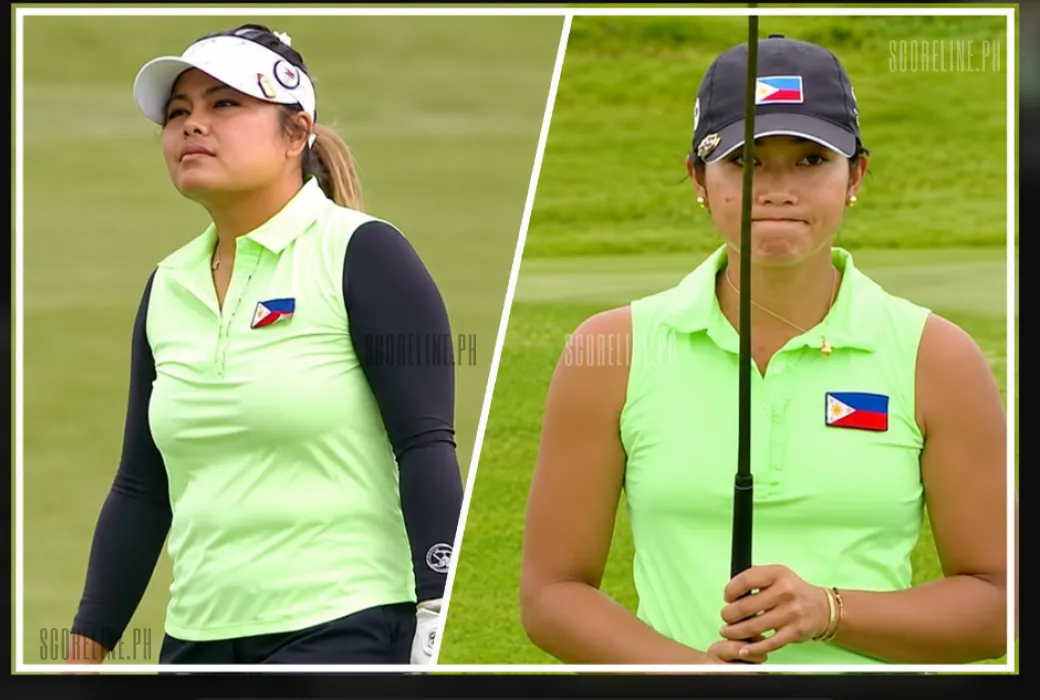
But at the 2024 Paris Olympics, Filipina golfers Dottie Ardina and Bianca Pagdanganan encountered an unexpected challenge that had nothing to do with their performance on the golf course.
Their official competition apparel had not arrived in time.
Instead, the two Olympians reportedly wore shirts they had purchased themselves, attaching Philippine flag patches using double-sided tape.
What should have been a routine part of Olympic preparation became an issue that attracted public attention and raised questions about the logistical support provided to Filipino athletes.
The Philippine Olympic Committee explained that shipment and customs complications delayed the delivery of the golfers' official apparel.
While international shipping problems can occur, the situation highlighted the importance of having contingency arrangements for athletes competing in major international events.
For Ardina and Pagdanganan, the concern was straightforward: they needed appropriate competition clothing that identified them as representatives of the Philippines.
The athletes ultimately found a practical solution and continued their Olympic campaigns. Their ability to adapt reflected professionalism, but the incident also illustrated how administrative difficulties can create unnecessary distractions during high-pressure competitions.
At the Olympic level, where preparation and concentration are essential, even seemingly minor logistical problems can become significant concerns.
The significance of the incident extends beyond the uniforms themselves.
Olympic qualification is an achievement earned through years of competition against elite international opponents. Athletes must manage demanding training schedules, travel commitments, financial pressures, and the physical and psychological challenges of professional sports.
For Filipino competitors, representing the country also carries the expectations of millions of supporters who follow their performances with pride.
Ardina and Pagdanganan had earned their places in Paris through their accomplishments in international golf. Their responsibility was to compete to the best of their abilities. Ensuring that they had the necessary uniforms and competition-related support was part of the broader responsibility of the organizations managing their Olympic participation. Athletes should be able to concentrate on their performance without having to resolve avoidable logistical concerns.
Despite the uniform controversy, both golfers continued representing the Philippines. Their response demonstrated the adaptability often required of athletes competing internationally. Rather than allowing the situation to define their Olympic participation, they remained focused on the competition.
Pagdanganan went on to finish fourth in the women's individual golf event, narrowly missing a historic Olympic medal for the Philippines. Her performance was among the country's notable results in Paris and demonstrated the growing competitiveness of Filipino golfers on the international stage.
Ardina also completed her Olympic campaign, contributing to the country's representation in a sport where Filipino athletes continue seeking greater international recognition.
Their performances deserve to be remembered for their sporting achievements rather than solely for the controversy surrounding their apparel.
The uniform issue became a public example of the operational challenges that can accompany international sporting campaigns. Preparing an Olympic delegation involves far more than selecting athletes and arranging transportation. It requires coordination among sports organizations, suppliers, logistics providers, and competition officials to ensure that athletes receive the equipment and resources they need.
The explanation involving shipment and customs delays provided context for what happened in Paris. However, the experience also demonstrated why advance planning and backup arrangements matter, particularly when international competitions operate under strict schedules. A delayed delivery should not automatically leave athletes responsible for finding their own solutions.
The broader lesson is not that logistical difficulties can always be prevented, but that their effects on athletes can be minimized through effective preparation.
Two years after the Paris Olympics, the incident remains relevant as the Philippines prepares for future international competitions. The country's athletes continue pursuing opportunities at the Asian Games, world championships, and Olympic events. Their ambitions require sustained support extending beyond training facilities and financial assistance. Competition apparel, equipment, travel arrangements, medical services, and timely communication are all essential elements of a well-managed national sporting program. Improving these areas can help athletes concentrate on the responsibilities they have spent years preparing to fulfill.
The Paris uniform controversy should therefore serve as a practical lesson rather than simply a lasting source of embarrassment. Its value lies in encouraging better systems for future delegations.
The story of Dottie Ardina and Bianca Pagdanganan is ultimately one of determination and professionalism. Faced with an unexpected logistical problem, they adapted and continued competing under the Philippine flag. Their experience also highlighted a fundamental principle of athlete development: international success depends not only on individual talent but also on the quality of support surrounding that talent.
As Philippine sports organizations prepare for future Olympic campaigns, the priority should be ensuring that essential arrangements are completed well before athletes enter competition. The goal is not merely to avoid another uniform controversy. It is to create an environment where Filipino athletes can focus fully on performing at their best.
Ardina and Pagdanganan earned the opportunity to represent the Philippines through their achievements. Their experience in Paris is a reminder that the support behind the national flag should reflect the same commitment they bring to competition.