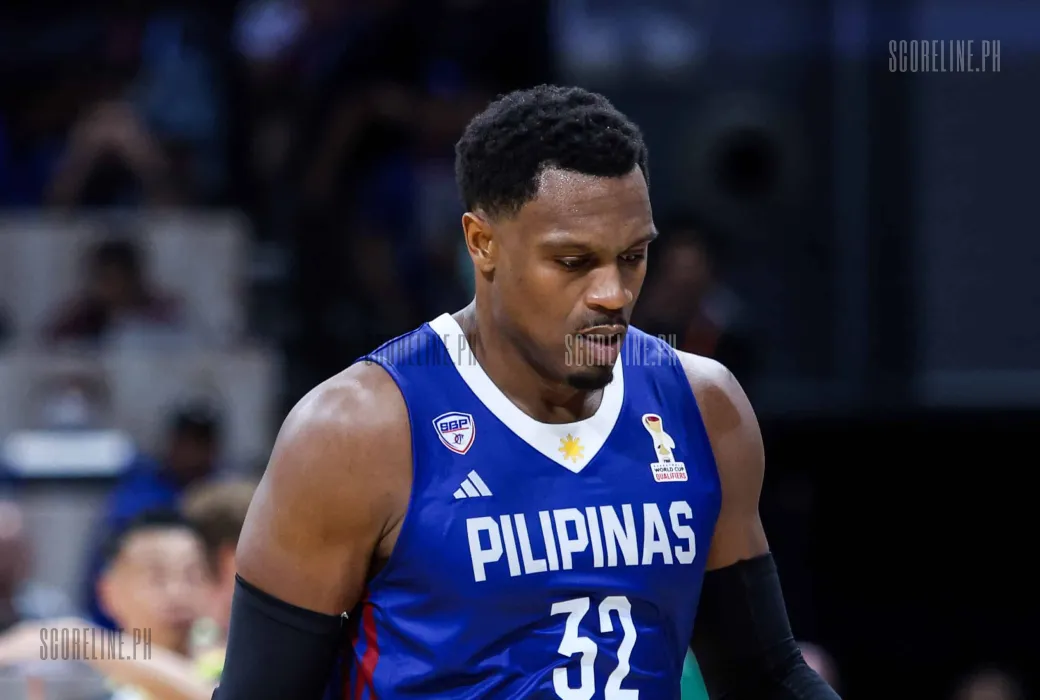
Gilas Pilipinas did not just lose a star. It lost the heart of its championship identity.
Justin Brownlee’s absence from the Philippines’ disastrous 2026 Asian Games campaign was not simply a matter of injury or basketball availability. It was a health issue involving blood pressure and the heart, according to national team coach Tim Cone.
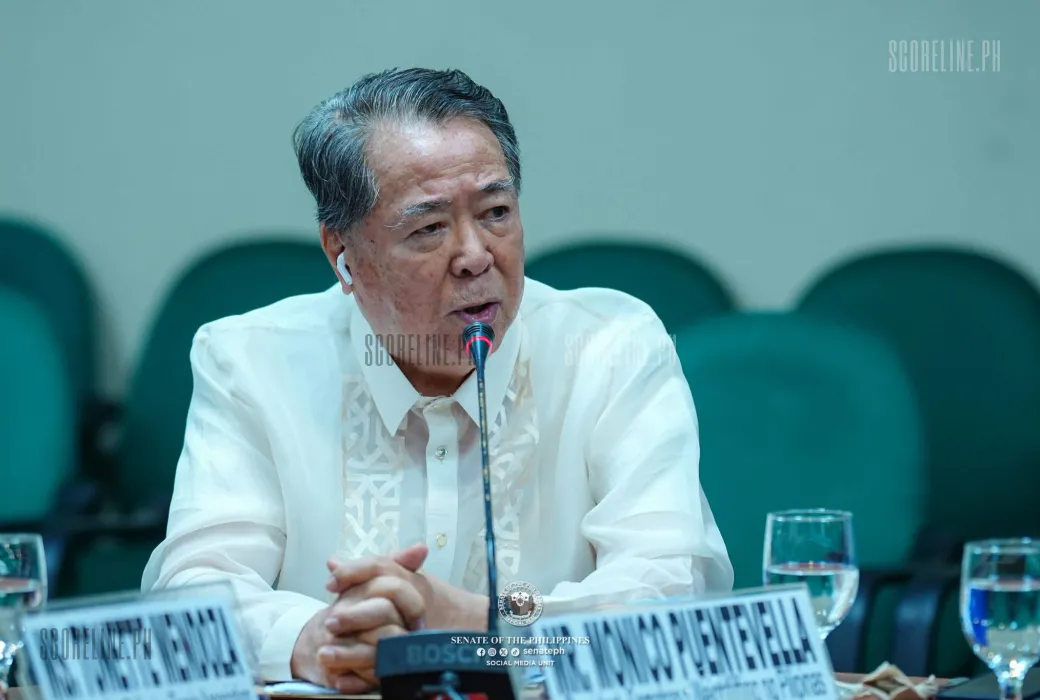
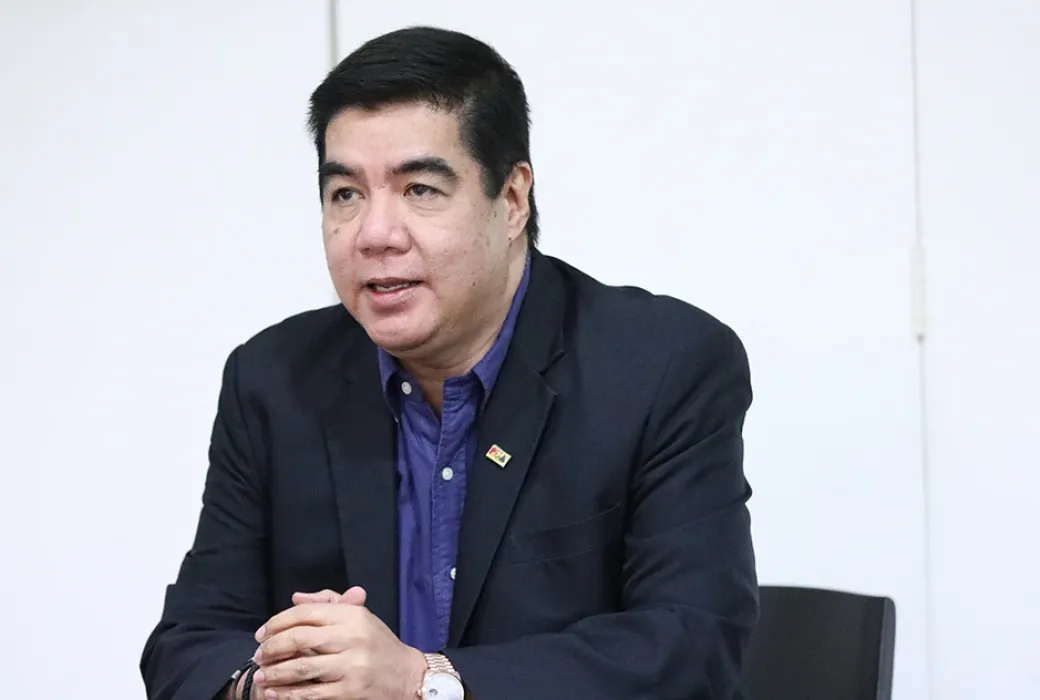
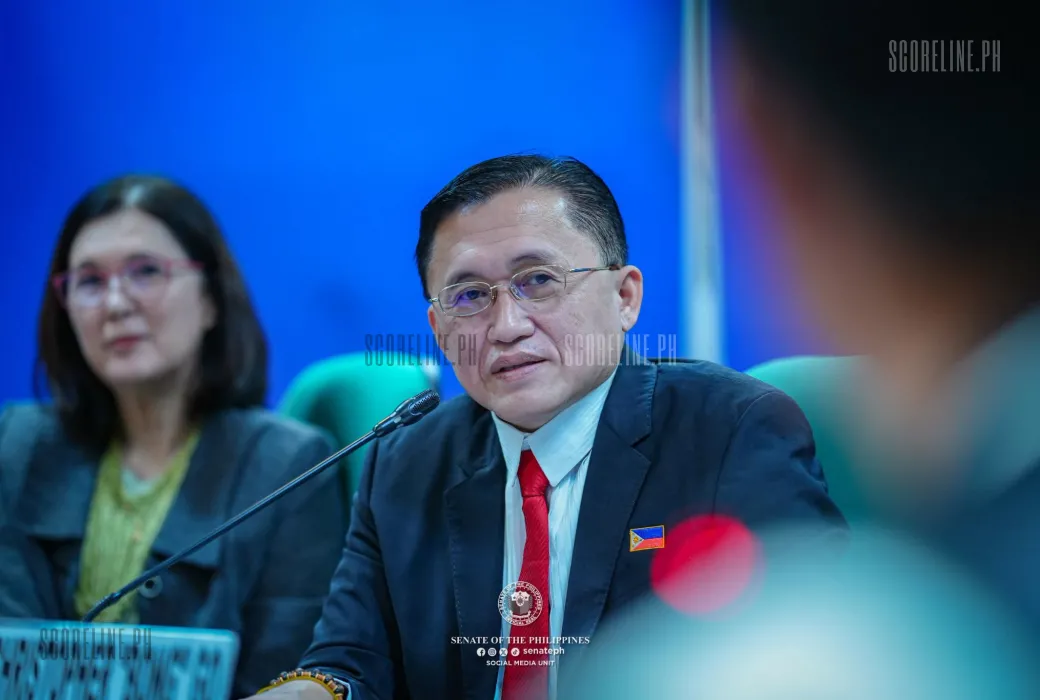
Speaking at a Senate hearing Thursday, Cone revealed why the naturalized Filipino star has been unable to play for both Gilas Pilipinas and Barangay Ginebra in the PBA.
“Because he’s had health concerns regarding blood pressure and heart issues. So he is not able to play at this point,” Cone said.
The revelation puts Brownlee’s prolonged absence into a more serious perspective. This is not just about missing a tournament or a key player being unavailable for a crucial stretch. It is about an athlete dealing with a potentially serious health concern—and the need to put his well-being ahead of basketball.
For a player who has carried the Philippines through some of its biggest recent triumphs, that reality deserves understanding, not pressure.
THE ABSENCE THAT GILAS COULD NOT OVERCOME
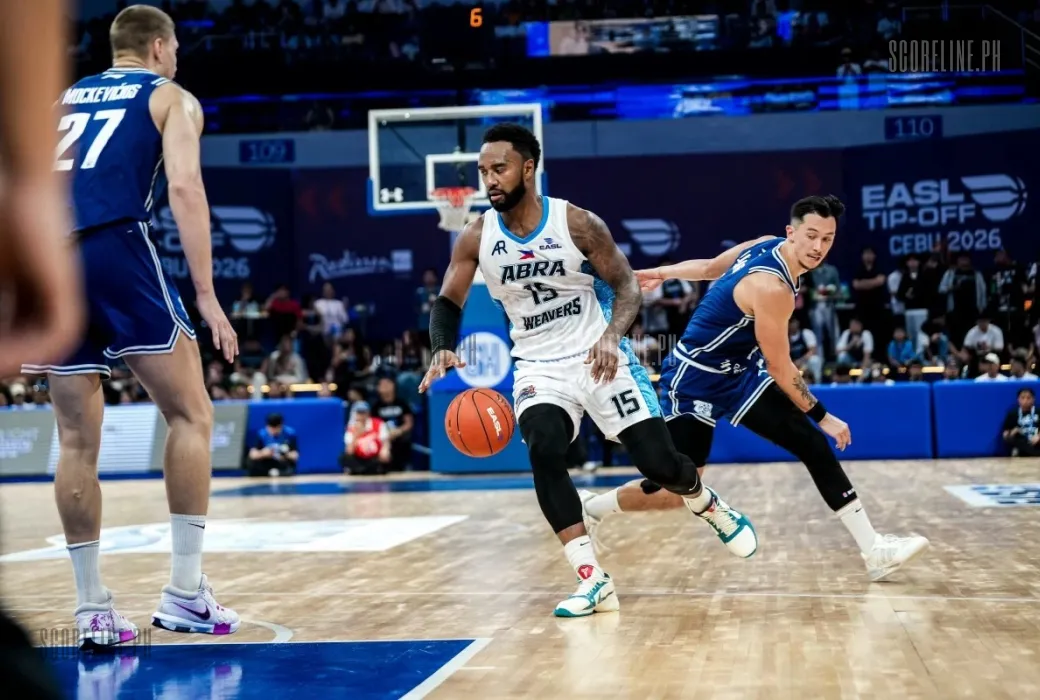
Brownlee was instrumental in the Philippines’ historic gold medal run at the 2023 Asian Games in Hangzhou, helping end a 61-year wait for the country’s men’s basketball team to reclaim the continental crown.
His value went beyond scoring. He provided experience, composure, versatility, and the kind of big-game presence that can steady a team when everything starts falling apart.
In Aichi-Nagoya, Gilas had none of that from its naturalized star.
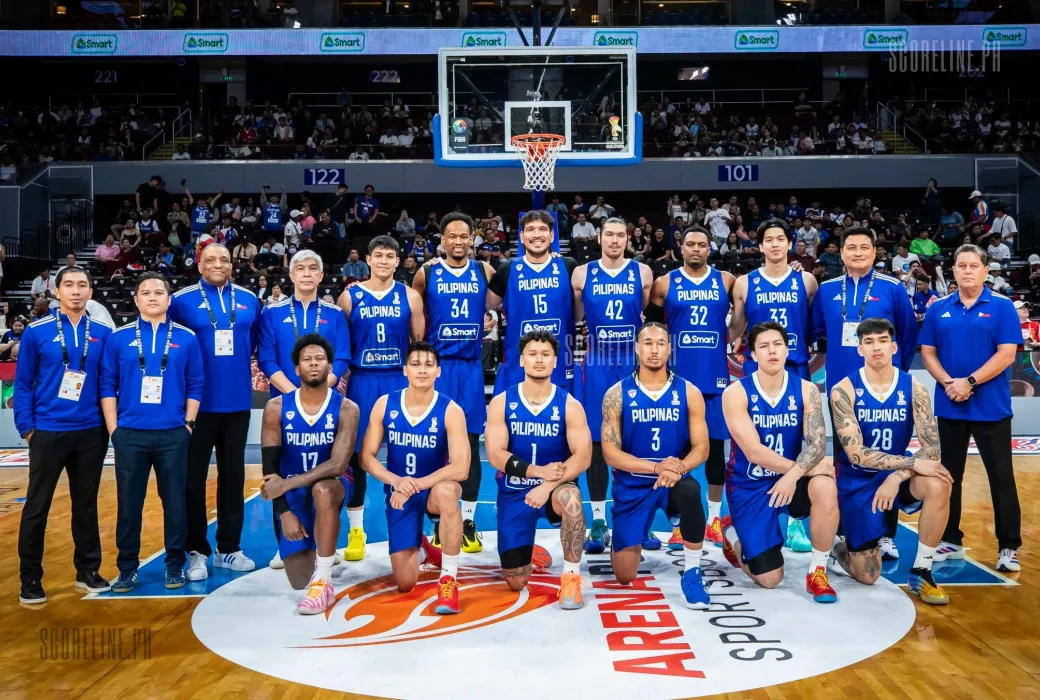
The national team entered the competition with an all-PBA roster but failed to reach the knockout stage, settling for ninth place in one of its worst Asian Games campaigns in men's 5-on-5 basketball. Its preliminary-round schedule included a crushing 105-61 defeat to China.
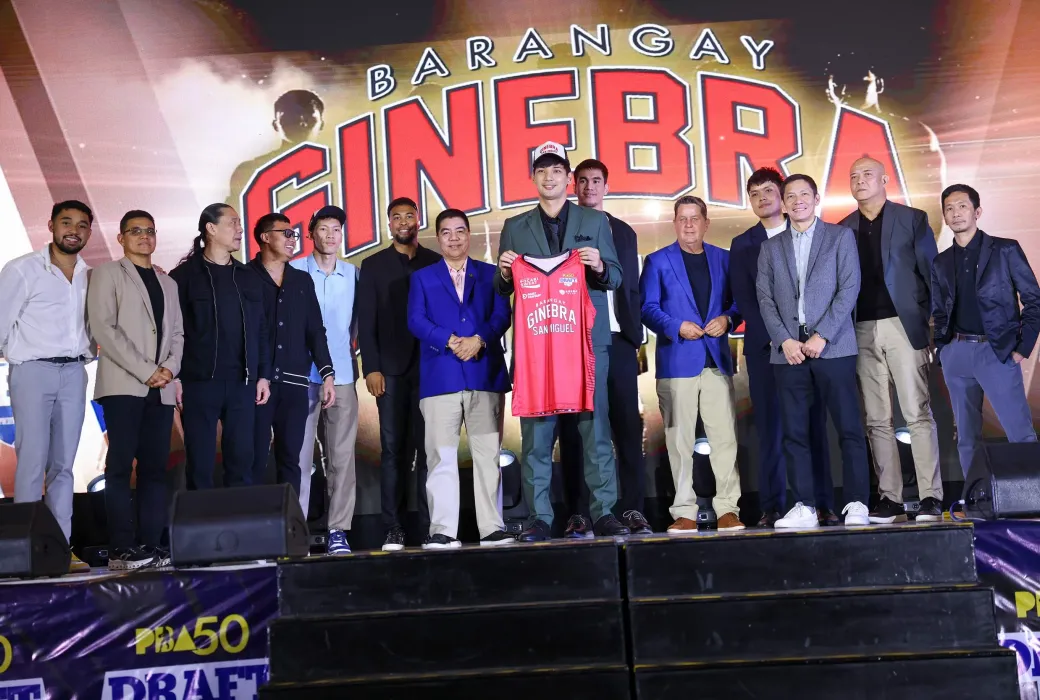
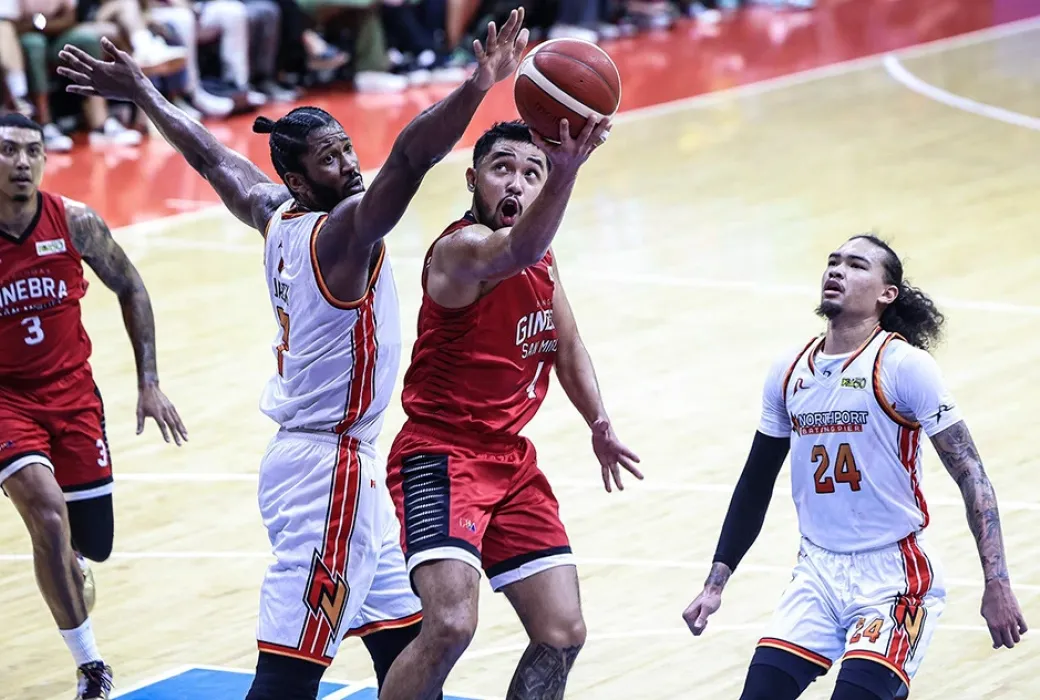
Brownlee had also missed the Philippines’ two home games in the fourth window of the FIBA World Cup Asian Qualifiers in August and remained unavailable for Ginebra throughout the PBA Governors’ Cup.
His absence was a significant setback. But it would be too simplistic to blame the entire Asian Games collapse on one player’s unavailability.
A championship team must have contingency plans. It must develop alternatives, establish a system that can survive personnel changes, and prepare for the possibility that even its best players will not always be available.
Gilas struggled badly without Brownlee. That should prompt difficult questions about roster construction, preparation, and the team's ability to adapt—not criticism of a player whose health must come first.
A WARNING FOR PHILIPPINE BASKETBALL
Brownlee’s situation also highlights a broader truth: national team planning cannot depend indefinitely on one irreplaceable figure.
His contributions have been enormous, but the Philippines needs a deeper pool of players capable of delivering under pressure. It needs a reliable structure that does not unravel when a key star is sidelined.
That responsibility falls on the people building and managing the program.
The Asian Games campaign exposed the consequences of entering a major tournament without a naturalized player of Brownlee’s caliber. The challenge now is to learn from that experience instead of treating his return as the only solution.
And while fans understandably want to see him back on the court, the priority must remain clear.
Heart-related health concerns are not something to rush through for a tournament, a club, or a national team. Brownlee's recovery and medical clearance must take precedence over the demands of competition.
LET THE MAN HEAL
Brownlee has already given Philippine basketball unforgettable moments. He helped deliver an Asian Games gold medal and earned the trust of Filipino fans through his performances for Gilas and Ginebra.
He does not owe anyone a premature return.
The country can hope to see him play again, but that hope must come with patience. Until he is medically cleared, his absence should be understood for what it is: a health matter, not a failure of commitment.
Gilas must now confront its own shortcomings and build a team capable of competing even when its biggest weapon is unavailable.
Justin Brownlee needs to focus on his health. Gilas needs to focus on fixing its problems. Neither responsibility should be sacrificed for the other.
The Philippines needs its basketball heroes—but first, it needs them healthy.