All news tagged PHTeam

Carlos Yulo

Carlos Yulo owes the Philippines his best — not his personal life

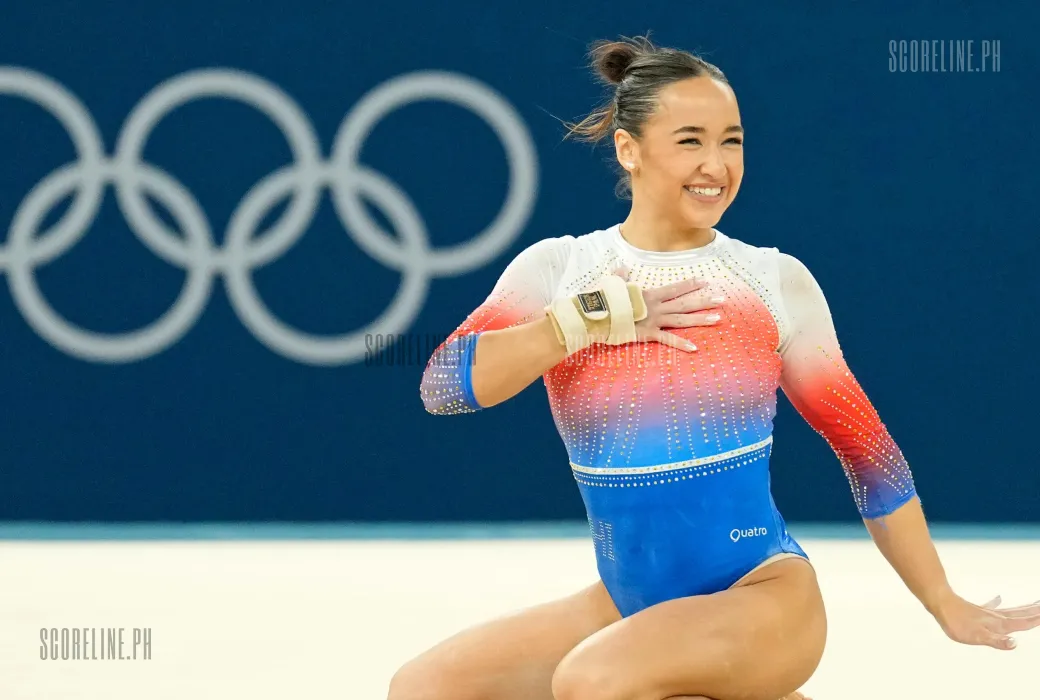
Two Olympic gold medals. Two Asian Games gold medals. A place among the greatest athletes in Philippine sports history.

These remarkable achievements should be enough to silence critics; however, for Carlos Yulo, they remain a target for relentless scrutiny regarding his personal life.

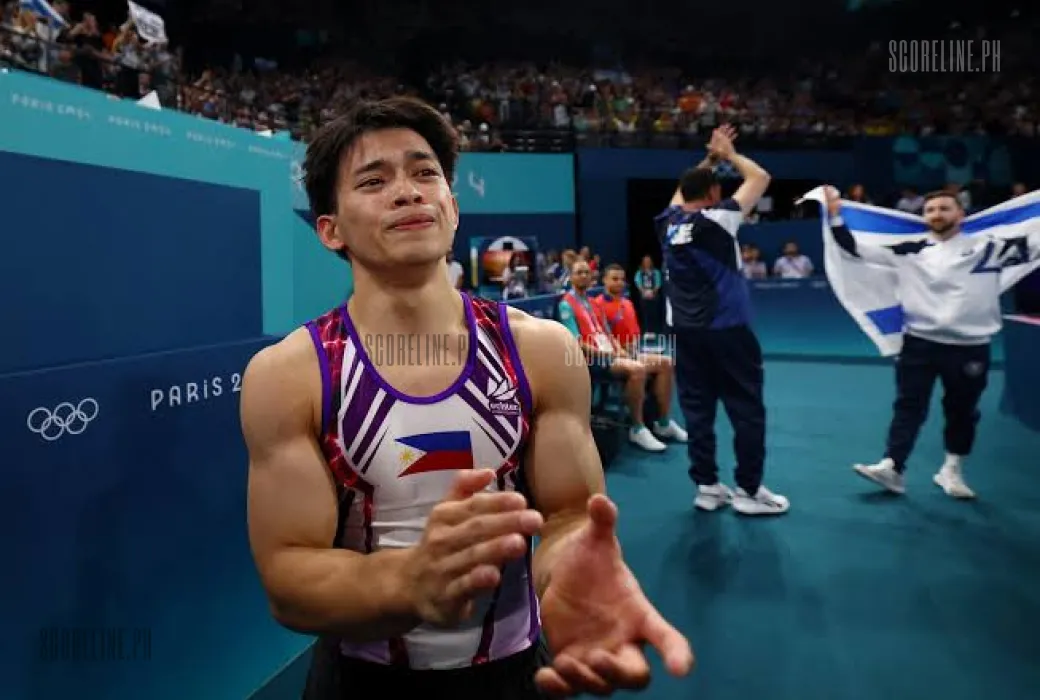
In 2024, Yulo made history at the Paris Olympics, becoming the first Filipino athlete to win two gold medals in a single Olympic Games. His victories in the floor exercise and vault didn’t just elevate him; they brought unprecedented glory to Philippine gymnastics. For a nation hungry for international sporting success, Yulo’s triumph was a defining moment that deserves to be celebrated for generations.

Yet, this monumental achievement was quickly overshadowed by controversy surrounding his family. Public discourse shifted from his historic performances to unwarranted scrutiny of his relationships with his mother and girlfriend, as well as irrelevant disagreements over personal and financial matters. Instead of honoring his contributions to the nation, critics resorted to vilifying him for choices that are ultimately none of their business.

Two years later, Yulo once again showcased his extraordinary ability at the highest level. At the 2026 Asian Games in Aichi-Nagoya, Japan, he captured two additional gold medals, solidifying his status as one of the country's most accomplished international competitors. Yet, the relentless criticism regarding his personal life persisted. When confronted about his detractors, Yulo wisely chose not to engage, asserting that he had no reaction. His decision demonstrates a commendable focus on his career over public controversy.

However, another challenge awaited him. At the 2026 World Artistic Gymnastics Championships in Rotterdam, Netherlands, Yulo faced a setback by failing to defend his world title and coming home without a medal. For an athlete accustomed to competing for gold, this result is not just disappointing; it is a challenge that he will rise above. In the aftermath, some social media users resorted to mocking his performance, while others cynically used his defeat to revive attacks on his personal life.

It is essential to draw a line between constructive criticism of an athlete’s performance and deriving satisfaction from their failures. While scrutiny is a reality of professional sports, scorn resulting from personal grievances does nothing to foster the growth of Philippine sports.

Yulo's defeat in Rotterdam does not erase his Olympic victories, nor does it diminish his Asian Games achievements or invalidate the sacrifices he has made throughout his career. Filipino athletes bear tremendous expectations whenever they compete internationally. They are celebrated during victories, praised when they raise the national flag, and hailed as national heroes. However, when they falter, that admiration can dissipate almost instantaneously.

This brings forth a critical question: Do we truly support our athletes, or only when they deliver medals? Winning is not guaranteed, even for Olympic champions. Behind every competition lie years of grueling training, physical exhaustion, injuries, pressure, and personal sacrifices that the public rarely sees. An athlete can deliver a historic performance one year and then struggle the next; this is the unforgiving reality of elite sports. And that reality should never serve as justification for personal attacks.

Yulo's family disagreements have captured public attention, prompting various opinions regarding the circumstances surrounding them. However, the public lacks insight into the nuances of those private relationships. It is utterly unreasonable to reduce an athlete’s entire legacy and character to disputes that outsiders do not understand. Yulo deserves to be evaluated based on his performances, discipline, achievements, and ongoing development as a gymnast. His personal relationships must not become weapons wielded against him whenever he falls short in competition.

A champion does not forfeit their dignity simply because they miss out on a medal. Following his disappointing performance at the World Championships, Yulo has vowed to come back stronger. This commitment is emblematic of an athlete who has already demonstrated remarkable resilience and talent to operate at the highest levels of international competition.

His next chapter will not be dictated by online insults, public controversies, or the misguided expectations of strangers. It will be forged by his preparation, performance, and relentless drive to improve. Additionally, for Philippine sports, there is an imperative lesson to learn. Supporting our athletes means celebrating their achievements while allowing them the space to fail, learn, and recover. The country needs champions, and it is equally crucial that we cultivate an environment in which setbacks are seen as integral parts of competition rather than opportunities for humiliation. Carlos Yulo has already achieved what generations of Filipino gymnasts once deemed nearly impossible, and he will continue to do so.

18.11.2026
Adeline Dumapong

More than a medal: Adeline Dumapong's greatest gift to Filipino sports


“IT BELONGS TO THE FILIPINO PEOPLE.”


Some champions make history by winning medals. Others make an even greater statement by giving them away.
For Philippine para powerlifting legend Adeline Dumapong, her historic Paralympic bronze medal was never just a personal achievement. It symbolized national pride, perseverance, and the fighting spirit of Filipino para athletes.
And 26 years after making history, she decided to share that legacy with the nation.


THE BRONZE THAT CHANGED PHILIPPINE SPORTS HISTORY


At the 2000 Sydney Paralympic Games, Dumapong captured bronze in the women's 82.5kg powerlifting division, becoming the first Filipino athlete to win a Paralympic medal.
It was a breakthrough moment for the Philippines, which had made its Paralympic debut at the 1988 Seoul Games.
Her achievement was more than a podium finish. It shattered barriers and proved that Filipino athletes with disabilities could compete against the world's best.
That single bronze medal opened a new chapter in Philippine sporting history.


A MEDAL THAT SURVIVED A STORM


The historic medal even survived the devastating floods brought by Typhoon Ondoy in 2009.
Through the years, it remained a powerful reminder of Dumapong's journey — the sacrifices, struggles, and determination that carried her to the Paralympic podium.
But instead of keeping that treasured piece of history for herself, Dumapong chose to give it a permanent place where future generations could appreciate its significance.
In March 2026, at age 52, she donated her Sydney 2000 bronze medal to the newly established Para athletes section of the National Sports Museum in Pasig City.
It was an extraordinary act of generosity from an extraordinary athlete.


A CHAMPION WHO NEVER FORGOT HER FELLOW ATHLETES


Dumapong also paid tribute to fellow Paralympic bronze medalist Josephine Medina, whose table tennis memorabilia is displayed in the same museum section.
For Dumapong, seeing Filipino para athletes finally receive greater recognition is a victory in itself.
Their achievements deserve to be remembered, celebrated, and preserved alongside those of the country's most decorated sporting heroes.
Sporting greatness is not defined by physical ability, popularity, or the amount of attention an athlete receives.
It is measured by courage, dedication, and the ability to inspire others.


THE GREATEST VICTORY IS THE LEGACY LEFT BEHIND


Dumapong could have kept her bronze medal as a prized family possession.
She could have displayed it as a reminder of the day she stood among the world's best.
Instead, she chose to place it in the hands of the nation she represented.
That decision speaks volumes about the kind of champion she is.
Her medal now serves a purpose beyond commemorating a historic victory. It tells young Filipino para athletes that their dreams matter, their achievements deserve recognition, and their place in Philippine sports history is secure.


SHE WON THE MEDAL FOR THE PHILIPPINES. SHE GAVE IT BACK TO THE FILIPINO PEOPLE.


And perhaps that is the most powerful part of Adeline Dumapong's story.
The bronze may have been awarded to one athlete, but the inspiration belongs to an entire nation.

05.11.2026
Alex Eala

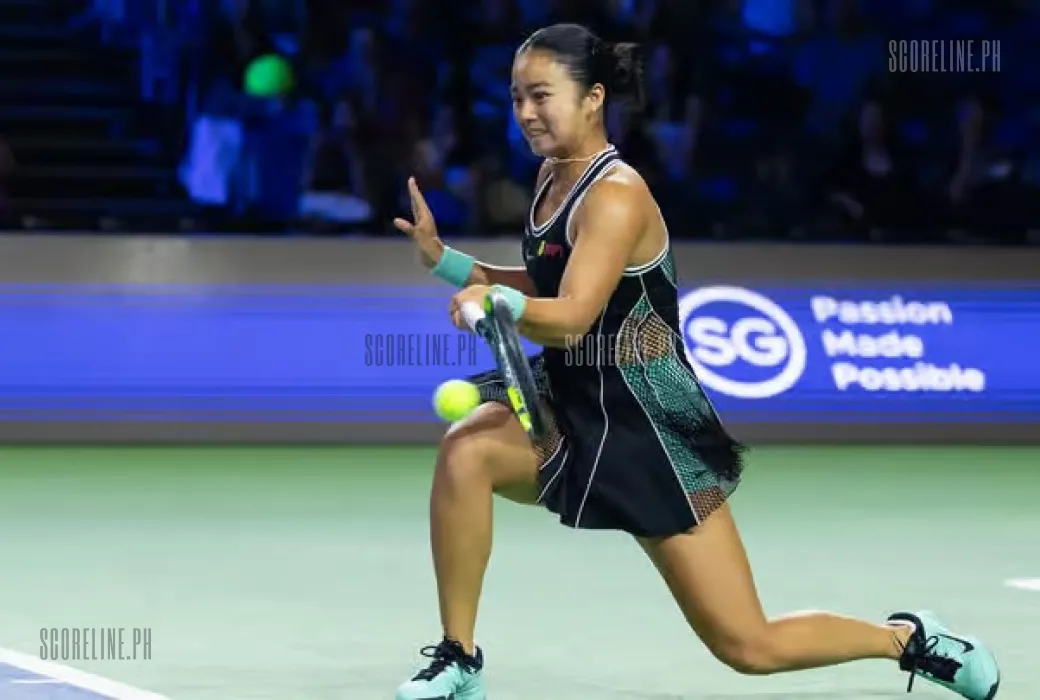
Alex Eala Pushes World No. 13 Diana Shnaider but Falls Short in WTA 500 Battle

Despite a straight-set defeat, the 21-year-old Filipina showed flashes of her aggressive game against one of the world's top players. With Tokyo next on her schedule, consistency and execution remain the biggest challenges in her breakthrough WTA season.

Alex Eala's search for consistency on the Women's Tennis Association (WTA) Tour continues after the Filipina tennis sensation suffered a hard-fought defeat against world No. 13 Diana Shnaider of Russia in the Round of 16 of the 2026 Ningbo Open.

Competing at the Yinzhou Tennis Center, Eala pushed the highly ranked Russian in a competitive encounter before bowing out, 5-7, 4-6, in a match that lasted one hour and 55 minutes.

The result ended the 21-year-old Filipina's campaign at the WTA 500 tournament, but the scoreline did not fully reflect the intensity of the contest.

Eala challenged Shnaider in extended rallies, fought back from difficult positions, and displayed the aggressive baseline game that has helped establish her among the world's leading young players.

However, crucial service breaks and missed opportunities during decisive moments ultimately prevented her from advancing to the quarterfinals.

For Eala, the defeat was another reminder that competing against the world's best is one challenge — consistently beating them is another.

The Ningbo showdown featured two aggressive left-handed players capable of generating pace and controlling rallies from the baseline.

Shnaider entered the match as the more established competitor, carrying a world ranking of No. 13, five WTA singles titles, and a career-high ranking of No. 11.

Eala, meanwhile, was looking to build momentum after a difficult stretch of early tournament exits.

The opening set quickly developed into a competitive battle as both players attempted to establish control through their service games and powerful groundstrokes.

Neither competitor was willing to surrender easy points.

Shnaider eventually gained an advantage by breaking Eala's serve late in the set to move ahead, 5-4.

But the Filipina refused to concede.

Eala responded with a break of her own, leveling the score at 5-5 and briefly shifting the momentum.

The comeback, however, proved insufficient.

Shnaider immediately regained control, breaking Eala again before holding serve to capture the opening set, 7-5.

Eala had demonstrated that she could challenge the Russian, but Shnaider proved more effective when the set reached its decisive stage.

The second set followed a similar pattern, with both players struggling to consistently protect their service games.

The opening six games featured repeated service breaks as Eala and Shnaider traded aggressive baseline exchanges.

Eala eventually managed to hold serve and move ahead, 4-3, putting herself in a position to extend the match.

It was an important moment for the Filipina.

With the possibility of forcing a deciding set, Eala needed to maintain her momentum and apply pressure on Shnaider's next service game.

But the Russian responded with the composure expected of a top-ranked player.

Shnaider held serve to level the set at 4-4, then broke Eala for a 5-4 advantage.

Serving for the match, the Russian completed the victory, 6-4, securing her place in the quarterfinals.

Shnaider advanced to face American world No. 12 Iva Jovic.

For Eala, the defeat was particularly frustrating because she had opportunities to challenge for both sets.

The difference was not simply power or shot-making ability. It was the execution of crucial points when the pressure was greatest.

Despite winning in straight sets, Shnaider acknowledged that the match had been far from comfortable.

The Russian praised Eala's aggressive approach and recognized the difficulty of facing another powerful left-handed player.

"I'm obviously very happy with the way I played and competed today because Alex is a very dangerous and tough opponent. She's another lefty and a big hitter," Shnaider said after the match.

She also highlighted Eala's willingness to attack during rallies.

"She never backs down. She steps in and rips the ball, so I knew it was going to be tough. I'm very proud and happy with the way I performed today."

The comments reflected the competitive challenge Eala presented throughout the match.

Although she failed to secure the victory, her ability to push an established top-15 player demonstrated the offensive weapons available in her game.

Eala's aggressive groundstrokes and willingness to take control of rallies remain important strengths.

However, converting those strengths into consistent victories against elite opposition will require continued improvement.

Eala's defeat in Ningbo highlighted a familiar challenge in professional tennis.

At the highest level, the difference between victory and defeat often comes down to a handful of crucial points.

A missed first serve, an unforced error during a break-point opportunity, or a failure to protect a narrow lead can change the direction of an entire match.

Against Shnaider, Eala demonstrated that she could compete in demanding baseline exchanges.

But maintaining that level of execution across an entire match proved difficult.

Her service games remain an important area for development.

A more reliable serve could help Eala protect leads, reduce pressure during close sets, and create opportunities to attack opponents' returns.

Equally important is her ability to manage crucial moments without allowing momentum to shift too easily.

The next stage of Eala's development is not simply about hitting harder or playing more aggressively. It is about becoming more efficient, composed, and consistent when matches are on the line.

Although Eala's campaign ended in the Round of 16, her performance represented an improvement over her previous tournaments.

Before arriving in Ningbo, the Filipina had suffered opening-round defeats at the Singapore Open and Wuhan Open.

Those results placed additional pressure on her to regain confidence and rediscover her winning rhythm.

She responded by defeating France's Diane Parry in the opening round of Ningbo, earning another opportunity to test herself against elite opposition.

Her victory over Parry ended a difficult stretch and provided a valuable confidence boost.

The subsequent loss to Shnaider showed that challenges remain, but it also gave Eala another competitive experience against a highly ranked opponent.

Professional tennis development rarely follows a straight path.

Young players experience breakthrough victories, disappointing defeats, and periods of adjustment as they compete against increasingly difficult opposition.

For Eala, the important task is to learn from those experiences and continue improving.

Eala's Round of 16 appearance also brought financial and ranking benefits.

The Filipina earned $17,795 in prize money, approximately ₱1.1 million, along with ranking points from her Ningbo campaign.

While financial rewards are part of professional tennis, the more important long-term benefit comes from competing regularly at WTA 500 tournaments.

Such events provide opportunities to face established international players, experience different playing conditions, and develop the physical and mental endurance required at the highest level.

For Eala, those experiences will be valuable as she continues building her professional career.

Eala's 2026 season has already marked a significant chapter in Philippine tennis.

Her breakthrough WTA singles title in Washington, D.C., demonstrated her ability to succeed on the international professional circuit.

Her rise into the world's top 20 further strengthened her position among the sport's emerging stars.

But success also brings expectations.

As her ranking improves, opponents become more familiar with her playing style and increasingly prepared to challenge her strengths.

Maintaining a high ranking requires consistent results across different tournaments, surfaces, and playing conditions.

That challenge becomes particularly demanding during a long season involving extensive international travel and repeated high-level competition.

At 21, Eala remains in an important stage of her professional development.

Her achievements have already demonstrated considerable potential.

The next objective is sustaining that level of performance.

Eala will now shift her attention to Japan, where she is scheduled to make her debut at the Toray Pan Pacific Open, beginning October 26 in Tokyo.

The WTA 500 tournament represents another important opportunity to regain momentum before the final stretch of her season.

Eala has expressed excitement about competing in Japan, particularly because of the Filipino community expected to support her.

The tournament could provide an encouraging environment as she attempts to translate her recent lessons into stronger performances.

But Tokyo will also present another demanding field of international competitors.

Eala will need to improve her service-game consistency, execute more effectively during crucial points, and maintain confidence against experienced opponents.

Following Tokyo, she is scheduled to compete at the Hong Kong Tennis Open before concluding her WTA season.

She is also expected to return to the Philippines for an exhibition event at Philippine Arena on December 8.

Eala's growing international profile has helped generate renewed interest in tennis across the Philippines.

Her achievements have inspired young players and demonstrated that Filipino athletes can compete successfully on the professional women's tour.

But the country's long-term tennis ambitions should extend beyond the success of one player.

Developing future international competitors will require stronger grassroots programs, accessible training facilities, qualified coaching, and opportunities for young athletes to gain international experience.

Eala's rise provides an example of what dedicated preparation and competitive exposure can achieve.

Her journey should encourage greater investment in the next generation of Filipino tennis players.

The goal should not simply be to celebrate Alex Eala's victories. It should also be to create opportunities for more Filipino athletes to follow her path.

The Ningbo defeat was disappointing, particularly because Eala had opportunities to challenge for both sets.

But it should also be viewed within the broader context of her development.

She competed against one of the world's leading players and demonstrated the ability to produce aggressive, competitive tennis.

Her opponent acknowledged her quality.

And despite the defeat, Eala gained another opportunity to identify areas requiring improvement.

The challenge now is converting those lessons into results.

At the elite level, talent creates opportunities.

Consistency determines how often those opportunities become victories.

ALEX EALA HAS ALREADY PROVEN SHE CAN COMPETE WITH THE WORLD'S BEST. THE NEXT CHALLENGE IS LEARNING HOW TO BEAT THEM MORE CONSISTENTLY.

As she prepares for Tokyo, the Filipina carries both the lessons of Ningbo and the determination to continue improving.

The road ahead will not always be easy.

But every match offers another opportunity to grow.

ONE TOUGH LOSS DOES NOT DEFINE A CAREER. WHAT MATTERS IS HOW AN ATHLETE RESPONDS, IMPROVES, AND RETURNS STRONGER.

NEXT STOP: TOKYO. THE JOURNEY CONTINUES FOR ALEX EALA.
23.10.2026
City of Malolos

Over 80 Teams Join Historic League as Province of Bulacan Embraces New Sports Movement

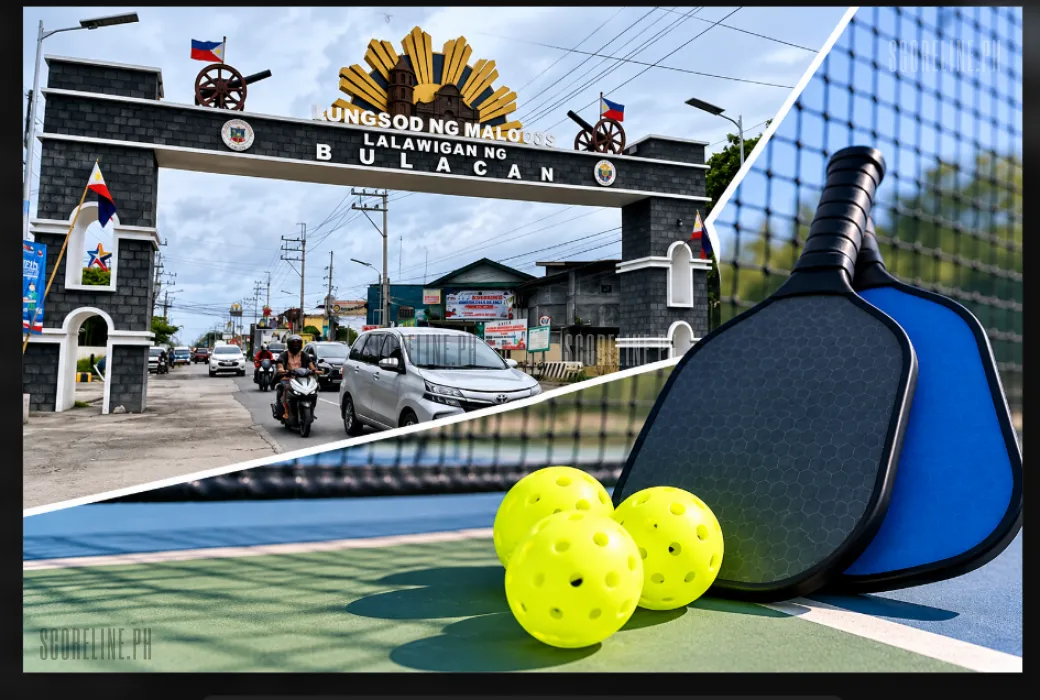
Pickleball has officially taken a major step forward in Bulacan with the launch of the All-Star Champions Pickleball League, drawing more than 80 clubs and teams to its inaugural tournament at the Capitol Gymnasium in Malolos City.
Spearheaded by Bulacan Vice Governor Alexis Castro, the competition marks a significant milestone for the increasingly popular paddle sport, which has gained followers across the province's 20 municipalities and four cities.

But beyond the growing number of participants, the tournament represents something more important.

Bulacan is beginning to transform pickleball enthusiasm into an organized sporting community.

For Vice Governor Alexis Castro, the launch of the league is not simply about identifying tournament champions.

It is also about encouraging residents to embrace healthier and more active lifestyles.

“We are very happy that we have launched this tournament,” Castro said, highlighting how pickleball has attracted professionals from different fields who find time to participate despite their demanding schedules.

The vice governor also noted that the sport has encouraged some participants to become more physically active and improve their fitness.

His remarks reflect one of pickleball's strongest attractions: its ability to bring together people with different levels of sporting experience.

Pickleball combines elements of tennis, badminton, and table tennis, offering a fast-paced game that appeals to players of different ages and athletic backgrounds.

Its relatively simple rules and smaller playing court have helped attract beginners, recreational athletes, and former competitors from other racket sports.

In Bulacan, the sport has become increasingly visible in local communities, recreational spaces, and commercial establishments.

The arrival of the All-Star Champions Pickleball League provides a competitive platform for enthusiasts who want to take their involvement beyond casual games.

With more than 80 participating clubs and teams, the tournament demonstrates the growing demand for organized pickleball competitions.

The message is becoming clear: pickleball in Bulacan is no longer just a passing recreational trend. It is developing into a serious community sport.

Unlike highly specialized competitive disciplines, pickleball can provide an accessible starting point for individuals who want to exercise, socialize, and experience organized sports.

That accessibility has contributed to its popularity among working professionals and recreational athletes.

And for Bulacan, the growing participation presents an opportunity to strengthen community sports development.

The sport's influence is extending beyond traditional sports venues.

According to Bulacan Provincial Tourism Officer Limuel Jan Lobederio, establishments such as coffee shops with pickleball courts and other recreational spaces have become emerging local attractions.

These venues combine physical activity with social interaction, allowing residents to enjoy the sport while spending time with friends and family.

The development also illustrates how pickleball can create opportunities for local businesses.

Sports-related establishments may attract customers seeking recreational activities, while tournaments can generate additional demand for food services, transportation, and other local businesses.

Although the economic impact of Bulacan's growing pickleball scene has yet to be fully measured, its increasing visibility suggests opportunities for sports-related tourism and entrepreneurship.

Pickleball is not only bringing people onto the courts. It is also creating new spaces for communities to connect.

The Philippines has recently seen growing interest in developing larger pickleball facilities and attracting international tournaments.

Plans for major venues, including the proposed Helios Pickleball Center in Pasig City, reflect ambitions to strengthen the country's presence in the international pickleball community.

But large facilities alone cannot guarantee long-term sporting success.

The foundation of a competitive national program begins with accessible local tournaments and opportunities for ordinary players to develop their skills.

This is where Bulacan's new league could play an important role.

By bringing together clubs from different municipalities and cities, the competition can encourage stronger connections among players, coaches, organizers, and local sports communities.

Regular tournaments can also help identify promising athletes who may eventually compete at higher levels.

You cannot build a national pickleball powerhouse without first developing strong local sports communities.

The All-Star Champions Pickleball League offers a practical example of how grassroots participation can support broader sports development.

While the turnout for Bulacan's inaugural tournament is encouraging, sustaining that momentum will require continued effort.

The long-term success of the league will depend on whether organizers can provide regular competitions, fair tournament structures, qualified officials, and opportunities for new players to participate.

Youth development should also become an important priority.

Introducing pickleball through schools and community sports programs could help younger athletes discover the sport and develop their abilities.

Affordable access to courts and equipment will be equally important.

If pickleball becomes concentrated only in private facilities or exclusive recreational clubs, its potential for broad grassroots development could be limited.

The real measure of progress will not be how many people join the first tournament, but how many continue playing, improving, and competing in the years ahead.

With more than 80 clubs and teams participating in its first major provincial tournament, Bulacan has demonstrated a strong base of community interest.

Its growing network of players and recreational venues provides a foundation for future competitions.

However, becoming a major center for pickleball will require more than enthusiasm.

The province will need consistent tournament opportunities, player development programs, accessible facilities, and cooperation among sports organizations and local communities.

The All-Star Champions Pickleball League could become an important starting point for those efforts.

For Vice Governor Castro and the tournament organizers, the next challenge will be ensuring that the competition becomes a continuing platform rather than a one-time event.

The rise of pickleball in Bulacan reflects a broader shift in Philippine sports participation.

More Filipinos are exploring activities beyond traditional favorites such as basketball and volleyball.

And as interest grows, communities are discovering that sports development does not always begin with massive stadiums or expensive international competitions.

Sometimes, it begins with a small court, a paddle, a ball, and a group of people willing to play.

Bulacan's inaugural pickleball league demonstrates how quickly that enthusiasm can develop into organized competition.

From community courts to organized competition, Bulacan is emerging as a promising center for Philippine pickleball development.

What started as a recreational activity among friends, professionals, and sports enthusiasts is rapidly developing into a province-wide sporting movement.

THE FUTURE OF PHILIPPINE PICKLEBALL WILL NOT BE BUILT BY WORLD-CLASS FACILITIES ALONE. IT WILL BE BUILT BY THE COMMUNITIES THAT KEEP THE SPORT ALIVE.

With more than 80 teams joining the inaugural tournament, Bulacan has made an encouraging start.

Now comes the responsibility of turning participation into lasting opportunities for athletes and recreational players alike.

FROM A LOCAL CRAZE TO A PROVINCE-WIDE MOVEMENT — BULACAN'S PICKLEBALL JOURNEY IS JUST BEGINNING.

21.10.2026
UAAP

SBP Taps NBA 2K Tournament to Discover Future eGilas Stars

Defending eFIBA world champion Philippines strengthens its esports talent pipeline through collegiate competition.

The next generation of Philippine basketball stars may not necessarily emerge from a traditional basketball court. Some could rise through the competitive world of esports.

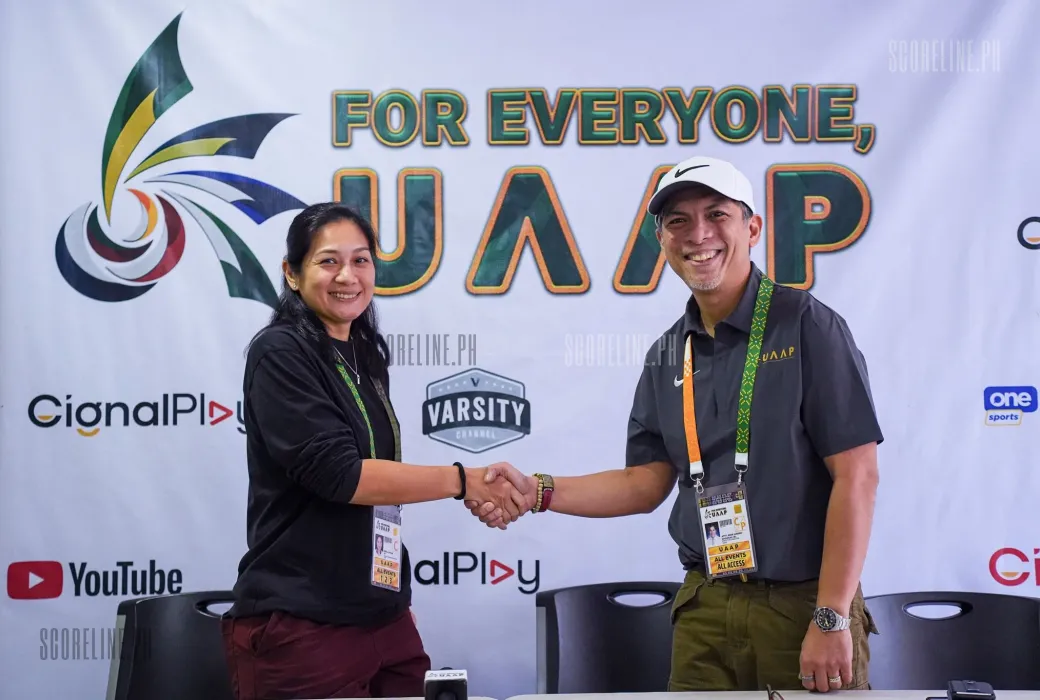
The Samahang Basketbol ng Pilipinas (SBP) is taking a major step to strengthen its national esports program by turning the UAAP NBA 2K tournament into a talent-identification platform for eGilas Pilipinas.

Officially called the eFIBA x UAAP eGilas Talent Discovery Tournament, the initiative aims to identify promising collegiate esports athletes who could eventually represent the Philippines in international eFIBA competitions.

The program comes as the Philippines looks to sustain its success after eGilas captured the eFIBA Season 4 World Finals championship in July 2026, establishing itself among the world's leading basketball esports teams.

Building the Next Generation of World Champions

SBP Executive Director Erika Dy emphasized the importance of developing a reliable pool of esports athletes, especially in a competitive environment where player turnover can be high.

“We're glad that the UAAP continues to help us build our national teams, even in the esports realm,” Dy said.

She explained that collegiate tournaments provide an important opportunity to discover emerging talent and develop a sustainable pathway toward international competition.

As esports continues to evolve, the SBP hopes the partnership will help eGilas remain competitive beyond its historic world championship victory.

New Format, Bigger Challenge

This year's UAAP NBA 2K competition will introduce the 5v5 Pro-Am format using NBA 2K27, bringing the tournament closer to the competitive standards used in international eFIBA events.

The format emphasizes teamwork, communication, tactical execution, and the ability of individual players to perform specific roles within a coordinated five-player lineup.

For eGilas Program Director Ryan Gregorio, the tournament represents an opportunity to establish a structured talent development system similar to the federation's approach in 3x3 basketball.

Gregorio noted that the SBP previously used collegiate 3x3 competitions to identify promising players who eventually represented the Philippines in international tournaments.

The federation hopes to replicate that development model in esports.

UAAP Powerhouses Battle for NBA 2K Supremacy

The competition features eight UAAP universities battling for collegiate esports honors.

Defending two-time NBA 2K champion Ateneo de Manila University enters the tournament seeking another title, while National University is aiming for a remarkable esports sweep after winning the Mobile Legends: Bang Bang and VALORANT competitions earlier this season.

De La Salle University, University of Santo Tomas, Far Eastern University, University of the Philippines, University of the East, and Adamson University are also competing for the championship.

The tournament is being staged at MVP Studios in Mandaluyong City, with the top two teams from each preliminary group advancing to the best-of-three crossover semifinals.

The championship will also be decided through a best-of-three series.

Beyond the collegiate title, the tournament offers participating players an opportunity to attract the attention of national team selectors.

More Than Gaming: A Pathway to National Representation

The SBP's initiative highlights the growing importance of esports in Philippine sports development.

For years, basketball excellence has been associated with physical conditioning, shooting ability, defensive discipline, and performances inside packed arenas.

But basketball esports introduces another competitive environment where strategic thinking, quick decision-making, communication, and teamwork are equally important.

The Philippines' eFIBA World Championship demonstrated that Filipino gamers can compete successfully against elite international opposition.

However, sustaining that success requires continued talent development.

Winning a world championship is a major achievement. Building a program capable of producing future champions is an even greater responsibility.

The UAAP partnership could help establish a clearer pathway for student-athletes who want to pursue competitive basketball esports while representing their universities.

The Bigger Challenge: Staying on Top

As defending world champion, eGilas now faces the challenge of maintaining its international standing.

Other countries are expected to continue improving their competitive programs, making talent discovery and player development increasingly important.

The SBP's decision to work with the UAAP offers a potential solution by creating opportunities to evaluate players in an organized collegiate environment.

But identifying talent is only the beginning.

Developing a successful national program will also require consistent training, experienced coaching, international exposure, and effective team chemistry.

For Philippine esports, the opportunity extends beyond defending a title.

It is about creating a sustainable system that allows talented Filipino gamers to develop into international competitors.

The next eGilas world champion could already be competing in a UAAP NBA 2K match today.

And if the SBP's development initiative succeeds, the Philippines could continue producing world-class basketball esports athletes for years to come.

FROM CAMPUS COMPETITION TO INTERNATIONAL GLORY — THE ROAD TO THE NEXT eGILAS WORLD CHAMPIONSHIP STARTS IN THE UAAP.

21.10.2026
FB Post of Michael Martinez

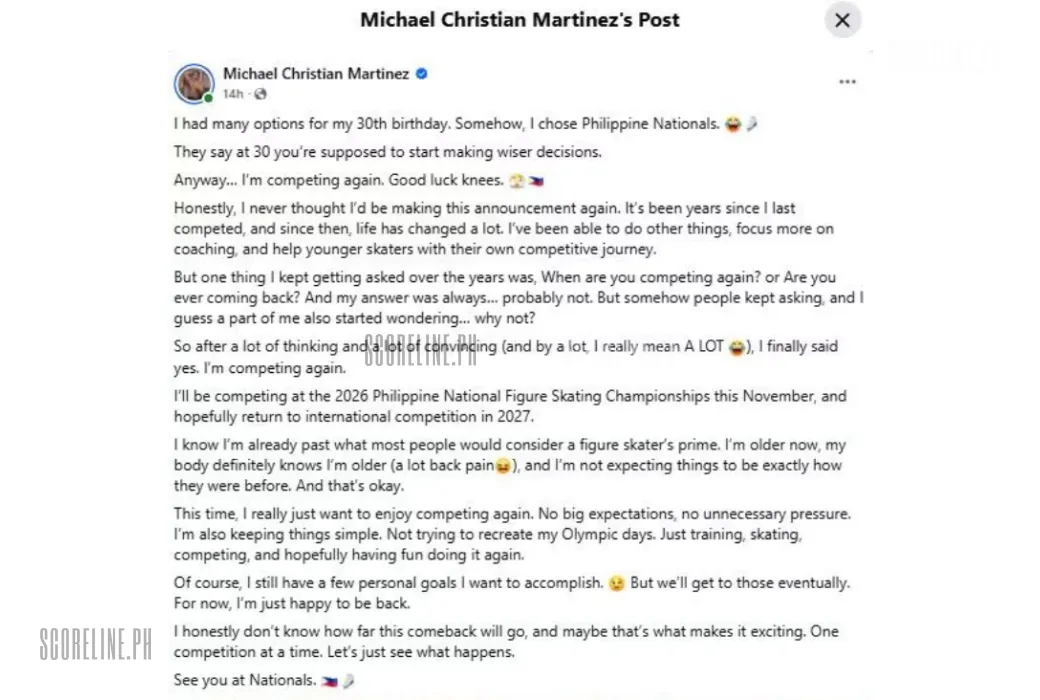
The ice king is back Michael Christian Martinez announces comeback at 30!

“I had many options for my 30th birthday. Somehow, I chose Philippine Nationals.” - Michael Martinez

TWO WINTER OLYMPICS. YEARS AWAY FROM COMPETITION. ONE MORE CHANCE TO CHASE HIS PASSION! 

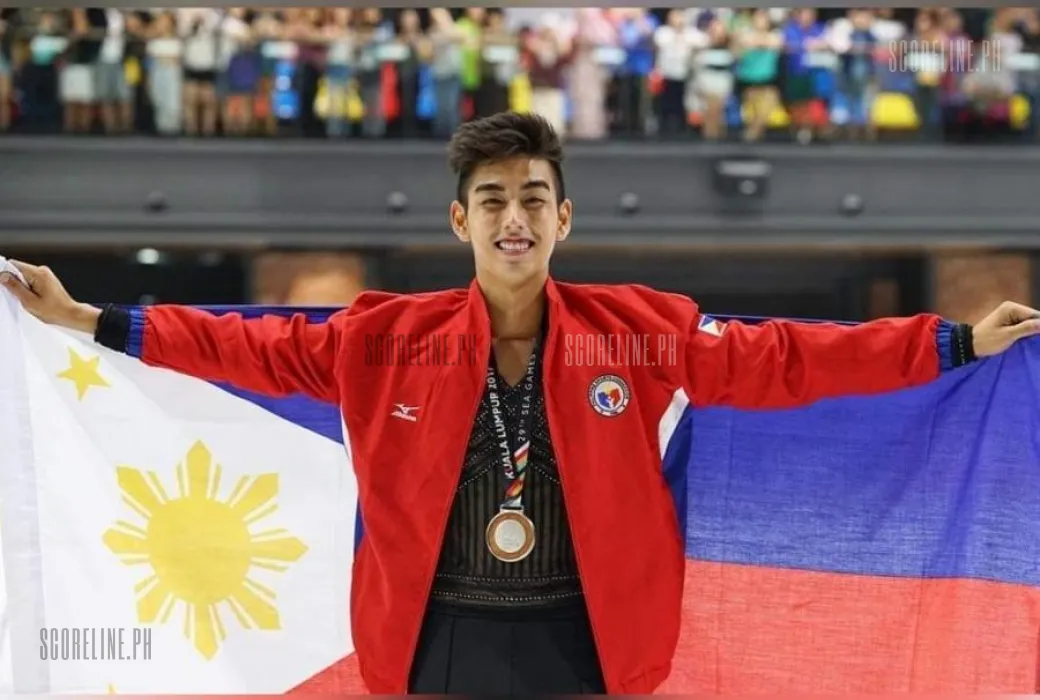
Philippine figure skating icon MICHAEL CHRISTIAN MARTINEZ is officially returning to competitive skating!

The two-time Winter Olympian surprised Filipino sports fans with a birthday announcement confirming his plans to compete at the 2026 Philippine National Figure Skating Championships!

And he delivered the news with his trademark humor! 

He added:

“Anyway… I'm competing again. Good luck knees."

Martinez admitted that he never imagined making another competitive comeback after spending years away from the ice.

But after repeatedly being asked whether he would ever compete again, the Filipino Olympian eventually found himself asking one simple question:

WHY NOT? THIS COMEBACK ISN'T JUST ABOUT MEDALS — IT'S ABOUT PASSION THAT REFUSES TO FADE!

At 30, Martinez understands that competing again will bring different physical challenges.

But greatness isn't always about being the youngest, fastest, or strongest.

Sometimes, it's about having the courage to return to something you love!

MICHAEL MARTINEZ HAS ALREADY MADE HISTORY FOR PHILIPPINE FIGURE SKATING. HE DOESN'T NEED ANOTHER OLYMPIC APPEARANCE TO PROVE HIS WORTH! 🇵🇭

His comeback could also bring renewed attention to Philippine figure skating and inspire young Filipino athletes to pursue their dreams on the ice.

THE OLYMPIC JOURNEY MADE HIM A TRAILBLAZER. HIS COMEBACK COULD INSPIRE ANOTHER GENERATION!

WELCOME BACK, MICHAEL CHRISTIAN MARTINEZ! THE ICE IS YOURS AGAIN

20.10.2026
PSC Officials

Baguio City Elevates Philippine Sports: World-Class Training Centers to Breed Future Champions

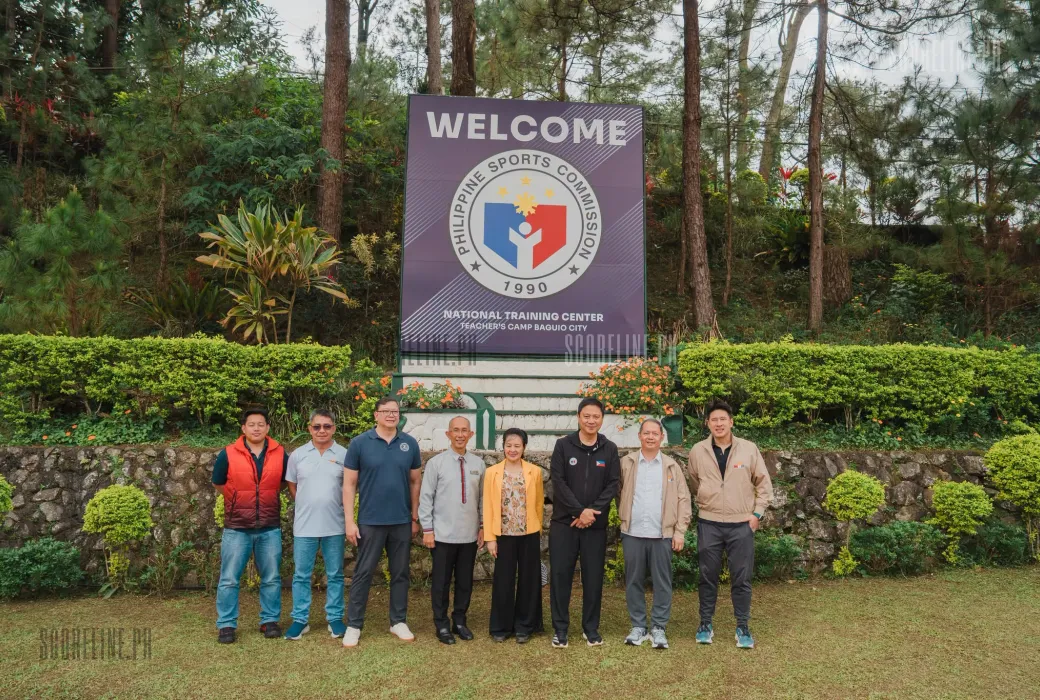
The Philippine Sports Commission (PSC) is pushing forward with the construction of new sports facilities at its National Training Center inside Teachers' Camp in Baguio City!

PSC Chairman John Patrick “Pato” Gregorio inspected the ongoing developments alongside Baguio City Mayor Benjamin Magalong, Philippine Football Federation President John Anthony Gutierrez, MVP Sports Foundation President Atty. Bill Pamintuan, and Executive Director Paolo Trillo. WHAT'S COMING TO BAGUIO?

ARTIFICIAL FOOTBALL PITCH — A project under the Philippine Football Federation, targeted to be ready by November!

3x3 BASKETBALL COURT — Supported by the MVP Sports Foundation to strengthen basketball development!

PICKLEBALL COURT — Another facility backed by the MVP Sports Foundation to support the growth of emerging sports!

BUT HERE'S THE BIGGER QUESTION: WHY SHOULD QUALITY TRAINING FACILITIES BE A LUXURY FOR FILIPINO ATHLETES?

For years, the Philippines has celebrated international medals while many promising athletes continue training with limited equipment, inadequate facilities, and insufficient resources.

WE CANNOT KEEP DEMANDING WORLD-CLASS RESULTS WITHOUT PROVIDING WORLD-CLASS PREPARATION! 💯

This development in Baguio is a welcome investment in the future of Philippine sports.

But building facilities is only the beginning.

OUR TAKE: THE REAL SUCCESS OF THESE PROJECTS WILL BE MEASURED BY HOW MANY ATHLETES CAN ACTUALLY USE THEM — NOT JUST HOW IMPRESSIVE THEY LOOK AT THE RIBBON-CUTTING CEREMONY!

These facilities must be properly maintained, accessible to developing athletes, and supported by qualified coaches and sustainable training programs.

And most importantly, similar opportunities must reach athletes outside major cities.

CHAMPIONS ARE NOT CREATED ON THE PODIUM. THEY ARE DEVELOPED THROUGH YEARS OF TRAINING, DISCIPLINE, AND OPPORTUNITY!

Baguio's sports upgrade is a promising step toward building a stronger national sports system.

BUILD THE FACILITIES. DEVELOP THE TALENT. SUPPORT THE ATHLETES. PRODUCE THE CHAMPIONS. 

SPORTS FANS, SHOULD THE PSC EXPAND THIS KIND OF SPORTS INFRASTRUCTURE DEVELOPMENT TO MORE PROVINCES ACROSS THE PHILIPPINES?

SHARE YOUR THOUGHTS!

20.10.2026
Alex Eala & Snow Badua

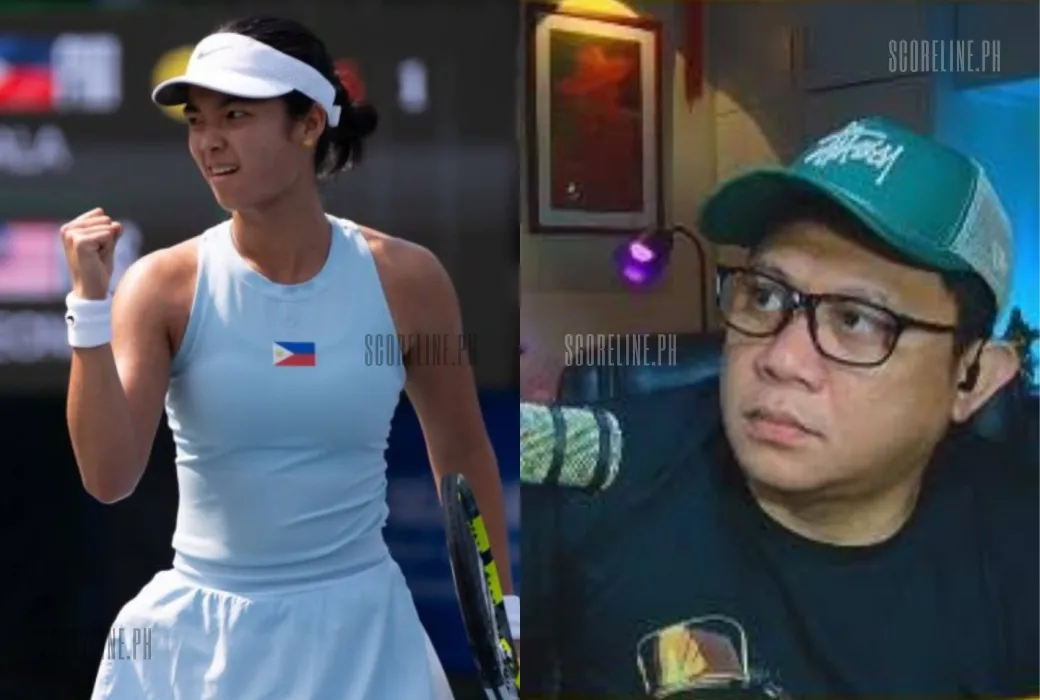
Snow Badua to Alex Eala: Fame is temporary. Your game is your foundation.

Sa showbiz, pag hindi ka na sikat sa tennis, bibitawan ka! Bigla-bigla, agad-agad! Real talk lang, iha!" — Snow Badua


Veteran sports journalist Snow Badua has delivered some straight-shooting advice to Filipina tennis star Alex Eala following a string of upset losses against lower-ranked opponents.


His message? Don’t let showbiz attention and off-court distractions overshadow the work required to compete at the highest level.
Badua invoked the experiences of Onyok Velasco and other Filipino athletes who found themselves in the spotlight, warning Eala that entertainment industry attention can disappear just as quickly as it arrives.


It’s a blunt warning—but one that raises a bigger question about the pressures facing today's athletes.


Eala has become more than a tennis player. She's a national sports sensation, a commercial draw, and a role model for the next generation. That visibility brings opportunities, but it also brings expectations.


HERE'S THE REAL TALK: THE SPOTLIGHT CAN BUILD YOUR BRAND, BUT IT CAN'T WIN YOUR MATCHES.


Eala has already made history for Philippine tennis. Now, the challenge is to keep growing, sharpen her game, and turn the attention surrounding her into fuel—not a distraction.


Because in professional tennis, reputations don't earn ranking points. Results do.

20.10.2026
LA2028 Logo

Earn Your Way In: The Brutal Road to LA28

The journey to the Los Angeles 2028 Olympic Games has begun, and for every gymnast with Olympic dreams, the path ahead is as unforgiving as it is inspiring.


In today’s era, talent might earn an athlete viral moments and social media buzz, but only unwavering consistency will secure that coveted Olympic spot. When the lights shine on LA in 2028, it won’t be about who had the flashiest moves on Instagram—it’ll be about who weathered the pressure, endured the sacrifices, and delivered when it mattered most. The quest to become a legend starts long before the opening ceremony; it begins now.


The quadrennium leading up to LA28 offers no handouts, no shortcuts, and no guarantees. The international field is reset. Even reigning double-Olympic champions must prove themselves all over again, navigating a relentless, multi-year gauntlet just for the right to defend their throne.


There are no free passes to the Olympic stage. Every spot must be earned, every dream forged in the fire of competition. For the next generation of gymnasts, LA28 is not just a destination—it’s a test of resilience, excellence, and heart. Let the race begin.

20.10.2026
Philippine Team

The Pinoy Athlete’s Curse: Why is Funding Always Lighter Than the Praise?

In Philippine sports, there is a recurring, deeply frustrating cycle that plays out like clockwork.


An athlete leaves the country quietly, sometimes carrying nothing but borrowed gear, absolute grit, and an empty bank account. They endure sleepless nights, physical agony, and the crushing mental weight of wondering how they will pay for their next meal or training camp. Quite often, it is their parents who double their shifts, take out loans, or knock on the doors of private benefactors just to keep the dream alive.


Then, the miracle happens. The athlete wins a medal. They shock the world.


Suddenly, airport arrivals are flooded with marching bands. Politicians push each other out of the way to get into the photo-op frame. Congressional resolutions are drafted in record time, and social media is overwhelmed with high-ranking officials claiming the victory as a national triumph.


It begs a glaring, uncomfortable question: Why is a government resolution or a congratulatory post always faster to produce than actual, baseline financial support?

The Gold Medal Illusion

Our sports system has a toxic habit of practicing retrospective patriotism. We only care about the athlete when they are already standing on the podium.


When Carlos Yulo won historic double gold, or when our gymnasts and boxers made waves globally, the rewards rained down. Millions in cash incentives, houses, condos, and corporate endorsements. While those rewards are deeply deserved, they highlight a massive structural flaw: you have to prove you don't need the money anymore before anyone actually gives it to you.


This is a backward approach to sports development. Ribbons, plaques, and courtesy calls at the palace do not buy high-protein meals. They do not fund plane tickets to Olympic qualifiers. They do not hire world-class coaches or physical therapists.
By the time an athlete wins a medal, the hardest part of their journey—the part where they actually needed the government’s help—is already over.

The Real Priority: Grassroots over Glory-Chasing

If we are to choose between celebrating champions or funding dreamers, the answer is absolute: continuous, institutionalized support for training must take absolute priority.


A sports program that focuses entirely on recognizing winners is nothing more than a vanity project. It is parasitic, feeding off the organic sacrifices of private families while claiming the credit. Real sports development means investing heavily in the athlete before they are famous.


• Praise is cheap; infrastructure is not. We need to stop relying on the narrative of the "impoverished but resilient Pinoy athlete." Resilience is a coping mechanism for a lack of funding, not a sports strategy.


• The Pipeline Concept: For every superstar athlete who makes it to the world stage, hundreds of equally talented children drop out of sports simply because their parents cannot afford the grassroots training fees. Without consistent monthly allowances, proper nutrition, and state-of-the-art local facilities, we are actively suffocating our own potential.

The Verdict: Support the Climb, Not Just the Summit

It is easy to clap when the national anthem plays. It costs absolutely nothing to type "Proud to be Pinoy" on Facebook. But true national pride is measured by the budget allocated to the Department of Education’s sports programs and the Philippine Sports Commission long before the Olympic flame is ever lit.


If our leaders truly want to build an "army" of world-class athletes, they need to put down the cameras and pick up the funding sheets. The support must start at the starting line, not the finish line. Until we shift our budget from superficial rewards to structural training, we are not developing sports—we are just getting lucky.

09.10.2026
Aleah Finnegan

Beyond the Olympics: Aleah Finnegan is Building the Next Generation of Philippine Gymnastics

Olympic gymnast Aleah Finnegan is turning her international experience into a mission to develop young Filipino gymnasts and help establish the Philippines as a future powerhouse in the sport.

For Philippine Olympic gymnast Aleah Finnegan, building a legacy goes beyond medals, international recognition, and competing on the world's biggest sporting stage.

The Filipina-American gymnast is setting her sights on something bigger: helping develop the next generation of Filipino gymnasts who could one day represent the country at the Olympics and other major international competitions.

Rather than focusing solely on her own accomplishments, Finnegan continues to return to the Philippines to share her knowledge, experience, and passion for gymnastics through training clinics and grassroots development initiatives.

Finnegan long-term vision is ambitious — to create a strong and sustainable pipeline of Filipino gymnasts capable of competing against the world's best.

"We just have to keep on doing this, and soon we're gonna expand. That's how we can build an army of gymnasts," Finnegan said.

Building an Army of Future Champions

Finnegan's statement reflects her determination to help transform Philippine gymnastics into a program capable of producing world-class athletes consistently.

By working directly with young gymnasts, she hopes to provide aspiring athletes with valuable exposure to international training standards, technical knowledge, and the competitive mindset required at the highest level.

Her involvement also highlights the importance of established athletes giving back to the sport that helped shape their careers.

For young Filipino gymnasts, learning from an Olympian offers more than technical instruction. It provides an opportunity to understand the discipline, dedication, and preparation necessary to succeed internationally.

Inspired by Carlos Yulo's Historic Olympic Triumph

Philippine gymnastics reached unprecedented heights during the 2024 Paris Olympics, where Carlos Yulo made history by winning two gold medals in the men's floor exercise and vault events.

His victories brought global attention to Philippine gymnastics and inspired a new generation of aspiring athletes.

Finnegan, who also represented the Philippines at the Paris Olympics, is helping sustain that momentum by supporting the development of young talent.

While Yulo demonstrated that Filipino gymnasts can reach the top of the Olympic podium, Finnegan's grassroots efforts highlight another essential part of sporting success: building a system that can nurture future champions.

The challenge now is turning individual achievements into long-term progress.

Grassroots Development Is the Key

Producing Olympic-level gymnasts requires more than natural talent.

Young athletes need access to quality coaching, appropriate training facilities, competitive opportunities, financial assistance, and consistent developmental programs.

This is where initiatives led by experienced athletes such as Finnegan can make a meaningful difference.

By sharing lessons from her international career, Finnegan is helping bridge the gap between aspiring young gymnasts and the demands of elite competition.

However, sustaining these efforts will also require continued support from sports organizations, local communities, and institutions involved in athlete development.

A Legacy Bigger Than Medals

Finnegan's commitment to Philippine gymnastics sends a powerful message: an athlete's legacy can be measured not only by personal achievements but also by the opportunities created for others.

Her dream of building an "army of gymnasts" represents a vision of a Philippines where world-class gymnastics talent is developed through consistent training, mentorship, and opportunity.

With Yulo's historic Olympic success providing inspiration and Finnegan contributing to grassroots development, Philippine gymnastics has an opportunity to build on its growing international profile.

The journey toward becoming a consistent global contender will take years of preparation, investment, and collaboration.

But for Finnegan, the mission is already underway.

Because the greatest legacy of a champion may not be the medals they win, but the future champions they help create.

09.10.2026
Senator Bong Go

The future of athlete's must never become collateral damage in sports politics

The flag belongs to the nation. The athletes carry it. Their future must never become collateral damage in sports politics.

“Hindi dapat maapektuhan ang ating mga atleta ng sports politics.”

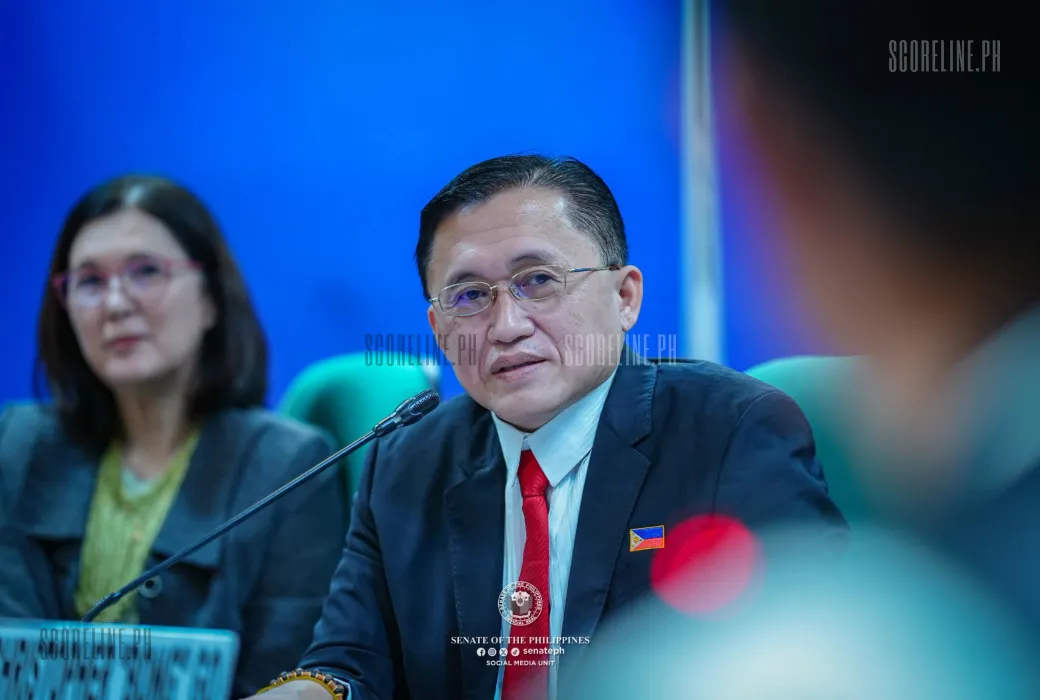
Sen. Bong Go, chairperson of the Senate Committee on Sports, stressed a clear message during the post-evaluation of the Philippine delegation’s participation in the 20th Asian Games.

Disagreements, governance issues, financial difficulties, and conflicts among sports organizations should never come at the expense of Filipino athletes.

Our athletes train to win medals—not to get caught in boardroom battles and leadership disputes.

They sacrifice years of their lives to represent the country. They deserve proper funding, quality preparation, stable leadership, and an environment where they can focus on competing—not worry about the politics surrounding their sport.

Accountability matters. Good governance matters. But through it all, the welfare of athletes must remain the priority.

Because when sports leaders clash, the consequences can reach far beyond the boardroom—and the athletes may be the ones left paying the price.


09.10.2026
Philippine Team

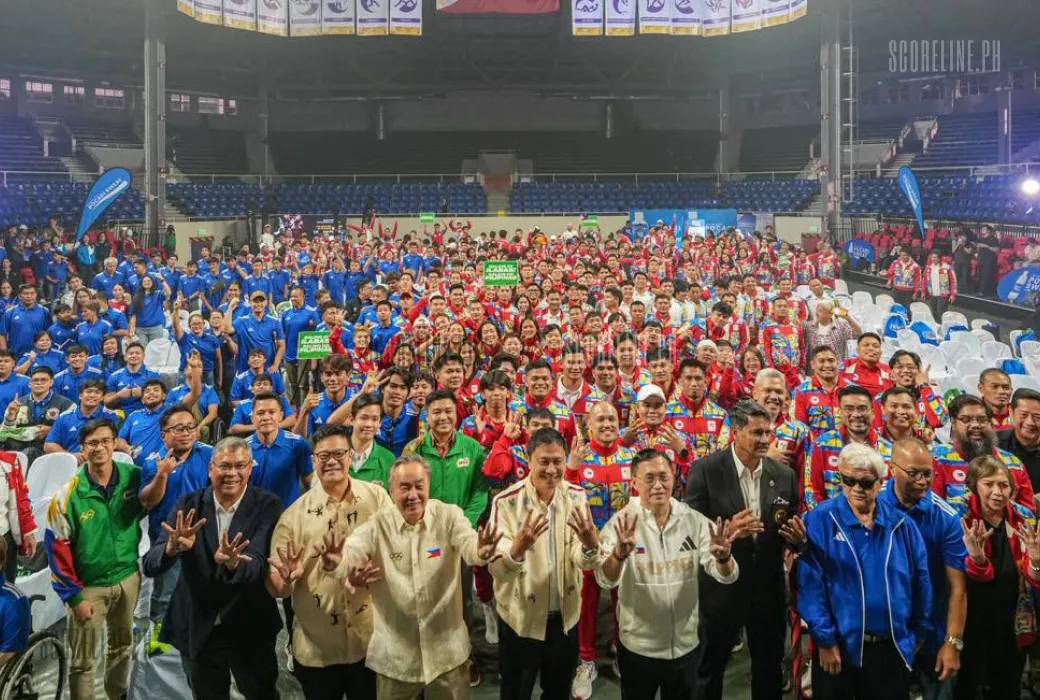
Aichi-Nagoya was a Statement. Now, the Philippines must Build on it

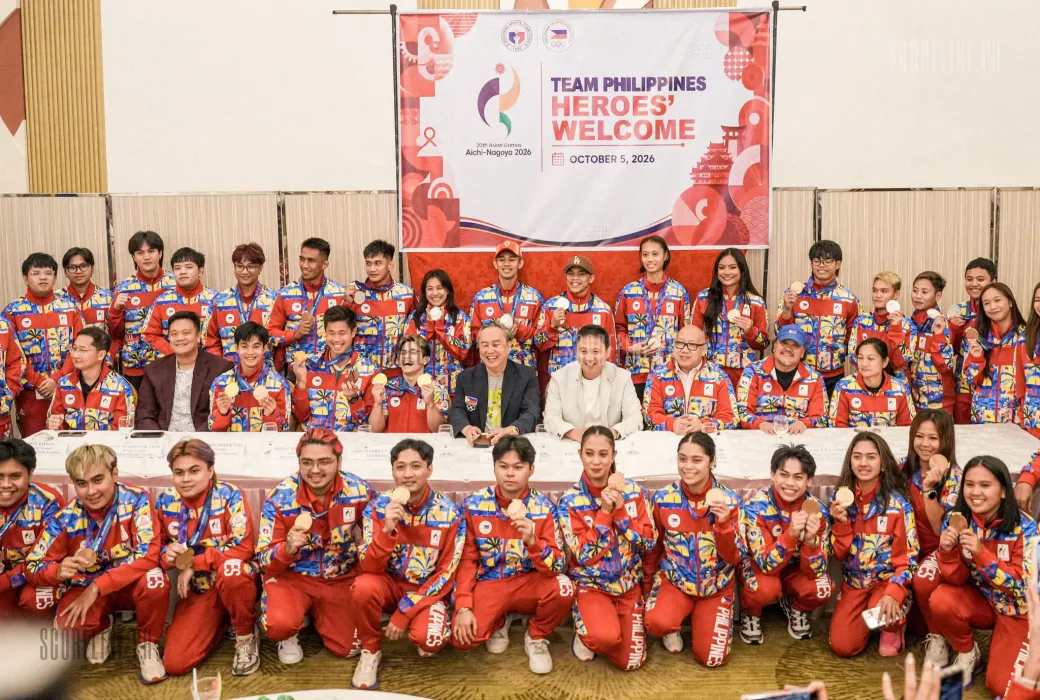
Four golds, 29 medals and the Philippines’ best Asian Games haul in 64 years have given the country something bigger than a celebration—a reason to rethink what Filipino sports can become.

The medals are home.

The athletes have returned from Japan carrying four golds, nine silvers and 16 bronzes, completing a 29-medal haul that PSC Chairman John Patrick C. Gregorio described as the Philippines’ best Asian Games performance in 64 years.

But perhaps the biggest takeaway from Aichi-Nagoya is not the number of medals.

Aichi-Nagoya gave Philippine sports a moment to celebrate. But it can also become something much bigger.

A reminder that Filipino athletes are not short on ability. What matters now is building an environment where that ability can consistently reach its potential.

The athletes have made their statement. Now the system has to make its own.

Because if the Philippines truly wants to become a multi-sport nation, the goal cannot simply be to celebrate champions when they come home.

It is the reminder of what Filipino athletes can accomplish when talent is matched with preparation, opportunity and the chance to compete on the biggest stage.

This should be more than a celebration. It should be a wake-up call.

Carlos Edriel Yulo once again showed the extraordinary ceiling of Filipino gymnastics, turning difficult routines into gold-medal performances.

EJ Obiena continued to proves that the Philippines can produce world-class athletes even in disciplines traditionally outside the country's sporting spotlight.

And they were not alone. Across the courts, fields, rings, pools and tracks of Aichi-Nagoya, Filipino athletes fought for every point, every second and every centimeter.

Some won medals. Others fell short of the podium.

But collectively, they delivered a message that should be impossible to ignore:

The Philippines has the talent. The Philippines has the heart. The Philippines has athletes capable of competing with Asia's best.

The danger after a successful campaign is believing the job is finished. It isn't.

The medals are coming home, but the athletes who won them will eventually move on. Behind them is another generation—young athletes training in schools, local gyms, community courts and provincial facilities—waiting for its opportunity.

And that is where Philippine sports faces its next challenge.

Can the country provide the facilities, coaching, grassroots programs, equipment, competition exposure and long-term support needed to turn promising youngsters into international champions?

Because developing athletes should not begin only when they are already winning medals.

The system has to find them before they become champions—and build them into champions.

The calendar is already moving. The SEA Games are next.

Then comes the SEA Games Youth Plus, where the country's emerging athletes will get another opportunity to prove themselves.

And beyond that sits the enormous stage of the Los Angeles 2028 Olympics.

The next Carlos Yulo could already be training somewhere in the Philippines.

The next EJ Obiena could already be clearing a bar. The next champion could already be dreaming.

The question is whether the country will give that athlete enough reason to keep dreaming—and enough support to turn that dream into reality.

The goal should be to create more of them. From Aichi-Nagoya to Los Angeles, the fire is burning. Now, let's build something that keeps it alive.

06.10.2026

Top News

Kenji Moral

Kenji Moral’s Fast Break to Rising Star in PH's Youth Basketball

2,197
Mario Barasi Jr.

Mario Barasi Jr.: Rising Big Man ready for the PBA stage

835
Michael Martinez

Michael Martinez: The Filipino Athlete Who Funded His Own Olympic Dream

419
Masters Pinoy Pilipinas Basketball squad with team Mongolia.

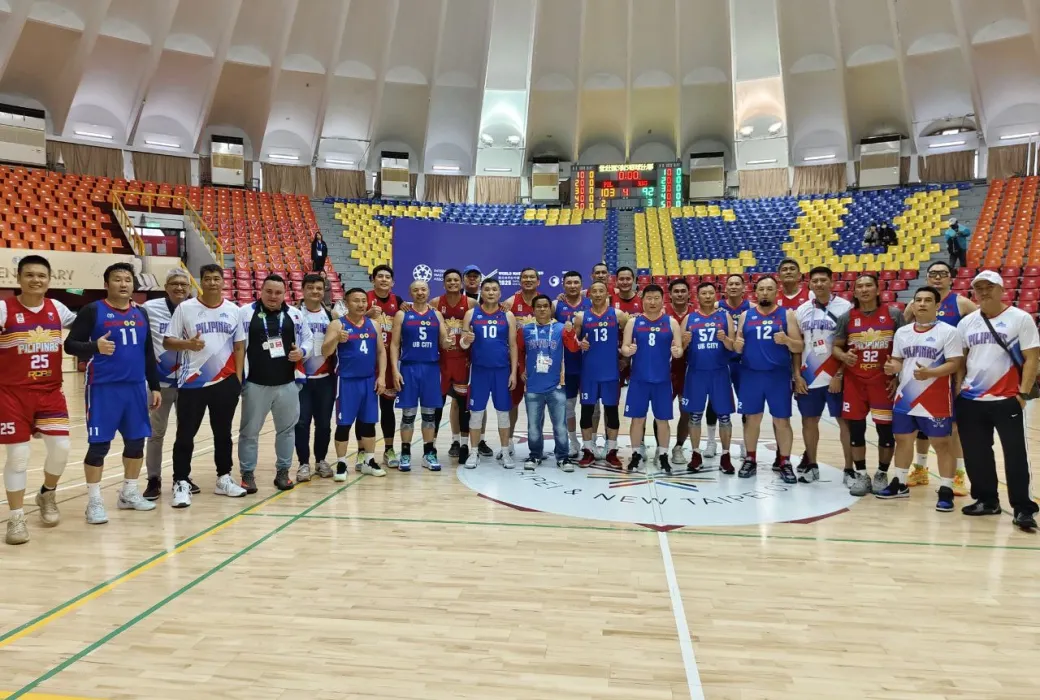
Masters Pinoy captures basketball gold at the World Masters Games

393
janine

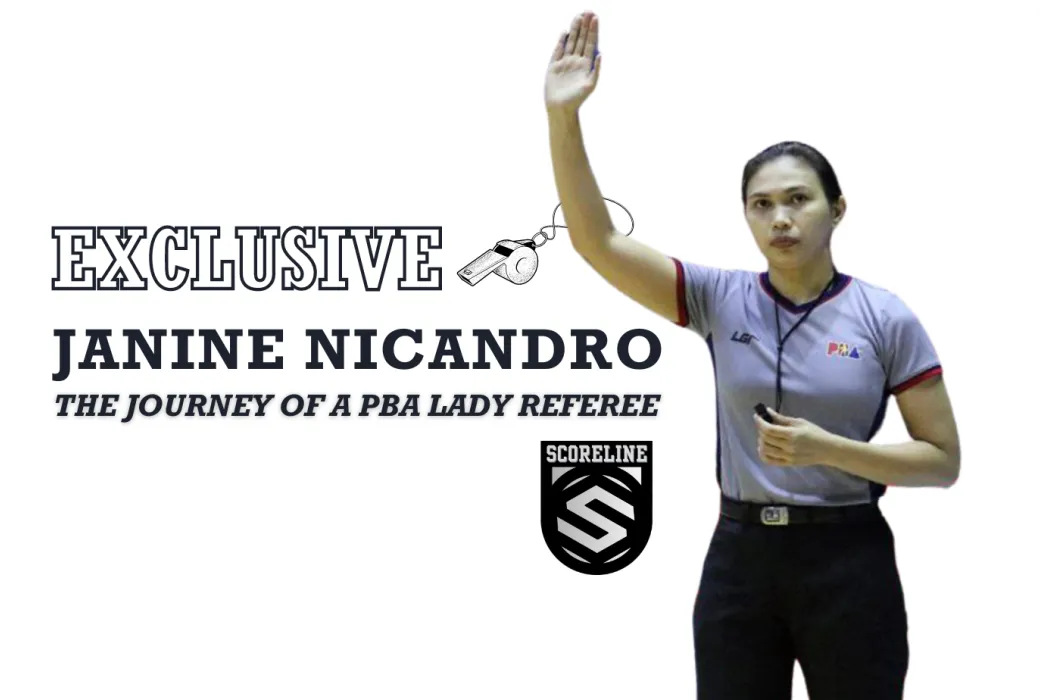
Exclusive: Janine Nicandro, The Journey of a PBA Referee

379
Loren Brill

Loren Brill: Reigniting a basketball legacy born of champions

345
Guiness Nabung of Masters Pinoy Pilipinas Basketball team.

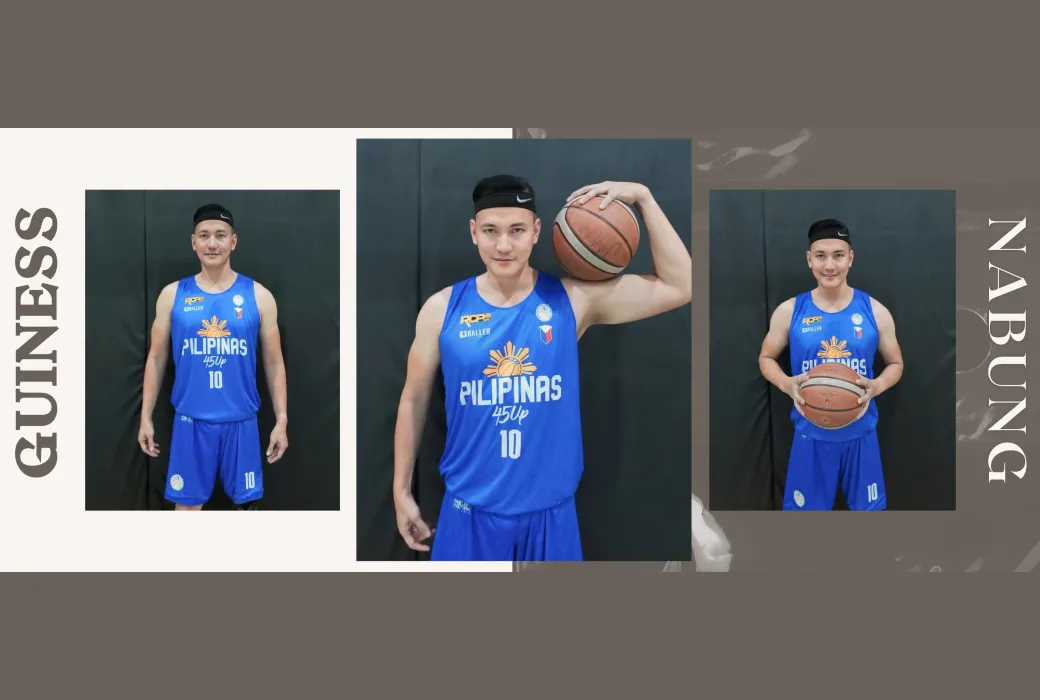
Guiness Nabung - Masters Pinoy Pilipinas Basketball Profile

311
Johann Chua & Carlo Biado

17 Filipino cue artists eye glory at World Pool Championship in Saudi Arabia

305
Isaiah Africano poses for Scoreline.ph during the PBA 50th Rookie Draft

Isaiah Africano joins Guam National Team for FIBA WCA Qualifiers

304
Efren Reyes

Player Profile Series: “The Magician” Efren “Bata” Reyes

300
Gilas Pilipinas

Gilas Pilipinas begins Asian Games title defense with a new-look squad

295
Andre Jamgerald Ugaddan

Andre Jamgerald Ugaddan – “Batang Mamaw” ng Reg. 4A

294
Kevin Quiambao

UAAP: UP fighting Maroons fall short to Green Archers, forced to Game 3

287
Paul Reguera

Paul Reguera - Masters Pinoy Pilipinas Basketball Profile

271
Dr. Obet Vital is the new Assistant Coach of the UP Fighting Maroons Women's Volleyball Team

Looking Ahead: Obet Vital's new era of growth and opportunity

268
Alvin "The Captain" Patrimonio - a player with a lion heart.

Player Profile Series: “The Captain” Alvin Patrimonio’s lion heart

248
Deanna Wong

Player Profile Series: Deanna Wong, The Court’s Quiet Leader

237
Ricky Ricafuente

Ricky Ricafuente - Masters Pinoy Pilipinas Basketball Profile

236
First ever PBA MVP William "Bogs" Adornado.

Player Profile: William "Bogs" Adornado - First PBA MVP

232
Oliver Agapito of Masters Pinoy Pilipinas Basketball team.

Oliver Agapito resharpens his basketball form with Masters Pinoy

226
Roger Yap of Masters Pinoy Pilipinas Basketball team.

Roger Yap - Masters Pinoy Pilipinas Basketball Profile

219
Aiza Maizo-Pontillas

Player Profile Series: The fierce journey of Aiza Maizo-Pontillas

217
Captain Nica Celis of the UP Fighting Maroons Women's Volleyball Team

Nica Celis aims to helm Fighting Maroons' escape from bottom spot

203
Alberto "Abet" Guidaben - PBA 50 Greatest Players (2000)

Player Profile Series: Abet Guidaben – PBA Legend, 2 Slams

199
Toshihiko Era

Japanese boxer scores a remarkable victory in Bangkok at age 50

195
Johann Chua

Player Profile Series: Johann Gonzales Chua - The "Bad Koi"

194
Cloanne Mondonedo

Player Profile Series: Clo Mondoñedo’s journey to setter glory

190
Alex Pagulayan

Player Profile Series: Billiards' "Lion Heart" Alex Pagulayan

186
Kamille Cal

Player Profile Series: Kamille Cal brings precision to Akari

183
Association of Boxing Alliances in the Philippines

13-strong boxers to lead PH Boxing Team in 2025 SEA Games

179
Sisi Rondina and Bernadeth Pons

Rondina, Pons claim first Challenge win at Beach Pro Tour Nuvali

176
Sisi Rondina

Player Profile Series: Sisi Rondina, Volleyball’s Cherry Bomb

175
"The Quick Brown Fox" - Ricardo Brown

Player Profile Series: Ricardo Brown – "The Quick Brown Fox"

171
PBA Commissioner Willie Marcial

PBA Season 50 eyes more overseas tours and foreign guest teams

160
Arena Fitness Dojo

From Grassroots to Global: Arena Fitness Dojo

157
Ricky Ricafuente

Ricky Ricafuente brings his global experience to Masters Pinoy

156
Philip Cezar - PBA's Tapal King

Player Profile Series: Philip Cezar – The PBA's Tapal King

156
Spike and Serve with Petro Gazz Angels & Volleybukids

Spike and Serve reaches out to Volleybukids in Morong, Bataan

156
Freddie Hubalde - The Silent Operator

Player Profile Series: Freddie Hubalde - The Silent Operator

154
Francisico Bustamante

Player Profile Series: The iconic Francisco "Django" Bustamante

154
Allan "The Triggerman" Caidic is one of the PBA 50 Greatest Players.

Player Profile Series: “The Triggerman" --- Allan Caidic

149
General Trias City Sports Park

General Trias City LGU eyes vows world-class sports facilities for youth

148