Your Connection to the Heart of Sports
Subscribe to our newsletter and our social medias

Latest News

Efren Reyes

How Efren “Bata” Reyes Put Philippine Billiards on the World Map

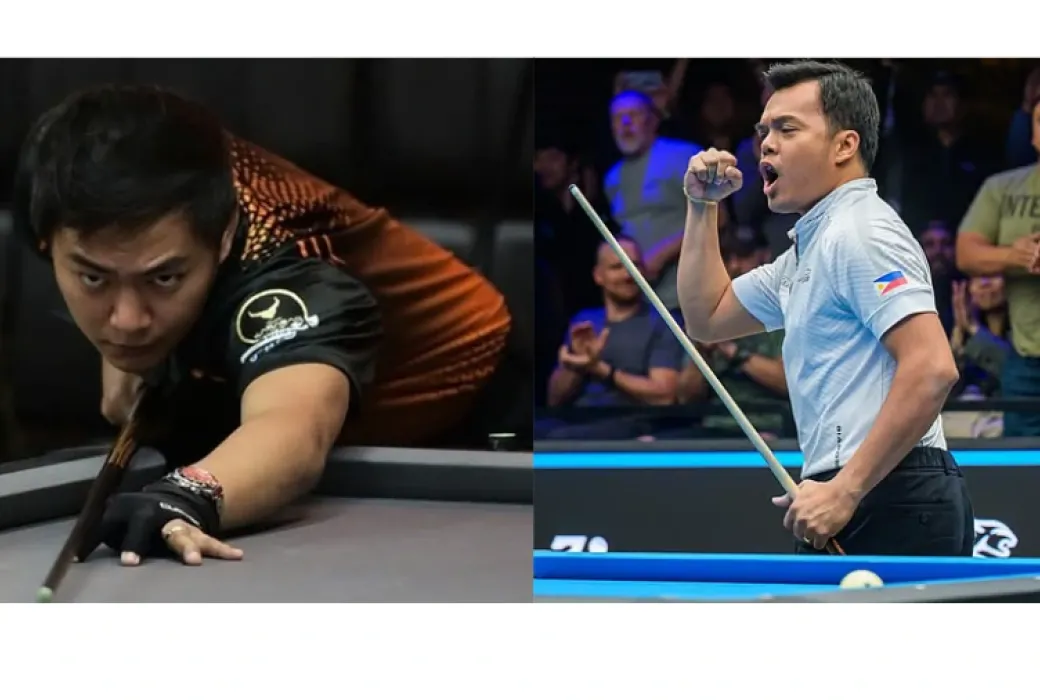
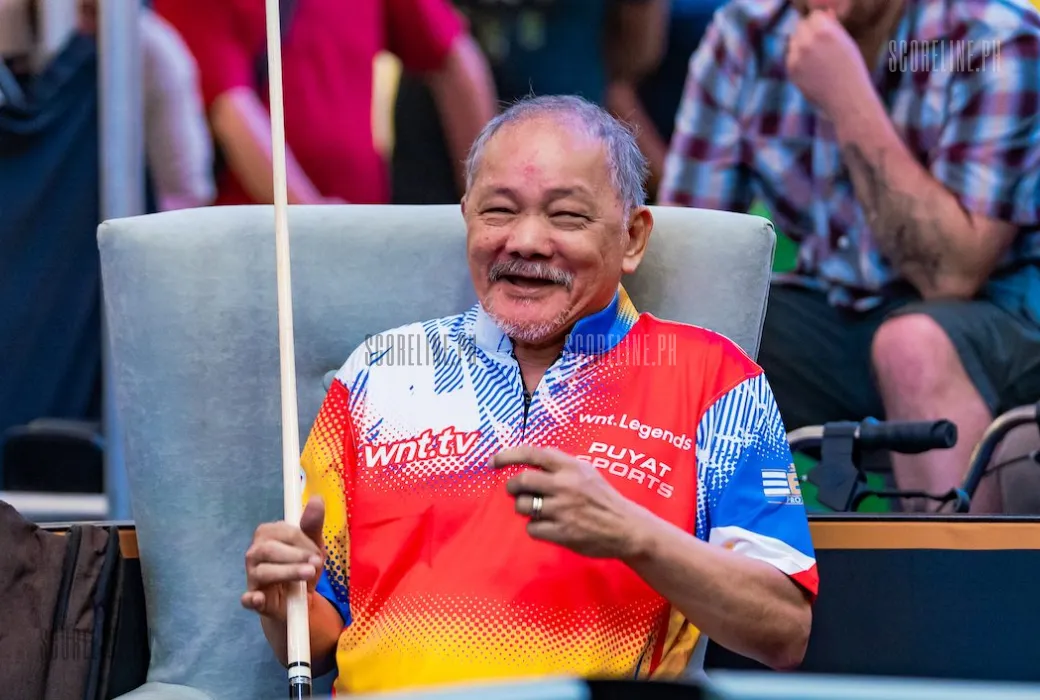
FROM A MYSTERY PLAYER IN TEXAS TO A GLOBAL BILLIARDS LEGEND — EFREN REYES' GREATEST VICTORY WAS MAKING THE WORLD BELIEVE IN FILIPINO TALENT.Long before the world called him “The Magician,” long before the championship trophies, standing ovations, and legendary trick shots, Efren “Bata” Reyes was simply a Filipino pool player with extraordinary talent and an ambition to challenge the world's best.In 1985, an unfamiliar name appeared at the Red's Nine-Ball Open in Houston, Texas.Cesar Morales.American billiards fans knew little about the mysterious competitor who had arrived from the Philippines.But behind that name was a man whose creativity, precision, and remarkable understanding of the game would eventually change the international billiards landscape.That man was Efren Reyes.And what happened in Houston became one of the most important moments in Philippine sports history.1985: The Filipino Who Shocked American PoolAt a time when American players dominated much of the international professional pool scene, Reyes arrived in Texas without the global reputation he would later enjoy.Competing under the name Cesar Morales, he entered the Red's Nine-Ball Open against established American competitors.What followed stunned the billiards community.Reyes defeated elite opposition and captured the championship, introducing American audiences to a style of pool that combined fearless shot-making, exceptional cue-ball control, and extraordinary tactical intelligence.He was not simply making difficult shots.He was seeing possibilities that other players could barely imagine.His ability to escape seemingly impossible situations, control angles, and turn defensive positions into winning opportunities made him a fascinating competitor.The American pool scene had discovered something special. The Philippines had introduced the world to a magician.From Unknown Challenger to Global IconReyes' breakthrough was not the result of one lucky tournament.It was the beginning of an international career that would establish him among the greatest billiards players of all time.He went on to win major championships, including the 1999 World Professional Pool Championship and the inaugural World Pool League title.In 2004, he captured the World Eight-Ball Championship, further cementing his reputation as one of the sport's most versatile competitors.But what made Reyes extraordinary was never limited to the number of trophies he collected.It was the way he played.His imagination at the table became legendary.His ability to read complex layouts, execute breathtaking safety shots, and produce remarkable recoveries transformed ordinary matches into unforgettable performances.Fans around the world began watching not simply to see whether Reyes would win, but to discover what seemingly impossible shot he might attempt next.Other players mastered the fundamentals. Efren Reyes made the game look like an art form.The Magician Who Opened Doors for Filipino PlayersReyes' success carried significance far beyond his personal achievements.Before his emergence, Filipino billiards players had limited recognition in many major international competitions.His victories challenged that perception.Reyes proved that players from the Philippines could compete against — and defeat — the strongest competitors in the world.More importantly, he inspired a generation of Filipino cue artists to pursue international careers.Players such as Francisco “Django” Bustamante, Alex Pagulayan, Dennis Orcollo, and Carlo Biado would later help strengthen the Philippines' reputation as a global billiards powerhouse.Each developed his own identity and achievements.But Reyes helped establish the international respect that made the rise of Filipino billiards impossible to ignore.He did not simply win championships for himself. He helped create opportunities for those who followed.For aspiring Filipino players practicing in neighborhood pool halls, Reyes became living proof that greatness could emerge from humble beginnings.The Reyes Cup: A Legacy That Comes Full CircleFour decades after his breakthrough in Houston, Reyes' influence continues to shape the international billiards scene.The Reyes Cup, an international team competition named in his honor, brings together elite players from Asia and the Rest of the World.Its staging in Makati represents a meaningful connection between the Philippines' billiards heritage and the modern international game.The tournament features some of the world's strongest competitors, showcasing the tactical brilliance, competitive intensity, and sportsmanship that have defined professional pool.But beyond the matches and championship trophy, the event carries a deeper meaning.The Filipino who once traveled to America under an unfamiliar name now has a major international competition carrying his own.That is a remarkable journey.From being an outsider trying to establish himself in the world's toughest pool halls, Reyes has become a symbol of the sport's global growth.His name now represents excellence, creativity, and the enduring influence of Philippine billiards.More Than a Champion: A National Sporting TreasureIn a country where basketball and volleyball often dominate the headlines, Reyes demonstrated that Filipino sporting greatness extends far beyond the most popular disciplines.His achievements helped establish billiards as one of the Philippines' strongest international sports.He became a national icon without needing extravagant celebrations or dramatic declarations.His reputation was built through skill, humility, patience, and the respect he earned from opponents.Even the greatest players recognized his exceptional understanding of the game.That respect is one of the most meaningful measures of his legacy.Championships can be won and records can eventually be broken.But influencing how an entire sport is played is something only a few extraordinary athletes accomplish.Efren Reyes belongs to that rare group.Philippine Billiards Must Build on His LegacyThe continued international recognition of Reyes should also serve as a reminder that Philippine billiards needs sustained investment.The country has produced world champions and internationally respected players, but developing the next generation requires more than relying on individual talent.Grassroots tournaments, accessible training facilities, qualified coaches, youth development programs, and international exposure remain essential.The Reyes Cup provides an opportunity to celebrate the country's billiards heritage.But its greater value could lie in inspiring young Filipinos to discover the sport and pursue competitive opportunities.The best way to honor Efren Reyes is not simply to celebrate what he accomplished, but to create opportunities for the next generation to follow his example.The Philippines should not be satisfied with remembering its greatest billiards champion.It should be working to produce more.From Cesar Morales to Efren Reyes: The Name the World Will Never ForgetIn 1985, American billiards fans were introduced to a mysterious Filipino competitor named Cesar Morales.They did not yet know they were witnessing the emergence of one of the sport's most influential figures.Today, the name Efren “Bata” Reyes is recognized across the international billiards community.His creativity has inspired players.His achievements have brought pride to the Philippines.And his legacy continues through the generations of Filipino cue artists who dream of competing on the world's biggest stages.The Reyes Cup is another reminder of how far that journey has come.OUR TAKE: EFREN REYES DID MORE THAN MAKE THE PHILIPPINES A RESPECTED BILLIARDS NATION. HE HELPED CHANGE THE WAY THE WORLD LOOKS AT FILIPINO ATHLETES.He showed that greatness does not depend on where a player comes from.It depends on imagination, dedication, courage, and the ability to perform when the pressure is greatest.From the pool halls of Manila to the international spotlight, Reyes built a legacy that continues to inspire.LEGENDS WIN TITLES. ICONS CHANGE THE GAME. EFREN “BATA” REYES DID BOTH.HIS CUE BUILT THE LEGACY. HIS NAME NOW CARRIES IT FORWARD.
19
Learn more
Alex Eala & Snow Badua

Snow Badua to Alex Eala: Fame is temporary. Your game is your foundation.

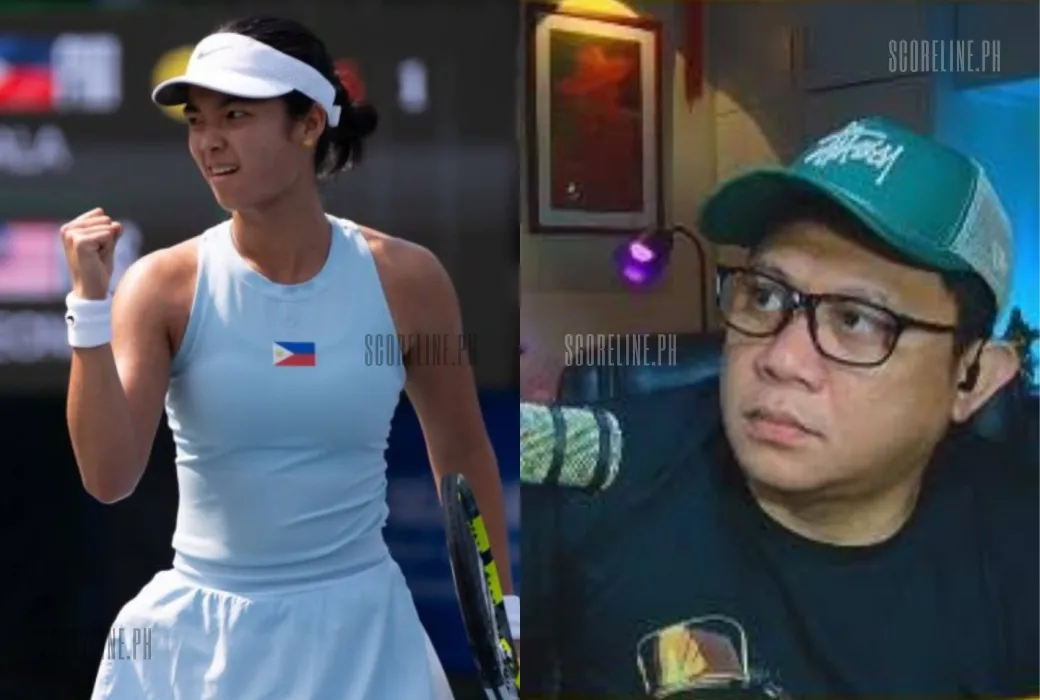
Sa showbiz, pag hindi ka na sikat sa tennis, bibitawan ka! Bigla-bigla, agad-agad! Real talk lang, iha!" — Snow BaduaVeteran sports journalist Snow Badua has delivered some straight-shooting advice to Filipina tennis star Alex Eala following a string of upset losses against lower-ranked opponents.His message? Don’t let showbiz attention and off-court distractions overshadow the work required to compete at the highest level.Badua invoked the experiences of Onyok Velasco and other Filipino athletes who found themselves in the spotlight, warning Eala that entertainment industry attention can disappear just as quickly as it arrives.It’s a blunt warning—but one that raises a bigger question about the pressures facing today's athletes.Eala has become more than a tennis player. She's a national sports sensation, a commercial draw, and a role model for the next generation. That visibility brings opportunities, but it also brings expectations.HERE'S THE REAL TALK: THE SPOTLIGHT CAN BUILD YOUR BRAND, BUT IT CAN'T WIN YOUR MATCHES.Eala has already made history for Philippine tennis. Now, the challenge is to keep growing, sharpen her game, and turn the attention surrounding her into fuel—not a distraction.Because in professional tennis, reputations don't earn ranking points. Results do.
8
Learn more
LA2028 Logo

Earn Your Way In: The Brutal Road to LA28

The journey to the Los Angeles 2028 Olympic Games has begun, and for every gymnast with Olympic dreams, the path ahead is as unforgiving as it is inspiring.In today’s era, talent might earn an athlete viral moments and social media buzz, but only unwavering consistency will secure that coveted Olympic spot. When the lights shine on LA in 2028, it won’t be about who had the flashiest moves on Instagram—it’ll be about who weathered the pressure, endured the sacrifices, and delivered when it mattered most. The quest to become a legend starts long before the opening ceremony; it begins now.The quadrennium leading up to LA28 offers no handouts, no shortcuts, and no guarantees. The international field is reset. Even reigning double-Olympic champions must prove themselves all over again, navigating a relentless, multi-year gauntlet just for the right to defend their throne.There are no free passes to the Olympic stage. Every spot must be earned, every dream forged in the fire of competition. For the next generation of gymnasts, LA28 is not just a destination—it’s a test of resilience, excellence, and heart. Let the race begin.
7
Learn more
PICKLEBALL

PH to become Asia's next pickleball powerhouse?

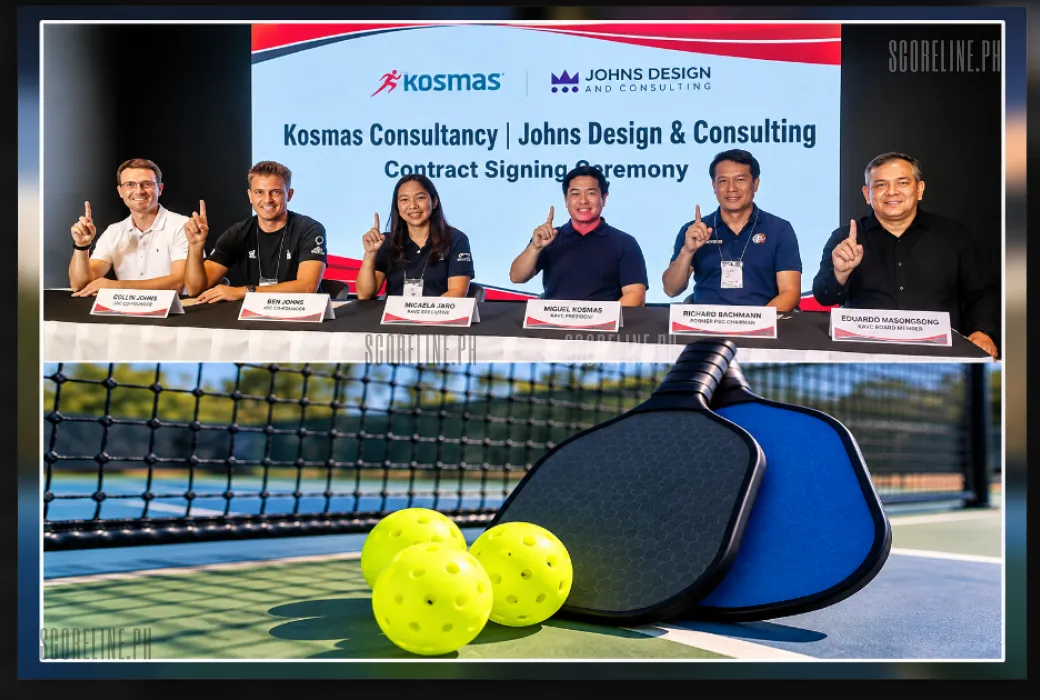
 25 COURTS. 2,000 SEATS. ONE BIG DREAM! PHILIPPINES AIMS TO BECOME ASIA'S NEXT PICKLEBALL POWERHOUSE! FROM A GROWING SPORT TO A POTENTIAL INTERNATIONAL DESTINATION — PHILIPPINE PICKLEBALL IS AIMING HIGH! A world-class pickleball facility is being planned at Bridgetowne, Pasig City, with a target opening in 2028!The ambitious HELIOS PICKLEBALL CENTER is a collaboration between Kosmas Athletic Ventures Corporation (KAVC) and US-based Johns Design and Consulting (JDC), co-founded by international pickleball stars Ben and Collin Johns.HERE'S WHAT MAKES THIS PROJECT EXCITING!25 TOURNAMENT-GRADE COURTS — Designed for competitive play and major tournaments!2,000-SEAT CHAMPIONSHIP COURT — A potential stage for world-class pickleball action!2028 TARGET OPENING — A major addition to the Philippine sports landscape!INTERNATIONAL AMBITIONS — Designed with the goal of hosting Professional Pickleball Association (PPA) and Major League Pickleball (MLP) events!🇵🇭 A NEW HOME FOR FILIPINO TALENT — A potential training and competition hub for the country's growing pickleball community!JDC co-founder Collin Johns sees significant potential in the country:“The Philippines is poised to become a major hub for the sport in Asia.”BUT HERE'S THE BIGGER QUESTION: CAN BUILDING WORLD-CLASS COURTS ALSO PRODUCE WORLD-CLASS FILIPINO ATHLETES?OUR TAKE: A MASSIVE SPORTS FACILITY IS A PROMISING INVESTMENT — BUT INFRASTRUCTURE ALONE DOES NOT CREATE CHAMPIONS!Philippine pickleball needs more than impressive venues.It needs grassroots programs, affordable access to courts, quality coaching, youth development, and consistent local and international competition.IF WE WANT TO BECOME A PICKLEBALL POWERHOUSE, WE MUST MAKE SURE THE SPORT IS ACCESSIBLE BEYOND EXCLUSIVE CLUBS AND PRIVATE FACILITIES!Basketball may still dominate the Philippine sports landscape, but emerging sports deserve opportunities to grow.And if the Helios Pickleball Center delivers on its ambitions, it could become an important platform for developing Filipino talent and attracting international tournaments.🇵🇭 THE COURTS ARE COMING. THE AMBITION IS BIG. NOW THE CHALLENGE IS TO TURN THAT INVESTMENT INTO LASTING SPORTS DEVELOPMENT!
12
Learn more
tim cone and bennie boatwright

Can Bennie Boatwright Become the Missing Piece in Philippine Basketball's Comeback?

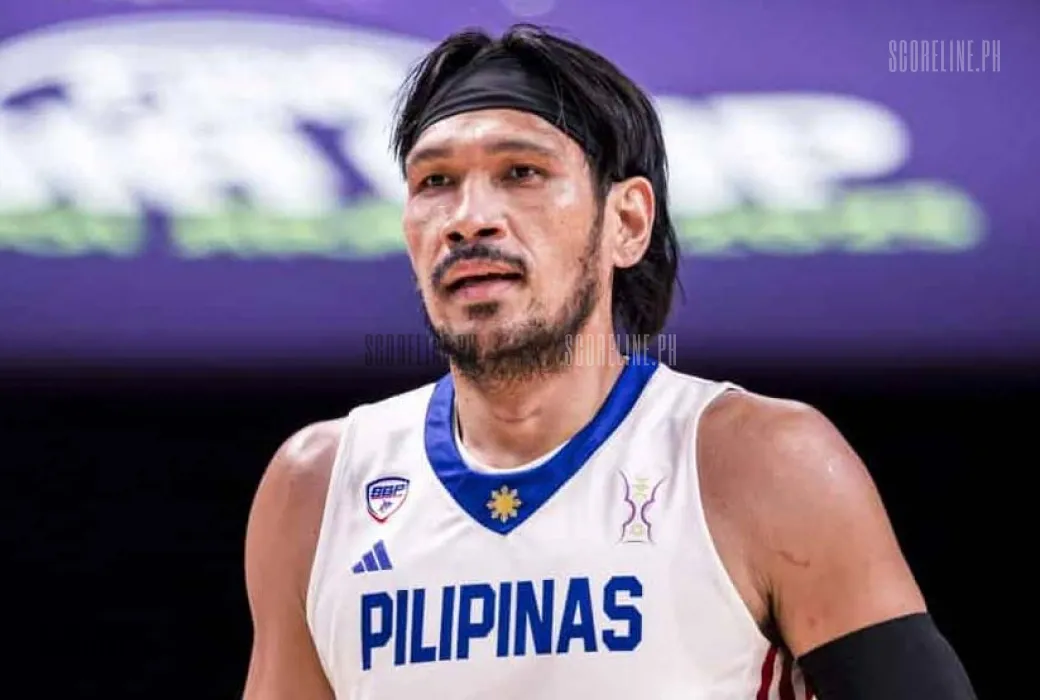
BROWNLEE'S STATUS UNCERTAIN. FAJARDO'S GILAS CHAPTER CLOSED. THE PRESSURE IS ON — AND BENNIE BOATWRIGHT COULD BE THE ANSWER.Philippine basketball is approaching another crucial crossroads, and Gilas Pilipinas may soon have a new weapon capable of transforming its international campaign.With veteran naturalized star Justin Brownlee's availability still uncertain, the spotlight is shifting toward 6-foot-11 scoring powerhouse Bennie Boatwright, whose potential inclusion could provide the national team with the size, offensive versatility, and scoring punch it needs against Asia's strongest basketball programs.But there is one major obstacle.Boatwright's naturalization and eligibility requirements are still being processed, and time is running out before the November FIBA World Cup Asian Qualifiers.For Gilas head coach Tim Cone, the hope is that the Samahang Basketbol ng Pilipinas (SBP) can complete the necessary requirements before the national team's scheduled games in Malaysia on November 27 and 29."They are being worked on," Cone said when asked about Boatwright's documents.The statement offers hope, but no guarantee.And for a national team seeking consistency after its disappointing Asian Games campaign, uncertainty is becoming an increasingly familiar challenge.A 6-Foot-11 Offensive Weapon Gilas Cannot IgnoreBoatwright is not simply another big man who can occupy space inside the paint.The American forward-center brings an offensive skill set that could significantly expand Gilas' attacking options.At 6-foot-11, Boatwright combines size with perimeter shooting, mobility, and the ability to score from multiple areas of the court.Currently playing in China for the Fujian Sturgeons, he has the potential to give the Philippines a different offensive dimension.His ability to stretch the floor could create additional driving lanes for Filipino guards, while his scoring threat could force opposing defenses to adjust their coverage.Against physically imposing Asian teams, that versatility could prove valuable.Gilas doesn't just need another tall player. It needs a big man who can create mismatches, score under pressure, and make the entire offense more difficult to defend.Boatwright could potentially provide those qualities.However, his effectiveness would depend on how quickly he adapts to Cone's system, develops chemistry with the local players, and adjusts to international competition.Talent alone will not guarantee success.The Brownlee Question: Why Gilas Needs Another OptionFor years, Justin Brownlee has been one of the most important figures in Philippine basketball's international campaigns.His leadership, clutch scoring, and familiarity with Cone's system have made him a trusted offensive centerpiece.But with his availability uncertain, Gilas cannot afford to build its entire preparation around a single naturalized player.The lesson is simple: A serious national team must have alternatives before a crisis happens — not after.Boatwright's potential addition should not automatically be viewed as replacing Brownlee.Instead, it could give the coaching staff greater flexibility when selecting the team's naturalized reinforcement.Under FIBA's standard eligibility rules, a national team may generally field only one player classified as naturalized on its game roster.That means Brownlee and Boatwright would not ordinarily be able to play together if both are classified as naturalized players.But having both eligible and available would allow Gilas to make strategic decisions based on player health, opponent matchups, and tournament requirements.The urgency surrounding Boatwright's possible arrival comes after Gilas finished ninth at the 2026 Asian Games in Japan, falling short of defending its historic gold medal.The disappointing campaign raised serious questions about player availability, roster preparation, and the national team's long-term direction.Cone previously revealed that several overseas-based Filipino stars were unable to join the Asian Games squad because their professional clubs did not release them.Among the notable absentees were Kai Sotto, Dwight Ramos, AJ Edu, Kevin Quiambao, and Carl Tamayo.Their absence exposed an uncomfortable reality.The Philippines may have the talent to assemble a formidable national team, but talent means little when the best players cannot be brought together at the right time.Boatwright's situation represents another test of that problem.If his documentation is not completed in time, Gilas could once again find itself preparing for major international competition without an important potential reinforcement.That is why the SBP must treat naturalization, player eligibility, overseas club coordination, and long-term roster planning as essential parts of national team development.Gilas Has Already Proven It Can Fight Without a Naturalized StarDespite the criticism surrounding its recent international performances, Gilas has shown that an all-local lineup can compete.Victories over Jordan and Iran in the Asian Qualifiers demonstrated the team's resilience and ability to execute under pressure.Those results should not be overlooked.They showed that Filipino players possess the talent and determination to challenge quality international opposition.But competing consistently against Asia's elite requires more than occasional impressive victories.It demands offensive balance, defensive discipline, rebounding, reliable shooting, and roster continuity.A naturalized reinforcement can help address specific weaknesses, but cannot solve every structural problem.Boatwright could strengthen Gilas. He cannot single-handedly fix Philippine basketball.The responsibility remains with the coaching staff and basketball leadership to establish a sustainable system capable of producing results regardless of which naturalized player is available.Another major challenge facing Gilas is the departure of June Mar Fajardo from international competition.The nine-time PBA MVP has confirmed that his national team career is over, closing an important chapter for Philippine basketball.His retirement leaves Gilas without one of its most experienced interior players.While younger talents such as Kai Sotto and AJ Edu represent the future of the national team's frontline, their availability and continued development remain important factors.Boatwright could provide additional size and offensive versatility during this transition.But the Philippines must avoid treating naturalization as a substitute for developing its homegrown big men.The long-term objective should be to develop a frontcourt capable of competing internationally for years, not merely finding short-term solutions before every qualifying window.The upcoming FIBA World Cup Asian Qualifiers in Malaysia will provide another opportunity for Gilas to demonstrate progress.But the immediate question remains unanswered.Will Boatwright's documents and eligibility be completed in time?And if they are, will he have sufficient preparation to contribute effectively to Cone's system?These are significant questions with no guaranteed answers.Even if his naturalization is completed, international eligibility requirements and tournament registration procedures must still be satisfied.The SBP cannot afford to confuse optimism with readiness. For a national team seeking to regain momentum, every available training session and every roster decision matters.Boatwright's potential arrival is exciting, but the conversation should not stop with his scoring ability or physical attributes.The Philippines needs a deeper and more reliable national basketball program.That means stronger coordination with overseas clubs, better long-term player development, early roster planning, and greater flexibility in preparing for international tournaments.Brownlee has already demonstrated the value of having a dependable naturalized player who understands the national team's system.Boatwright could offer a different set of strengths.Together, as alternative naturalized options, they could give Cone greater flexibility.But neither player should be expected to carry the entire burden of Philippine basketball's international ambitions.Boatwright may be an important piece of that system.He could provide the offensive firepower, size, and versatility Gilas needs against bigger and more physical opponents.But the real victory would be establishing a national team program that is prepared long before the opening tip.The Next Chapter Begins With PreparationFor Bennie Boatwright, the opportunity to represent the Philippines could become a defining moment in his basketball career.For Tim Cone, it could provide another valuable offensive option.And for Filipino basketball fans, it offers renewed hope that Gilas can strengthen its roster and compete more consistently on the international stage.But the countdown has already begun.The paperwork must be completed.The eligibility requirements must be satisfied.And the national team must be ready to compete, with or without its preferred reinforcement.THE PHILIPPINES HAS THE PASSION. IT HAS THE TALENT. IT HAS THE POTENTIAL.NOW IT NEEDS THE PREPARATION, DEPTH, AND ORGANIZATION TO TURN THAT POTENTIAL INTO RESULTS.BENNIE BOATWRIGHT COULD BE THE NEW WEAPON. BUT A STRONGER GILAS SYSTEM MUST BE THE REAL GAME-CHANGER. 
10
Learn more
June Mar Fajardo

June Mar Fajardo confirmed that his retirement from Gilas Pilipinas is Final

🇵🇭🏀💔 END OF AN ERA! JUNE MAR FAJARDO CLOSES THE DOOR ON GILAS PILIPINAS COMEBACK! “OK na ako sa national team.” — June Mar FajardoTHE KRAKEN HAS SPOKEN. HIS NATIONAL TEAM JOURNEY IS OVER! 🏆🇵🇭Nine-time PBA MVP JUNE MAR FAJARDO has confirmed that his retirement from Gilas Pilipinas is FINAL, ending an unforgettable chapter in Philippine basketball.The 36-year-old basketball legend revealed that his final appearance for Gilas came against Iran during the FIBA World Cup qualifying window.Fajardo also made it clear that even if he had been invited to join the 2026 Asian Games squad, he would have declined.His decision comes as Gilas faces serious questions following its disappointing ninth-place finish at the Asian Games in Japan.For years, the Kraken battled Asia's toughest big men, sacrificed his body, and proudly carried the Philippine flag in international competition.He gave his strength, experience, and commitment to the national team.The next generation of Filipino big men must step up.Players like Kai Sotto, AJ Edu, and other emerging talents represent the future of the national team's frontline.But developing that future requires more than simply naming replacements.It demands proper preparation, player availability, long-term planning, and a system that allows younger players to grow into leadership roles.June Mar's national team chapter may be over, but his contributions to Philippine basketball will remain part of its history.For every battle under the basket.For every sacrifice wearing the national colors.For every moment you gave Filipino basketball fans something to cheer about.ONCE A GILAS WARRIOR. FOREVER THE KRAKEN. FOREVER A PHILIPPINE BASKETBALL LEGEND! 
6
Learn more
Alyssa Solomon

Alyssa Solomon Takes Another Bold Step in Her International Volleyball Journey

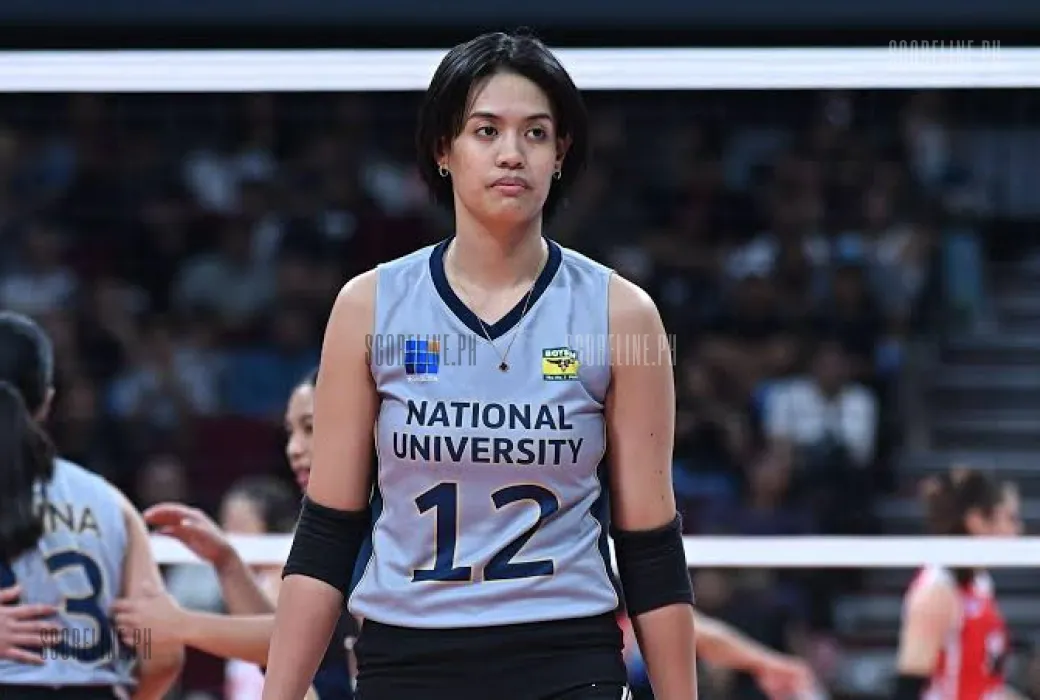
FILIPINA POWER GOES GLOBAL!The journey continues for one of Philippine volleyball's most promising stars as Alyssa Solomon takes her talents to Thailand, joining powerhouse club Nakhon Ratchasima 3M Films VC for the upcoming Thailand League season.At just 24 years old, the former National University standout is proving that her volleyball ambitions extend far beyond the Philippine volleyball scene.After experiencing the demanding competition of Japan's volleyball league with Osaka Marvelous and representing Alas Pilipinas at the Asian Games, Solomon is preparing for another challenge in her growing international career.From the UAAP to Japan, and now Thailand, Solomon is building her career one international opportunity at a time.While many Filipino volleyball fans were hoping to see Solomon bring her powerful attacks to the Premier Volleyball League (PVL), the towering opposite spiker has chosen to continue competing overseas.Instead of entering the PVL Draft, Solomon opted to pursue international opportunities, a decision that reflects her determination to challenge herself against different playing styles and higher levels of competition.Her move to Nakhon Ratchasima offers another opportunity to sharpen her offensive skills, improve her consistency, and gain valuable experience against established international players.For a young athlete with national team aspirations, those opportunities could prove important.Solomon isn't simply looking for another team to play for. She's investing in her development as a world-class volleyball player.Solomon's arrival at Nakhon Ratchasima adds another chapter to the growing connection between Philippine volleyball and the Thai club.She becomes the fourth Filipino player to suit up for the team, following:Mylene Paat — Former Alas Pilipinas standout known for her powerful attacking game.Dindin Santiago-Manabat — Veteran opposite hitter with extensive international experience.Ced Domingo — Middle blocker who brought her talent and defensive presence to Thailand.Now, Solomon has the opportunity to build on that Filipino legacy.Her combination of height, attacking power, and international exposure could make her an important addition to Nakhon Ratchasima's roster.But succeeding in Thailand will require more than physical ability.She will need to adapt to a new system, establish chemistry with her teammates, and demonstrate consistency against competitive opposition.The challenge is significant, but so is the opportunity.Solomon's decision also highlights an important development in Philippine volleyball: more Filipino players are seeking opportunities beyond the domestic league.For years, the PVL has served as a major platform for showcasing the country's top volleyball talents.But international exposure offers a different set of challenges.Competing overseas exposes athletes to unfamiliar systems, varying tactical approaches, and the pressure of adjusting to new teammates and coaching philosophies.Those experiences can help players develop greater versatility and confidence.And when those athletes return to represent the Philippines, their international experience can potentially strengthen the national team.For Alas Pilipinas, having players who regularly compete in different international leagues could become a valuable advantage.Solomon's stint in Japan provided an opportunity to experience a highly structured volleyball environment.Her upcoming campaign in Thailand offers another chance to grow, particularly in a region where volleyball competition continues to attract considerable attention.Solomon's career decision raises an important question about the future of Philippine volleyball development.Should the country's brightest young players prioritize domestic competition, or should they be encouraged to test themselves overseas?The answer does not have to be one or the other.The PVL remains important to the growth of Philippine volleyball, providing professional opportunities, exposure, and a strong domestic fan base.But international opportunities should also be supported.Philippine volleyball cannot measure its progress solely by the popularity of its domestic league. It must also develop athletes capable of competing consistently beyond the country's borders.Solomon's decision represents an opportunity to demonstrate what Filipino talent can accomplish when given access to different competitive environments.Of course, playing abroad does not automatically guarantee improvement.Success will depend on meaningful playing time, quality coaching, physical conditioning, and the ability to translate experience into better performances.But the willingness to embrace those challenges is an important part of an athlete's development.Solomon's rise began with her impressive performances for National University, where she established herself as one of the most dangerous young attackers in collegiate volleyball.Her combination of offensive power and competitive determination made her a standout in the UAAP.Now, the challenges are bigger.The opponents are more experienced.And the expectations are higher.But Solomon is no longer simply a promising collegiate star.She is an international professional athlete seeking to establish herself beyond the Philippine volleyball circuit.At 24, she still has considerable room to develop her skills and expand her career.Her journey from NU to Japan and Thailand illustrates the possibilities available to Filipino volleyball players willing to pursue opportunities outside their comfort zones.The upcoming Thailand League season will provide another important test of Solomon's growth.Can she become a reliable offensive weapon for Nakhon Ratchasima?Can she adapt quickly to the team's system?And can her international experience help her become an even more valuable player for Alas Pilipinas?Those questions will be answered on the court.For now, one thing is clear.Alyssa Solomon is choosing development over familiarity, international exposure over comfort, and long-term growth over the easier path of staying close to home.Her move should not be viewed as a rejection of Philippine volleyball, but as another opportunity for Filipino talent to gain recognition abroad.For Alyssa Solomon, the journey is far from finished.And for Philippine volleyball, her continued international career represents another opportunity to show that Filipino players can compete beyond their home courts.FROM THE PHILIPPINES TO THE WORLD — ALYSSA SOLOMON IS JUST GETTING STARTED! 
12
Learn more
Coach Tim Cone

Gilas Pilipinas Asian Games Gold Defense Crippled by Missing Stars - Tim Cone

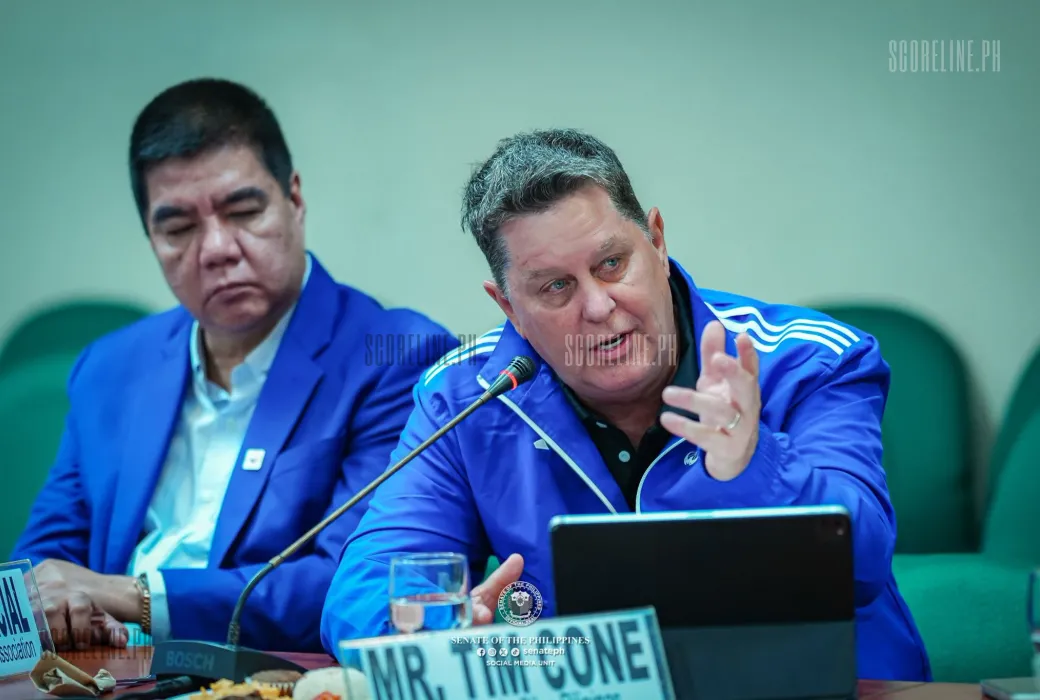
 TIM CONE SPEAKS OUT! GILAS' ASIAN GAMES GOLD DEFENSE CRIPPLED BY MISSING STARS.HOW CAN GILAS DEFEND ITS GOLD MEDAL WHEN SOME OF ITS BEST PLAYERS CAN'T EVEN SUIT UP?Gilas Pilipinas head coach TIM CONE revealed during the October 8 Senate Committee Hearing on Sports that the national team had hoped to assemble its strongest possible lineup to defend its historic Asian Games basketball gold.But those plans hit a major snag when overseas club commitments kept several Filipino stars from joining the squad!🚨 THE MISSING FIREPOWER:🏀 Kai Sotto🏀 Dwight Ramos🏀 AJ Edu🏀 Kevin Quiambao🏀 Carl TamayoAccording to Cone, Japanese and South Korean clubs did not release the players despite their willingness to represent the Philippines.And here's the frustrating part!THE ASIAN GAMES ARE NOT UNDER FIBA'S MANDATORY PLAYER-RELEASE RULES!That means overseas clubs are not automatically required to release their Filipino players for the tournament.Cone also questioned why Japanese and Korean national teams could field their players while Filipino imports competing in those leagues couldn't join Gilas.The result?GILAS FINISHED 9TH OUT OF 12 TEAMS, falling short in its bid to defend the Asian Games gold medal.OUR TAKE: YOU CANNOT EXPECT A NATIONAL TEAM TO COMPETE AT ITS HIGHEST LEVEL WITHOUT A RELIABLE SYSTEM FOR PLAYER AVAILABILITY!This is not simply about blaming overseas clubs.Those clubs have contracts, schedules, and professional obligations to consider.But Philippine basketball officials must also recognize that international success requires planning, coordination, and negotiations long before major tournaments begin.THE SOLUTION ISN'T JUST FINDING BETTER PLAYERS — IT'S MAKING SURE OUR BEST PLAYERS CAN ACTUALLY REPRESENT THE COUNTRY!The Samahang Basketbol ng Pilipinas, overseas clubs, and other basketball stakeholders need stronger agreements and better scheduling coordination.Because when the Asian Games arrive, Gilas should be preparing to beat Asia's best — not scrambling to complete its roster!And let's be clear:A GOLD MEDAL CANNOT BE DEFENDED BY TALENT ALONE. IT REQUIRES PREPARATION, COMMITMENT, AND COOPERATION!
10
Learn more
Eya Laure

Eya Laure Powers Choco Mucho, Sends Championship Warning to PVL Rivals

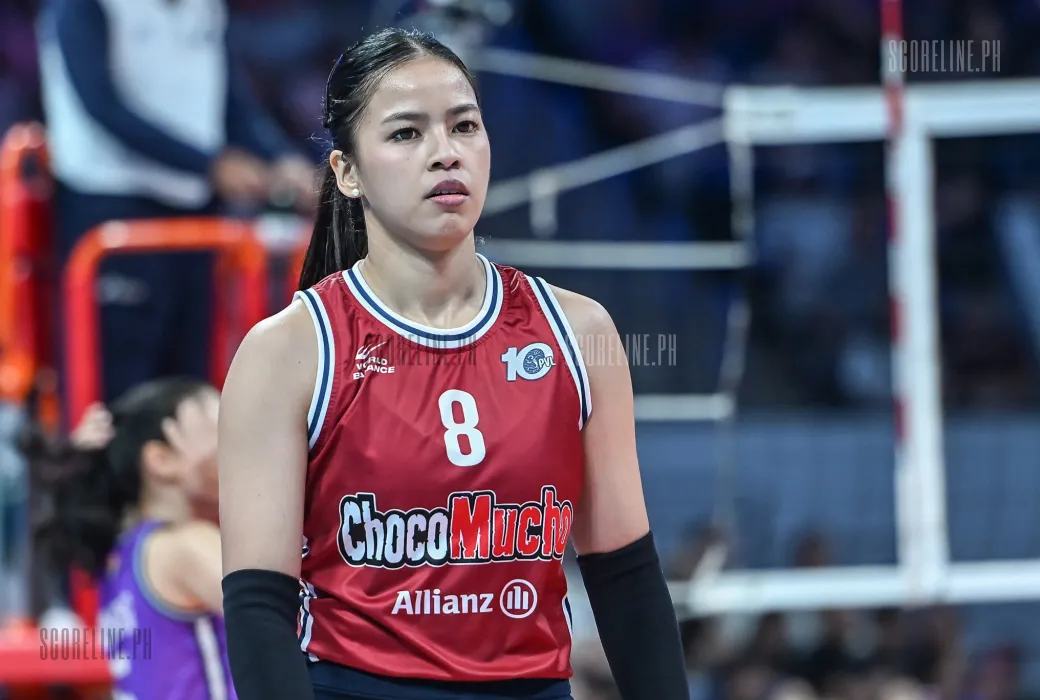
 22 POINTS. 11 DIGS. 15 RECEPTIONS. ONE MVP. ONE MASSIVE STATEMENT.For years, the Choco Mucho Flying Titans have been a team overflowing with talent, passion, and championship potential. Yet somehow, the biggest prize has continued to slip through their fingers.Injuries. National team commitments. Exhaustion. Inconsistent lineups.There always seemed to be something standing between the Flying Titans and the championship breakthrough their passionate supporters have been waiting for.But this time, something feels different.With a healthy and complete roster operating under head coach Dante Alinsunurin's system, Choco Mucho is beginning to show what happens when talent, discipline, chemistry, and determination finally come together.And at the center of this transformation stands one player.Eya Laure: The New Face of Choco Mucho's Championship AmbitionsIf there were still questions about what Eya Laure could bring to the Flying Titans, her latest performance delivered a powerful answer.The former UST superstar and Alas Pilipinas standout erupted for 22 points, 11 excellent digs, and 15 excellent receptions, producing an outstanding all-around performance that earned her the first-ever Siklab Series Most Valuable Player award.But statistics alone cannot fully capture her impact.When the pressure intensified in the fourth and fifth sets, Laure refused to disappear.She attacked with confidence, defended with determination, and delivered the kind of leadership that championship-caliber teams desperately need.This wasn't simply a scoring performance. It was a statement of responsibility.Laure showed that she is capable of carrying the offensive burden while remaining committed to the defensive responsibilities that make a complete volleyball player.Her experience with Alas Pilipinas is becoming increasingly evident in her decision-making, composure, and willingness to embrace the biggest moments.And that should concern the rest of the PVL. Because a confident Eya Laure is dangerous.A confident Eya Laure surrounded by a healthy Choco Mucho roster is an entirely different problem.Coach Dante's System Is Finally Taking ShapeFor head coach Dante Alinsunurin, the victory offered a glimpse of what his system can produce when the team executes collectively.Choco Mucho's imposing net defense delivered 12 blocks, disrupting its opponent's offensive rhythm and creating crucial opportunities during the most demanding stretches of the match.The Flying Titans didn't simply rely on offensive firepower. They showed patience, defensive discipline, and the ability to make adjustments when momentum threatened to shift.Dawn Catindig's outstanding floor defense provided stability, allowing the team to extend rallies and turn difficult defensive situations into attacking opportunities.That kind of balance is essential for a team with championship ambitions.Power can win rallies. Defense and composure can win championships.And for perhaps the most encouraging part of Choco Mucho's performance, the Flying Titans demonstrated that they no longer need everything to go perfectly to remain competitive.They can absorb pressure.They can recover from mistakes.And most importantly, they can fight back.Rondina, Madayag and Laure: A Dangerous CombinationWhile Laure deservedly commanded the spotlight, Choco Mucho's supporting cast provided another reason for optimism.Sisi Rondina-Rosales, coming off the bench, delivered 12 points and brought her trademark energy and explosiveness to the court.Maddie Madayag contributed 11 points, adding another reliable offensive option and strengthening the team's presence at the net.Together, they represent the kind of depth that could make Choco Mucho difficult to contain.Opponents cannot afford to concentrate solely on Laure when Rondina can explode offensively and Madayag can punish defensive lapses.Add the defensive stability provided by Catindig, and the Flying Titans suddenly possess a more balanced combination of attacking options, floor coverage, and net protection.The chemistry is still developing, but the possibilities are becoming increasingly clear.This is no longer a team that needs one superstar to do everything. This is a team learning how to win together.Here is where the conversation surrounding Choco Mucho must change.For too long, the Flying Titans have been judged by their potential rather than their accomplishments.They have assembled talented rosters, generated enormous fan support, and produced memorable performances.But championship expectations demand more than exciting volleyball. They demand consistency. They demand accountability.They demand the ability to execute when the stakes are highest.And now that Choco Mucho has shown what a complete roster can accomplish, the standard must be higher.Injuries and scheduling difficulties are legitimate challenges, but championship teams eventually have to overcome adversity rather than be defined by it.This victory suggests that the Flying Titans are developing the mental toughness to do exactly that.Their response to a difficult start was particularly impressive.Instead of allowing frustration to dictate the outcome, they trusted their system, strengthened their defense, and relied on their leaders.That is the mentality championship contenders must possess. One outstanding performance does not guarantee a championship.The PVL is filled with talented teams capable of exposing weaknesses, forcing adjustments, and turning promising campaigns into disappointing endings.Choco Mucho still has work to do. Its players must remain healthy, sustain their defensive intensity, improve consistency, and continue developing the chemistry needed for the biggest matches.But there is no denying the significance of what the Flying Titans have shown.Eya Laure is emerging as a leader capable of influencing games in multiple ways.Rondina and Madayag provide additional firepower.Catindig gives the team defensive stability.And Alinsunurin is beginning to see his system translate into results.The talent is there. The experience is there. The depth is there.And perhaps most importantly, the fighting spirit is there.The question is whether the Flying Titans can sustain that level when the championship is actually on the line.Because in professional volleyball, potential creates excitement. For Eya Laure and Choco Mucho, the next chapter promises to be fascinating. 
8
Learn more
Batang Pinoy Logo

Bacolod Ready to Welcome Future Champions as 200+ LGUs Join Batang Pinoy 2026

“Bacolod City is ready... the City of Smiles is ready to shine!” declared Mayor Greg Gasataya as preparations intensify for one of the country's biggest youth sporting competitions.The City of Smiles is preparing to become the center of Philippine grassroots sports as more than 200 local government units gear up for the 2026 Batang Pinoy National Championships, with the grand opening set for December 12.Thousands of promising young athletes from cities and municipalities across the country are expected to compete for medals, pride, and the opportunity to showcase their talents on the national stage.The Bacolod City government is working closely with the Philippine Sports Commission (PSC) to ensure the successful staging of the national championships.Preparations include finalizing athlete accommodations, transportation arrangements, competition equipment, venues, and event programs to provide participating delegations with a safe and organized sporting experience.With more than 200 LGUs confirming participation, the competition is expected to bring together some of the country's most promising young athletes.Adding excitement to the opening festivities, the December 12 celebration will coincide with the Parade of Stars, bringing Metro Manila Film Festival entertainment to Bacolod.The combination of sports and entertainment is expected to create a festive atmosphere for athletes, officials, residents, and visitors.Beyond the competition, Batang Pinoy serves as an important platform for identifying and developing young sporting talents who could eventually represent the Philippines in international competitions.For many participants, the national championships could become their first major step toward competing in the Southeast Asian Games, Asian Games, and even the Olympics.More than winning medals, Batang Pinoy is about discovering potential, developing discipline, and inspiring young Filipinos to pursue sporting excellence.As the countdown begins, Bacolod City is preparing to welcome the country's rising stars and celebrate the future of Philippine sports.ONE NATION. OVER 200 LGUs. THOUSANDS OF YOUNG DREAMS. ONE BIG STAGE!BATANG PINOY 2026 — THE ROAD TO GREATNESS BEGINS IN BACOLOD! 
23
Learn more
EJ Obiena

Winning Medals is not enough - EJ Obiena

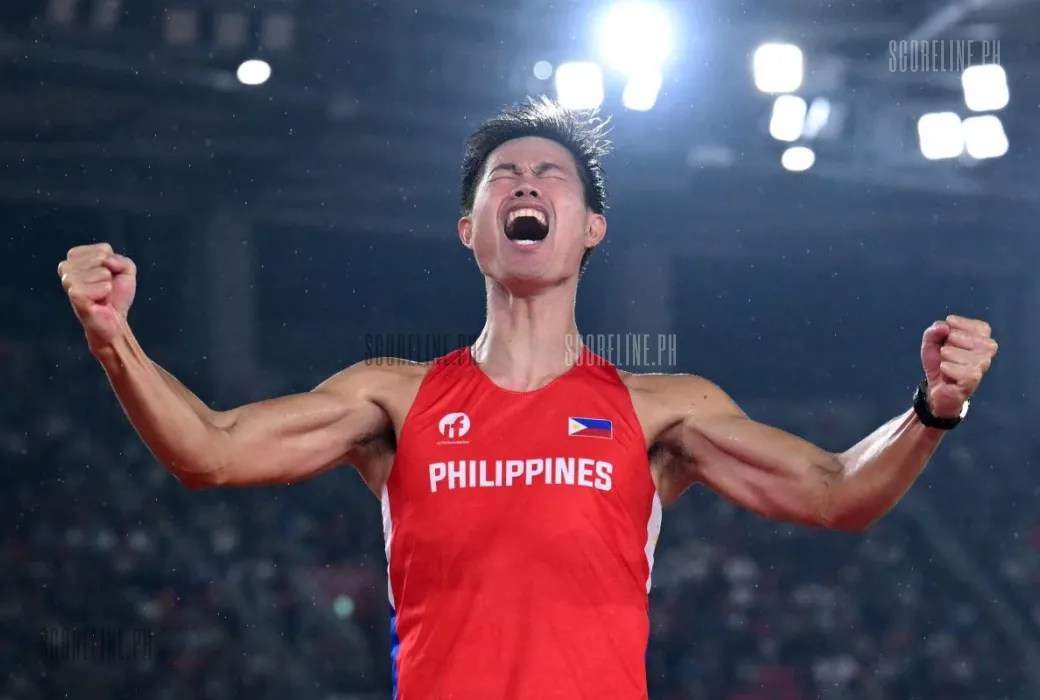
From EJ Obiena’s record-breaking 5.91m pole vault gold to Carlos Yulo’s double-gold brilliance and Alex Eala’s historic tennis achievements, Filipino athletes continue to prove that WORLD-CLASS TALENT runs through our veins! 💪🇵🇭But for EJ Obiena, WINNING MEDALS IS NOT ENOUGH!“We’re not lacking raw skill. We just need the knowledge, coaching, and accessibility.” — EJ ObienaHis message is powerful: INVEST IN GRASSROOTS SPORTS NOW! Give young Filipino athletes better training, world-class coaching, proper facilities, and real opportunities to chase their dreams.Because somewhere in the Philippines, the next Hidilyn Diaz, Carlos Yulo, EJ Obiena, or Alex Eala is waiting for a chance to shine! The unbeaten record. The Filipino fighting spirit. The dream of becoming a world champion.
9

Learn more
Carl Jammes Martin

Carl Jammes Martin Faces Mexican Powerhouse Alan Picasso in Career-Defining Riyadh Showdown

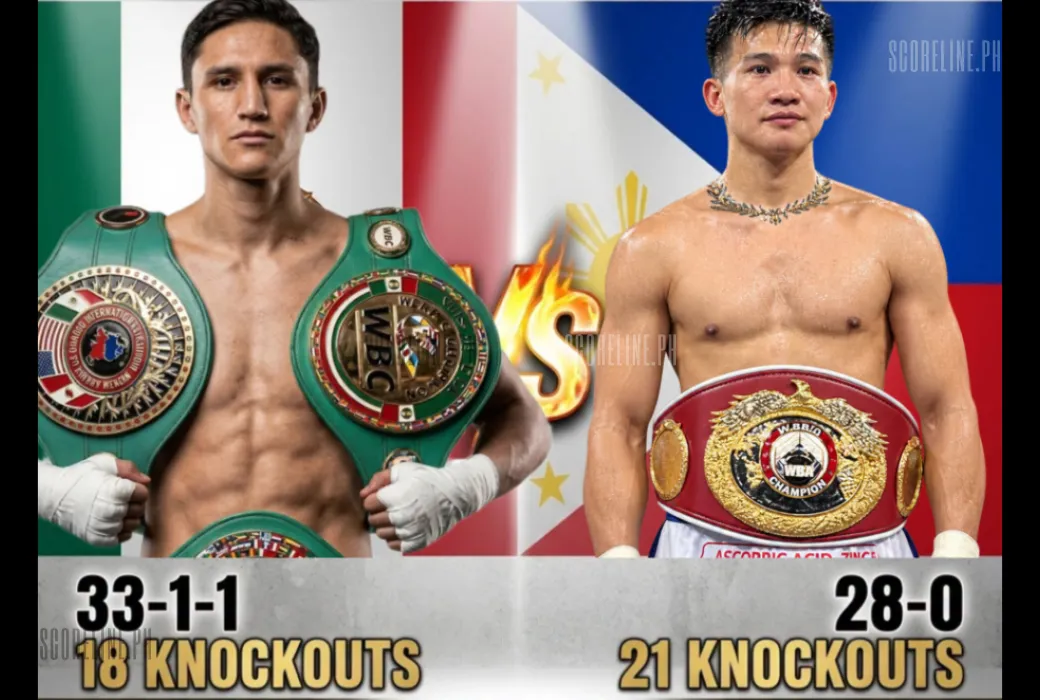
The unbeaten record. The Filipino fighting spirit. The dream of becoming a world champion.Everything Carl Jammes “Wonderboy” Martin has worked for could face its biggest test on October 31, 2026, when the undefeated Filipino boxing sensation steps into the ring against Mexican powerhouse Alan David Picasso in one of the most intriguing matchups of the highly anticipated “Mexico vs. The World” boxing event.Set to take place on the undercard of the Canelo Alvarez vs. Christian Mbili showdown in Riyadh, the fight represents more than another entry in Martin's professional record.It could be the night that turns a promising Filipino contender into a legitimate world-championship threat.At 27, Martin enters the biggest fight of his career carrying an impressive 28-0 record with 21 knockouts.Known for his punching power, aggressive combinations, and determined fighting style, the pride of Ifugao has steadily built his reputation as one of the Philippines' most promising boxing talents.But this time, the challenge is different.Standing across the ring will be Mexico's Alan David Picasso, a former world title challenger with a formidable 33-1-1 record and 18 knockouts.Picasso brings experience, technical ability, and the kind of high-level opposition that could push Martin into unfamiliar territory.For Wonderboy, this is no ordinary assignment.This is the kind of fight that separates undefeated prospects from genuine world-class contenders.From Manny Pacquiao's legendary battles against Mexican champions to the rise of a new generation of Filipino fighters, encounters between the two boxing nations have consistently produced memorable contests.Now, Martin has an opportunity to write his own chapter. The Filipino enters with the advantage in knockout percentage, having stopped 21 of his 28 opponents. Picasso, meanwhile, possesses a deeper professional résumé in terms of total bouts.Martin's power could become a decisive weapon, but Picasso's experience could test his patience, defense, and ability to adjust under pressure.The contest may ultimately come down to who controls the distance, dictates the tempo, and executes his game plan when the pressure intensifies.Organizers are reportedly considering super bantamweight at 122 pounds, featherweight at 126 pounds, or an agreed catchweight.That decision could influence both fighters' preparation, conditioning, and fight-night strategy.A convincing victory over Picasso would significantly strengthen Martin's credentials and potentially move him closer to a major world title opportunity.A defeat, however, would force the Filipino to rebuild momentum after years of maintaining an unbeaten record.This is the risk every ambitious fighter must eventually take: stepping beyond comfortable opposition and proving he belongs among the elite.For years, Martin has carried the hopes of boxing fans from Ifugao and the Cordillera region.His rise has been built on discipline, sacrifice, and the determination to compete against increasingly dangerous opponents.Now comes the opportunity to showcase those qualities before a global audience.The spotlight will be brighter. The opponent will be tougher. The expectations will be higher.But the opportunity is equally significant.Martin does not need another routine victory to build his reputation. He needs the kind of performance that makes the boxing world take notice.And against Picasso, he has exactly that opportunity.October 31: No More Easy QuestionsThe unbeaten record has brought Carl Jammes Martin this far. But records alone do not make world champions.The greatest fighters eventually reach a moment when their ability, preparation, courage, and composure are tested against an opponent capable of changing everything.For Martin, that moment could arrive in Riyadh.A victory would not automatically guarantee a world championship fight, but it could become the defining breakthrough of his professional career.
8
Learn more
Premier Volleyball League

PVL's 10th Season Ushers in New Era in Cebu City

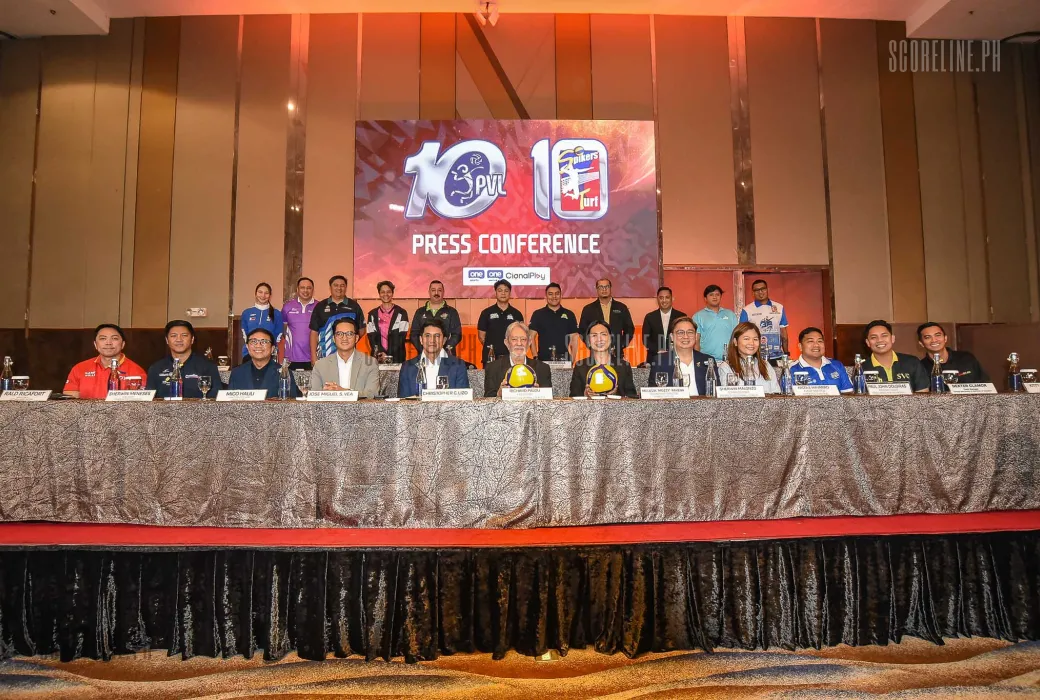
The wait is almost over, and Philippine volleyball is preparing for what could be one of the most competitive chapters in Premier Volleyball League (PVL) history.As the league celebrates its milestone 10th season on October 10 at the SM Seaside Cebu Arena, the spotlight will not only be on established powerhouses that are determined to shake up the championship race.For years, Philippine volleyball has been dominated by familiar names, passionate rivalries, and powerhouse franchises. But this season promises a different storyline as aggressive roster rebuilding and rising competition threaten to reshape the league's hierarchy.A New Power Struggle in Philippine VolleyballBeyond the opening-day matches, the bigger storyline surrounding the PVL's milestone season is the possibility of a changing competitive landscape.That growing competition could make the championship race less predictable and give fans more meaningful rivalries throughout the season.Cebu Takes Center StageHosting the opening festivities in the province of Cebu also highlights the league's efforts to bring top-level professional volleyball closer to fans outside Metro Manila.The expected atmosphere at SM Seaside Cebu Arena provides an exciting setting for the start of a milestone campaign.For supporters, the occasion offers more than a celebration of the league's history. It is an opportunity to witness the next stage of Philippine professional volleyball, where established contenders face increasingly ambitious challengers.The Verdict: The Old Guard Has Been WarnedThe PVL's 10th season arrives with familiar favorites, new expectations, and a compelling question:Can the league's established giants maintain their dominance, or is Philippine volleyball finally ready for a new championship powerhouse?But championship aspirations are not fulfilled through offseason moves or impressive lineups.They are earned through victories, consistency, and the ability to deliver when everything is on the line.The names may be familiar. The rivalries may be established. But the balance of power could be about to change.The PVL's next chapter begins now.    
93
Learn more
Alex Eala

The True Cost of Patriotism: Alex Eala’s Silent Battle with the Rulebook

THE HIDDEN PRICE OF REPRESENTING YOUR COUNTRY!For Alex Eala, playing for the Philippines is more than a tournament commitment. It's a matter of national pride.But behind that decision lies a difficult reality of professional tennis: choosing national team duty can create conflicts with mandatory tour commitments, ranking opportunities, and potential financial penalties.According to an account attributed to sports officials, Eala herself initiated the decision to represent the country. No pressure. No obligation. Just a Filipino athlete wanting to compete for her flag. 🇵🇭AND THAT'S WHAT MAKES THIS ISSUE SO FRUSTRATING.Why should athletes have to choose between protecting their professional careers and representing their country?Why should answering the call of the national team potentially come at the expense of rankings, earnings, or tournament opportunities?PATRIOTISM SHOULD NEVER BE TREATED LIKE A PROFESSIONAL VIOLATION.Eala has worked hard to build her place in international tennis while continuing to represent the Philippines.Our athletes already sacrifice enough through training, travel, and competition. They shouldn't have to navigate unnecessary administrative obstacles simply to wear their national colors.This isn't just about Alex Eala. It's about every Filipino athlete trying to balance personal career ambitions with national pride.THE PHILIPPINE FLAG SHOULD BE A SOURCE OF HONOR—NOT A CAREER PENALTY.Sports organizations must work toward rules that recognize legitimate national team commitments without unfairly compromising athletes' professional opportunities.Because representing your country should be celebrated, not discouraged.
12
Learn more
Philippine Team

The Pinoy Athlete’s Curse: Why is Funding Always Lighter Than the Praise?

In Philippine sports, there is a recurring, deeply frustrating cycle that plays out like clockwork.An athlete leaves the country quietly, sometimes carrying nothing but borrowed gear, absolute grit, and an empty bank account. They endure sleepless nights, physical agony, and the crushing mental weight of wondering how they will pay for their next meal or training camp. Quite often, it is their parents who double their shifts, take out loans, or knock on the doors of private benefactors just to keep the dream alive.Then, the miracle happens. The athlete wins a medal. They shock the world.Suddenly, airport arrivals are flooded with marching bands. Politicians push each other out of the way to get into the photo-op frame. Congressional resolutions are drafted in record time, and social media is overwhelmed with high-ranking officials claiming the victory as a national triumph.It begs a glaring, uncomfortable question: Why is a government resolution or a congratulatory post always faster to produce than actual, baseline financial support?The Gold Medal IllusionOur sports system has a toxic habit of practicing retrospective patriotism. We only care about the athlete when they are already standing on the podium.When Carlos Yulo won historic double gold, or when our gymnasts and boxers made waves globally, the rewards rained down. Millions in cash incentives, houses, condos, and corporate endorsements. While those rewards are deeply deserved, they highlight a massive structural flaw: you have to prove you don't need the money anymore before anyone actually gives it to you.This is a backward approach to sports development. Ribbons, plaques, and courtesy calls at the palace do not buy high-protein meals. They do not fund plane tickets to Olympic qualifiers. They do not hire world-class coaches or physical therapists.By the time an athlete wins a medal, the hardest part of their journey—the part where they actually needed the government’s help—is already over.The Real Priority: Grassroots over Glory-ChasingIf we are to choose between celebrating champions or funding dreamers, the answer is absolute: continuous, institutionalized support for training must take absolute priority.A sports program that focuses entirely on recognizing winners is nothing more than a vanity project. It is parasitic, feeding off the organic sacrifices of private families while claiming the credit. Real sports development means investing heavily in the athlete before they are famous.• Praise is cheap; infrastructure is not. We need to stop relying on the narrative of the "impoverished but resilient Pinoy athlete." Resilience is a coping mechanism for a lack of funding, not a sports strategy.• The Pipeline Concept: For every superstar athlete who makes it to the world stage, hundreds of equally talented children drop out of sports simply because their parents cannot afford the grassroots training fees. Without consistent monthly allowances, proper nutrition, and state-of-the-art local facilities, we are actively suffocating our own potential.The Verdict: Support the Climb, Not Just the SummitIt is easy to clap when the national anthem plays. It costs absolutely nothing to type "Proud to be Pinoy" on Facebook. But true national pride is measured by the budget allocated to the Department of Education’s sports programs and the Philippine Sports Commission long before the Olympic flame is ever lit.If our leaders truly want to build an "army" of world-class athletes, they need to put down the cameras and pick up the funding sheets. The support must start at the starting line, not the finish line. Until we shift our budget from superficial rewards to structural training, we are not developing sports—we are just getting lucky.
28
Learn more
Aleah Finnegan

Beyond the Olympics: Aleah Finnegan is Building the Next Generation of Philippine Gymnastics

Olympic gymnast Aleah Finnegan is turning her international experience into a mission to develop young Filipino gymnasts and help establish the Philippines as a future powerhouse in the sport.For Philippine Olympic gymnast Aleah Finnegan, building a legacy goes beyond medals, international recognition, and competing on the world's biggest sporting stage.The Filipina-American gymnast is setting her sights on something bigger: helping develop the next generation of Filipino gymnasts who could one day represent the country at the Olympics and other major international competitions.Rather than focusing solely on her own accomplishments, Finnegan continues to return to the Philippines to share her knowledge, experience, and passion for gymnastics through training clinics and grassroots development initiatives.Finnegan long-term vision is ambitious — to create a strong and sustainable pipeline of Filipino gymnasts capable of competing against the world's best."We just have to keep on doing this, and soon we're gonna expand. That's how we can build an army of gymnasts," Finnegan said.Building an Army of Future ChampionsFinnegan's statement reflects her determination to help transform Philippine gymnastics into a program capable of producing world-class athletes consistently.By working directly with young gymnasts, she hopes to provide aspiring athletes with valuable exposure to international training standards, technical knowledge, and the competitive mindset required at the highest level.Her involvement also highlights the importance of established athletes giving back to the sport that helped shape their careers.For young Filipino gymnasts, learning from an Olympian offers more than technical instruction. It provides an opportunity to understand the discipline, dedication, and preparation necessary to succeed internationally.Inspired by Carlos Yulo's Historic Olympic TriumphPhilippine gymnastics reached unprecedented heights during the 2024 Paris Olympics, where Carlos Yulo made history by winning two gold medals in the men's floor exercise and vault events.His victories brought global attention to Philippine gymnastics and inspired a new generation of aspiring athletes.Finnegan, who also represented the Philippines at the Paris Olympics, is helping sustain that momentum by supporting the development of young talent.While Yulo demonstrated that Filipino gymnasts can reach the top of the Olympic podium, Finnegan's grassroots efforts highlight another essential part of sporting success: building a system that can nurture future champions.The challenge now is turning individual achievements into long-term progress.Grassroots Development Is the KeyProducing Olympic-level gymnasts requires more than natural talent.Young athletes need access to quality coaching, appropriate training facilities, competitive opportunities, financial assistance, and consistent developmental programs.This is where initiatives led by experienced athletes such as Finnegan can make a meaningful difference.By sharing lessons from her international career, Finnegan is helping bridge the gap between aspiring young gymnasts and the demands of elite competition.However, sustaining these efforts will also require continued support from sports organizations, local communities, and institutions involved in athlete development.A Legacy Bigger Than MedalsFinnegan's commitment to Philippine gymnastics sends a powerful message: an athlete's legacy can be measured not only by personal achievements but also by the opportunities created for others.Her dream of building an "army of gymnasts" represents a vision of a Philippines where world-class gymnastics talent is developed through consistent training, mentorship, and opportunity.With Yulo's historic Olympic success providing inspiration and Finnegan contributing to grassroots development, Philippine gymnastics has an opportunity to build on its growing international profile.The journey toward becoming a consistent global contender will take years of preparation, investment, and collaboration.But for Finnegan, the mission is already underway.Because the greatest legacy of a champion may not be the medals they win, but the future champions they help create.
16
Learn more
Senator Bong Go

The future of athlete's must never become collateral damage in sports politics

The flag belongs to the nation. The athletes carry it. Their future must never become collateral damage in sports politics.“Hindi dapat maapektuhan ang ating mga atleta ng sports politics.”Sen. Bong Go, chairperson of the Senate Committee on Sports, stressed a clear message during the post-evaluation of the Philippine delegation’s participation in the 20th Asian Games.Disagreements, governance issues, financial difficulties, and conflicts among sports organizations should never come at the expense of Filipino athletes.Our athletes train to win medals—not to get caught in boardroom battles and leadership disputes.They sacrifice years of their lives to represent the country. They deserve proper funding, quality preparation, stable leadership, and an environment where they can focus on competing—not worry about the politics surrounding their sport.Accountability matters. Good governance matters. But through it all, the welfare of athletes must remain the priority.Because when sports leaders clash, the consequences can reach far beyond the boardroom—and the athletes may be the ones left paying the price. 
12
Learn more
Justin Brownlee

Gilas Pilipinas did not just lose a star. It lost the heart of its championship identity.

Justin Brownlee’s absence from the Philippines’ disastrous 2026 Asian Games campaign was not simply a matter of injury or basketball availability. It was a health issue involving blood pressure and the heart, according to national team coach Tim Cone.Speaking at a Senate hearing Thursday, Cone revealed why the naturalized Filipino star has been unable to play for both Gilas Pilipinas and Barangay Ginebra in the PBA.“Because he’s had health concerns regarding blood pressure and heart issues. So he is not able to play at this point,” Cone said.The revelation puts Brownlee’s prolonged absence into a more serious perspective. This is not just about missing a tournament or a key player being unavailable for a crucial stretch. It is about an athlete dealing with a potentially serious health concern—and the need to put his well-being ahead of basketball.For a player who has carried the Philippines through some of its biggest recent triumphs, that reality deserves understanding, not pressure.THE ABSENCE THAT GILAS COULD NOT OVERCOMEBrownlee was instrumental in the Philippines’ historic gold medal run at the 2023 Asian Games in Hangzhou, helping end a 61-year wait for the country’s men’s basketball team to reclaim the continental crown.His value went beyond scoring. He provided experience, composure, versatility, and the kind of big-game presence that can steady a team when everything starts falling apart.In Aichi-Nagoya, Gilas had none of that from its naturalized star.The national team entered the competition with an all-PBA roster but failed to reach the knockout stage, settling for ninth place in one of its worst Asian Games campaigns in men's 5-on-5 basketball. Its preliminary-round schedule included a crushing 105-61 defeat to China.Brownlee had also missed the Philippines’ two home games in the fourth window of the FIBA World Cup Asian Qualifiers in August and remained unavailable for Ginebra throughout the PBA Governors’ Cup.His absence was a significant setback. But it would be too simplistic to blame the entire Asian Games collapse on one player’s unavailability.A championship team must have contingency plans. It must develop alternatives, establish a system that can survive personnel changes, and prepare for the possibility that even its best players will not always be available.Gilas struggled badly without Brownlee. That should prompt difficult questions about roster construction, preparation, and the team's ability to adapt—not criticism of a player whose health must come first.A WARNING FOR PHILIPPINE BASKETBALLBrownlee’s situation also highlights a broader truth: national team planning cannot depend indefinitely on one irreplaceable figure.His contributions have been enormous, but the Philippines needs a deeper pool of players capable of delivering under pressure. It needs a reliable structure that does not unravel when a key star is sidelined.That responsibility falls on the people building and managing the program.The Asian Games campaign exposed the consequences of entering a major tournament without a naturalized player of Brownlee’s caliber. The challenge now is to learn from that experience instead of treating his return as the only solution.And while fans understandably want to see him back on the court, the priority must remain clear.Heart-related health concerns are not something to rush through for a tournament, a club, or a national team. Brownlee's recovery and medical clearance must take precedence over the demands of competition.LET THE MAN HEALBrownlee has already given Philippine basketball unforgettable moments. He helped deliver an Asian Games gold medal and earned the trust of Filipino fans through his performances for Gilas and Ginebra.He does not owe anyone a premature return.The country can hope to see him play again, but that hope must come with patience. Until he is medically cleared, his absence should be understood for what it is: a health matter, not a failure of commitment.Gilas must now confront its own shortcomings and build a team capable of competing even when its biggest weapon is unavailable.Justin Brownlee needs to focus on his health. Gilas needs to focus on fixing its problems. Neither responsibility should be sacrificed for the other.The Philippines needs its basketball heroes—but first, it needs them healthy.
13
Learn more
Maria Sharapova and Alex Eala

Alex Eala’s obsession with perfection: The mindset behind the rise of a Filipino tennis star

She grew up admiring Maria Sharapova. Now, the tennis legend is watching her rise—and recognizing a familiar champion’s mentality.For Alex Eala, sitting across from Maria Sharapova was more than a podcast appearance. It was a full-circle moment for a young player who once looked up to the Russian superstar and dreamed of reaching the heights she had conquered.“This is a dream. This is a dream for me,” Eala told the five-time Grand Slam champion on Sharapova’s Pretty Tough podcast.Sharapova’s response made the moment even more special.“It’s very, very mutual,” she said. “I’ve been following you for several years now.”But beyond the mutual admiration, their conversation revealed something far more compelling than a fan meeting her idol: the mentality that separates a promising talent from a player determined to become great.Eala, now ranked world No. 18 in women's singles, has never hidden her hunger for improvement.“I have a crush on perfection, and I always want to chase it,” she said.It is an ambitious statement—and a dangerous obsession if perfection becomes the only acceptable outcome. Tennis is too unpredictable, too unforgiving, and too dependent on split-second decisions for anyone to play flawlessly every time.But Eala appears to understand that chasing perfection is not necessarily about achieving it. It is about demanding more from herself, even when the scoreboard offers reasons to celebrate.THE BEAUTY OF THE FIGHTEala's rise has been fueled by moments that have tested both her game and her resolve.A semifinal appearance at the 2025 Miami Open announced her ability to compete on a major stage. Her victory over defending champion Iga Swiatek at Wimbledon in July 2026 further demonstrated her potential to challenge the sport's elite. Then came her first WTA Tour singles title in Washington in August.Those achievements are milestones, not guarantees of future success.The real test is what happens after the breakthrough—when opponents study her weaknesses, expectations grow, and winning becomes harder because everyone knows what she can do.Eala knows that competing at the highest level means embracing the uncomfortable.“I love competing. I love fighting. I love winning,” she said.She also spoke about discovering her “capacity to suffer,” describing how exhaustion and nerves no longer have to be signals to retreat. Instead, they can become familiar challenges she is prepared to face.That is where the Sharapova comparison becomes especially interesting.Sharapova built her career on fierce competitiveness, mental toughness, and an unwillingness to surrender easily. She understands the demands of being labeled a prodigy—and the burden of having the world watch every step of a young athlete's development.“It is so impressive to see how you’ve handled and navigated everything,” Sharapova told Eala.It was praise from someone who knows firsthand that talent may open the door, but resilience is what helps a player survive inside.CARRYING THE PHILIPPINESFor Eala, the pressure extends beyond rankings, trophies, and personal ambition.Every major victory draws more Filipino fans to tennis. Every breakthrough raises hopes that the country may have a genuine contender on the sport's biggest stages.Eala recognizes the significance of that responsibility.“I understand the weight that the representation holds,” she said.Representing millions can be a powerful source of motivation. It can also become a heavy burden if every match is treated as a national referendum on success or failure.The challenge is to carry the flag without allowing its weight to overwhelm the player beneath it.Eala's journey is a reminder that Filipino athletes can inspire an entire nation while still being allowed to learn, struggle, lose, and grow. She does not have to win every match to make her country proud. She has to keep building the player capable of competing at the highest level.And that process will inevitably include setbacks.“Success can be fleeting. It’s never guaranteed,” Eala said.Perhaps that is the most important lesson in her conversation with Sharapova. A title can disappear into yesterday's headlines. A ranking can rise or fall. The applause can fade.What remains is the work—the willingness to return to training, confront weaknesses, accept criticism, and compete again when the next difficult moment arrives.THE DREAM IS BIGGER THAN THE MOMENTEala once watched Sharapova as the champion she hoped to emulate. Now, she has earned recognition from the very player who helped shape her competitive imagination.That is a remarkable full-circle moment. But it is not the finish line.The temptation is to frame Eala as the next Sharapova or to measure her future against another champion's legacy. The better question is whether she can continue building a career on her own terms, with her own identity and her own definition of greatness.Her pursuit of perfection may never end. It probably should not.Because the goal is not to become a flawless tennis player. It is to become a better one—again and again, even when the process hurts.Alex Eala has already shown the Philippines what she can achieve. Now, her greatest challenge is to keep believing in what she has yet to become.The dream that once placed her in awe of a tennis legend is now becoming her own story.
15
Learn more
Monico Puentevella

Philippine Olympic Committee should stay out of NSA affairs - Puentevella

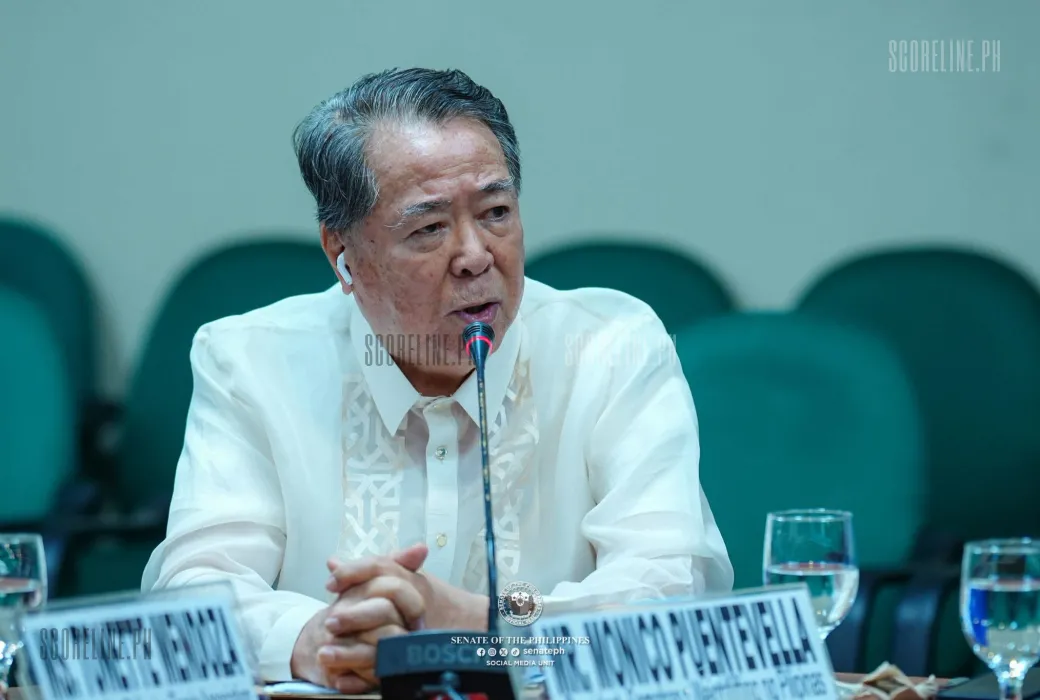
When sports leaders clash over power, one question must never get lost: Who is making sure the athletes win?The battle lines are being drawn in Philippine sports, and weightlifting president Monico Puentevella has delivered a pointed message to the Philippine Olympic Committee, especially to its president, Abraham Tolentino, to stop interfering in the affairs of National Sports Associations or NSA's.Speaking at a Senate sports hearing, Puentevella accused the POC of meddling in weightlifting and volleyball. He even linked alleged interference to the Philippines’ medal-less weightlifting campaign at the 2024 Paris Olympics, claiming that two potential medalists were affected.Those are serious allegations—and they deserve serious scrutiny.But beyond the accusations lies a bigger issue that Philippine sports can no longer afford to ignore: When sports leaders fight over authority, who ultimately pays the price?The athletes do.They are the ones who spend years training, sacrifice time with their families, endure injuries, and carry the country’s flag into international competition. They cannot afford to have their preparation and opportunities caught in the middle of leadership disputes.Another is the volleyball controversy, which adds another layer to the debate. Puentevella also pointed to concerns surrounding Alas Pilipinas, following complaints from players about support during the 2026 Asian Games. Meanwhile, POC president Abraham “Bambol” Tolentino defended the organization, emphasizing its commitment to athletes and its role in shouldering expenses when government funding was delayed.Both sides have made their positions clear. The next step should be to establish the facts, examine the decisions made, and determine whether the athletes received the support they needed.Philippine sports does not need another power struggle disguised as a fight for its future. It needs accountability, coordination, and leadership that puts athletes ahead of organizational pride.The Philippine Sports Commission, meanwhile, earned praise from Puentevella for its support of weightlifting. The weightlifting chief remains optimistic that the sport can deliver another Olympic medal at the 2028 Los Angeles Games.That optimism is welcome. But Olympic medals are not built on confidence alone. They require long-term planning, quality coaching, scientific support, proper funding, and a stable environment where athletes can focus on competing—not on the politics surrounding their sport.If the POC believes its interventions are necessary, it should be able to explain them transparently. If national sports associations believe their independence is being undermined, they should present evidence and pursue accountability through the proper channels.Neither side should be above scrutiny.The real measure of leadership is not who controls Philippine sports. It is whether Filipino athletes are given every fair opportunity to succeed.With LA 2028 approaching, the country cannot afford to waste time and resources on disputes that leave athletes wondering who is truly in their corner.The mission should be bigger than any president, federation, or committee.Less politics. More preparation. Less infighting. More medals. And always, athletes first.
7
Learn more

Top News

Kenji Moral

Kenji Moral’s Fast Break to Rising Star in PH's Youth Basketball

2,198
Mario Barasi Jr.

Mario Barasi Jr.: Rising Big Man ready for the PBA stage

835
Michael Martinez

Michael Martinez: The Filipino Athlete Who Funded His Own Olympic Dream

422
Masters Pinoy Pilipinas Basketball squad with team Mongolia.

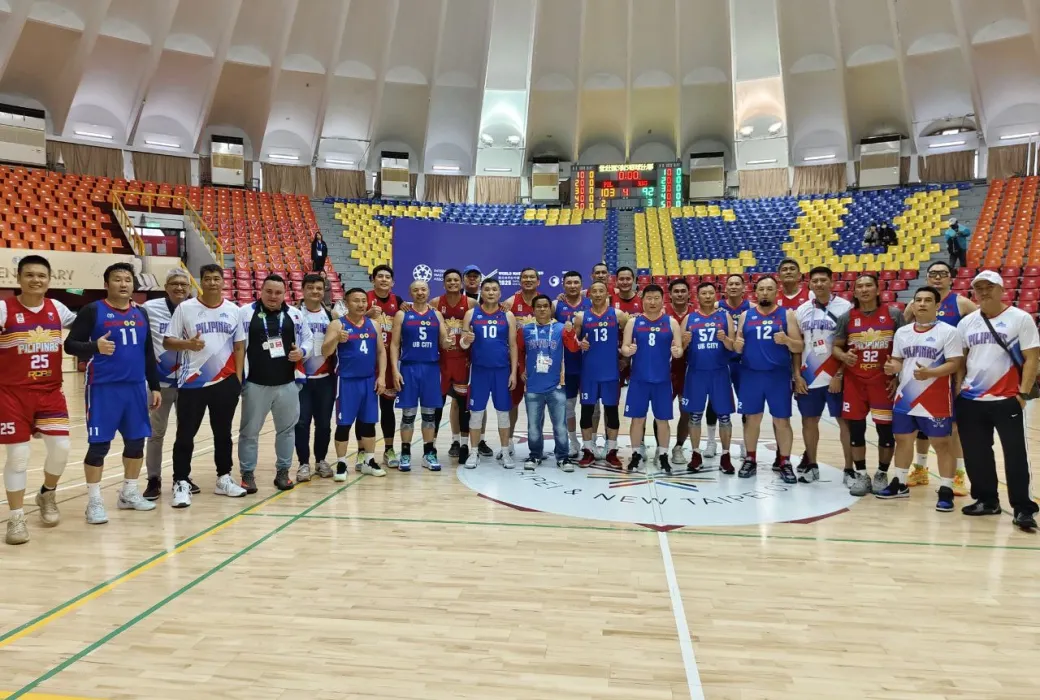
Masters Pinoy captures basketball gold at the World Masters Games

393
janine

Exclusive: Janine Nicandro, The Journey of a PBA Referee

380
Loren Brill

Loren Brill: Reigniting a basketball legacy born of champions

347
Guiness Nabung of Masters Pinoy Pilipinas Basketball team.

Guiness Nabung - Masters Pinoy Pilipinas Basketball Profile

311
Johann Chua & Carlo Biado

17 Filipino cue artists eye glory at World Pool Championship in Saudi Arabia

306
Isaiah Africano poses for Scoreline.ph during the PBA 50th Rookie Draft

Isaiah Africano joins Guam National Team for FIBA WCA Qualifiers

305
Efren Reyes

Player Profile Series: “The Magician” Efren “Bata” Reyes

301
Gilas Pilipinas

Gilas Pilipinas begins Asian Games title defense with a new-look squad

298
Andre Jamgerald Ugaddan

Andre Jamgerald Ugaddan – “Batang Mamaw” ng Reg. 4A

297
Kevin Quiambao

UAAP: UP fighting Maroons fall short to Green Archers, forced to Game 3

289
Paul Reguera

Paul Reguera - Masters Pinoy Pilipinas Basketball Profile

273
Dr. Obet Vital is the new Assistant Coach of the UP Fighting Maroons Women's Volleyball Team

Looking Ahead: Obet Vital's new era of growth and opportunity

268
Alvin "The Captain" Patrimonio - a player with a lion heart.

Player Profile Series: “The Captain” Alvin Patrimonio’s lion heart

249
Deanna Wong

Player Profile Series: Deanna Wong, The Court’s Quiet Leader

240
Ricky Ricafuente

Ricky Ricafuente - Masters Pinoy Pilipinas Basketball Profile

237
First ever PBA MVP William "Bogs" Adornado.

Player Profile: William "Bogs" Adornado - First PBA MVP

233
Oliver Agapito of Masters Pinoy Pilipinas Basketball team.

Oliver Agapito resharpens his basketball form with Masters Pinoy

226
Roger Yap of Masters Pinoy Pilipinas Basketball team.

Roger Yap - Masters Pinoy Pilipinas Basketball Profile

222
Aiza Maizo-Pontillas

Player Profile Series: The fierce journey of Aiza Maizo-Pontillas

217
Captain Nica Celis of the UP Fighting Maroons Women's Volleyball Team

Nica Celis aims to helm Fighting Maroons' escape from bottom spot

205
Alberto "Abet" Guidaben - PBA 50 Greatest Players (2000)

Player Profile Series: Abet Guidaben – PBA Legend, 2 Slams

201
Toshihiko Era

Japanese boxer scores a remarkable victory in Bangkok at age 50

196
Johann Chua

Player Profile Series: Johann Gonzales Chua - The "Bad Koi"

194
Cloanne Mondonedo

Player Profile Series: Clo Mondoñedo’s journey to setter glory

191
Alex Pagulayan

Player Profile Series: Billiards' "Lion Heart" Alex Pagulayan

187
Kamille Cal

Player Profile Series: Kamille Cal brings precision to Akari

185
Association of Boxing Alliances in the Philippines

13-strong boxers to lead PH Boxing Team in 2025 SEA Games

181
Sisi Rondina and Bernadeth Pons

Rondina, Pons claim first Challenge win at Beach Pro Tour Nuvali

177
Sisi Rondina

Player Profile Series: Sisi Rondina, Volleyball’s Cherry Bomb

176
"The Quick Brown Fox" - Ricardo Brown

Player Profile Series: Ricardo Brown – "The Quick Brown Fox"

174
Philip Cezar - PBA's Tapal King

Player Profile Series: Philip Cezar – The PBA's Tapal King

161
PBA Commissioner Willie Marcial

PBA Season 50 eyes more overseas tours and foreign guest teams

160
Arena Fitness Dojo

From Grassroots to Global: Arena Fitness Dojo

158
Spike and Serve with Petro Gazz Angels & Volleybukids

Spike and Serve reaches out to Volleybukids in Morong, Bataan

158
Ricky Ricafuente

Ricky Ricafuente brings his global experience to Masters Pinoy

156
Freddie Hubalde - The Silent Operator

Player Profile Series: Freddie Hubalde - The Silent Operator

156
Francisico Bustamante

Player Profile Series: The iconic Francisco "Django" Bustamante

154
Allan "The Triggerman" Caidic is one of the PBA 50 Greatest Players.

Player Profile Series: “The Triggerman" --- Allan Caidic

150
Ginebra's RJ Abarrientos tries to score against NorthPort's import Kadeem Jack.

Ginebra dominates NorthPort to get Game 1 of their Semis series

148