Alex Eala
AlexEala PhilippineTennisAssociation PhilippineTennis WTA1000 LawnTennis

The True Cost of Patriotism: Alex Eala’s Silent Battle with the Rulebook

THE HIDDEN PRICE OF REPRESENTING YOUR COUNTRY!

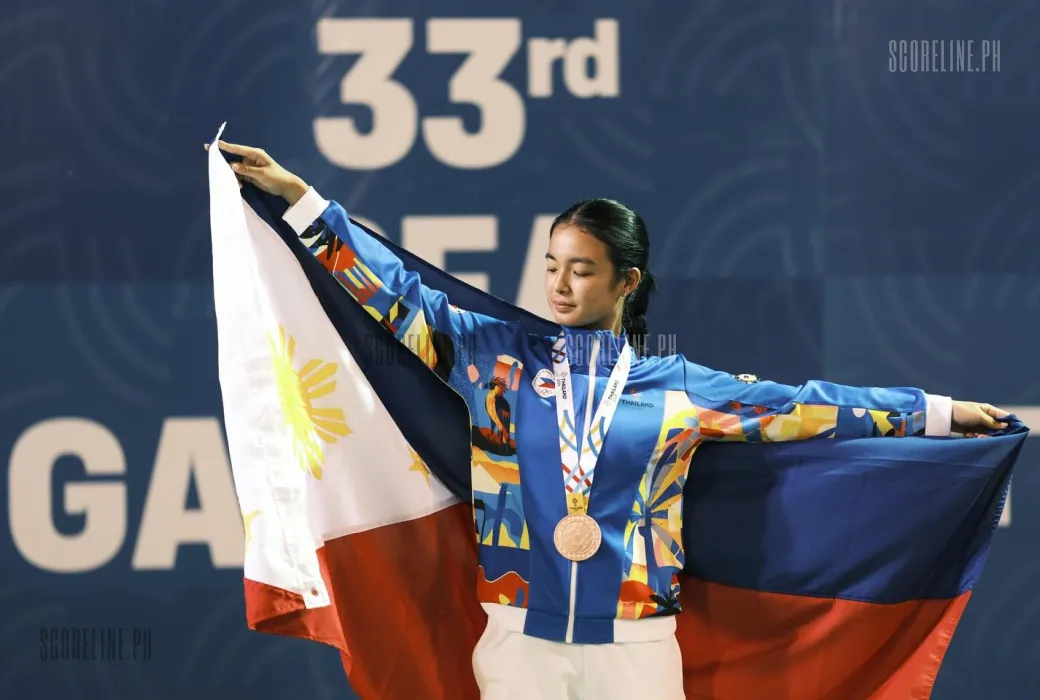
For Alex Eala, playing for the Philippines is more than a tournament commitment. It's a matter of national pride.

But behind that decision lies a difficult reality of professional tennis: choosing national team duty can create conflicts with mandatory tour commitments, ranking opportunities, and potential financial penalties.

According to an account attributed to sports officials, Eala herself initiated the decision to represent the country. No pressure. No obligation. Just a Filipino athlete wanting to compete for her flag. 🇵🇭

AND THAT'S WHAT MAKES THIS ISSUE SO FRUSTRATING.

Why should athletes have to choose between protecting their professional careers and representing their country?

Why should answering the call of the national team potentially come at the expense of rankings, earnings, or tournament opportunities?

PATRIOTISM SHOULD NEVER BE TREATED LIKE A PROFESSIONAL VIOLATION.

Eala has worked hard to build her place in international tennis while continuing to represent the Philippines.

Our athletes already sacrifice enough through training, travel, and competition. They shouldn't have to navigate unnecessary administrative obstacles simply to wear their national colors.

This isn't just about Alex Eala. It's about every Filipino athlete trying to balance personal career ambitions with national pride.

THE PHILIPPINE FLAG SHOULD BE A SOURCE OF HONOR—NOT A CAREER PENALTY.

Sports organizations must work toward rules that recognize legitimate national team commitments without unfairly compromising athletes' professional opportunities.

Because representing your country should be celebrated, not discouraged.

News

Premier Volleyball League

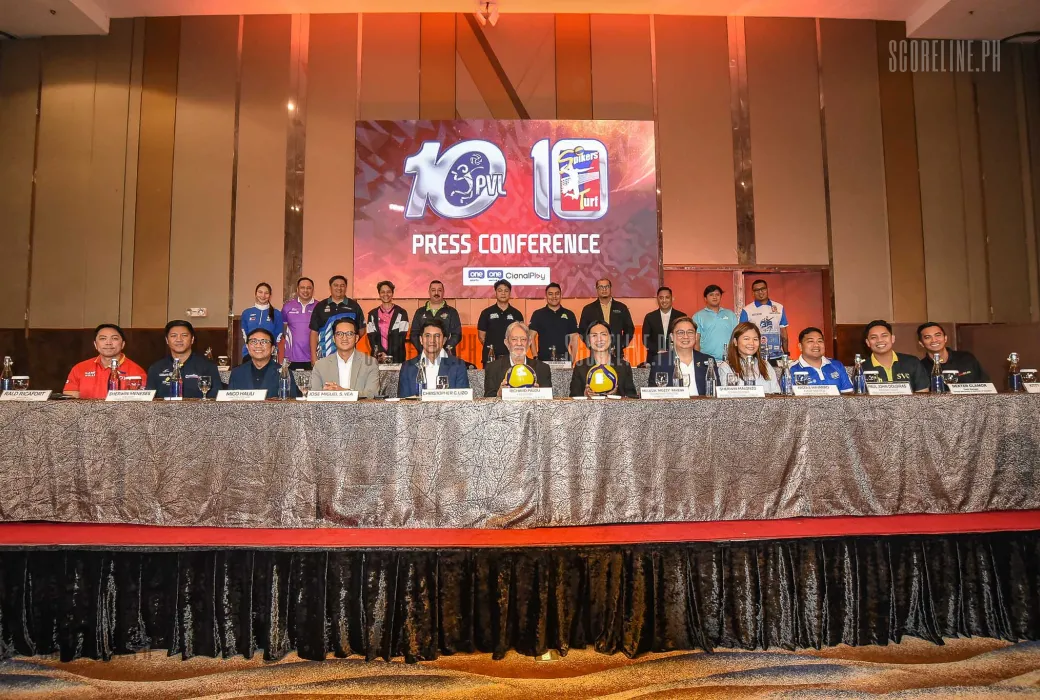
PVL's 10th Season Ushers in New Era in Cebu City

The wait is almost over, and Philippine volleyball is preparing for what could be one of the most competitive chapters in Premier Volleyball League (PVL) history.

As the league celebrates its milestone 10th season on October 10 at the SM Seaside Cebu Arena, the spotlight will not only be on established powerhouses that are determined to shake up the championship race.

For years, Philippine volleyball has been dominated by familiar names, passionate rivalries, and powerhouse franchises. But this season promises a different storyline as aggressive roster rebuilding and rising competition threaten to reshape the league's hierarchy.

A New Power Struggle in Philippine Volleyball

Beyond the opening-day matches, the bigger storyline surrounding the PVL's milestone season is the possibility of a changing competitive landscape.

That growing competition could make the championship race less predictable and give fans more meaningful rivalries throughout the season.

Cebu Takes Center Stage

Hosting the opening festivities in the province of Cebu also highlights the league's efforts to bring top-level professional volleyball closer to fans outside Metro Manila.

The expected atmosphere at SM Seaside Cebu Arena provides an exciting setting for the start of a milestone campaign.

For supporters, the occasion offers more than a celebration of the league's history. It is an opportunity to witness the next stage of Philippine professional volleyball, where established contenders face increasingly ambitious challengers.

The Verdict: The Old Guard Has Been Warned

The PVL's 10th season arrives with familiar favorites, new expectations, and a compelling question:

Can the league's established giants maintain their dominance, or is Philippine volleyball finally ready for a new championship powerhouse?

But championship aspirations are not fulfilled through offseason moves or impressive lineups.

They are earned through victories, consistency, and the ability to deliver when everything is on the line.

The names may be familiar. The rivalries may be established. But the balance of power could be about to change.

The PVL's next chapter begins now.


3
Learn more
Philippine Team

The Pinoy Athlete’s Curse: Why is Funding Always Lighter Than the Praise?

In Philippine sports, there is a recurring, deeply frustrating cycle that plays out like clockwork.

An athlete leaves the country quietly, sometimes carrying nothing but borrowed gear, absolute grit, and an empty bank account. They endure sleepless nights, physical agony, and the crushing mental weight of wondering how they will pay for their next meal or training camp. Quite often, it is their parents who double their shifts, take out loans, or knock on the doors of private benefactors just to keep the dream alive.


Then, the miracle happens. The athlete wins a medal. They shock the world.


Suddenly, airport arrivals are flooded with marching bands. Politicians push each other out of the way to get into the photo-op frame. Congressional resolutions are drafted in record time, and social media is overwhelmed with high-ranking officials claiming the victory as a national triumph.


It begs a glaring, uncomfortable question: Why is a government resolution or a congratulatory post always faster to produce than actual, baseline financial support?

The Gold Medal Illusion

Our sports system has a toxic habit of practicing retrospective patriotism. We only care about the athlete when they are already standing on the podium.


When Carlos Yulo won historic double gold, or when our gymnasts and boxers made waves globally, the rewards rained down. Millions in cash incentives, houses, condos, and corporate endorsements. While those rewards are deeply deserved, they highlight a massive structural flaw: you have to prove you don't need the money anymore before anyone actually gives it to you.


This is a backward approach to sports development. Ribbons, plaques, and courtesy calls at the palace do not buy high-protein meals. They do not fund plane tickets to Olympic qualifiers. They do not hire world-class coaches or physical therapists.
By the time an athlete wins a medal, the hardest part of their journey—the part where they actually needed the government’s help—is already over.

The Real Priority: Grassroots over Glory-Chasing

If we are to choose between celebrating champions or funding dreamers, the answer is absolute: continuous, institutionalized support for training must take absolute priority.


A sports program that focuses entirely on recognizing winners is nothing more than a vanity project. It is parasitic, feeding off the organic sacrifices of private families while claiming the credit. Real sports development means investing heavily in the athlete before they are famous.


• Praise is cheap; infrastructure is not. We need to stop relying on the narrative of the "impoverished but resilient Pinoy athlete." Resilience is a coping mechanism for a lack of funding, not a sports strategy.


• The Pipeline Concept: For every superstar athlete who makes it to the world stage, hundreds of equally talented children drop out of sports simply because their parents cannot afford the grassroots training fees. Without consistent monthly allowances, proper nutrition, and state-of-the-art local facilities, we are actively suffocating our own potential.

The Verdict: Support the Climb, Not Just the Summit

It is easy to clap when the national anthem plays. It costs absolutely nothing to type "Proud to be Pinoy" on Facebook. But true national pride is measured by the budget allocated to the Department of Education’s sports programs and the Philippine Sports Commission long before the Olympic flame is ever lit.


If our leaders truly want to build an "army" of world-class athletes, they need to put down the cameras and pick up the funding sheets. The support must start at the starting line, not the finish line. Until we shift our budget from superficial rewards to structural training, we are not developing sports—we are just getting lucky.

5
Learn more
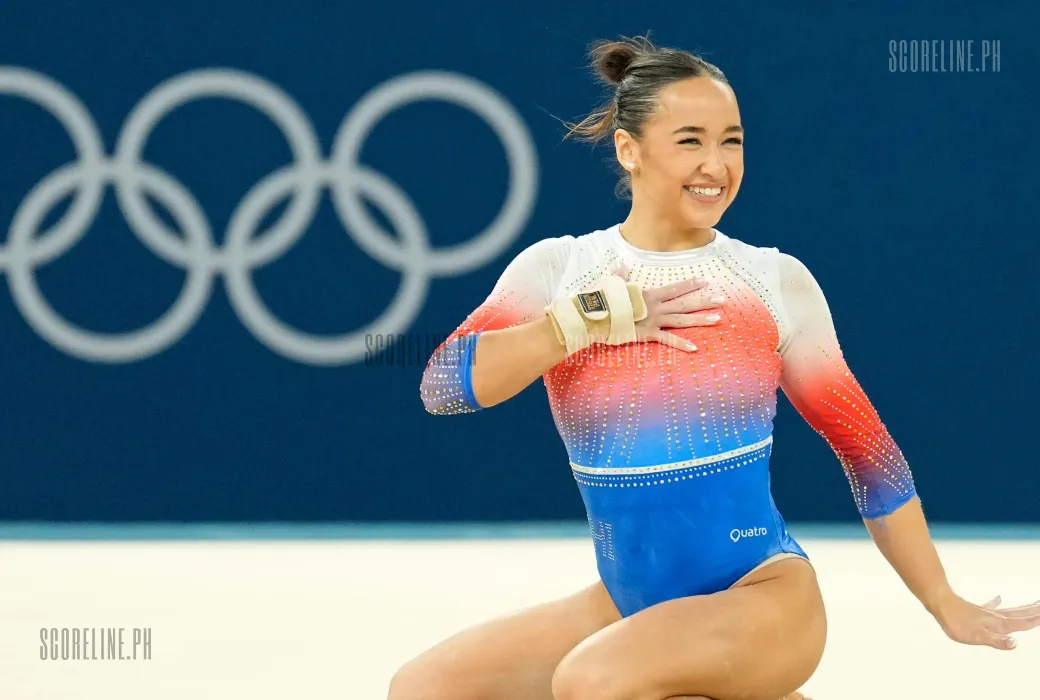
Aleah Finnegan

Beyond the Olympics: Aleah Finnegan is Building the Next Generation of Philippine Gymnastics

Olympic gymnast Aleah Finnegan is turning her international experience into a mission to develop young Filipino gymnasts and help establish the Philippines as a future powerhouse in the sport.

For Philippine Olympic gymnast Aleah Finnegan, building a legacy goes beyond medals, international recognition, and competing on the world's biggest sporting stage.

The Filipina-American gymnast is setting her sights on something bigger: helping develop the next generation of Filipino gymnasts who could one day represent the country at the Olympics and other major international competitions.

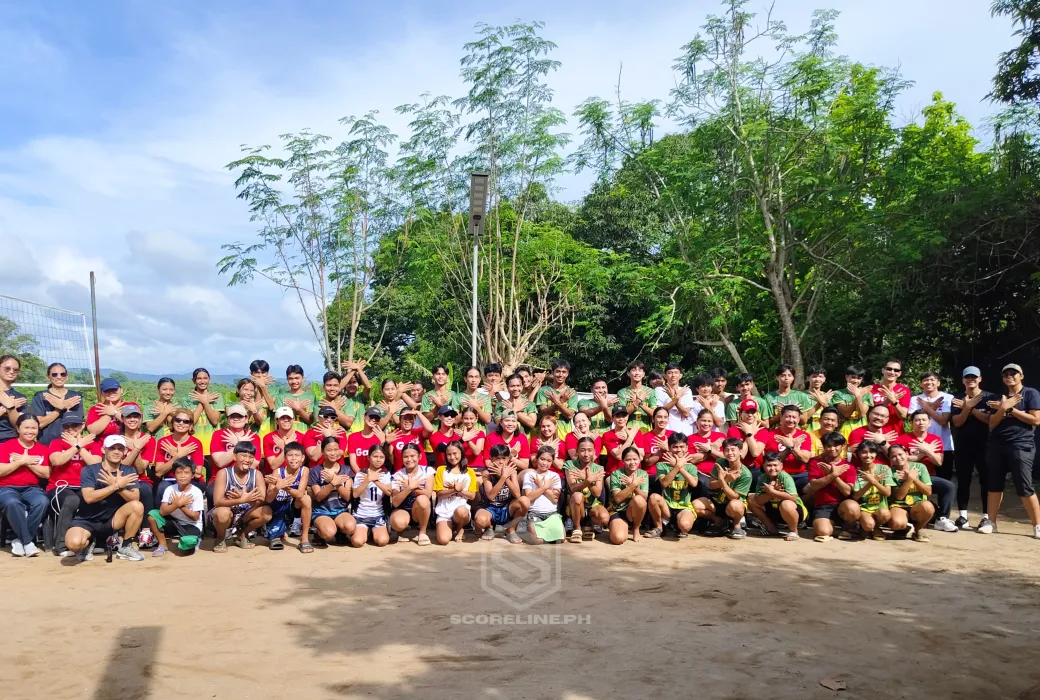
Rather than focusing solely on her own accomplishments, Finnegan continues to return to the Philippines to share her knowledge, experience, and passion for gymnastics through training clinics and grassroots development initiatives.

Finnegan long-term vision is ambitious — to create a strong and sustainable pipeline of Filipino gymnasts capable of competing against the world's best.

"We just have to keep on doing this, and soon we're gonna expand. That's how we can build an army of gymnasts," Finnegan said.

Building an Army of Future Champions

Finnegan's statement reflects her determination to help transform Philippine gymnastics into a program capable of producing world-class athletes consistently.

By working directly with young gymnasts, she hopes to provide aspiring athletes with valuable exposure to international training standards, technical knowledge, and the competitive mindset required at the highest level.

Her involvement also highlights the importance of established athletes giving back to the sport that helped shape their careers.

For young Filipino gymnasts, learning from an Olympian offers more than technical instruction. It provides an opportunity to understand the discipline, dedication, and preparation necessary to succeed internationally.

Inspired by Carlos Yulo's Historic Olympic Triumph

Philippine gymnastics reached unprecedented heights during the 2024 Paris Olympics, where Carlos Yulo made history by winning two gold medals in the men's floor exercise and vault events.

His victories brought global attention to Philippine gymnastics and inspired a new generation of aspiring athletes.

Finnegan, who also represented the Philippines at the Paris Olympics, is helping sustain that momentum by supporting the development of young talent.

While Yulo demonstrated that Filipino gymnasts can reach the top of the Olympic podium, Finnegan's grassroots efforts highlight another essential part of sporting success: building a system that can nurture future champions.

The challenge now is turning individual achievements into long-term progress.

Grassroots Development Is the Key

Producing Olympic-level gymnasts requires more than natural talent.

Young athletes need access to quality coaching, appropriate training facilities, competitive opportunities, financial assistance, and consistent developmental programs.

This is where initiatives led by experienced athletes such as Finnegan can make a meaningful difference.

By sharing lessons from her international career, Finnegan is helping bridge the gap between aspiring young gymnasts and the demands of elite competition.

However, sustaining these efforts will also require continued support from sports organizations, local communities, and institutions involved in athlete development.

A Legacy Bigger Than Medals

Finnegan's commitment to Philippine gymnastics sends a powerful message: an athlete's legacy can be measured not only by personal achievements but also by the opportunities created for others.

Her dream of building an "army of gymnasts" represents a vision of a Philippines where world-class gymnastics talent is developed through consistent training, mentorship, and opportunity.

With Yulo's historic Olympic success providing inspiration and Finnegan contributing to grassroots development, Philippine gymnastics has an opportunity to build on its growing international profile.

The journey toward becoming a consistent global contender will take years of preparation, investment, and collaboration.

But for Finnegan, the mission is already underway.

Because the greatest legacy of a champion may not be the medals they win, but the future champions they help create.

6
Learn more
Senator Bong Go

The future of athlete's must never become collateral damage in sports politics

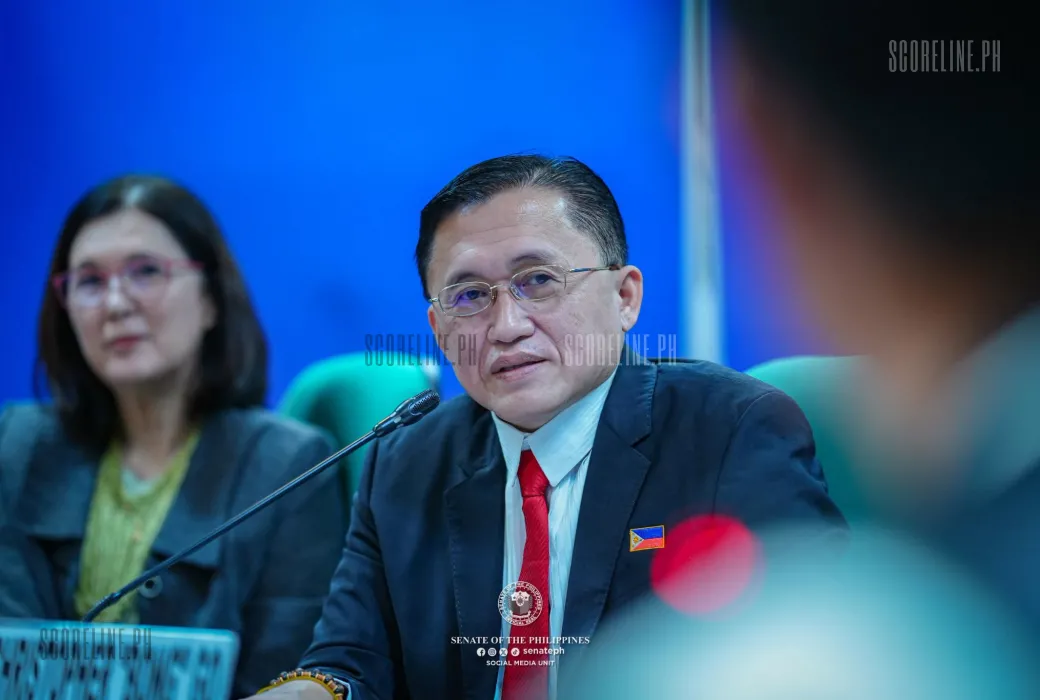
The flag belongs to the nation. The athletes carry it. Their future must never become collateral damage in sports politics.

“Hindi dapat maapektuhan ang ating mga atleta ng sports politics.”

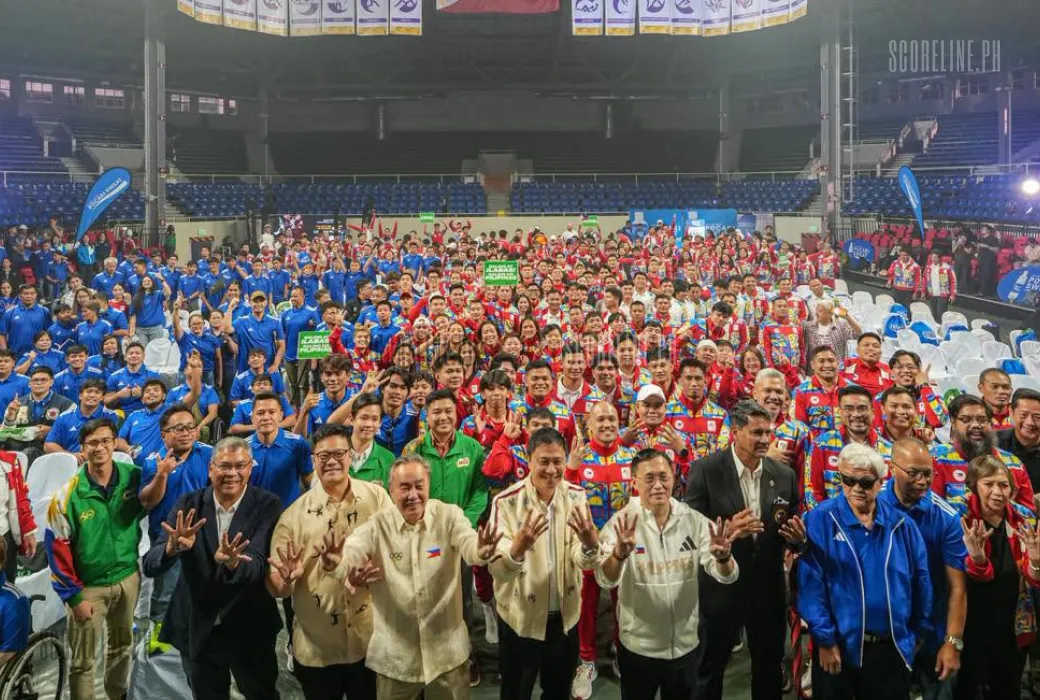
Sen. Bong Go, chairperson of the Senate Committee on Sports, stressed a clear message during the post-evaluation of the Philippine delegation’s participation in the 20th Asian Games.

Disagreements, governance issues, financial difficulties, and conflicts among sports organizations should never come at the expense of Filipino athletes.

Our athletes train to win medals—not to get caught in boardroom battles and leadership disputes.

They sacrifice years of their lives to represent the country. They deserve proper funding, quality preparation, stable leadership, and an environment where they can focus on competing—not worry about the politics surrounding their sport.

Accountability matters. Good governance matters. But through it all, the welfare of athletes must remain the priority.

Because when sports leaders clash, the consequences can reach far beyond the boardroom—and the athletes may be the ones left paying the price.


4
Learn more
Justin Brownlee

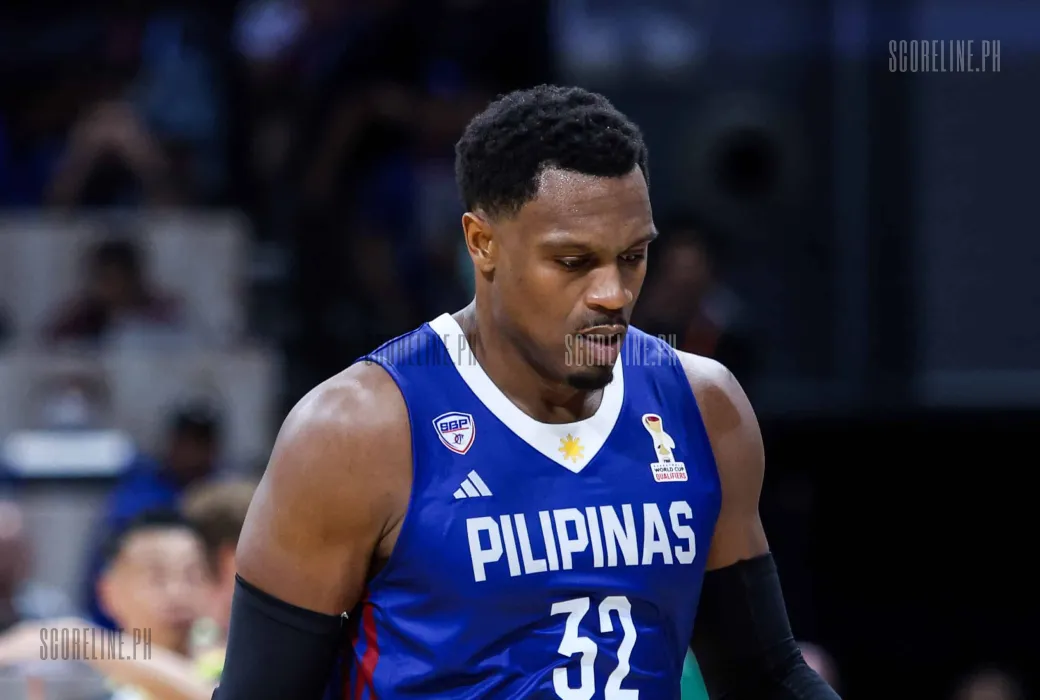
Gilas Pilipinas did not just lose a star. It lost the heart of its championship identity.

Justin Brownlee’s absence from the Philippines’ disastrous 2026 Asian Games campaign was not simply a matter of injury or basketball availability. It was a health issue involving blood pressure and the heart, according to national team coach Tim Cone.

Speaking at a Senate hearing Thursday, Cone revealed why the naturalized Filipino star has been unable to play for both Gilas Pilipinas and Barangay Ginebra in the PBA.

“Because he’s had health concerns regarding blood pressure and heart issues. So he is not able to play at this point,” Cone said.

The revelation puts Brownlee’s prolonged absence into a more serious perspective. This is not just about missing a tournament or a key player being unavailable for a crucial stretch. It is about an athlete dealing with a potentially serious health concern—and the need to put his well-being ahead of basketball.

For a player who has carried the Philippines through some of its biggest recent triumphs, that reality deserves understanding, not pressure.

THE ABSENCE THAT GILAS COULD NOT OVERCOME

Brownlee was instrumental in the Philippines’ historic gold medal run at the 2023 Asian Games in Hangzhou, helping end a 61-year wait for the country’s men’s basketball team to reclaim the continental crown.

His value went beyond scoring. He provided experience, composure, versatility, and the kind of big-game presence that can steady a team when everything starts falling apart.

In Aichi-Nagoya, Gilas had none of that from its naturalized star.

The national team entered the competition with an all-PBA roster but failed to reach the knockout stage, settling for ninth place in one of its worst Asian Games campaigns in men's 5-on-5 basketball. Its preliminary-round schedule included a crushing 105-61 defeat to China.

Brownlee had also missed the Philippines’ two home games in the fourth window of the FIBA World Cup Asian Qualifiers in August and remained unavailable for Ginebra throughout the PBA Governors’ Cup.

His absence was a significant setback. But it would be too simplistic to blame the entire Asian Games collapse on one player’s unavailability.

A championship team must have contingency plans. It must develop alternatives, establish a system that can survive personnel changes, and prepare for the possibility that even its best players will not always be available.

Gilas struggled badly without Brownlee. That should prompt difficult questions about roster construction, preparation, and the team's ability to adapt—not criticism of a player whose health must come first.

A WARNING FOR PHILIPPINE BASKETBALL

Brownlee’s situation also highlights a broader truth: national team planning cannot depend indefinitely on one irreplaceable figure.

His contributions have been enormous, but the Philippines needs a deeper pool of players capable of delivering under pressure. It needs a reliable structure that does not unravel when a key star is sidelined.

That responsibility falls on the people building and managing the program.

The Asian Games campaign exposed the consequences of entering a major tournament without a naturalized player of Brownlee’s caliber. The challenge now is to learn from that experience instead of treating his return as the only solution.

And while fans understandably want to see him back on the court, the priority must remain clear.

Heart-related health concerns are not something to rush through for a tournament, a club, or a national team. Brownlee's recovery and medical clearance must take precedence over the demands of competition.

LET THE MAN HEAL

Brownlee has already given Philippine basketball unforgettable moments. He helped deliver an Asian Games gold medal and earned the trust of Filipino fans through his performances for Gilas and Ginebra.

He does not owe anyone a premature return.

The country can hope to see him play again, but that hope must come with patience. Until he is medically cleared, his absence should be understood for what it is: a health matter, not a failure of commitment.

Gilas must now confront its own shortcomings and build a team capable of competing even when its biggest weapon is unavailable.

Justin Brownlee needs to focus on his health. Gilas needs to focus on fixing its problems. Neither responsibility should be sacrificed for the other.

The Philippines needs its basketball heroes—but first, it needs them healthy.

3
Learn more

Top News

Kenji Moral

Kenji Moral’s Fast Break to Rising Star in PH's Youth Basketball

2,158
Mario Barasi Jr.

Mario Barasi Jr.: Rising Big Man ready for the PBA stage

822
Michael Martinez

Michael Martinez: The Filipino Athlete Who Funded His Own Olympic Dream

391
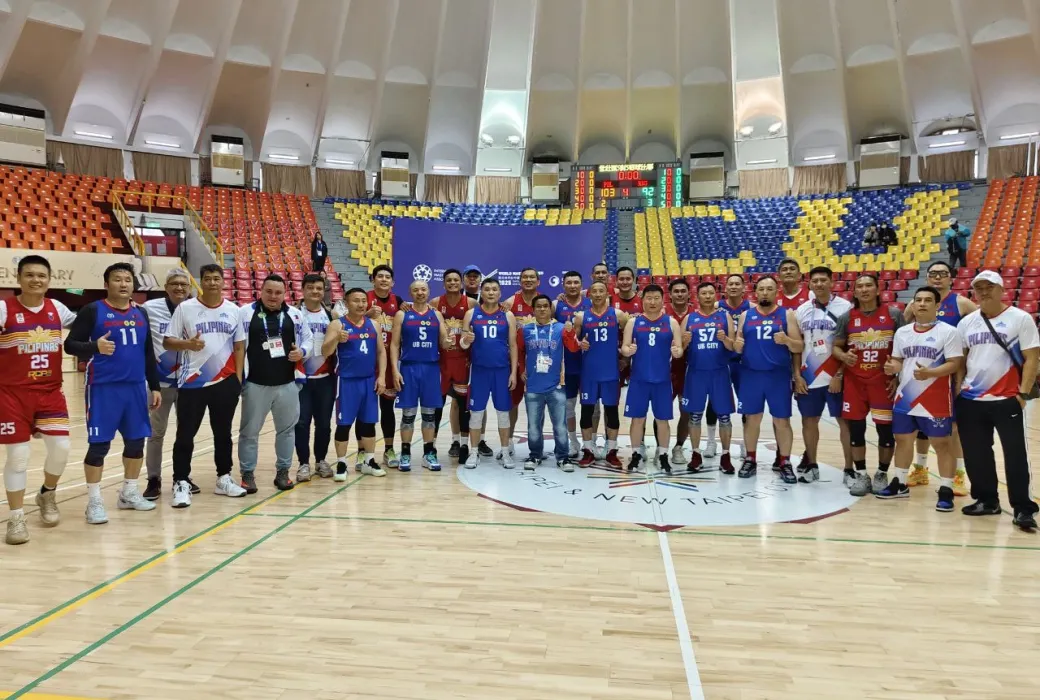
Masters Pinoy Pilipinas Basketball squad with team Mongolia.

Masters Pinoy captures basketball gold at the World Masters Games

384
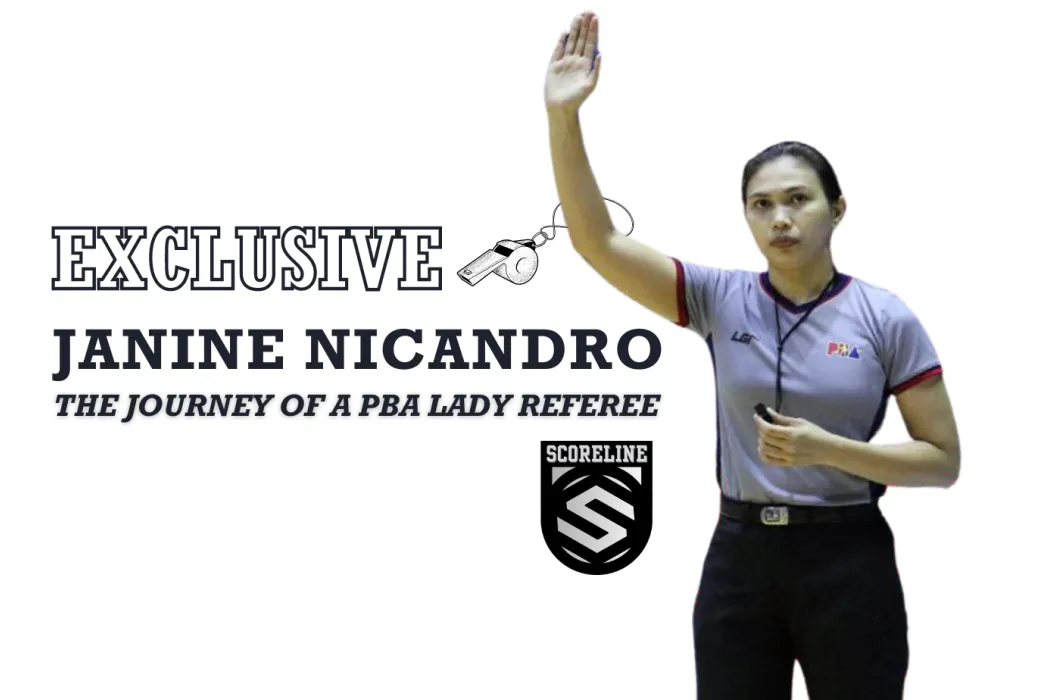
janine

Exclusive: Janine Nicandro, The Journey of a PBA Referee

361
Loren Brill

Loren Brill: Reigniting a basketball legacy born of champions

330
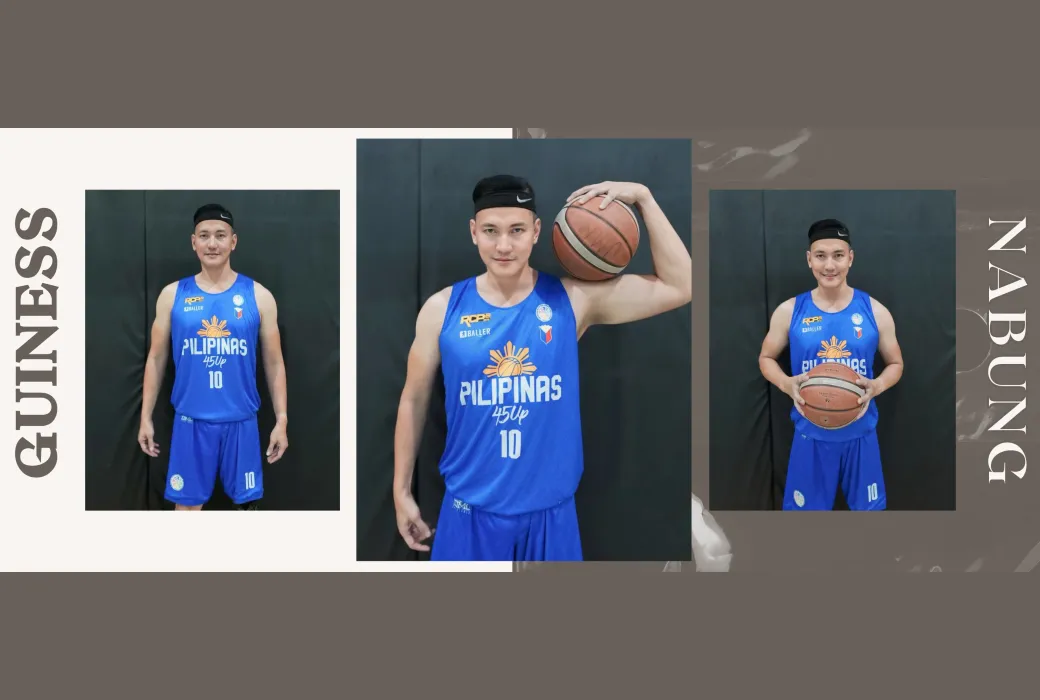
Guiness Nabung of Masters Pinoy Pilipinas Basketball team.

Guiness Nabung - Masters Pinoy Pilipinas Basketball Profile

297
Isaiah Africano poses for Scoreline.ph during the PBA 50th Rookie Draft

Isaiah Africano joins Guam National Team for FIBA WCA Qualifiers

296
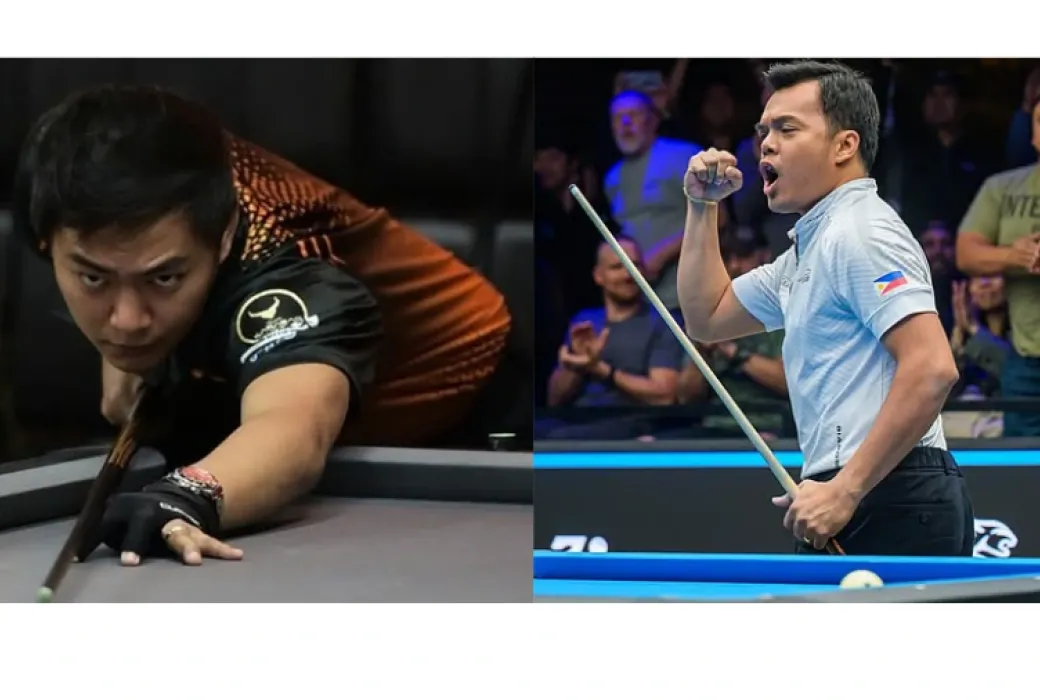
Johann Chua & Carlo Biado

17 Filipino cue artists eye glory at World Pool Championship in Saudi Arabia

287
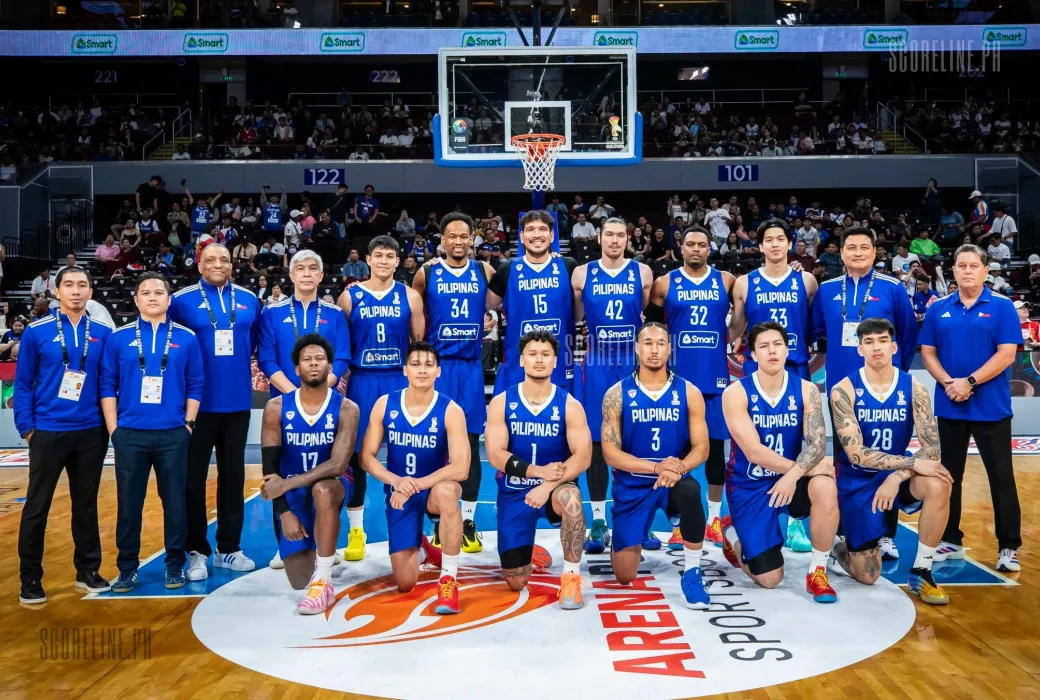
Gilas Pilipinas

Gilas Pilipinas begins Asian Games title defense with a new-look squad

283
Efren Reyes

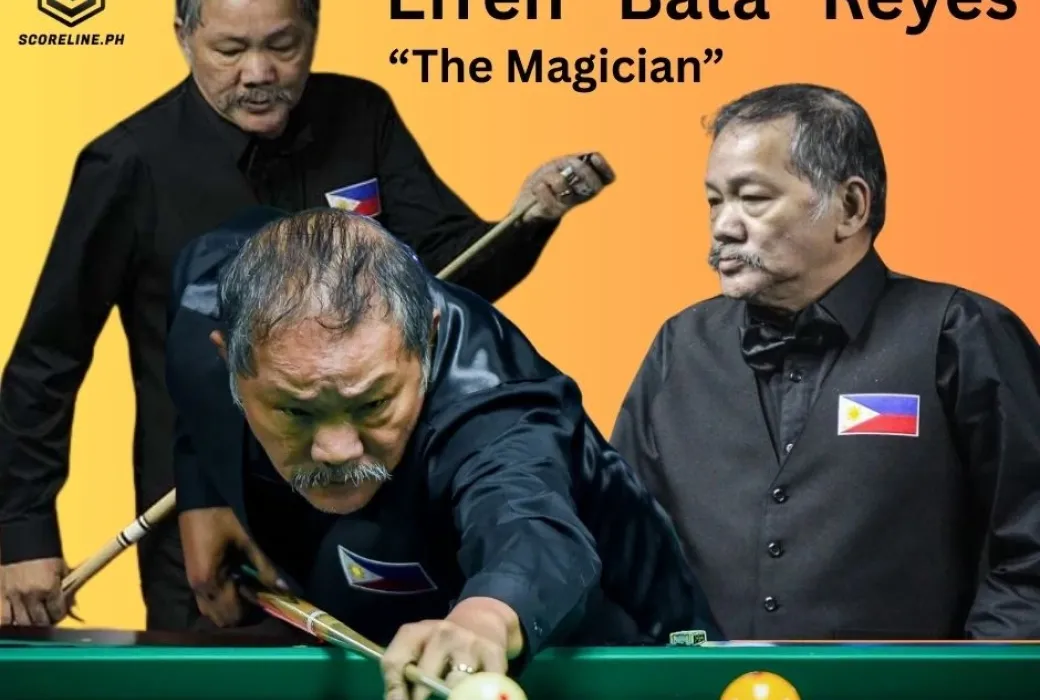
Player Profile Series: “The Magician” Efren “Bata” Reyes

273
Andre Jamgerald Ugaddan

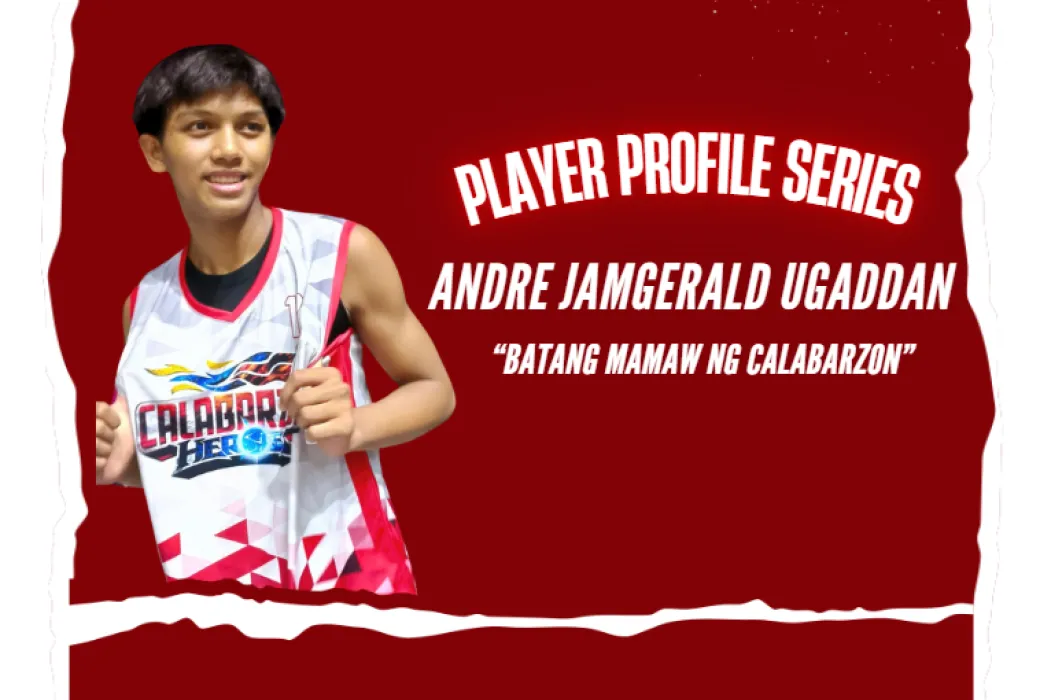
Andre Jamgerald Ugaddan – “Batang Mamaw” ng Reg. 4A

272
Kevin Quiambao

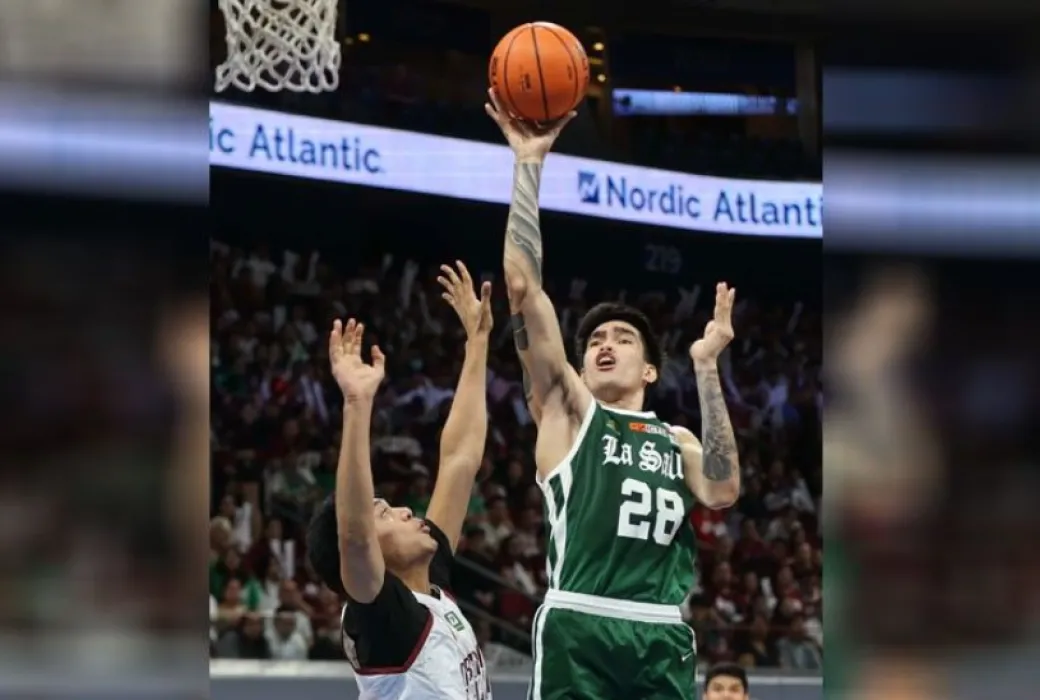
UAAP: UP fighting Maroons fall short to Green Archers, forced to Game 3

265
Dr. Obet Vital is the new Assistant Coach of the UP Fighting Maroons Women's Volleyball Team

Looking Ahead: Obet Vital's new era of growth and opportunity

257
Paul Reguera

Paul Reguera - Masters Pinoy Pilipinas Basketball Profile

234
Alvin "The Captain" Patrimonio - a player with a lion heart.

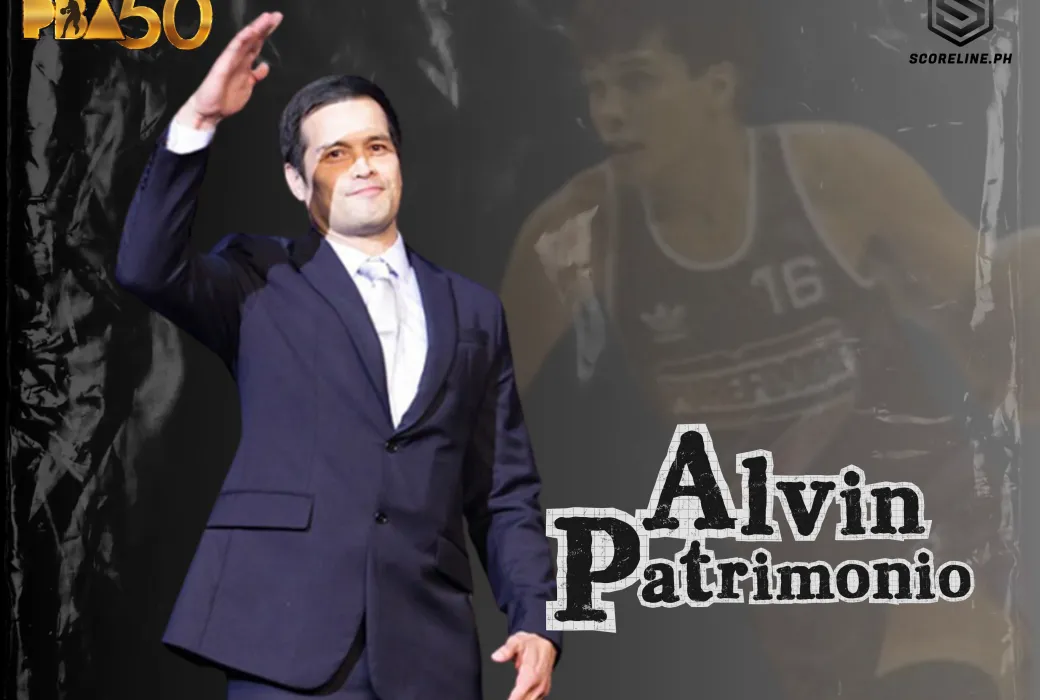
Player Profile Series: “The Captain” Alvin Patrimonio’s lion heart

233
Deanna Wong

Player Profile Series: Deanna Wong, The Court’s Quiet Leader

220
Ricky Ricafuente

Ricky Ricafuente - Masters Pinoy Pilipinas Basketball Profile

217
First ever PBA MVP William "Bogs" Adornado.

Player Profile: William "Bogs" Adornado - First PBA MVP

214
Oliver Agapito of Masters Pinoy Pilipinas Basketball team.

Oliver Agapito resharpens his basketball form with Masters Pinoy

211
Roger Yap of Masters Pinoy Pilipinas Basketball team.

Roger Yap - Masters Pinoy Pilipinas Basketball Profile

203
Captain Nica Celis of the UP Fighting Maroons Women's Volleyball Team

Nica Celis aims to helm Fighting Maroons' escape from bottom spot

194
Toshihiko Era

Japanese boxer scores a remarkable victory in Bangkok at age 50

185
Alberto "Abet" Guidaben - PBA 50 Greatest Players (2000)

Player Profile Series: Abet Guidaben – PBA Legend, 2 Slams

181
Aiza Maizo-Pontillas

Player Profile Series: The fierce journey of Aiza Maizo-Pontillas

177
Johann Chua

Player Profile Series: Johann Gonzales Chua - The "Bad Koi"

174
Cloanne Mondonedo

Player Profile Series: Clo Mondoñedo’s journey to setter glory

174
Sisi Rondina and Bernadeth Pons

Rondina, Pons claim first Challenge win at Beach Pro Tour Nuvali

172
Association of Boxing Alliances in the Philippines

13-strong boxers to lead PH Boxing Team in 2025 SEA Games

167
Kamille Cal

Player Profile Series: Kamille Cal brings precision to Akari

165
Sisi Rondina

Player Profile Series: Sisi Rondina, Volleyball’s Cherry Bomb

162
"The Quick Brown Fox" - Ricardo Brown

Player Profile Series: Ricardo Brown – "The Quick Brown Fox"

160
Alex Pagulayan

Player Profile Series: Billiards' "Lion Heart" Alex Pagulayan

160
Arena Fitness Dojo

From Grassroots to Global: Arena Fitness Dojo

149
Spike and Serve with Petro Gazz Angels & Volleybukids

Spike and Serve reaches out to Volleybukids in Morong, Bataan

148
PBA Commissioner Willie Marcial

PBA Season 50 eyes more overseas tours and foreign guest teams

147
Ginebra's RJ Abarrientos tries to score against NorthPort's import Kadeem Jack.

Ginebra dominates NorthPort to get Game 1 of their Semis series

142
Ricky Ricafuente

Ricky Ricafuente brings his global experience to Masters Pinoy

141
Jelena Todorovic is the new Head Coach of Fortaleza Basquete Cearens.

Brazil’s NBB gets first female coach in Jelena Todorovic

137
Carlo Biado

Player Profile Series: Carlo Biado, the WPA World 9-Ball Champion

136
General Trias City Sports Park

General Trias City LGU eyes vows world-class sports facilities for youth

136
Freddie Hubalde - The Silent Operator

Player Profile Series: Freddie Hubalde - The Silent Operator

136