Keeneth Llover
Photo courtesy: GerryPenPromotion
Jet Hilario
KennethLlover LuisCocepcion PhilippineBoxing GerryPenPromostion Boxing

Llover to fought ex-WBC King in a “Mano a Mano” bout on Sunday

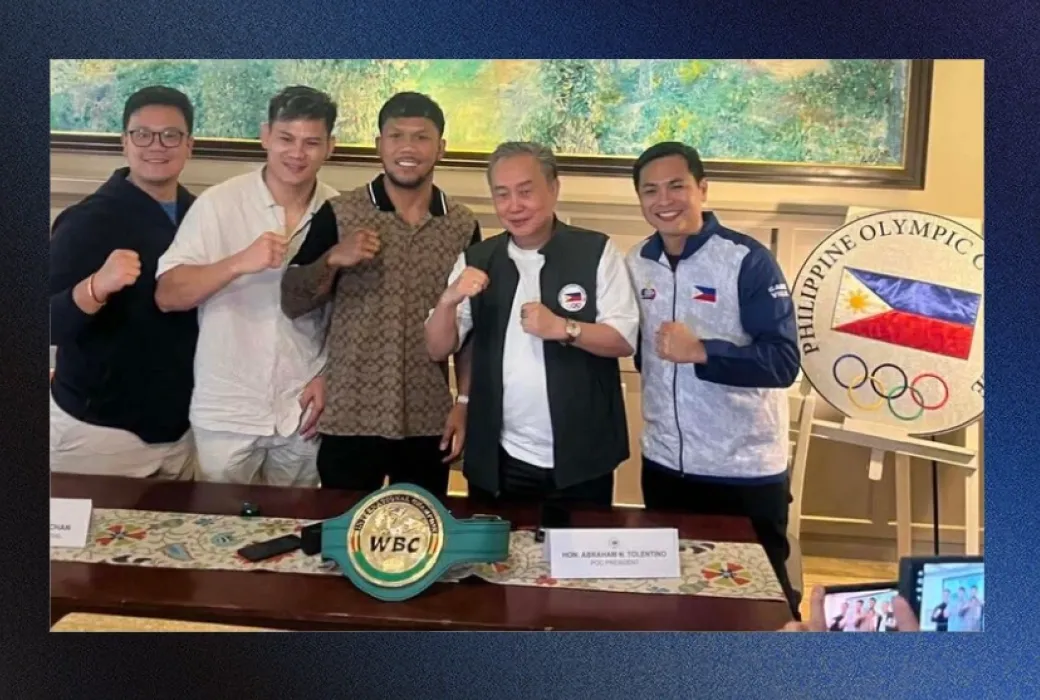
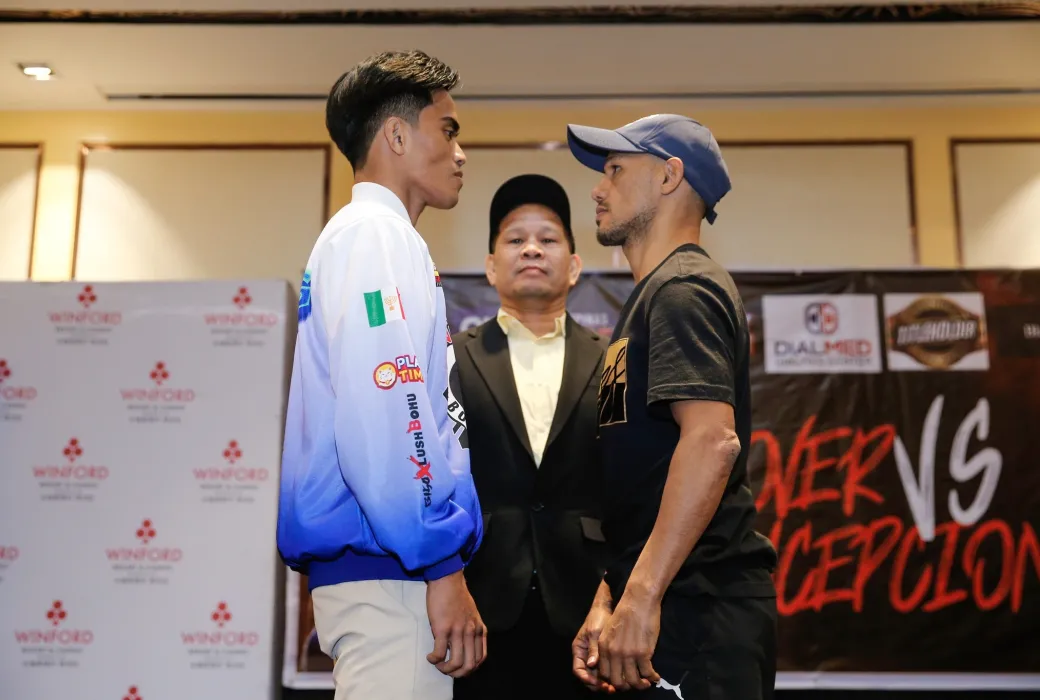
Undefeated Filipino prospect Kenneth “The Lover Boy” Llover will face the biggest test of his career when he takes on former WBC world champion Luis “El Nica” Concepcion of Panama in a 10-round super flyweight bout on August 17 at Winford Resort and Casino in Manila.

The bout, part of the “Mano a Mano” card promoted by Gerry Peñalosa’s GerryPens Promotions, is a non-title fight but carries major implications for both fighters.

Llover (14-0, 9 KOs), just 22 and hailing from General Trias, Cavite, has been on a hot streak, recently capturing the OPBF bantamweight title with a first-round knockout of Japan’s Keita Kurihara in Tokyo. That win followed another first-round stoppage of Tulio Dekanarudo in Osaka for the OPBF Interim title.

Concepcion (40-11, 29 KOs), a seasoned veteran and former WBC Silver flyweight and super flyweight champion, returns after a year-long layoff. His last fight ended in an eighth-round TKO defeat to Mexico’s David Cuellar Contreras in October 2023.

With Llover’s youth and momentum going up against Concepcion’s experience, fans can expect an exciting clash of generations as both boxers look to make a statement in Manila.

News

Aichi-Nagoya Japan

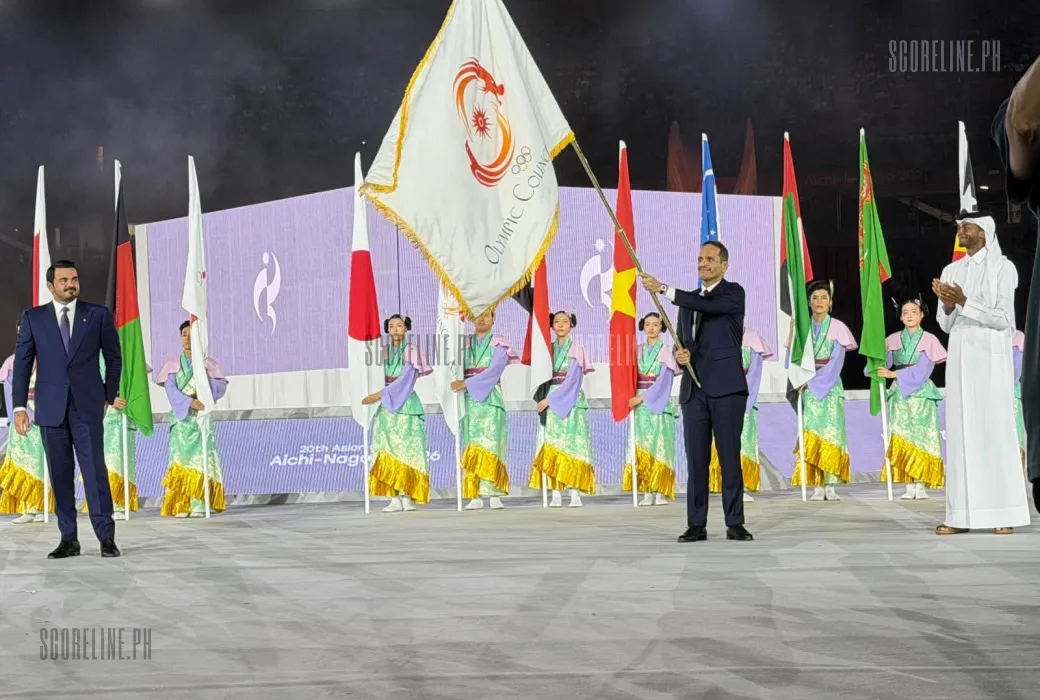
Japan has built a reputation for precision, efficiency and world-class sporting events

WHEN THE GAMES BECAME THE STORY, AICHI-NAGOYA’S ORGANIZATIONAL NIGHTMARE

THE ATHLETES CAME TO MAKE HISTORY. INSTEAD, THE ORGANIZERS SOMETIMES BECAME THE HEADLINE.

But after the curtain fell on the 2026 Aichi-Nagoya Asian Games, it was the Games’ organizational problems—not just the medals and records—that dominated much of the conversation.

The continental showcase officially closed on October 4, ending two weeks of extraordinary athletic performances that included world and Asian records.

Yet alongside the sporting brilliance came a long list of logistical headaches: accommodation shortages, transport failures, airport delays, anthem mix-ups and complaints over cramped athlete housing.

For some officials, the problems were serious enough to warrant a failing grade.

“If I were to give them a grade, it would be an F,” Korean Sport and Olympic Committee president Ryu Seung-min said during the Games.

One of the most controversial decisions was the decision not to build a traditional Athletes' Village.

Instead, organizers relied on hotels, a cruise ship and temporary container accommodations to house thousands of participants.

The scale was enormous: roughly 17,000 athletes and officials took part, making the Asian Games larger in participant numbers than the upcoming Olympics.

The alternative housing system quickly became a source of complaints.

Some athletes assigned to the container units reported leaking water and beds that were too short, while others staying aboard the cruise ship raised concerns over accommodation and meals.

What was presented as a cost-conscious and environmentally minded approach instead became one of the defining controversies of the Games.

Then came transportation. Athletes reported delayed or missing shuttles, while some teams were taken to the wrong locations.

South Korea's football team arrived late for a match after its bus driver got lost. Its basketball team reportedly missed a scheduled shootaround because its shuttle did not arrive.

In another mix-up, a bus assigned to South Korea picked up Pakistan's team instead, while Pakistan's designated bus collected the South Koreans.

For elite athletes working around tightly scheduled training, recovery and competition windows, those aren't minor inconveniences.

Timing is part of performance. Perhaps the most striking mistake came before a men's hockey match involving South Korea.

Instead of South Korea's anthem, organizers played the North Korean national anthem.

The organizing committee apologized, while the Korean Sport and Olympic Committee lodged a formal complaint and demanded measures to prevent a repeat.

It was one of several protocol problems reported during the Games, including an issue with South Korea's flag during the men's football medal ceremony.

There was another uncomfortable sight: sparse crowds at some venues.

The Games struggled to generate consistently strong attendance, with reports of empty sections even as athletes delivered world-class performances.

The contrast was striking. On the field, track, pool and courts, records were falling.

In the stands, thousands of seats remained empty.

The story, however, is not entirely one-sided. The Olympic Council of Asia defended the Games as a success, pointing to strong viewership, increased revenue and a remarkable haul of 54 world records and 89 continental records. The event also avoided leaving behind a massive new permanent sports complex burden.

And the athletes themselves delivered spectacular moments.

Teenage stars emerged. Records fell. New sports made their Asian Games debut. Champions were crowned.

The sporting product survived.

The question is whether the organizational experience matched the standard expected from Japan. That may be the bigger legacy of Aichi-Nagoya.

Japan has previously hosted major global sporting events, including the Tokyo 2020 Olympics, but that edition was followed by controversies over costs and a bribery scandal. Public resistance also contributed to the shelving of Sapporo's bid for the 2030 Winter Olympics.

The Aichi-Nagoya experience now gives future Japanese hosting ambitions another issue to confront: trust.

Can athletes trust the transportation system? Can delegations trust their accommodations? Can teams trust that basic protocols will be handled correctly?

And can the country convince the international sporting community that it is ready to take on another mega-event?

Those questions will not be answered by one bad bus ride or one anthem mistake.

But when the problems keep piling up, they become more than isolated incidents.

The athletes came to compete. Japan came under a microscope.

And after Aichi-Nagoya, the next bid may have to prove that the country can once again make the organization of sport as impressive as the sport itself.
8
Learn more
Senator Bong Go

Senator Bong Go Sounds Alarm Over Sports Infrastructure in 2027 Budget Deliberations

What happens when world-class athletes are forced to train in facilities that are anything but world-class?

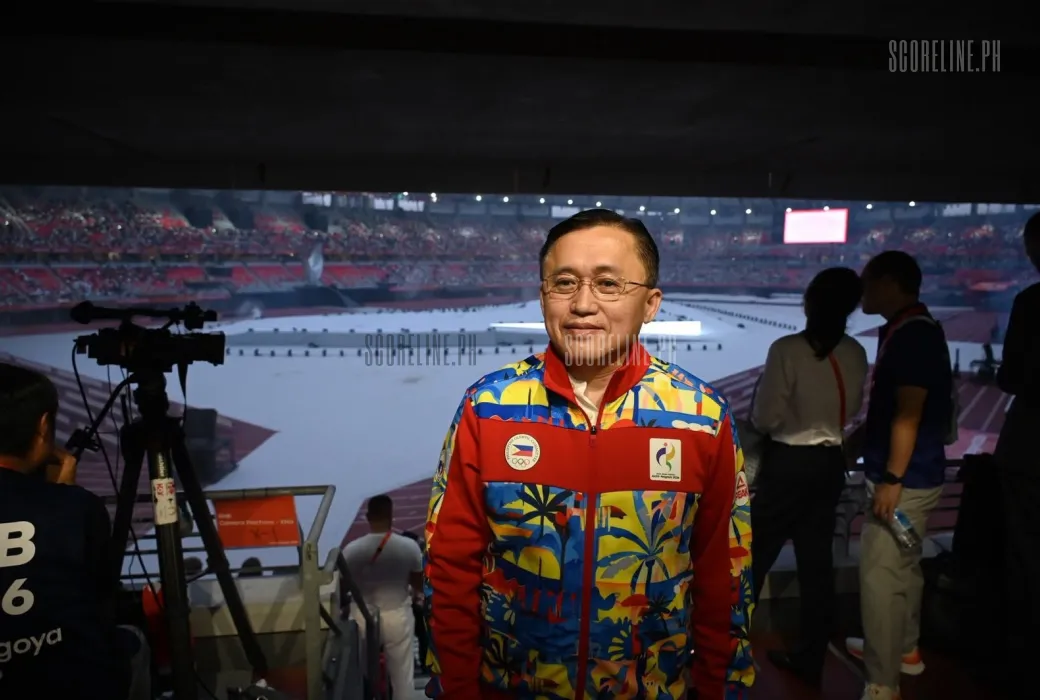
That question is at the heart of Senator Christopher “Bong” Go’s push for stronger government funding for Philippine sports infrastructure as the Senate tackles the proposed 2027 national budget.

The chairperson of the Senate Committee on Sports and Youth Development, called for adequate funding to upgrade and modernize training facilities, stressing that Filipino athletes need more than talent and determination to compete at the highest level.

The senator has repeatedly raised concerns over the condition of sports facilities, including the need to improve major training venues such as the Rizal Memorial Sports Complex and PhilSports Arena. In previous budget deliberations, he pointed to the importance of providing athletes with proper training environments, equipment, nutrition and other forms of support.

During the 2027 budget discussions,Senate Committee Chair on Sports and Youth Development Bong Go raised concerns over funding for sports infrastructure, including changes involving convergence funds previously lodged under the Department of Public Works and Highways (DPWH).

The discussion puts the Philippine Sports Commission (PSC) and other agencies at the center of the question of how sports facilities will be funded and developed moving forward.

For Sen. Go, the issue goes beyond buildings and playing surfaces. A champion needs somewhere to become a champion.

Training halls, gyms, equipment and athlete facilities form the foundation of preparation long before an athlete steps onto an international podium.

Sen. Bong Go has also pushed for bringing quality sports training closer to young athletes outside Metro Manila.

His advocacy includes expanding access to the National Academy of Sports (NAS) through regional campuses, particularly in the Visayas and Mindanao, so promising athletes would not have to relocate simply to access specialized sports education and training.

The proposal reflects a broader push to strengthen the grassroots pipeline and give athletes from the regions greater opportunities to develop their skills.

The Philippines has repeatedly shown that Filipino athletes can compete—and win—against the world's best.

But the next generation needs more than inspiration. They need facilities. Equipment. Training centers. Coaches. Support.

And as Congress works through the proposed 2027 spending plan, the debate over sports funding puts a fundamental question on the table: If the Philippines expects world-class performances, can its training facilities be allowed to fall behind?

For Go, the answer is clear: investment in sports infrastructure must be part of building the country's next generation of champions.

3
Learn more
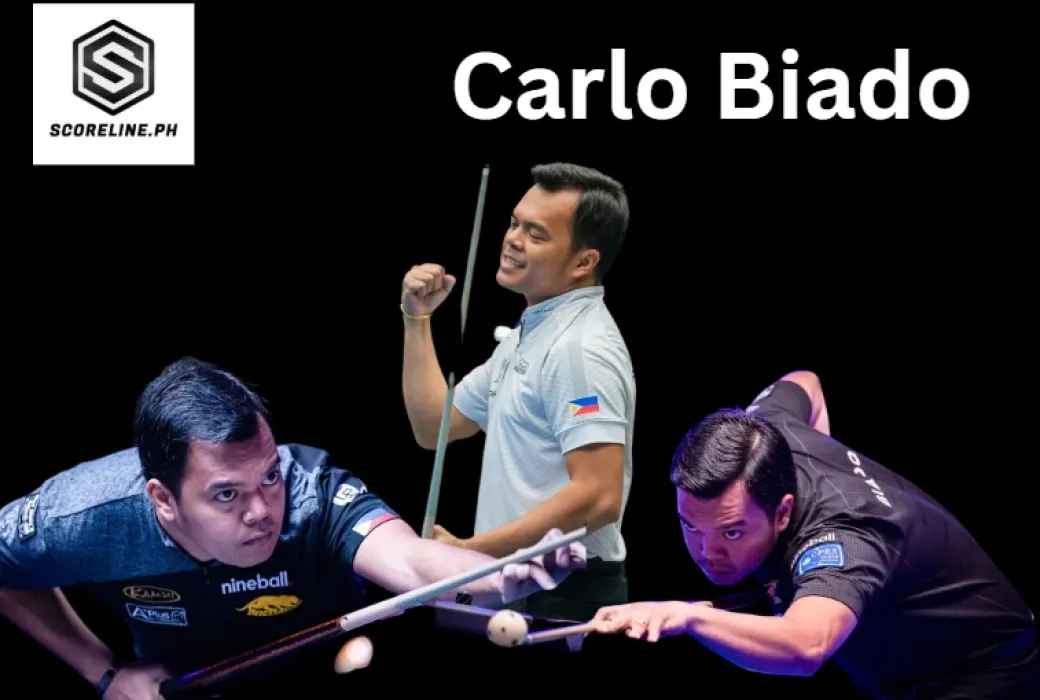
Carlo & AJ

Spain Edges Biado-Manas in Thrilling 10-Ball World Finale

SPAIN STEALS GOLD FROM BIADO-MANAS IN HEART-STOPPING WORLD FINAL

They were one rack away from glory. Then, in the biggest moment, the table turned.

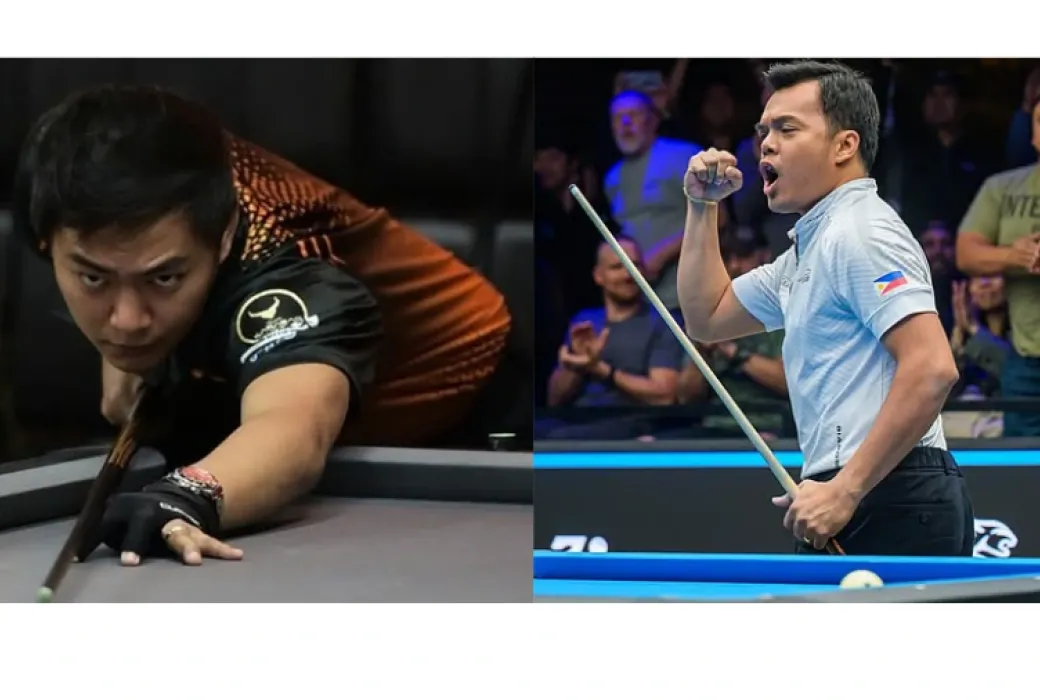
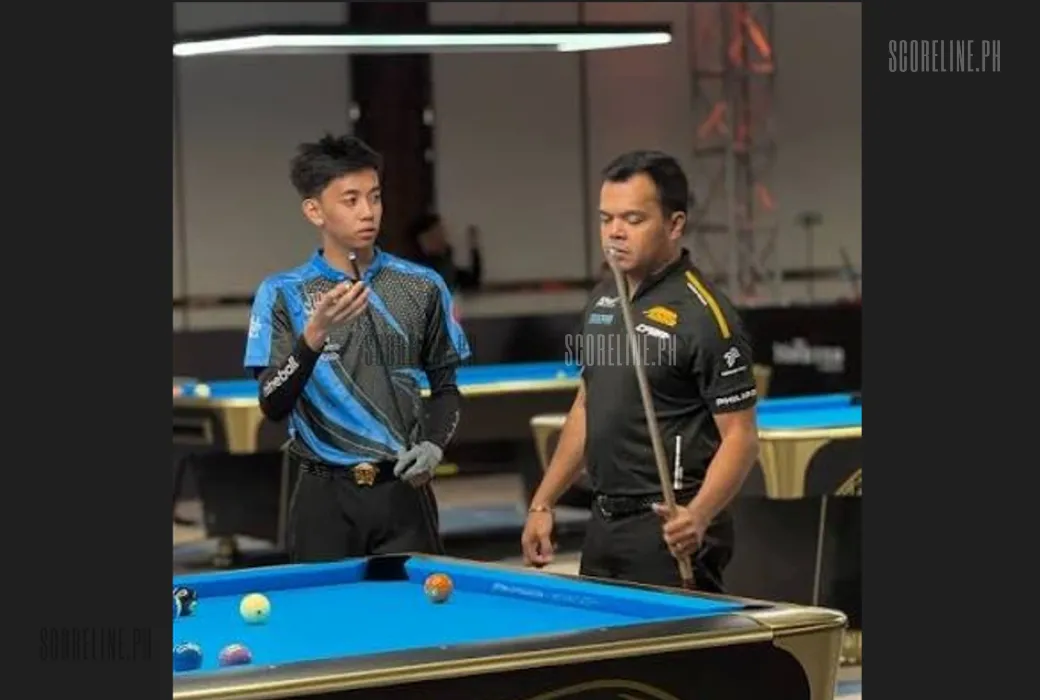
Carlo Biado and 19-year-old AJ Manas came agonizingly close to conquering the world, settling for silver after Spain’s Francisco Sánchez Ruiz and David Alcaide survived a pulsating hill-hill battle in the WPA Men’s Doubles 10-Ball World Championship on Monday.

For the Philippines, it was a painful ending to a remarkable run.

For Spain, it was a championship won by staying composed when everything was on the line.

The Filipino pair—experience and youth in one formidable tandem—pushed the Spanish powerhouse duo to the absolute limit, splitting the first four sets at 2-2 and setting up a winner-take-all fifth.

And then came the moment that changed everything.

With the championship hanging in the balance, Manas stepped up to shoot the 7-ball in the fifth rack.

The 19-year-old phenom missed his intended mark—and scratched in the corner pocket.

It was the kind of mistake that can haunt a player.

Spain immediately pounced.

Sánchez Ruiz and Alcaide converted the opening, taking a 3-2 rack lead before calmly finishing the deciding rack to capture the world championship. Just like that, the Filipino dream was over.

The defeat denied 42-year-old Biado his first dedicated WPA Men’s Doubles world title and left Manas just short of what could have been his first senior WPA world championship crown.

But the silver medal tells only part of the story.

Biado brought the experience of one of the Philippines’ most accomplished cue artists.

Manas brought the fearlessness of a teenager making his mark against the world's best.

Together, they proved they belonged on the biggest stage.

And now, they get another chance. There is barely any time to dwell on what happened in Bali.

Biado and Manas now turn their attention to the Reyes Cup, where they will suit up for Team Asia in defense of its prestigious 9-ball crown.

The third edition of the blockbuster event is scheduled for October 15 to 18 at the Makati Coliseum in the Philippines.

This time, they return home. The crowd will be behind them.

And after coming one rack short of a world championship, Biado and Manas will have something more than a trophy to chase.

Redemption. The world title slipped away in Bali. The next battle begins on home soil.

3
Learn more
 Margielyn Didal

She borrowed a skateboard. Then she conquered Asia.

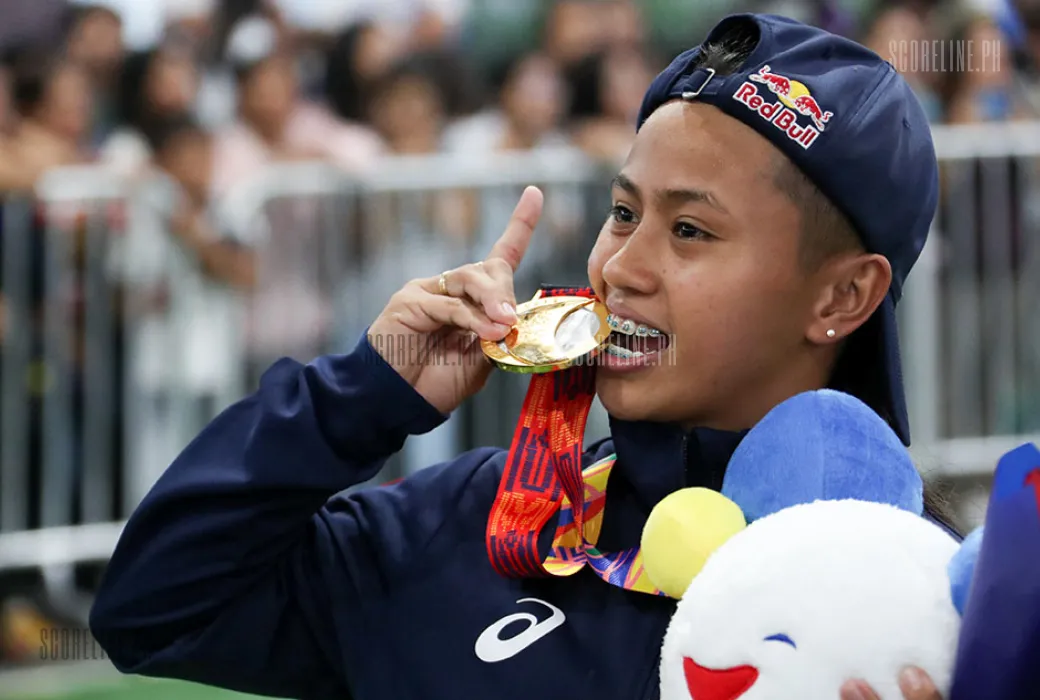
Before Margielyn Didal became an Olympic finalist and one of the Philippines’ most recognizable skateboarders, she was simply a Cebuana kid waiting for her turn to borrow a board.

She grew up in Lahug, Cebu City, in a family that knew the meaning of hard work. Her father, Lito, worked as a carpenter. Her mother, Julie, worked as a housekeeper and sidewalk vendor. Even as a child, Margielyn helped sell kwek-kwek.

Then, at 12, she discovered skateboarding.

She saw local skaters riding in her neighborhood and wanted to try it herself. There was just one problem:

SHE DIDN’T HAVE A SKATEBOARD.
So she borrowed one.

She waited for her turn. She fell. She got back up. And slowly, the borrowed board became the starting point of something much bigger.

But talent alone wasn’t enough.

Without a cellphone of her own, Didal found another way to learn. She paid ₱5 for 30 minutes of internet access at a computer shop, watching skateboarding tutorials in slow motion and studying every movement she could.

Thirty minutes.

Five pesos.

One dream.

AND SHE MADE EVERY SECOND COUNT.

The road was anything but easy.

Injuries forced her to stop. Doubt tested her confidence. Comebacks demanded patience. But she kept returning to the sport that had captured her heart.

Then came the breakthrough that changed everything.

On August 29, 2018, at just 19 years old, Didal won gold in women’s street skateboarding at the Asian Games in Indonesia.

The girl who once waited to borrow a skateboard had just conquered Asia.

But she wasn’t finished.

At the 2019 SEA Games, she added two more gold medals—in women’s Game of Skate and women’s street.

Then came the biggest stage of them all.

At the Tokyo Olympics in 2021, Didal reached the final and finished seventh.

Think about that journey.

From a Cebu neighborhood.

From helping sell kwek-kwek.

From borrowing a skateboard.

From watching tricks on a computer for ₱5.

TO THE ASIAN GAMES PODIUM.
TO TWO SEA GAMES GOLDS.
TO AN OLYMPIC FINAL.

That isn’t just a skateboarding story.

THAT IS THE STORY OF A GIRL WHO REFUSED TO LET HER CIRCUMSTANCES DECIDE HOW FAR SHE COULD GO.

Her first skateboard may have been borrowed.

Her opportunities may have started small.

But the dream?

THAT WAS ALWAYS HERS.

And perhaps that is Margielyn Didal’s greatest legacy.

Somewhere today, another Filipino kid may be watching a skateboarder and thinking, “Gusto ko rin.”

Maybe that kid doesn’t have a board.

Maybe there’s no proper training facility.

Maybe the dream seems too big.

But Margielyn has already shown them something powerful:

YOU DON’T NEED TO START WITH EVERYTHING.
YOU JUST NEED TO START.

She borrowed a skateboard.

Then she made history with it.

8
Learn more
Jaja Villena

Jaja Villena parts ways with Akari Chargers, opens door for new opportunity

Middle blocker Jamaica “Jaja” Villena has officially concluded her stint with the Akari Chargers, closing a chapter that began when she entered the Premier Volleyball League as a rookie.

Selected 22nd overall in the second round of the 2025 PVL Rookie Draft, the former Emilio Aguinaldo College standout spent more than a season developing with Akari, gaining valuable experience on the taraflex while building strong relationships within the team.

In an emotional TikTok announcement, Villena expressed her gratitude to the Chargers’ management, coaches, and teammates for the opportunity, the lessons, and the bonds forged throughout her time with the franchise.

Now, a new chapter awaits.

With PVL roster movements continuing ahead of the upcoming conferences, Villena’s declaration that she is “open for another opportunity” puts her name on the radar of teams looking to add size, depth, and another option at the middle blocker position.

For a young player who has spent more than a season developing in the pros, the next move could be another important step in her growth.

AKARI IS NOW IN THE PAST.
THE NEXT OPPORTUNITY COULD BE WHERE JAJA VILLENA MAKES HER NEXT BIG MOVE.

5
Learn more

Top News

Kenji Moral

Kenji Moral’s Fast Break to Rising Star in PH's Youth Basketball

2,156
Mario Barasi Jr.

Mario Barasi Jr.: Rising Big Man ready for the PBA stage

821
Michael Martinez

Michael Martinez: The Filipino Athlete Who Funded His Own Olympic Dream

390
Masters Pinoy Pilipinas Basketball squad with team Mongolia.

Masters Pinoy captures basketball gold at the World Masters Games

383
janine

Exclusive: Janine Nicandro, The Journey of a PBA Referee

359
Loren Brill

Loren Brill: Reigniting a basketball legacy born of champions

329
Guiness Nabung of Masters Pinoy Pilipinas Basketball team.

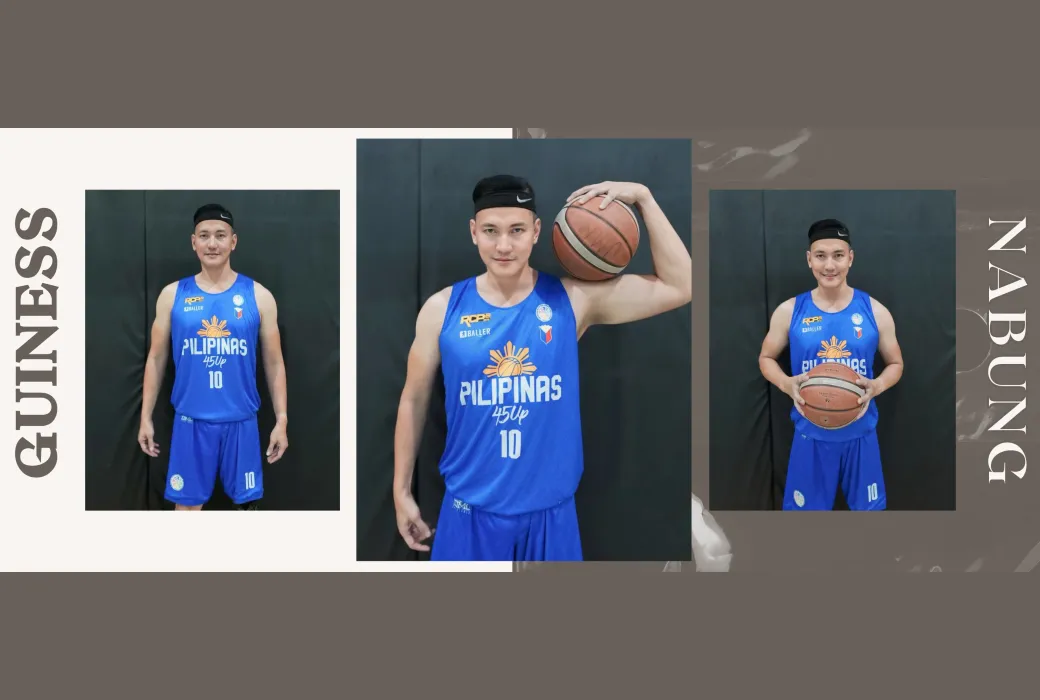
Guiness Nabung - Masters Pinoy Pilipinas Basketball Profile

295
Isaiah Africano poses for Scoreline.ph during the PBA 50th Rookie Draft

Isaiah Africano joins Guam National Team for FIBA WCA Qualifiers

295
Johann Chua & Carlo Biado

17 Filipino cue artists eye glory at World Pool Championship in Saudi Arabia

285
Gilas Pilipinas

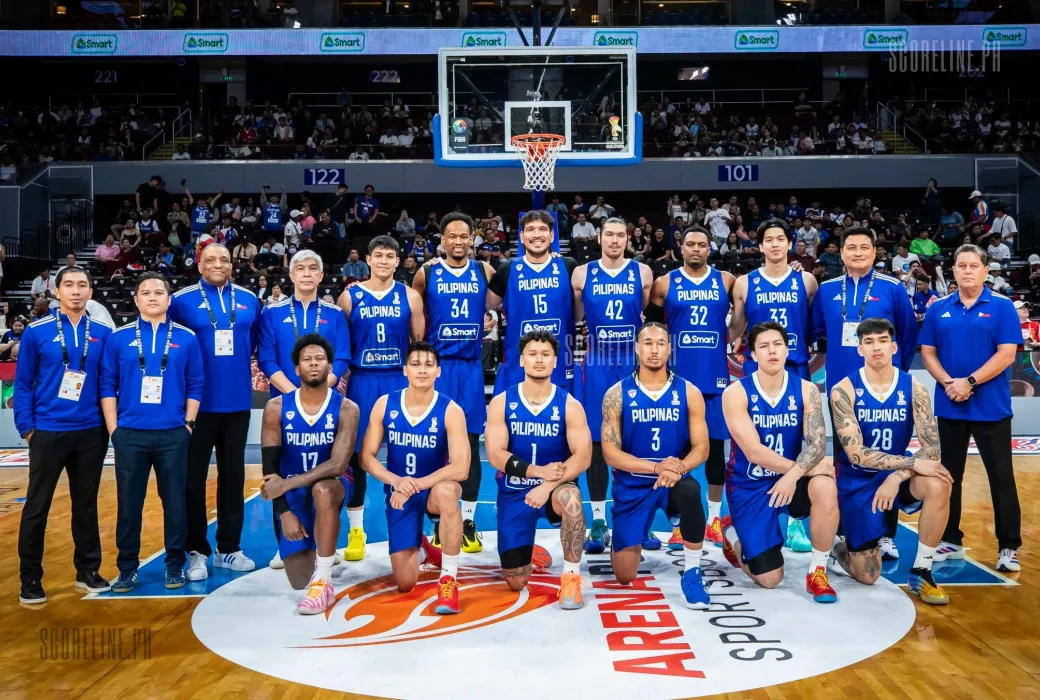
Gilas Pilipinas begins Asian Games title defense with a new-look squad

282
Efren Reyes

Player Profile Series: “The Magician” Efren “Bata” Reyes

271
Andre Jamgerald Ugaddan

Andre Jamgerald Ugaddan – “Batang Mamaw” ng Reg. 4A

267
Kevin Quiambao

UAAP: UP fighting Maroons fall short to Green Archers, forced to Game 3

264
Dr. Obet Vital is the new Assistant Coach of the UP Fighting Maroons Women's Volleyball Team

Looking Ahead: Obet Vital's new era of growth and opportunity

256
Paul Reguera

Paul Reguera - Masters Pinoy Pilipinas Basketball Profile

232
Alvin "The Captain" Patrimonio - a player with a lion heart.

Player Profile Series: “The Captain” Alvin Patrimonio’s lion heart

232
Deanna Wong

Player Profile Series: Deanna Wong, The Court’s Quiet Leader

216
Ricky Ricafuente

Ricky Ricafuente - Masters Pinoy Pilipinas Basketball Profile

216
First ever PBA MVP William "Bogs" Adornado.

Player Profile: William "Bogs" Adornado - First PBA MVP

212
Oliver Agapito of Masters Pinoy Pilipinas Basketball team.

Oliver Agapito resharpens his basketball form with Masters Pinoy

209
Roger Yap of Masters Pinoy Pilipinas Basketball team.

Roger Yap - Masters Pinoy Pilipinas Basketball Profile

202
Captain Nica Celis of the UP Fighting Maroons Women's Volleyball Team

Nica Celis aims to helm Fighting Maroons' escape from bottom spot

192
Toshihiko Era

Japanese boxer scores a remarkable victory in Bangkok at age 50

184
Alberto "Abet" Guidaben - PBA 50 Greatest Players (2000)

Player Profile Series: Abet Guidaben – PBA Legend, 2 Slams

180
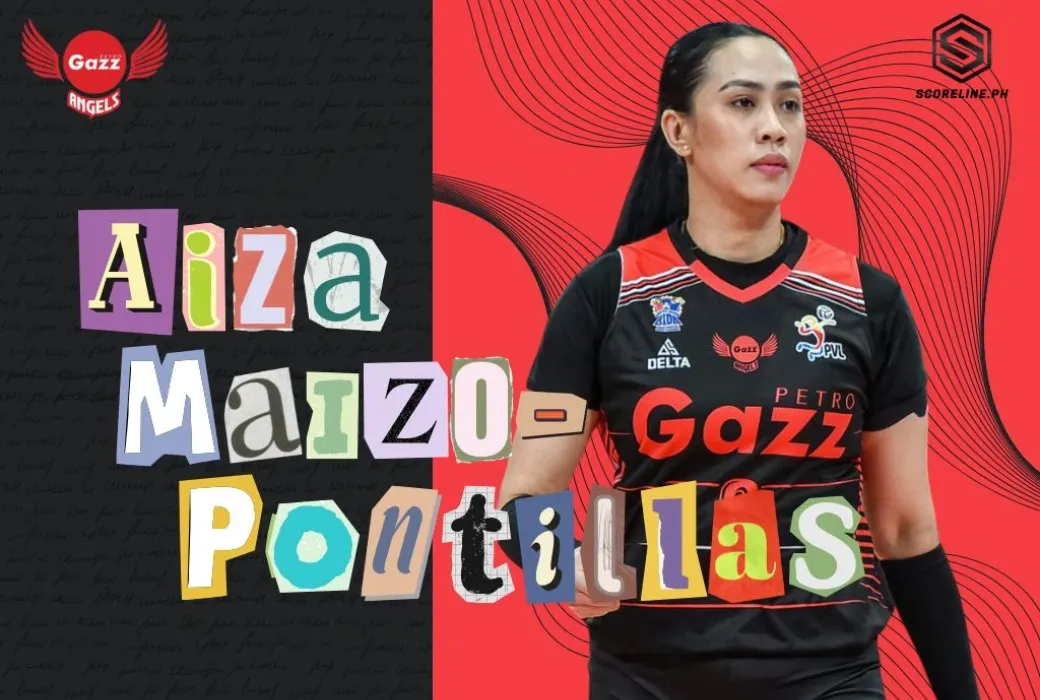
Aiza Maizo-Pontillas

Player Profile Series: The fierce journey of Aiza Maizo-Pontillas

176
Cloanne Mondonedo

Player Profile Series: Clo Mondoñedo’s journey to setter glory

173
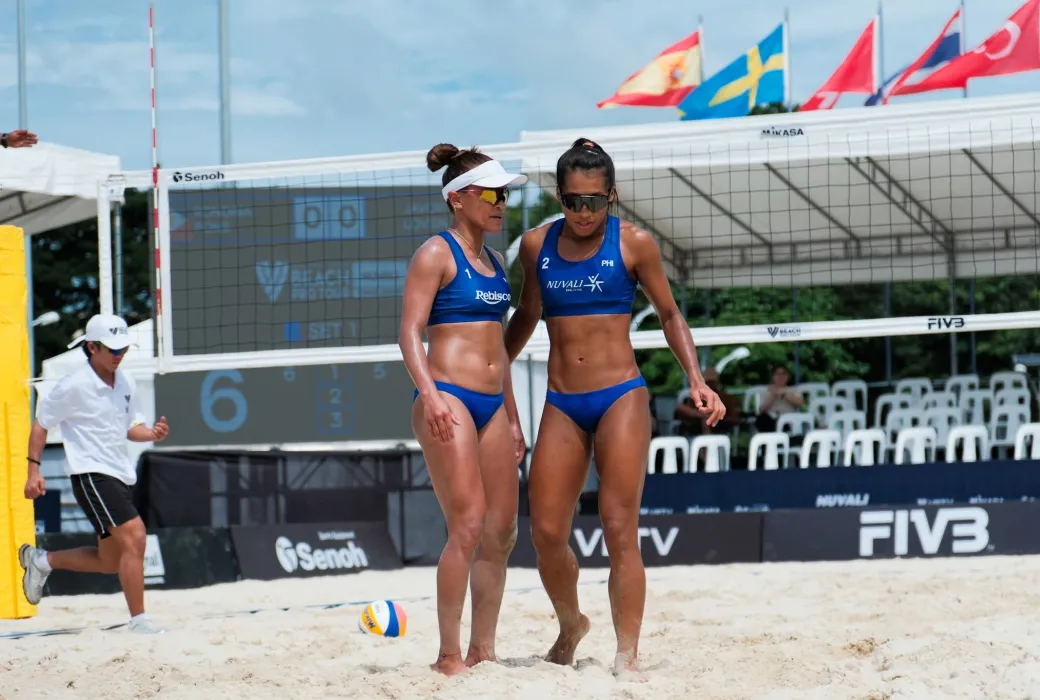
Sisi Rondina and Bernadeth Pons

Rondina, Pons claim first Challenge win at Beach Pro Tour Nuvali

171
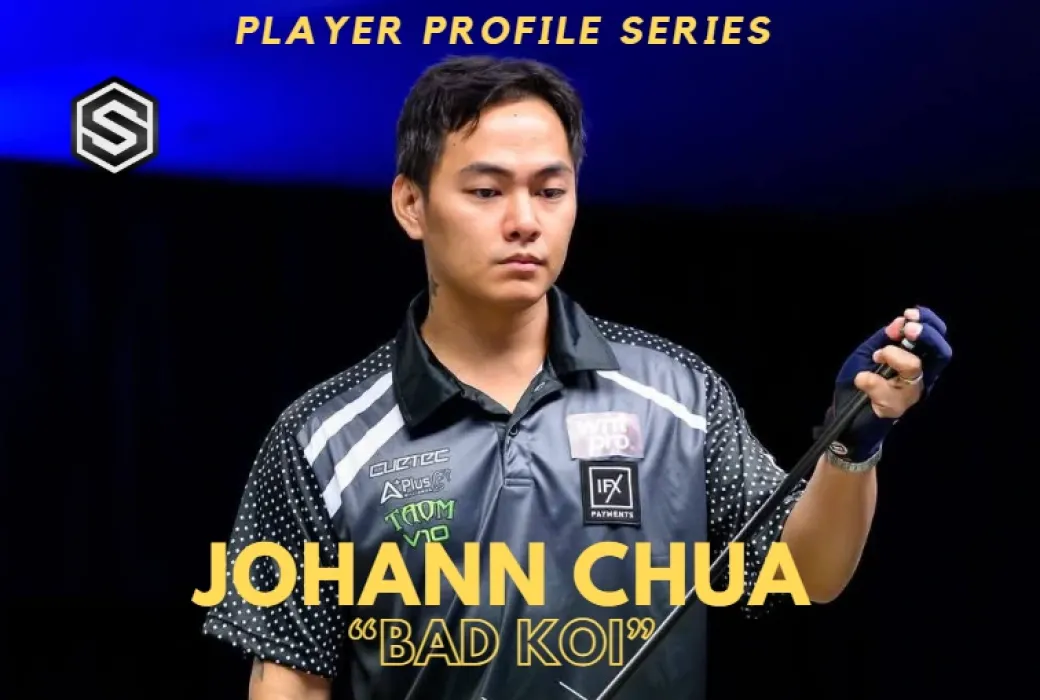
Johann Chua

Player Profile Series: Johann Gonzales Chua - The "Bad Koi"

170
Association of Boxing Alliances in the Philippines

13-strong boxers to lead PH Boxing Team in 2025 SEA Games

167
Kamille Cal

Player Profile Series: Kamille Cal brings precision to Akari

163
Sisi Rondina

Player Profile Series: Sisi Rondina, Volleyball’s Cherry Bomb

160
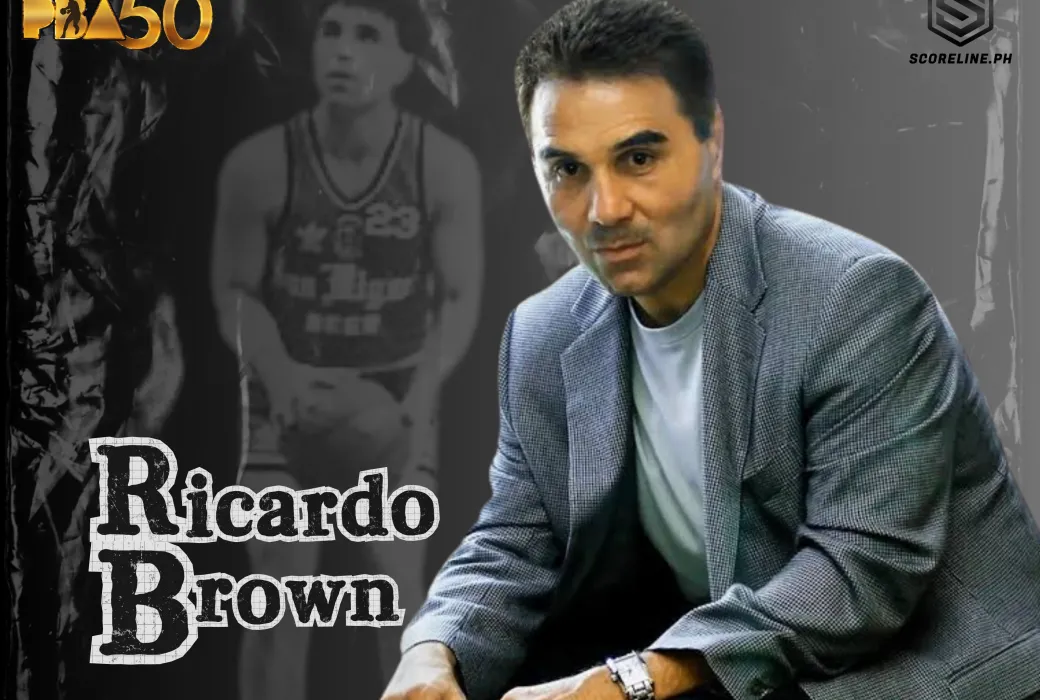
"The Quick Brown Fox" - Ricardo Brown

Player Profile Series: Ricardo Brown – "The Quick Brown Fox"

159
Alex Pagulayan

Player Profile Series: Billiards' "Lion Heart" Alex Pagulayan

158
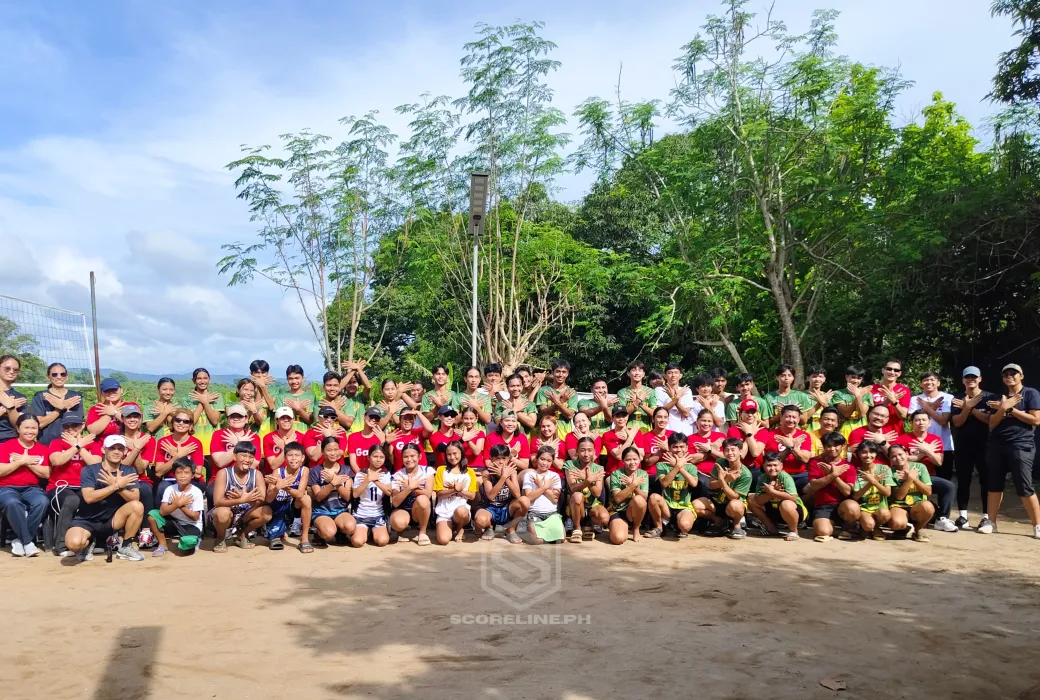
Spike and Serve with Petro Gazz Angels & Volleybukids

Spike and Serve reaches out to Volleybukids in Morong, Bataan

148
PBA Commissioner Willie Marcial

PBA Season 50 eyes more overseas tours and foreign guest teams

146
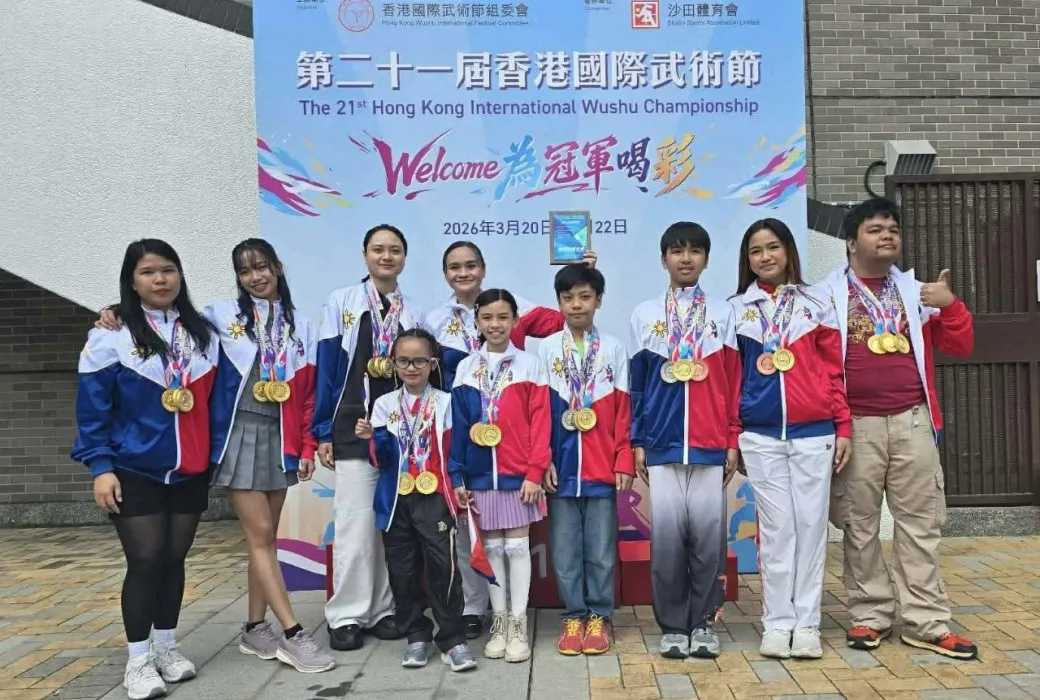
Arena Fitness Dojo

From Grassroots to Global: Arena Fitness Dojo

144
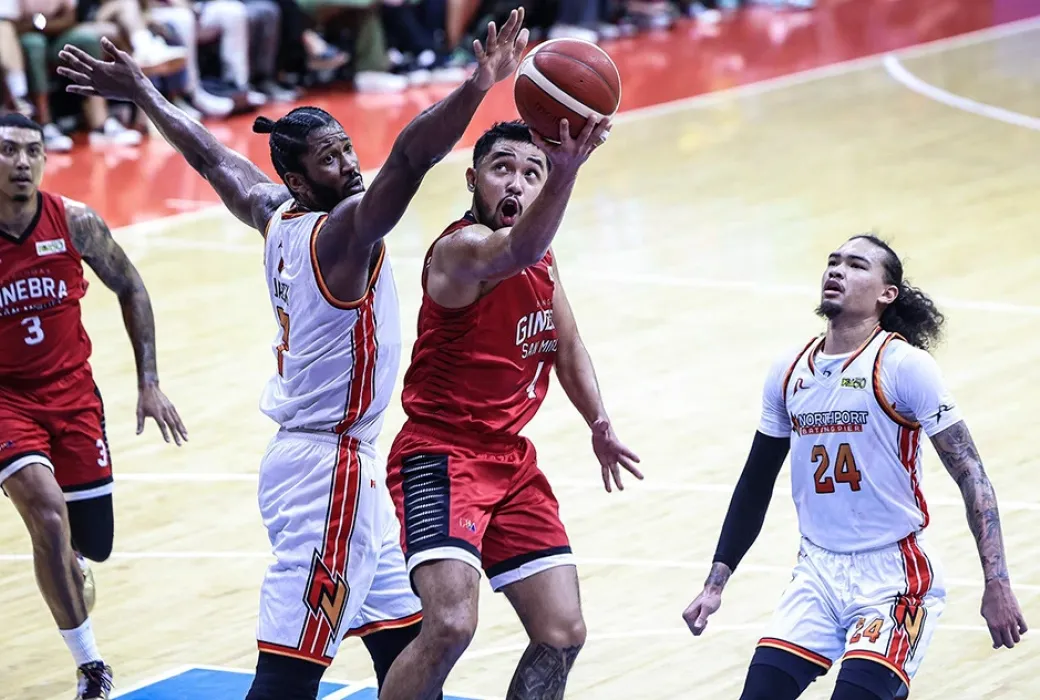
Ginebra's RJ Abarrientos tries to score against NorthPort's import Kadeem Jack.

Ginebra dominates NorthPort to get Game 1 of their Semis series

142
Ricky Ricafuente

Ricky Ricafuente brings his global experience to Masters Pinoy

141
Jelena Todorovic is the new Head Coach of Fortaleza Basquete Cearens.

Brazil’s NBB gets first female coach in Jelena Todorovic

136
Francisico Bustamante

Player Profile Series: The iconic Francisco "Django" Bustamante

135
Carlo Biado

Player Profile Series: Carlo Biado, the WPA World 9-Ball Champion

135
General Trias City Sports Park

General Trias City LGU eyes vows world-class sports facilities for youth

135