Para swimmer Ernie Gawilan posted his third-fastest time in the heats to advance in the final of the men’s 400-meter freestyle S7 in the 17th Paralympic Games.
PHOTO COURTESY: PARALYMPICS
Karen Ann Mantukay

Ernie Gawilan reaches swimming final, keeps medal hopes alive for PH

Para swimmer Ernie Gawilan posted his third-fastest time in the heats to advance in the final of the men’s 400-meter freestyle S7 in the 17th Paralympic Games.

Gawilan registered a time of 5:00.13 minutes and wound up third overall at the Paris La Defense Arena. A redemption performance two days after he failed to qualify for the medal race of the men’s 200-meter individual medley SM7.

“So far, I feel good. I will pour everything I have into the final,” said Gawilan.

Evan Austin of the United States emerged as the top swimmer after clocking in 4:46.54 while Aleksei Ganiuk of Neutral Paralympic Athletes (NPA) finished in second place with a 4:56.68 record.

Only the top eight swimmers in the nine-man field will proceed to the finals.

If the 33-year-old decorated para swimmer makes the podium, he will become just the third Filipino para athlete to win a Paralympic medal after Adeline Dumapong in the 2000 Paralympics and table tennis player Josephine Medina in the 2016 edition of the Games.

News

Bennie Boatwright

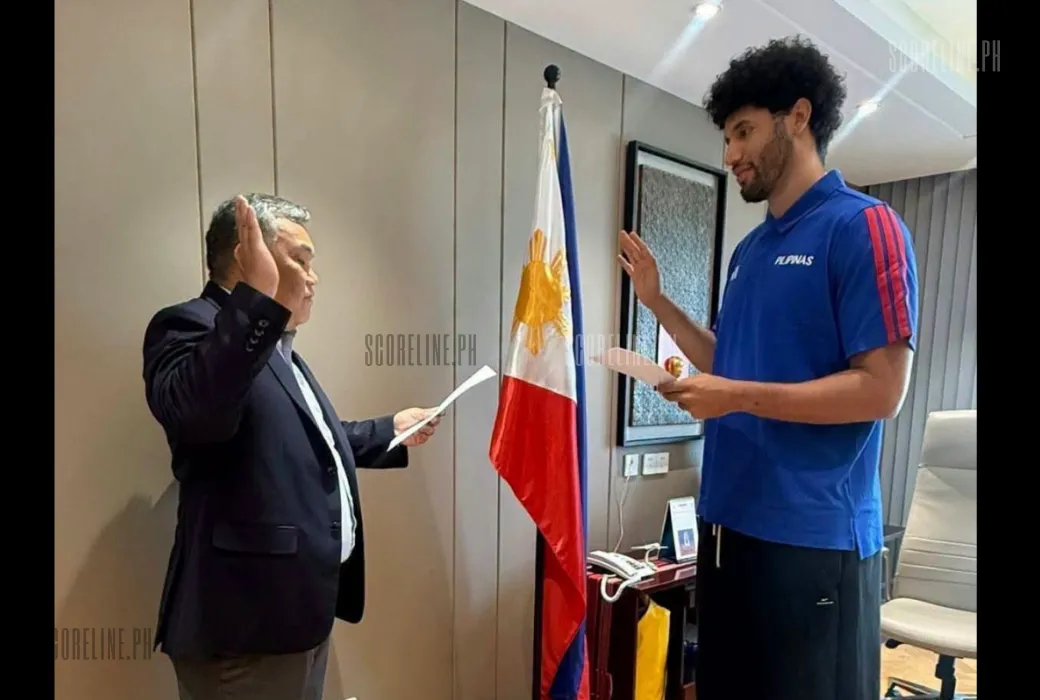
Bennie Boatwright Takes Oath of Allegiance as Race Against FIBA Deadline Begins

The 6-foot-10 scoring powerhouse moves closer to becoming Gilas Pilipinas' newest naturalized reinforcement, but legal documentation and international eligibility requirements remain crucial before his anticipated national team debut.

Gilas Pilipinas may soon have another powerful weapon in its international basketball arsenal.

After months of anticipation, Bennie Boatwright has taken a significant step toward representing the Philippines, officially taking his Oath of Allegiance to the country on Wednesday, October 21, 2026, at the Philippine Embassy in China.

The development brings the 6-foot-10 American basketball standout closer to completing his naturalization process and potentially joining the national team for the upcoming FIBA Basketball World Cup Asian Qualifiers.

But while the oath represents an important milestone, the journey is far from complete.

With a November 14 deadline approaching for the submission of eligibility documents to FIBA, the Samahang Basketbol ng Pilipinas (SBP) faces a race against time to complete the remaining requirements.

For Gilas Pilipinas, Boatwright's potential arrival represents more than another roster addition. It could provide the national team with a different offensive dimension as it prepares for another demanding international campaign.

Boatwright's appearance at the Philippine Embassy in China marked an important development in the country's efforts to secure another naturalized basketball player.

The oath is a significant step in the legal process, but it does not automatically complete all the requirements necessary for him to represent the Philippines internationally.

According to the process outlined by the SBP, Boatwright's oath must still be registered with the Bureau of Immigration.

The registration will be followed by the issuance of his Certificate of Naturalization, after which he can proceed with his application for a Philippine passport.

Even after securing the necessary Philippine documents, his participation in FIBA competitions will remain subject to the international basketball federation's eligibility requirements.

Taking the oath moves Boatwright closer to Gilas. Securing FIBA clearance will determine whether he can finally wear the Philippine jersey.

The urgency surrounding Boatwright's naturalization stems from the approaching FIBA documentation deadline.

SBP Executive Director Erika Dy said the necessary requirements must be submitted to FIBA by November 14, 2026, for Boatwright to become eligible for consideration in the upcoming qualifying window.

Gilas is preparing for scheduled FIBA World Cup Asian Qualifiers games in Malaysia on November 27 and 29.

That leaves a limited period to complete the remaining documentation, obtain international eligibility clearance, and potentially integrate Boatwright into the national team's preparation.

For head coach Tim Cone, the situation presents both an opportunity and a challenge.

Boatwright could provide additional scoring and size, but his availability cannot be treated as guaranteed until the necessary requirements are satisfied.

The coaching staff must therefore prepare for multiple roster possibilities.

The talent is available. The opportunity is approaching. But the paperwork must be completed before the basketball can begin

At 6-foot-10, Boatwright offers a combination of height, shooting ability, and offensive versatility that could make him a valuable reinforcement for the national team.

Unlike traditional centers who operate primarily inside the paint, Boatwright is capable of stretching the floor and creating scoring opportunities from the perimeter.

His shooting range could force opposing big men to defend farther from the basket, potentially opening driving lanes for Filipino guards and additional space for interior players.

That offensive flexibility could become particularly valuable against Asian opponents that rely on size, physicality, and disciplined half-court defense.

Boatwright's scoring ability could also give Gilas another option when opposing teams successfully disrupt its offensive sets.

Currently playing for the Fujian Sturgeons in the Chinese Basketball Association, he continues to gain professional experience in a competitive international environment.

However, success in club basketball does not automatically guarantee immediate effectiveness in FIBA competition.

International basketball presents different tactical challenges, defensive systems, and physical demands.

Boatwright would need to adjust to Cone's offensive structure, develop chemistry with his teammates, and understand the responsibilities expected of him within the national team.

Gilas would not simply be adding another tall player. It would potentially be adding a big man capable of changing how opposing teams defend the Philippines.

Boatwright's progress comes at a time when the availability of veteran naturalized star Justin Brownlee remains uncertain.

Brownlee has been one of the most influential figures in Gilas Pilipinas' recent international campaigns.

His familiarity with Cone's system, leadership, offensive creativity, and ability to perform under pressure have made him a trusted national team reinforcement.

But relying exclusively on one naturalized player presents risks when injuries, scheduling conflicts, or other availability concerns arise.

Boatwright's eligibility could give the coaching staff another option. The two players offer different strengths.

Brownlee provides experience, playmaking, and an established understanding of the team's system.

Boatwright could offer additional height, perimeter shooting, and offensive versatility.

Under FIBA's standard national team eligibility rules, only one player classified as naturalized may generally be included in a team's game roster.

Therefore, having both Brownlee and Boatwright available would primarily provide Gilas with greater flexibility in selecting its naturalized reinforcement.

The question should not simply be Brownlee or Boatwright. The bigger objective is ensuring that Gilas has reliable options when international competitions arrive.

Boatwright's potential arrival also comes during a transition period for the national team.

Nine-time PBA Most Valuable Player June Mar Fajardo has confirmed that his Gilas Pilipinas career is over, ending the international journey of one of the country's most accomplished big men.

His departure leaves a significant gap in experience and interior presence.

Younger Filipino talents such as Kai Sotto and AJ Edu represent important pieces of the national team's future, but their availability and continued development remain essential considerations.

Boatwright could help strengthen the frontcourt while providing a different offensive skill set.

Still, his potential inclusion should complement rather than replace long-term investment in Filipino big men.

A sustainable national team program requires both experienced reinforcements and a dependable pipeline of locally developed talent.

Naturalization can strengthen a national team, but it cannot substitute for a comprehensive player development system.

Boatwright's possible addition will undoubtedly generate excitement among Filipino basketball fans.

But the national team's recent challenges have demonstrated that individual talent alone is not enough to guarantee success.

Player availability, preparation time, roster continuity, and effective coordination with professional clubs remain critical.

The Philippines' disappointing ninth-place finish at the 2026 Asian Games raised questions about the national team's ability to assemble its strongest possible lineup.

Several overseas-based Filipino players were unable to participate because of professional club commitments.

That experience highlighted the importance of early planning and stronger coordination among basketball stakeholders.

Boatwright's naturalization process represents another test of the country's preparation system.

Completing his eligibility requirements would provide a valuable option, but the coaching staff would still need sufficient time to establish his role.

A powerful scorer can help win games. A well-prepared team is what creates sustained international success.

With Boatwright's oath of allegiance completed, attention now shifts to the remaining administrative and international eligibility requirements.

The SBP must secure the necessary documentation and meet the November 14 submission deadline.

If the process is completed successfully and FIBA grants the required clearance, Boatwright could become available for national team selection.

But until those steps are finalized, his participation remains uncertain.

For Cone and Gilas Pilipinas, the immediate priority is preparing a competitive lineup regardless of the outcome.

Boatwright's potential arrival offers optimism, but the national team cannot afford to build its entire preparation around an unresolved eligibility process.

For Bennie Boatwright, representing the Philippines would mark a significant milestone in his professional basketball career.

For Gilas Pilipinas, it could provide another valuable weapon against Asia's strongest teams.

And for Filipino basketball fans, the possibility of seeing a versatile 6-foot-10 scorer wearing the national colors offers renewed excitement.

But the true significance of his arrival would be measured by how effectively he contributes to the team.

The Philippines needs more than impressive individual performances.

It needs consistent preparation, reliable player availability, and a system capable of competing internationally over the long term.

Boatwright could become an important part of that effort.

THE OATH HAS BEEN TAKEN. THE DEADLINE IS APPROACHING. THE POSSIBILITY OF A NEW GILAS WEAPON IS GETTING CLOSER.

But the next chapter will depend on completing the legal process, securing FIBA eligibility, and preparing the team for the challenges ahead.

4
Learn more
photo comparison

Why Asian Para Games Champions Receive Half the Cash Incentives

The ₱2-million and ₱1-million gold-medal incentives under Republic Act No. 10699 have renewed questions about equality, athlete recognition, and the treatment of Filipino para-athletes.

They train for years, compete against Asia's finest athletes, overcome enormous pressure, and proudly carry the same Philippine flag onto the international stage.

They stand on the podium as gold medalists, bringing honor to the country and inspiring millions of Filipinos.

Yet under Philippine law, winning gold at the Asian Games and winning gold at the Asian Para Games carry different financial rewards.

₱2 million for an Asian Games individual gold medal. ₱1 million for an Asian Para Games individual gold medal.

The difference has brought renewed attention to Republic Act No. 10699, or the National Athletes and Coaches Benefits and Incentives Act, following the achievements of Filipino athletes at the 2026 Asian Games and Asian Para Games.

At the center of the discussion is a fundamental question:

Should two Filipino national athletes who win gold at their respective continental championships receive different statutory cash incentives?

A ₱1-Million Difference Written Into Law

Under Section 8 of Republic Act No. 10699, individual gold medalists at the Asian Games are entitled to a statutory cash incentive of ₱2 million.

Individual gold medalists at the Asian Para Games, meanwhile, are entitled to ₱1 million.

The difference is not the result of a discretionary decision by sports officials following a competition.

It is established under the existing national sports incentives law.

The distinction becomes particularly noticeable when comparing the achievements of Filipino champions at the 2026 continental competitions.

Among the Asian Games gold medalists are gymnastics superstar Carlos Yulo, pole vaulter EJ Obiena, and taekwondo athlete Jeus Gabriel Yape.

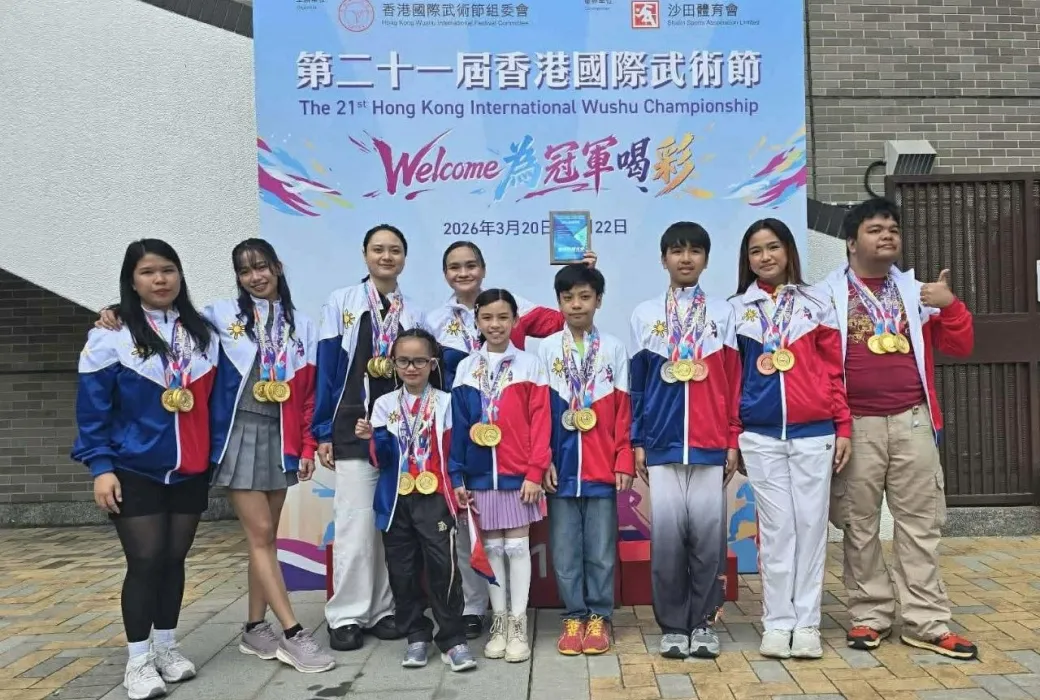
Meanwhile, para swimming champions Ernie Gawilan and Ariel Joseph Alegarbes have also delivered gold-medal performances for the Philippines at the Asian Para Games.

The statutory incentives for individual gold medals are:

Competition

Gold medal incentive

Asian Games

₱2,000,000

Asian Para Games

₱1,000,000

Difference

₱1,000,000

The figures represent statutory cash incentives for individual events. They do not necessarily reflect the total financial rewards an athlete may receive from other government programs, local governments, or private sponsors.

Nevertheless, the difference in the national incentive structure raises questions about how achievements in para sports are recognized.
Different Competitions, Shared National Responsibility

The Asian Games and Asian Para Games are separate international sporting competitions with different event classifications, eligibility requirements, and competition structures.
The Asian Games brings together elite athletes from across the continent, while the Asian Para Games provides high-level international competition for athletes with eligible disabilities.

Both demand years of preparation, specialized coaching, physical conditioning, and technical excellence.

Both require competitors to meet demanding international standards.

And both provide opportunities for Filipino athletes to represent the country against Asia's strongest sporting talents.

For para-athletes, preparation may also involve specialized equipment, accessible training environments, and individualized support services.

These requirements make investment in para sports particularly important.

The two competitions may be different, but the dedication and sporting achievements of their champions deserve serious national recognition.

Ernie Gawilan: A Champion Whose Achievements Speak for Themselves

Among the Filipino athletes whose performances have brought attention to the issue is veteran para swimmer Ernie Gawilan.

At 35, Gawilan continues to establish himself as one of the Philippines' most accomplished para-athletes.

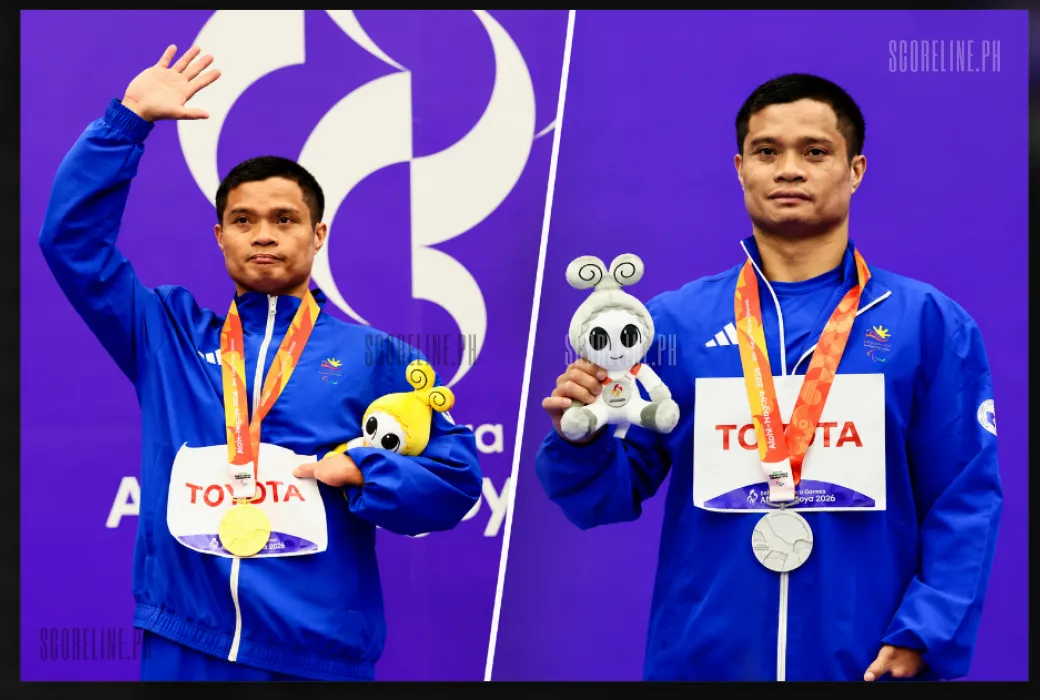
During the Aichi-Nagoya 2026 Asian Para Games, he captured gold in the men's 400-meter freestyle S7 with a time of 4 minutes and 56.72 seconds.

The victory marked his third consecutive Asian Para Games gold medal in the event.

He followed that performance with silver in the men's 200-meter individual medley SM7, clocking 2 minutes and 52.72 seconds.

His achievements reflect years of international competition, technical development, and sustained excellence.

Gawilan's success is not simply an inspirational personal story.

He is an elite competitor whose results demonstrate the quality of Philippine para swimming.

His gold medal carries the same national significance of bringing international sporting recognition to the Philippines.

Yet the statutory incentive attached to his Asian Para Games gold is half the amount provided for an individual Asian Games gold.

That distinction has become part of a broader discussion about athlete recognition.

Why Does Republic Act No. 10699 Provide Different Amounts?

Republic Act No. 10699 was enacted to strengthen benefits and incentives for national athletes and coaches.

The law establishes financial rewards for medal-winning performances in recognized international competitions, including the Olympics, Paralympics, Asian Games, Asian Para Games, and Southeast Asian Games.

Its incentive schedule assigns different amounts according to the competition and medal category.

For the Asian Games and Asian Para Games, the prescribed individual gold-medal incentives differ by ₱1 million.

However, the existence of different amounts does not, by itself, explain the full legislative reasoning behind the distinction.

Understanding that reasoning would require examining the law's legislative history, policy objectives, and the factors considered when the incentive categories were established.

The current discussion therefore presents an opportunity to review whether the existing structure remains appropriate for Philippine sports development.

Equal Recognition and Equal Incentives: A National Debate

The difference between Asian Games and Asian Para Games incentives raises two related but distinct issues.

The first concerns recognition.

Filipino para-athletes represent the country in international competition and deserve recognition for their achievements as elite national athletes.

The second concerns financial policy.

Should the government provide identical statutory cash incentives for equivalent medals at the Asian Games and Asian Para Games, or should the competitions retain separate incentive schedules?

Supporters of equal incentives may argue that both groups of athletes dedicate comparable effort to representing the Philippines and that equal gold-medal rewards would reinforce the principle of inclusive national recognition.

Others may point to differences in competition structures, event categories, and the broader incentive framework as considerations that policymakers must examine.

These perspectives form part of a legitimate discussion about how public sports incentives should be designed.

The central policy question is not whether para-athletes deserve recognition. It is how that recognition should be reflected in the country's financial incentive system.

Can the Incentive Structure Be Changed?

Republic Act No. 10699 includes provisions that allow the Philippine Sports Commission to periodically review and adjust incentive amounts, in consultation with PAGCOR and in accordance with the prescribed process.

Congress also has the authority to amend the law.

Any proposed adjustment would require consideration of the legal framework, financial implications, athlete classifications, and long-term sustainability of the incentives program.

A review could examine whether Asian Games and Asian Para Games gold medalists should receive equivalent statutory awards.

It could also consider whether similar differences exist across other competitions covered by the law.

Such an assessment would provide policymakers with an opportunity to evaluate the incentives framework as a whole rather than focusing exclusively on one medal category.

While the ₱1-million difference has attracted attention, athlete incentives represent only one part of the broader discussion.

Para-athletes also require reliable training allowances, accessible facilities, specialized coaching, sports medicine, rehabilitation support, and international competition opportunities.

The Philippines has produced successful para-athletes despite continuing challenges in access to sporting resources.

Strengthening those systems could help develop more athletes capable of competing internationally.

Cash incentives recognize achievements after medals are won.

Development programs, meanwhile, help create the conditions that make those achievements possible.

Recognition after victory matters. Sustained support before competition matters just as much.

The debate surrounding Republic Act No. 10699 could therefore become an opportunity to examine the wider needs of Philippine para sports.

For athletes such as Carlos Yulo, EJ Obiena, Jeus Gabriel Yape, Ernie Gawilan, and Ariel Joseph Alegarbes, international competition represents the culmination of years of preparation.

Their events are different.

Their athletic disciplines require different skills.

Their competitive journeys are unique.

But their victories share one important distinction.

They bring sporting honor to the Philippines.

The national incentive system is intended to recognize those accomplishments while supporting athletes who dedicate themselves to international competition.

The question now is whether the current framework reflects the standards of recognition and inclusion that Philippine sports seeks to promote.

A Question Worth Bringing to the National Conversation

The difference between the statutory incentives for Asian Games and Asian Para Games champions is clear.

The individual gold-medal amounts are ₱2 million and ₱1 million, respectively.

What remains open for discussion is whether that distinction should continue.

A review of the law could provide an opportunity to examine the rationale behind the existing amounts, the financial implications of possible changes, and the broader objectives of athlete recognition.

For Filipino sports fans, the issue is also a reminder that national athletes compete in many different disciplines and circumstances.

Their achievements deserve attention beyond medal counts and championship celebrations.

The Philippine flag does not change when a para-athlete stands on the podium. The national pride attached to that achievement remains.

Whether the statutory incentives should be equalized is a question for lawmakers, sports institutions, athletes, and the public to examine through an informed policy discussion.

But one principle remains important:

Filipino para-athletes are national athletes whose sporting achievements form an essential part of the country's international success.

SAME PHILIPPINE FLAG. SAME NATIONAL PRIDE. DIFFERENT STATUTORY CASH REWARDS.

THE ₱1-MILLION DIFFERENCE IS CLEAR. THE QUESTION IS WHETHER PHILIPPINE SPORTS POLICY SHOULD CONTINUE TO MAKE THAT DISTINCTION.

3
Learn more
YAN YAN LARIBA

The Filipina athlete Who Made Olympic History at 21 and Left a Legacy That Will Never Be Forgotten

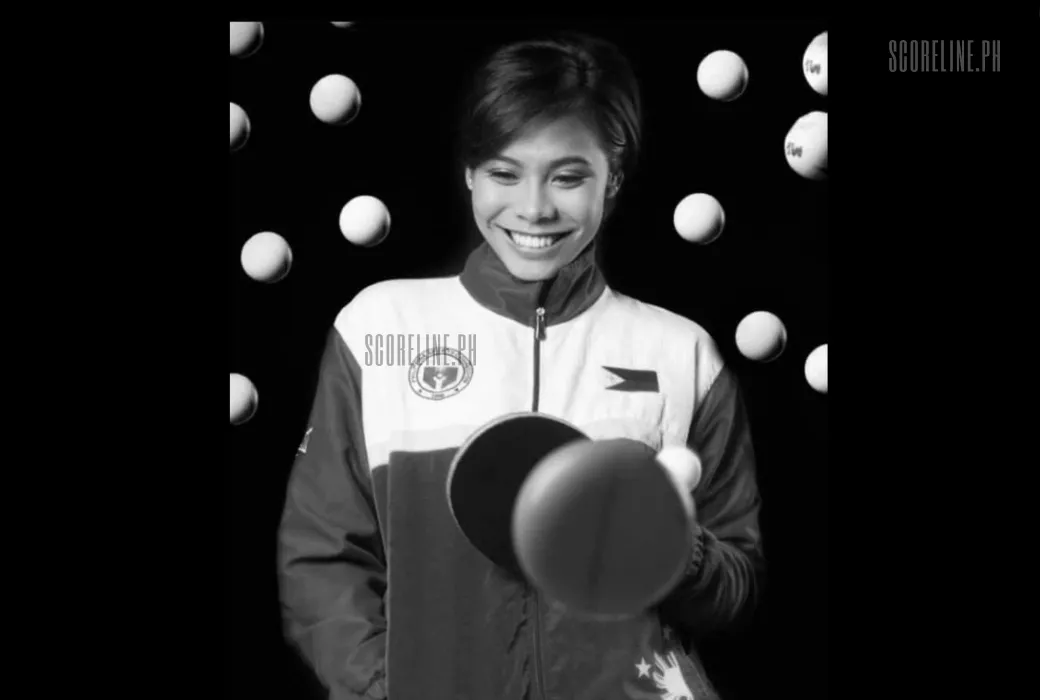
At just 21 years old, the young athlete from Cagayan de Oro City became the first Filipina table tennis player to compete in the Olympic Games, representing the Philippines in women's singles at the 2016 Rio Olympics.

It was a breakthrough moment for a sport that had long struggled to receive the same attention as basketball, boxing, and other popular disciplines in the country.

But only two years after achieving her Olympic dream, Philippine sports lost one of its brightest young talents.

On September 2, 2018, Lariba passed away following a battle with acute myeloid leukemia.

She was only 23.

Her career was painfully short. Her contribution to Philippine sports was anything but small.

From dominating UAAP table tennis to breaking barriers at the Rio Olympics, Ian Lariba achieved what no Filipina had done before. Her life ended at just 23, but her place in Philippine sports history remains secure.

Some athletes spend decades chasing greatness. Others accomplish something extraordinary in a much shorter time, leaving a legacy that extends far beyond their years.

For Ian Lariba, that legacy was built through determination, discipline, and a historic achievement that forever changed Philippine table tennis.

Before becoming an Olympian, Lariba had already established herself as one of the most accomplished student-athletes in Philippine collegiate table tennis.

Representing De La Salle University, she built a remarkable record in the University Athletic Association of the Philippines (UAAP).

Her achievements reflected not only her natural ability but also the consistency and discipline required to remain competitive at the highest collegiate level.

Lariba announced her arrival by winning the UAAP Rookie of the Year award in Season 74.

She followed that achievement with three Most Valuable Player awards in Seasons 75, 77, and 78.

She was also recognized twice as UAAP Athlete of the Year and helped De La Salle capture three team championships.

Those accomplishments made her one of the defining figures of her generation in collegiate table tennis.

But Lariba was not content with succeeding only at the university level.

She had a bigger dream.

She wanted to represent the Philippines at the Olympic Games.

In 2016, Lariba accomplished what no Filipina table tennis player had achieved since the sport became part of the Olympic program in 1988.

She qualified for the Rio de Janeiro Olympics.

At 21, she stepped onto the world's biggest sporting stage carrying the Philippine flag and the hopes of a growing table tennis community.

Her participation marked an important breakthrough for Philippine sports.

For years, Filipino table tennis players had competed in regional and international tournaments, but an Olympic appearance had remained elusive. Lariba changed that.

Her qualification demonstrated that Filipino athletes could reach the highest level of international competition even in sports that receive comparatively limited public attention.

Although she did not win an Olympic medal, her presence in Rio represented an achievement that went beyond the result of a single match.

She had opened a door that future generations of Filipino table tennis players could now dream of walking through.

For aspiring young athletes, particularly girls hoping to compete internationally, Lariba became proof that the Olympic stage was within reach.

Following her Olympic appearance, Lariba appeared positioned to continue developing her international career.

At 21, she had already accomplished more than many athletes achieve in a lifetime.

Her collegiate dominance, national team experience, and Olympic qualification provided a strong foundation for future competitions.

She still had opportunities to improve her skills, compete internationally, and inspire more young Filipinos to pursue table tennis.

But in May 2017, her life took an unexpected turn.

Lariba was diagnosed with acute myeloid leukemia, an aggressive form of blood cancer.

The diagnosis brought an abrupt interruption to her sporting career.

Instead of preparing for another tournament, she faced intensive medical treatment and the uncertainty of a serious illness.

The news deeply affected the Philippine sports community, particularly her teammates, coaches, supporters, and fellow student-athletes.

September 2, 2018: Philippine Sports Loses a Trailblazer

Despite undergoing treatment, Lariba passed away on September 2, 2018, approximately 15 months after her diagnosis.

She was 23 years old.

Her death brought an early end to a career filled with promise.

For Philippine table tennis, the loss was especially significant.

The country had lost its first female Olympic representative in the sport, an accomplished collegiate champion, and an athlete who had inspired others through her achievements.

For her family, friends, and teammates, the loss was far more personal.

Beyond the medals and championships was a young woman whose life had touched those around her.

Her passing served as a painful reminder that even the most accomplished athletes face circumstances beyond their control.

There would be no comeback tournament, no second Olympic appearance, and no opportunity to discover how much further her career might have gone.

But the achievements she left behind would remain.

Philippine sports history is often told through Olympic medals, world championships, and record-breaking performances.

Those achievements deserve recognition.

But there is another kind of sporting greatness: becoming the first to accomplish something that once seemed beyond reach.

Lariba belonged to that category.

Her Olympic qualification was a milestone not only for herself but also for Philippine table tennis.

She demonstrated that athletes competing outside the country's most popular sports could achieve international breakthroughs.

Her journey also highlighted the importance of collegiate athletics as a pathway toward national representation.

The UAAP provided Lariba with opportunities to develop her competitive abilities and establish herself as an elite player.

From there, she progressed to international competition and ultimately the Olympics.

Her career showed how grassroots participation, collegiate development, and international opportunities can help produce historic achievements.

The most meaningful way to preserve Lariba's legacy is to ensure that future Filipino table tennis players have opportunities to pursue their own ambitions.

Table tennis requires specialized coaching, consistent competition, proper equipment, and access to training facilities.

For young athletes outside major urban centers, those resources can be difficult to obtain.

Strengthening school-based programs, supporting collegiate competitions, and expanding access to national training opportunities could help more Filipino players develop their potential.

Lariba's achievements provide an important example of what can happen when talent is supported by discipline and competitive opportunities.

Her story should encourage greater recognition for athletes competing in less-publicized sports.

The next Filipino table tennis Olympian may already be training in a school gymnasium somewhere in the country.

Providing that athlete with opportunities to grow would be a meaningful continuation of Lariba's legacy.

Ian Lariba's story is both a celebration of sporting achievement and a reminder of a life that ended far too soon.

At 21, she made Olympic history.

At 23, she was gone.

Between those years, she had already accomplished something extraordinary for Philippine sports.

Her UAAP championships established her as a collegiate great. Her Olympic qualification made her a national trailblazer.

And her journey continues to inspire discussions about opportunity, perseverance, and the importance of recognizing athletes beyond the country's most popular sports.

Ian Lariba did not need an Olympic medal to earn her place in Philippine sports history.

She achieved something no Filipina table tennis player had accomplished before her.

That distinction will remain part of the country's Olympic story.

Her life reminds us that sporting greatness is not measured only by the length of an athlete's career or the number of trophies collected.

Sometimes, it is measured by the barriers an athlete breaks and the possibilities those achievements create for others.

SHE MADE HISTORY AT 21. SHE LEFT US AT 23. BUT HER LEGACY WILL OUTLIVE THE YEARS SHE WAS GIVEN.

IAN LARIBA (1994–2018)

The first Filipina Olympic table tennis player. A UAAP champion. A Philippine sports trailblazer.

FOREVER REMEMBERED. FOREVER PART OF PHILIPPINE OLYMPIC HISTORY.

4
Learn more
June Mar Fajardo

June Mar Fajardo Reaches 10,000 Career Points, Cements Legacy Among Basketball Legends

With nine MVP awards and 14 years of dominance, San Miguel Beermen superstar June Mar Fajardo adds another historic achievement to one of the greatest careers in Philippine basketball.

Some basketball players make history with spectacular dunks, breathtaking three-pointers, or dramatic game-winning shots.

For June Mar Fajardo, one of the most significant moments of his illustrious Philippine Basketball Association (PBA) career came from something he has perfected over the years.

A simple, unstoppable jump hook.

On Wednesday, October 21, 2026, the 6-foot-10 San Miguel Beermen superstar officially joined the PBA's exclusive 10,000-point club, becoming only the 19th player in league history to reach the remarkable scoring milestone.

The historic basket came against the NLEX Road Warriors at the Ynares Center, adding another achievement to the career of the nine-time PBA Most Valuable Player.

For Fajardo, it was another demonstration of the consistency, discipline, and dominance that have defined his professional basketball journey.

Fourteen years. Nine MVP awards. Ten thousand career points. One extraordinary Filipino basketball legend.

With only five points needed to reach the milestone entering the game, Fajardo wasted little time making history.

At the 2:21 mark of the first quarter, the veteran center established his position inside the paint, received an entry pass, and executed his trademark turnaround jump hook over his defender.

The shot looked ordinary by Fajardo's standards.

But its significance was anything but ordinary.

It officially pushed his career scoring total to 10,000 points, placing him alongside some of the most celebrated names in Philippine basketball history.

There was something fitting about the way the milestone unfolded.

No complicated offensive play. No desperation shot from beyond the arc. No flashy maneuver designed to impress the crowd.

Just Fajardo doing what he has done successfully for more than a decade.

Establish position. Receive the basketball. Execute with precision.

The same fundamentals that built his career delivered one of its most memorable milestones.

Reaching 10,000 career points is an achievement reserved for a select group of players who have demonstrated exceptional scoring ability and longevity.

Fajardo became the 19th member of the prestigious club, joining an extraordinary collection of PBA legends.

Among them are fellow Cebuano great Ramon Fernandez, Alvin Patrimonio, Abet Guidaben, Allan Caidic, Robert Jaworski Sr., Atoy Co, Nelson Asaytono, Phillip Cezar, Jojo Lastimosa, William "Bogs" Adornado, and Jerry Codiñera.

The list also includes Benjie Paras, Francis Arnaiz, James Yap, Mark Caguioa, Arwind Santos, Jayson Castro, and former import Norman Black.

Castro was the most recent player to achieve the milestone before Fajardo, reaching the mark in May 2026.

For the San Miguel center, joining this group represents another significant achievement in a career already filled with individual honors and team success.

But his entry into the club carries a particularly interesting distinction.

Unlike many prolific scorers who built their reputations through perimeter shooting and explosive offensive performances, Fajardo accumulated much of his scoring through traditional post play.

His success has been built around size, footwork, positioning, touch, and an exceptional understanding of how to operate near the basket.

In an era increasingly dominated by three-point shooting, Fajardo has demonstrated the enduring value of a dominant traditional center.

Modern basketball has undergone a dramatic transformation over the past decade.

Teams increasingly emphasize perimeter shooting, floor spacing, defensive switching, and versatile players capable of operating across multiple positions.

Traditional centers have been challenged to adjust their games to faster and more perimeter-oriented systems.

Yet Fajardo has continued to thrive.

His offensive effectiveness is rooted in his ability to establish deep post position, read defenders, and finish efficiently around the basket.

His jump hook has become one of the most recognizable offensive weapons in Philippine basketball.

Opposing teams know it is coming.

Defenders prepare for it.

Coaches design schemes to limit his opportunities.

But stopping the Kraken remains a difficult assignment.

His combination of physical strength, soft shooting touch, and excellent footwork allows him to create scoring opportunities even against aggressive interior defenses.

Everyone knows Fajardo's moves. Very few have consistently found a way to stop them.

That reliability has helped make him the centerpiece of San Miguel's success for much of his professional career.

Fajardo's 10,000-point achievement adds to an already remarkable collection of individual accomplishments.

His nine PBA Most Valuable Player awards stand as a testament to his sustained excellence.

Winning an MVP award requires an exceptional season.

Winning multiple MVP awards demands consistency across several years.

Reaching nine reflects a level of dominance rarely seen in Philippine professional basketball.

Throughout his career, Fajardo has remained a central figure in San Miguel's championship campaigns, providing interior scoring, rebounding, defensive presence, and leadership.

His ability to maintain a high level of performance across different seasons, opponents, and tactical systems has distinguished him from many of his contemporaries.

For younger Filipino centers, his career offers an important lesson.

Basketball excellence does not always require extraordinary athleticism or flashy offensive moves.

Fundamentals, discipline, physical preparation, and continuous improvement can be equally valuable.

Fajardo's greatness has never depended on reinventing his game every season. It has depended on mastering the skills that make him effective.

Fajardo's journey from Cebu to becoming one of the PBA's most decorated players represents one of the defining success stories of modern Philippine basketball.

Before becoming the Kraken, he was a promising young big man working to develop his abilities and establish himself against more experienced competitors.

His rise required patience, training, and the determination to improve his game.

Over time, he transformed into one of the most feared interior players in the league.

His accomplishments have also brought recognition to Cebu, a province with a rich basketball tradition that has produced several notable Filipino players.

Now, by joining the 10,000-point club, Fajardo shares another distinction with fellow Cebuano basketball icon Ramon Fernandez.

Their careers belong to different generations, but both have left lasting marks on the history of Philippine basketball.

For Fajardo, the latest milestone further strengthens his place among the country's greatest professional players.

Whenever discussions turn to the greatest players in PBA history, Fajardo's name is increasingly difficult to ignore.

His nine MVP awards, championship contributions, scoring achievements, and sustained dominance provide a compelling case for his inclusion among the league's all-time greats.

However, comparing players from different generations remains complicated.

Basketball rules, playing styles, competition levels, and team systems have changed considerably over the decades.

Legends such as Ramon Fernandez, Abet Guidaben, and Benjie Paras established their reputations under different circumstances.

Each brought unique strengths and accomplishments to Philippine basketball.

But Fajardo's combination of individual awards, longevity, and offensive consistency ensures that he belongs in those discussions.

The question is no longer whether June Mar Fajardo deserves to be considered among the PBA's greatest centers. His career achievements have already established his place in that conversation.

The debate now centers on where his legacy stands alongside the sport's most celebrated figures.

The significance of reaching 10,000 career points extends beyond the number itself.

It represents thousands of possessions, countless hours of practice, and years of maintaining the physical conditioning necessary to compete professionally.

It also reflects the trust placed in Fajardo by teammates and coaches throughout his career.

For San Miguel, he has remained a reliable offensive option capable of producing points in demanding situations.

For opposing teams, he has consistently presented one of the league's most difficult defensive challenges.

And for Filipino basketball fans, he has become a symbol of sustained excellence.

The historic basket against NLEX was merely one shot in a career filled with memorable performances.

But it represented the accumulation of everything that came before it.

Ten thousand points are not scored in one extraordinary game. They are earned through years of preparation, consistency, and commitment.

Even after reaching another historic milestone, Fajardo's professional basketball journey continues.

His retirement from Gilas Pilipinas has closed an important chapter of his international career, but his contributions to the PBA remain significant.

At San Miguel, he continues to demonstrate the value of experience and leadership while competing against younger players eager to establish their own reputations.

The league will eventually welcome another generation of talented centers.

Some may possess greater speed, shooting range, or athletic versatility.

But matching Fajardo's combination of individual achievements and sustained success will be an enormous challenge.

His 10,000-point milestone adds another benchmark for future Filipino players to pursue.

For 14 years, June Mar Fajardo has built his career around a simple basketball philosophy.

Work hard. Master the fundamentals. Trust the process. Deliver when needed.

Those principles have helped him become one of the most decorated players in Philippine basketball history.

His latest milestone serves as another reminder that greatness can emerge from consistency rather than spectacle.

On October 21, 2026, one familiar jump hook officially placed the Kraken among the PBA's most prolific scorers.

But the significance of that moment reaches far beyond the basket itself.

It represents a career defined by dedication, dominance, and an extraordinary commitment to excellence.

NINE MVP AWARDS. FOURTEEN YEARS OF DOMINANCE. TEN THOUSAND CAREER POINTS.

FROM CEBU TO PBA IMMORTALITY, JUNE MAR FAJARDO HAS WRITTEN ANOTHER GOLDEN CHAPTER IN PHILIPPINE BASKETBALL HISTORY.

And as long as the Kraken continues stepping onto the court, his remarkable legacy will continue to grow.

THE MOVE WAS FAMILIAR. THE MOMENT WAS HISTORIC. THE LEGACY IS LEGENDARY. 

3
Learn more
Ernie Gawilan

Ernie Gawilan's Extraordinary Journey From a Difficult Beginning to Philippine Para Swimming Greatness

Two medals at the Aichi-Nagoya 2026 Asian Para Games tell only part of the story of a Filipino champion whose journey is defined by resilience, family, and a determination to inspire others.

For Ernie Gawilan, standing on the Asian Para Games podium is about more than winning medals, hearing the Philippine national anthem, or adding another championship to an already remarkable career.

It is about remembering where his journey began, honoring the people who gave him a chance to succeed, and showing persons with disabilities that sporting opportunities can open doors to extraordinary achievements.

At 35, the veteran Filipino para swimmer continues to prove that experience, discipline, and determination can produce exceptional results against Asia's strongest competitors.

His latest campaign at the Aichi-Nagoya 2026 Asian Para Games has already delivered two podium finishes — a gold medal in the men's 400-meter freestyle S7 and a silver in the men's 200-meter individual medley SM7.

But behind those achievements is a deeply personal story that gives his victories special meaning.

Gawilan is not simply collecting medals. He is building a legacy that extends far beyond the swimming pool.

Gawilan has spoken openly about the circumstances surrounding his birth, sharing his belief that his underdeveloped lower extremities resulted from an unsuccessful abortion attempt during his mother's pregnancy.

Rather than allowing the circumstances of his early life to define his identity, he found purpose and opportunity through competitive swimming.

“'Yung kapansanan ko, nakuha ko po ito sa abortion. Hindi po siya naging negative sa akin. Nagamit ko po siya sa sports,” Gawilan said.

His words reflect the personal meaning he attaches to his journey.

For Gawilan, swimming became a way to develop his abilities, discover his competitive potential, and eventually represent the Philippines internationally.

He also believes that his life carries a purpose.

“'Yun po 'yung ginawa sa akin, pero sa awa ng Diyos, hindi natuloy. Siguro may plano po para sa akin na magrepresenta sa bansa natin,” he shared.

His story has become an important part of his message to fellow persons with disabilities.

But while his personal experiences inspire many, his achievements are also the product of years of training, technical development, and elite-level competition.

His success deserves recognition not only because of the challenges he has faced, but because he has established himself as one of the Philippines' most accomplished para swimmers.

Gawilan opened his latest Asian Para Games campaign with an outstanding performance in the men's 400-meter freestyle S7.

Competing at the Rainbow Pool of the Nagoya City General Gymnasium, the Filipino swimmer clocked 4 minutes and 56.72 seconds to capture the gold medal.

The victory delivered the Philippines' first gold medal of the Games and extended Gawilan's remarkable record in the event.

It was his third consecutive Asian Para Games gold in the men's 400-meter freestyle S7.

The achievement demonstrated his ability to remain competitive against younger international rivals.

At 35, maintaining that level requires demanding physical preparation, consistent training, and the mental discipline necessary to perform under pressure.

For Gawilan, finishing below five minutes was particularly satisfying.

His performance reinforced his belief that age does not automatically prevent an athlete from delivering elite results.

Just one day after winning gold, Gawilan returned to the pool determined to add another medal to the Philippine tally.

He delivered once again.

Competing in the men's 200-meter individual medley SM7, the Filipino veteran recorded 2 minutes and 52.72 seconds to claim silver.

The result gave him two medals in as many days and improved his performance from the previous Asian Para Games, where he collected gold and bronze.

“Sobrang happy ako sa performance ko. Noong last Asian Para Games, gold at bronze. Ngayon, umangat ng isa—gold at silver,” Gawilan said.

His improvement is particularly significant considering the physical demands of competing across multiple swimming events.

The individual medley requires athletes to demonstrate proficiency in different strokes while maintaining endurance and technical consistency.

For Gawilan, the silver medal was another indication that his training continues to produce results.

And with the men's 100-meter backstroke still ahead in his campaign, he remains determined to finish the competition strongly.

Behind Gawilan's international success are the people who helped raise him and supported his early development.

Among the most important were his grandparents.

Gawilan has credited them with giving him the care and support that allowed him to pursue his future.

Although they passed away before witnessing his greatest sporting achievements, their influence remains central to his story.

“Kahit hindi na nila naabutan 'yung tagumpay ko, maraming salamat. Dahil sa inyo, nadugtungan 'yung buhay ko at nakapagrepresenta ako ngayon sa bansa. Dahil sa inyo 'yon,” he said.

The tribute revealed the emotional significance of his accomplishments.

Every international competition represents not only an opportunity to win medals, but also a chance to honor the sacrifices and support of those who helped him.

His grandparents may no longer be present to celebrate his victories, but their influence remains part of every milestone he achieves.

As Gawilan continues his international career, his priorities have also evolved.

Now a husband and father, the Filipino champion says his greatest satisfaction comes from seeing his family happy.

His wife and young child have become an important source of motivation.

“Ilalaan ko ito sa mag-ina ko talaga. Kasi sa akin, okay na ako. Makita ko lang silang masaya sa achievement ko, okay na ako doon,” he said.

The statement reflects a different dimension of the veteran athlete's journey.

While competition remains important, his achievements now carry meaning beyond personal recognition.

He hopes the opportunities created by his sporting career will help provide a better future for his family.

For an athlete who has spent years representing the country, that motivation adds another purpose to every training session and international competition.

Stories about para-athletes often focus heavily on personal adversity.

While those experiences can be meaningful, they should not overshadow the sporting achievements themselves.

Gawilan's accomplishments are not simply inspirational moments.

They are results earned through years of specialized training, competitive experience, technical preparation, and determination.

His latest Asian Para Games performances demonstrate his ability to compete successfully at the highest continental level.

Winning a third consecutive gold medal in the same event requires consistency across multiple competition cycles.

Adding silver in another discipline highlights his versatility and endurance.

Ernie Gawilan is not an accomplished athlete despite being a person with a disability. He is an accomplished athlete whose performances have earned him a place among Philippine para swimming's leading figures.

That distinction matters.

Recognizing para-athletes as elite competitors is essential to building a sports culture that values their achievements on equal sporting terms.

Gawilan's success also brings attention to the continuing need for investment in Philippine para sports.

International medals generate national pride, but long-term athlete development requires reliable institutional support.

Para-athletes need accessible training facilities, specialized coaching, appropriate equipment, sports science services, rehabilitation support, and opportunities to compete internationally.

These resources are particularly important for young athletes who may not have the financial means to pursue competitive sports independently.

The Philippines has already demonstrated its ability to produce successful para-athletes.

The challenge is ensuring that opportunities are available to a broader generation of competitors.

Celebrating medals is important. Building the system that makes those medals possible is equally important.

Gawilan's achievements should encourage continued discussion about how para sports can receive sustainable support beyond major international competitions.

Giving Hope to the Next Generation

Despite his success, Gawilan continues to emphasize the message he hopes to share with other persons with disabilities.

“Sana makapag-inspire din po ako sa mga may kapansanan na nawalan ng pag-asa sa buhay,” he said.

His message is rooted in his own experiences.

Through swimming, he found opportunities to develop his talent, compete internationally, and establish a meaningful career.

He hopes others can discover opportunities that allow them to pursue their own ambitions.

Not everyone will become an Asian Para Games champion.

But access to sports, education, employment, and community support can help persons with disabilities pursue fulfilling and independent lives.

Gawilan's journey illustrates the importance of those opportunities.

The Aichi-Nagoya 2026 Asian Para Games have already added another remarkable chapter to Gawilan's career.

His gold medal in the 400-meter freestyle and silver in the 200-meter individual medley reinforce his status as one of the country's leading para swimming champions.

But the lasting significance of his story cannot be measured solely by medals.

It can also be found in his gratitude toward his grandparents, his dedication to his family, and his desire to encourage others.

His competitive achievements have brought recognition to Philippine para sports.

His personal journey has given those achievements deeper meaning.

And his continued success at 35 demonstrates the value of experience, discipline, and sustained preparation.

ERNIE GAWILAN'S MEDALS BRING HONOR TO THE PHILIPPINES. HIS JOURNEY REMINDS US WHY OPPORTUNITY, SUPPORT, AND DETERMINATION MATTER.

From a difficult beginning to the top of the Asian Para Games podium, he has built a career defined by achievement and purpose.

GOLD CAN BE WON IN A SINGLE RACE. A LEGACY IS BUILT OVER A LIFETIME.

For Ernie Gawilan, that legacy is already bigger than gold.

4
Learn more

Top News

Kenji Moral

Kenji Moral’s Fast Break to Rising Star in PH's Youth Basketball

2,173
Mario Barasi Jr.

Mario Barasi Jr.: Rising Big Man ready for the PBA stage

825
Michael Martinez

Michael Martinez: The Filipino Athlete Who Funded His Own Olympic Dream

397
Masters Pinoy Pilipinas Basketball squad with team Mongolia.

Masters Pinoy captures basketball gold at the World Masters Games

386
janine

Exclusive: Janine Nicandro, The Journey of a PBA Referee

362
Loren Brill

Loren Brill: Reigniting a basketball legacy born of champions

333
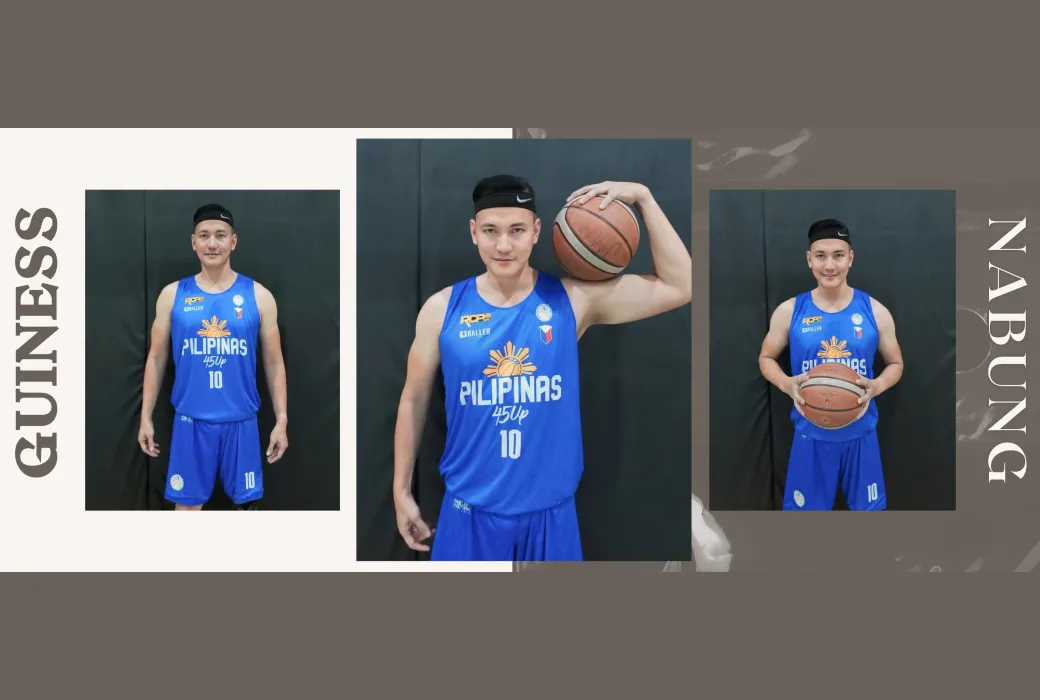
Guiness Nabung of Masters Pinoy Pilipinas Basketball team.

Guiness Nabung - Masters Pinoy Pilipinas Basketball Profile

299
Isaiah Africano poses for Scoreline.ph during the PBA 50th Rookie Draft

Isaiah Africano joins Guam National Team for FIBA WCA Qualifiers

297
Johann Chua & Carlo Biado

17 Filipino cue artists eye glory at World Pool Championship in Saudi Arabia

291
Gilas Pilipinas

Gilas Pilipinas begins Asian Games title defense with a new-look squad

285
Andre Jamgerald Ugaddan

Andre Jamgerald Ugaddan – “Batang Mamaw” ng Reg. 4A

279
Efren Reyes

Player Profile Series: “The Magician” Efren “Bata” Reyes

278
Kevin Quiambao

UAAP: UP fighting Maroons fall short to Green Archers, forced to Game 3

266
Dr. Obet Vital is the new Assistant Coach of the UP Fighting Maroons Women's Volleyball Team

Looking Ahead: Obet Vital's new era of growth and opportunity

257
Paul Reguera

Paul Reguera - Masters Pinoy Pilipinas Basketball Profile

257
Alvin "The Captain" Patrimonio - a player with a lion heart.

Player Profile Series: “The Captain” Alvin Patrimonio’s lion heart

234
Deanna Wong

Player Profile Series: Deanna Wong, The Court’s Quiet Leader

224
Ricky Ricafuente

Ricky Ricafuente - Masters Pinoy Pilipinas Basketball Profile

220
First ever PBA MVP William "Bogs" Adornado.

Player Profile: William "Bogs" Adornado - First PBA MVP

215
Oliver Agapito of Masters Pinoy Pilipinas Basketball team.

Oliver Agapito resharpens his basketball form with Masters Pinoy

215
Roger Yap of Masters Pinoy Pilipinas Basketball team.

Roger Yap - Masters Pinoy Pilipinas Basketball Profile

203
Captain Nica Celis of the UP Fighting Maroons Women's Volleyball Team

Nica Celis aims to helm Fighting Maroons' escape from bottom spot

196
Toshihiko Era

Japanese boxer scores a remarkable victory in Bangkok at age 50

187
Alberto "Abet" Guidaben - PBA 50 Greatest Players (2000)

Player Profile Series: Abet Guidaben – PBA Legend, 2 Slams

183
Aiza Maizo-Pontillas

Player Profile Series: The fierce journey of Aiza Maizo-Pontillas

182
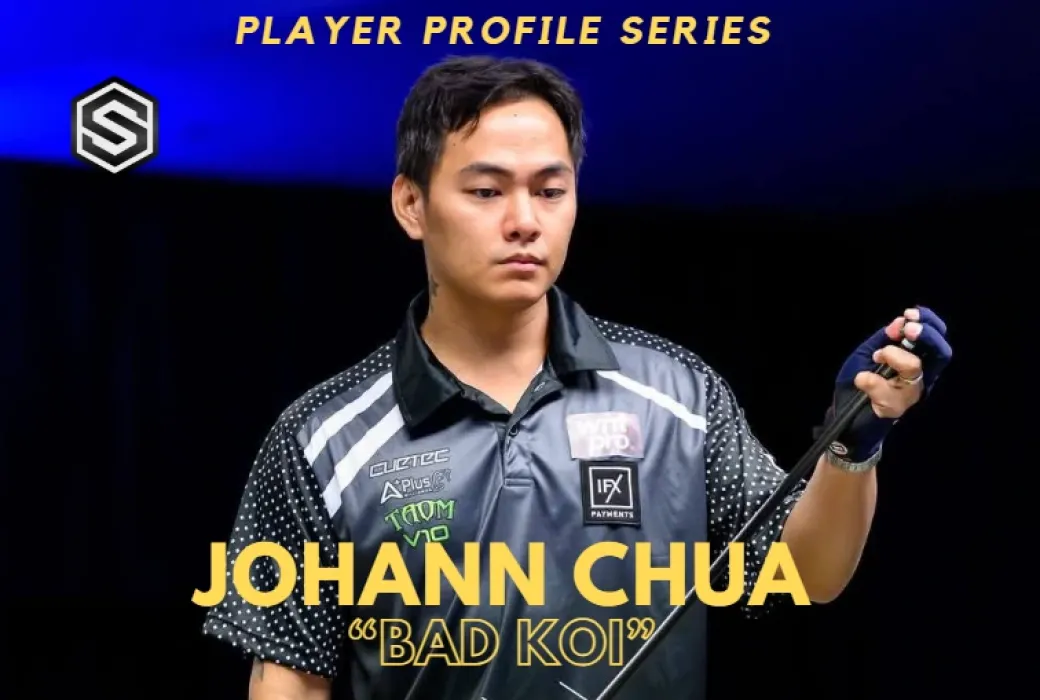
Johann Chua

Player Profile Series: Johann Gonzales Chua - The "Bad Koi"

176
Cloanne Mondonedo

Player Profile Series: Clo Mondoñedo’s journey to setter glory

174
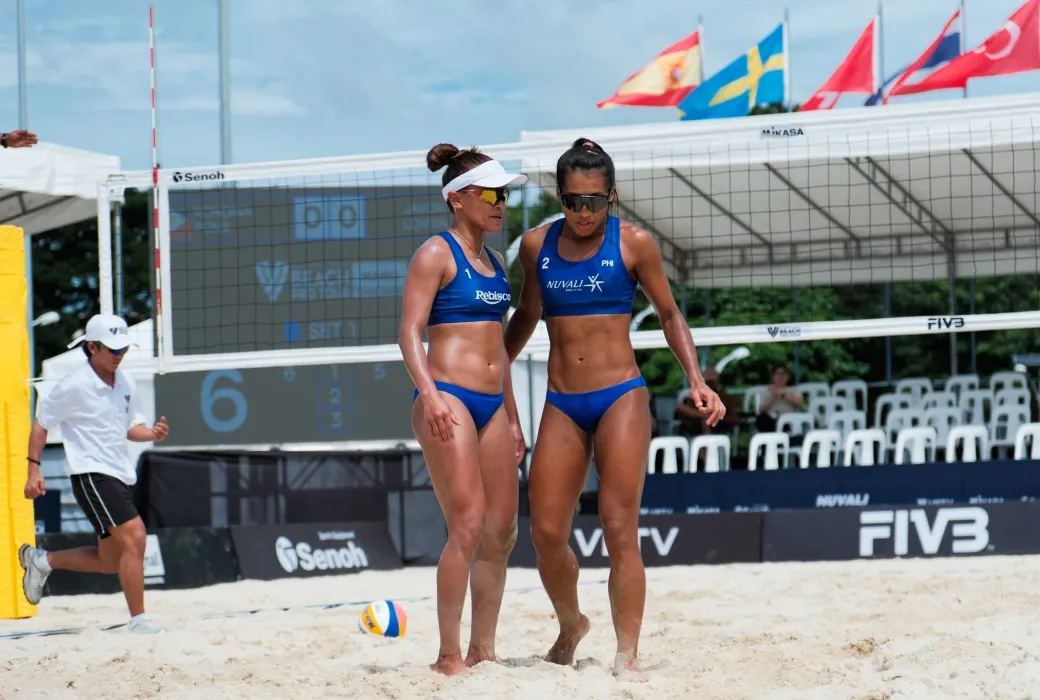
Sisi Rondina and Bernadeth Pons

Rondina, Pons claim first Challenge win at Beach Pro Tour Nuvali

173
Alex Pagulayan

Player Profile Series: Billiards' "Lion Heart" Alex Pagulayan

170
Kamille Cal

Player Profile Series: Kamille Cal brings precision to Akari

169
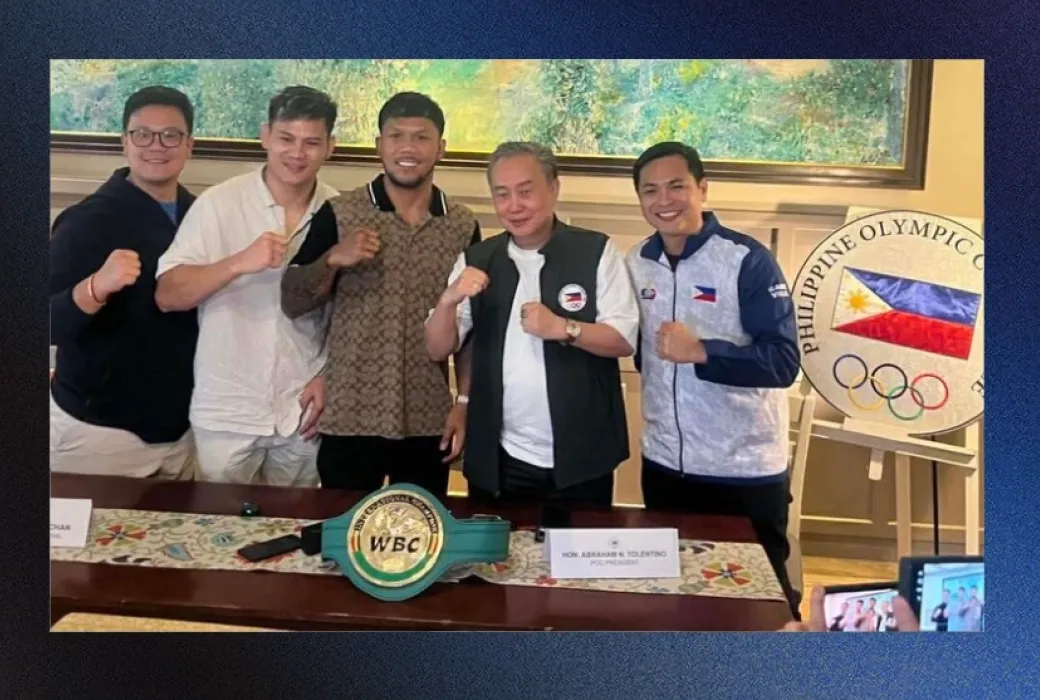
Association of Boxing Alliances in the Philippines

13-strong boxers to lead PH Boxing Team in 2025 SEA Games

168
Sisi Rondina

Player Profile Series: Sisi Rondina, Volleyball’s Cherry Bomb

163
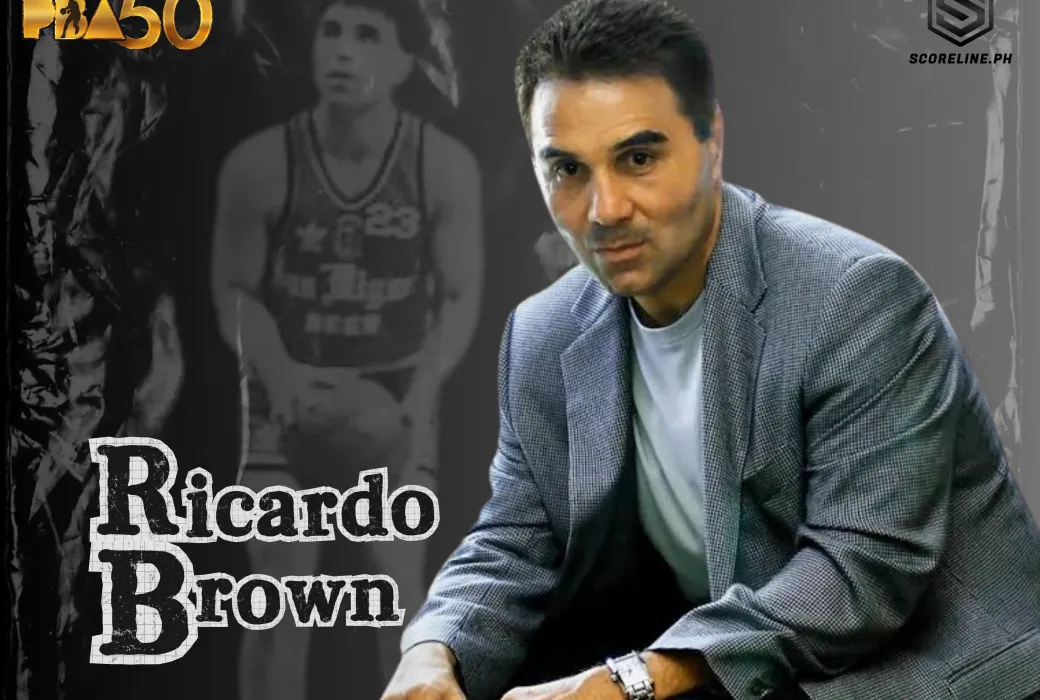
"The Quick Brown Fox" - Ricardo Brown

Player Profile Series: Ricardo Brown – "The Quick Brown Fox"

162
Arena Fitness Dojo

From Grassroots to Global: Arena Fitness Dojo

153
PBA Commissioner Willie Marcial

PBA Season 50 eyes more overseas tours and foreign guest teams

151
Spike and Serve with Petro Gazz Angels & Volleybukids

Spike and Serve reaches out to Volleybukids in Morong, Bataan

150
Ricky Ricafuente

Ricky Ricafuente brings his global experience to Masters Pinoy

145
Ginebra's RJ Abarrientos tries to score against NorthPort's import Kadeem Jack.

Ginebra dominates NorthPort to get Game 1 of their Semis series

142
Freddie Hubalde - The Silent Operator

Player Profile Series: Freddie Hubalde - The Silent Operator

140
Francisico Bustamante

Player Profile Series: The iconic Francisco "Django" Bustamante

139
Jelena Todorovic is the new Head Coach of Fortaleza Basquete Cearens.

Brazil’s NBB gets first female coach in Jelena Todorovic

138
Carlo Biado

Player Profile Series: Carlo Biado, the WPA World 9-Ball Champion

137