Aichi-Nagoya was a Statement. Now, the Philippines must Build on it
Four golds, 29 medals and the Philippines’ best Asian Games haul in 64 years have given the country something bigger than a celebration—a reason to rethink what Filipino sports can become.
The medals are home.
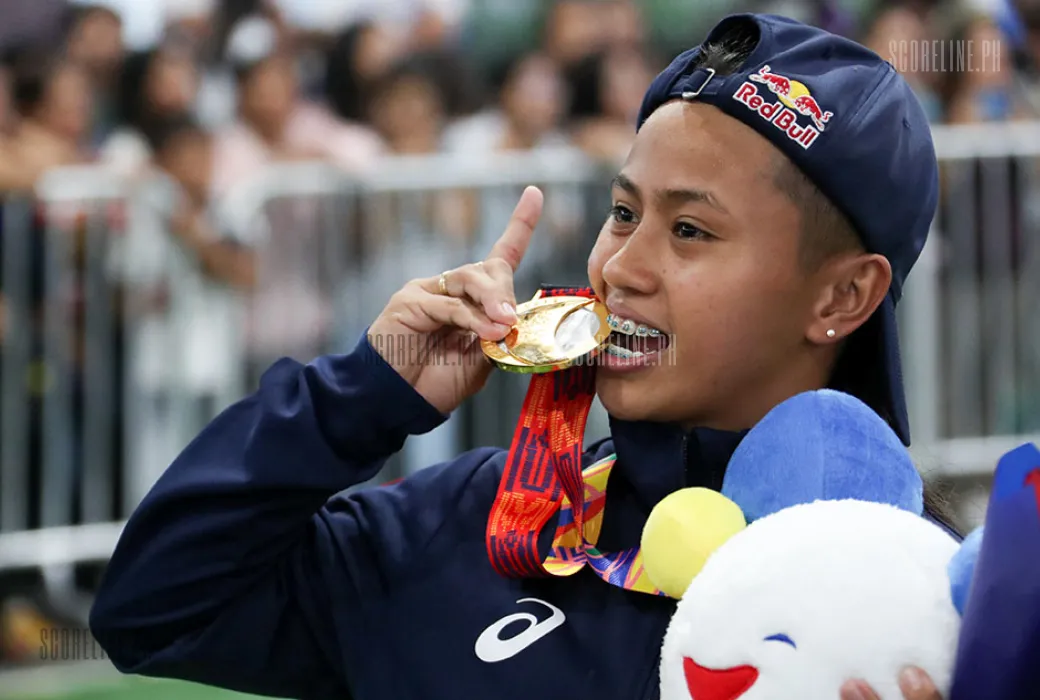
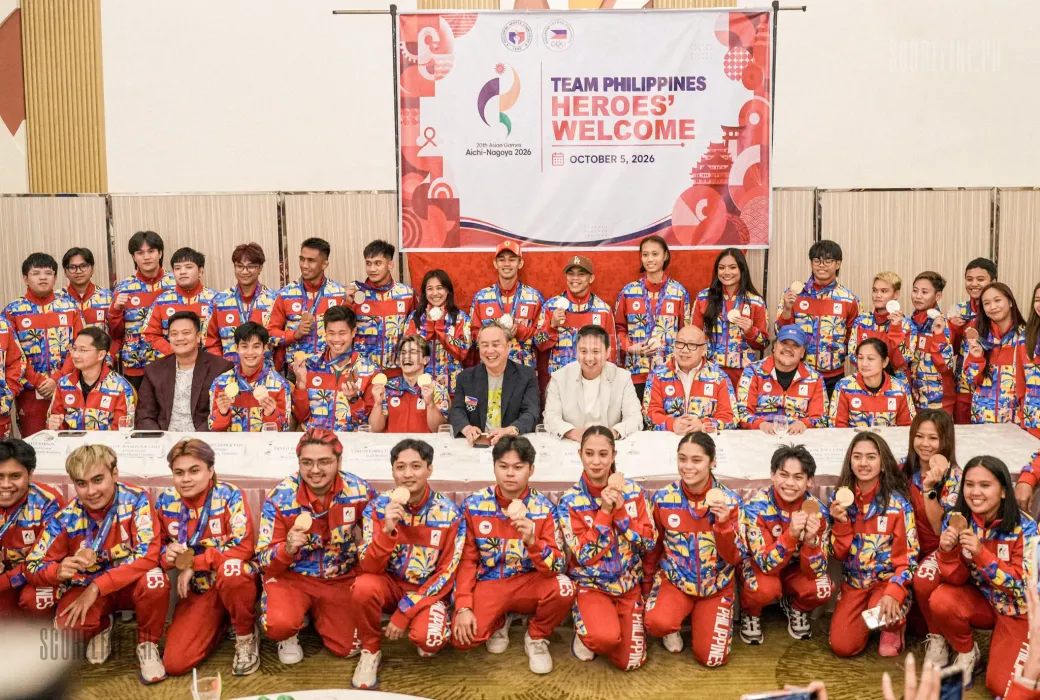
The athletes have returned from Japan carrying four golds, nine silvers and 16 bronzes, completing a 29-medal haul that PSC Chairman John Patrick C. Gregorio described as the Philippines’ best Asian Games performance in 64 years.
But perhaps the biggest takeaway from Aichi-Nagoya is not the number of medals.
Aichi-Nagoya gave Philippine sports a moment to celebrate. But it can also become something much bigger.
A reminder that Filipino athletes are not short on ability. What matters now is building an environment where that ability can consistently reach its potential.
The athletes have made their statement. Now the system has to make its own.
Because if the Philippines truly wants to become a multi-sport nation, the goal cannot simply be to celebrate champions when they come home.
It is the reminder of what Filipino athletes can accomplish when talent is matched with preparation, opportunity and the chance to compete on the biggest stage.
This should be more than a celebration. It should be a wake-up call.
Carlos Edriel Yulo once again showed the extraordinary ceiling of Filipino gymnastics, turning difficult routines into gold-medal performances.
EJ Obiena continued to proves that the Philippines can produce world-class athletes even in disciplines traditionally outside the country's sporting spotlight.
And they were not alone. Across the courts, fields, rings, pools and tracks of Aichi-Nagoya, Filipino athletes fought for every point, every second and every centimeter.
Some won medals. Others fell short of the podium.
But collectively, they delivered a message that should be impossible to ignore:
The Philippines has the talent. The Philippines has the heart. The Philippines has athletes capable of competing with Asia's best.
The danger after a successful campaign is believing the job is finished. It isn't.
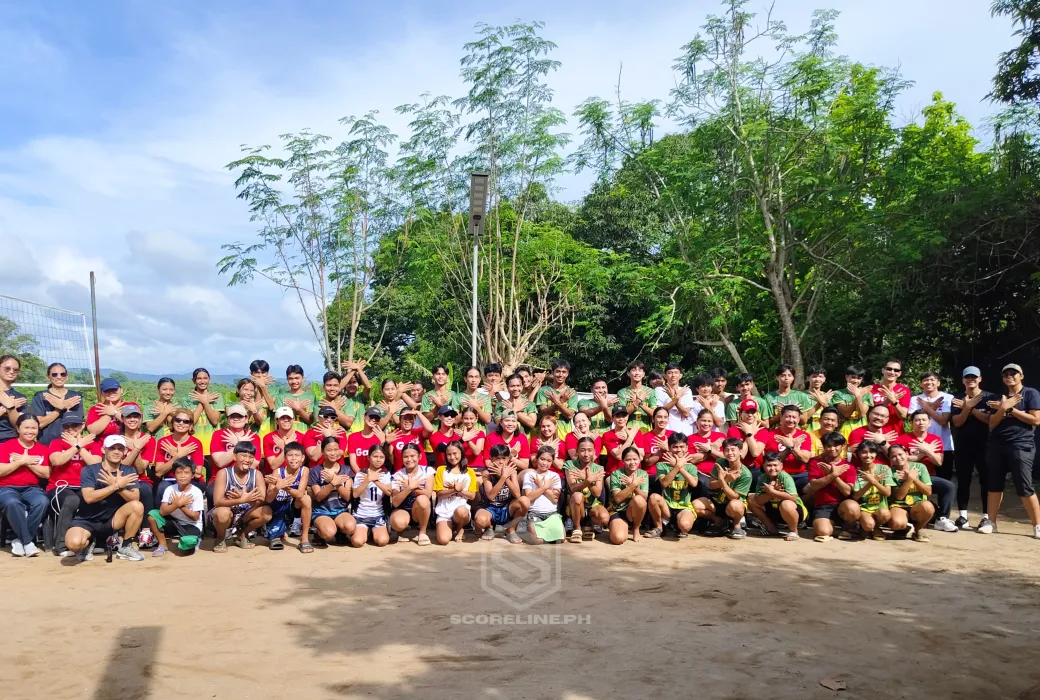
The medals are coming home, but the athletes who won them will eventually move on. Behind them is another generation—young athletes training in schools, local gyms, community courts and provincial facilities—waiting for its opportunity.
And that is where Philippine sports faces its next challenge.
Can the country provide the facilities, coaching, grassroots programs, equipment, competition exposure and long-term support needed to turn promising youngsters into international champions?
Because developing athletes should not begin only when they are already winning medals.
The system has to find them before they become champions—and build them into champions.
The calendar is already moving. The SEA Games are next.
Then comes the SEA Games Youth Plus, where the country's emerging athletes will get another opportunity to prove themselves.
And beyond that sits the enormous stage of the Los Angeles 2028 Olympics.
The next Carlos Yulo could already be training somewhere in the Philippines.
The next EJ Obiena could already be clearing a bar. The next champion could already be dreaming.
The question is whether the country will give that athlete enough reason to keep dreaming—and enough support to turn that dream into reality.
The goal should be to create more of them. From Aichi-Nagoya to Los Angeles, the fire is burning. Now, let's build something that keeps it alive.