
DJ Fenner
DaveIldefonso JakeFigueroa DJFenner Abra EASL PhilippineBasketball Basketball

Abra Makes a Statement in EASL Debut With Character Win Over Hong Kong Eastern

Abra knew its character would be tested the moment it stepped onto the East Asia Super League stage.

The Weavers answered that test with composure, grit and a statement victory.

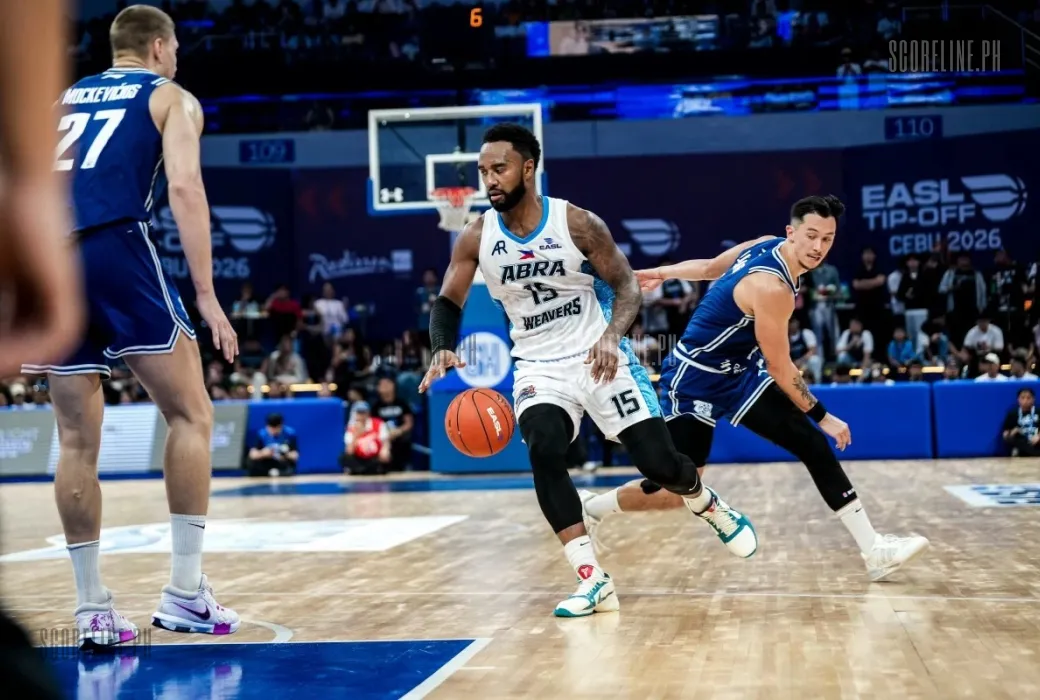
Making their EASL debut before a good-sized crowd at the newly inaugurated SM Seaside Cebu Arena, Abra held its nerve against Hong Kong Eastern to carve out a hard-earned 79-72 victory and announce that it belongs on the regional stage.

For a team often viewed as the replacement for the usual PBA representatives in the tournament, the Weavers had something to prove—and they played like a squad determined to make the most of its opportunity.

“It’s a character win for us,” said Abra star Dave Ildefonso after the game.

For Ildefonso, the victory was about more than simply opening the EASL campaign with a win. It was about a group of players carrying something to prove stepping up when the pressure was highest.

“If you look at our guys, if you look at our lineup, there’s a bunch of players who just want to prove themselves,” he said.

Ildefonso pointed to the personal journeys of several teammates as part of what fueled Abra's performance.

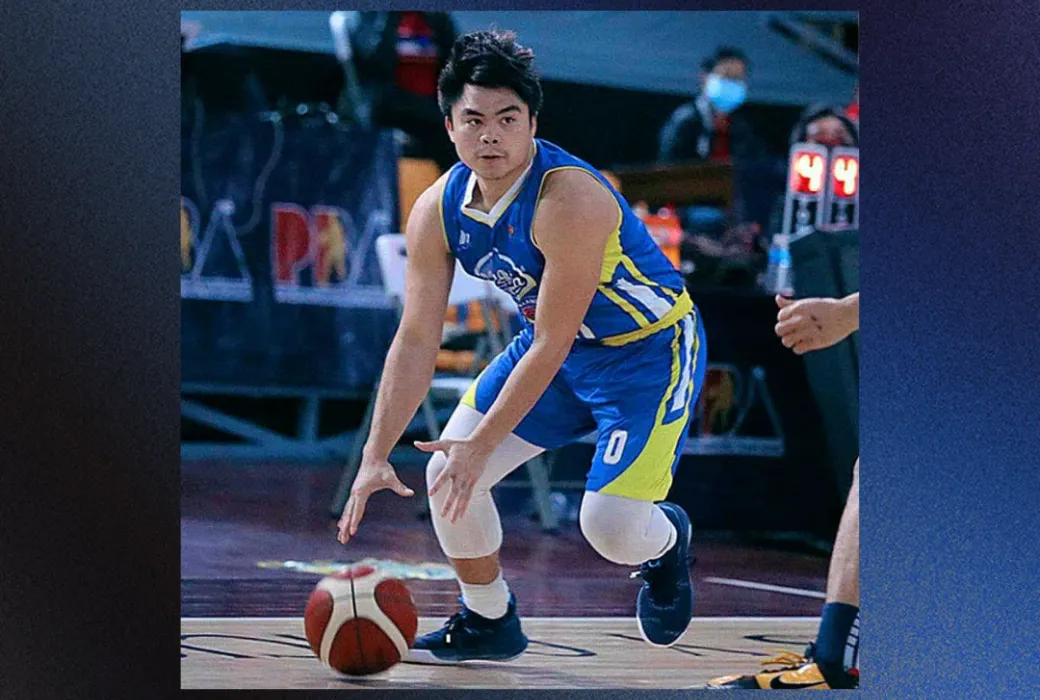
His own stint in Korea did not go as planned. Jake Figueroa experienced a similar setback, while veteran DJ Fenner continues to show that he can still perform at a high level despite his age.

Mike Eric, meanwhile, is also determined to prove that he remains among the best players of his generation.

“I’m still trying to prove that at my age I am still a high-level player,” Fenner said in Ildefonso’s account of the team's mindset.

That collective hunger translated on the court.

Ildefonso contributed nine points, four rebounds and a block, while Fenner finished with 13 points, five rebounds, three assists and three steals.

Eric added 10 points and five rebounds, while Figueroa delivered a crucial three-pointer before his night ended after he was ejected for two technical fouls.

Imports Jaylen Johnson and Freddy Ibrahim led the Weavers with 14 points apiece, providing the offensive punch Abra needed to keep Hong Kong Eastern at bay.

For Ildefonso, however, the numbers only tell part of the story.

The bigger accomplishment was proving that Abra could withstand the pressure of its first international assignment.

“If you look at us, the team we’re really here to prove something to ourselves and to other people,” he said.

“Siguro after this win, siyempre first game pa lang, but it is a step towards the right direction for most of us.”

The Weavers now return their attention to another important mission—the MPBL playoffs, where they are the defending champions.

Their EASL campaign will resume on November 4, when Abra faces the Ryukyu Golden Kings, the Japan B.League runner-up led by Filipino guard Kieffer Ravena.

One game is in the books.

But for Abra, the message from its international debut is already clear:

The Weavers did not come to the EASL simply to fill a slot. They came to prove they belong.

News

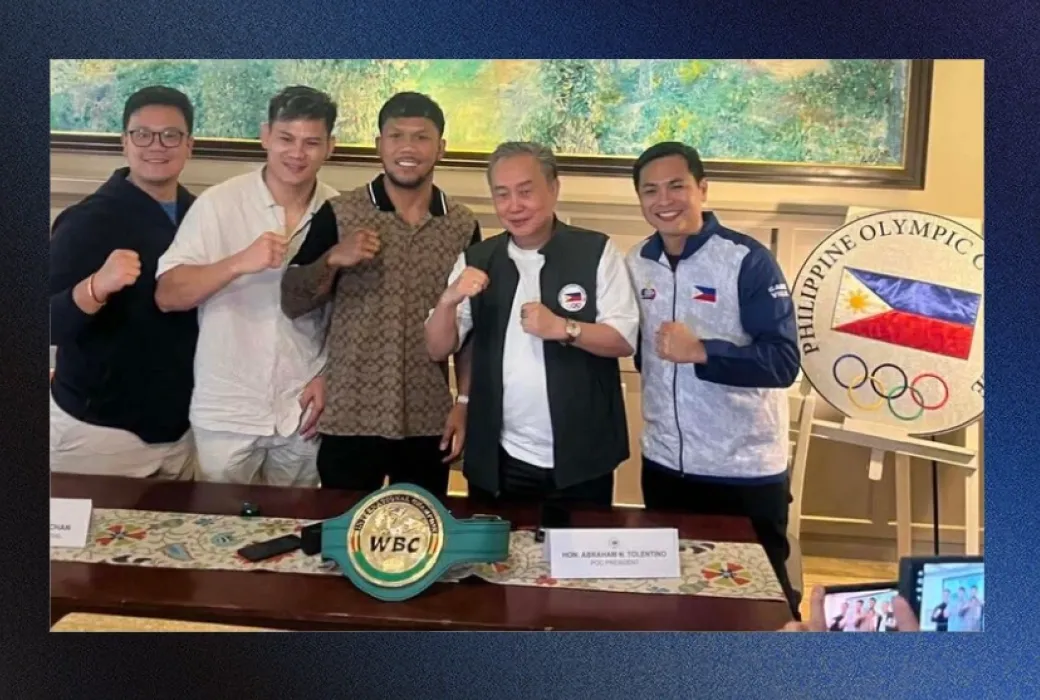
PSC Chair Patrick Gregorio & POC Pres. Abraham Tolentino

The real story behind Team Philippines’ Aichi-Nagoya campaign

Four gold medals. Nine silvers. Sixteen bronzes. Twenty-nine medals in all.

For Philippine Olympic Committee President Abraham “Bambol” Tolentino, however, the nine silvers told another story.

They represented medals that, in his view, could have easily changed the color of the Philippines’ Aichi-Nagoya campaign.

The target was eight golds. The country won four. But Tolentino insists the eight-gold projection was never unrealistic.

“I can say that hindi ko pwedeng ikahiya na kaya talaga yung eight [gold medals],” Tolentino said during the Team Philippines homecoming press conference in Manila yesterday.

And his explanation was simple. “Doon lang tayo pipitas sa silver.”

Team Philippines matched its four-gold haul from the 2018 Jakarta-Palembang and 2022 Hangzhou Asian Games, with Carlos Yulo winning two golds in gymnastics, EJ Obiena taking pole vault gold and Jeus Yape capturing the country's historic virtual taekwondo gold.

But the POC chief believes the tally could have been much higher.

He pointed to Carlo Paalam's silver medal, as well as silver-medal finishes in jiu-jitsu and taekwondo, where he questioned the impact of officiating and referee decisions.

“Kay Paalam, nakita niyo naman. 'Di ba? Kayo na humusga doon. That's a sure gold,” Tolentino said.

He also cited two jiu-jitsu and taekwondo silver medalists who, according to his account, received zero scores from referees in crucial moments.

Then there was MMA fighter Saclag.

Tolentino believed the young Filipino simply became too aggressive in the final, but still saw something more valuable beneath the silver medal.

“May nakatago yung silver niya,” he said.

In other words, Tolentino was not looking at nine silver medals as nine failures to win gold. He was looking at nine opportunities that came agonizingly close to becoming victories.

Tolentino went even further, pointing to Victoria Bossong's bronze in the women's 800 meters. Bossong topped the preliminary heats in 2:02 but clocked 2:04 in the final.

For Tolentino, the performance raised another “what if.”

“One bronze that should have been gold, with due respect to Victoria,” he said.

His point was clear: the eight-gold projection was not simply a number pulled from thin air.

Several Filipino athletes entered Aichi-Nagoya with legitimate medal chances.

Some delivered gold. Others came home with silver. Some narrowly missed the podium altogether. That is the brutal mathematics of elite sport.

Strip away the gold-medal argument for a moment and another number demands attention.

It was the Philippines' biggest Asian Games medal haul in six decades, dating back to the 1966 Bangkok Asiad.

That makes the conversation more complicated than simply asking why the country fell four golds short of its target.

The more revealing question may be. How many of those 25 non-gold medals can Philippine sports eventually turn into gold?

That is where the real work begins. Because silver means the athlete is already close.

Bronze means the athlete has already broken through the highest level of continental competition. The challenge now is converting proximity into dominance.

Meanwhile, PSC Chairman Patrick “Pato” Gregorio sees reason for optimism beyond the medal count.

He noted that several of the country's medalists are only 20 years old or younger.

For Gregorio, that is one of the most encouraging takeaways from the Games.

“Talagang mga bata. Talagang very promising,” he said, pointing to the development programs being built for the next generation.

The next steps include grassroots initiatives, regional training centers and the Southeast Asian Games Youth Plus scheduled in December.

That matters because medals at the senior level are rarely created overnight.

They are built years earlier—in school gyms, local training centers, provincial competitions and youth programs.

The athletes standing on the Asian Games podium today can become the foundation of the Philippine team of tomorrow.


PSC Chair, Gregorio also had a message for the athletes amid the social-media criticism surrounding the four-gold haul.

Don't let the noise become bigger than the achievement.

“Tuloy-tuloy po ang suporta namin sa inyo,” Gregorio said.

His message was particularly relevant in an era where every medal is immediately dissected online and every missed opportunity can become a target for criticism.

Athletes see those comments. They read them. But their job is still the same: train, compete and represent the Philippines.

Perhaps the biggest significance of Aichi-Nagoya is that many of the sports where the Philippines won medals are also part of the Olympic program.

For Tolentino, that makes the Asian Games performance an important indicator heading toward the 2028 Los Angeles Olympics.

The objective is no longer simply to collect medals at one continental Games.

It is to build athletes capable of competing—and winning—on the world's biggest sporting stage.

That requires sustained investment. It requires international exposure. It requires world-class coaching, sports science, facilities, recovery and competition opportunities. And it requires funding.

Gregorio said the next crucial battle for Philippine sports will not take place inside an arena. It will take place in the halls of Congress.

Sports officials are preparing to defend their budget before the Senate, with funding needed for the 2027 Southeast Asian Games, SEA Games Youth Plus, Asian Beach Games and the Los Angeles Olympics.

The message from the PSC is straightforward:

The athletes have shown what they can do. Now the system has to keep up.

Under Republic Act No. 10699, an Asian Games gold medal carries a P2-million incentive, while silver medalists receive P1 million and bronze medalists P400,000.

Those rewards recognize the athletes' achievements. But incentives alone cannot build an Olympic pipeline. That requires long-term investment.

So, did Philippine sports fall short in Aichi-Nagoya?

If the only measure is the eight-gold projection, then yes. But if the question is whether the country produced a competitive, medal-producing team capable of challenging Asia's best, the 29-medal haul paints a much broader picture.

Four golds matched the country's recent Asian Games high. Nine silvers showed how close several athletes came to the top.

Sixteen bronzes demonstrated the breadth of the country's medal-producing program. And the presence of young athletes on the podium suggests that this may not be the finished product. The goal should not be to celebrate four golds as though the work is done.

Nor should it be to dismiss 29 medals as though nothing was accomplished. Both can be true: Philippine sports made progress—and Philippine sports still has a lot more to prove. The silver medals are not excuses.

They are targets. The bronze medals are not consolation prizes. They are starting points. And the four golds are not the ceiling.

They are the standard that the next generation must be challenged to surpass. Aichi-Nagoya is over.

The road to Los Angeles has already begun.
3
Learn more
Alex Eala

Eala chose the Philippines, but it cost her a shot at the WTA Finals

Eala entered the Asian Games carrying the momentum of a breakthrough season, but competing in Japan meant stepping away from one of the biggest tournaments on the WTA calendar.

Now, Alex Eala had a choice to make.

Chase the points. Chase the ranking. Chase a place among the world's best at the WTA Finals.

Or put on the Philippine colors and compete for the country at the Asian Games.

But, Eala chose the Philippines.

And now, that decision has officially cost her a shot at the season-ending WTA Finals.

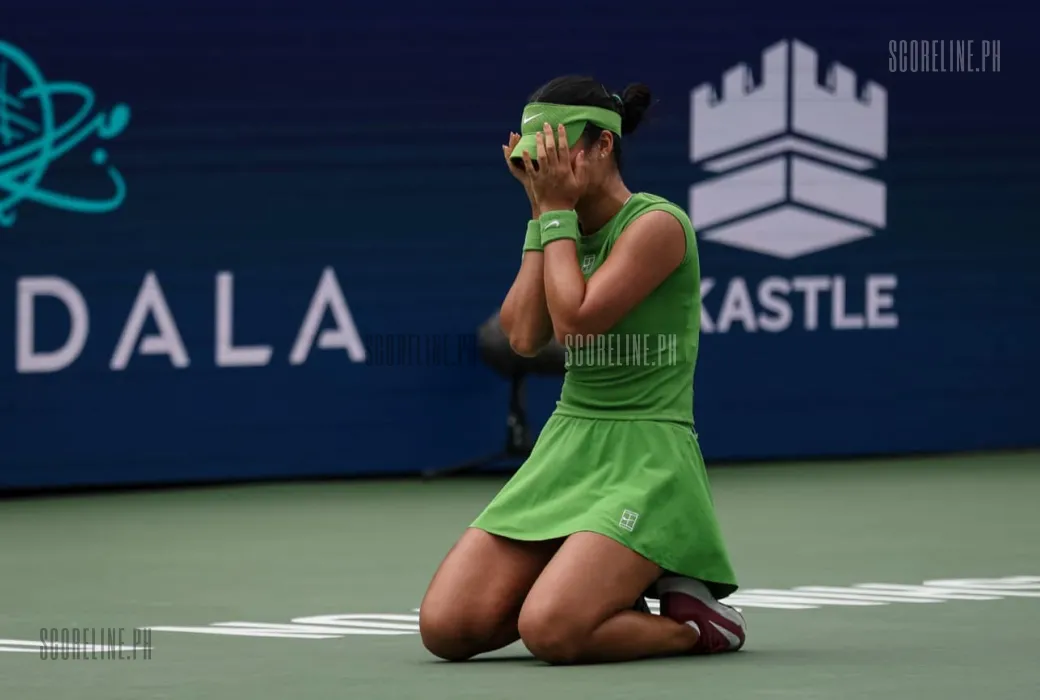
The Filipino tennis ace is no longer in contention for the prestigious event after skipping the WTA 1000 China Open to represent the country at the 20th Asian Games in Aichi-Nagoya, Japan.

An “X” now appears beside Eala’s name in the WTA live race, signaling that her bid to finish among the top eight players has come to an end.

For Eala, however, the missed opportunity came with something else: an Asian Games bronze medal.

The China Open offered valuable ranking points that could have strengthened her push for a place in the WTA Finals.

Instead, Eala chose to represent the Philippines.

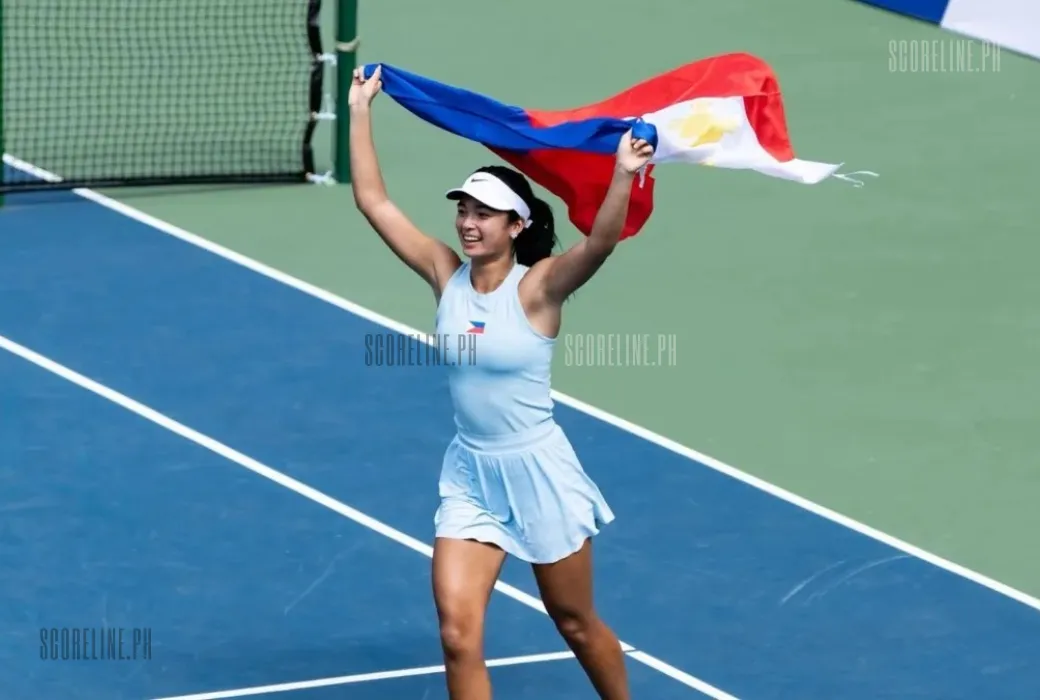
She reached the semifinals of the Asian Games singles event, securing a bronze medal and adding another major achievement to her rapidly growing career.

But in the unforgiving WTA race, every missed tournament can matter. And this one proved decisive.

Eala was sitting at No. 17 in the WTA live race with 2,181 points. Ahead of her was Czech player Linda Noskova, who occupied the eighth and final qualification spot with 4,354 points.

That left Eala 2,173 points behind the cutoff position. With the WTA Finals qualification deadline set for Nov. 1, the gap became too large to overcome after Eala opted out of the China Open.

Even if she had played in Beijing, overtaking Noskova would have required a deep run from Eala while Noskova exited early.

It was possible on paper. But increasingly difficult in reality.

The WTA Finals is scheduled for Nov. 8 to 15 in Indian Wells, where the world's top eight singles players will battle for one of the biggest prizes in women's tennis.

Eala will not be among them this time. That may sting. But her 2026 season is hardly defined by the tournament she missed.

Her decision in Japan showed that her ambitions extend beyond rankings and individual milestones.

She wanted to represent the Philippines. She wanted an Asian Games medal. And she got one.

Professional tennis is built around rankings, points, prize money and qualification cutoffs. Every tournament matters, and players often have to make difficult choices about where—and when—to compete.

Eala's Asian Games decision is a reminder that an athlete's biggest victories are not always measured by ranking points.

She sacrificed an opportunity to strengthen her WTA Finals campaign. In return, she helped put Philippine tennis on the Asian Games podium.

The WTA Finals will come again. So will another season of chasing rankings, titles and bigger stages.

For now, Alex Eala leaves the Asian Games with something no WTA ranking can take away:

A bronze medal for the Philippines.

And perhaps the bigger story is not that Eala missed the WTA Finals.

It's that, when she had to choose between points and country, she chose the flag.

5
Learn more
Alex Eala

Alex Eala’s value beyond the tennis court She's building Global Sports Empire

Alex Eala’s rise has become one of the most compelling stories in Philippine sports—not simply because of the matches she wins, but because of what is beginning to happen around her.

The Filipino tennis star is no longer just a promising young player chasing rankings and tournament victories.

She is becoming a global sports brand.

As Eala continues to make her mark on the international tennis circuit, her financial profile is expanding alongside her career. Tournament prize money has become a significant part of her earnings, while major international and Philippine companies have increasingly recognized the value of having Eala as part of their brand.

And that could be just the beginning.

Reports citing Forbes data estimate that Eala earned around $1.7 million, or roughly P106 million, in tournament prize money in 2026 alone.

Her official WTA profile also places her career prize money at more than $3 million.

Those numbers are impressive for an athlete still in the early stages of her professional career.

But prize money is only one part of the story. The bigger picture is Eala's growing commercial appeal.

Her success has transformed her from a promising tennis player into one of the Philippines' most recognizable young athletes, giving brands an opportunity to connect with her rapidly expanding audience.

And the names attached to her career say plenty about how far that appeal has already reached.

Eala's endorsement portfolio combines global sports companies with some of the Philippines' biggest brands.

Among the partnerships associated with the young tennis star are Nike, Babolat, Marriott Bonvoy, Globe Telecom, BPI, Locally, Milo and Panasonic.

Each partnership represents a different piece of the Eala brand. A partnership with Nike places Eala alongside one of the world's most recognizable sports brands.

For an athlete competing across the globe, the relationship fits naturally with her ambitions—and gives her another international platform as her profile continues to grow. Babolat represents the most direct connection to Eala's profession.

The French tennis company provides equipment for athletes around the world, making its partnership with Eala a natural extension of her identity as a professional tennis player.

Professional tennis is a sport without borders. Players spend much of the year traveling from one tournament to another, and Eala's partnership with Marriott Bonvoy reflects the increasingly international nature of her career.

While Eala's career is global, her identity remains strongly connected to the Philippines.

Her partnership with Globe gives her a major platform in the local market and strengthens her connection with the young Filipino audience following her journey. Eala's partnership with BPI also shows that her appeal extends beyond traditional sports products.

She represents a generation of young Filipinos associated with ambition, achievement and global competitiveness.

Her association with Locally brings another dimension to her public image. Eala is increasingly being recognized not simply as an athlete, but as a young Filipino personality whose influence reaches into fashion, lifestyle and popular culture.

Few partnerships fit Eala's story better than one connected to young athletes.

Milo has long been associated with youth sports development in the Philippines, making Eala a natural role model for children who dream of competing at the highest level.

Panasonic further expands Eala's commercial reach, demonstrating how her image is increasingly valuable outside the traditional tennis ecosystem.

The pattern is becoming clear. Eala's marketability is growing because her story is bigger than tennis.

It is tempting to reduce an athlete's financial success to a single number.

But in Eala's case, that may miss the bigger story.

Her reported earnings and endorsements are evidence of something much more important: the growing commercial power of Philippine athletes who can compete successfully on the global stage.

Every tournament win increases visibility. Every major result attracts new fans.

Every international appearance puts another Filipino name in front of a global audience.

And every endorsement reinforces the idea that Filipino athletes can have value far beyond their performance inside the arena.

For Eala, the equation is particularly powerful because tennis is already a global sport.

She doesn't need to wait for the world to discover Philippine sports. She is taking Philippine sports to the world.

Eala's commercial career is still developing, just as her professional tennis career is.

Reports have suggested that her off-court earnings have reached millions of dollars over a recent 12-month period, while her management has pointed to the possibility of Eala eventually becoming one of the world's highest-paid female athletes.

Whether that prediction becomes reality remains to be seen. But the foundation is already there. She has the results. She has the international exposure. She has the brands. And increasingly, she has the audience.

That combination is rare. For Philippine tennis, however, the most important part may not be how much Eala earns. It may be what her success makes possible for everyone coming after her.

A young Filipino picking up a tennis racket today can now look at Eala and see something different.

Not just a champion. Not just a professional athlete. But proof that a Filipino can build a career, command an international audience and compete for the biggest prizes in one of the world's most global sports.

Alex Eala is now building her own career. But with every victory, every endorsement and every international headline, she may also be building something bigger a new commercial and sporting future for Philippine tennis.

And if this is only the beginning, the most valuable part of Alex Eala's story may still be waiting to be written.

5
Learn more
New Games in Asian Games

The Asian Games Just got wilder as Aichi-Nagoya,welcomes new generations of Sports

The Asian Games has changed—and Aichi-Nagoya 2026 already make that shift impossible to ignore.

For decades, the continent’s biggest multi-sport event has been built around established disciplines such as athletics, swimming, gymnastics, boxing and traditional team sports.

But at the 2026 edition, the definition of what belongs on the Asian Games stage is getting much broader.

Combat sports, digital technology, action sports and emerging racket disciplines are taking center stage, reflecting the changing interests of a younger generation of athletes and fans.

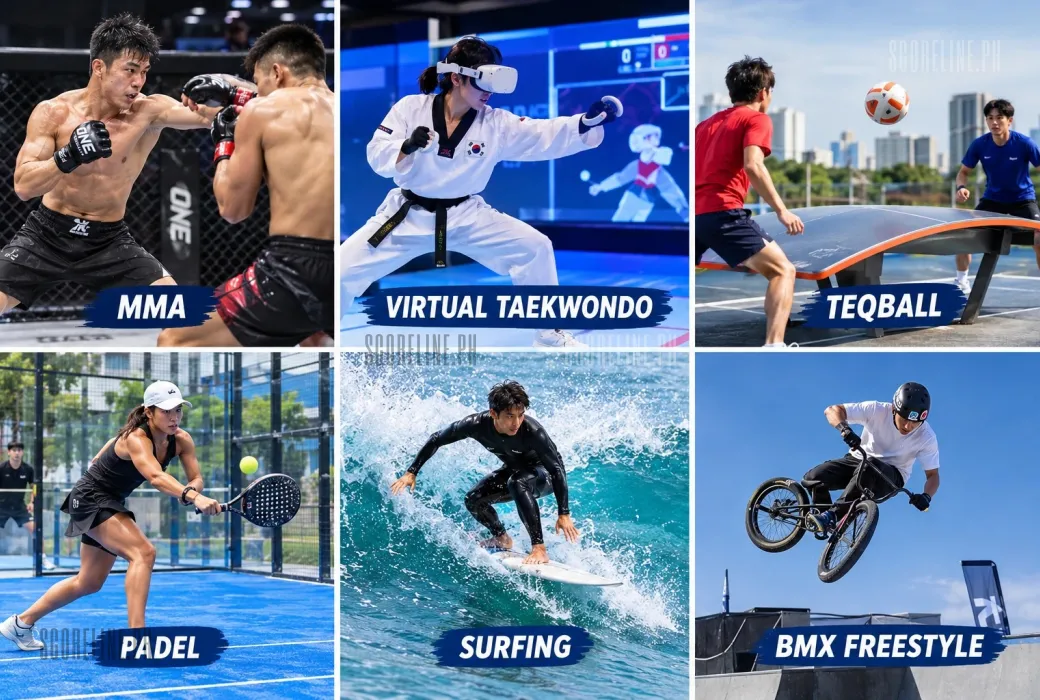
Mixed martial arts, virtual taekwondo, teqball, padel, surfing and BMX freestyle are among the new disciplines featured at Aichi-Nagoya, while sports such as chess, bridge, Go, xiangqi and dragon boat racing are no longer part of the programme.

The result is a Games that looks—and feels—different.

Perhaps the biggest addition is mixed martial arts, bringing full-contact combat into an Olympic-affiliated continental multi-sport event for the first time.

MMA featured six medal events divided between Modern and Traditional formats, testing athletes in striking, ground control, wrestling and submissions.

The competition held over just three days at the Nagoya City Inae Sports Centre, adding another challenge as fighters balance preparation, intensity and recovery.

Its inclusion is more than simply another medal opportunity.

It is a sign of MMA's growing recognition across Asia.

Then comes one of the most unconventional additions: virtual taekwondo.

Instead of athletes physically striking one another, competitors use VR headsets and motion sensors to control digital avatars in a virtual arena.

There are no weight divisions and no gender categories because there is no physical impact.

Sixteen athletes will compete in a single knockout bracket at Toyohashi Gymnasium.

The concept may look radically different from conventional taekwondo, but the athletes still have to react, move, attack and defend in real time.

It is perhaps the clearest example yet of the Asian Games experimenting with what sport can look like in a digital era.

Football gets a completely different twist with teqball.

Played on a curved table using a standard football, competitors can use their head, chest, legs and feet—but not their hands.

Players have three touches to return the ball, with the sport demanding a combination of football technique, balance, precision and quick reactions.

Its growing popularity across Asia has created another pathway for football-loving nations to compete for continental medals.

In other words, football doesn't need a massive stadium to become a medal sport. Sometimes, all it needs is a curved table.

Padel is another sport rapidly expanding across Asia and making its Asian Games debut at Aichi-Nagoya.

Played exclusively in doubles on an enclosed court surrounded by glass and mesh walls, padel keeps the ball in play in ways that traditional tennis does not.

The walls become part of the game. Instead of simply overpowering opponents, players must rely on reflexes, positioning, anticipation and tactical awareness.

Its rise across countries such as Japan, the UAE, Qatar and Kuwait shows that padel is no longer merely a niche club sport.

It is becoming a serious competitive discipline.

While most Asian Games sports take place inside stadiums, surfing takes the competition into the open ocean.

The surfing events will be staged at Pacific Long Beach on the Atsumi Peninsula, where athletes will have to deal with natural waves and changing conditions.

Judges assess speed, power, flow and the difficulty of manoeuvres. Unlike a controlled indoor venue, athletes cannot control the playing surface.

The ocean is part of the competition.

And with the event also carrying significance on the road toward Los Angeles 2028, every wave can potentially carry much greater importance than a single Asian Games medal.

Then there is BMX freestyle park, where speed takes a back seat to creativity and execution.

Riders have 60-second runs to showcase their biggest jumps, most difficult tricks and most creative lines across ramps and obstacles.

Judges reward amplitude, difficulty and variety. It is a sport where athletes aren't simply racing against opponents.

They are effectively competing against gravity—and against the limits of what their bikes can do.

Its inclusion places BMX freestyle alongside the growing family of action sports that have transformed the traditional image of major multi-sport competitions.

The contrast is striking. Some traditional mind and cultural sports—such as chess, bridge, Go and xiangqi—are out.

In their place are disciplines built around speed, technology, spectacle, creativity and youth culture.

That does not necessarily mean tradition is being abandoned.

Instead, Aichi-Nagoya 2026 appears to be testing how a continental sporting event can remain relevant to the next generation.

The question is no longer simply: What sports have always belonged at the Asian Games?

It is becoming what sports will define the future of Asian sport?

MMA fighters competing inside a cage. Taekwondo athletes battling digital avatars.

Football players mastering a curved table. Padel players using glass walls to extend rallies.

Surfers battling the Pacific. BMX riders flying above ramps.

These sports may look wildly different from one another.

But they share one thing: they are changing the way sport is played, watched and experienced.

And that may be the biggest story behind their arrival at Aichi-Nagoya.

The Asian Games are no longer simply preserving the sporting traditions of the past. They are also making room for the sports of the future.

The next generation isn't waiting for sport to stay traditional. They're changing the definition of it.

8
Learn more
SGA Team

Apology Made. Damage Done. Jones Cup Format Change Puts SGA in the Crossfire

CTBA admits Strong Group Athletics was the “biggest victim” of the controversial format change—but for the two-time champions, an apology may not be enough.

The apology has been made.

But for Strong Group Athletics, the damage already been done.

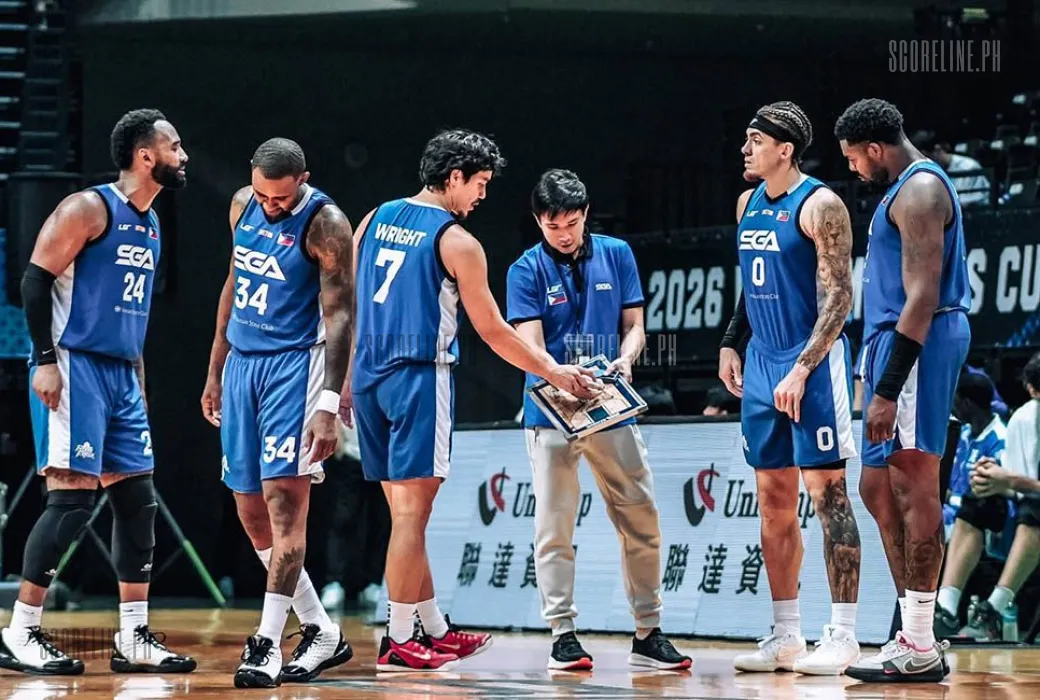
The Chinese Taipei Basketball Association (CTBA), organizer of the 2026 William Jones Cup, has publicly apologized over a sudden change to the tournament format that put SGA's bid for a historic three-peat in jeopardy.

And in a striking admission, the organizers themselves acknowledged that the Philippine-based squad may have been the “biggest victim” of the new format.

That acknowledgment, however, does little to erase what happened on the court.

SGA entered the final stretch of group play with a 4-1 record, seemingly putting Charles Tiu's squad in prime position for another deep run.

But the new format changed the equation.
CTBA decided to guarantee a semifinal berth for Chinese Taipei Blue, despite the host team sitting at the bottom of Group A with a 1-4 record.
For SGA, it created a problem. A team with four wins could now be watching the semifinals from the sidelines.

The complicated situation became even more difficult because of the tournament's margin-of-victory tiebreaker.

SGA needed to beat South Korea's Wonju DB Promy by at least 32 points to strengthen its chances of advancing.

Instead, the Korean side—powered by Ethan Alvano—handed SGA a 110-79 defeat in their opening meeting.

South Korea's position at the top of Group A secured the other semifinal spot, leaving SGA dependent on the results of other games.

Suddenly, the defending two-time champion was no longer in control of its own destiny.

The rationale?

Chinese Taipei Blue had been hit by injuries, leaving the team depleted and forcing younger, less experienced players into the lineup.

For the host, the change offered another chance.

Although, CTBA explained that the format adjustment was made partly to allow Chinese Taipei Blue to remain competitive and give local fans an opportunity to see their hometown team reach the semifinals.

The organizers also said scheduling adjustments were made to provide teams with more adequate rest.

But CTBA recognized the obvious consequence. SGA already paid the price.

“The two-time champion Philippine SGA team… may be the biggest victim of the new competition format this year.”

That is quite an admission.

The organizers also praised SGA for its performance throughout the tournament and thanked the team for contributing to the competition.

But here's the uncomfortable question:

Should a team with a 4-1 record have to depend on other results simply because the rules changed during the tournament?

There is nothing wrong with acknowledging a mistake. In fact, CTBA's public apology is important.

But an apology does not add another win to SGA's record. It does not erase the 32-point requirement.

It does not restore the team's control over its semifinal destiny. And it certainly does not guarantee another Jones Cup championship.

For a team chasing a historic three-peat, those details matter.

Despite the controversy, SGA don't quit.

The Philippine-based squad still faced Chinese Taipei Blue in its final group assignment, knowing that even a victory may not guarantee a Final Four berth.

Japan's result against South Korea also factors into the equation.

That is the frustrating part. SGA did the work on the court.

The Jones Cup has apologized. But for SGA, the message is simple: Again, an apology can acknowledge the damage. It cannot undo it.

And if SGA somehow survives this mess and reaches the semifinals, it won't just be playing for another Jones Cup title.

It will be playing with something to prove. Let's find out what's next for them. 

7
Learn more

Top News

Kenji Moral

Kenji Moral’s Fast Break to Rising Star in PH's Youth Basketball

2,158
Mario Barasi Jr.

Mario Barasi Jr.: Rising Big Man ready for the PBA stage

822
Michael Martinez

Michael Martinez: The Filipino Athlete Who Funded His Own Olympic Dream

390
Masters Pinoy Pilipinas Basketball squad with team Mongolia.

Masters Pinoy captures basketball gold at the World Masters Games

384
janine

Exclusive: Janine Nicandro, The Journey of a PBA Referee

360
Loren Brill

Loren Brill: Reigniting a basketball legacy born of champions

330
Guiness Nabung of Masters Pinoy Pilipinas Basketball team.

Guiness Nabung - Masters Pinoy Pilipinas Basketball Profile

296
Isaiah Africano poses for Scoreline.ph during the PBA 50th Rookie Draft

Isaiah Africano joins Guam National Team for FIBA WCA Qualifiers

296
Johann Chua & Carlo Biado

17 Filipino cue artists eye glory at World Pool Championship in Saudi Arabia

286
Gilas Pilipinas

Gilas Pilipinas begins Asian Games title defense with a new-look squad

283
Efren Reyes

Player Profile Series: “The Magician” Efren “Bata” Reyes

271
Andre Jamgerald Ugaddan

Andre Jamgerald Ugaddan – “Batang Mamaw” ng Reg. 4A

268
Kevin Quiambao

UAAP: UP fighting Maroons fall short to Green Archers, forced to Game 3

264
Dr. Obet Vital is the new Assistant Coach of the UP Fighting Maroons Women's Volleyball Team

Looking Ahead: Obet Vital's new era of growth and opportunity

257
Paul Reguera

Paul Reguera - Masters Pinoy Pilipinas Basketball Profile

232
Alvin "The Captain" Patrimonio - a player with a lion heart.

Player Profile Series: “The Captain” Alvin Patrimonio’s lion heart

232
Ricky Ricafuente

Ricky Ricafuente - Masters Pinoy Pilipinas Basketball Profile

217
Deanna Wong

Player Profile Series: Deanna Wong, The Court’s Quiet Leader

216
First ever PBA MVP William "Bogs" Adornado.

Player Profile: William "Bogs" Adornado - First PBA MVP

213
Oliver Agapito of Masters Pinoy Pilipinas Basketball team.

Oliver Agapito resharpens his basketball form with Masters Pinoy

210
Roger Yap of Masters Pinoy Pilipinas Basketball team.

Roger Yap - Masters Pinoy Pilipinas Basketball Profile

203
Captain Nica Celis of the UP Fighting Maroons Women's Volleyball Team

Nica Celis aims to helm Fighting Maroons' escape from bottom spot

194
Toshihiko Era

Japanese boxer scores a remarkable victory in Bangkok at age 50

184
Alberto "Abet" Guidaben - PBA 50 Greatest Players (2000)

Player Profile Series: Abet Guidaben – PBA Legend, 2 Slams

181
Aiza Maizo-Pontillas

Player Profile Series: The fierce journey of Aiza Maizo-Pontillas

176
Cloanne Mondonedo

Player Profile Series: Clo Mondoñedo’s journey to setter glory

174
Sisi Rondina and Bernadeth Pons

Rondina, Pons claim first Challenge win at Beach Pro Tour Nuvali

172
Johann Chua

Player Profile Series: Johann Gonzales Chua - The "Bad Koi"

171
Association of Boxing Alliances in the Philippines

13-strong boxers to lead PH Boxing Team in 2025 SEA Games

167
Kamille Cal

Player Profile Series: Kamille Cal brings precision to Akari

165
Sisi Rondina

Player Profile Series: Sisi Rondina, Volleyball’s Cherry Bomb

161
"The Quick Brown Fox" - Ricardo Brown

Player Profile Series: Ricardo Brown – "The Quick Brown Fox"

160
Alex Pagulayan

Player Profile Series: Billiards' "Lion Heart" Alex Pagulayan

159
Spike and Serve with Petro Gazz Angels & Volleybukids

Spike and Serve reaches out to Volleybukids in Morong, Bataan

148
PBA Commissioner Willie Marcial

PBA Season 50 eyes more overseas tours and foreign guest teams

147
Arena Fitness Dojo

From Grassroots to Global: Arena Fitness Dojo

146
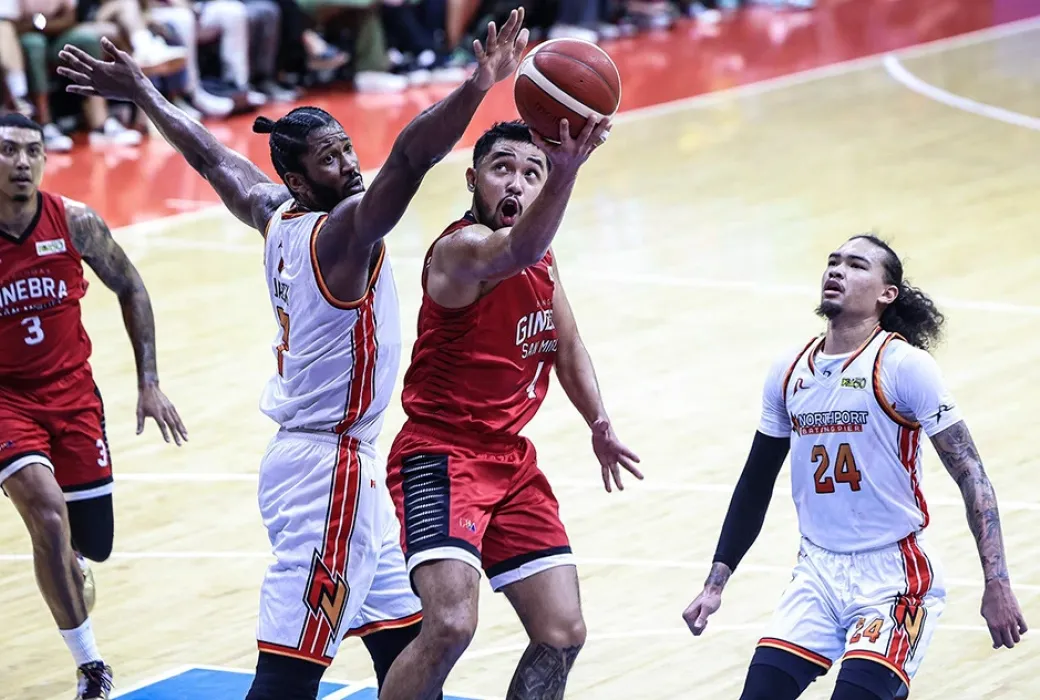
Ginebra's RJ Abarrientos tries to score against NorthPort's import Kadeem Jack.

Ginebra dominates NorthPort to get Game 1 of their Semis series

142
Ricky Ricafuente

Ricky Ricafuente brings his global experience to Masters Pinoy

141
Jelena Todorovic is the new Head Coach of Fortaleza Basquete Cearens.

Brazil’s NBB gets first female coach in Jelena Todorovic

137
Carlo Biado

Player Profile Series: Carlo Biado, the WPA World 9-Ball Champion

136
Francisico Bustamante

Player Profile Series: The iconic Francisco "Django" Bustamante

136
General Trias City Sports Park

General Trias City LGU eyes vows world-class sports facilities for youth

136