Beyond the mat: The real fight is building jiu-jitsu’s future
MEDALS ARE WON ON THE MAT. BUT THE FUTURE OF THE SPORT IS BUILT BEHIND THE SCENES.
In sports, not every game-changing move happens in competition. Some happen across the table, where partnerships are forged and the groundwork for future opportunities begins.
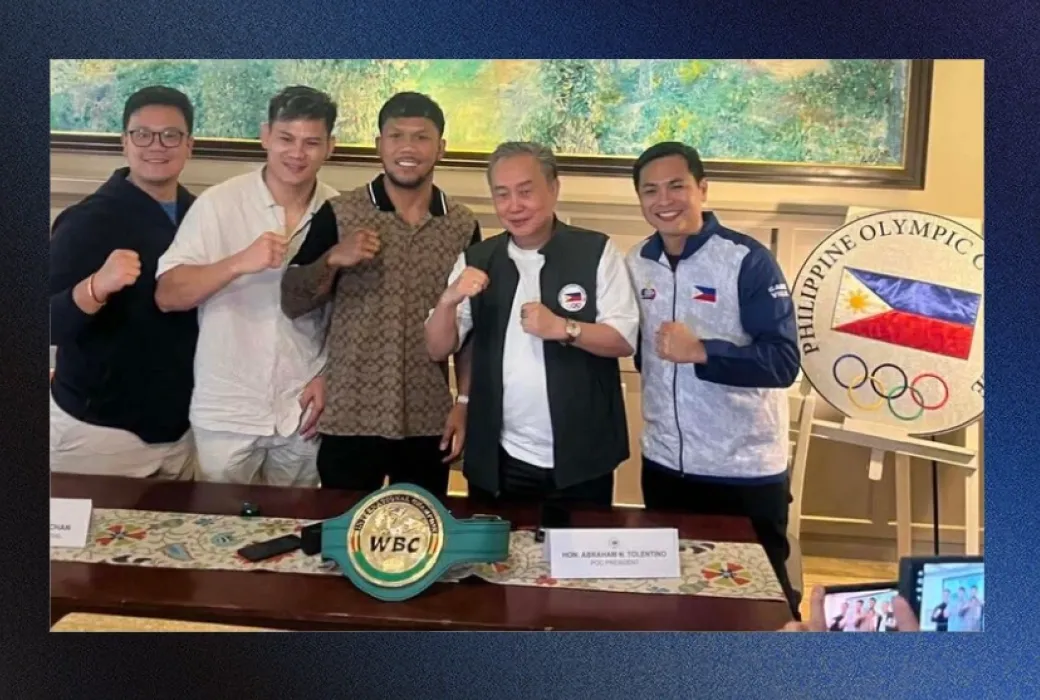
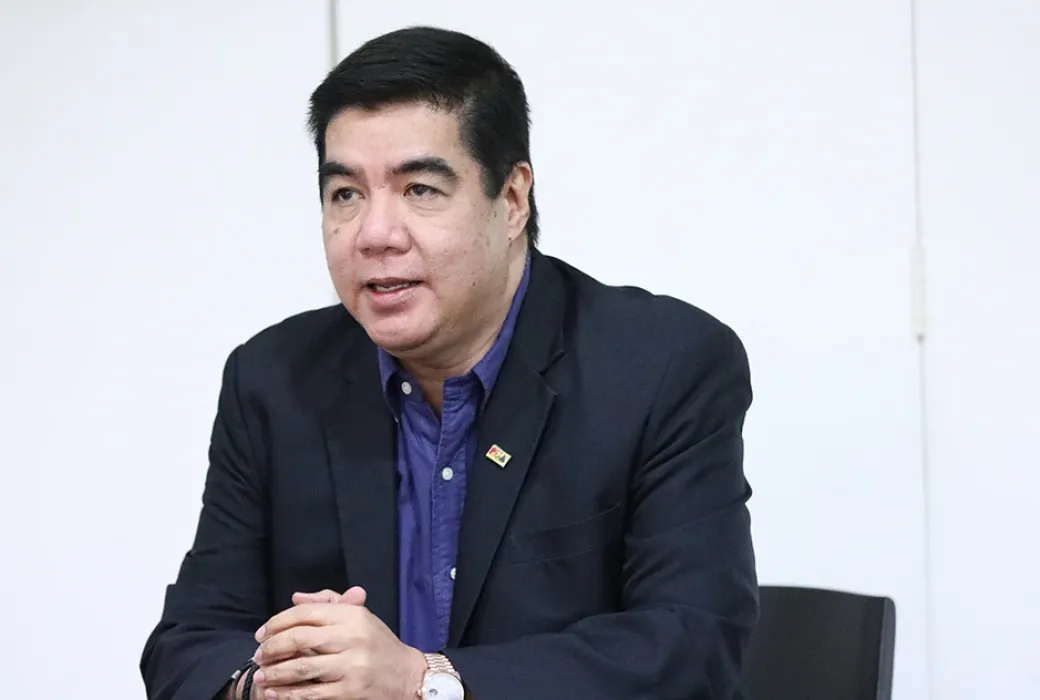
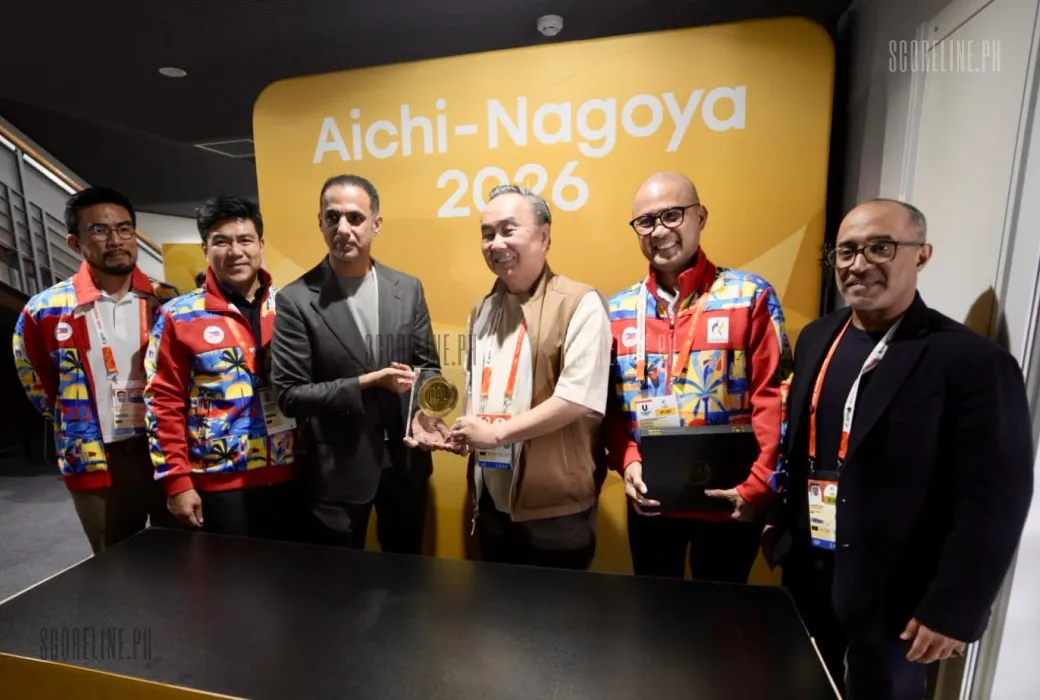
That was the message behind the meeting between Philippine Olympic Committee (POC) President Abraham “Bambol” Tolentino and Fahad Ali Al Shamsi, general secretary of both the UAE Jiu-Jitsu Federation and the Asian Jiu-Jitsu Union, on the sidelines of the Aichi-Nagoya 2026 Asian Games.
Tolentino presented Al Shamsi with an official POC token of appreciation—a gesture symbolizing friendship, cooperation, and a shared interest in advancing jiu-jitsu across Asia.
But beyond the ceremonial exchange lies a bigger picture.
For Filipino grapplers, international connections can open doors.
Stronger ties among sports organizations can help create opportunities for athlete development, international competition, and greater exposure to the sport’s evolving standards. While these benefits depend on how partnerships translate into concrete programs, building relationships is part of the work required to strengthen a sport beyond a single tournament.
For the Philippines, where athletes continue to test themselves against the continent’s best, that work matters. Medals celebrate what athletes achieve today; sustained development helps prepare the next generation for tomorrow.
The meeting in Nagoya may not have produced a score or a podium finish, but it highlighted another side of international sports: the people working to create opportunities beyond the competition floor.
Because the mission is bigger than one match, one medal, or one Asian Games campaign.
The fight is not just to win medals. It is to build a stronger future for Filipino jiu-jitsu—and that fight takes more than one team.