All news tagged Paralympics

Adeline Dumapong

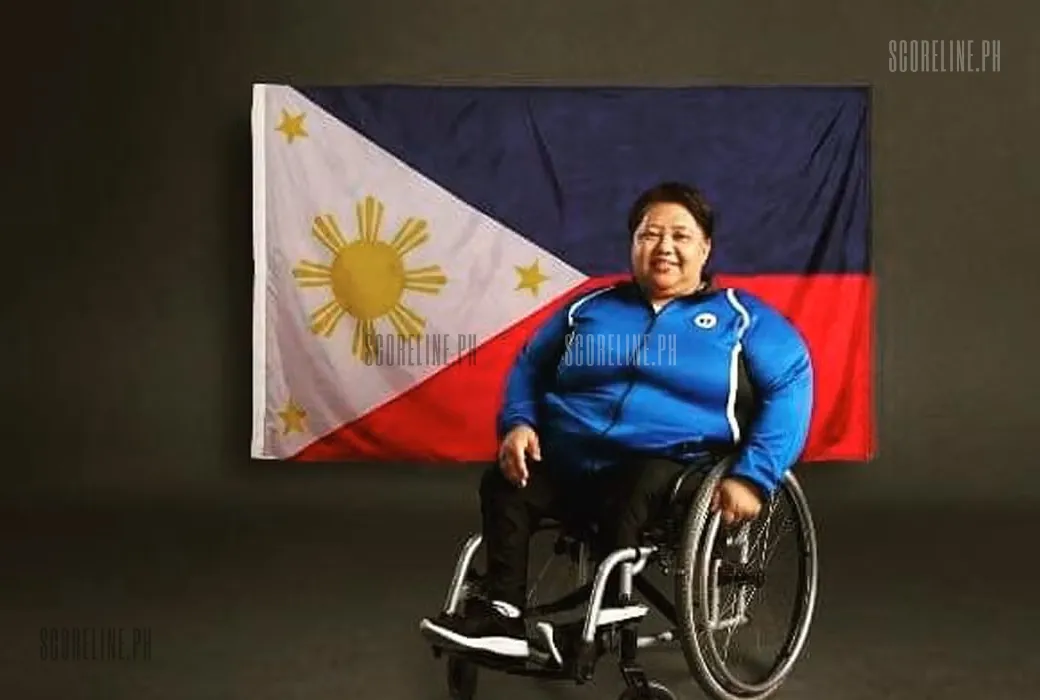
More than a medal: Adeline Dumapong's greatest gift to Filipino sports


“IT BELONGS TO THE FILIPINO PEOPLE.”


Some champions make history by winning medals. Others make an even greater statement by giving them away.
For Philippine para powerlifting legend Adeline Dumapong, her historic Paralympic bronze medal was never just a personal achievement. It symbolized national pride, perseverance, and the fighting spirit of Filipino para athletes.
And 26 years after making history, she decided to share that legacy with the nation.


THE BRONZE THAT CHANGED PHILIPPINE SPORTS HISTORY


At the 2000 Sydney Paralympic Games, Dumapong captured bronze in the women's 82.5kg powerlifting division, becoming the first Filipino athlete to win a Paralympic medal.
It was a breakthrough moment for the Philippines, which had made its Paralympic debut at the 1988 Seoul Games.
Her achievement was more than a podium finish. It shattered barriers and proved that Filipino athletes with disabilities could compete against the world's best.
That single bronze medal opened a new chapter in Philippine sporting history.


A MEDAL THAT SURVIVED A STORM


The historic medal even survived the devastating floods brought by Typhoon Ondoy in 2009.
Through the years, it remained a powerful reminder of Dumapong's journey — the sacrifices, struggles, and determination that carried her to the Paralympic podium.
But instead of keeping that treasured piece of history for herself, Dumapong chose to give it a permanent place where future generations could appreciate its significance.
In March 2026, at age 52, she donated her Sydney 2000 bronze medal to the newly established Para athletes section of the National Sports Museum in Pasig City.
It was an extraordinary act of generosity from an extraordinary athlete.


A CHAMPION WHO NEVER FORGOT HER FELLOW ATHLETES


Dumapong also paid tribute to fellow Paralympic bronze medalist Josephine Medina, whose table tennis memorabilia is displayed in the same museum section.
For Dumapong, seeing Filipino para athletes finally receive greater recognition is a victory in itself.
Their achievements deserve to be remembered, celebrated, and preserved alongside those of the country's most decorated sporting heroes.
Sporting greatness is not defined by physical ability, popularity, or the amount of attention an athlete receives.
It is measured by courage, dedication, and the ability to inspire others.


THE GREATEST VICTORY IS THE LEGACY LEFT BEHIND


Dumapong could have kept her bronze medal as a prized family possession.
She could have displayed it as a reminder of the day she stood among the world's best.
Instead, she chose to place it in the hands of the nation she represented.
That decision speaks volumes about the kind of champion she is.
Her medal now serves a purpose beyond commemorating a historic victory. It tells young Filipino para athletes that their dreams matter, their achievements deserve recognition, and their place in Philippine sports history is secure.


SHE WON THE MEDAL FOR THE PHILIPPINES. SHE GAVE IT BACK TO THE FILIPINO PEOPLE.


And perhaps that is the most powerful part of Adeline Dumapong's story.
The bronze may have been awarded to one athlete, but the inspiration belongs to an entire nation.

05.11.2026
Ravina Carpena

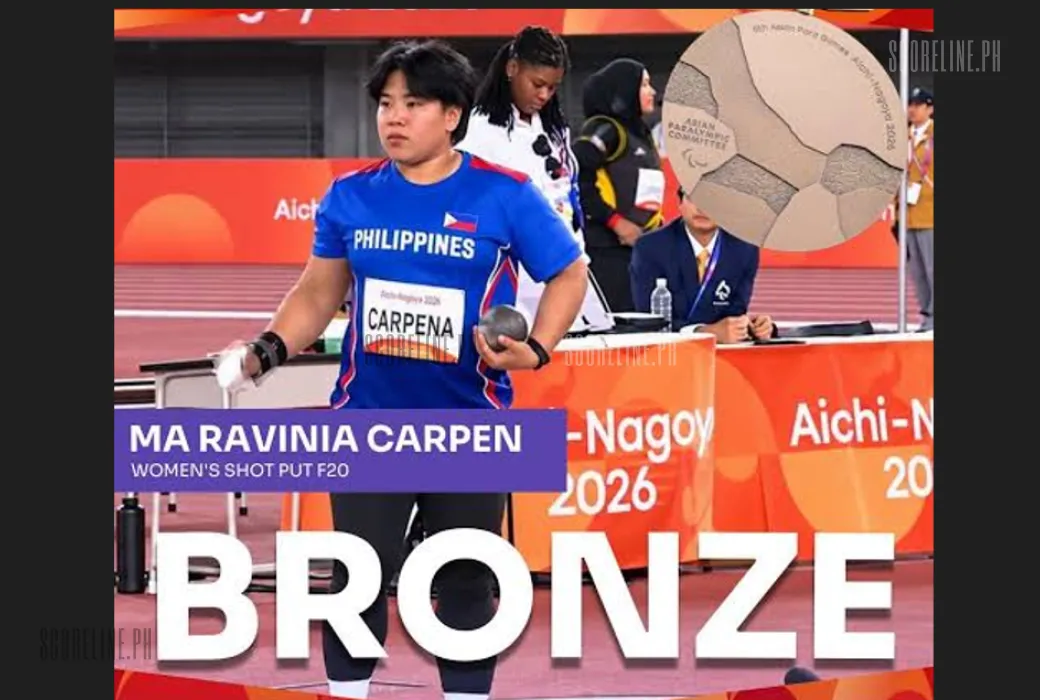
Ma. Ravinia Carpena Wins Asian Para Games Bronze With Career-Best Throw

Making her Asian Para Games debut, the Filipina shot put standout delivered a personal record of 11.39 meters, securing another medal for the Philippines and proving she belongs among Asia's elite para-athletes.

Two centimeters.

That was all that separated Filipina para-athlete Ma—Ravinia Carpena from a silver medal at the 2026 Asian Para Games.

But while the narrow margin may have left her wondering what could have been, the 5th Asian Para Games became the stage for one of the most memorable performances of her career.

Competing in the women's shot put F20 event on Friday, Carpena delivered a personal-best throw of 11.39 meters, securing the bronze medal and adding another podium finish to the Philippine delegation's campaign in Aichi-Nagoya, Japan.

For an athlete making her Asian Para Games debut, it was a remarkable achievement against some of the continent's strongest competitors.

A new personal record. An international podium finish. And another proud moment for Philippine para sports.

A Career-Best Throw When It Mattered Most

Carpena entered the competition determined to deliver her strongest performance.

Standing against experienced international rivals, the Filipina needed to produce a throw capable of challenging for a podium position.

She responded with the best mark of her career.

Her 11.39-meter effort placed her third overall, just 0.02 meters behind Malaysia's Siti Noraidah Sherman, who captured silver with a throw of 11.41 meters.

Japan's Reina Hori dominated the event, winning gold with an Asian-record throw of 13.57 meters.

The final results highlighted both the strength of the competition and how closely contested the battle for silver and bronze had become.

24.10.2026
photo comparison

Why Asian Para Games Champions Receive Half the Cash Incentives

The ₱2-million and ₱1-million gold-medal incentives under Republic Act No. 10699 have renewed questions about equality, athlete recognition, and the treatment of Filipino para-athletes.

They train for years, compete against Asia's finest athletes, overcome enormous pressure, and proudly carry the same Philippine flag onto the international stage.

They stand on the podium as gold medalists, bringing honor to the country and inspiring millions of Filipinos.

Yet under Philippine law, winning gold at the Asian Games and winning gold at the Asian Para Games carry different financial rewards.

₱2 million for an Asian Games individual gold medal. ₱1 million for an Asian Para Games individual gold medal.

The difference has brought renewed attention to Republic Act No. 10699, or the National Athletes and Coaches Benefits and Incentives Act, following the achievements of Filipino athletes at the 2026 Asian Games and Asian Para Games.

At the center of the discussion is a fundamental question:

Should two Filipino national athletes who win gold at their respective continental championships receive different statutory cash incentives?

A ₱1-Million Difference Written Into Law

Under Section 8 of Republic Act No. 10699, individual gold medalists at the Asian Games are entitled to a statutory cash incentive of ₱2 million.

Individual gold medalists at the Asian Para Games, meanwhile, are entitled to ₱1 million.

The difference is not the result of a discretionary decision by sports officials following a competition.

It is established under the existing national sports incentives law.

The distinction becomes particularly noticeable when comparing the achievements of Filipino champions at the 2026 continental competitions.

Among the Asian Games gold medalists are gymnastics superstar Carlos Yulo, pole vaulter EJ Obiena, and taekwondo athlete Jeus Gabriel Yape.

Meanwhile, para swimming champions Ernie Gawilan and Ariel Joseph Alegarbes have also delivered gold-medal performances for the Philippines at the Asian Para Games.

The statutory incentives for individual gold medals are:

Competition

Gold medal incentive

Asian Games

₱2,000,000

Asian Para Games

₱1,000,000

Difference

₱1,000,000

The figures represent statutory cash incentives for individual events. They do not necessarily reflect the total financial rewards an athlete may receive from other government programs, local governments, or private sponsors.

Nevertheless, the difference in the national incentive structure raises questions about how achievements in para sports are recognized.

Different Competitions, Shared National Responsibility

The Asian Games and Asian Para Games are separate international sporting competitions with different event classifications, eligibility requirements, and competition structures.

The Asian Games brings together elite athletes from across the continent, while the Asian Para Games provides high-level international competition for athletes with eligible disabilities.

Both demand years of preparation, specialized coaching, physical conditioning, and technical excellence.

Both require competitors to meet demanding international standards.

And both provide opportunities for Filipino athletes to represent the country against Asia's strongest sporting talents.

For para-athletes, preparation may also involve specialized equipment, accessible training environments, and individualized support services.

These requirements make investment in para sports particularly important.

The two competitions may be different, but the dedication and sporting achievements of their champions deserve serious national recognition.

Ernie Gawilan: A Champion Whose Achievements Speak for Themselves

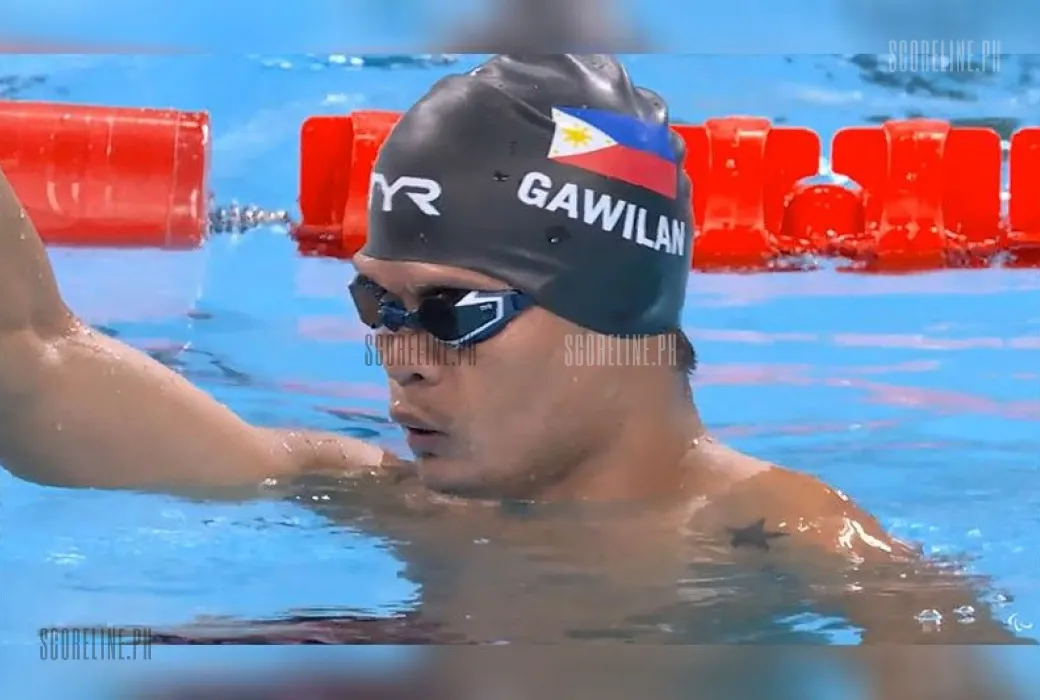
Among the Filipino athletes whose performances have brought attention to the issue is veteran para swimmer Ernie Gawilan.

At 35, Gawilan continues to establish himself as one of the Philippines' most accomplished para-athletes.

During the Aichi-Nagoya 2026 Asian Para Games, he captured gold in the men's 400-meter freestyle S7 with a time of 4 minutes and 56.72 seconds.

The victory marked his third consecutive Asian Para Games gold medal in the event.

He followed that performance with silver in the men's 200-meter individual medley SM7, clocking 2 minutes and 52.72 seconds.

His achievements reflect years of international competition, technical development, and sustained excellence.

Gawilan's success is not simply an inspirational personal story.

He is an elite competitor whose results demonstrate the quality of Philippine para swimming.

His gold medal carries the same national significance of bringing international sporting recognition to the Philippines.

Yet the statutory incentive attached to his Asian Para Games gold is half the amount provided for an individual Asian Games gold.

That distinction has become part of a broader discussion about athlete recognition.

Why Does Republic Act No. 10699 Provide Different Amounts?

Republic Act No. 10699 was enacted to strengthen benefits and incentives for national athletes and coaches.

The law establishes financial rewards for medal-winning performances in recognized international competitions, including the Olympics, Paralympics, Asian Games, Asian Para Games, and Southeast Asian Games.

Its incentive schedule assigns different amounts according to the competition and medal category.

For the Asian Games and Asian Para Games, the prescribed individual gold-medal incentives differ by ₱1 million.

However, the existence of different amounts does not, by itself, explain the full legislative reasoning behind the distinction.

Understanding that reasoning would require examining the law's legislative history, policy objectives, and the factors considered when the incentive categories were established.

The current discussion therefore presents an opportunity to review whether the existing structure remains appropriate for Philippine sports development.

Equal Recognition and Equal Incentives: A National Debate

The difference between Asian Games and Asian Para Games incentives raises two related but distinct issues.

The first concerns recognition.

Filipino para-athletes represent the country in international competition and deserve recognition for their achievements as elite national athletes.

The second concerns financial policy.

Should the government provide identical statutory cash incentives for equivalent medals at the Asian Games and Asian Para Games, or should the competitions retain separate incentive schedules?

Supporters of equal incentives may argue that both groups of athletes dedicate comparable effort to representing the Philippines and that equal gold-medal rewards would reinforce the principle of inclusive national recognition.

Others may point to differences in competition structures, event categories, and the broader incentive framework as considerations that policymakers must examine.

These perspectives form part of a legitimate discussion about how public sports incentives should be designed.

The central policy question is not whether para-athletes deserve recognition. It is how that recognition should be reflected in the country's financial incentive system.

Can the Incentive Structure Be Changed?

Republic Act No. 10699 includes provisions that allow the Philippine Sports Commission to periodically review and adjust incentive amounts, in consultation with PAGCOR and in accordance with the prescribed process.

Congress also has the authority to amend the law.

Any proposed adjustment would require consideration of the legal framework, financial implications, athlete classifications, and long-term sustainability of the incentives program.

A review could examine whether Asian Games and Asian Para Games gold medalists should receive equivalent statutory awards.

It could also consider whether similar differences exist across other competitions covered by the law.

Such an assessment would provide policymakers with an opportunity to evaluate the incentives framework as a whole rather than focusing exclusively on one medal category.

While the ₱1-million difference has attracted attention, athlete incentives represent only one part of the broader discussion.

Para-athletes also require reliable training allowances, accessible facilities, specialized coaching, sports medicine, rehabilitation support, and international competition opportunities.

The Philippines has produced successful para-athletes despite continuing challenges in access to sporting resources.

Strengthening those systems could help develop more athletes capable of competing internationally.

Cash incentives recognize achievements after medals are won.

Development programs, meanwhile, help create the conditions that make those achievements possible.

Recognition after victory matters. Sustained support before competition matters just as much.

The debate surrounding Republic Act No. 10699 could therefore become an opportunity to examine the wider needs of Philippine para sports.

For athletes such as Carlos Yulo, EJ Obiena, Jeus Gabriel Yape, Ernie Gawilan, and Ariel Joseph Alegarbes, international competition represents the culmination of years of preparation.

Their events are different.

Their athletic disciplines require different skills.

Their competitive journeys are unique.

But their victories share one important distinction.

They bring sporting honor to the Philippines.

The national incentive system is intended to recognize those accomplishments while supporting athletes who dedicate themselves to international competition.

The question now is whether the current framework reflects the standards of recognition and inclusion that Philippine sports seeks to promote.

A Question Worth Bringing to the National Conversation

The difference between the statutory incentives for Asian Games and Asian Para Games champions is clear.

The individual gold-medal amounts are ₱2 million and ₱1 million, respectively.

What remains open for discussion is whether that distinction should continue.

A review of the law could provide an opportunity to examine the rationale behind the existing amounts, the financial implications of possible changes, and the broader objectives of athlete recognition.

For Filipino sports fans, the issue is also a reminder that national athletes compete in many different disciplines and circumstances.

Their achievements deserve attention beyond medal counts and championship celebrations.

The Philippine flag does not change when a para-athlete stands on the podium. The national pride attached to that achievement remains.

Whether the statutory incentives should be equalized is a question for lawmakers, sports institutions, athletes, and the public to examine through an informed policy discussion.

But one principle remains important:

Filipino para-athletes are national athletes whose sporting achievements form an essential part of the country's international success.

SAME PHILIPPINE FLAG. SAME NATIONAL PRIDE. DIFFERENT STATUTORY CASH REWARDS.

THE ₱1-MILLION DIFFERENCE IS CLEAR. THE QUESTION IS WHETHER PHILIPPINE SPORTS POLICY SHOULD CONTINUE TO MAKE THAT DISTINCTION.
22.10.2026
Ernie Gawilan

No legs. One underdeveloped arm. Zero excuses.
Before Ernie Gawilan became a champion, he was a young boy from Paquibato, Davao City, growing up in circumstances that could have easily broken his spirit.

He was born without legs and with an underdeveloped left arm. He lost his father at a young age.

Life gave him every reason to believe that some dreams were simply out of reach.

Then he found swimming.

In the water, Gawilan discovered something more powerful than what he lacked — what he was capable of.

Stroke by stroke, race by race, he transformed himself from a boy facing extraordinary challenges into one of the Philippines’ most inspiring para-athletes.

🥇 The Philippines’ first Asian Para Games gold medalist
🇵🇭 Three-time Paralympian — Rio, Tokyo and Paris
🏊 A champion who turned adversity into fuel

But Gawilan’s story has never been just about medals.

It is about opportunity.

It is about refusing to let circumstances write the ending.

Every time he dives into the pool, he carries more than the hopes of a nation. He carries the story of someone who was once told, by circumstance if not by words, that his possibilities were limited.

Yet he kept moving.

Some athletes race against the clock.
Ernie Gawilan raced against the circumstances that tried to define him before he even started.

And he won.

His greatest victory may not be a gold medal hanging around his neck.

It may be the fact that every stroke he takes tells another Filipino with a dream:

Your starting point does not have to determine your finish line.

The hardest starting line is sometimes the one nobody sees.

And Ernie Gawilan has shown the world what can happen when you refuse to stop at it. 🇵🇭💪

A champion. A fighter. A symbol of Filipino resilience.


06.09.2026
Christian Benedict Paulino

Para swimmer Paulino won the first gold medal in the PH National Para Games.

Para swimmer Christian Benedict Paulino won the first gold medal in the ongoing 8th Philippine National Para Games being held at the Rizal Memorial Sports Complex.

Paulino, who represented Quezon City LGU, won the men's 400m freestyle S6-S7 in six minutes and 55.61 seconds, beating Zach Lucas Osioma of Cadiz City, who clocked 8:27.50.

According to Paulino, this is his first win in the Para Games so he is happy to have won the gold medal and said that it is also his dream to participate in the Paralympics.

"This is my first time winning in the National Para Games. I am happy because I want to pursue my dream of participating in the Paralympics," Paulino said in Filipino.

Paulino added that he also wants to achieve what his idol, Para swimmer Ernie Gawilan has accomplished.

"I also want to achieve what my brother Ernie accomplished. He is my idol," Paulino added. 

Meanwhile, other gold medalists on the first day of the Para Games were Justine Oliveros of Laguna for the men's 400m freestyle S8, S9, S10 and Tokyo Paralympian Gary Bejino for the men's 50m butterfly S6 and S7.

12.11.2024

Top News

Kenji Moral

Kenji Moral’s Fast Break to Rising Star in PH's Youth Basketball

2,191
Mario Barasi Jr.

Mario Barasi Jr.: Rising Big Man ready for the PBA stage

830
Michael Martinez

Michael Martinez: The Filipino Athlete Who Funded His Own Olympic Dream

415
Masters Pinoy Pilipinas Basketball squad with team Mongolia.

Masters Pinoy captures basketball gold at the World Masters Games

388
janine

Exclusive: Janine Nicandro, The Journey of a PBA Referee

372
Loren Brill

Loren Brill: Reigniting a basketball legacy born of champions

342
Guiness Nabung of Masters Pinoy Pilipinas Basketball team.

Guiness Nabung - Masters Pinoy Pilipinas Basketball Profile

305
Isaiah Africano poses for Scoreline.ph during the PBA 50th Rookie Draft

Isaiah Africano joins Guam National Team for FIBA WCA Qualifiers

301
Johann Chua & Carlo Biado

17 Filipino cue artists eye glory at World Pool Championship in Saudi Arabia

300
Efren Reyes

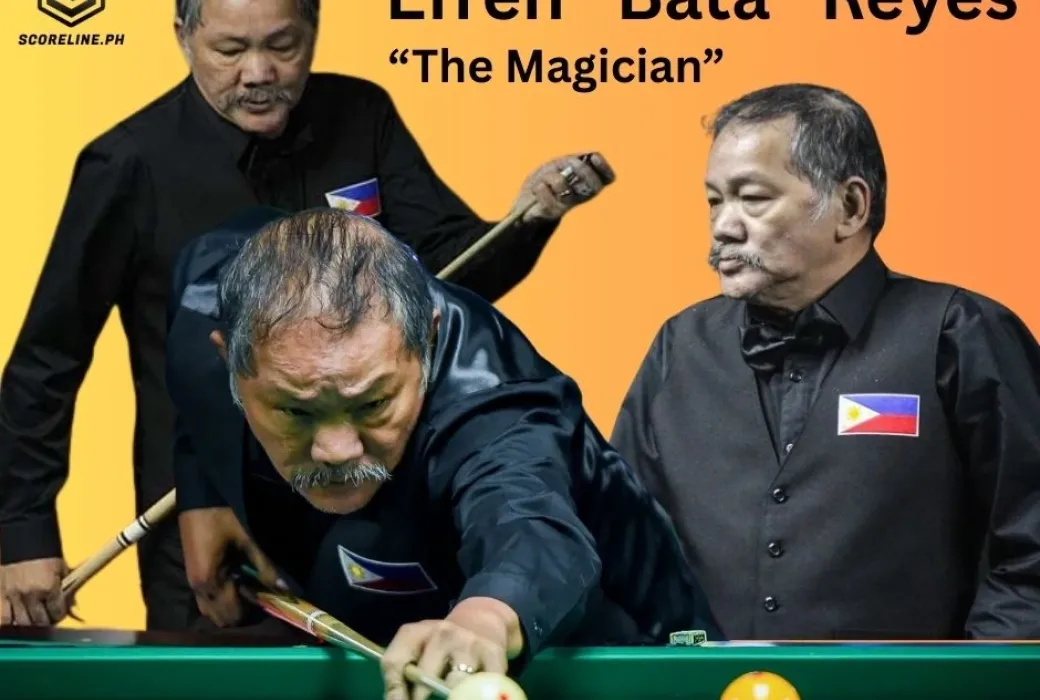
Player Profile Series: “The Magician” Efren “Bata” Reyes

294
Gilas Pilipinas

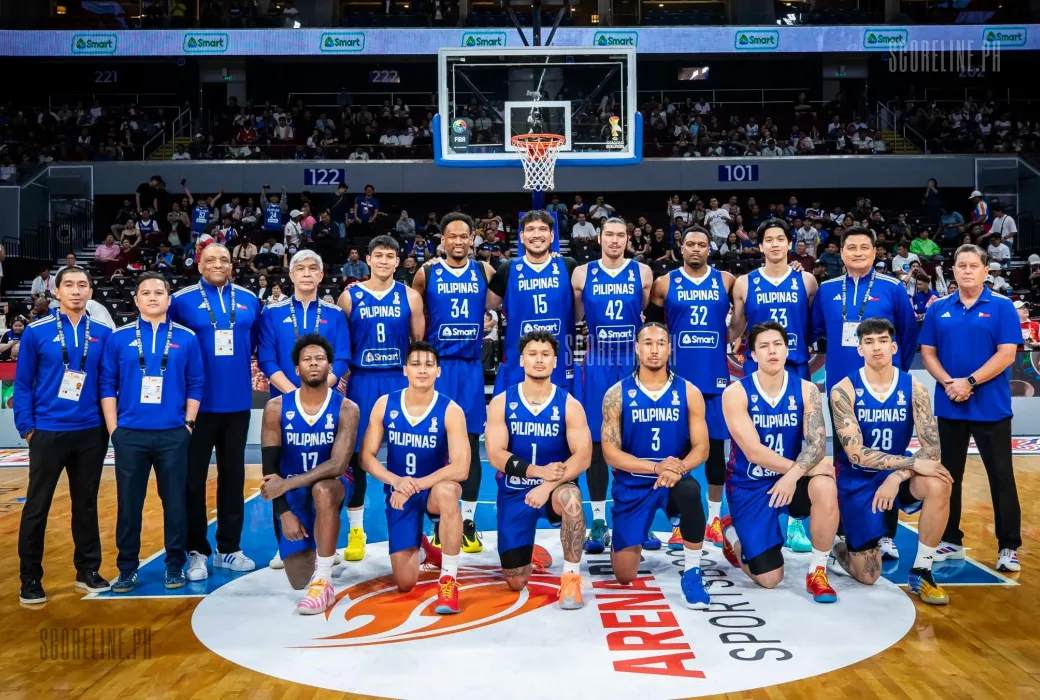
Gilas Pilipinas begins Asian Games title defense with a new-look squad

293
Andre Jamgerald Ugaddan

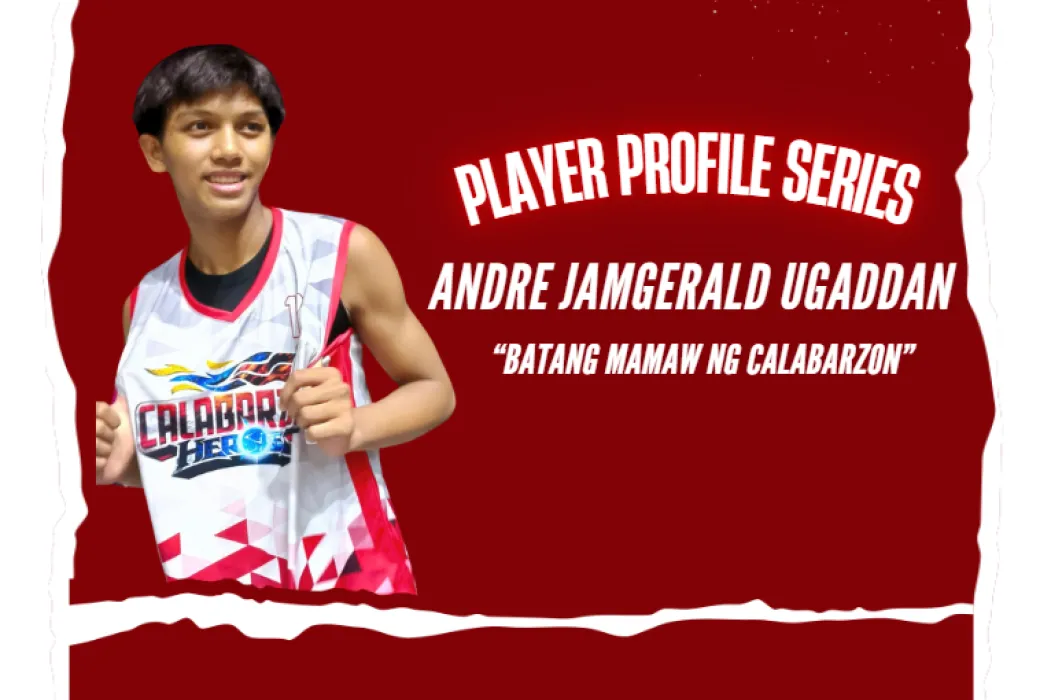
Andre Jamgerald Ugaddan – “Batang Mamaw” ng Reg. 4A

283
Kevin Quiambao

UAAP: UP fighting Maroons fall short to Green Archers, forced to Game 3

277
Paul Reguera

Paul Reguera - Masters Pinoy Pilipinas Basketball Profile

266
Dr. Obet Vital is the new Assistant Coach of the UP Fighting Maroons Women's Volleyball Team

Looking Ahead: Obet Vital's new era of growth and opportunity

261
Alvin "The Captain" Patrimonio - a player with a lion heart.

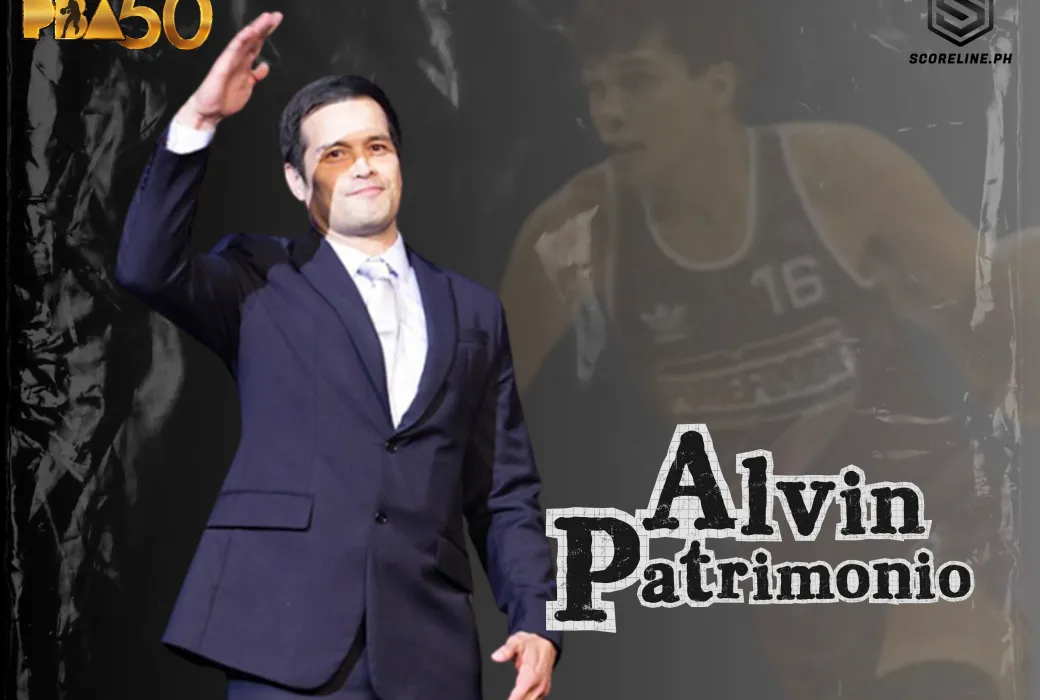
Player Profile Series: “The Captain” Alvin Patrimonio’s lion heart

244
Deanna Wong

Player Profile Series: Deanna Wong, The Court’s Quiet Leader

232
Ricky Ricafuente

Ricky Ricafuente - Masters Pinoy Pilipinas Basketball Profile

230
First ever PBA MVP William "Bogs" Adornado.

Player Profile: William "Bogs" Adornado - First PBA MVP

227
Oliver Agapito of Masters Pinoy Pilipinas Basketball team.

Oliver Agapito resharpens his basketball form with Masters Pinoy

222
Roger Yap of Masters Pinoy Pilipinas Basketball team.

Roger Yap - Masters Pinoy Pilipinas Basketball Profile

214
Aiza Maizo-Pontillas

Player Profile Series: The fierce journey of Aiza Maizo-Pontillas

203
Captain Nica Celis of the UP Fighting Maroons Women's Volleyball Team

Nica Celis aims to helm Fighting Maroons' escape from bottom spot

200
Alberto "Abet" Guidaben - PBA 50 Greatest Players (2000)

Player Profile Series: Abet Guidaben – PBA Legend, 2 Slams

191
Toshihiko Era

Japanese boxer scores a remarkable victory in Bangkok at age 50

190
Johann Chua

Player Profile Series: Johann Gonzales Chua - The "Bad Koi"

189
Cloanne Mondonedo

Player Profile Series: Clo Mondoñedo’s journey to setter glory

183
Alex Pagulayan

Player Profile Series: Billiards' "Lion Heart" Alex Pagulayan

179
Kamille Cal

Player Profile Series: Kamille Cal brings precision to Akari

178
Association of Boxing Alliances in the Philippines

13-strong boxers to lead PH Boxing Team in 2025 SEA Games

174
Sisi Rondina and Bernadeth Pons

Rondina, Pons claim first Challenge win at Beach Pro Tour Nuvali

174
Sisi Rondina

Player Profile Series: Sisi Rondina, Volleyball’s Cherry Bomb

169
"The Quick Brown Fox" - Ricardo Brown

Player Profile Series: Ricardo Brown – "The Quick Brown Fox"

165
PBA Commissioner Willie Marcial

PBA Season 50 eyes more overseas tours and foreign guest teams

156
Arena Fitness Dojo

From Grassroots to Global: Arena Fitness Dojo

154
Spike and Serve with Petro Gazz Angels & Volleybukids

Spike and Serve reaches out to Volleybukids in Morong, Bataan

152
Ricky Ricafuente

Ricky Ricafuente brings his global experience to Masters Pinoy

151
Francisico Bustamante

Player Profile Series: The iconic Francisco "Django" Bustamante

150
Philip Cezar - PBA's Tapal King

Player Profile Series: Philip Cezar – The PBA's Tapal King

147
Freddie Hubalde - The Silent Operator

Player Profile Series: Freddie Hubalde - The Silent Operator

146
Ginebra's RJ Abarrientos tries to score against NorthPort's import Kadeem Jack.

Ginebra dominates NorthPort to get Game 1 of their Semis series

143
General Trias City Sports Park

General Trias City LGU eyes vows world-class sports facilities for youth

143