Philippine Olympic Committee should stay out of NSA affairs - Puentevella
When sports leaders clash over power, one question must never get lost: Who is making sure the athletes win?
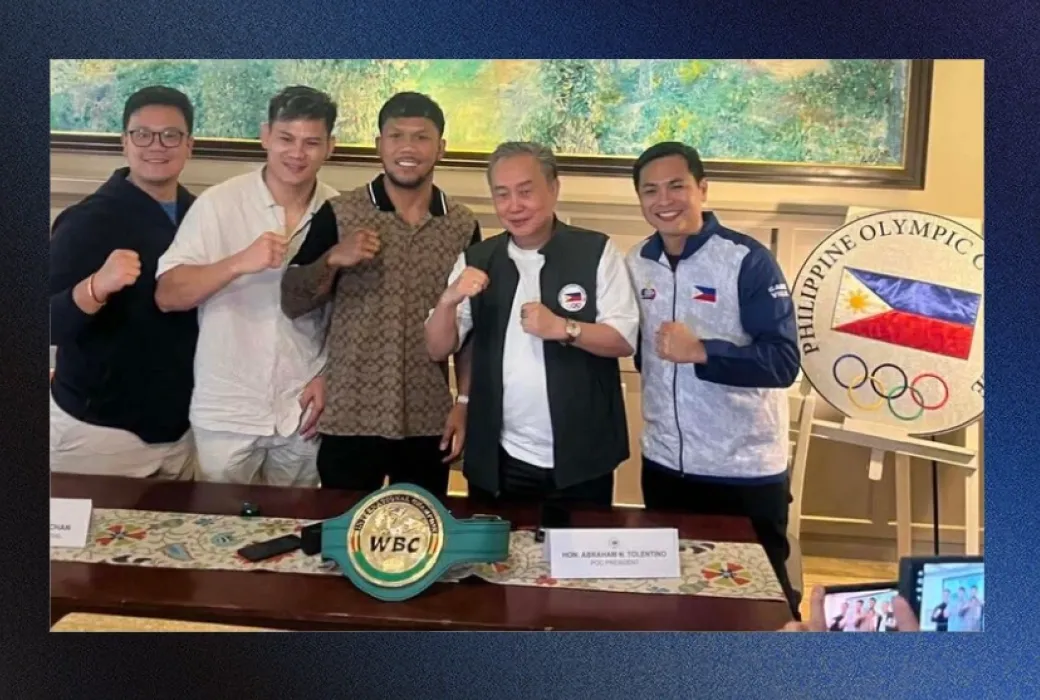
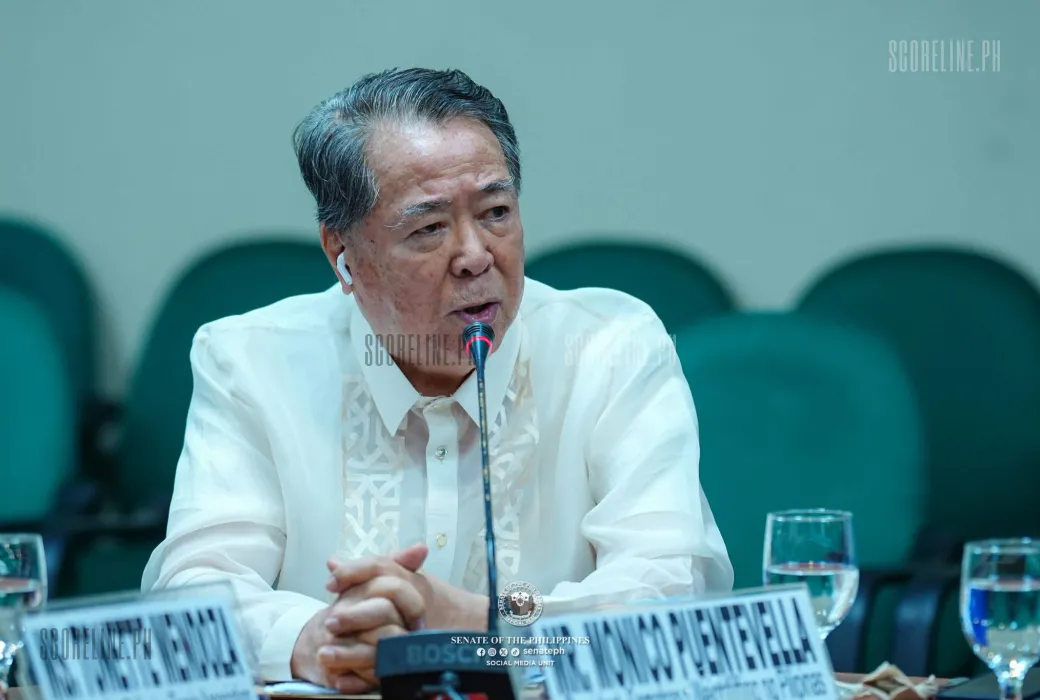
The battle lines are being drawn in Philippine sports, and weightlifting president Monico Puentevella has delivered a pointed message to the Philippine Olympic Committee, especially to its president, Abraham Tolentino, to stop interfering in the affairs of National Sports Associations or NSA's.
Speaking at a Senate sports hearing, Puentevella accused the POC of meddling in weightlifting and volleyball. He even linked alleged interference to the Philippines’ medal-less weightlifting campaign at the 2024 Paris Olympics, claiming that two potential medalists were affected.
Those are serious allegations—and they deserve serious scrutiny.
But beyond the accusations lies a bigger issue that Philippine sports can no longer afford to ignore: When sports leaders fight over authority, who ultimately pays the price?
The athletes do.
They are the ones who spend years training, sacrifice time with their families, endure injuries, and carry the country’s flag into international competition. They cannot afford to have their preparation and opportunities caught in the middle of leadership disputes.
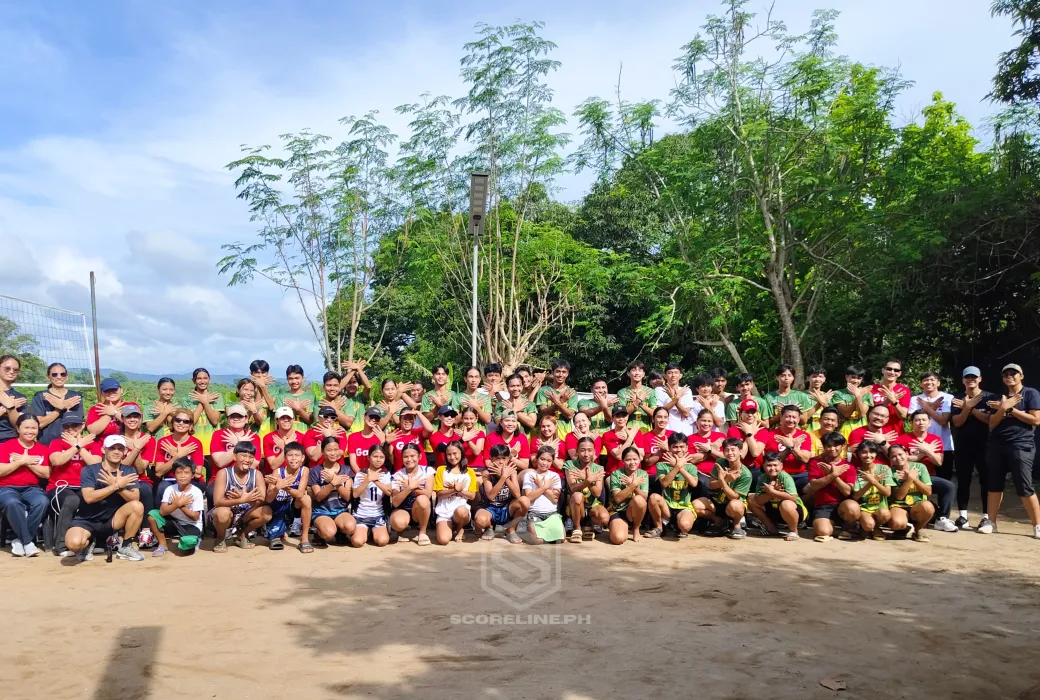
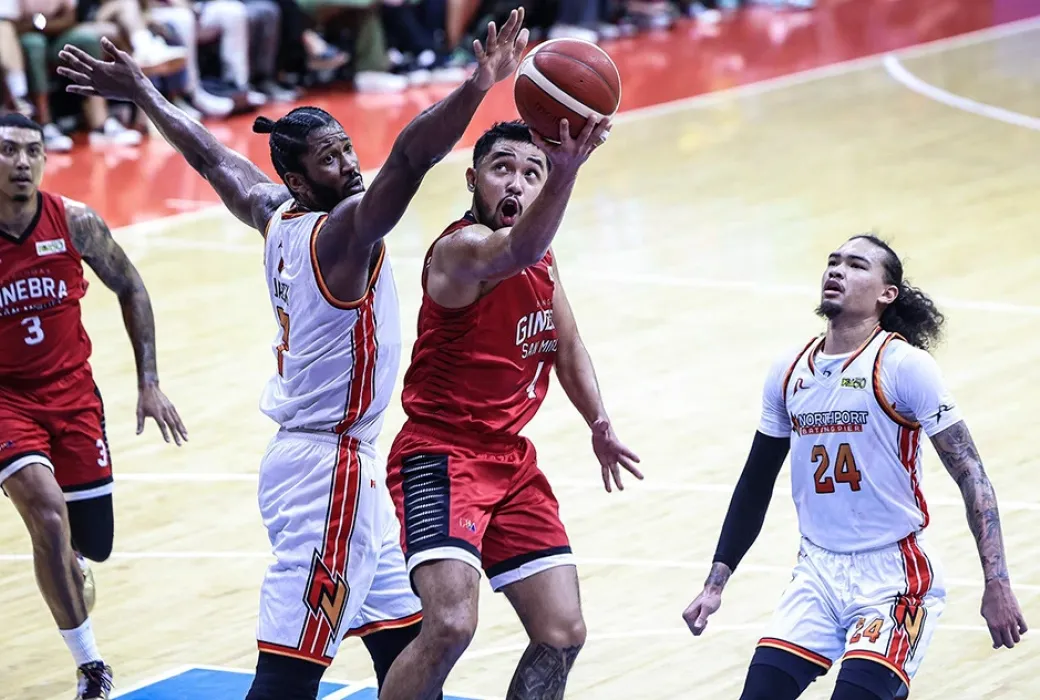
Another is the volleyball controversy, which adds another layer to the debate. Puentevella also pointed to concerns surrounding Alas Pilipinas, following complaints from players about support during the 2026 Asian Games.
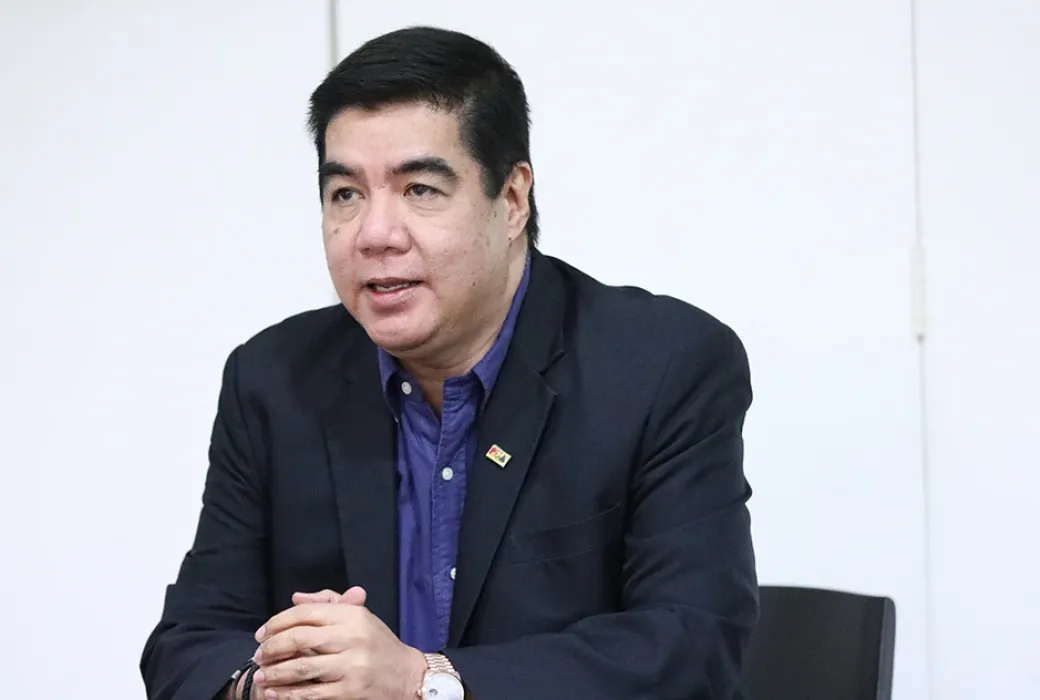
Meanwhile, POC president Abraham “Bambol” Tolentino defended the organization, emphasizing its commitment to athletes and its role in shouldering expenses when government funding was delayed.
Both sides have made their positions clear. The next step should be to establish the facts, examine the decisions made, and determine whether the athletes received the support they needed.
Philippine sports does not need another power struggle disguised as a fight for its future. It needs accountability, coordination, and leadership that puts athletes ahead of organizational pride.
The Philippine Sports Commission, meanwhile, earned praise from Puentevella for its support of weightlifting. The weightlifting chief remains optimistic that the sport can deliver another Olympic medal at the 2028 Los Angeles Games.
That optimism is welcome. But Olympic medals are not built on confidence alone. They require long-term planning, quality coaching, scientific support, proper funding, and a stable environment where athletes can focus on competing—not on the politics surrounding their sport.
If the POC believes its interventions are necessary, it should be able to explain them transparently. If national sports associations believe their independence is being undermined, they should present evidence and pursue accountability through the proper channels.
Neither side should be above scrutiny.
The real measure of leadership is not who controls Philippine sports. It is whether Filipino athletes are given every fair opportunity to succeed.
With LA 2028 approaching, the country cannot afford to waste time and resources on disputes that leave athletes wondering who is truly in their corner.
The mission should be bigger than any president, federation, or committee.
Less politics. More preparation. Less infighting. More medals. And always, athletes first.