Philippine Sports Faces a Decade-Long Wait for Crucial PAGCOR Funding
Supreme Court ruling secures billions in sports remittances, but the 10-year repayment period raises questions about the urgent needs of Filipino athletes.
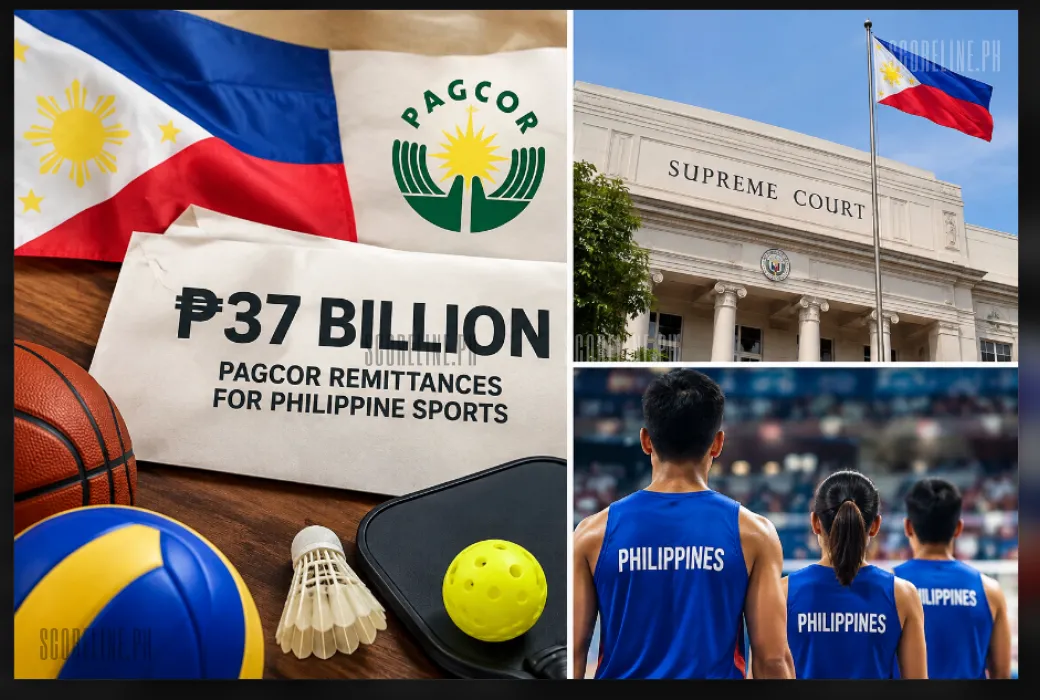
Philippine sports stands to receive an estimated ₱37 billion in unpaid remittances from the Philippine Amusement and Gaming Corporation (PAGCOR), following a landmark Supreme Court ruling that could significantly affect the country's sports development programs.
But while the legal battle has reached its conclusion, the financial issue remains unresolved.
PAGCOR has been given 10 years to settle the outstanding obligation, leaving Filipino athletes and sports organizations facing a potentially lengthy wait for funds intended to support national sports development.
The controversy dates back to a 1993 executive order that reduced the portion of PAGCOR income allocated to Philippine sports.
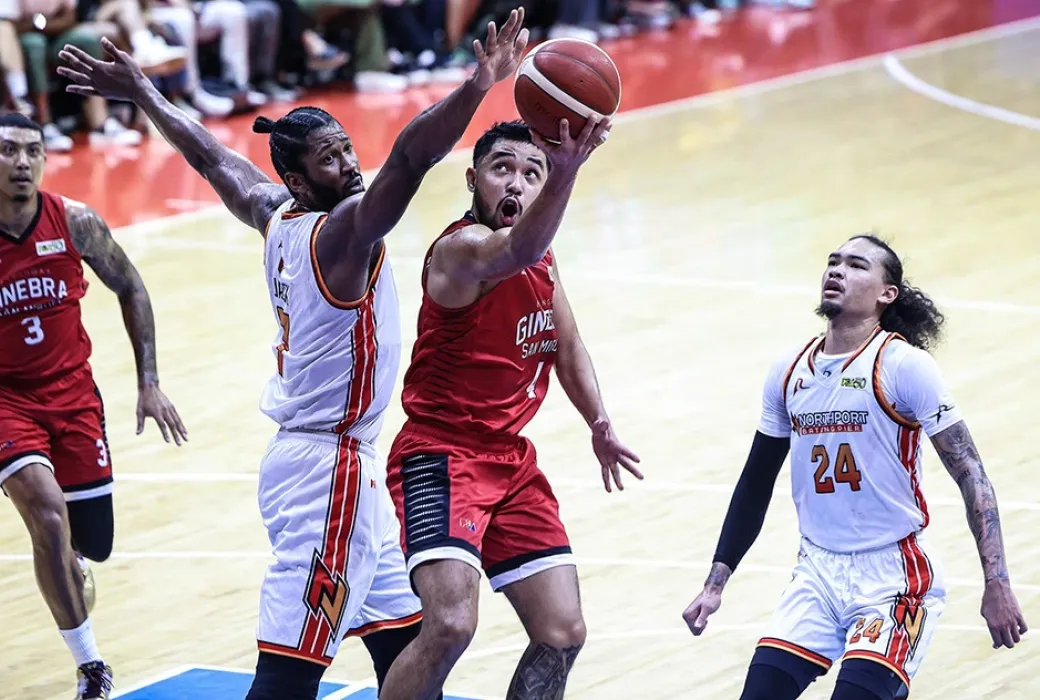
In 2016, basketball coach and then-congressman Yeng Guiao challenged the reduced remittances before the Supreme Court, questioning whether the funding arrangement complied with the law.
The Supreme Court ruled on the issue in 2024 and denied PAGCOR's appeal with finality in 2025.
The decision established PAGCOR's obligation to settle the unpaid balance over a 10-year period.
The regular five-percent remittances reportedly resumed in 2026, although the estimated ₱37 billion in retroactive payments had yet to be released.
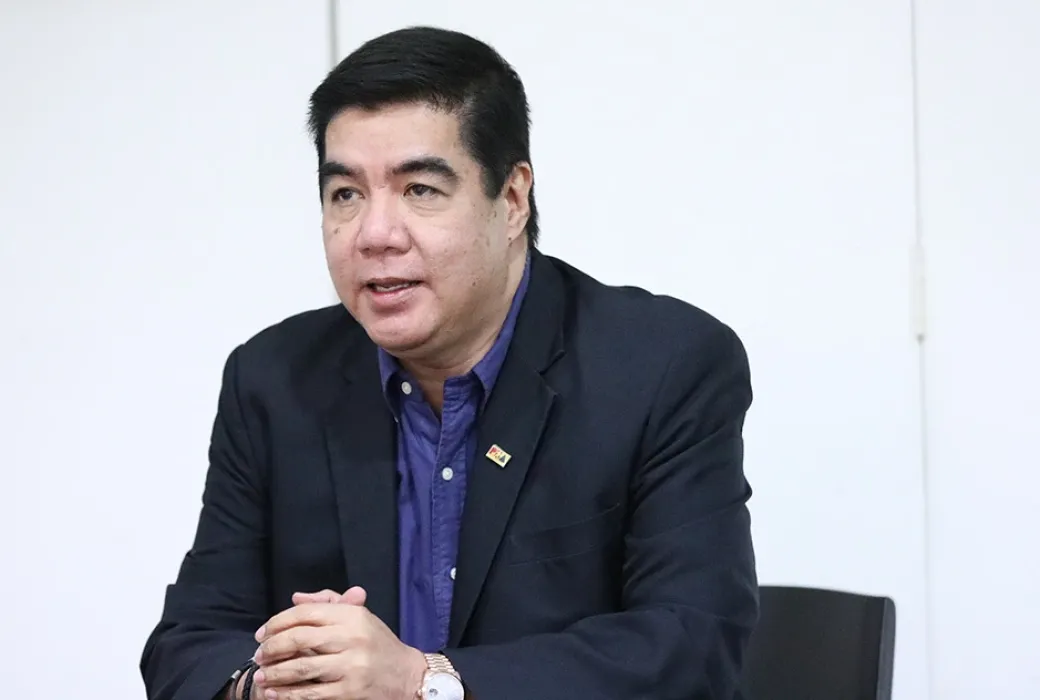
During a House hearing in August 2026, PAGCOR Chairman Alejandro Tengco acknowledged the corporation's substantial financial obligation.
“Kailangan na po naming magsimulang magbayad ng retroactive payment sa utang namin na P37 billion. On our end, mabigat yun. Nowhere did Pagcor project through the years that we will have to pay but we respect the decision of the Supreme Court,” Tengco said.
His statement highlighted the financial pressure facing PAGCOR as it prepares to comply with the ruling.
However, the corporation is not automatically in default simply because the full amount remains unpaid.
The Supreme Court itself allowed the obligation to be settled over a decade.
The challenge now is balancing that legally permitted payment schedule with the immediate funding requirements of Philippine sports.
The amount represents a potentially significant source of funding for Philippine sports development.
If properly allocated, the remittances could help strengthen grassroots programs, improve training facilities, expand coaching opportunities, and provide additional support for national athletes.
The funds could also support sports medicine, nutrition, rehabilitation, and international competition preparation.
For young athletes in underserved communities, better access to training resources could make an important difference in their development.
But the benefits would depend on how the money is distributed and managed.
A ₱37-billion obligation does not automatically translate into ₱37 billion in immediate spending for athletes.
The timing of payments, applicable budget rules, and government allocation procedures will determine when and how the funds can be used.
While the repayment period provides PAGCOR with time to meet its obligation, it also highlights the difference between institutional financial planning and an athlete's competitive career.
An athlete preparing for the next Olympics cannot postpone training for several years.
A promising young competitor needs access to qualified coaching, equipment, and tournaments while still developing.
National teams preparing for international championships require reliable financial support long before competition begins.
The money may have a 10-year payment window. An athlete's competitive prime does not. That reality makes the timely and effective release of sports funding particularly important.
The situation also raises questions about whether sports authorities and PAGCOR can establish a clear repayment schedule that allows priority programs to plan. Beyond the timing of the remittances, financial accountability will be essential.
The Philippine Sports Commission and other concerned government institutions will need to ensure that funds received are used for legitimate sports development purposes.
Clear financial reporting, transparent allocation procedures, and measurable program outcomes could help strengthen public confidence in the process.
The public should be able to determine how much has been remitted, which programs have benefited, and whether the funding has improved opportunities for athletes.
More funding is important, but responsible spending will determine whether it produces meaningful results.
The Philippines has produced Olympic champions, world champions, and international medalists despite persistent challenges in sports development.
Their achievements demonstrate the country's competitive potential.
However, sustained success requires more than exceptional individual performances.
It demands a reliable system that supports athletes from grassroots participation through elite international competition.
The PAGCOR remittances could become an important part of that system.
But the funds must be supported by strategic planning, transparent implementation, and sustained investment in athlete development.
The Supreme Court ruling represents a major development in the decades-long dispute over PAGCOR's sports remittances.
It establishes an obligation and provides a legal framework for payment.
But the ultimate impact will be measured beyond the courtroom.
The real questions are whether the funds will improve training opportunities, strengthen national sports programs, and provide lasting benefits to Filipino athletes.
For PAGCOR, the responsibility is to comply with the ruling.
For sports authorities, the challenge is to ensure that every peso received is managed effectively.
And for Filipino athletes, the hope is that the funding will translate into better support while they are still actively competing.
₱37 BILLION IS MORE THAN A FINANCIAL OBLIGATION. IT REPRESENTS AN OPPORTUNITY TO STRENGTHEN THE FUTURE OF PHILIPPINE SPORTS.
THE COURT HAS SET THE PAYMENT TIMELINE. NOW THE REAL TEST IS TURNING THOSE BILLIONS INTO MEANINGFUL OPPORTUNITIES FOR FILIPINO ATHLETES.