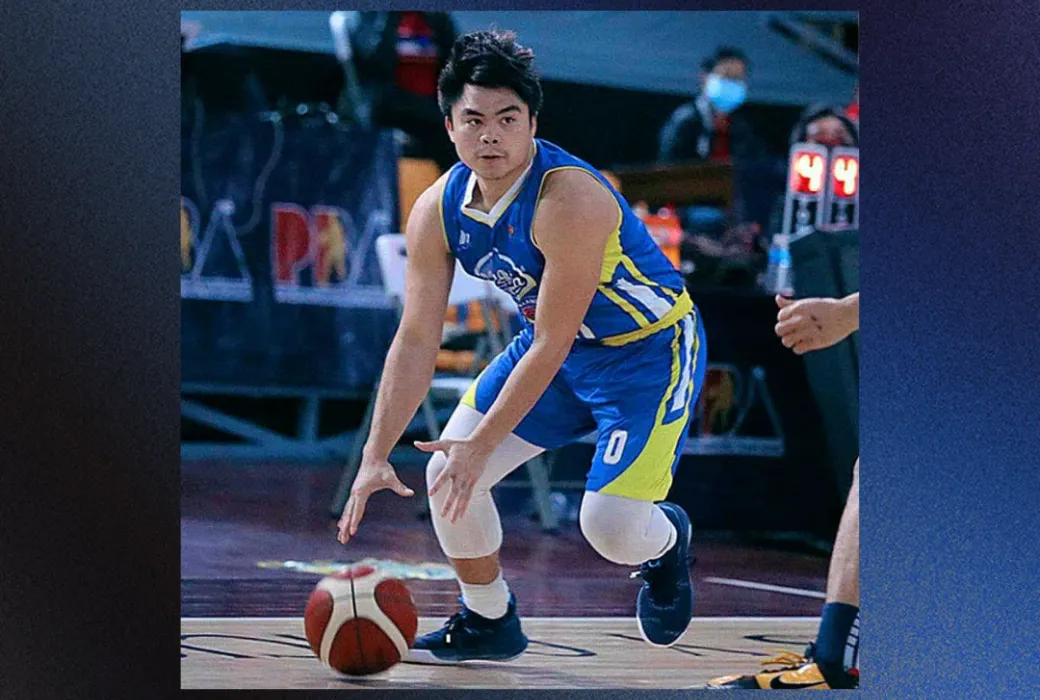
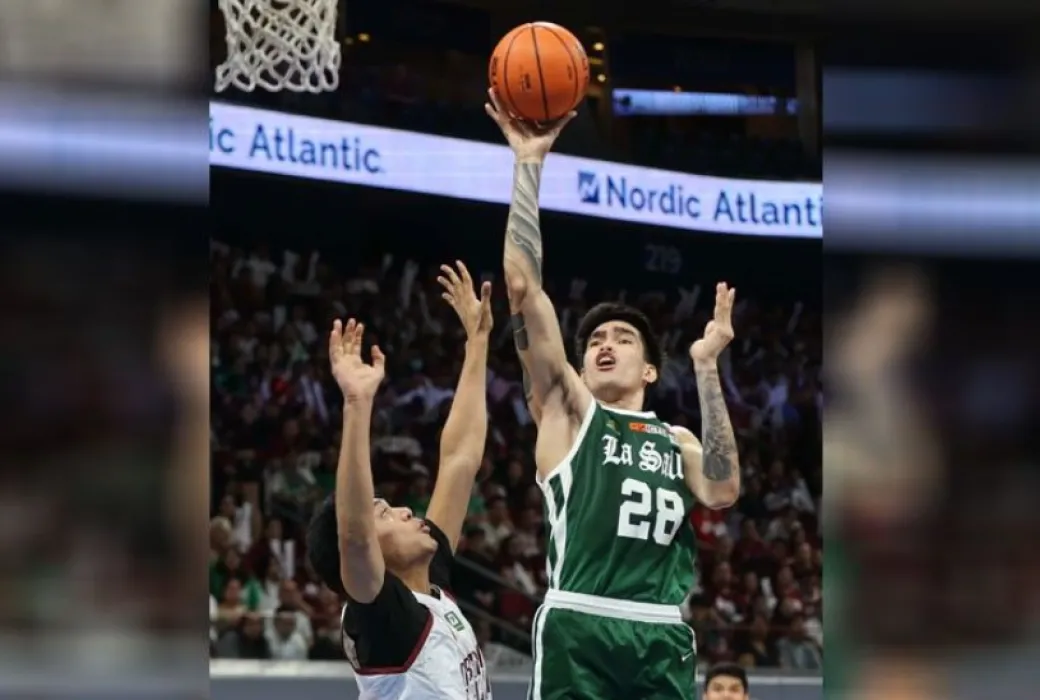
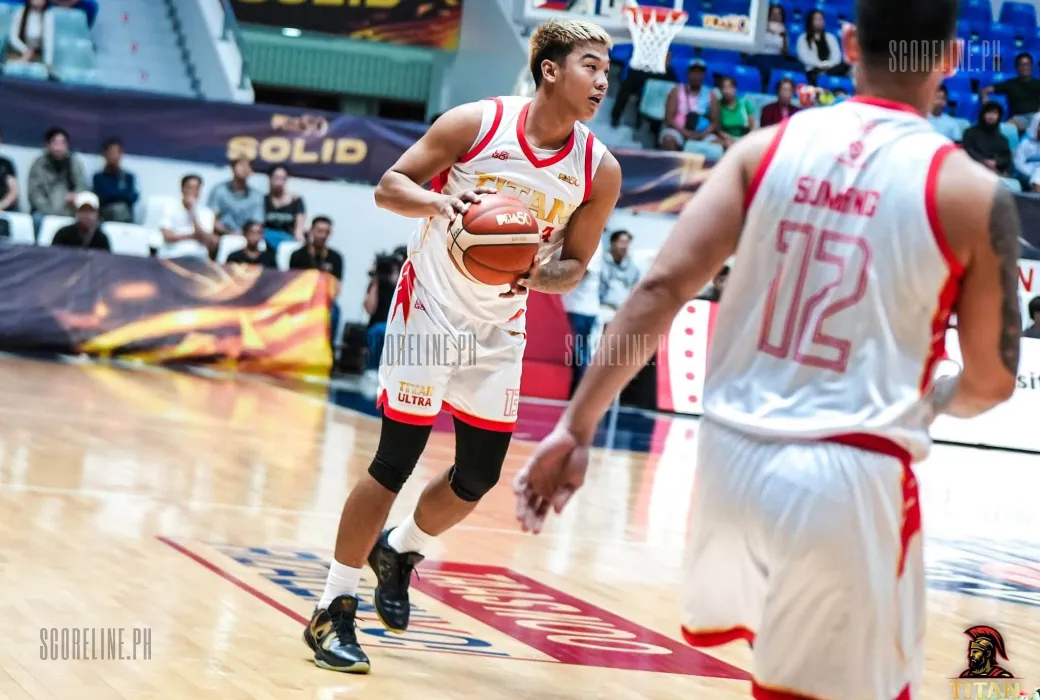
John Amores (Credits 📸: John Anthony Walker Amores/Titan Ultra Giant Risers Facebook)

John Amores: 'Psalms 62:1-8'

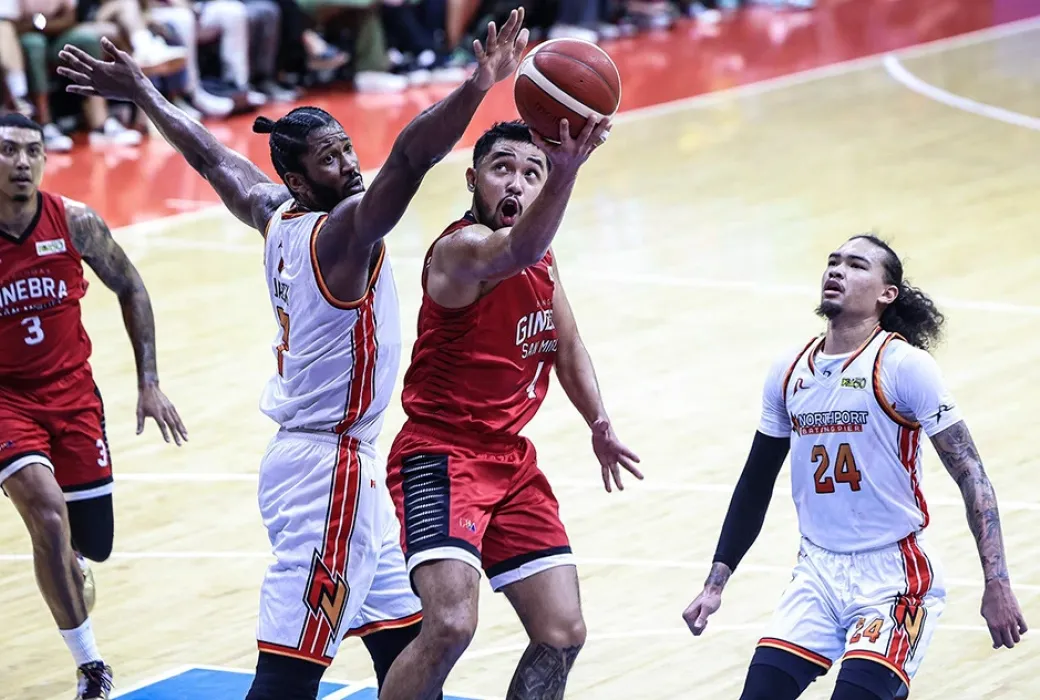
In John Amores' return to the Philippine Basketball Association (PBA), he posted on his Facebook account following his comeback game against the Terrafirma Dyip.

“Psalms 62:1-8,” he wrote.

Amores scored five points in nine minutes of action, but his team fell short, 113-100.

Amores was involved in a shooting incident in 2024, which led to the league banning him for two years and revoking his professional basketball license.

He later regained his license and is now cleared to play in the country's premier professional basketball league.

News

Senator Bong Go

The future of athlete's must never become collateral damage in sports politics

The flag belongs to the nation. The athletes carry it. Their future must never become collateral damage in sports politics.

“Hindi dapat maapektuhan ang ating mga atleta ng sports politics.”

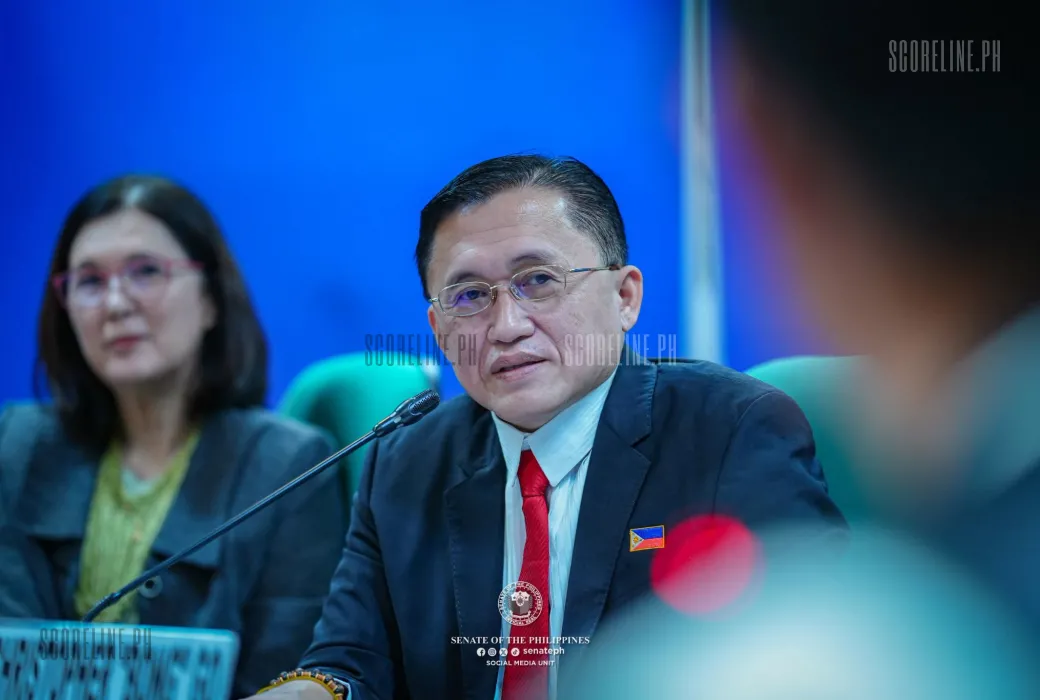
Sen. Bong Go, chairperson of the Senate Committee on Sports, stressed a clear message during the post-evaluation of the Philippine delegation’s participation in the 20th Asian Games.

Disagreements, governance issues, financial difficulties, and conflicts among sports organizations should never come at the expense of Filipino athletes.

Our athletes train to win medals—not to get caught in boardroom battles and leadership disputes.

They sacrifice years of their lives to represent the country. They deserve proper funding, quality preparation, stable leadership, and an environment where they can focus on competing—not worry about the politics surrounding their sport.

Accountability matters. Good governance matters. But through it all, the welfare of athletes must remain the priority.

Because when sports leaders clash, the consequences can reach far beyond the boardroom—and the athletes may be the ones left paying the price.


3
Learn more
Justin Brownlee

Gilas Pilipinas did not just lose a star. It lost the heart of its championship identity.

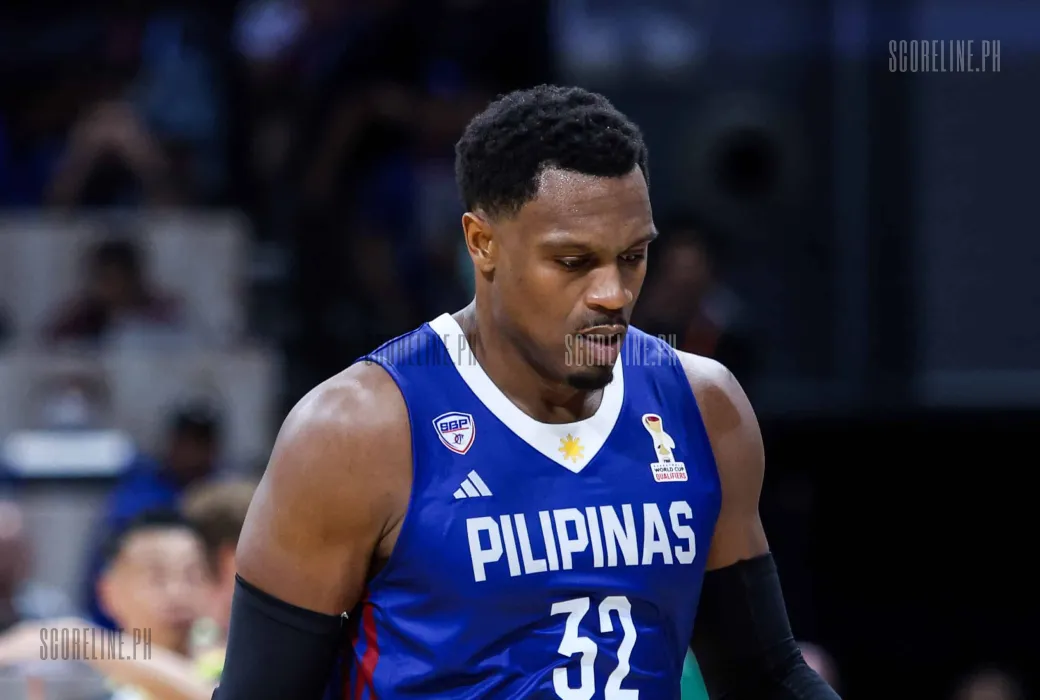
Justin Brownlee’s absence from the Philippines’ disastrous 2026 Asian Games campaign was not simply a matter of injury or basketball availability. It was a health issue involving blood pressure and the heart, according to national team coach Tim Cone.

Speaking at a Senate hearing Thursday, Cone revealed why the naturalized Filipino star has been unable to play for both Gilas Pilipinas and Barangay Ginebra in the PBA.

“Because he’s had health concerns regarding blood pressure and heart issues. So he is not able to play at this point,” Cone said.

The revelation puts Brownlee’s prolonged absence into a more serious perspective. This is not just about missing a tournament or a key player being unavailable for a crucial stretch. It is about an athlete dealing with a potentially serious health concern—and the need to put his well-being ahead of basketball.

For a player who has carried the Philippines through some of its biggest recent triumphs, that reality deserves understanding, not pressure.

THE ABSENCE THAT GILAS COULD NOT OVERCOME

Brownlee was instrumental in the Philippines’ historic gold medal run at the 2023 Asian Games in Hangzhou, helping end a 61-year wait for the country’s men’s basketball team to reclaim the continental crown.

His value went beyond scoring. He provided experience, composure, versatility, and the kind of big-game presence that can steady a team when everything starts falling apart.

In Aichi-Nagoya, Gilas had none of that from its naturalized star.

The national team entered the competition with an all-PBA roster but failed to reach the knockout stage, settling for ninth place in one of its worst Asian Games campaigns in men's 5-on-5 basketball. Its preliminary-round schedule included a crushing 105-61 defeat to China.

Brownlee had also missed the Philippines’ two home games in the fourth window of the FIBA World Cup Asian Qualifiers in August and remained unavailable for Ginebra throughout the PBA Governors’ Cup.

His absence was a significant setback. But it would be too simplistic to blame the entire Asian Games collapse on one player’s unavailability.

A championship team must have contingency plans. It must develop alternatives, establish a system that can survive personnel changes, and prepare for the possibility that even its best players will not always be available.

Gilas struggled badly without Brownlee. That should prompt difficult questions about roster construction, preparation, and the team's ability to adapt—not criticism of a player whose health must come first.

A WARNING FOR PHILIPPINE BASKETBALL

Brownlee’s situation also highlights a broader truth: national team planning cannot depend indefinitely on one irreplaceable figure.

His contributions have been enormous, but the Philippines needs a deeper pool of players capable of delivering under pressure. It needs a reliable structure that does not unravel when a key star is sidelined.

That responsibility falls on the people building and managing the program.

The Asian Games campaign exposed the consequences of entering a major tournament without a naturalized player of Brownlee’s caliber. The challenge now is to learn from that experience instead of treating his return as the only solution.

And while fans understandably want to see him back on the court, the priority must remain clear.

Heart-related health concerns are not something to rush through for a tournament, a club, or a national team. Brownlee's recovery and medical clearance must take precedence over the demands of competition.

LET THE MAN HEAL

Brownlee has already given Philippine basketball unforgettable moments. He helped deliver an Asian Games gold medal and earned the trust of Filipino fans through his performances for Gilas and Ginebra.

He does not owe anyone a premature return.

The country can hope to see him play again, but that hope must come with patience. Until he is medically cleared, his absence should be understood for what it is: a health matter, not a failure of commitment.

Gilas must now confront its own shortcomings and build a team capable of competing even when its biggest weapon is unavailable.

Justin Brownlee needs to focus on his health. Gilas needs to focus on fixing its problems. Neither responsibility should be sacrificed for the other.

The Philippines needs its basketball heroes—but first, it needs them healthy.

2
Learn more
Maria Sharapova and Alex Eala

Alex Eala’s obsession with perfection: The mindset behind the rise of a Filipino tennis star

She grew up admiring Maria Sharapova. Now, the tennis legend is watching her rise—and recognizing a familiar champion’s mentality.

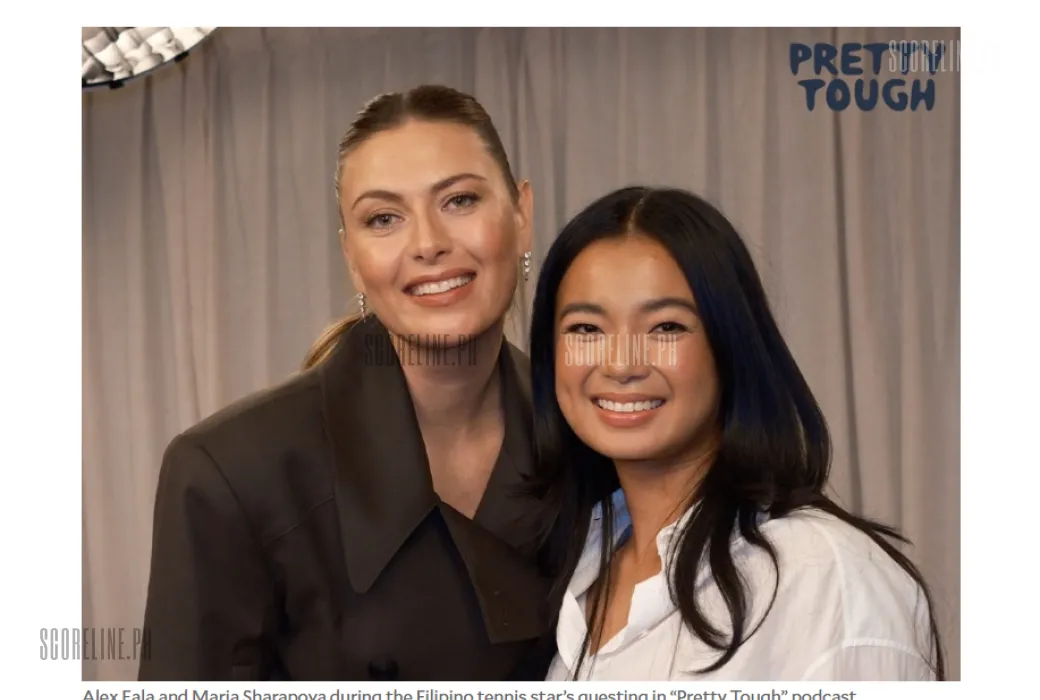
For Alex Eala, sitting across from Maria Sharapova was more than a podcast appearance. It was a full-circle moment for a young player who once looked up to the Russian superstar and dreamed of reaching the heights she had conquered.

“This is a dream. This is a dream for me,” Eala told the five-time Grand Slam champion on Sharapova’s Pretty Tough podcast.

Sharapova’s response made the moment even more special.

“It’s very, very mutual,” she said. “I’ve been following you for several years now.”

But beyond the mutual admiration, their conversation revealed something far more compelling than a fan meeting her idol: the mentality that separates a promising talent from a player determined to become great.

Eala, now ranked world No. 18 in women's singles, has never hidden her hunger for improvement.

“I have a crush on perfection, and I always want to chase it,” she said.

It is an ambitious statement—and a dangerous obsession if perfection becomes the only acceptable outcome. Tennis is too unpredictable, too unforgiving, and too dependent on split-second decisions for anyone to play flawlessly every time.

But Eala appears to understand that chasing perfection is not necessarily about achieving it. It is about demanding more from herself, even when the scoreboard offers reasons to celebrate.

THE BEAUTY OF THE FIGHT

Eala's rise has been fueled by moments that have tested both her game and her resolve.

A semifinal appearance at the 2025 Miami Open announced her ability to compete on a major stage. Her victory over defending champion Iga Swiatek at Wimbledon in July 2026 further demonstrated her potential to challenge the sport's elite. Then came her first WTA Tour singles title in Washington in August.

Those achievements are milestones, not guarantees of future success.

The real test is what happens after the breakthrough—when opponents study her weaknesses, expectations grow, and winning becomes harder because everyone knows what she can do.

Eala knows that competing at the highest level means embracing the uncomfortable.

“I love competing. I love fighting. I love winning,” she said.

She also spoke about discovering her “capacity to suffer,” describing how exhaustion and nerves no longer have to be signals to retreat. Instead, they can become familiar challenges she is prepared to face.

That is where the Sharapova comparison becomes especially interesting.

Sharapova built her career on fierce competitiveness, mental toughness, and an unwillingness to surrender easily. She understands the demands of being labeled a prodigy—and the burden of having the world watch every step of a young athlete's development.

“It is so impressive to see how you’ve handled and navigated everything,” Sharapova told Eala.

It was praise from someone who knows firsthand that talent may open the door, but resilience is what helps a player survive inside.

CARRYING THE PHILIPPINES

For Eala, the pressure extends beyond rankings, trophies, and personal ambition.

Every major victory draws more Filipino fans to tennis. Every breakthrough raises hopes that the country may have a genuine contender on the sport's biggest stages.

Eala recognizes the significance of that responsibility.

“I understand the weight that the representation holds,” she said.

Representing millions can be a powerful source of motivation. It can also become a heavy burden if every match is treated as a national referendum on success or failure.

The challenge is to carry the flag without allowing its weight to overwhelm the player beneath it.

Eala's journey is a reminder that Filipino athletes can inspire an entire nation while still being allowed to learn, struggle, lose, and grow. She does not have to win every match to make her country proud. She has to keep building the player capable of competing at the highest level.

And that process will inevitably include setbacks.

“Success can be fleeting. It’s never guaranteed,” Eala said.

Perhaps that is the most important lesson in her conversation with Sharapova. A title can disappear into yesterday's headlines. A ranking can rise or fall. The applause can fade.

What remains is the work—the willingness to return to training, confront weaknesses, accept criticism, and compete again when the next difficult moment arrives.

THE DREAM IS BIGGER THAN THE MOMENT

Eala once watched Sharapova as the champion she hoped to emulate. Now, she has earned recognition from the very player who helped shape her competitive imagination.

That is a remarkable full-circle moment. But it is not the finish line.

The temptation is to frame Eala as the next Sharapova or to measure her future against another champion's legacy. The better question is whether she can continue building a career on her own terms, with her own identity and her own definition of greatness.

Her pursuit of perfection may never end. It probably should not.

Because the goal is not to become a flawless tennis player. It is to become a better one—again and again, even when the process hurts.

Alex Eala has already shown the Philippines what she can achieve. Now, her greatest challenge is to keep believing in what she has yet to become.

The dream that once placed her in awe of a tennis legend is now becoming her own story.
4
Learn more
Monico Puentevella

Philippine Olympic Committee should stay out of NSA affairs - Puentevella

When sports leaders clash over power, one question must never get lost: Who is making sure the athletes win?

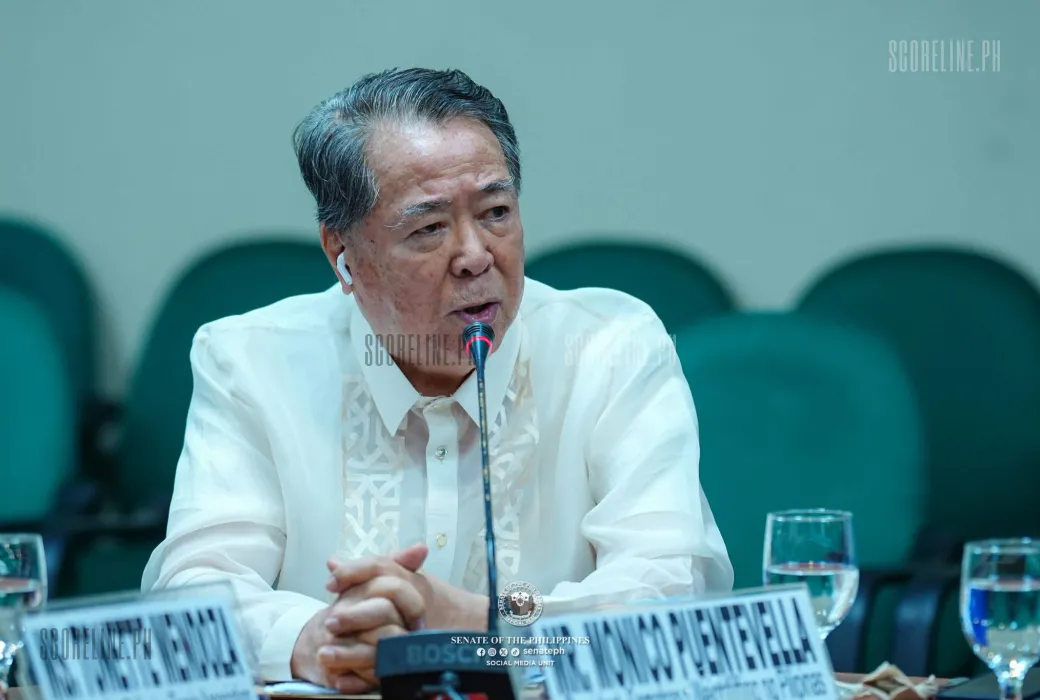
The battle lines are being drawn in Philippine sports, and weightlifting president Monico Puentevella has delivered a pointed message to the Philippine Olympic Committee, especially to its president, Abraham Tolentino, to stop interfering in the affairs of National Sports Associations or NSA's.

Speaking at a Senate sports hearing, Puentevella accused the POC of meddling in weightlifting and volleyball. He even linked alleged interference to the Philippines’ medal-less weightlifting campaign at the 2024 Paris Olympics, claiming that two potential medalists were affected.

Those are serious allegations—and they deserve serious scrutiny.

But beyond the accusations lies a bigger issue that Philippine sports can no longer afford to ignore: When sports leaders fight over authority, who ultimately pays the price?

The athletes do.

They are the ones who spend years training, sacrifice time with their families, endure injuries, and carry the country’s flag into international competition. They cannot afford to have their preparation and opportunities caught in the middle of leadership disputes.

Another is the volleyball controversy, which adds another layer to the debate. Puentevella also pointed to concerns surrounding Alas Pilipinas, following complaints from players about support during the 2026 Asian Games. 

Meanwhile, POC president Abraham “Bambol” Tolentino defended the organization, emphasizing its commitment to athletes and its role in shouldering expenses when government funding was delayed.

Both sides have made their positions clear. The next step should be to establish the facts, examine the decisions made, and determine whether the athletes received the support they needed.

Philippine sports does not need another power struggle disguised as a fight for its future. It needs accountability, coordination, and leadership that puts athletes ahead of organizational pride.

The Philippine Sports Commission, meanwhile, earned praise from Puentevella for its support of weightlifting. The weightlifting chief remains optimistic that the sport can deliver another Olympic medal at the 2028 Los Angeles Games.

That optimism is welcome. But Olympic medals are not built on confidence alone. They require long-term planning, quality coaching, scientific support, proper funding, and a stable environment where athletes can focus on competing—not on the politics surrounding their sport.

If the POC believes its interventions are necessary, it should be able to explain them transparently. If national sports associations believe their independence is being undermined, they should present evidence and pursue accountability through the proper channels.

Neither side should be above scrutiny.

The real measure of leadership is not who controls Philippine sports. It is whether Filipino athletes are given every fair opportunity to succeed.

With LA 2028 approaching, the country cannot afford to waste time and resources on disputes that leave athletes wondering who is truly in their corner.

The mission should be bigger than any president, federation, or committee.

Less politics. More preparation. Less infighting. More medals. And always, athletes first.

2
Learn more
DJ Fenner

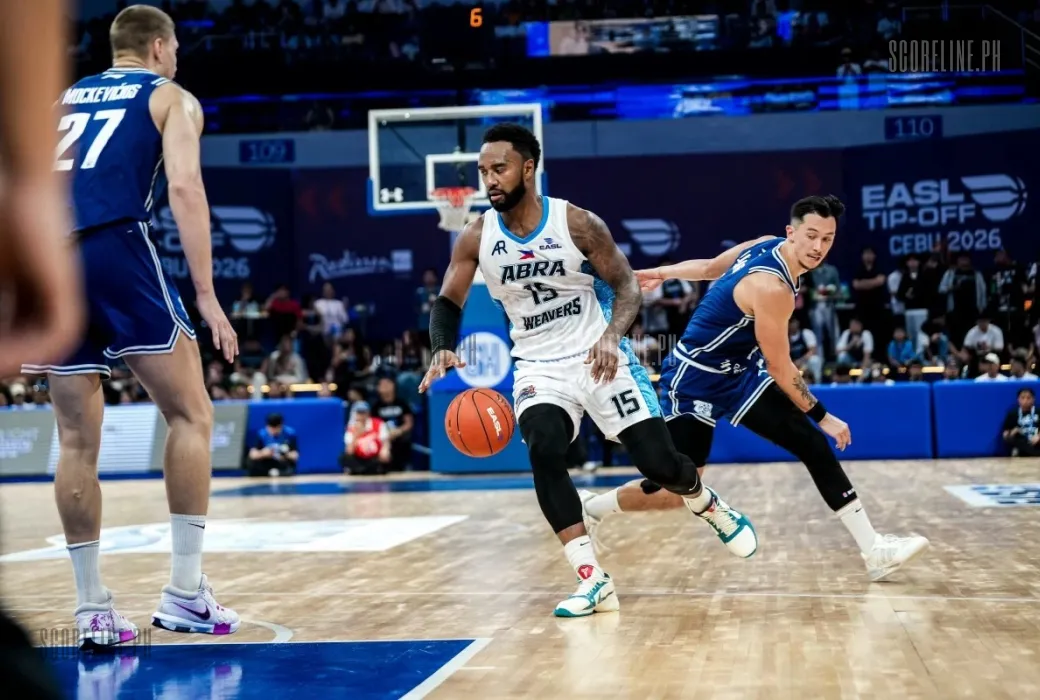
Abra Makes a Statement in EASL Debut With Character Win Over Hong Kong Eastern

Abra knew its character would be tested the moment it stepped onto the East Asia Super League stage.

The Weavers answered that test with composure, grit and a statement victory.

Making their EASL debut before a good-sized crowd at the newly inaugurated SM Seaside Cebu Arena, Abra held its nerve against Hong Kong Eastern to carve out a hard-earned 79-72 victory and announce that it belongs on the regional stage.

For a team often viewed as the replacement for the usual PBA representatives in the tournament, the Weavers had something to prove—and they played like a squad determined to make the most of its opportunity.

“It’s a character win for us,” said Abra star Dave Ildefonso after the game.

For Ildefonso, the victory was about more than simply opening the EASL campaign with a win. It was about a group of players carrying something to prove stepping up when the pressure was highest.

“If you look at our guys, if you look at our lineup, there’s a bunch of players who just want to prove themselves,” he said.

Ildefonso pointed to the personal journeys of several teammates as part of what fueled Abra's performance.

His own stint in Korea did not go as planned. Jake Figueroa experienced a similar setback, while veteran DJ Fenner continues to show that he can still perform at a high level despite his age.

Mike Eric, meanwhile, is also determined to prove that he remains among the best players of his generation.

“I’m still trying to prove that at my age I am still a high-level player,” Fenner said in Ildefonso’s account of the team's mindset.

That collective hunger translated on the court.

Ildefonso contributed nine points, four rebounds and a block, while Fenner finished with 13 points, five rebounds, three assists and three steals.

Eric added 10 points and five rebounds, while Figueroa delivered a crucial three-pointer before his night ended after he was ejected for two technical fouls.

Imports Jaylen Johnson and Freddy Ibrahim led the Weavers with 14 points apiece, providing the offensive punch Abra needed to keep Hong Kong Eastern at bay.

For Ildefonso, however, the numbers only tell part of the story.

The bigger accomplishment was proving that Abra could withstand the pressure of its first international assignment.
“If you look at us, the team we’re really here to prove something to ourselves and to other people,” he said.

“Siguro after this win, siyempre first game pa lang, but it is a step towards the right direction for most of us.”

The Weavers now return their attention to another important mission—the MPBL playoffs, where they are the defending champions.

Their EASL campaign will resume on November 4, when Abra faces the Ryukyu Golden Kings, the Japan B.League runner-up led by Filipino guard Kieffer Ravena.

One game is in the books.

But for Abra, the message from its international debut is already clear:

The Weavers did not come to the EASL simply to fill a slot. They came to prove they belong.

5
Learn more

Top News

Kenji Moral

Kenji Moral’s Fast Break to Rising Star in PH's Youth Basketball

2,158
Mario Barasi Jr.

Mario Barasi Jr.: Rising Big Man ready for the PBA stage

822
Michael Martinez

Michael Martinez: The Filipino Athlete Who Funded His Own Olympic Dream

390
Masters Pinoy Pilipinas Basketball squad with team Mongolia.

Masters Pinoy captures basketball gold at the World Masters Games

384
janine

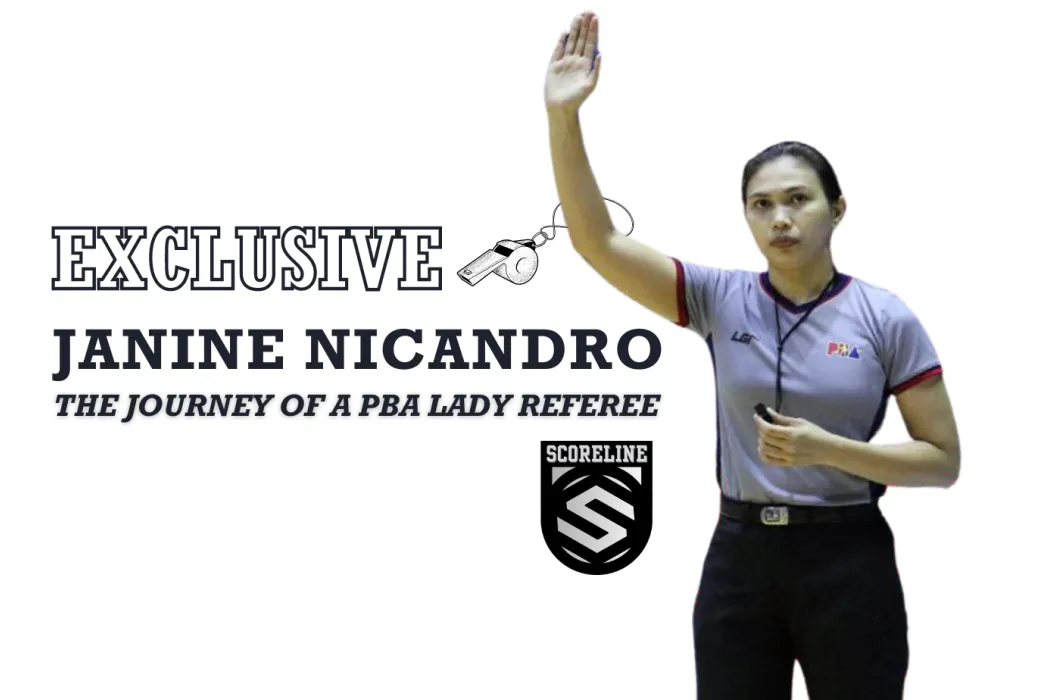
Exclusive: Janine Nicandro, The Journey of a PBA Referee

361
Loren Brill

Loren Brill: Reigniting a basketball legacy born of champions

330
Guiness Nabung of Masters Pinoy Pilipinas Basketball team.

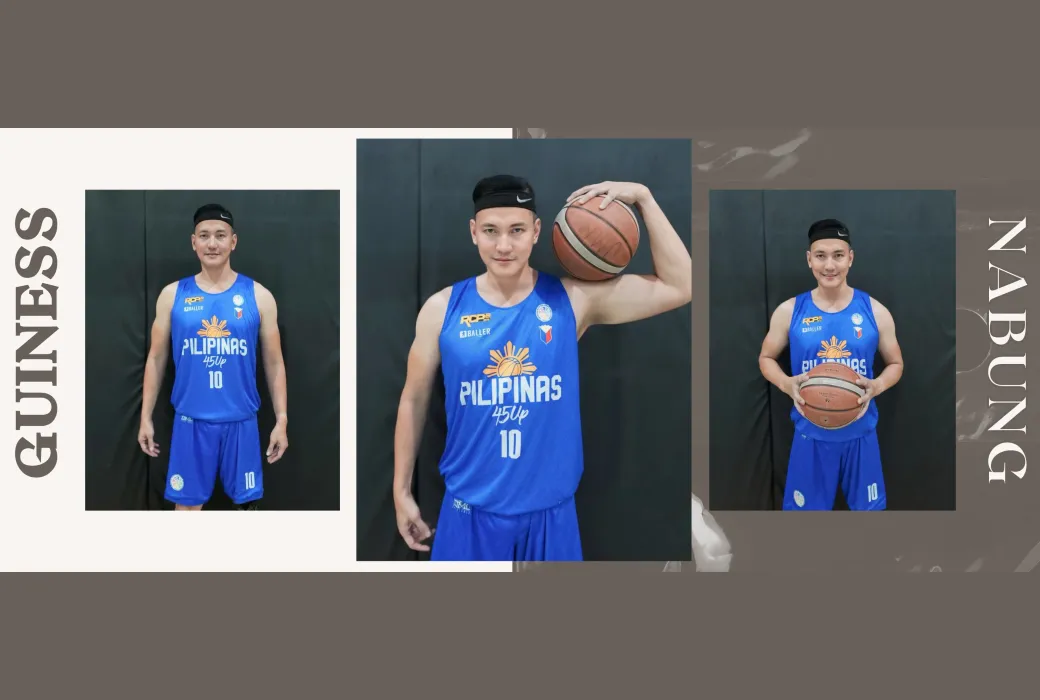
Guiness Nabung - Masters Pinoy Pilipinas Basketball Profile

297
Isaiah Africano poses for Scoreline.ph during the PBA 50th Rookie Draft

Isaiah Africano joins Guam National Team for FIBA WCA Qualifiers

296
Johann Chua & Carlo Biado

17 Filipino cue artists eye glory at World Pool Championship in Saudi Arabia

287
Gilas Pilipinas

Gilas Pilipinas begins Asian Games title defense with a new-look squad

283
Efren Reyes

Player Profile Series: “The Magician” Efren “Bata” Reyes

273
Andre Jamgerald Ugaddan

Andre Jamgerald Ugaddan – “Batang Mamaw” ng Reg. 4A

272
Kevin Quiambao

UAAP: UP fighting Maroons fall short to Green Archers, forced to Game 3

265
Dr. Obet Vital is the new Assistant Coach of the UP Fighting Maroons Women's Volleyball Team

Looking Ahead: Obet Vital's new era of growth and opportunity

257
Paul Reguera

Paul Reguera - Masters Pinoy Pilipinas Basketball Profile

234
Alvin "The Captain" Patrimonio - a player with a lion heart.

Player Profile Series: “The Captain” Alvin Patrimonio’s lion heart

233
Deanna Wong

Player Profile Series: Deanna Wong, The Court’s Quiet Leader

220
Ricky Ricafuente

Ricky Ricafuente - Masters Pinoy Pilipinas Basketball Profile

217
First ever PBA MVP William "Bogs" Adornado.

Player Profile: William "Bogs" Adornado - First PBA MVP

214
Oliver Agapito of Masters Pinoy Pilipinas Basketball team.

Oliver Agapito resharpens his basketball form with Masters Pinoy

211
Roger Yap of Masters Pinoy Pilipinas Basketball team.

Roger Yap - Masters Pinoy Pilipinas Basketball Profile

203
Captain Nica Celis of the UP Fighting Maroons Women's Volleyball Team

Nica Celis aims to helm Fighting Maroons' escape from bottom spot

194
Toshihiko Era

Japanese boxer scores a remarkable victory in Bangkok at age 50

185
Alberto "Abet" Guidaben - PBA 50 Greatest Players (2000)

Player Profile Series: Abet Guidaben – PBA Legend, 2 Slams

181
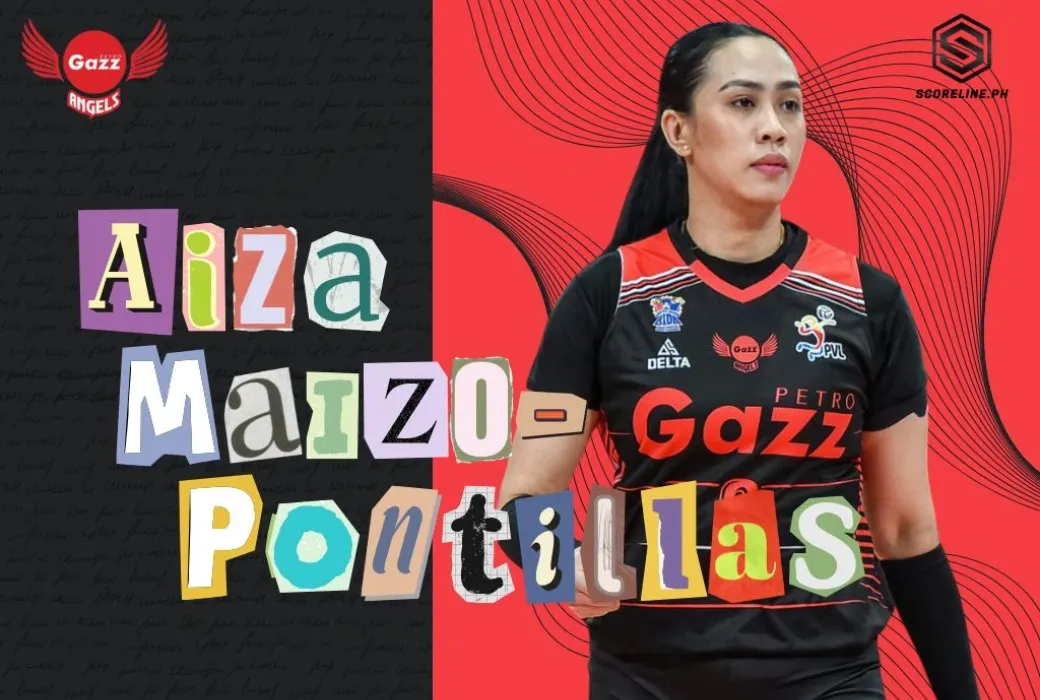
Aiza Maizo-Pontillas

Player Profile Series: The fierce journey of Aiza Maizo-Pontillas

177
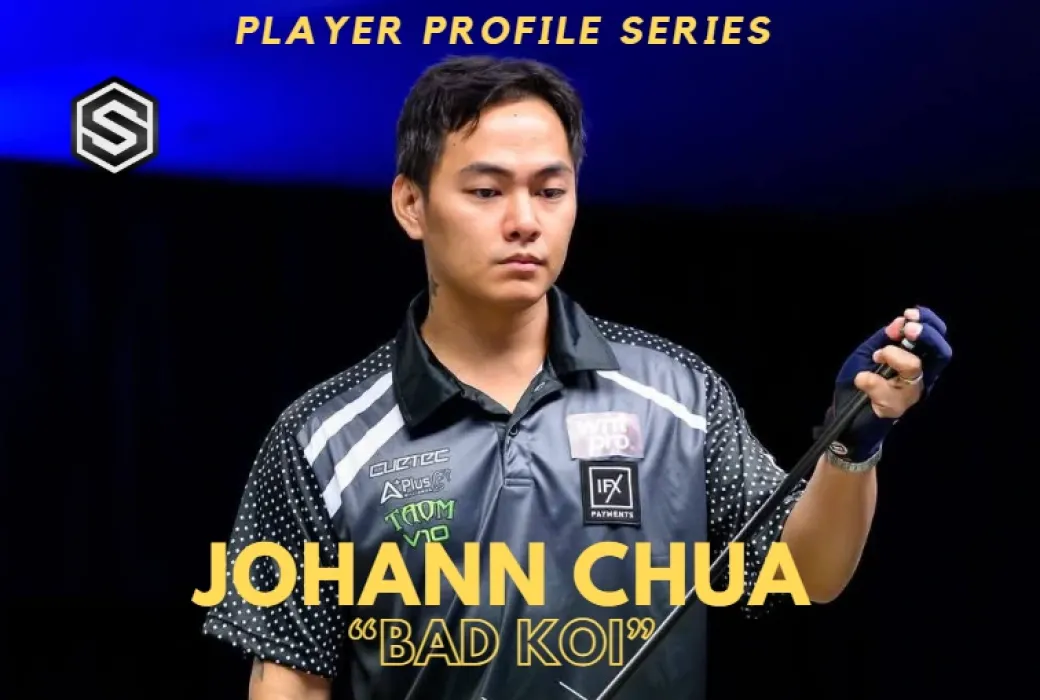
Johann Chua

Player Profile Series: Johann Gonzales Chua - The "Bad Koi"

174
Cloanne Mondonedo

Player Profile Series: Clo Mondoñedo’s journey to setter glory

174
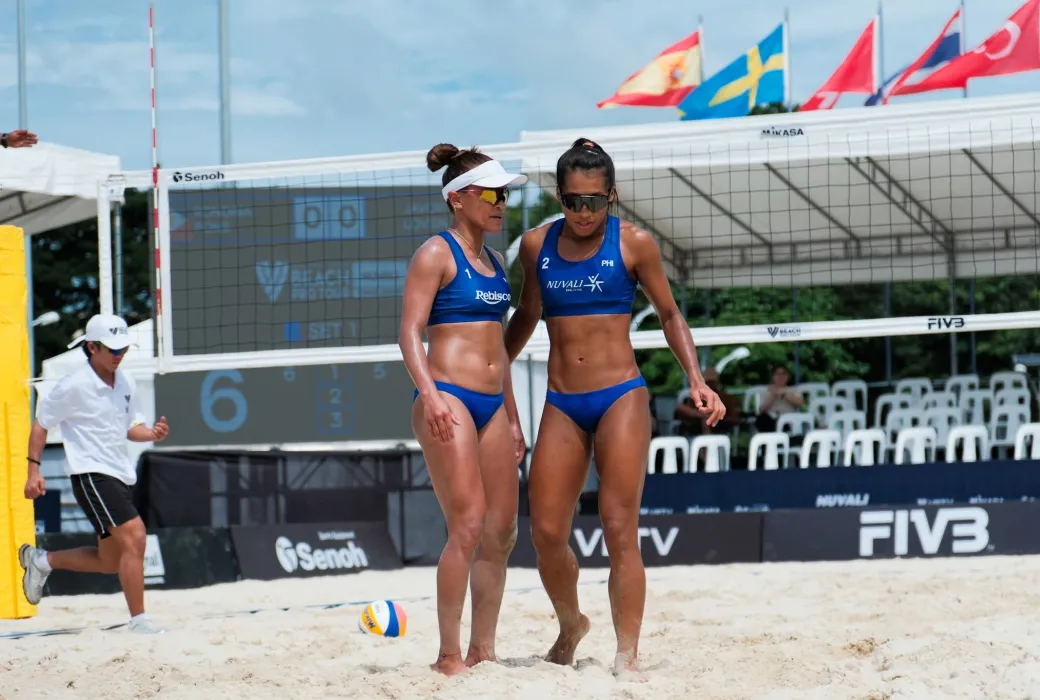
Sisi Rondina and Bernadeth Pons

Rondina, Pons claim first Challenge win at Beach Pro Tour Nuvali

172
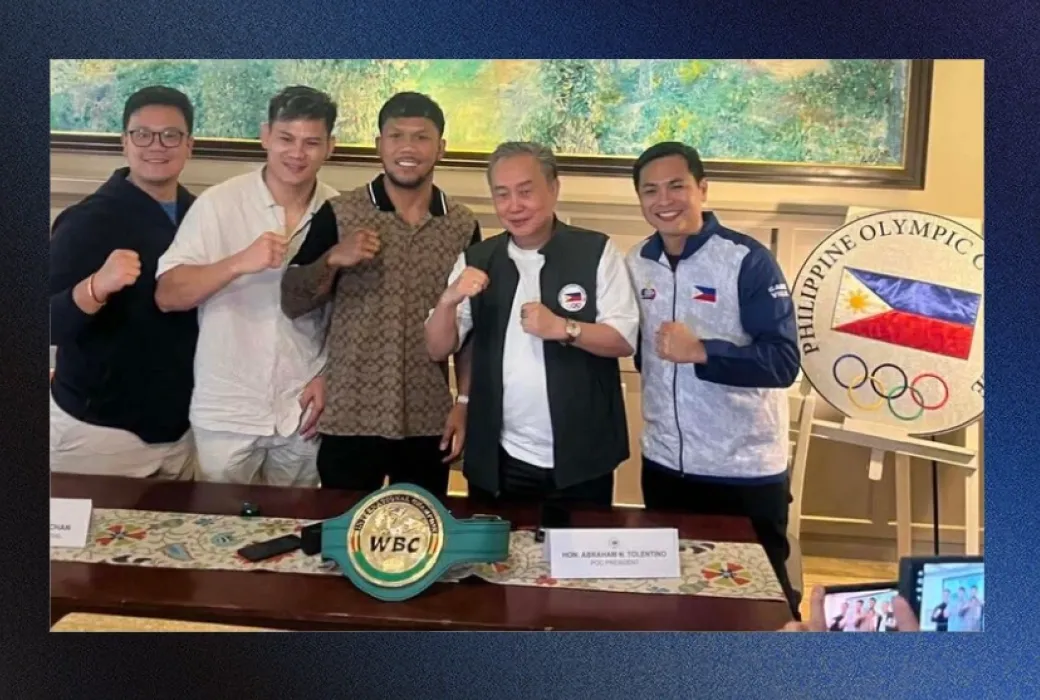
Association of Boxing Alliances in the Philippines

13-strong boxers to lead PH Boxing Team in 2025 SEA Games

167
Kamille Cal

Player Profile Series: Kamille Cal brings precision to Akari

165
Sisi Rondina

Player Profile Series: Sisi Rondina, Volleyball’s Cherry Bomb

162
Alex Pagulayan

Player Profile Series: Billiards' "Lion Heart" Alex Pagulayan

160
"The Quick Brown Fox" - Ricardo Brown

Player Profile Series: Ricardo Brown – "The Quick Brown Fox"

160
Arena Fitness Dojo

From Grassroots to Global: Arena Fitness Dojo

149
Spike and Serve with Petro Gazz Angels & Volleybukids

Spike and Serve reaches out to Volleybukids in Morong, Bataan

148
PBA Commissioner Willie Marcial

PBA Season 50 eyes more overseas tours and foreign guest teams

147
Ginebra's RJ Abarrientos tries to score against NorthPort's import Kadeem Jack.

Ginebra dominates NorthPort to get Game 1 of their Semis series

142
Ricky Ricafuente

Ricky Ricafuente brings his global experience to Masters Pinoy

141
Jelena Todorovic is the new Head Coach of Fortaleza Basquete Cearens.

Brazil’s NBB gets first female coach in Jelena Todorovic

137
General Trias City Sports Park

General Trias City LGU eyes vows world-class sports facilities for youth

136
Francisico Bustamante

Player Profile Series: The iconic Francisco "Django" Bustamante

136
Carlo Biado

Player Profile Series: Carlo Biado, the WPA World 9-Ball Champion

136