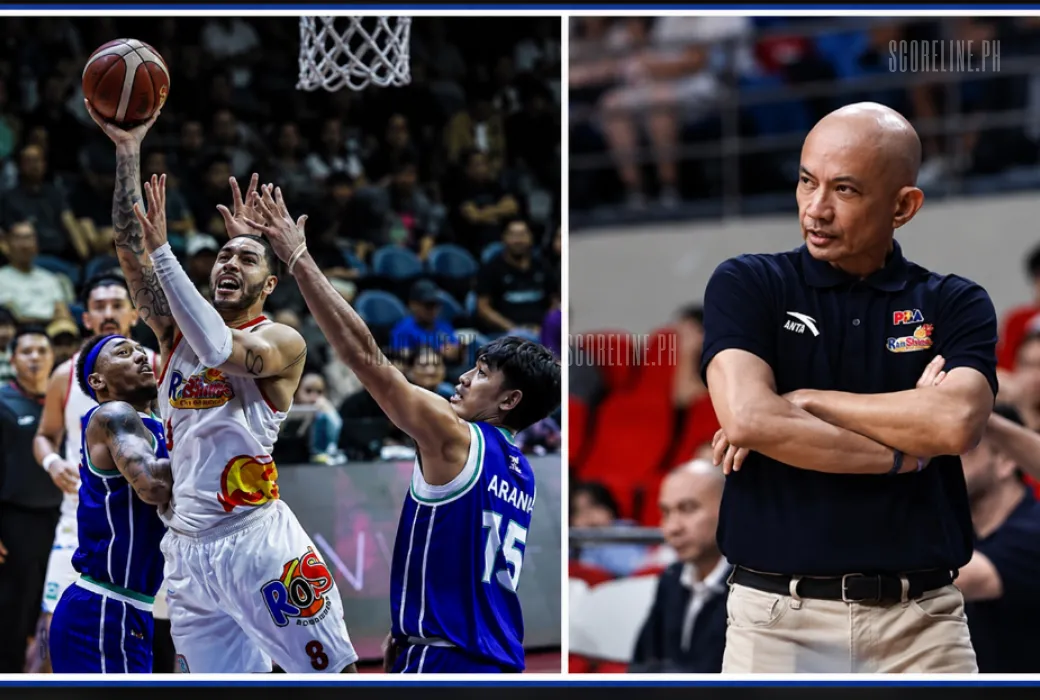
Aaron Fuller & Yeng Guiao
AaronFulller YengGuiao AdrianNocum BeauBelga PBA PBAseason50 PBAGovernorsCup RainorShineElastoPainters Basketball

Guiao calls out Fuller as Rain or Shine's playoff collapse exposes bigger offensive flaws


Aaron Fuller's inconsistency drew criticism from Yeng Guiao, but the Elasto Painters' quarterfinal exit against Converge revealed a more troubling reality: hustle and speed can win games, but without reliable half-court execution, championship dreams can quickly fall apart.
 

Rain or Shine head coach Yeng Guiao did not mince words after the Elasto Painters' disappointing exit from the PBA Season 50 Governors' Cup quarterfinals. His frustration centered on import Aaron Fuller, whose inconsistent production and costly turnovers became glaring problems in a playoff series where every possession mattered.


But beyond Fuller's struggles lies a much bigger question. Has Rain or Shine reached the limit of what its high-energy, fast-paced basketball system can accomplish without a dependable half-court scoring weapon?


The Elasto Painters entered the playoffs hoping to build on their previous Commissioner's Cup semifinal appearance. Instead, they suffered three consecutive defeats against the Converge FiberXers, ending their latest championship pursuit in Game 4. And for Guiao, the performance of his veteran import left plenty to be desired.

"We're kind of disappointed with Aaron kasi sa tingin namin, he could have been a little bit more impactful dun sa series. We expected a lot more consistency around the basket," Guiao told reporters following the elimination.


"Pero ayun nga, turnover prone siya around the basket eh."


Those remarks reflected more than disappointment over one player's statistics. Rain or Shine needed Fuller to provide stability when its offense struggled, particularly during possessions when transition opportunities disappeared, and the team was forced to execute against Converge's organized defense. Instead, Fuller's production fluctuated dramatically.


He opened the series with 33 points in Game 1 and followed it with 26 in Game 2. Then came a disastrous Game 3. Fuller managed just four points on 2-of-11 shooting, a stunning offensive collapse for a player expected to anchor Rain or Shine's interior attack. He recovered statistically in Game 4 with 23 points and 10 rebounds. But the numbers concealed a damaging reality. Fuller failed to score a single point in the fourth quarter and committed five turnovers. For an import expected to deliver when the stakes were highest, that was a painful finish.


The Elasto Painters' problems extended well beyond their import. Throughout the series, Converge repeatedly capitalized on Rain or Shine's careless ball handling and inability to sustain offensive execution. In Game 1, the FiberXers dominated points off turnovers by a staggering 40-13 margin. That statistic alone illustrated how costly Rain or Shine's mistakes had become.


The struggles continued in Game 2, when Adrian Nocum committed three of his four turnovers during the final three minutes, overshadowing an otherwise outstanding performance of 22 points and 18 assists. In Game 3, Nocum delivered a triple-double but also committed seven turnovers. By Game 4, Fuller and Nocum each finished with five turnovers. These were not isolated mistakes. They were symptoms of a recurring problem that Converge exploited throughout the series.


Rain or Shine could create excitement with its pace, but it struggled to protect possessions when the game demanded patience and precision. And in playoff basketball, careless possessions can destroy even the most promising championship campaign.

Guiao has built an identity around aggressive defense, relentless energy, quick ball movement, and transition scoring. When the Elasto Painters are running, they can overwhelm opponents. Their guards attack unsettled defenses, their wings fill passing lanes, and their big men capitalize on opportunities near the basket.


But playoff basketball presents a different challenge. Opponents have more time to study tendencies, disrupt offensive patterns, and force teams into uncomfortable situations. Converge understood that. Instead of allowing Rain or Shine to dictate the tempo, the FiberXers repeatedly forced the Elasto Painters into half-court possessions. That exposed the limitations of their offense.
The most telling statistic came in the final periods of Games 3 and 4, when Converge outscored Rain or Shine by a combined 54-36. An 18-point fourth-quarter scoring disadvantage across two crucial games told the story of a team that could compete for three quarters but struggled to finish. The FiberXers had the personnel and offensive options to execute when the pace slowed. Rain or Shine lacked the same consistency. And that difference helped decide the series.


One encouraging development for Rain or Shine was the continued emergence of Adrian Nocum. The talented guard averaged 17.3 points and 12 assists across the four-game series, demonstrating his growing importance as one of the team's primary offensive creators. His ability to penetrate defenses, generate scoring opportunities, and distribute the basketball gave Rain or Shine a legitimate playmaking weapon.


But his production also exposed another weakness. Who takes responsibility when opponents shut down Nocum's first option? Who creates a quality shot when the offense stalls? Who can consistently attack a set defense with the shot clock winding down? Those questions became increasingly difficult to answer against Converge.


Nocum's development deserves recognition, but expecting him to manufacture nearly every important offensive opportunity is not a sustainable championship formula. Rain or Shine needs additional players capable of creating offense independently. Otherwise, opposing teams will continue loading their defenses against its primary playmaker.

Criticizing Fuller's inconsistency is understandable. But expecting him to solve every half-court offensive problem may also have been unrealistic. At 36, Fuller remains a productive interior player who can finish around the basket, rebound, run the floor, and provide physicality. Those strengths can be valuable in Guiao's system. However, being an effective interior finisher is different from being a dependable isolation scorer.


Fuller is not necessarily the type of import who can repeatedly break down defenders, manufacture difficult shots, or rescue possessions when an offensive play collapses. Against Converge's imposing frontcourt of Justin Arana, Justine Baltazar, and import Cam Clark, even his preferred scoring opportunities became more difficult. The FiberXers had the size, defensive presence, and discipline to challenge him around the basket. That forced Rain or Shine to search for other offensive solutions. Too often, those solutions never materialized.


Fuller deserves accountability for his mistakes, but Rain or Shine's offensive limitations cannot be blamed on one player alone. The team's roster construction and tactical flexibility must also be examined.


There is no denying the progress Rain or Shine has made under Guiao. The Elasto Painters have developed a competitive identity, nurtured emerging talent, and established themselves as a difficult opponent for the league's stronger teams. Their energy and defensive intensity make them dangerous. Their willingness to compete has never been the issue.


But there is a difference between being difficult to beat and knowing how to win when the pressure reaches its highest level. The next stage of Rain or Shine's development requires more than additional hustle. It requires a more versatile offensive roster. A dependable late-game scorer. Better ball security. More disciplined half-court execution. And an import whose offensive strengths complement the team's biggest weaknesses.


That does not automatically mean Fuller should be replaced. But it does mean Rain or Shine must seriously evaluate whether its current personnel can provide the offensive versatility needed to survive against elite playoff defenses. Because a team cannot keep relying on transition baskets when championship opponents know exactly how to take those opportunities away.

While much of the discussion has focused on Rain or Shine's shortcomings, Converge deserves recognition for its performance. The FiberXers did more than capitalize on mistakes. They dictated the terms of the series. Their defensive discipline, frontcourt strength, and ability to execute in crucial moments repeatedly disrupted the Elasto Painters' preferred style. Arana, Baltazar, and Clark provided the interior resistance needed to limit Fuller's effectiveness. Meanwhile, Converge's ability to punish turnovers and control late-game possessions gave it a decisive advantage. The result was a playoff victory that reflected both Converge's strengths and Rain or Shine's vulnerabilities. And that is what makes the elimination particularly revealing. Rain or Shine did not simply lose because its import had an inconsistent series. It lost to an opponent that understood how to exploit its weaknesses.

For several conferences, Rain or Shine has shown flashes of becoming a legitimate championship contender. Its young players have developed. Its system has produced competitive performances. Its coaching staff has established a recognizable identity. But potential cannot remain the team's defining achievement forever. At some point, promising teams must become championship teams. And that transformation requires difficult decisions.


Guiao and the Rain or Shine management must determine whether their current roster has enough offensive versatility to compete consistently in high-pressure playoff situations. They must also address the turnovers that repeatedly handed opponents easy scoring opportunities. Most importantly, they must find a way to generate quality shots when transition basketball is no longer available. The answer may involve personnel changes, tactical adjustments, or further development of the team's existing core. But standing still cannot be the solution.


The Elasto Painters have already proven they can compete. They have demonstrated energy, resilience, and the ability to challenge stronger opponents. What they have not consistently demonstrated is the ability to execute when the game slows down and every possession becomes a battle. That is the challenge separating them from the next level.


Guiao's criticism of Fuller may have captured the headlines, but the real lesson from the Converge series is much broader. Rain or Shine needs more than an import who can score. It needs an offense that can survive when scoring becomes difficult. The Elasto Painters cannot depend on Nocum to create everything. They cannot afford repeated turnovers in crucial possessions. And they cannot expect their transition game to rescue them against every playoff opponent.


Until those problems are addressed, their championship ambitions will remain vulnerable.


HUSTLE MAKES YOU COMPETITIVE. EXECUTION MAKES YOU A CHAMPION. 

For Yeng Guiao and Rain or Shine, that is the difference they must finally overcome.

News

Sipons

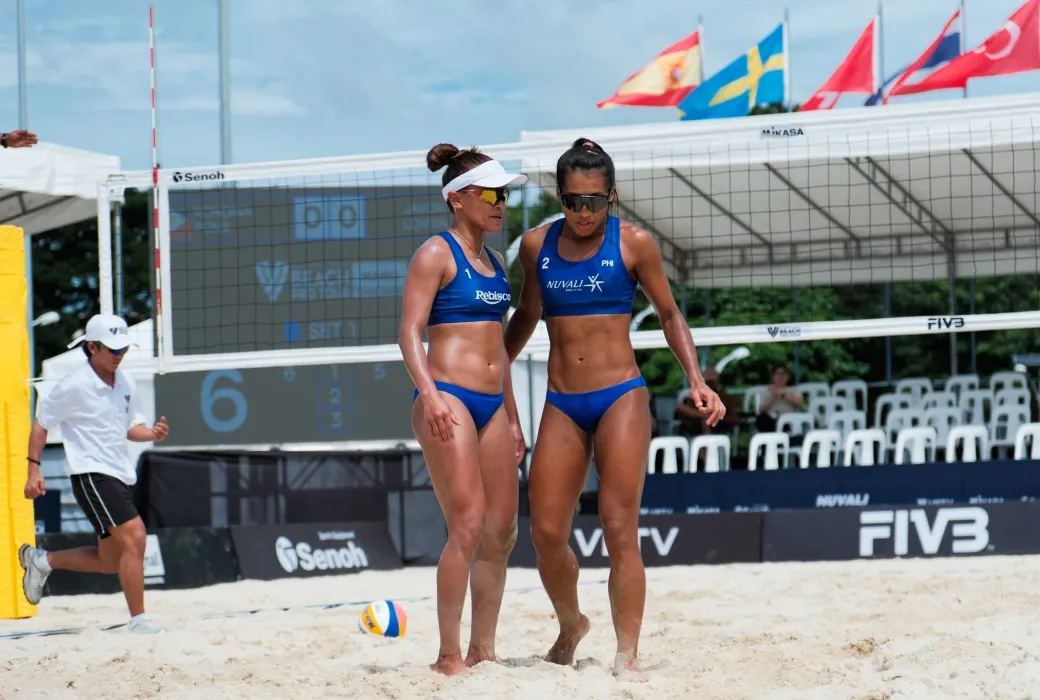
Gold without a defense: Philippine beach volleyball denied its moment at 2027 SEA Games

The Philippines made history by winning women's beach volleyball gold. Now, its champions face an unusual setback — not because they lost on the sand, but because their sport has been removed from the next Southeast Asian Games.

Winning a gold medal is difficult enough. Defending it against the best athletes in Southeast Asia is an even greater challenge.

But what happens when champions are denied the opportunity to defend their crown?

That is the frustrating reality facing Philippine women's beach volleyball after the sport was excluded from the official competition program of the 2027 Southeast Asian Games in Malaysia.

Instead of preparing for another battle on the sand, the country's beach volleyball champions must now accept that their title defense will not happen at the next regional sporting spectacle.

They were not beaten by another team. Their opportunity disappeared with the removal of their sport from the program.

The Philippines' historic women's beach volleyball gold medal represented a significant breakthrough for a country where indoor volleyball traditionally attracts much of the attention.

It demonstrated that Filipino athletes could excel internationally in another demanding version of the sport.

Beach volleyball requires exceptional conditioning, communication, tactical awareness, and the ability to perform under physically exhausting conditions.

Every point demands coordination between two athletes who must cover an entire side of the court.

For the Philippines, winning gold was more than a medal-table achievement.

It was an opportunity to build greater recognition for beach volleyball, inspire younger athletes, and strengthen the country's development program.

A successful title defense could have further elevated the sport's profile.

Even an unsuccessful defense would have provided valuable international experience.

But with beach volleyball excluded from the 2027 SEA Games, neither possibility will materialize.

The champions will remain champions, but they will not have the opportunity to prove themselves again at the same regional competition.

The decision affects several other sports.

Among those excluded from the 2027 program are rowing, handball, wrestling, jiu-jitsu, triathlon, dragon boat racing, sport climbing, kickboxing, and chess.

The final lineup was determined through deliberations involving the Olympic Council of Malaysia, the Malaysia SEA Games Organizing Committee, and the Southeast Asian Games Federation Executive Committee.

The Games are scheduled for September 18–29, 2027, across Kuala Lumpur, Sarawak, Penang, and Johor.

While organizers must consider logistical requirements, available venues, costs, and other factors when determining a competition program, changes can have significant consequences for athletes and national sports associations.

For some competitors, the SEA Games represents one of the most important international tournaments available in their discipline.

Removing an event can disrupt training plans, funding priorities, athlete development, and long-term competitive goals.

The bigger issue goes beyond Philippine beach volleyball.

The Southeast Asian Games has long faced questions about the consistency of its sporting program, particularly when certain disciplines appear in one edition but disappear in another.

Host nations naturally have organizational responsibilities and legitimate considerations when choosing events.

But regional sporting development also requires continuity.

Athletes cannot build sustainable competitive programs if opportunities repeatedly change from one edition to the next.

A sport's inclusion should ideally reflect regional participation, competitive standards, athlete development, and the long-term interests of Southeast Asian sports.

That does not mean every discipline must appear at every Games regardless of practical limitations.

It means decisions should be transparent, consistent, and guided by clear criteria.

A regional championship should provide a stable platform for athletic excellence, not an unpredictable calendar that leaves athletes uncertain about their next opportunity.

For the Philippine women's beach volleyball program, the immediate challenge is finding ways to maintain competitive momentum.

A historic gold medal can inspire a new generation, but inspiration alone cannot sustain a sport.

Athletes need international exposure, regular tournaments, quality coaching, financial support, and long-term development opportunities.

Without the SEA Games on their 2027 calendar, Philippine sports officials and volleyball stakeholders must look toward alternative regional and international competitions.

The absence of beach volleyball from Malaysia should not become an excuse to reduce support for the program.

Instead, it should reinforce the importance of developing athletes beyond a single tournament.

A champion's future should never depend entirely on whether one competition chooses to include their sport.

There is also a broader sporting loss when defending champions are unable to return.

Title defenses create compelling rivalries, encourage competitive improvement, and give spectators a reason to follow developing athletes and teams.

For the Philippines, another women's beach volleyball campaign could have offered an opportunity to demonstrate whether its historic achievement marked the beginning of sustained regional success.

For rival nations, it could have provided a chance to challenge the defending champions.

For fans, it could have delivered another exciting chapter in Southeast Asian volleyball.

Instead, that competitive storyline has been interrupted.

The decision may be final for the 2027 edition, but the discussion about sporting continuity should not end there.

The 2027 Southeast Asian Games will still bring together thousands of athletes competing for regional supremacy.

For many sports, Malaysia will provide another opportunity to pursue medals and national pride.

But for Philippine women's beach volleyball, the next Games will carry a different meaning.

The country will enter the event as the reigning champion of a discipline that is not on the competition schedule.

There will be no title defense.

No rematch against regional rivals.

No opportunity to establish another chapter of SEA Games history.

That is disappointing, not only for Filipino athletes but also for supporters who believe that champions deserve meaningful opportunities to compete again.

The Philippines must now focus on keeping its beach volleyball program competitive while advocating for greater consistency in future regional sporting programs.

Winning gold should open more doors for athletes, not leave them wondering when they will get another chance to compete.

The historic medal will remain part of Philippine sporting history.

But the opportunity to defend it in Malaysia is gone.

PHILIPPINE BEACH VOLLEYBALL DID NOT LOSE ITS CROWN ON THE SAND. IT LOST THE CHANCE TO DEFEND IT.
4
Learn more
Carl Jammes Martin

The rise of Wonder Boy: Carl Jammes Martin's Riyadh triumph puts world title dream within reach

The rise of Wonder Boy: Carl Jammes Martin's Riyadh triumph puts world title dream within reach

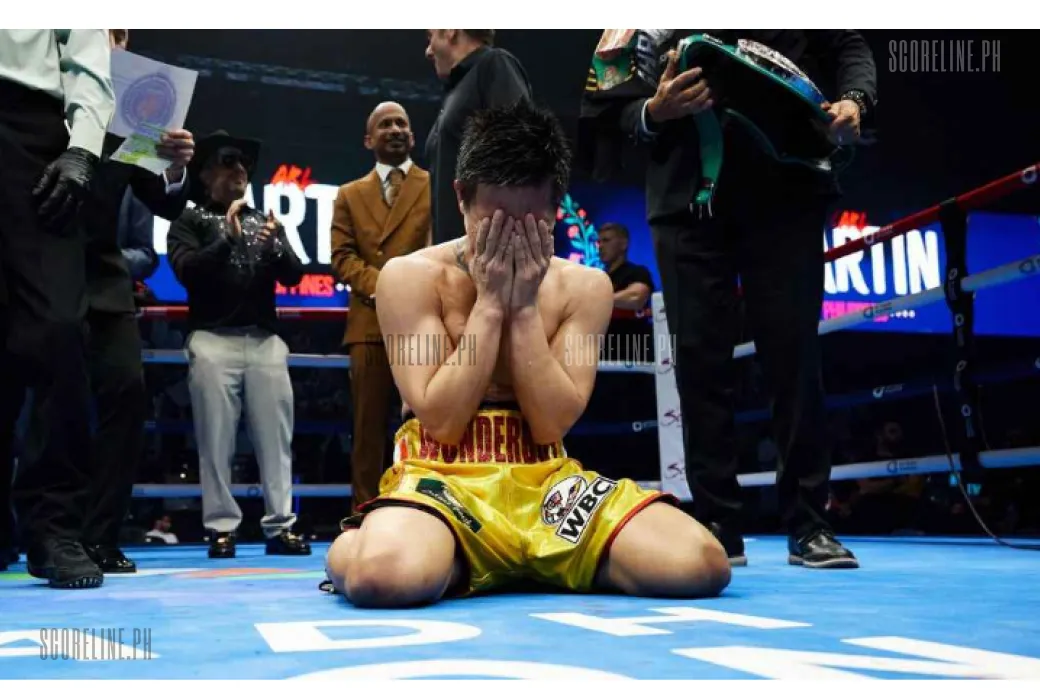
*From the mountains of Ifugao to the bright lights of Saudi Arabia, an undefeated Filipino warrior has delivered the biggest statement of his boxing career.
 Philippine boxing may have found another fighter capable of carrying the nation's championship ambitions onto the world stage.

His name is Carl Jammes Martin.

Known as "Wonder Boy," the 27-year-old southpaw from Lagawe, Ifugao, delivered a career-defining performance after upsetting highly regarded Mexican contender Alan David Picasso via split decision at Kingdom Arena in Riyadh on October 31, 2026.

It wasn't a spectacular knockout or an easy victory.

It was something arguably more meaningful for a boxer approaching the highest level of his profession: a demonstration of skill, discipline, resilience, and the ability to overcome adversity against an internationally established opponent.

Martin improved his unbeaten professional record to 29 victories without defeat, including 21 knockouts, while securing the WBC Silver featherweight title.

And with that triumph, the Filipino fighter sent a message to the boxing world.

Wonder Boy is no longer waiting for his breakthrough. He has earned it.

An underdog with nothing to fear

Entering the ring against Picasso, Martin faced a dangerous assignment.

The Mexican contender brought international experience, a longer reach, and a reputation as one of the promising names in the lighter weight divisions.

Picasso had also tested himself against Japanese boxing superstar Naoya Inoue, giving him experience against the sport's highest level of competition.

On paper, the Mexican appeared to possess several physical advantages.

But boxing has never been decided by measurements alone.

From the opening bell, Martin refused to be intimidated by the occasion.

Using his southpaw stance, quick combinations, and aggressive movement, the Filipino repeatedly disrupted Picasso's rhythm.

His right jab created openings for sharp straight left hands, while his combinations prevented the Mexican from comfortably establishing distance.

One particularly effective left hand bloodied Picasso's nose, adding to the pressure Martin was already applying.

The message was unmistakable.

The Filipino underdog had come to Riyadh to win, not merely to survive. 

A controversial knockdown and the heart of a fighter

Every great boxing performance eventually reaches a moment when skill alone is not enough.

For Martin, that moment arrived in the seventh round.

As Picasso connected with a jab, Martin lost his footing and went down. The referee ruled the sequence a knockdown, despite questions over whether the fall was partly caused by a slip.

In a closely contested fight, the ruling threatened to change the outcome.

One point can separate victory from defeat. A knockdown can erase the advantage built through several rounds of disciplined boxing.

But Martin did not unravel. Instead, he regained his composure, adjusted his approach, and continued competing with the confidence of a fighter who understood what was at stake.

That response may have been just as important as any punch he landed.

Championship potential is not measured only by how a fighter attacks. It is revealed by how he responds when everything suddenly turns against him.

Martin passed that test.

The scorecards tell the story

After ten competitive rounds, the judges delivered a split-decision victory for the Filipino.

The narrow scores reflected the difficulty of the contest.

Picasso had his moments, particularly when using his reach and attacking the body.

But Martin's cleaner combinations, effective pressure, and tactical adjustments ultimately convinced two judges that he had done enough. There was no overwhelming domination on the scorecards.

There was simply a Filipino fighter who found a way to win when the stakes were highest.

And sometimes, those victories reveal more about a boxer's future than an easy knockout ever could.

Martin's victory carries significance beyond the result.

He comes from Lagawe, Ifugao, far removed from the glamorous arenas and major boxing markets that dominate the sport.

His rise reflects the continuing ability of Philippine boxing's continued ability to produce world-class talent from communities outside the country's traditional sporting centers.

For years, Filipino boxing fans have searched for the next generation to follow the international success of Manny Pacquiao, Nonito Donaire, and other celebrated champions.

But the next generation should not be expected to become another Pacquiao.

Carl Jammes Martin does not need to become the next Manny Pacquiao. He needs the opportunity to become the first Carl Jammes Martin.

His unbeaten record, technical development, and victory over Picasso suggest that he deserves serious consideration among the emerging contenders in his division.

And his performance in Riyadh gives promoters and boxing organizations another reason to pay attention.

Winning the WBC Silver featherweight championship strengthens Martin's standing in the division.

But it does not automatically guarantee a world title opportunity.

The featherweight landscape remains highly competitive, with champions and established contenders presenting difficult challenges.

Names such as Rafael Espinoza, Bruce Carrington, and Angelo Leo represent the level of opposition Martin could eventually encounter if his championship ambitions continue progressing.

Against fighters of that caliber, he will need more than an unbeaten record.

He will need sharper defensive awareness, sustained conditioning, disciplined distance management, and the ability to adapt when opponents neutralize his preferred combinations.

His performance against Picasso offered encouraging signs, but it also exposed areas that can still improve.

That is not a criticism of his achievement.

It is the reality of pursuing a world championship.

The difference between a contender and a champion is often found in the smallest technical details. 

Martin's victory should also serve as a reminder to Philippine boxing stakeholders.

The country continues to produce talented fighters capable of competing internationally.

What those fighters need is consistent development, quality matchmaking, financial backing, professional management, and access to meaningful opportunities.

An impressive victory is only the beginning.

The next challenge is ensuring that the momentum translates into better opposition, stronger rankings, and eventually a legitimate world championship opportunity.

Martin has already demonstrated that he can compete against a highly regarded international opponent.

Now comes the responsibility of building his career intelligently.

There is no reason to rush him into an unfavorable matchup simply to capitalize on the excitement surrounding his victory.

But there is equally little reason to allow his momentum to disappear through inactivity or poorly planned matchmaking.

A talent like Martin deserves a championship pathway built on preparation, not publicity alone. 

Wonder Boy has earned the world's attention

The most compelling part of Martin's Riyadh performance was not that he remained undefeated.

It was how he protected that record.

He entered as the underdog, faced a physically advantaged opponent, endured a disputed knockdown, and still emerged victorious.

Those are the kinds of experiences that can transform a promising fighter into a genuine championship contender.

The WBC Silver belt represents another important achievement.

The unbeaten record represents years of dedication.

But the real prize remains ahead. A world championship. A chance to stand among the elite.

And another opportunity to raise the Philippine flag on boxing's biggest stage.

For now, Martin can celebrate the biggest victory of his professional career.

But the expectations have changed.

He is no longer simply a talented Filipino boxer building an impressive record against developing opposition.

He is an undefeated contender who has defeated a recognized international rival under the bright lights of Riyadh.

The boxing world has been given a reason to remember his name.

CARL JAMMES MARTIN DIDN'T JUST WIN A FIGHT IN RIYADH. HE ANNOUNCED THAT THE PHILIPPINES HAS ANOTHER WORLD TITLE CONTENDER.

And for Wonder Boy, the greatest chapter may still be waiting to be written.

12
Learn more
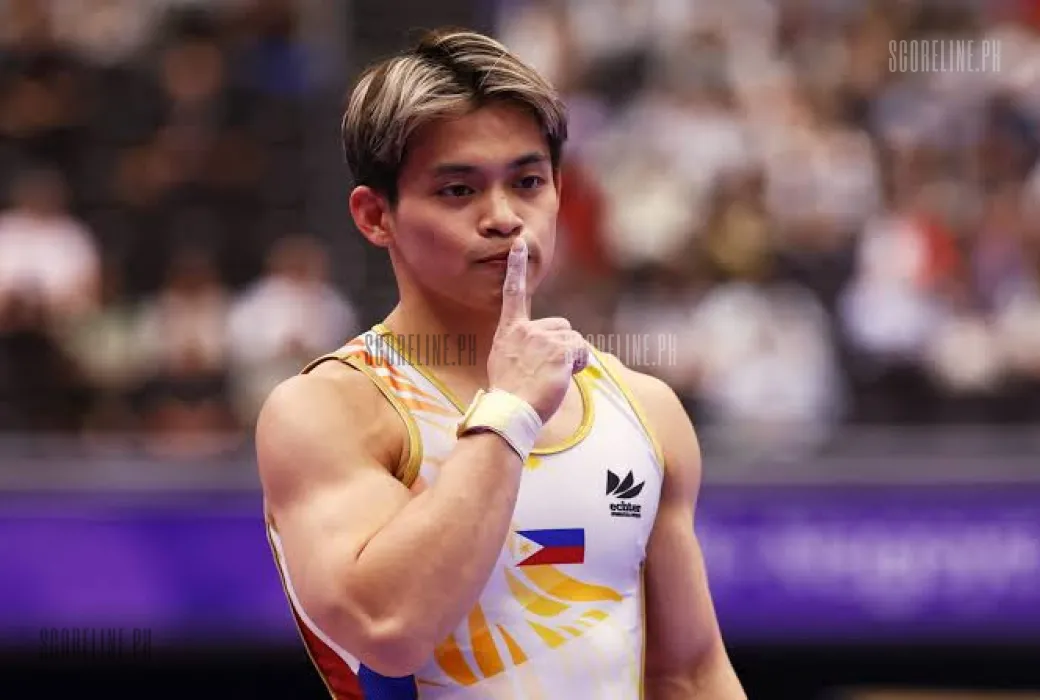
Carlos Yulo

Carlos Yulo returns to France: A champion who refuses to stop chasing greatness

THE OLYMPIC GOLD MEDALS MADE HIM A LEGEND. HIS CONTINUED PURSUIT OF EXCELLENCE WILL DEFINE HIS LEGACY.


Two Olympic gold medals. Asian Games glory. A French club championship. Yet for Carlos Yulo, the hunger for greatness is far from over.


Filipino gymnastics superstar Carlos Edriel Yulo is heading back to France for another season with Olympique Antibes-Juan-les-Pins, reinforcing his status as one of the Philippines' most accomplished athletes and a formidable presence in international gymnastics.


The French club announced his return on Friday, setting the stage for another chapter in the career of the two-time Olympic champion.


But this isn't simply another overseas assignment.
This is a statement that Carlos Yulo is not satisfied with what he has already achieved.

When Yulo captured two historic gold medals at the 2024 Paris Olympics, he accomplished something that generations of Filipino athletes had only dreamed of.


He conquered the men's floor exercise and vault, delivering a defining moment in Philippine sporting history.
For many athletes, reaching the Olympic summit would be the ultimate destination.


For Yulo, it became another starting point.


His decision to continue competing internationally, including in France's premier club gymnastics competition, reflects an athlete determined to stay sharp, competitive, and relevant against world-class opposition.


In May 2026, Yulo helped Olympique Antibes-Juan-les-Pins capture the French Men's Artistic Gymnastics Top 12 championship.
Now, the Filipino star is returning to the same club with another opportunity to contribute to its championship ambitions.
And that should excite every Filipino gymnastics fan.


There is something important about Yulo's continued presence in European gymnastics.
International competition is not just about collecting trophies. It is about exposure, consistency, adapting to different competitive environments, and maintaining the discipline required to perform at the highest level.


France offers Yulo another competitive platform where he can test his abilities while working alongside experienced international gymnasts.


More importantly, his participation demonstrates that Filipino athletes can be valuable contributors to established professional and club sporting programs overseas.


Yulo is no longer just a Filipino champion competing abroad. He is an Olympic champion whose abilities are sought beyond Philippine borders. That distinction matters. It represents how far Philippine gymnastics has come and how much further it can potentially go.

Yulo's return to France comes after another productive international campaign.
At the 2026 Asian Games in Japan, he once again demonstrated his excellence by capturing gold medals in the men's floor exercise and vault — the same events that made him an Olympic champion in Paris. Winning once can be extraordinary.
Winning repeatedly, against elite competition and under enormous expectations, requires a different level of mental strength.


Yulo has already proven that his Olympic triumph was not the end of his competitive ambitions.
He continues to pursue opportunities to improve, compete, and win.


And in a sport where precision, physical conditioning, and mental composure can determine the difference between gold and disappointment, that commitment is invaluable.


Philippine sports needs more athletes with this mindset. Here is the bigger picture.


The Philippines should not measure athletic success only by Olympic medals or occasional international breakthroughs.
True sporting progress happens when excellence becomes sustainable rather than exceptional.
Yulo's continuing international career provides a model worth studying.


He competes beyond national-team assignments, gains experience in different environments, and maintains his connection to high-level gymnastics.


Imagine more Filipino athletes receiving similar opportunities.


Imagine stronger international partnerships, greater access to elite training facilities, and a sports development system that consistently prepares athletes for the demands of global competition.


That is the kind of long-term ambition Philippine sports should embrace.


But celebrating Yulo's achievements should also come with a challenge to sports leaders: build pathways that allow more Filipino athletes to follow his example.


Talent alone cannot sustain a nation's sporting ambitions.


It requires investment, planning, professional support, and opportunities.

Perhaps the most impressive thing about Carlos Yulo today is not simply the number of medals he has won.
It is his willingness to keep competing when he has already achieved what many consider the pinnacle of sporting success.
The pressure is different now.


He is no longer the promising young gymnast trying to prove himself. He is an Olympic champion carrying expectations every time he steps onto the competition floor. Every performance is measured against his greatest achievements.
Every mistake attracts attention. Every victory reinforces his reputation. And yet, he continues. That is what separates athletes who experience greatness from those who work tirelessly to sustain it.

As Yulo prepares for another season with Olympique Antibes-Juan-les-Pins, Filipino fans have another reason to follow his journey.


Whether he helps his French club defend its championship or faces new challenges along the way, the significance of his return goes beyond the results.


It represents ambition without complacency, confidence without surrendering the need to improve, and a commitment to competing at the highest possible level.


Carlos Yulo has already given the Philippines unforgettable Olympic memories.
But his story is still being written.


And as he heads back to France, one message remains clear: Carlos Yulo is not finished chasing greatness.

4
Learn more
Adeline Dumapong

More than a medal: Adeline Dumapong's greatest gift to Filipino sports


“IT BELONGS TO THE FILIPINO PEOPLE.”


Some champions make history by winning medals. Others make an even greater statement by giving them away.
For Philippine para powerlifting legend Adeline Dumapong, her historic Paralympic bronze medal was never just a personal achievement. It symbolized national pride, perseverance, and the fighting spirit of Filipino para athletes.
And 26 years after making history, she decided to share that legacy with the nation.


THE BRONZE THAT CHANGED PHILIPPINE SPORTS HISTORY


At the 2000 Sydney Paralympic Games, Dumapong captured bronze in the women's 82.5kg powerlifting division, becoming the first Filipino athlete to win a Paralympic medal.
It was a breakthrough moment for the Philippines, which had made its Paralympic debut at the 1988 Seoul Games.
Her achievement was more than a podium finish. It shattered barriers and proved that Filipino athletes with disabilities could compete against the world's best.
That single bronze medal opened a new chapter in Philippine sporting history.


A MEDAL THAT SURVIVED A STORM


The historic medal even survived the devastating floods brought by Typhoon Ondoy in 2009.
Through the years, it remained a powerful reminder of Dumapong's journey — the sacrifices, struggles, and determination that carried her to the Paralympic podium.
But instead of keeping that treasured piece of history for herself, Dumapong chose to give it a permanent place where future generations could appreciate its significance.
In March 2026, at age 52, she donated her Sydney 2000 bronze medal to the newly established Para athletes section of the National Sports Museum in Pasig City.
It was an extraordinary act of generosity from an extraordinary athlete.


A CHAMPION WHO NEVER FORGOT HER FELLOW ATHLETES


Dumapong also paid tribute to fellow Paralympic bronze medalist Josephine Medina, whose table tennis memorabilia is displayed in the same museum section.
For Dumapong, seeing Filipino para athletes finally receive greater recognition is a victory in itself.
Their achievements deserve to be remembered, celebrated, and preserved alongside those of the country's most decorated sporting heroes.
Sporting greatness is not defined by physical ability, popularity, or the amount of attention an athlete receives.
It is measured by courage, dedication, and the ability to inspire others.


THE GREATEST VICTORY IS THE LEGACY LEFT BEHIND


Dumapong could have kept her bronze medal as a prized family possession.
She could have displayed it as a reminder of the day she stood among the world's best.
Instead, she chose to place it in the hands of the nation she represented.
That decision speaks volumes about the kind of champion she is.
Her medal now serves a purpose beyond commemorating a historic victory. It tells young Filipino para athletes that their dreams matter, their achievements deserve recognition, and their place in Philippine sports history is secure.


SHE WON THE MEDAL FOR THE PHILIPPINES. SHE GAVE IT BACK TO THE FILIPINO PEOPLE.


And perhaps that is the most powerful part of Adeline Dumapong's story.
The bronze may have been awarded to one athlete, but the inspiration belongs to an entire nation.

3
Learn more
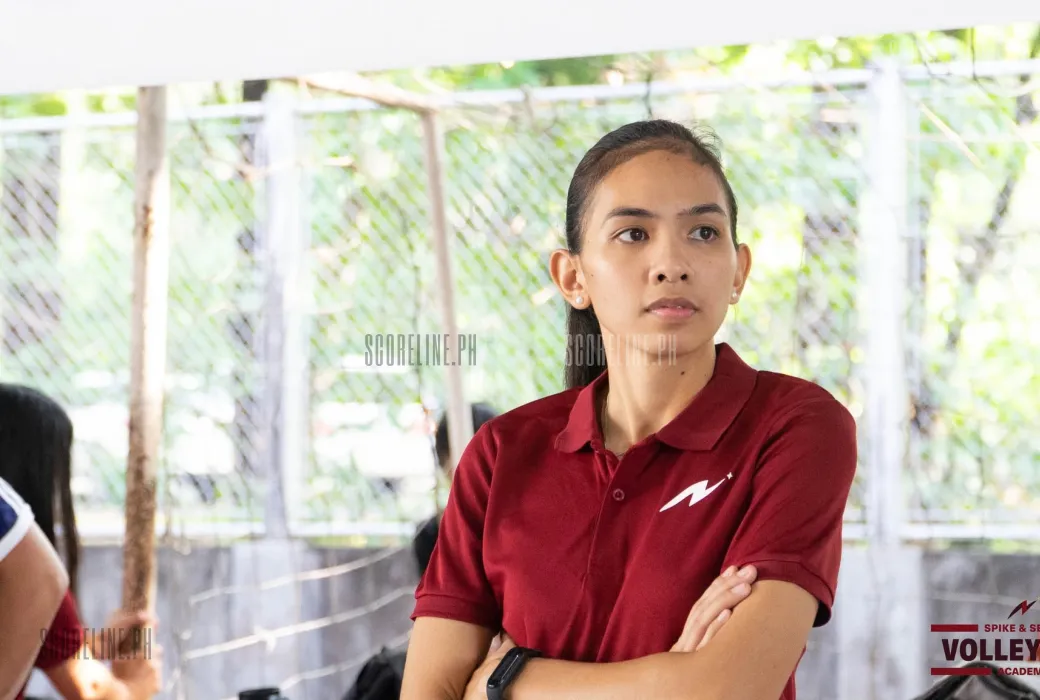
Coach Nicole Tiamzon

More than a volleyball star: Nicole Tiamzon's legacy goes beyond the court

Photo: Spike and Serve 


From UP Lady Maroon to PVL champion, Nxled veteran Nicole Tiamzon proves true greatness isn't measured by trophies alone—but by the lives an athlete inspires.
 

In Philippine volleyball, championships define careers, but a player's impact beyond the game can define a legacy.
For veteran outside hitter Nicole Anne Zapanta Tiamzon, volleyball has never been just about powerful spikes, crucial points, or championship celebrations.


It has also been about leadership, service, and giving young Filipinos the opportunity to dream.
Now wearing the colors of the Nxled Chameleons in the Premier Volleyball League (PVL), Tiamzon continues to build a career that stretches far beyond the playing court.


A proven champion, grassroots sports advocate, and volleyball administrator, she represents a different kind of success story — one where athletic excellence and community service go hand in hand.


Long before becoming a familiar name in professional volleyball, Tiamzon developed her skills and competitive character as a member of the University of the Philippines Lady Maroons.
At UP Diliman, she balanced the demands of collegiate volleyball with her academic responsibilities, eventually earning a degree in Sports Science.


Her collegiate experience provided the foundation for a professional career that would take her through several prominent Philippine volleyball clubs.


She began her professional journey with the Foton Tornadoes in 2015 before joining the Perlas Spikers, where she played from 2017 to 2021.


But it was during her stint with the Petro Gazz Angels from 2022 to 2025 that Tiamzon added major championship achievements to her résumé.


She was part of the Petro Gazz organization that captured the 2022 PVL Reinforced Conference, the 2024 PNVF Champions League, and the 2024–25 PVL All-Filipino Conference titles.


Those accomplishments strengthened her reputation as an experienced player who understands the discipline, teamwork, and composure required to compete at the highest level.


In 2026, Tiamzon embarked on another chapter of her professional career after joining the Nxled Chameleons as part of the team's major rebuilding effort.


The move reunited her with several former Petro Gazz teammates, bringing valuable championship experience to a squad seeking to establish itself as a serious contender in the PVL.


For Nxled, adding an experienced veteran like Tiamzon represents more than acquiring another outside hitter.
Her familiarity with high-pressure matches, championship preparation, and team dynamics provides an important presence in a developing lineup.


As the Chameleons continue their pursuit of success, Tiamzon's leadership and experience could prove just as valuable as her contributions during matches.

Beyond playing, she also serves as Akari Chargers team manager and Akari Cup Technical Director, helping develop the sport from another side of the game.


But what makes her volleyball journey particularly remarkable is the work she has accomplished away from competition.
Spike and Serve: Bringing volleyball dreams to underserved communities


While many athletes focus primarily on building their professional careers, Tiamzon decided early on that her influence should extend beyond the sport's biggest arenas.


In 2017, she founded Spike and Serve Philippines Inc., a nonprofit grassroots sports organization dedicated to introducing volleyball to children and young people in underserved communities.


The initiative aims to make volleyball more accessible to aspiring athletes who may lack proper equipment, organized training, and opportunities to develop their abilities.


Through grassroots activities conducted in different provinces, the program seeks to provide young Filipinos with opportunities to learn the sport while developing discipline, confidence, teamwork, and leadership.


For children who dream of becoming professional volleyball players, access to basic training can be an important first step.
And through Spike and Serve, Tiamzon has helped create opportunities for young athletes to take that step.


Because sometimes, the most meaningful contribution an athlete can make isn't scoring the winning point — it's helping someone else discover their potential.


Tiamzon's involvement in Philippine volleyball also extends into team management and sports development.
Alongside her playing career with Nxled, she serves as team manager of the Akari Chargers, demonstrating her ability to contribute to the sport in different capacities.


She also works as Technical Director of the Akari Cup, supporting efforts to provide organized volleyball competition and development opportunities.


These responsibilities highlight her growing involvement in the administrative and developmental sides of the game.


While competing as a professional athlete requires physical preparation and competitive focus, working in team management and grassroots development demands another set of skills — organization, communication, mentorship, and long-term planning.
Tiamzon's willingness to embrace these roles reflects her commitment to Philippine volleyball beyond her own playing career.

Professional athletes are often judged by statistics, individual awards, and championship trophies.
By those measures, Tiamzon has already enjoyed a successful volleyball career.


But her story offers another perspective on what sporting achievement can mean.


Her journey from UP student-athlete to professional champion, grassroots advocate, and volleyball administrator demonstrates how an athlete can use experience and influence to help strengthen the sport.


At a time when Philippine volleyball continues to attract growing attention, developing young talent remains essential to sustaining its progress.


And athletes who invest their time and effort in grassroots programs can play an important role in building that future.
Tiamzon is helping bridge the gap between the professional stage and the communities where future players may first discover the game.


For Nicole Tiamzon, volleyball has provided opportunities to compete, win championships, build relationships, and establish a professional career.


But through her work beyond the court, she has also found ways to give back to the sport that helped shape her life.
Her career serves as a reminder that an athlete's influence does not end when the final whistle blows or the championship celebration concludes.


It can continue through the young players they mentor, the communities they serve, and the opportunities they help create.
Nicole Tiamzon has already proven she knows how to win championships. Now, she is helping others discover what it takes to become champions themselves.


And perhaps that is her most meaningful achievement.


Because trophies celebrate victories, but inspiring the next generation creates a legacy that can last far longer than a playing career.

5
Learn more

Top News

Kenji Moral

Kenji Moral’s Fast Break to Rising Star in PH's Youth Basketball

2,190
Mario Barasi Jr.

Mario Barasi Jr.: Rising Big Man ready for the PBA stage

829
Michael Martinez

Michael Martinez: The Filipino Athlete Who Funded His Own Olympic Dream

410
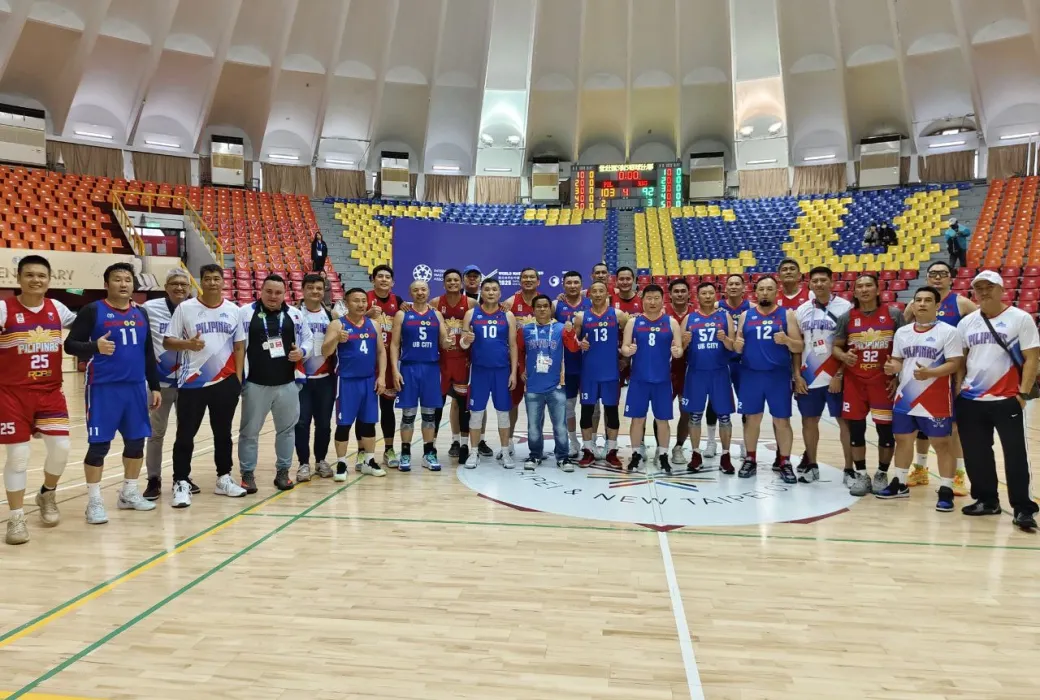
Masters Pinoy Pilipinas Basketball squad with team Mongolia.

Masters Pinoy captures basketball gold at the World Masters Games

388
janine

Exclusive: Janine Nicandro, The Journey of a PBA Referee

369
Loren Brill

Loren Brill: Reigniting a basketball legacy born of champions

341
Guiness Nabung of Masters Pinoy Pilipinas Basketball team.

Guiness Nabung - Masters Pinoy Pilipinas Basketball Profile

305
Isaiah Africano poses for Scoreline.ph during the PBA 50th Rookie Draft

Isaiah Africano joins Guam National Team for FIBA WCA Qualifiers

300
Johann Chua & Carlo Biado

17 Filipino cue artists eye glory at World Pool Championship in Saudi Arabia

298
Efren Reyes

Player Profile Series: “The Magician” Efren “Bata” Reyes

293
Gilas Pilipinas

Gilas Pilipinas begins Asian Games title defense with a new-look squad

292
Andre Jamgerald Ugaddan

Andre Jamgerald Ugaddan – “Batang Mamaw” ng Reg. 4A

282
Kevin Quiambao

UAAP: UP fighting Maroons fall short to Green Archers, forced to Game 3

275
Paul Reguera

Paul Reguera - Masters Pinoy Pilipinas Basketball Profile

264
Dr. Obet Vital is the new Assistant Coach of the UP Fighting Maroons Women's Volleyball Team

Looking Ahead: Obet Vital's new era of growth and opportunity

261
Alvin "The Captain" Patrimonio - a player with a lion heart.

Player Profile Series: “The Captain” Alvin Patrimonio’s lion heart

243
Deanna Wong

Player Profile Series: Deanna Wong, The Court’s Quiet Leader

231
Ricky Ricafuente

Ricky Ricafuente - Masters Pinoy Pilipinas Basketball Profile

230
First ever PBA MVP William "Bogs" Adornado.

Player Profile: William "Bogs" Adornado - First PBA MVP

226
Oliver Agapito of Masters Pinoy Pilipinas Basketball team.

Oliver Agapito resharpens his basketball form with Masters Pinoy

222
Roger Yap of Masters Pinoy Pilipinas Basketball team.

Roger Yap - Masters Pinoy Pilipinas Basketball Profile

212
Aiza Maizo-Pontillas

Player Profile Series: The fierce journey of Aiza Maizo-Pontillas

201
Captain Nica Celis of the UP Fighting Maroons Women's Volleyball Team

Nica Celis aims to helm Fighting Maroons' escape from bottom spot

199
Alberto "Abet" Guidaben - PBA 50 Greatest Players (2000)

Player Profile Series: Abet Guidaben – PBA Legend, 2 Slams

191
Toshihiko Era

Japanese boxer scores a remarkable victory in Bangkok at age 50

190
Johann Chua

Player Profile Series: Johann Gonzales Chua - The "Bad Koi"

187
Cloanne Mondonedo

Player Profile Series: Clo Mondoñedo’s journey to setter glory

179
Alex Pagulayan

Player Profile Series: Billiards' "Lion Heart" Alex Pagulayan

178
Kamille Cal

Player Profile Series: Kamille Cal brings precision to Akari

177
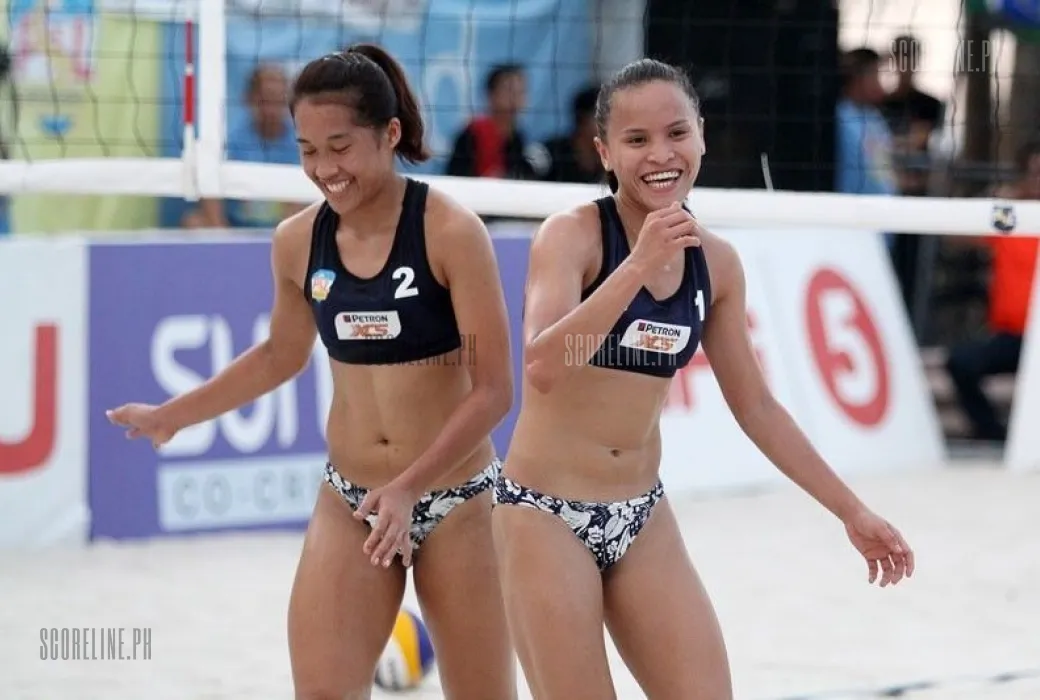
Sisi Rondina and Bernadeth Pons

Rondina, Pons claim first Challenge win at Beach Pro Tour Nuvali

174
Association of Boxing Alliances in the Philippines

13-strong boxers to lead PH Boxing Team in 2025 SEA Games

173
Sisi Rondina

Player Profile Series: Sisi Rondina, Volleyball’s Cherry Bomb

169
"The Quick Brown Fox" - Ricardo Brown

Player Profile Series: Ricardo Brown – "The Quick Brown Fox"

165
PBA Commissioner Willie Marcial

PBA Season 50 eyes more overseas tours and foreign guest teams

155
Arena Fitness Dojo

From Grassroots to Global: Arena Fitness Dojo

154
Spike and Serve with Petro Gazz Angels & Volleybukids

Spike and Serve reaches out to Volleybukids in Morong, Bataan

152
Ricky Ricafuente

Ricky Ricafuente brings his global experience to Masters Pinoy

151
Francisico Bustamante

Player Profile Series: The iconic Francisco "Django" Bustamante

149
Freddie Hubalde - The Silent Operator

Player Profile Series: Freddie Hubalde - The Silent Operator

146
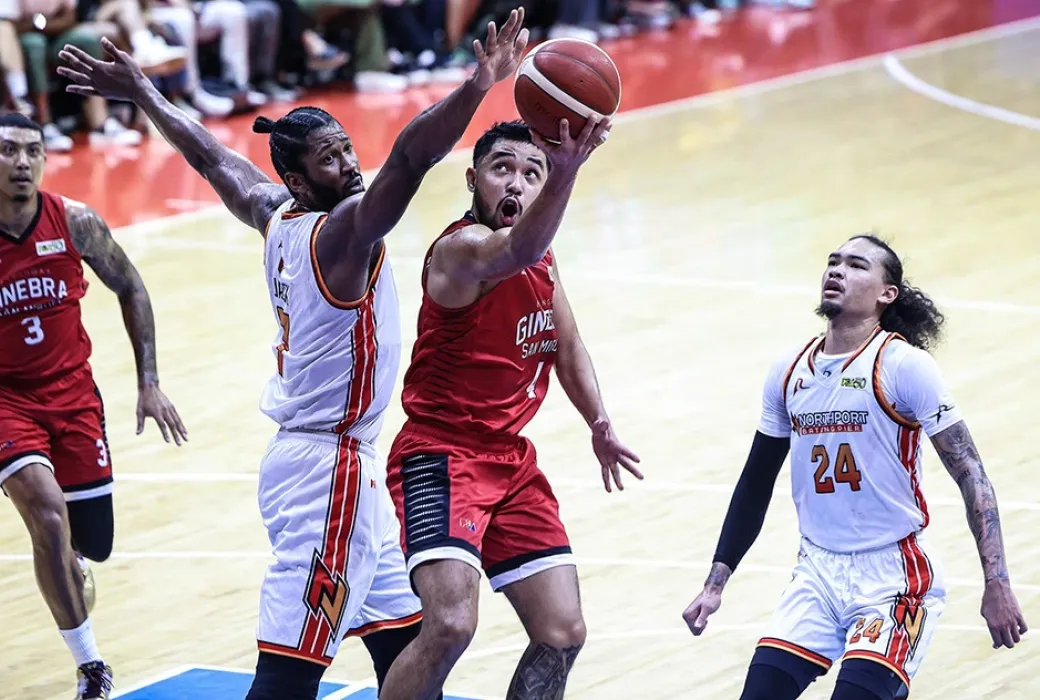
Ginebra's RJ Abarrientos tries to score against NorthPort's import Kadeem Jack.

Ginebra dominates NorthPort to get Game 1 of their Semis series

143
Philip Cezar - PBA's Tapal King

Player Profile Series: Philip Cezar – The PBA's Tapal King

143
Jelena Todorovic is the new Head Coach of Fortaleza Basquete Cearens.

Brazil’s NBB gets first female coach in Jelena Todorovic

142