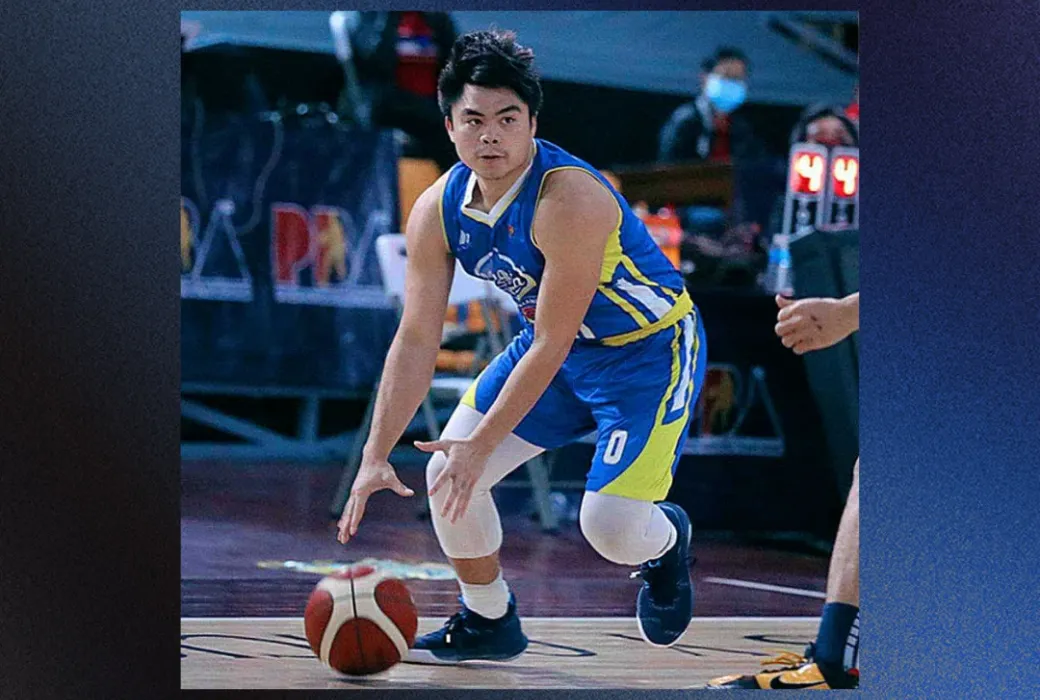
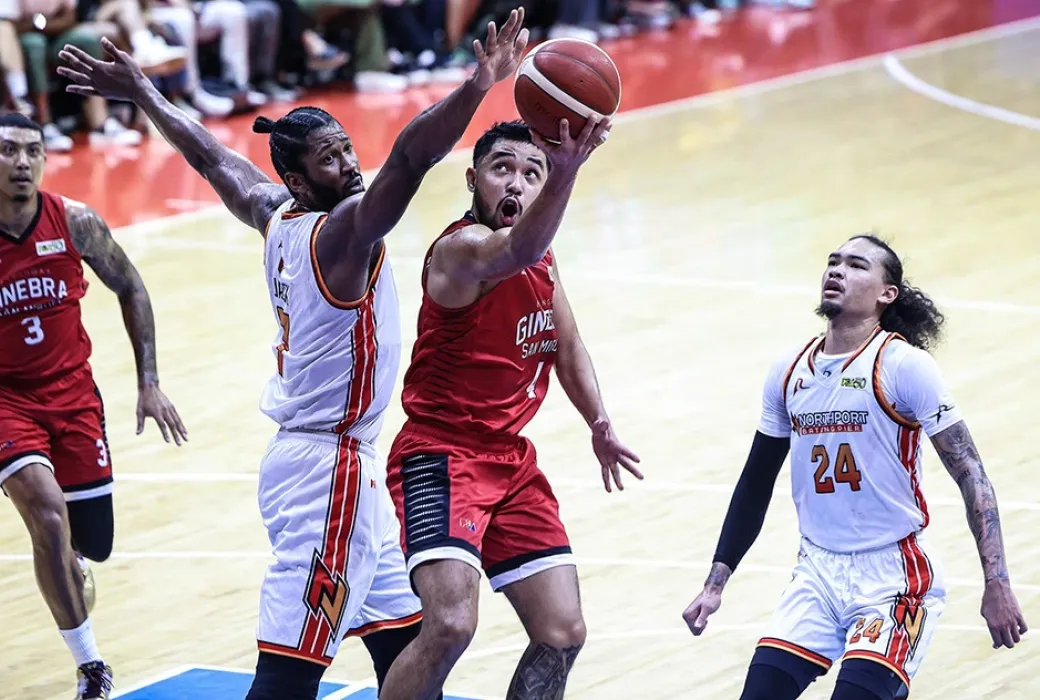
Converge took down Phoenix, 116-105, to post its first win streak in the PBA Season 49 Commissioner’s Cup on Thursday, December 19, at the Ninoy Aquino Stadium.
PHOTO COURTESY: PBA
KEANNA WREN

Converge claims back-to-back win in expense of Phoenix

Converge took down Phoenix, 116-105, to post its first win streak in the PBA Season 49 Commissioner’s Cup on Thursday, December 19, at the Ninoy Aquino Stadium.

The FiberXers overcame an 18-point deficit in the early stages of the first period and rallied in the second half to improve their record in the standings to 4-2 to secure their first consecutive conference victory.

"We just stuck on. We didn't panic. We returned on how we run our system, run our offense and defense. It's nice because we have six players in double digits," said coach Franco Atienza, expressing his satisfaction with his team's effort in making a comeback.

The FiberXers gradually narrowed the gap by scoring more points than the Fuel Masters. Converge eventually tasted their first lead after two free throws from Bryan Santos that placed them ahead 69-67 at 5:53 in the third session.

Halfway through the fourth quarter, the FiberXers shattered any hopes of a final surge of momentum for the Fuel Master with Alec Stockton leading the 9-0 run, ending with a pair of charities courtesy of Jordan Heading, 105-94, with 3:38 left on the clock.

Heading and import Cheick Diallo were instrumental in the comeback win with both scoring 21 points apiece. Heading also finished with three rebounds and game-highs of six assists and five steals.

Schonny Winston and Santos contributed 16 markers each, while Stockton finished with a total of 14 points in the game, having eight rebounds and five assists as well.

Prized rookie Justine Baltazar delivered six markers, 13 boards built on eight offensive rebounds, two steals, and one block in just 25 minutes of play. He is slowly being integrated to the FiberXers rotation after a demanding MPBL stint during which he led Pampanga to a second consecutive championship.

On the other hand, Phoenix import Donovan Smith’s game-high 30 points and 18 rebounds was put to waste after the loss, while veteran RJ Jazul tallied 20 markers off a 5-of-10 clip and 2-of-2 from four-point arc. 

Converge still has to face Ginebra and Meralco before the year ends.

The Scores:

CONVERGE 116 – Heading 21, Diallo 21, Winston 16, Santos 16, Stockton 14, Andrade 11, Arana 6, Baltazar 6, Racal 5, Delos Santos 0, Caralipio 0.

PHOENIX 105 – Smith 30, Jazul 20, Tio 13, Perkins 12, Rivero 11, Tuffin 8, Verano 4, Garcia 3, Soyud 2, Manganti 2, Salado 0, Alejandro 0, Muyang 0, Ular 0, Daves 0.

Quarter Scores: 15-30, 48-54, 87-80, 116-105.

News

Alex Eala

From No. 53 to No. 15: Alex Eala’s Remarkable Rise in World Tennis

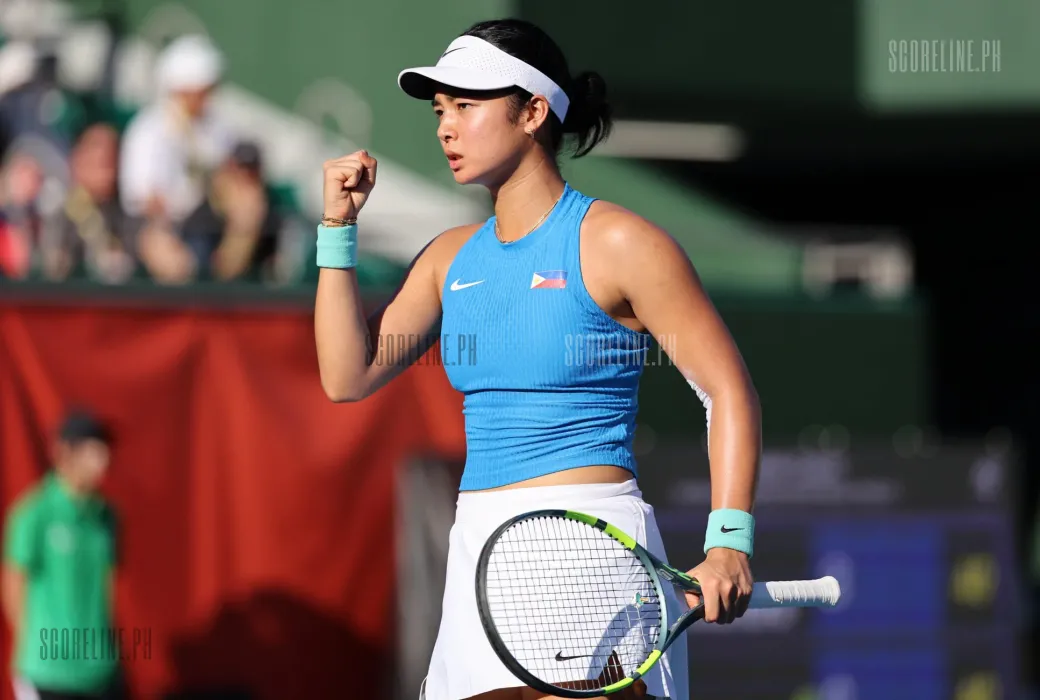
Alex Eala may have finished as runner-up at the 2026 Hong Kong Tennis Open, but her latest achievement has set the Philippine tennis world abuzz: a new career-high world No. 15 ranking in the WTA — the highest ever for the 21-year-old Filipina sensation.

Eala capped her breakout season in Hong Kong, falling to American Claire Liu, 6-3, 6-0, in the championship match. Yet, that single defeat could not overshadow what was arguably the most significant year of her young career.

The numbers tell the story of Eala's meteoric ascent:

• Started 2026 ranked world No. 53 • Captured her maiden WTA Tour title in Washington, D.C. in August • Reached the Hong Kong Open final • Finished the year at a career-best world No. 15

For Eala, the climb up the rankings is more than just statistics. It is the fulfillment of a dream long in the making.

"It just makes me so emotional... Just to look back at everything that's happened this year and wrap it up at 15," Eala shared. "These are things that I dream about. To live it out and be in the moment, it's indescribable."

Eala’s journey in 2026 was defined by grit, poise, and a refusal to be defined by setbacks. Her breakthrough WTA title in Washington proved she could compete with — and conquer — the best, while her Hong Kong Open run cemented her place among the sport’s elite.

Now, Eala heads home to the Philippines for a well-earned holiday break before taking on Indonesia’s Janice Tjen in an exhibition match at the Philippine Arena on December 8.

Eala’s leap from No. 53 to No. 15 is more than just a personal milestone — it’s a historic step for Philippine tennis. Her rise has inspired countless fans and young athletes who see in her journey the possibilities for Filipino excellence on the global stage.

She began the year outside the world’s top 50. She ends it firmly among the best 15 players in women’s tennis.

That’s not just progress — it’s a statement to the world: Alex Eala has arrived, and her story is just getting started.

Congratulations, Alex! The nation celebrates your incredible season and looks forward to even greater heights ahead.

6
Learn more
Naiomi Cesar

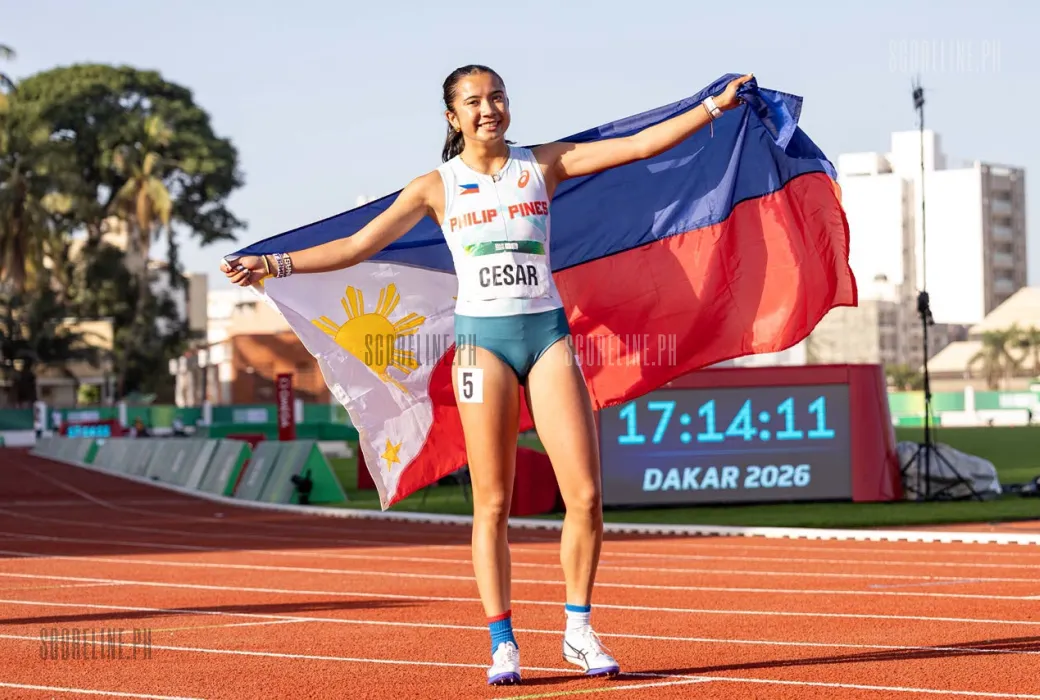
Unstoppable Surge: Naomi Cesar’s Thrilling Final Kick Delivers Silver at Dakar Youth Olympics

In a race where every second counted, Naomi Marjorie Cesar refused to let history slip away.

The Filipino middle-distance sensation unleashed a breathtaking final-lap comeback to seize the silver medal in the women’s 800-meter final at the 4th Youth Olympic Games — delivering a performance defined by heart, hunger, and an unforgettable finishing kick.

With just 100 meters left and Cesar sitting in fourth, the odds seemed stacked against her. But in the electrifying closing stretch, she summoned every ounce of speed and determination, storming past two rivals in the final meters to claim second place for Team Philippines with a blazing time of 2:09.34.

Ethiopia’s Netsanet Selemon dominated for gold in 2:04.43, while Morocco’s Khadija Elmostaqim settled for bronze at 2:10.05. Yet it was Cesar’s dramatic surge that sent shockwaves through the stadium — and hope rippling across Philippine sports.

For a delegation searching for its breakthrough, Cesar’s silver was more than a medal. It was a moment of defiance, proof that even on the world stage, Filipino athletes can summon greatness when it matters most.

The reigning Southeast Asian Games champion arrived in Dakar with a Philippine record and the determination to match the world’s best. After a cautious qualifying heat, she exploded in the final, slashing more than 10 seconds off her previous time and showing the competitive fire that makes champions.

Cesar’s race was not just about speed — it was about resilience. She entered the final straight outside the medals, but her refusal to quit transformed a daunting challenge into a spectacular triumph.

As she crossed the line in silver-medal position, arms raised in disbelief, Cesar etched her name onto the Youth Olympics stage and into the hearts of Filipino fans everywhere.

Naomi Cesar’s sensational finish is a beacon for the next generation of Philippine athletes: when the moment comes, never count yourself out. The podium is not reserved for the lucky — it belongs to those who dare to chase it down to the very last stride.

6
Learn more
Philippine Athletes

Beyond the Medals: Young Filipino Athletes Gain Valuable Lessons at Dakar Youth Olympics


Gymnast Tchelzy Mei Maayo and cyclist Maritanya Krog may have missed the podium, but their performances highlight the challenges, determination, and development of the Philippines' next generation of athletes.
 

The Olympic dream is often measured in gold, silver, and bronze. But for young athletes competing on the international stage for the first time, success can also be found in the experience gained, the challenges overcome, and the determination to keep improving.


For Filipino gymnast Tchelzy Mei Maayo and cyclist Maritanya Krog, the 4th Youth Olympic Games in Dakar, Senegal, offered a valuable glimpse into the demanding world of elite international competition.


Both athletes faced formidable opponents in their respective events on Sunday, with Maayo finishing 36th in the women's artistic gymnastics individual all-around and Krog placing 30th in the women's individual road race.


Although neither reached the podium, their participation represented an important step in their development as young Filipino athletes. Maayo shows composure against world-class competition.


At just 14 years old, Maayo stepped onto the Olympic gymnastics floor carrying the Philippine colors against talented competitors from established international gymnastics programs.


Competing at the Dakar Exhibition Center in Diamniadio, the young Filipina recorded a combined score of 44.399 points across four apparatus.


Her strongest performance came in the vault, where she earned 12.633 points, followed by 11.466 in floor exercise, 10.800 on balance beam, and 9.500 on uneven bars.


The scores placed her 36th overall in a field of 57 entered gymnasts, four of whom did not complete the competition.
China's Xie Guying led the qualifiers with 53.099 points, followed by compatriot Zhong Qi with 52.932, while Polina Dmitrieva of the Russian Federation registered 52.733.


Japan's Yume and Nanami Togo also delivered strong performances to reach the 18-athlete final.
For Maayo, the competition clearly showed the level of precision, consistency, and technical execution required to compete with the world's leading young gymnasts.


Although she finished outside the final qualification places, she was satisfied with completing her routines without a fall.
"I competed without any falls, although I wobbled [on the balance beam] a bit; I really enjoyed the games, and I'm just happy to have performed and competed," Maayo said.


Her remarks reflected a young athlete beginning to understand that international competition is as much a test of mental strength as physical ability.


Perhaps the most meaningful part of Maayo's Olympic experience was not reflected on the scoreboard.
It was the lesson she learned about responding to setbacks.
"I learned to stay strong even if your score is not really good," she said.
"It's about focusing on your next event after you missed one."


For a gymnast still in the early stages of her competitive career, that mindset could prove valuable.
Artistic gymnastics demands exceptional concentration. A slight hesitation, imperfect landing, or momentary loss of balance can affect an athlete's score.


Learning to recover mentally from those mistakes is an essential part of becoming a more consistent competitor.
Maayo's ability to complete her routines and recognize areas for improvement suggests that she is approaching her development with a willingness to learn.


The experience in Dakar may not have produced a medal, but it offered lessons that can help shape her future performances.
Krog faces a demanding international cycling field.


Meanwhile, Filipina cyclist Maritanya Krog encountered her own challenges in the women's individual road race.
Krog finished 30th against a competitive international field, gaining experience in an event that demands endurance, race awareness, tactical decision-making, and physical resilience.


Road cycling presents a different kind of challenge from gymnastics. Riders must manage their energy while responding to changes in pace, positioning, and race conditions.


For young cyclists, competing against athletes from countries with established cycling development programs provides valuable exposure to international racing standards.


Although Krog finished outside the medal positions, her participation allowed her to experience the intensity of Olympic-level competition.


That exposure can become an important foundation as she continues developing her skills and preparing for future races.

Maayo will not have to wait long for another opportunity to compete.
The young gymnast is expected to participate in the Batang Pinoy National Championships in Bacolod City this December, where she remains eligible to compete.


The tournament, a flagship grassroots sports development program of the Philippine Sports Commission, provides young athletes with opportunities to test their abilities in national competition. For Maayo, the event presents a chance to apply what she learned in Dakar.


After competing against international opponents, she returns to the domestic stage with greater awareness of the standards required at higher levels.


Her immediate objective is straightforward: continue training, improve her routines, and deliver stronger performances.
"I'll do my best and work harder in the next competitions," she said.


That determination may ultimately prove more important to her long-term development than her final ranking in Senegal.

The performances of Maayo and Krog also highlight a broader issue in Philippine sports: the importance of providing young athletes with consistent opportunities to compete internationally.


The Youth Olympic Games bring together promising athletes from different sporting systems, many of whom have access to specialized coaching, structured training programs, and regular high-level competition.


For developing athletes, competing in such an environment provides a realistic assessment of their current abilities.
It allows them to identify technical weaknesses, understand international competition standards, and experience the pressure of performing against talented opponents.


These lessons cannot always be replicated through domestic training alone.


However, international exposure becomes most valuable when it is followed by sustained development.
Young athletes need appropriate coaching, access to facilities, competition opportunities, recovery support, and long-term planning.


Without that continuity, valuable international experience may not translate into meaningful competitive improvement.

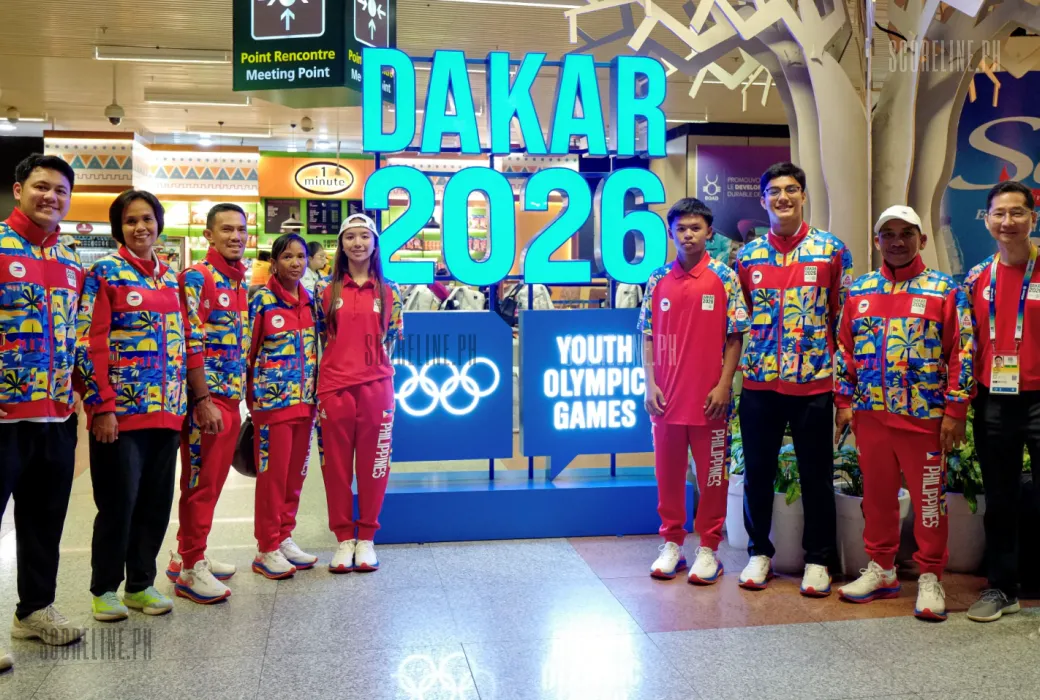
Maayo and Krog are among the nine Filipino athletes representing the country at the Dakar Youth Olympic Games, with the delegation endorsed by the Philippine Olympic Committee and supported by the Philippine Sports Commission.
Their participation reflects the continuing effort to develop Filipino talent across different sporting disciplines.
But producing future international medal contenders requires patience.


Athletes at the youth level are still developing physically, technically, and mentally.


Their performances should be evaluated not only through medals and rankings but also through their progress over time.
A disappointing result at 14 years old does not determine the limits of an athlete's potential.


Likewise, international exposure alone does not guarantee future success. The challenge for Philippine sports development is to ensure that young competitors receive the guidance and opportunities needed to build on these experiences.


For Maayo and Krog, Dakar should be viewed as one stage in a much longer journey.

The absence of a medal does not mean the absence of achievement.
Maayo completed her gymnastics routines against a demanding international field and emerged with a stronger understanding of the mental discipline required to compete.


Krog tested herself in an international road race and gained experience against talented young cyclists.
Both athletes represented the Philippines on a stage that many aspiring competitors dream of reaching.
Their results also serve as a reminder that international sporting success is rarely achieved overnight. It is built through years of preparation, difficult competitions, personal sacrifices, and lessons learned from defeat.


As Team Philippines continues its campaign in Dakar, the search for a breakthrough medal remains an important goal. But the country's long-term sporting future also depends on what happens after these young athletes return home.
Will they receive the training, competition opportunities, and institutional support necessary to keep progressing? That question matters beyond any single Youth Olympic Games.


For Tchelzy Mei Maayo and Maritanya Krog, the journey continues.


They may have left their respective events without medals, but they return with something that can help shape their futures: international experience, a clearer understanding of the competition, and the motivation to become better athletes.

9
Learn more
Dottie Ardina & Bianca Pagdanganan

The Olympic Uniform Controversy That Filipino Athletes Deserve to Leave Behind

Two years after the Paris Olympics, the experience of Filipina golfers Dottie Ardina and Bianca Pagdanganan remains a reminder that representing the country requires not only athletic excellence but also reliable institutional support.


For athletes, qualifying for the Olympic Games represents years of sacrifice, discipline, and dedication. Every training session, international competition, and personal setback leads toward the opportunity to compete on the world's biggest sporting stage.
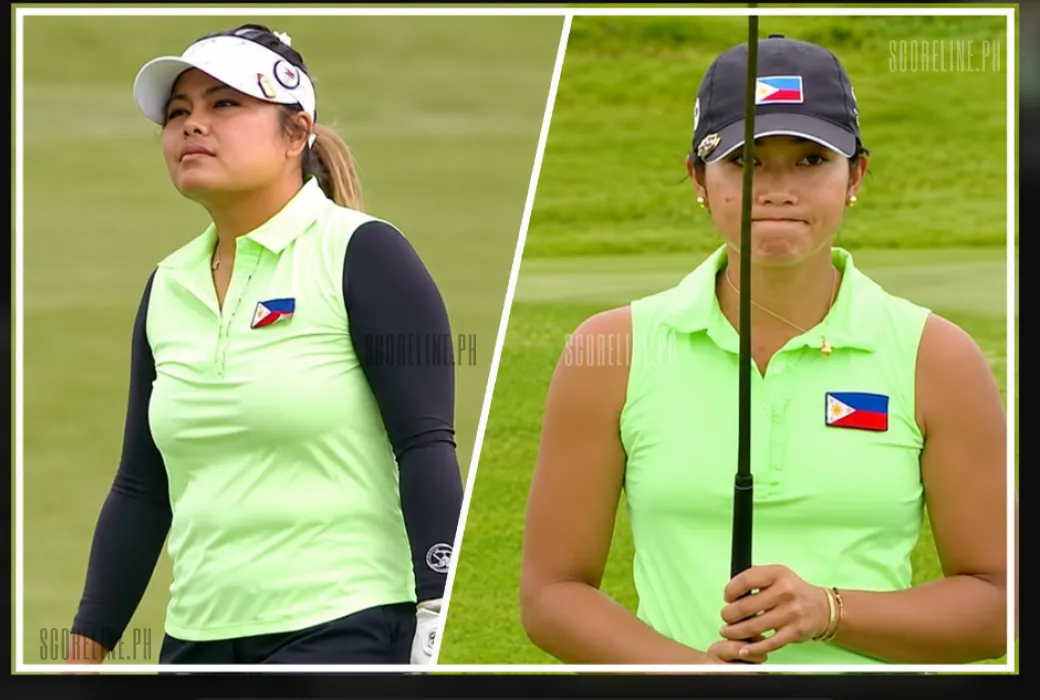
But at the 2024 Paris Olympics, Filipina golfers Dottie Ardina and Bianca Pagdanganan encountered an unexpected challenge that had nothing to do with their performance on the golf course.


Their official competition apparel had not arrived in time.
Instead, the two Olympians reportedly wore shirts they had purchased themselves, attaching Philippine flag patches using double-sided tape.


What should have been a routine part of Olympic preparation became an issue that attracted public attention and raised questions about the logistical support provided to Filipino athletes.


The Philippine Olympic Committee explained that shipment and customs complications delayed the delivery of the golfers' official apparel.


While international shipping problems can occur, the situation highlighted the importance of having contingency arrangements for athletes competing in major international events.


For Ardina and Pagdanganan, the concern was straightforward: they needed appropriate competition clothing that identified them as representatives of the Philippines.


The athletes ultimately found a practical solution and continued their Olympic campaigns. Their ability to adapt reflected professionalism, but the incident also illustrated how administrative difficulties can create unnecessary distractions during high-pressure competitions.


At the Olympic level, where preparation and concentration are essential, even seemingly minor logistical problems can become significant concerns.


The significance of the incident extends beyond the uniforms themselves.
Olympic qualification is an achievement earned through years of competition against elite international opponents. Athletes must manage demanding training schedules, travel commitments, financial pressures, and the physical and psychological challenges of professional sports.


For Filipino competitors, representing the country also carries the expectations of millions of supporters who follow their performances with pride.


Ardina and Pagdanganan had earned their places in Paris through their accomplishments in international golf. Their responsibility was to compete to the best of their abilities. Ensuring that they had the necessary uniforms and competition-related support was part of the broader responsibility of the organizations managing their Olympic participation. Athletes should be able to concentrate on their performance without having to resolve avoidable logistical concerns.


Despite the uniform controversy, both golfers continued representing the Philippines. Their response demonstrated the adaptability often required of athletes competing internationally. Rather than allowing the situation to define their Olympic participation, they remained focused on the competition.


Pagdanganan went on to finish fourth in the women's individual golf event, narrowly missing a historic Olympic medal for the Philippines. Her performance was among the country's notable results in Paris and demonstrated the growing competitiveness of Filipino golfers on the international stage.


Ardina also completed her Olympic campaign, contributing to the country's representation in a sport where Filipino athletes continue seeking greater international recognition.


Their performances deserve to be remembered for their sporting achievements rather than solely for the controversy surrounding their apparel.


The uniform issue became a public example of the operational challenges that can accompany international sporting campaigns. Preparing an Olympic delegation involves far more than selecting athletes and arranging transportation. It requires coordination among sports organizations, suppliers, logistics providers, and competition officials to ensure that athletes receive the equipment and resources they need.


The explanation involving shipment and customs delays provided context for what happened in Paris. However, the experience also demonstrated why advance planning and backup arrangements matter, particularly when international competitions operate under strict schedules. A delayed delivery should not automatically leave athletes responsible for finding their own solutions.
The broader lesson is not that logistical difficulties can always be prevented, but that their effects on athletes can be minimized through effective preparation.


Two years after the Paris Olympics, the incident remains relevant as the Philippines prepares for future international competitions. The country's athletes continue pursuing opportunities at the Asian Games, world championships, and Olympic events. Their ambitions require sustained support extending beyond training facilities and financial assistance. Competition apparel, equipment, travel arrangements, medical services, and timely communication are all essential elements of a well-managed national sporting program. Improving these areas can help athletes concentrate on the responsibilities they have spent years preparing to fulfill.


The Paris uniform controversy should therefore serve as a practical lesson rather than simply a lasting source of embarrassment. Its value lies in encouraging better systems for future delegations.


The story of Dottie Ardina and Bianca Pagdanganan is ultimately one of determination and professionalism. Faced with an unexpected logistical problem, they adapted and continued competing under the Philippine flag. Their experience also highlighted a fundamental principle of athlete development: international success depends not only on individual talent but also on the quality of support surrounding that talent.


As Philippine sports organizations prepare for future Olympic campaigns, the priority should be ensuring that essential arrangements are completed well before athletes enter competition. The goal is not merely to avoid another uniform controversy. It is to create an environment where Filipino athletes can focus fully on performing at their best.


Ardina and Pagdanganan earned the opportunity to represent the Philippines through their achievements. Their experience in Paris is a reminder that the support behind the national flag should reflect the same commitment they bring to competition.

4
Learn more
Alex Eala

Alex Eala's Hong Kong heartbreak: A painful defeat, but a season worth celebrating

Alex Eala's story is far from finished.

The Filipina tennis sensation fell short of another WTA championship after losing to Claire Liu in straight sets, but her remarkable journey in Hong Kong proved that one disappointing final cannot erase a season of breakthroughs.

The championship trophy was within reach. The stage was set for another unforgettable moment in Philippine tennis.

But for Alex Eala, the final chapter of her Hong Kong Open campaign ended not in celebration, but in heartbreak.

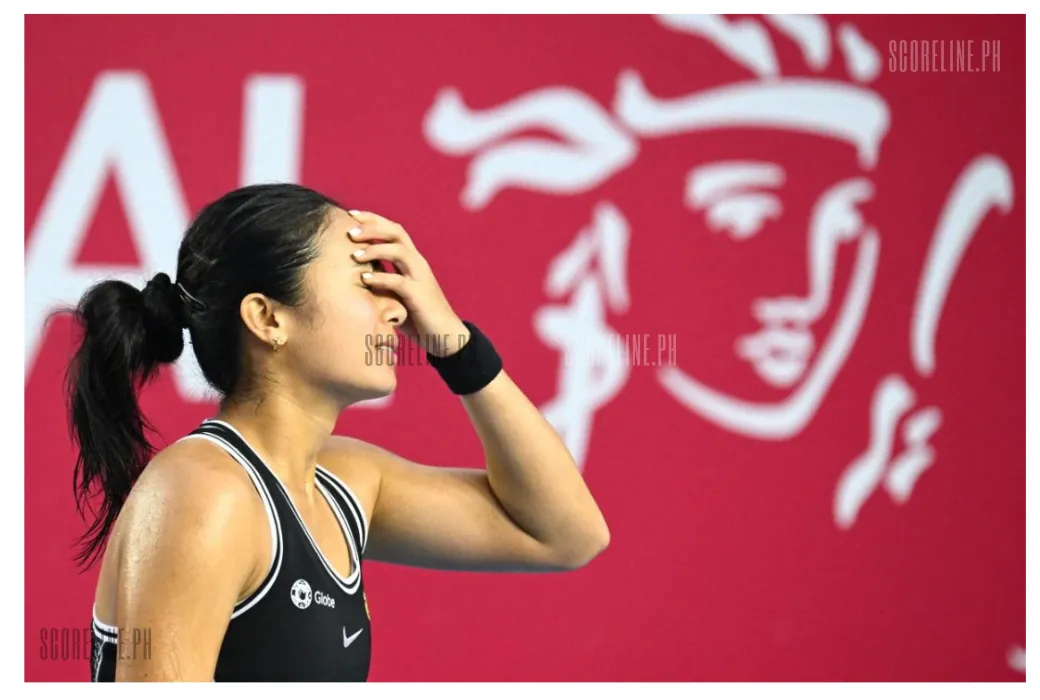
The Filipina tennis star suffered a painful 6-3, 6-0 defeat to American Claire Liu in the women's singles final of the 2026 Hong Kong Tennis Open at Victoria Park on Sunday, November 8.

It was a disappointing conclusion to a tournament that had showcased Eala's resilience, competitive maturity, and ability to challenge established international opponents.

For Liu, the victory marked her first WTA Tour championship, completing an impressive tournament run without dropping a single set.

For Eala, it was another reminder of how unforgiving professional tennis can be.

One day, you are celebrating a career-defining victory. The next, you are confronting the painful reality of championship defeat.

Yet there was far more to Eala's Hong Kong campaign than the final score suggested.

Less than 24 hours before facing Liu, Eala had delivered one of the most impressive performances of her tournament.

Against Greece's Maria Sakkari, ranked world No. 30, the Filipina demonstrated tremendous composure and fighting spirit to secure a thrilling 7-5, 3-6, 6-4 semifinal victory.

It was the kind of performance that reinforced her growing reputation as a dangerous competitor on the WTA Tour.

Eala absorbed pressure, fought through difficult stretches, and found the decisive shots when the match demanded them.

The victory carried her into the championship match with momentum and renewed hopes of capturing another title.

But Liu presented a different challenge.

The American entered the final having dominated her previous opponents, displaying consistency, tactical discipline, and confidence throughout the week.

And when the championship match began, she proved difficult to contain.

Eala opened the final with determination.

She broke Liu's serve to love in the third game, taking an early 2-1 advantage and offering Filipino supporters reason to believe another breakthrough was possible.

For a brief moment, the momentum appeared to favor the Filipina.

But Liu responded immediately. The American broke back, held serve, and moved ahead 3-2.

Eala answered with an impressive love hold to level the opening set at 3-3, but Liu continued applying pressure.

The American reclaimed the lead at 4-3 and gradually established control of the exchanges.

Then came a moment that raised concern. Eala requested a medical timeout before her next service game.

When she returned to the court, her right knee and thigh were heavily wrapped.

The visible strapping raised questions about her physical condition, although the precise nature and severity of the problem were not established.

From that point, Eala struggled to regain momentum.

Liu capitalized and closed out the opening set, 6-3.

What had begun as a promising championship opportunity was rapidly turning into a battle for survival.

If one game captured the frustration of Eala's final, it was the opening game of the second set.

For an extraordinary 26 minutes, Eala and Liu engaged in a marathon battle filled with long rallies, tactical exchanges, and relentless pressure.

The game featured 11 deuces, with Eala repeatedly fighting to protect her serve. Seven times, the Filipina earned game point. Seven times, she failed to convert.

Liu refused to surrender, continuing to chase every ball and force Eala into difficult shots.

Eventually, the American created another break opportunity. A missed backhand from Eala handed Liu the crucial break.

It was a devastating turning point.

The game had demanded enormous physical and mental effort, yet Eala emerged without the reward she desperately needed.

Liu, meanwhile, gained another surge of confidence.

The American went on to dominate the remainder of the set, completing a 6-0 shutout and sealing the championship.

The scoreboard showed a comfortable victory. The opening game of the second set revealed just how fiercely Eala had fought to stay in contention.

While Eala's defeat naturally disappointed Filipino supporters, Liu's achievement deserves recognition.

The world No. 102 entered the tournament determined to make an impact and left Hong Kong with the biggest title of her WTA career.

She did so without surrendering a set throughout the competition.

Against Eala, Liu demonstrated impressive consistency, effective court coverage, and the ability to deliver under pressure.

Her composure during the marathon second-set game proved particularly important.

Rather than allowing missed opportunities to affect her concentration, she remained patient and eventually converted the break that helped decide the match.

It was a championship performance built on discipline and execution. And Eala was gracious enough to acknowledge it.

"I want to congratulate Claire on an amazing tournament, a great week and a great match. Very, very well-deserved, congratulations," Eala said following the final.

Those words reflected the sportsmanship of a competitor who understood that defeat should never diminish the achievement of a deserving opponent.

For Eala, the Hong Kong Open represented the final tournament of a remarkable 2026 campaign.

Throughout the year, she continued establishing herself as one of the most recognizable figures in Philippine tennis.

Her progress on the international circuit, impressive victories against experienced opponents, and growing ability to compete in demanding matches provided encouraging signs of her development.

Her run in Hong Kong was another important achievement.

She defeated Australian Emerson Jones in the opening round, overcame Tereza Valentova in the next stage, and produced a memorable semifinal victory against Sakkari.

Those results carried her into another WTA championship match.

Although the final ended in disappointment, reaching that stage was itself evidence of her competitive progress.

A runner-up finish should not be mistaken for failure simply because the championship trophy went to someone else.

Professional tennis is a sport where even the world's greatest players experience painful defeats.

The challenge is learning from those moments and returning stronger.

Eala's medical timeout during the final also highlighted the physical demands of competing at the highest level.

Professional tennis requires athletes to endure repeated matches, intense rallies, constant movement, and limited recovery time between important contests.

Eala had battled through a demanding three-set semifinal against Sakkari before returning for the championship match the following day.

Whether that quick turnaround contributed to her difficulties against Liu cannot be established from the available information.

But the circumstances underline the importance of conditioning, recovery, and careful management of an athlete's physical workload.

For Eala, protecting her long-term health must remain a priority as she continues building her professional career.

The desire to win championships should always be balanced with the need to remain healthy enough to compete consistently.

Her visible discomfort during the final was concerning, but it should not overshadow the quality of her tournament campaign.

The next challenge: Turning deep runs into championships

Reaching a final is an achievement.

Winning one requires another level of execution.

That is the challenge Eala will continue facing as her career develops.

Against Liu, she created opportunities but struggled to capitalize on them.

The seven missed game points in the second set were particularly costly.

At the highest level of professional tennis, those moments often determine the difference between victory and defeat.

Improving her consistency under pressure, maximizing break opportunities, and maintaining physical readiness will be important as she pursues more titles.

But these are challenges that come with competing against increasingly difficult opposition.

Eala has already demonstrated that she possesses the talent and determination to reach championship matches.

The next step is finding ways to finish them successfully.

The goal is no longer simply to prove that she belongs on the WTA Tour. It is to establish herself as a consistent championship contender.

For Filipino sports fans, Eala's rise represents something bigger than individual victories.

Tennis has traditionally competed for attention in a country where basketball, boxing, and volleyball dominate much of the sporting conversation.

Eala's achievements have helped bring greater attention to the sport and inspire young Filipinos who dream of competing internationally.

Her journey demonstrates that Filipino athletes can challenge established players on some of the world's most demanding competitive stages.

But supporting an athlete also means accepting the difficult moments.

There will be defeats. There will be missed opportunities.

There will be tournaments where the results do not match expectations.

And there will be days when even the strongest determination is not enough.

True support should not disappear when the championship trophy goes to someone else.

Eala deserves recognition for the progress she has made, not criticism simply because she finished second.

As Liu celebrated her first WTA championship, Eala was left to reflect on a tournament that brought both triumph and disappointment.

She had fought through challenging matches, defeated a highly ranked opponent, and earned another opportunity to compete for a title. The final result was painful.

But it did not erase the victories that brought her there.

Nor did it diminish the progress she has made throughout the season.

For Eala, the next chapter will involve recovery, reflection, and preparation for the challenges ahead. There will be more opponents. More difficult matches.

More opportunities to compete for championships. And perhaps more painful lessons along the way.

That is the reality of professional sports.

The best athletes are not those who never lose. They are those who continue improving after defeat.

Alex Eala left Hong Kong without the championship trophy.

But she also left with another WTA final appearance, valuable experience, and further evidence that she can compete against elite international opposition.

And as the Filipina tennis star prepares for the next stage of her career, one thing remains clear:

8
Learn more

Top News

Kenji Moral

Kenji Moral’s Fast Break to Rising Star in PH's Youth Basketball

2,191
Mario Barasi Jr.

Mario Barasi Jr.: Rising Big Man ready for the PBA stage
830
Michael Martinez

Michael Martinez: The Filipino Athlete Who Funded His Own Olympic Dream

415
Masters Pinoy Pilipinas Basketball squad with team Mongolia.

Masters Pinoy captures basketball gold at the World Masters Games

388
janine

Exclusive: Janine Nicandro, The Journey of a PBA Referee

372
Loren Brill

Loren Brill: Reigniting a basketball legacy born of champions

342
Guiness Nabung of Masters Pinoy Pilipinas Basketball team.

Guiness Nabung - Masters Pinoy Pilipinas Basketball Profile

305
Isaiah Africano poses for Scoreline.ph during the PBA 50th Rookie Draft

Isaiah Africano joins Guam National Team for FIBA WCA Qualifiers

301
Johann Chua & Carlo Biado

17 Filipino cue artists eye glory at World Pool Championship in Saudi Arabia

300
Efren Reyes

Player Profile Series: “The Magician” Efren “Bata” Reyes

294
Gilas Pilipinas

Gilas Pilipinas begins Asian Games title defense with a new-look squad

293
Andre Jamgerald Ugaddan

Andre Jamgerald Ugaddan – “Batang Mamaw” ng Reg. 4A

283
Kevin Quiambao

UAAP: UP fighting Maroons fall short to Green Archers, forced to Game 3

277
Paul Reguera

Paul Reguera - Masters Pinoy Pilipinas Basketball Profile

266
Dr. Obet Vital is the new Assistant Coach of the UP Fighting Maroons Women's Volleyball Team

Looking Ahead: Obet Vital's new era of growth and opportunity

261
Alvin "The Captain" Patrimonio - a player with a lion heart.

Player Profile Series: “The Captain” Alvin Patrimonio’s lion heart

244
Deanna Wong

Player Profile Series: Deanna Wong, The Court’s Quiet Leader

232
Ricky Ricafuente

Ricky Ricafuente - Masters Pinoy Pilipinas Basketball Profile

230
First ever PBA MVP William "Bogs" Adornado.

Player Profile: William "Bogs" Adornado - First PBA MVP

227
Oliver Agapito of Masters Pinoy Pilipinas Basketball team.

Oliver Agapito resharpens his basketball form with Masters Pinoy

222
Roger Yap of Masters Pinoy Pilipinas Basketball team.

Roger Yap - Masters Pinoy Pilipinas Basketball Profile

214
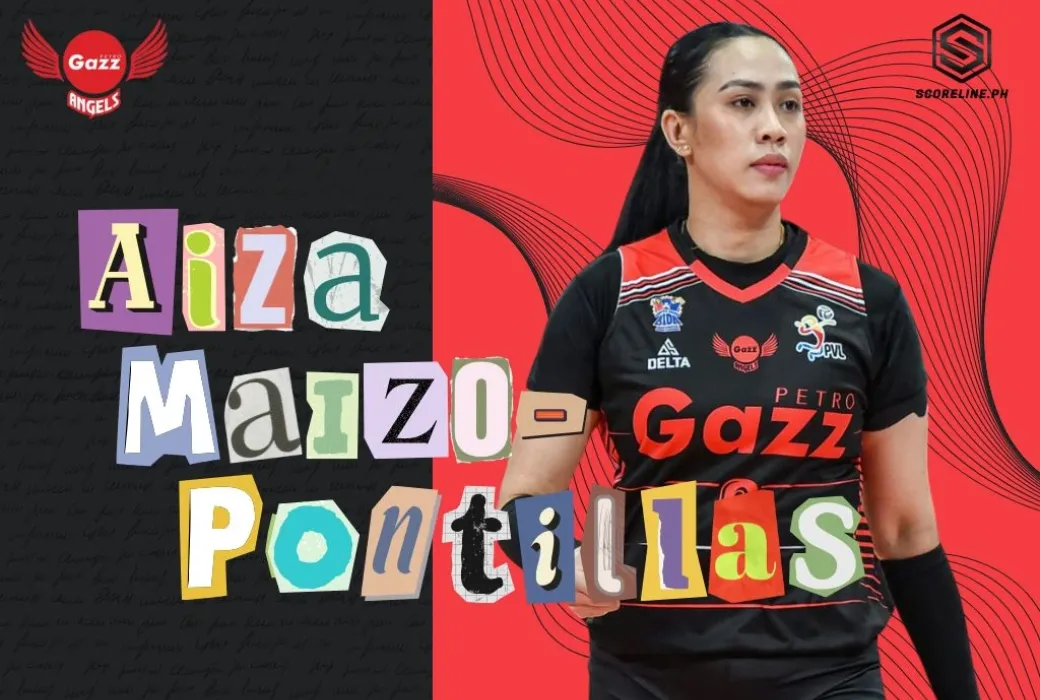
Aiza Maizo-Pontillas

Player Profile Series: The fierce journey of Aiza Maizo-Pontillas

203
Captain Nica Celis of the UP Fighting Maroons Women's Volleyball Team

Nica Celis aims to helm Fighting Maroons' escape from bottom spot

200
Alberto "Abet" Guidaben - PBA 50 Greatest Players (2000)

Player Profile Series: Abet Guidaben – PBA Legend, 2 Slams

191
Toshihiko Era

Japanese boxer scores a remarkable victory in Bangkok at age 50

190
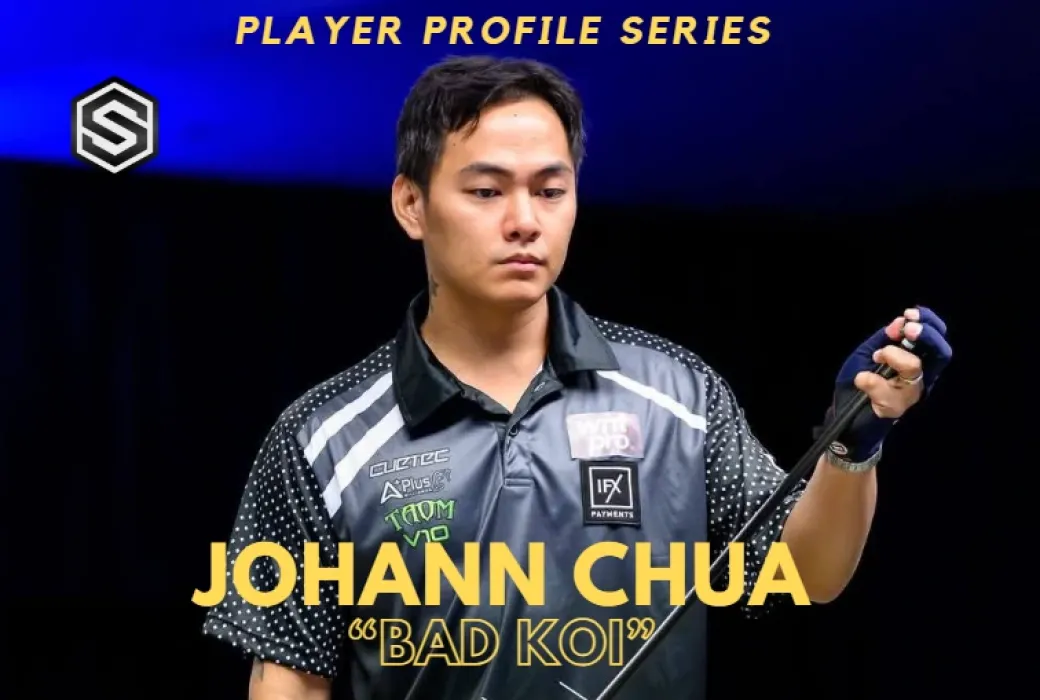
Johann Chua

Player Profile Series: Johann Gonzales Chua - The "Bad Koi"

189
Cloanne Mondonedo

Player Profile Series: Clo Mondoñedo’s journey to setter glory

183
Alex Pagulayan

Player Profile Series: Billiards' "Lion Heart" Alex Pagulayan

179
Kamille Cal

Player Profile Series: Kamille Cal brings precision to Akari

178
Association of Boxing Alliances in the Philippines

13-strong boxers to lead PH Boxing Team in 2025 SEA Games

174
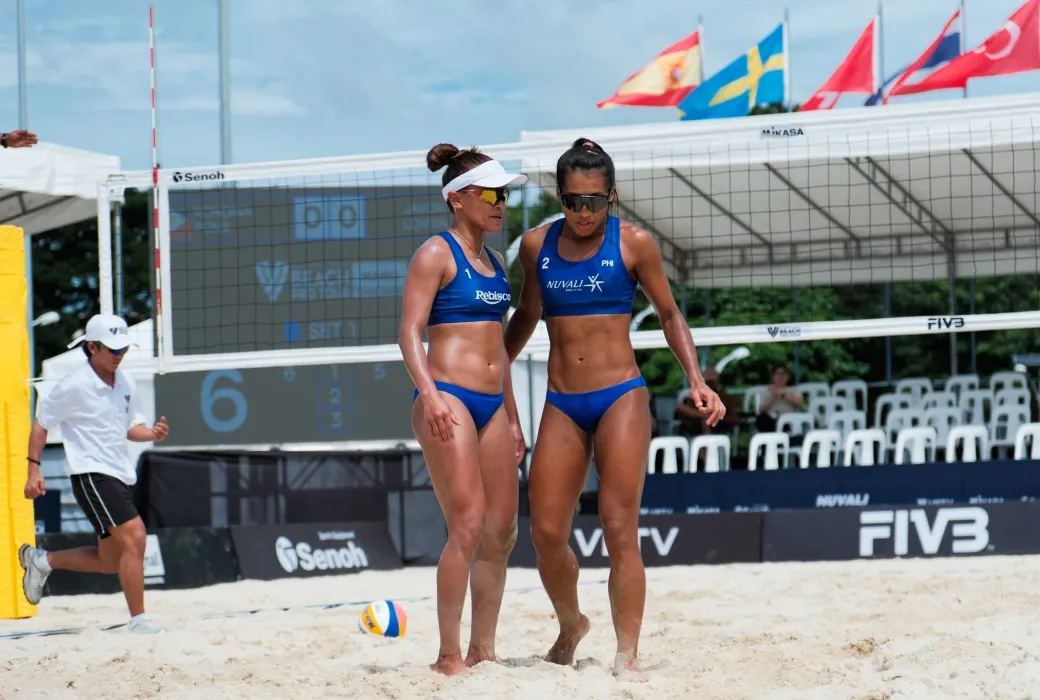
Sisi Rondina and Bernadeth Pons

Rondina, Pons claim first Challenge win at Beach Pro Tour Nuvali

174
Sisi Rondina

Player Profile Series: Sisi Rondina, Volleyball’s Cherry Bomb

169
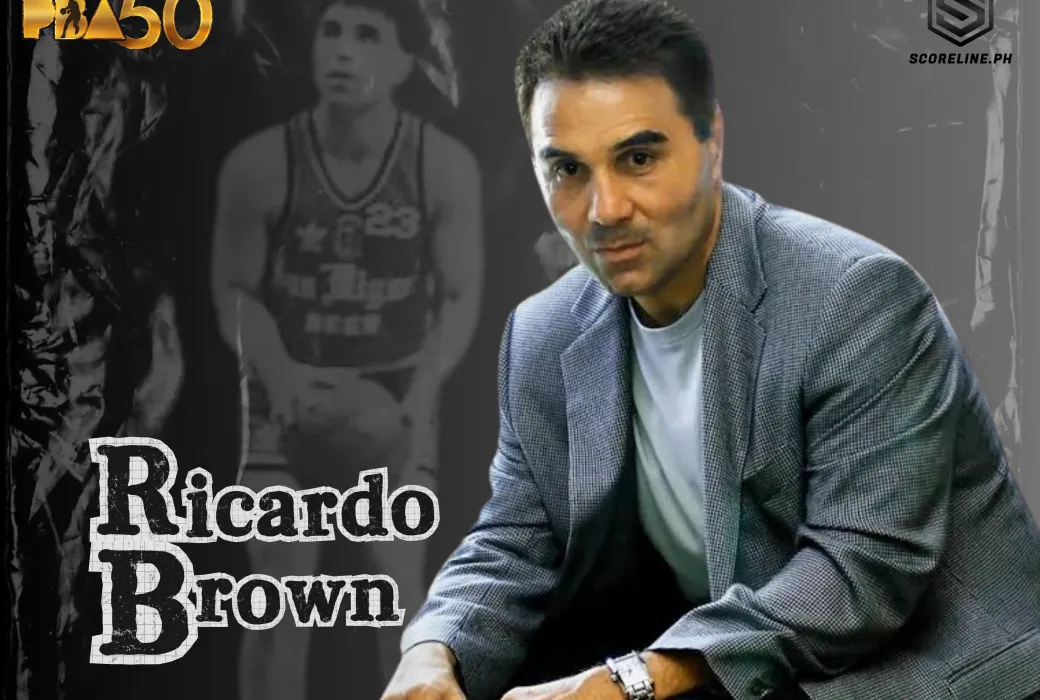
"The Quick Brown Fox" - Ricardo Brown

Player Profile Series: Ricardo Brown – "The Quick Brown Fox"

165
PBA Commissioner Willie Marcial

PBA Season 50 eyes more overseas tours and foreign guest teams

156
Arena Fitness Dojo

From Grassroots to Global: Arena Fitness Dojo

154
Spike and Serve with Petro Gazz Angels & Volleybukids

Spike and Serve reaches out to Volleybukids in Morong, Bataan

152
Ricky Ricafuente

Ricky Ricafuente brings his global experience to Masters Pinoy

151
Francisico Bustamante

Player Profile Series: The iconic Francisco "Django" Bustamante

150
Philip Cezar - PBA's Tapal King

Player Profile Series: Philip Cezar – The PBA's Tapal King

147
Freddie Hubalde - The Silent Operator

Player Profile Series: Freddie Hubalde - The Silent Operator

146
Ginebra's RJ Abarrientos tries to score against NorthPort's import Kadeem Jack.

Ginebra dominates NorthPort to get Game 1 of their Semis series

143
General Trias City Sports Park

General Trias City LGU eyes vows world-class sports facilities for youth

143