All news tagged PhilippineOlympicCommittee

photo comparison

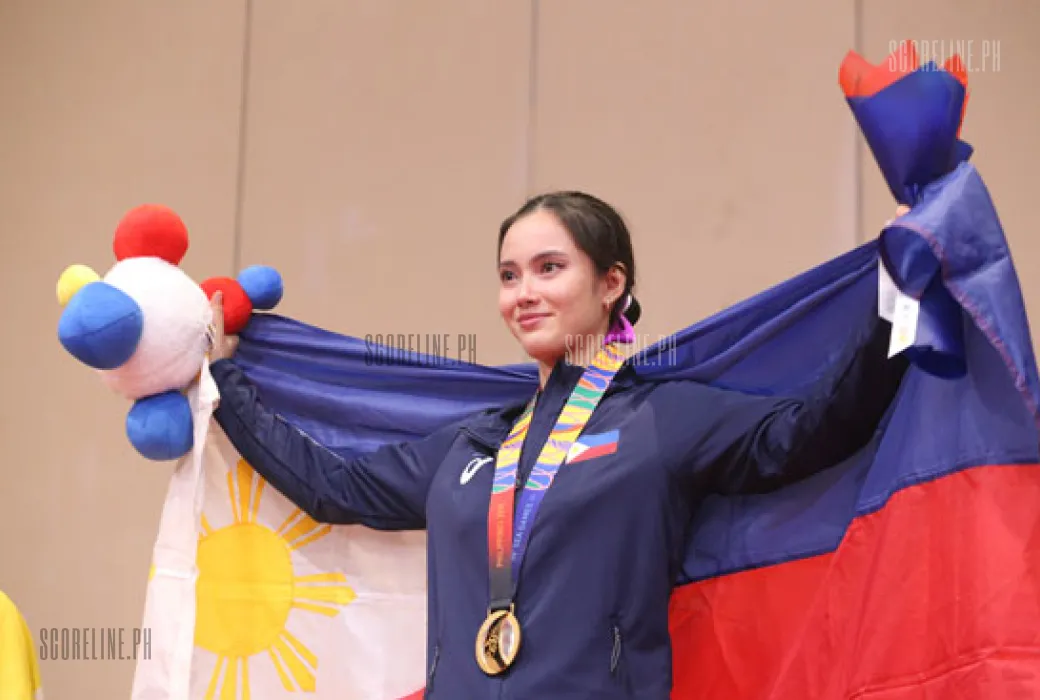
Why Asian Para Games Champions Receive Half the Cash Incentives

The ₱2-million and ₱1-million gold-medal incentives under Republic Act No. 10699 have renewed questions about equality, athlete recognition, and the treatment of Filipino para-athletes.

They train for years, compete against Asia's finest athletes, overcome enormous pressure, and proudly carry the same Philippine flag onto the international stage.

They stand on the podium as gold medalists, bringing honor to the country and inspiring millions of Filipinos.

Yet under Philippine law, winning gold at the Asian Games and winning gold at the Asian Para Games carry different financial rewards.

₱2 million for an Asian Games individual gold medal. ₱1 million for an Asian Para Games individual gold medal.

The difference has brought renewed attention to Republic Act No. 10699, or the National Athletes and Coaches Benefits and Incentives Act, following the achievements of Filipino athletes at the 2026 Asian Games and Asian Para Games.

At the center of the discussion is a fundamental question:

Should two Filipino national athletes who win gold at their respective continental championships receive different statutory cash incentives?

A ₱1-Million Difference Written Into Law

Under Section 8 of Republic Act No. 10699, individual gold medalists at the Asian Games are entitled to a statutory cash incentive of ₱2 million.

Individual gold medalists at the Asian Para Games, meanwhile, are entitled to ₱1 million.

The difference is not the result of a discretionary decision by sports officials following a competition.

It is established under the existing national sports incentives law.

The distinction becomes particularly noticeable when comparing the achievements of Filipino champions at the 2026 continental competitions.

Among the Asian Games gold medalists are gymnastics superstar Carlos Yulo, pole vaulter EJ Obiena, and taekwondo athlete Jeus Gabriel Yape.

Meanwhile, para swimming champions Ernie Gawilan and Ariel Joseph Alegarbes have also delivered gold-medal performances for the Philippines at the Asian Para Games.

The statutory incentives for individual gold medals are:

Competition

Gold medal incentive

Asian Games

₱2,000,000

Asian Para Games

₱1,000,000

Difference

₱1,000,000

The figures represent statutory cash incentives for individual events. They do not necessarily reflect the total financial rewards an athlete may receive from other government programs, local governments, or private sponsors.

Nevertheless, the difference in the national incentive structure raises questions about how achievements in para sports are recognized.

Different Competitions, Shared National Responsibility

The Asian Games and Asian Para Games are separate international sporting competitions with different event classifications, eligibility requirements, and competition structures.

The Asian Games brings together elite athletes from across the continent, while the Asian Para Games provides high-level international competition for athletes with eligible disabilities.

Both demand years of preparation, specialized coaching, physical conditioning, and technical excellence.

Both require competitors to meet demanding international standards.

And both provide opportunities for Filipino athletes to represent the country against Asia's strongest sporting talents.

For para-athletes, preparation may also involve specialized equipment, accessible training environments, and individualized support services.

These requirements make investment in para sports particularly important.

The two competitions may be different, but the dedication and sporting achievements of their champions deserve serious national recognition.

Ernie Gawilan: A Champion Whose Achievements Speak for Themselves

Among the Filipino athletes whose performances have brought attention to the issue is veteran para swimmer Ernie Gawilan.

At 35, Gawilan continues to establish himself as one of the Philippines' most accomplished para-athletes.

During the Aichi-Nagoya 2026 Asian Para Games, he captured gold in the men's 400-meter freestyle S7 with a time of 4 minutes and 56.72 seconds.

The victory marked his third consecutive Asian Para Games gold medal in the event.

He followed that performance with silver in the men's 200-meter individual medley SM7, clocking 2 minutes and 52.72 seconds.

His achievements reflect years of international competition, technical development, and sustained excellence.

Gawilan's success is not simply an inspirational personal story.

He is an elite competitor whose results demonstrate the quality of Philippine para swimming.

His gold medal carries the same national significance of bringing international sporting recognition to the Philippines.

Yet the statutory incentive attached to his Asian Para Games gold is half the amount provided for an individual Asian Games gold.

That distinction has become part of a broader discussion about athlete recognition.

Why Does Republic Act No. 10699 Provide Different Amounts?

Republic Act No. 10699 was enacted to strengthen benefits and incentives for national athletes and coaches.

The law establishes financial rewards for medal-winning performances in recognized international competitions, including the Olympics, Paralympics, Asian Games, Asian Para Games, and Southeast Asian Games.

Its incentive schedule assigns different amounts according to the competition and medal category.

For the Asian Games and Asian Para Games, the prescribed individual gold-medal incentives differ by ₱1 million.

However, the existence of different amounts does not, by itself, explain the full legislative reasoning behind the distinction.

Understanding that reasoning would require examining the law's legislative history, policy objectives, and the factors considered when the incentive categories were established.

The current discussion therefore presents an opportunity to review whether the existing structure remains appropriate for Philippine sports development.

Equal Recognition and Equal Incentives: A National Debate

The difference between Asian Games and Asian Para Games incentives raises two related but distinct issues.

The first concerns recognition.

Filipino para-athletes represent the country in international competition and deserve recognition for their achievements as elite national athletes.

The second concerns financial policy.

Should the government provide identical statutory cash incentives for equivalent medals at the Asian Games and Asian Para Games, or should the competitions retain separate incentive schedules?

Supporters of equal incentives may argue that both groups of athletes dedicate comparable effort to representing the Philippines and that equal gold-medal rewards would reinforce the principle of inclusive national recognition.

Others may point to differences in competition structures, event categories, and the broader incentive framework as considerations that policymakers must examine.

These perspectives form part of a legitimate discussion about how public sports incentives should be designed.

The central policy question is not whether para-athletes deserve recognition. It is how that recognition should be reflected in the country's financial incentive system.

Can the Incentive Structure Be Changed?

Republic Act No. 10699 includes provisions that allow the Philippine Sports Commission to periodically review and adjust incentive amounts, in consultation with PAGCOR and in accordance with the prescribed process.

Congress also has the authority to amend the law.

Any proposed adjustment would require consideration of the legal framework, financial implications, athlete classifications, and long-term sustainability of the incentives program.

A review could examine whether Asian Games and Asian Para Games gold medalists should receive equivalent statutory awards.

It could also consider whether similar differences exist across other competitions covered by the law.

Such an assessment would provide policymakers with an opportunity to evaluate the incentives framework as a whole rather than focusing exclusively on one medal category.

While the ₱1-million difference has attracted attention, athlete incentives represent only one part of the broader discussion.

Para-athletes also require reliable training allowances, accessible facilities, specialized coaching, sports medicine, rehabilitation support, and international competition opportunities.

The Philippines has produced successful para-athletes despite continuing challenges in access to sporting resources.

Strengthening those systems could help develop more athletes capable of competing internationally.

Cash incentives recognize achievements after medals are won.

Development programs, meanwhile, help create the conditions that make those achievements possible.

Recognition after victory matters. Sustained support before competition matters just as much.

The debate surrounding Republic Act No. 10699 could therefore become an opportunity to examine the wider needs of Philippine para sports.

For athletes such as Carlos Yulo, EJ Obiena, Jeus Gabriel Yape, Ernie Gawilan, and Ariel Joseph Alegarbes, international competition represents the culmination of years of preparation.

Their events are different.

Their athletic disciplines require different skills.

Their competitive journeys are unique.

But their victories share one important distinction.

They bring sporting honor to the Philippines.

The national incentive system is intended to recognize those accomplishments while supporting athletes who dedicate themselves to international competition.

The question now is whether the current framework reflects the standards of recognition and inclusion that Philippine sports seeks to promote.

A Question Worth Bringing to the National Conversation

The difference between the statutory incentives for Asian Games and Asian Para Games champions is clear.

The individual gold-medal amounts are ₱2 million and ₱1 million, respectively.

What remains open for discussion is whether that distinction should continue.

A review of the law could provide an opportunity to examine the rationale behind the existing amounts, the financial implications of possible changes, and the broader objectives of athlete recognition.

For Filipino sports fans, the issue is also a reminder that national athletes compete in many different disciplines and circumstances.

Their achievements deserve attention beyond medal counts and championship celebrations.

The Philippine flag does not change when a para-athlete stands on the podium. The national pride attached to that achievement remains.

Whether the statutory incentives should be equalized is a question for lawmakers, sports institutions, athletes, and the public to examine through an informed policy discussion.

But one principle remains important:

Filipino para-athletes are national athletes whose sporting achievements form an essential part of the country's international success.

SAME PHILIPPINE FLAG. SAME NATIONAL PRIDE. DIFFERENT STATUTORY CASH REWARDS.

THE ₱1-MILLION DIFFERENCE IS CLEAR. THE QUESTION IS WHETHER PHILIPPINE SPORTS POLICY SHOULD CONTINUE TO MAKE THAT DISTINCTION.
22.10.2026
Contributed Photo

Philippine Sports Faces a Decade-Long Wait for Crucial PAGCOR Funding

Supreme Court ruling secures billions in sports remittances, but the 10-year repayment period raises questions about the urgent needs of Filipino athletes.

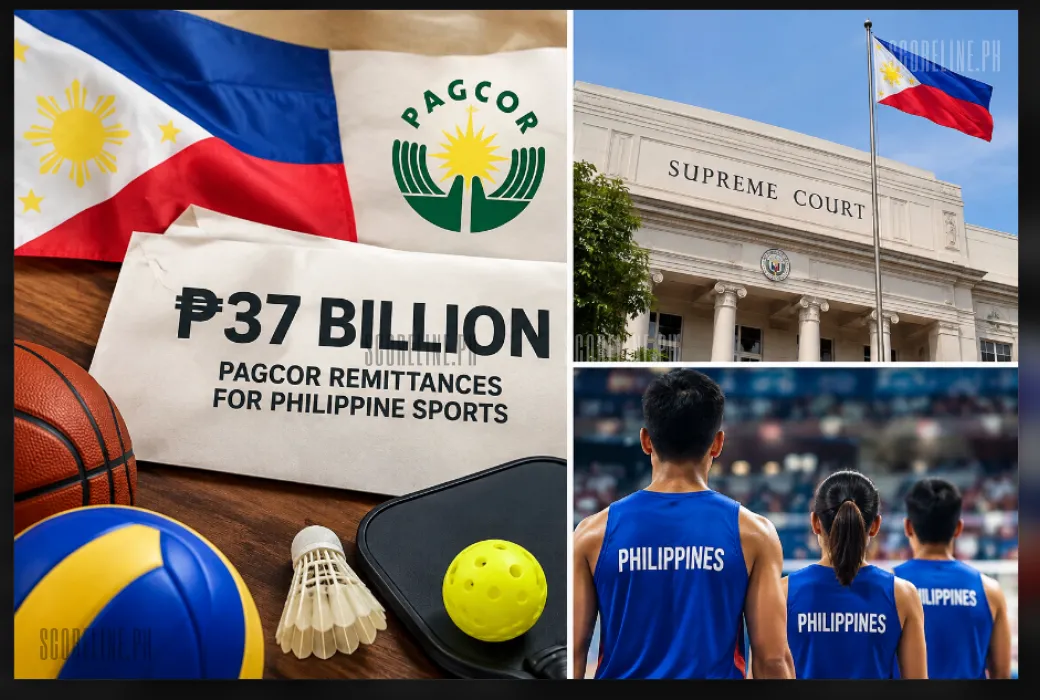
Philippine sports stands to receive an estimated ₱37 billion in unpaid remittances from the Philippine Amusement and Gaming Corporation (PAGCOR), following a landmark Supreme Court ruling that could significantly affect the country's sports development programs.

But while the legal battle has reached its conclusion, the financial issue remains unresolved.

PAGCOR has been given 10 years to settle the outstanding obligation, leaving Filipino athletes and sports organizations facing a potentially lengthy wait for funds intended to support national sports development.

The controversy dates back to a 1993 executive order that reduced the portion of PAGCOR income allocated to Philippine sports.

In 2016, basketball coach and then-congressman Yeng Guiao challenged the reduced remittances before the Supreme Court, questioning whether the funding arrangement complied with the law.

The Supreme Court ruled on the issue in 2024 and denied PAGCOR's appeal with finality in 2025.

The decision established PAGCOR's obligation to settle the unpaid balance over a 10-year period.

The regular five-percent remittances reportedly resumed in 2026, although the estimated ₱37 billion in retroactive payments had yet to be released.

During a House hearing in August 2026, PAGCOR Chairman Alejandro Tengco acknowledged the corporation's substantial financial obligation.

“Kailangan na po naming magsimulang magbayad ng retroactive payment sa utang namin na P37 billion. On our end, mabigat yun. Nowhere did Pagcor project through the years that we will have to pay but we respect the decision of the Supreme Court,” Tengco said.

His statement highlighted the financial pressure facing PAGCOR as it prepares to comply with the ruling.

However, the corporation is not automatically in default simply because the full amount remains unpaid.

The Supreme Court itself allowed the obligation to be settled over a decade.

The challenge now is balancing that legally permitted payment schedule with the immediate funding requirements of Philippine sports.

The amount represents a potentially significant source of funding for Philippine sports development.

If properly allocated, the remittances could help strengthen grassroots programs, improve training facilities, expand coaching opportunities, and provide additional support for national athletes.

The funds could also support sports medicine, nutrition, rehabilitation, and international competition preparation.

For young athletes in underserved communities, better access to training resources could make an important difference in their development.

But the benefits would depend on how the money is distributed and managed.

A ₱37-billion obligation does not automatically translate into ₱37 billion in immediate spending for athletes.

The timing of payments, applicable budget rules, and government allocation procedures will determine when and how the funds can be used.

While the repayment period provides PAGCOR with time to meet its obligation, it also highlights the difference between institutional financial planning and an athlete's competitive career.

An athlete preparing for the next Olympics cannot postpone training for several years.

A promising young competitor needs access to qualified coaching, equipment, and tournaments while still developing.

National teams preparing for international championships require reliable financial support long before competition begins.

The money may have a 10-year payment window. An athlete's competitive prime does not. That reality makes the timely and effective release of sports funding particularly important.

The situation also raises questions about whether sports authorities and PAGCOR can establish a clear repayment schedule that allows priority programs to plan. Beyond the timing of the remittances, financial accountability will be essential.

The Philippine Sports Commission and other concerned government institutions will need to ensure that funds received are used for legitimate sports development purposes.

Clear financial reporting, transparent allocation procedures, and measurable program outcomes could help strengthen public confidence in the process.

The public should be able to determine how much has been remitted, which programs have benefited, and whether the funding has improved opportunities for athletes.

More funding is important, but responsible spending will determine whether it produces meaningful results.

The Philippines has produced Olympic champions, world champions, and international medalists despite persistent challenges in sports development.

Their achievements demonstrate the country's competitive potential.

However, sustained success requires more than exceptional individual performances.

It demands a reliable system that supports athletes from grassroots participation through elite international competition.

The PAGCOR remittances could become an important part of that system.

But the funds must be supported by strategic planning, transparent implementation, and sustained investment in athlete development.

The Supreme Court ruling represents a major development in the decades-long dispute over PAGCOR's sports remittances.

It establishes an obligation and provides a legal framework for payment.

But the ultimate impact will be measured beyond the courtroom.

The real questions are whether the funds will improve training opportunities, strengthen national sports programs, and provide lasting benefits to Filipino athletes.

For PAGCOR, the responsibility is to comply with the ruling.

For sports authorities, the challenge is to ensure that every peso received is managed effectively.

And for Filipino athletes, the hope is that the funding will translate into better support while they are still actively competing.

₱37 BILLION IS MORE THAN A FINANCIAL OBLIGATION. IT REPRESENTS AN OPPORTUNITY TO STRENGTHEN THE FUTURE OF PHILIPPINE SPORTS.

THE COURT HAS SET THE PAYMENT TIMELINE. NOW THE REAL TEST IS TURNING THOSE BILLIONS INTO MEANINGFUL OPPORTUNITIES FOR FILIPINO ATHLETES. 

21.10.2026
sposts officials

No allowance, but expected to win medals? Athletes deserve better

HOW CAN WE DEMAND WORLD-CLASS PERFORMANCES WHEN OUR NATIONAL ATHLETES ARE STILL WAITING FOR BASIC FINANCIAL SUPPORT?

Serious questions have been raised during a Senate budget hearing over delayed training allowances for members of the Philippine women's national volleyball team.

Senator Bong Go questioned reports that some athletes have not received their allowances for TWO MONTHS, emphasizing the importance of providing timely support to those representing the country.

But the issue goes beyond delayed payments.

₱270 MILLION IN UNLIQUIDATED PNVF FUNDS!

According to Commission on Audit Supervising Auditor Jeorge Roman Lozano, the Philippine National Volleyball Federation (PNVF) has an outstanding ₱270 million in funds awaiting liquidation.

PSC Chairman Patrick “Pato” Gregorio also pointed to administrative complications following three leadership changes within the federation since 2025.

Meanwhile, Alas Pilipinas men's team captain Bryan Bagunas previously revealed that some players had to borrow money just to attend training sessions.

LET THAT SINK IN.

Athletes preparing to represent the Philippine flag reportedly had to borrow money simply to train!

BUT HERE'S THE BIGGER QUESTION: WHY SHOULD ATHLETES CARRY THE BURDEN OF ADMINISTRATIVE PROBLEMS THEY DID NOT CREATE?

Delayed allowances and unresolved financial documentation are separate issues that both require attention.

The reported ₱270 million in unliquidated funds does not automatically establish misuse of public money, but it demands proper accounting, transparency, and timely resolution.

ATHLETE WELFARE MUST NEVER BECOME COLLATERAL DAMAGE IN ORGANIZATIONAL DISPUTES OR BUREAUCRATIC DELAYS!

National athletes already sacrifice time, energy, and personal resources to compete for the country.

They should be focused on training, recovery, and competition — not repeatedly following up on financial assistance.

Gregorio expressed hope that newly installed PNVF President Frank Lao could help resolve the situation.

But moving forward, the priority must be clear:

TIMELY ALLOWANCES. TRANSPARENT ACCOUNTING. CLEAR RESPONSIBILITIES. STRONGER ATHLETE PROTECTION.

THE PHILIPPINE FLAG SHOULD REPRESENT PRIDE AND OPPORTUNITY — NOT FINANCIAL UNCERTAINTY FOR THOSE WHO WEAR IT!

If we want better international results, we must also provide reliable support behind the scenes.

ATHLETES SHOULD TRAIN TO WIN MEDALS — NOT STRUGGLE TO PAY FOR TRAINING! 

20.10.2026
PSC Officials

Baguio City Elevates Philippine Sports: World-Class Training Centers to Breed Future Champions

The Philippine Sports Commission (PSC) is pushing forward with the construction of new sports facilities at its National Training Center inside Teachers' Camp in Baguio City!

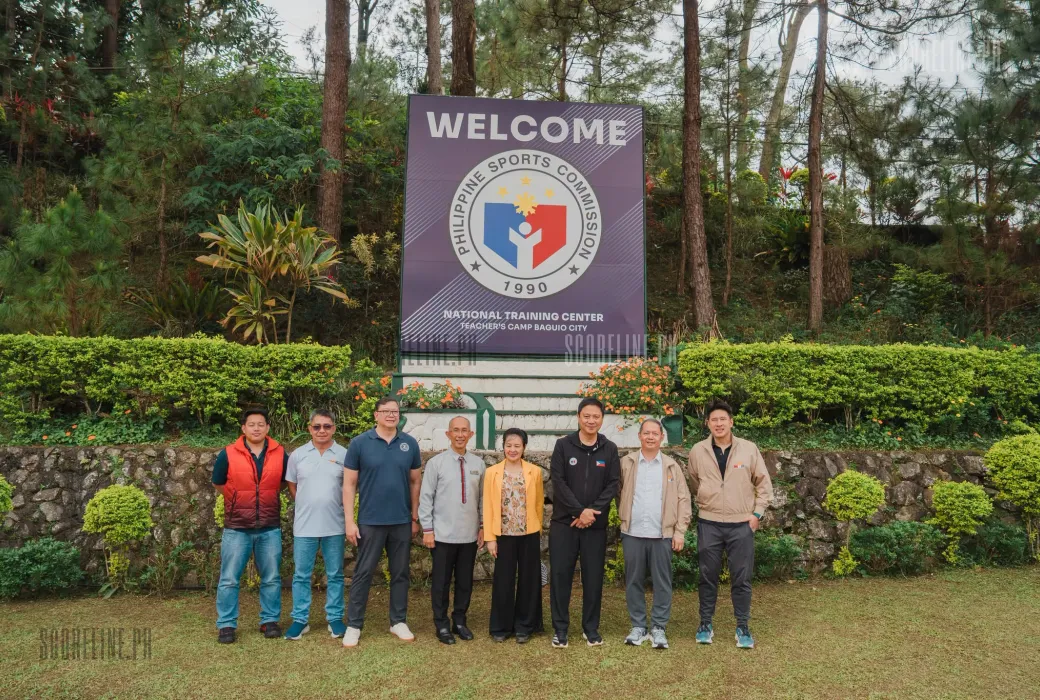
PSC Chairman John Patrick “Pato” Gregorio inspected the ongoing developments alongside Baguio City Mayor Benjamin Magalong, Philippine Football Federation President John Anthony Gutierrez, MVP Sports Foundation President Atty. Bill Pamintuan, and Executive Director Paolo Trillo. WHAT'S COMING TO BAGUIO?

ARTIFICIAL FOOTBALL PITCH — A project under the Philippine Football Federation, targeted to be ready by November!

3x3 BASKETBALL COURT — Supported by the MVP Sports Foundation to strengthen basketball development!

PICKLEBALL COURT — Another facility backed by the MVP Sports Foundation to support the growth of emerging sports!

BUT HERE'S THE BIGGER QUESTION: WHY SHOULD QUALITY TRAINING FACILITIES BE A LUXURY FOR FILIPINO ATHLETES?

For years, the Philippines has celebrated international medals while many promising athletes continue training with limited equipment, inadequate facilities, and insufficient resources.

WE CANNOT KEEP DEMANDING WORLD-CLASS RESULTS WITHOUT PROVIDING WORLD-CLASS PREPARATION! 💯

This development in Baguio is a welcome investment in the future of Philippine sports.

But building facilities is only the beginning.

OUR TAKE: THE REAL SUCCESS OF THESE PROJECTS WILL BE MEASURED BY HOW MANY ATHLETES CAN ACTUALLY USE THEM — NOT JUST HOW IMPRESSIVE THEY LOOK AT THE RIBBON-CUTTING CEREMONY!

These facilities must be properly maintained, accessible to developing athletes, and supported by qualified coaches and sustainable training programs.

And most importantly, similar opportunities must reach athletes outside major cities.

CHAMPIONS ARE NOT CREATED ON THE PODIUM. THEY ARE DEVELOPED THROUGH YEARS OF TRAINING, DISCIPLINE, AND OPPORTUNITY!

Baguio's sports upgrade is a promising step toward building a stronger national sports system.

BUILD THE FACILITIES. DEVELOP THE TALENT. SUPPORT THE ATHLETES. PRODUCE THE CHAMPIONS. 

SPORTS FANS, SHOULD THE PSC EXPAND THIS KIND OF SPORTS INFRASTRUCTURE DEVELOPMENT TO MORE PROVINCES ACROSS THE PHILIPPINES?

SHARE YOUR THOUGHTS!

20.10.2026
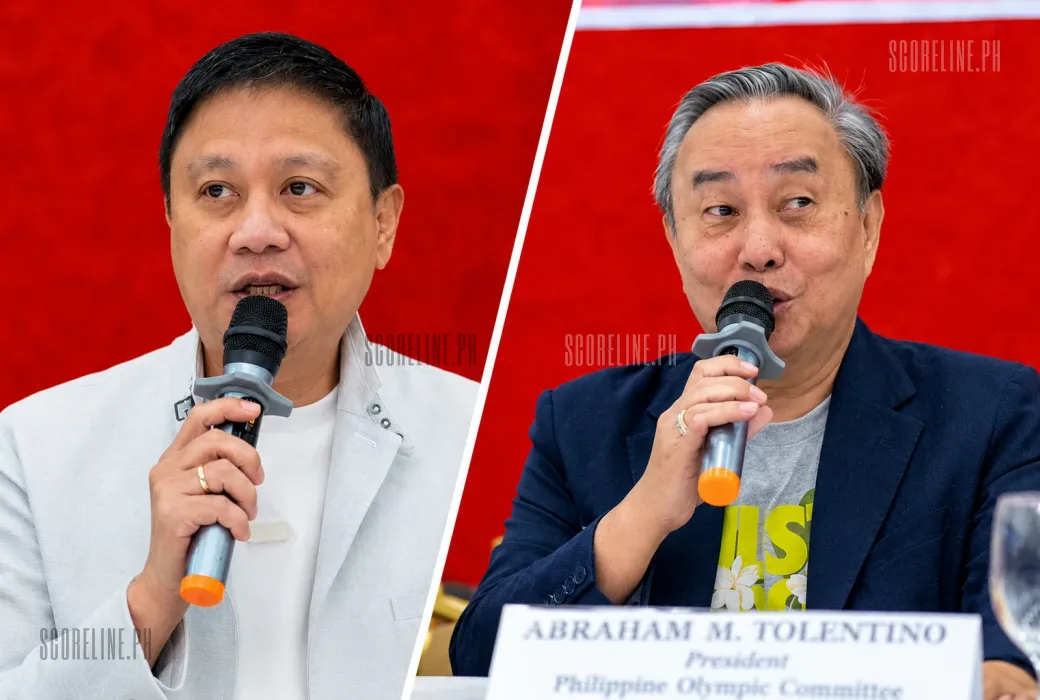
PSC Chair Patrick Gregorio & POC Pres. Abraham Tolentino

The real story behind Team Philippines’ Aichi-Nagoya campaign

Four gold medals. Nine silvers. Sixteen bronzes. Twenty-nine medals in all.

For Philippine Olympic Committee President Abraham “Bambol” Tolentino, however, the nine silvers told another story.

They represented medals that, in his view, could have easily changed the color of the Philippines’ Aichi-Nagoya campaign.

The target was eight golds. The country won four. But Tolentino insists the eight-gold projection was never unrealistic.

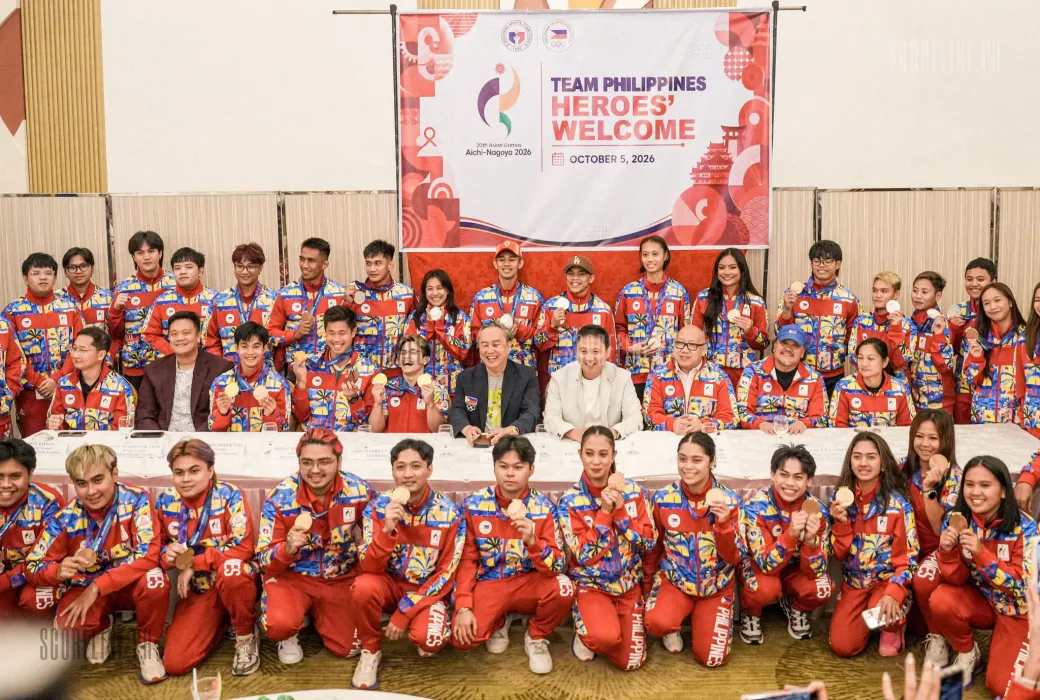
“I can say that hindi ko pwedeng ikahiya na kaya talaga yung eight [gold medals],” Tolentino said during the Team Philippines homecoming press conference in Manila yesterday.

And his explanation was simple. “Doon lang tayo pipitas sa silver.”

Team Philippines matched its four-gold haul from the 2018 Jakarta-Palembang and 2022 Hangzhou Asian Games, with Carlos Yulo winning two golds in gymnastics, EJ Obiena taking pole vault gold and Jeus Yape capturing the country's historic virtual taekwondo gold.

But the POC chief believes the tally could have been much higher.

He pointed to Carlo Paalam's silver medal, as well as silver-medal finishes in jiu-jitsu and taekwondo, where he questioned the impact of officiating and referee decisions.

“Kay Paalam, nakita niyo naman. 'Di ba? Kayo na humusga doon. That's a sure gold,” Tolentino said.

He also cited two jiu-jitsu and taekwondo silver medalists who, according to his account, received zero scores from referees in crucial moments.

Then there was MMA fighter Saclag.

Tolentino believed the young Filipino simply became too aggressive in the final, but still saw something more valuable beneath the silver medal.

“May nakatago yung silver niya,” he said.

In other words, Tolentino was not looking at nine silver medals as nine failures to win gold. He was looking at nine opportunities that came agonizingly close to becoming victories.

Tolentino went even further, pointing to Victoria Bossong's bronze in the women's 800 meters. Bossong topped the preliminary heats in 2:02 but clocked 2:04 in the final.

For Tolentino, the performance raised another “what if.”

“One bronze that should have been gold, with due respect to Victoria,” he said.

His point was clear: the eight-gold projection was not simply a number pulled from thin air.

Several Filipino athletes entered Aichi-Nagoya with legitimate medal chances.

Some delivered gold. Others came home with silver. Some narrowly missed the podium altogether. That is the brutal mathematics of elite sport.

Strip away the gold-medal argument for a moment and another number demands attention.

It was the Philippines' biggest Asian Games medal haul in six decades, dating back to the 1966 Bangkok Asiad.

That makes the conversation more complicated than simply asking why the country fell four golds short of its target.

The more revealing question may be. How many of those 25 non-gold medals can Philippine sports eventually turn into gold?

That is where the real work begins. Because silver means the athlete is already close.

Bronze means the athlete has already broken through the highest level of continental competition. The challenge now is converting proximity into dominance.

Meanwhile, PSC Chairman Patrick “Pato” Gregorio sees reason for optimism beyond the medal count.

He noted that several of the country's medalists are only 20 years old or younger.

For Gregorio, that is one of the most encouraging takeaways from the Games.

“Talagang mga bata. Talagang very promising,” he said, pointing to the development programs being built for the next generation.

The next steps include grassroots initiatives, regional training centers and the Southeast Asian Games Youth Plus scheduled in December.

That matters because medals at the senior level are rarely created overnight.

They are built years earlier—in school gyms, local training centers, provincial competitions and youth programs.

The athletes standing on the Asian Games podium today can become the foundation of the Philippine team of tomorrow.


PSC Chair, Gregorio also had a message for the athletes amid the social-media criticism surrounding the four-gold haul.

Don't let the noise become bigger than the achievement.

“Tuloy-tuloy po ang suporta namin sa inyo,” Gregorio said.

His message was particularly relevant in an era where every medal is immediately dissected online and every missed opportunity can become a target for criticism.

Athletes see those comments. They read them. But their job is still the same: train, compete and represent the Philippines.

Perhaps the biggest significance of Aichi-Nagoya is that many of the sports where the Philippines won medals are also part of the Olympic program.

For Tolentino, that makes the Asian Games performance an important indicator heading toward the 2028 Los Angeles Olympics.

The objective is no longer simply to collect medals at one continental Games.

It is to build athletes capable of competing—and winning—on the world's biggest sporting stage.

That requires sustained investment. It requires international exposure. It requires world-class coaching, sports science, facilities, recovery and competition opportunities. And it requires funding.

Gregorio said the next crucial battle for Philippine sports will not take place inside an arena. It will take place in the halls of Congress.

Sports officials are preparing to defend their budget before the Senate, with funding needed for the 2027 Southeast Asian Games, SEA Games Youth Plus, Asian Beach Games and the Los Angeles Olympics.

The message from the PSC is straightforward:

The athletes have shown what they can do. Now the system has to keep up.

Under Republic Act No. 10699, an Asian Games gold medal carries a P2-million incentive, while silver medalists receive P1 million and bronze medalists P400,000.

Those rewards recognize the athletes' achievements. But incentives alone cannot build an Olympic pipeline. That requires long-term investment.

So, did Philippine sports fall short in Aichi-Nagoya?

If the only measure is the eight-gold projection, then yes. But if the question is whether the country produced a competitive, medal-producing team capable of challenging Asia's best, the 29-medal haul paints a much broader picture.

Four golds matched the country's recent Asian Games high. Nine silvers showed how close several athletes came to the top.

Sixteen bronzes demonstrated the breadth of the country's medal-producing program. And the presence of young athletes on the podium suggests that this may not be the finished product. The goal should not be to celebrate four golds as though the work is done.

Nor should it be to dismiss 29 medals as though nothing was accomplished. Both can be true: Philippine sports made progress—and Philippine sports still has a lot more to prove. The silver medals are not excuses.

They are targets. The bronze medals are not consolation prizes. They are starting points. And the four golds are not the ceiling.

They are the standard that the next generation must be challenged to surpass. Aichi-Nagoya is over.

The road to Los Angeles has already begun.

06.10.2026
Philippine Team

Aichi-Nagoya was a Statement. Now, the Philippines must Build on it

Four golds, 29 medals and the Philippines’ best Asian Games haul in 64 years have given the country something bigger than a celebration—a reason to rethink what Filipino sports can become.

The medals are home.

The athletes have returned from Japan carrying four golds, nine silvers and 16 bronzes, completing a 29-medal haul that PSC Chairman John Patrick C. Gregorio described as the Philippines’ best Asian Games performance in 64 years.

But perhaps the biggest takeaway from Aichi-Nagoya is not the number of medals.

Aichi-Nagoya gave Philippine sports a moment to celebrate. But it can also become something much bigger.

A reminder that Filipino athletes are not short on ability. What matters now is building an environment where that ability can consistently reach its potential.

The athletes have made their statement. Now the system has to make its own.

Because if the Philippines truly wants to become a multi-sport nation, the goal cannot simply be to celebrate champions when they come home.

It is the reminder of what Filipino athletes can accomplish when talent is matched with preparation, opportunity and the chance to compete on the biggest stage.

This should be more than a celebration. It should be a wake-up call.

Carlos Edriel Yulo once again showed the extraordinary ceiling of Filipino gymnastics, turning difficult routines into gold-medal performances.

EJ Obiena continued to proves that the Philippines can produce world-class athletes even in disciplines traditionally outside the country's sporting spotlight.

And they were not alone. Across the courts, fields, rings, pools and tracks of Aichi-Nagoya, Filipino athletes fought for every point, every second and every centimeter.

Some won medals. Others fell short of the podium.

But collectively, they delivered a message that should be impossible to ignore:

The Philippines has the talent. The Philippines has the heart. The Philippines has athletes capable of competing with Asia's best.

The danger after a successful campaign is believing the job is finished. It isn't.

The medals are coming home, but the athletes who won them will eventually move on. Behind them is another generation—young athletes training in schools, local gyms, community courts and provincial facilities—waiting for its opportunity.

And that is where Philippine sports faces its next challenge.

Can the country provide the facilities, coaching, grassroots programs, equipment, competition exposure and long-term support needed to turn promising youngsters into international champions?

Because developing athletes should not begin only when they are already winning medals.

The system has to find them before they become champions—and build them into champions.

The calendar is already moving. The SEA Games are next.

Then comes the SEA Games Youth Plus, where the country's emerging athletes will get another opportunity to prove themselves.

And beyond that sits the enormous stage of the Los Angeles 2028 Olympics.

The next Carlos Yulo could already be training somewhere in the Philippines.

The next EJ Obiena could already be clearing a bar. The next champion could already be dreaming.

The question is whether the country will give that athlete enough reason to keep dreaming—and enough support to turn that dream into reality.

The goal should be to create more of them. From Aichi-Nagoya to Los Angeles, the fire is burning. Now, let's build something that keeps it alive.

06.10.2026
POC President Abraham Tolentino

From the podium to the leadership table

The Philippines didn’t just leave Aichi-Nagoya with medals.

IT ALSO LEFT ITS MARK IN ASIAN SPORTS LEADERSHIP.

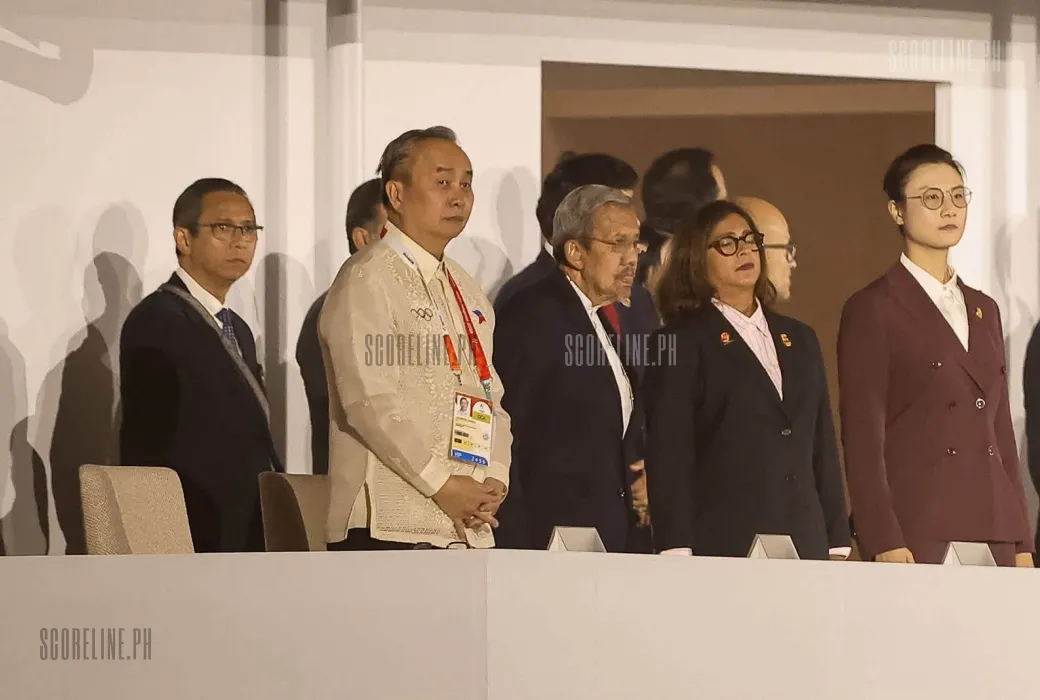
Philippine Olympic Committee President and Olympic Council of Asia Executive Board Member Abraham “Bambol” Tolentino attended the closing ceremony of the 20th Asian Games at the Nagoya City Mizuho Park Athletics Stadium on Sunday, October 4.

Seated alongside fellow OCA Executive Board Member HRH Prince Sufri Bolkiah of Brunei, Tolentino represented the Philippines as the continent’s biggest multi-sport event came to a close.

On the field, Team Pilipinas finished with 4 GOLD, 9 SILVER, AND 16 BRONZE MEDALS in Olympic disciplines.

But beyond the medal count, the closing ceremony also underscored something else:

THE PHILIPPINES HAS A SEAT AT THE TABLE OF ASIAN SPORTS GOVERNANCE.

Athletes fight for medals.

Leaders help shape the environment in which those athletes compete.

And as the Asian Games flame goes out in Nagoya, the work continues—not just for the next medal, but for the next generation of Filipino athletes.

THE GAMES MAY BE OVER.
THE MISSION ISN’T.

04.10.2026
Julianna Candelaria

18 years old. First Asian Games. Straight into the medals. Remember her name

Some athletes spend years chasing their first major breakthrough. Others arrive on the biggest stage and announce themselves immediately.

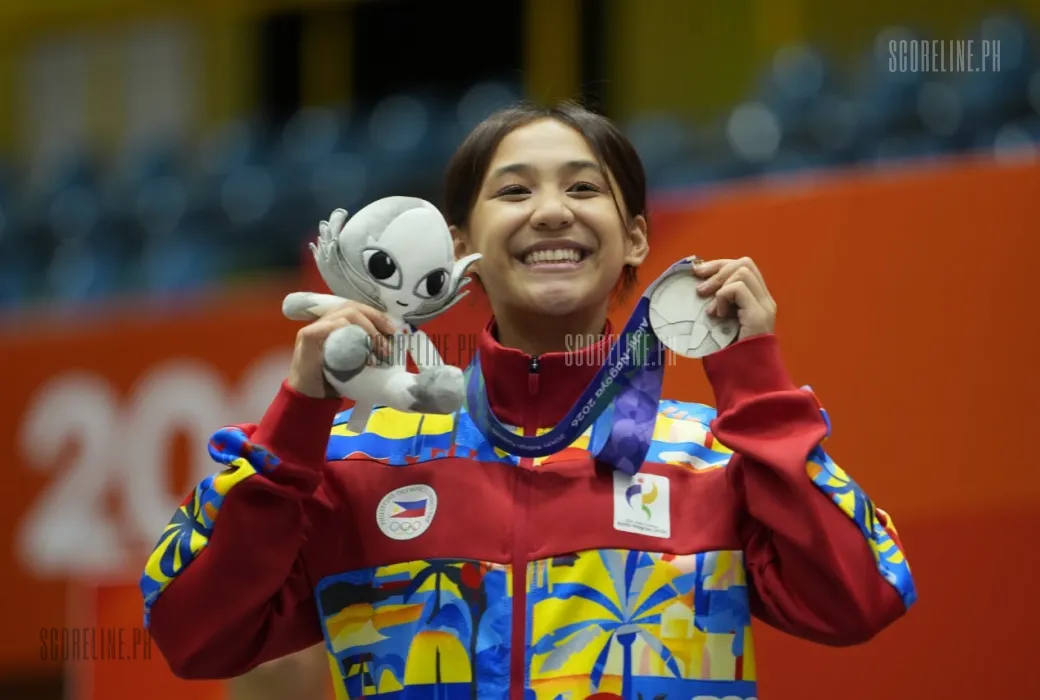
Meet Juliana Mykhail Candelaria, the Igorot taekwondo jin who turned her Asian Games debut into a silver-medal statement in women’s individual poomsae at Aichi-Nagoya 2026.

Her score? 9.1300. 🥈

Only South Korea’s Jung Hae-un finished ahead of her.

At just 18, Candelaria stepped onto one of the biggest stages in Asian sport, faced the pressure of continental competition, and delivered a performance good enough to put her on the podium.

First Asian Games. First appearance. First major statement.

And the most exciting part? Her journey is only beginning.

Imagine what more international experience, quality coaching, and sustained support could do for a young athlete who has already shown she can compete with Asia’s best.

Her silver is more than a medal. It is a glimpse of what Philippine taekwondo could become—and a reminder that the next generation is already knocking on the door.

But potential needs support. Breakthroughs need follow-through. And young champions deserve more than applause after the medals are won.

SHE ARRIVED AS A ROOKIE. SHE LEFT AS AN ASIAN GAMES MEDALIST.

Juliana Candelaria, keep chasing that next level. The future is yours to fight for. 🇵🇭🔥

Athletes are people first. Celebrate the breakthrough. Support the journey.

OFF COURT ONLY. COOL THINGS ONLY.

04.10.2026
Asian Games Closing

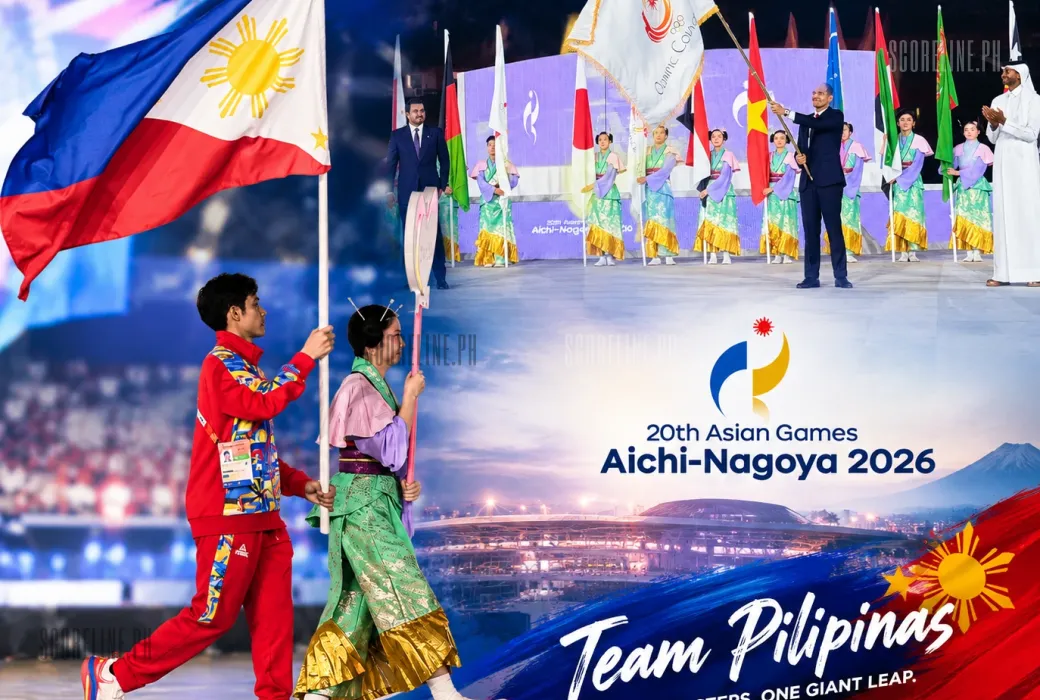
Small steps. One giant leap

THE MEDALS TELL ONE STORY. THE FIGHT BEHIND THEM TELLS ANOTHER.

29 Medal, A haul of hard-earned bronzes.

At the 20th Asian Games in Aichi-Nagoya, Team Pilipinas stood against Asia’s finest in a competition where 50 world records and 11 junior world records fell.

The bar was higher than ever. The competition was relentless. Yet Filipino athletes kept fighting, proving that the Philippine flag belongs on the biggest sporting stages.

From the track to the ring.
From the pool to the mats.
From the court to the field.

Every medal carried sacrifice. Every victory carried pride. And every athlete who wore the national colors carried the hopes of a nation.

NOT EVERY HERO CAME HOME WITH GOLD. NOT EVERY BATTLE ENDED IN VICTORY. BUT EVERY ATHLETE WHO GAVE EVERYTHING FOR THE FLAG DESERVES OUR RESPECT.

Behind these performances were coaches, families, sports officials, and supporters who helped make the journey possible.

Now, the Asian Games flame has gone out. But the fire of Philippine sports must burn brighter.

The SEA Games are next. AIMAG awaits. And beyond them lies the enormous challenge of LA 2028.

The mission is bigger than medals. It is about building stronger programs, giving athletes the support they deserve, and turning today's breakthroughs into tomorrow's Olympic dreams.

Because national pride should not end when the closing ceremony does. It should fuel the work that follows.

SMALL STEPS TODAY. ONE GIANT LEAP TOMORROW.

To every Filipino athlete who fought in Aichi-Nagoya: maraming salamat for carrying our flag with courage, heart, and pride.

You represented more than a country. You reminded us what Filipinos can achieve when given the chance to compete.

MABUHAY ANG ATLETANG PILIPINO! LABAN PILIPINAS!

04.10.2026
Amaya Paz-Cojuangco

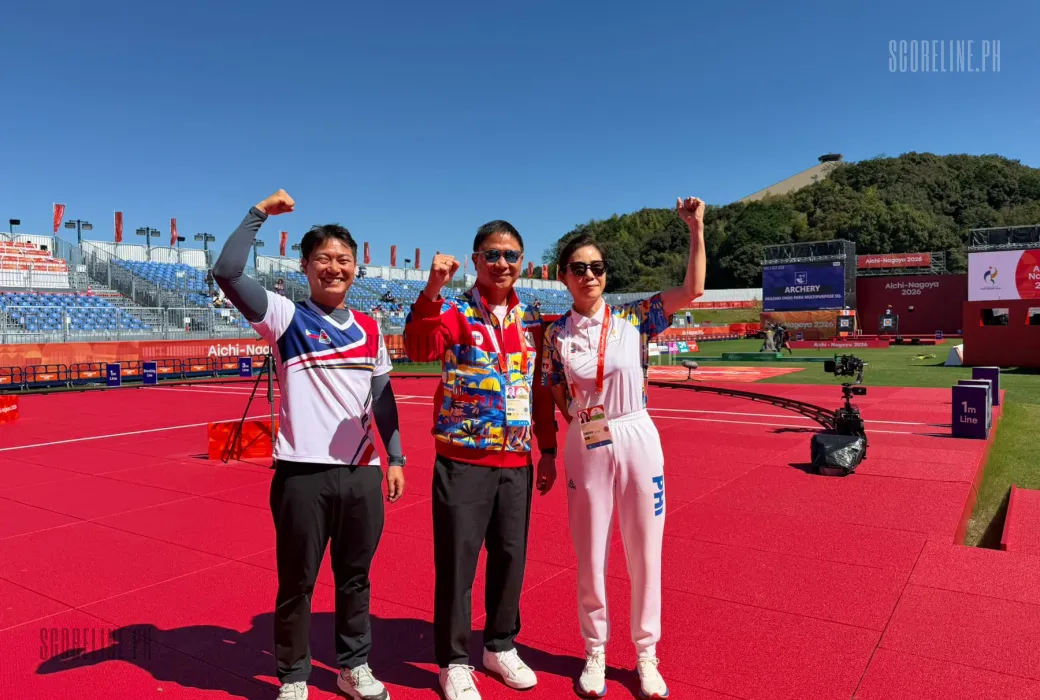
From Asiad silver to an Olympic dream: Philippine archery sets its sights on LA 2028

THE SILVER MEDAL IS ALREADY IN THE HISTORY BOOKS. NOW, PHILIPPINE ARCHERY HAS A MUCH BIGGER TARGET.

Amaya Paz-Cojuangco did more than win a medal in Aichi-Nagoya.

She may have fired the opening arrow of a Philippine archery revival.

Cojuangco’s historic silver medal in the women’s individual compound gave the Philippines its best-ever Asian Games finish in archery and ended a 12-year wait for an Asiad podium appearance since Paul Dela Cruz’s bronze in 2014.

But the message from Philippine archery is clear:

THIS ISN’T THE FINISH. IT’S THE START.

Sports officials believe the breakthrough validates the decision to bring in South Korean coach Ryu Su Jeng, whose credentials include helping South Korea win five Olympic archery gold medals—two at Rio 2016 and three at Tokyo 2020.

Philippine Sports Commission chairman Patrick Gregorio called Ryu’s arrival one of the program’s most decisive moves.

And Ryu came to the Philippines with an ambitious promise.

Before the Asian Games, she challenged her athletes to deliver a medal—or she would return to Korea.

Cojuangco answered that challenge.

In the semifinals, the veteran archer produced one of the biggest moments of the Philippine campaign, edging South Korea’s Park Jungyoon, 142-141, to book a place in the gold medal match.

She eventually settled for silver after losing to Indonesia’s Nurisa Dian Ashrifah.

But the silver may prove to be worth far more than its color suggests.

Because while Cojuangco stood on the podium, Philippine archery was already looking beyond it.

Ryu and fellow Korean coach Hong Sung Chil have mapped out the road to the 2028 Los Angeles Olympics, and the route will be anything but easy.

The Philippine archers are expected to tackle a grueling international qualifying circuit beginning with the 2027 Hyundai Archery World Cup in Shanghai in April, followed by stops in Antalya, Tijuana and Madrid.

And Cojuangco will not be walking that road alone.

She is expected to be paired with 18-year-old Mateusz Vaughn Johnson, the Davao City phenom who made waves in Singapore by sweeping three individual gold medals and the U18 Compound Men’s Championship at the Singapore Youth Archery Championships.

Experience meets youth.

A veteran meets a rising star.

And suddenly, Los Angeles doesn't look like a distant dream.

Cojuangco knows the road will be difficult.

“Hopefully we can make it to LA,” she said. “We will try to qualify either through the Olympic qualifiers or ranking points through these tournaments.”

That is the new target.

Not simply another Asian Games medal.

Not simply another podium finish.

LOS ANGELES.

The arrows have been fired. The blueprint is already drawn.

Now Philippine archery has to prove that Aichi-Nagoya was not a one-time breakthrough—but the beginning of something much bigger.

ASIAN GAMES SILVER TODAY. OLYMPIC DREAM TOMORROW. THE TARGET HAS NEVER BEEN HIGHER.

04.10.2026
EJ Obiena

EJ Obiena defends his crown and smashes his own Asian Games record

THE THRONE IS STILL HIS. THE RECORD IS NO LONGER THE SAME. AND THE PHILIPPINES HAS ANOTHER REASON TO ROAR.

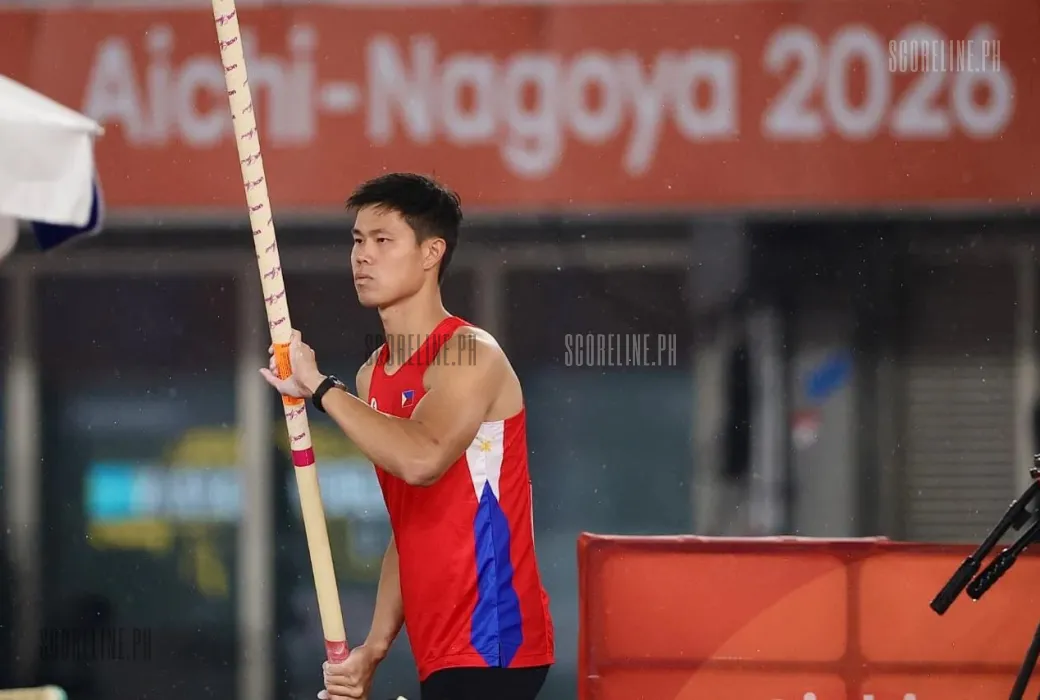
Rain poured over Nagoya. The pressure was sky-high. But EJ Obiena once again rose above the rest.

The Filipino pole vault superstar successfully defended his Asian Games crown, clearing 5.91 meters to establish a new Games record at the rain-soaked Nagoya City Mizuho Park Athletic Stadium.

One gold medal. One new record. Another statement from a man who refuses to surrender his place at the top.

Three years after conquering the 2022 Hangzhou Asian Games with a record-setting 5.90-meter vault, Obiena returned to the continental stage and did something even champions struggle to do: he made his own greatness look ordinary by doing it all over again.

The old record was his. The new record is his, too.

And just like that, Obiena secured back-to-back Asian Games gold medals, reinforcing his status as one of the Philippines' premier sporting champions.

His victory also delivered the country's third gold medal of the 2026 Games, joining gymnastics superstar Carlos Yulo, who had already struck gold twice.

But behind the historic performance was a champion running on fumes.

“I think it's my 10th win of the season,” Obiena said afterward. “I'm dead, I'm tired man. I'm satisfied.”

Those words may sound simple, but they tell a story that the medal table cannot fully capture.

The world sees the record. The country celebrates the gold. The headlines immortalize the achievement.

But the athlete feels every jump, every training session, every ounce of pressure, and every demand that comes with defending a title.

Because winning once makes you a champion. Coming back three years later and winning again—while breaking your own record—demands something more.

DOMINANCE IS NOT JUST ABOUT CLEARING THE BAR. IT IS ABOUT RETURNING TO THE TOP WHEN THE WORLD EXPECTS YOU TO STAY THERE.

Obiena did not merely defend his crown in Nagoya. He raised the standard, literally and figuratively, and left the Asian Games with another chapter in his growing legacy.

And perhaps the most human part of this triumph is that even after another golden performance, he could admit he was exhausted.

Athletes are people first. Champions get tired, too. Even kings need a moment to breathe after conquering the mountain.

But when the next challenge comes, the bar will rise again—and the Philippines will be watching its champion take aim at it.

EJ OBIENA: BACK-TO-BACK ASIAN GAMES GOLD. A NEW GAMES RECORD. SAME KING. HIGHER BAR.

04.10.2026
Philippine Taekwondo Team

Philippine taekwondo leaves its mark in Aichi-Nagoya

ONE GOLD. THREE SILVERS. ONE BRONZE. FIVE MEDALS—AND A STATEMENT FROM PHILIPPINE TAEKWONDO.

Philippine taekwondo did not come to Aichi-Nagoya simply to participate.

The Filipino jins came to make noise—and they did.

When the campaign ended, the scoreboard showed a remarkable haul: one gold, three silvers, and one bronze.

Five medals.

Four athletes.

One Philippine flag.

And behind those numbers is a campaign that deserves more than a passing mention in the final medal tally.

At the center of it was Jeus Gabriel Yape, who made history by capturing the inaugural individual virtual taekwondo gold. He wasn't finished there, adding a bronze in individual poomsae to become one of the Philippines’ multi-medal performers in the Games.

Then came three more podium finishes.

Tachiana Mangin delivered silver in the women’s -49kg.

Kurt Barbosa followed with silver in the men’s -58kg.

And Juliana Candelaria added another silver in individual poomsae.

Different disciplines. Different opponents. Different routes to the podium.

Same mission. Same flag. Same fight. 🇵🇭

What makes the campaign particularly striking is the range of events in which Filipino taekwondo athletes found success. From poomsae to combat competition and the emerging virtual format, the Philippine contingent showed that its presence extends beyond a single discipline.

The medal haul also contributed to a historic overall Asian Games campaign for the Philippines, which recorded its biggest medal tally in more than six decades, according to the Philippine Sports Commission.

But medals don't simply appear on a scoreboard.

They come from years of repetition when nobody is watching, early mornings, painful sessions, technical adjustments, sacrifices, and the pressure of knowing that an entire country is watching when the moment finally arrives.

That is the part the medal tally cannot measure.

For Philippine taekwondo, Aichi-Nagoya was more than a collection of podium finishes.

It was a reminder that Filipino athletes can compete, adapt, and deliver across different formats on one of Asia’s biggest sporting stages.

Five medals later, the message is difficult to ignore:

Philippine taekwondo belongs in the conversation.

The Asian Games campaign is over.

The medals will go into the record books.

But for Yape, Mangin, Barbosa, Candelaria, and the athletes who will follow them, the next fight has already begun.

03.10.2026
Philippine Olympic Committee and UAE Jiu-Jitsu Federation, Asian Jiu-Jitsu Union

Beyond the mat: The real fight is building jiu-jitsu’s future

MEDALS ARE WON ON THE MAT. BUT THE FUTURE OF THE SPORT IS BUILT BEHIND THE SCENES. 

In sports, not every game-changing move happens in competition. Some happen across the table, where partnerships are forged and the groundwork for future opportunities begins.

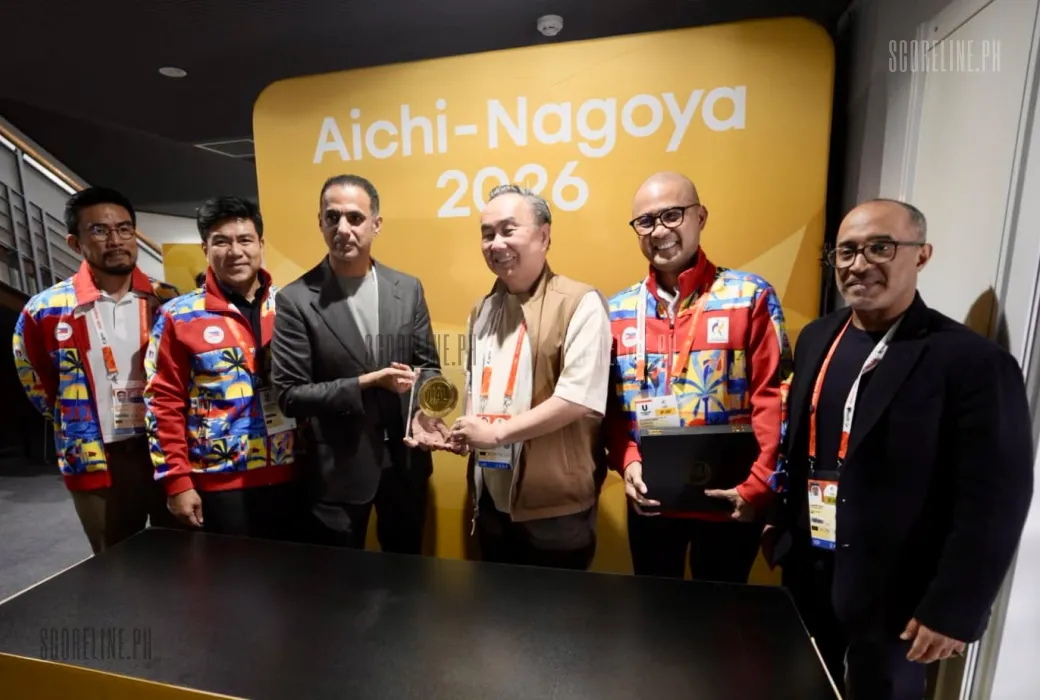
That was the message behind the meeting between Philippine Olympic Committee (POC) President Abraham “Bambol” Tolentino and Fahad Ali Al Shamsi, general secretary of both the UAE Jiu-Jitsu Federation and the Asian Jiu-Jitsu Union, on the sidelines of the Aichi-Nagoya 2026 Asian Games.

Tolentino presented Al Shamsi with an official POC token of appreciation—a gesture symbolizing friendship, cooperation, and a shared interest in advancing jiu-jitsu across Asia.

But beyond the ceremonial exchange lies a bigger picture.

For Filipino grapplers, international connections can open doors.

Stronger ties among sports organizations can help create opportunities for athlete development, international competition, and greater exposure to the sport’s evolving standards. While these benefits depend on how partnerships translate into concrete programs, building relationships is part of the work required to strengthen a sport beyond a single tournament.

For the Philippines, where athletes continue to test themselves against the continent’s best, that work matters. Medals celebrate what athletes achieve today; sustained development helps prepare the next generation for tomorrow.

The meeting in Nagoya may not have produced a score or a podium finish, but it highlighted another side of international sports: the people working to create opportunities beyond the competition floor.

Because the mission is bigger than one match, one medal, or one Asian Games campaign.

The fight is not just to win medals. It is to build a stronger future for Filipino jiu-jitsu—and that fight takes more than one team.

03.10.2026
Jeus Gabriel Derick Yape

No mercy. No opening. No way through. Yape crushes Vietnam’s Chau Ngoc Tuyet Sang

YAPE’S GOLDEN BEATDOWN! FILIPINO JIN DELIVERS FOURTH ASIAD GOLD WITH 1,120-0 DEMOLITION

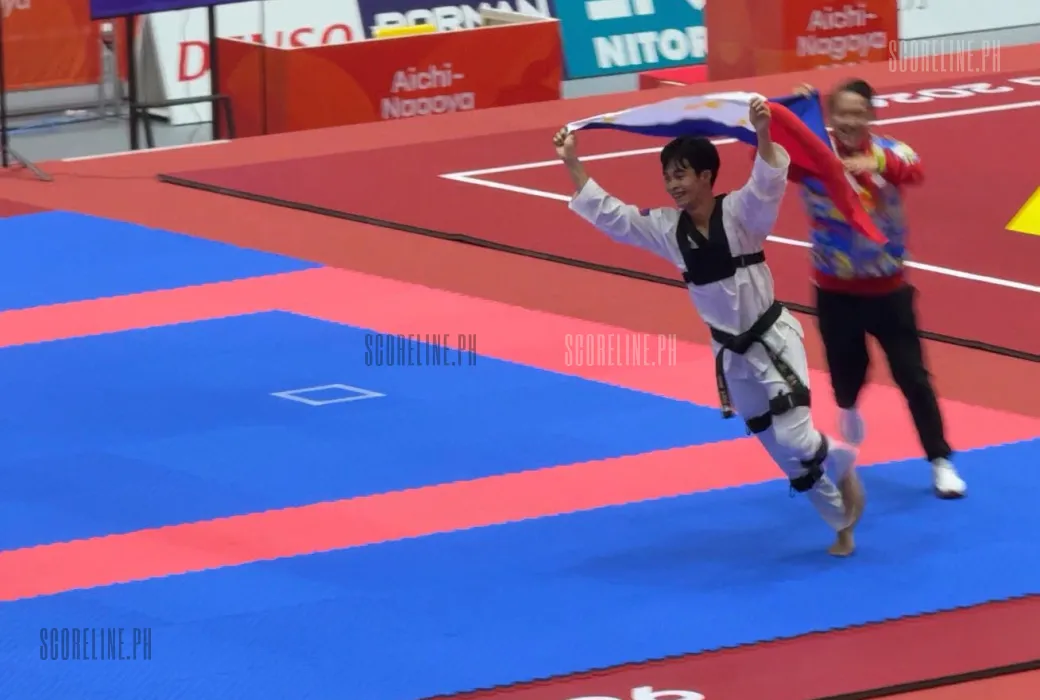
Jeus Gabriel Derick Yape delivered a virtual taekwondo masterclass, crushing Vietnam’s Chau Ngoc Tuyet Sang in a commanding 2-0 sweep to secure the Philippines’ fourth gold medal at the 2026 Asian Games in Aichi-Nagoya.

Yape was untouchable when it mattered most, shutting out Chau, 500-0, in the opening round before turning up the pressure in the second with another lopsided 620-0 victory. Across two rounds, the Filipino jin piled up a staggering 1,120-0 advantage in Remaining HP.

The championship bout was a showcase of Yape’s attacking precision and defensive control. He registered 21 total kicks, including five head kicks, and five blocks, outproducing Chau in total kicks and blocks to seal the gold without surrendering a single point in Remaining HP.

But Yape’s victory meant more than another medal for the Philippine delegation. His triumph brought the country to four golds, matching its haul at the 2022 Hangzhou Asian Games, while the Philippines surpassed its previous overall medal tally with additional silver and bronze medals.

From the virtual mat to the medal stand, Yape made his statement loud and clear: the Filipino fight is alive, and the gold rush continues.

One performance. Two dominant rounds. One more golden moment for the Philippines.

Mabuhay, Jeus Yape!

02.10.2026
Khy Progella and Sofiah Pagara

The gold-medal dream is gone, but the fight isn’t over

𝗢𝗡𝗘 𝗟𝗢𝗦𝗦. 𝗢𝗡𝗘 𝗠𝗢𝗥𝗘 𝗙𝗜𝗚𝗛𝗧. 

Alas Pilipinas’ Khy Progella and Sofiah Pagara suffered their first loss of the tournament Thursday, falling to Thailand’s Worapeerachayakorn Kongphopsarutawadee and Taravadee Naraphornrapat, 21-23, 18-21, in the women’s beach volleyball semifinals of the 20th Asian Games.

The Filipinas came within striking distance in both sets but could not find the finishing touch against the Thai pair, who advanced to the gold-medal match.

For Progella and Pagara, the defeat was especially painful.

They entered the semifinal unbeaten and had already survived a tough quarterfinal battle against Japan to book their place in the final four.

They also carried unfinished business after Sisi Rondina and Bernadeth Pons were beaten by the same Thai tandem just a day earlier.

But Thailand once again had the final say.

Still, there is no time to dwell on what slipped away.

A medal is still within reach.

Progella and Pagara will battle China’s Cao Shuting and Dong Jie on Friday with a bronze medal on the line.

The road to gold may have ended.

The road to the podium hasn’t.

One more match. One more chance to finish this Asian Games campaign with a medal around their necks.

𝗔𝗟𝗔𝗦, 𝗚𝗜𝗥𝗟𝗦. 𝗙𝗜𝗚𝗛𝗧 𝗙𝗢𝗥 𝗕𝗥𝗢𝗡𝗭𝗘.  

01.10.2026
LA Olympics

The road to LA 2028 is already turning into a nationwide spectacle

50 STATES. ONE FLAME. ONE OLYMPIC DREAM 

Atlanta will make history as the first U.S. stop for the Olympic flame after it arrives from Greece, officially kicking off a torch relay unlike any the country has seen before. 🇬🇷➡️🇺🇸

And here's what makes it massive: the Olympic flame is set to travel through all 50 states.

From America's biggest cities to its smallest communities, the torch will bring the Olympic spirit directly to the people—turning the countdown to Los Angeles into a celebration far beyond the host city.

This isn't just about carrying a flame.

It's about carrying a symbol of sport, dreams, perseverance and unity across an entire nation.  

Atlanta gets the first chapter.

Los Angeles gets the grand finale.

But all 50 states get to be part of the story.

LA 2028 IS COMING—AND AMERICA IS GETTING READY TO CARRY THE FLAME.  


01.10.2026
PSC Chair Patrick Gregorio

Sometimes, a medal starts with a decision to invest.

“𝗧𝗢 𝗕𝗘 𝗧𝗛𝗘 𝗕𝗘𝗦𝗧, 𝗚𝗘𝗧 𝗧𝗛𝗘 𝗕𝗘𝗦𝗧.” 

For Philippine archery, that decision came when Philippine Sports Commission Chairman Patrick “Pato” Gregorio backed the hiring of two South Korean coaches with Olympic pedigree—Ryu Su Jeng and Hong Sung Chil.

The gamble paid off.

Less than 10 months after arriving in Manila, the Korean mentors helped reshape the national team’s training approach, with an emphasis on high-volume preparation, biomechanics, equipment tuning and pressure situations.

Then came Amaya Paz-Cojuangco.

At the 2026 Aichi-Nagoya Asian Games, the veteran archer broke through a 12-year Philippine archery medal drought—and came agonizingly close to gold.

Cojuangco dominated Iran’s Bita Asheghzadeh Oskouei, 146-135, in the quarterfinals before producing a stunning 142-141 victory over South Korea’s Park Jungyoon in the semifinals.

Suddenly, the Philippines had its first-ever Asian Games archery finalist.

In the gold-medal match, Cojuangco fought Indonesia’s Nurisa Dian Ashrifah arrow for arrow. The Indonesian eventually prevailed, 139-137, but the silver was already historic.

It surpassed Paul Marton Dela Cruz’s bronze in 2014 as the Philippines’ best-ever Asian Games finish in archery.

And behind the breakthrough was a philosophy Gregorio reportedly stood by: “If we want to be the best, get the best.”

When questions arose about the cost of bringing in elite foreign coaches, Gregorio recalled being told, “Chairman, how can we afford?”

His response: “That’s my problem. We will get corporate sponsors to share.”

That is the kind of gamble that changes a program.

No, the Philippines did not leave Japan with archery gold.

But it left with something potentially bigger: proof that investing in world-class knowledge can change what Filipino athletes believe is possible.

After 12 years without an Asian Games archery medal, Amaya Cojuangco has now put the Philippines back on the continental podium.

SILVER MEDAL. HISTORIC BREAKTHROUGH. AND PERHAPS THE START OF SOMETHING MUCH BIGGER.

01.10.2026
elizabeth means

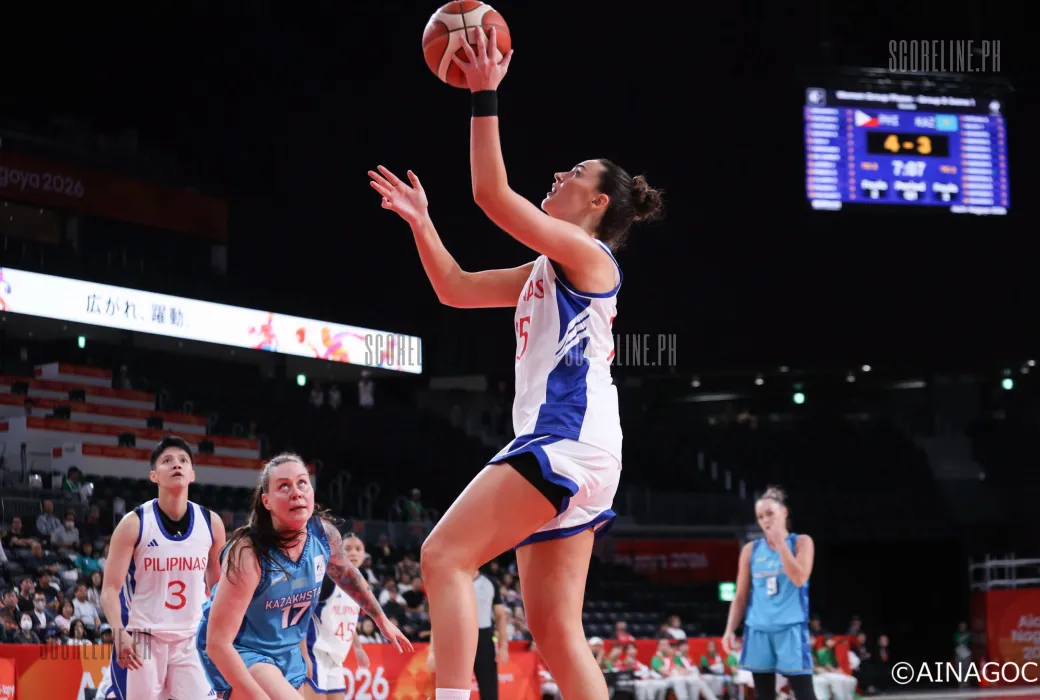
Elizabeth Means shines in debut as Gilas Women crush Kazakhstan in Asian Games opener

The Elizabeth Means era for Philippine women's basketball has officially arrived, and it comes with a lethal dose of defensive havoc and offensive brilliance.

Gilas Pilipinas Women opened their 20th Asian Games campaign with a resounding statement, dismantling Kazakhstan, 86-58, on Thursday, September 17, at the Aichi International Arena.

The lopsided victory immediately propelled the Filipinas to a 1-0 start in Group B, signaling their serious intent to contend for a podium finish in this year's tournament.

The Elizabeth Means Show

All eyes were on the newly minted naturalized reinforcement Elizabeth Means, and she did not disappoint. Making her highly anticipated 5-on-5 debut for the national team, Means spearheaded a relentless Filipino attack.

After Kazakhstan opened the game with a brief 2-0 lead, Means and the Filipinas locked down defensively, orchestrating a massive breakaway that saw the lead swell to as many as 39 points. Means finished the evening with a spectacular game-high 23 points, 4 rebounds, and an elite 8 steals, completely disrupting Kazakhstan’s backcourt rhythm.

Complete Team Effort

While Means provided the frontline firepower, the Gilas local crew showcased the depth and chemistry built under the national program.

Stef Berberabe pulling the strings flawlessly, flirting with a double-double by putting up 11 points, 8 assists, and 4 rebounds.

The trio of Jhaz Joson, Kent Pastrana, and veteran sniper Janine Pontejos providing steady ammunition off the wings, chipping in 8 points apiece to keep the Kazakh defense guessing.

Kazakhs Stifled

Kazakhstan struggled heavily against the Filipinas' full-court pressure and active hands. Tamara Noiok paced the losing squad with 11 points and two assists, while Anna Bezgovada fought hard in the paint to salvage a 10-point, 15-rebound double-double, but their efforts were ultimately drowned out by Gilas' transition game.

What's Next?

With momentum firmly on their side, Gilas Pilipinas Women will look to make it two in a row when they return to action on Sunday, September 20, facing off against Hong Kong.

Tip-off is scheduled for 9:00 AM, Manila time.

17.09.2026
Agatha Wong

Five years to wait: Agatha Wong chases elusive Asian Games gold

For Agatha Wong, the road to the 2026 Asian Games is about more than medals.

It is about making every opportunity count.

With the next edition of the continental showpiece not scheduled for another five years, Wong knows just how precious her chance in Aichi-Nagoya will be.

The 28-year-old Philippine wushu standout is therefore leaving nothing behind as she prepares to compete once again on the biggest stage in Asia.

“I’m very excited to go to Japan and just give it my all,” Wong said during the Philippine delegation’s send-off at the Rizal Memorial Coliseum.

That determination comes from experience.

Wong already owns an Asian Games medal after winning bronze in the 2018 Jakarta-Palembang edition. But she missed the podium in Hangzhou in 2022, leaving her with unfinished business heading into her latest campaign.

Now, the six-time Southeast Asian Games gold medalist is chasing the one prize that has remained out of reach: Asian Games gold.

Between the classroom and the competition floor

Wong's preparation is even more remarkable because she is balancing elite-level sport with medical school.

A student at the University of the East Ramon Magsaysay Memorial Medical Center, Wong arrived at the Rizal Memorial Coliseum on Thursday wearing her school uniform.

For the send-off, she changed into the official Asian Games tracksuit of Team Philippines.

After the event, she switched back into her school uniform.

It was a simple moment that perfectly captured the two worlds Wong continues to navigate—student and elite athlete.

For Wong, however, the demanding schedule is manageable because of the support she receives from her school.

“It’s actually doable,” she said, noting that her school has supported her since she began medical studies.

That backing has allowed her to continue pursuing both medicine and wushu without giving up either dream.

A second chance at the Asian Games

Wong's Asian Games journey has already had its highs and lows.

Her bronze medal in Jakarta-Palembang announced her as one of the Philippines' leading wushu athletes.

Then came Hangzhou, where she failed to make the podium.

Rather than allowing that disappointment to define her, Wong has used it as another reason to keep pushing.

The upcoming Aichi-Nagoya Games now offer another opportunity.

And Wong understands that the window will not remain open forever.

“After this year’s Asian Games, I think the next one will be in five years,” she said. “So this one is really special. I hold it close to my heart.”

That sense of urgency has shaped her mindset.

She is not simply preparing to compete.

She is preparing to give everything she has.

Courage in the face of pressure

The Asian Games brings together the best athletes in the continent, and Wong admits that competing at such a level can be intimidating.

But fear has never been enough to stop her.

Instead, she embraces the discipline and courage required to perform when the stakes are highest.

“I’m giving it my all, all my effort. All the amount of discipline that I can muster and courage,” Wong said.

That mentality has helped build a decorated career that already includes six SEA Games gold medals.

Yet for all those victories, the Asian Games remains different.

The competition is tougher.

The stage is bigger.

And the opportunity is rarer.

One more shot

When Wong steps onto the wushu floor in Aichi-Nagoya, she will bring years of experience with her.

She will also bring the lessons from Jakarta-Palembang, the disappointment of Hangzhou, the discipline demanded by medical school and the belief that she still has more to give.

For a few minutes, there will be no lectures, examinations or textbooks.

There will only be Wong, her routine and the chance to make history.

The goal is clear.

Asian Games gold.

And with five years before the next opportunity comes around, Wong knows there is no reason to hold anything back.

One more chance. One more fight. One more shot at the gold.

This time, Agatha Wong isn't just showing up.

She's going all in. 🇵🇭🥋

10.09.2026
John Ceniza

From “NO” to the Olympics: John Ceniza’s incredible rise from poverty

He was told “no.” So he lifted. And eventually, he lifted his way to the Olympics.

Long before John Ceniza became an Olympic weightlifter, he was a young boy from Pasil, Cebu, who knew the harsh realities of poverty.

Raised by his grandmother, Ceniza grew up with very little. There were times when putting food on the table meant eating rice with nothing more than soy sauce or fish sauce.

As a child, he worked as an errand boy and carried wood in exchange for whatever small amount of money he could earn.

For Ceniza, survival came before sports.

But an unlikely moment involving his own brother would eventually change the direction of his life.

Ceniza discovered weightlifting almost by accident after his brother acquired new gym equipment—but refused to let him use it.

It was a simple rejection.

A small “no.”

But instead of walking away, Ceniza found himself even more determined to try.

What began with curiosity eventually became a passion. The boy who once struggled simply to get enough food would go on to dedicate himself to one of the most demanding sports in the world.

Every lift became another step away from the circumstances he was born into.

Every training session became another opportunity to prove that his beginnings did not have to define his destination.

And eventually, Ceniza reached the biggest stage of them all—the Olympic Games.

His journey is a powerful reminder that sporting greatness does not always begin in elite facilities or with access to every advantage.

Sometimes, it begins in the most unlikely places.

Sometimes, it begins with poverty.

Sometimes, it begins with a child simply wanting to try something he was told he couldn't do.

And sometimes, one small “no” can become the motivation to keep lifting until the entire world takes notice.

From Pasil, Cebu, to the Olympics, John Ceniza's journey is more than a weightlifting story.

It is a story about hunger, resilience, determination—and refusing to let circumstances decide how high you can rise.

He started with almost nothing. But he kept lifting until he had earned his place among the world's best.

That is the kind of story Philippine sports should never stop telling.

06.09.2026

Top News

Kenji Moral

Kenji Moral’s Fast Break to Rising Star in PH's Youth Basketball

2,190
Mario Barasi Jr.

Mario Barasi Jr.: Rising Big Man ready for the PBA stage

829
Michael Martinez

Michael Martinez: The Filipino Athlete Who Funded His Own Olympic Dream

410
Masters Pinoy Pilipinas Basketball squad with team Mongolia.

Masters Pinoy captures basketball gold at the World Masters Games

388
janine

Exclusive: Janine Nicandro, The Journey of a PBA Referee

369
Loren Brill

Loren Brill: Reigniting a basketball legacy born of champions

341
Guiness Nabung of Masters Pinoy Pilipinas Basketball team.

Guiness Nabung - Masters Pinoy Pilipinas Basketball Profile

305
Isaiah Africano poses for Scoreline.ph during the PBA 50th Rookie Draft

Isaiah Africano joins Guam National Team for FIBA WCA Qualifiers

300
Johann Chua & Carlo Biado

17 Filipino cue artists eye glory at World Pool Championship in Saudi Arabia

298
Efren Reyes

Player Profile Series: “The Magician” Efren “Bata” Reyes

293
Gilas Pilipinas

Gilas Pilipinas begins Asian Games title defense with a new-look squad

292
Andre Jamgerald Ugaddan

Andre Jamgerald Ugaddan – “Batang Mamaw” ng Reg. 4A

282
Kevin Quiambao

UAAP: UP fighting Maroons fall short to Green Archers, forced to Game 3

275
Paul Reguera

Paul Reguera - Masters Pinoy Pilipinas Basketball Profile

264
Dr. Obet Vital is the new Assistant Coach of the UP Fighting Maroons Women's Volleyball Team

Looking Ahead: Obet Vital's new era of growth and opportunity

261
Alvin "The Captain" Patrimonio - a player with a lion heart.

Player Profile Series: “The Captain” Alvin Patrimonio’s lion heart

243
Deanna Wong

Player Profile Series: Deanna Wong, The Court’s Quiet Leader

231
Ricky Ricafuente

Ricky Ricafuente - Masters Pinoy Pilipinas Basketball Profile

230
First ever PBA MVP William "Bogs" Adornado.

Player Profile: William "Bogs" Adornado - First PBA MVP

226
Oliver Agapito of Masters Pinoy Pilipinas Basketball team.

Oliver Agapito resharpens his basketball form with Masters Pinoy

222
Roger Yap of Masters Pinoy Pilipinas Basketball team.

Roger Yap - Masters Pinoy Pilipinas Basketball Profile

212
Aiza Maizo-Pontillas

Player Profile Series: The fierce journey of Aiza Maizo-Pontillas

201
Captain Nica Celis of the UP Fighting Maroons Women's Volleyball Team

Nica Celis aims to helm Fighting Maroons' escape from bottom spot

199
Alberto "Abet" Guidaben - PBA 50 Greatest Players (2000)

Player Profile Series: Abet Guidaben – PBA Legend, 2 Slams

191
Toshihiko Era

Japanese boxer scores a remarkable victory in Bangkok at age 50

190
Johann Chua

Player Profile Series: Johann Gonzales Chua - The "Bad Koi"

187
Cloanne Mondonedo

Player Profile Series: Clo Mondoñedo’s journey to setter glory

179
Alex Pagulayan

Player Profile Series: Billiards' "Lion Heart" Alex Pagulayan

178
Kamille Cal

Player Profile Series: Kamille Cal brings precision to Akari

177
Sisi Rondina and Bernadeth Pons

Rondina, Pons claim first Challenge win at Beach Pro Tour Nuvali

174
Association of Boxing Alliances in the Philippines

13-strong boxers to lead PH Boxing Team in 2025 SEA Games

173
Sisi Rondina

Player Profile Series: Sisi Rondina, Volleyball’s Cherry Bomb

169
"The Quick Brown Fox" - Ricardo Brown

Player Profile Series: Ricardo Brown – "The Quick Brown Fox"

165
PBA Commissioner Willie Marcial

PBA Season 50 eyes more overseas tours and foreign guest teams

155
Arena Fitness Dojo

From Grassroots to Global: Arena Fitness Dojo

154
Spike and Serve with Petro Gazz Angels & Volleybukids

Spike and Serve reaches out to Volleybukids in Morong, Bataan

152
Ricky Ricafuente

Ricky Ricafuente brings his global experience to Masters Pinoy

151
Francisico Bustamante

Player Profile Series: The iconic Francisco "Django" Bustamante

149
Freddie Hubalde - The Silent Operator

Player Profile Series: Freddie Hubalde - The Silent Operator

146
Ginebra's RJ Abarrientos tries to score against NorthPort's import Kadeem Jack.

Ginebra dominates NorthPort to get Game 1 of their Semis series

143
Philip Cezar - PBA's Tapal King

Player Profile Series: Philip Cezar – The PBA's Tapal King

143
Jelena Todorovic is the new Head Coach of Fortaleza Basquete Cearens.

Brazil’s NBB gets first female coach in Jelena Todorovic

142