Philippine taekwondo leaves its mark in Aichi-Nagoya
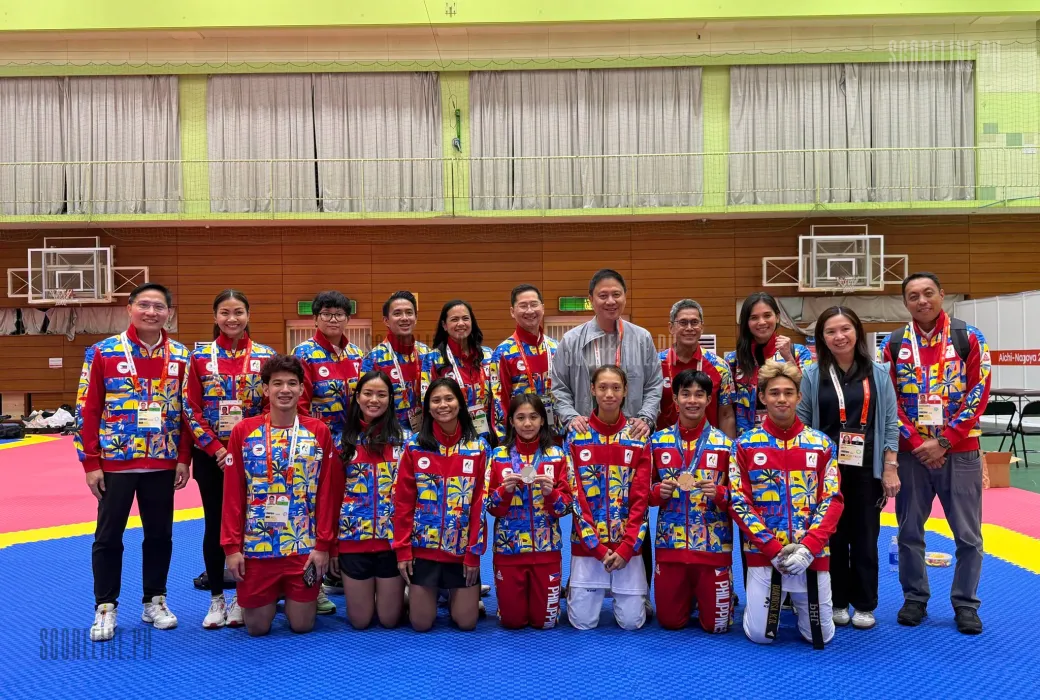
ONE GOLD. THREE SILVERS. ONE BRONZE. FIVE MEDALS—AND A STATEMENT FROM PHILIPPINE TAEKWONDO.
Philippine taekwondo did not come to Aichi-Nagoya simply to participate.
The Filipino jins came to make noise—and they did.
When the campaign ended, the scoreboard showed a remarkable haul: one gold, three silvers, and one bronze.
Five medals.
Four athletes.
One Philippine flag.
And behind those numbers is a campaign that deserves more than a passing mention in the final medal tally.
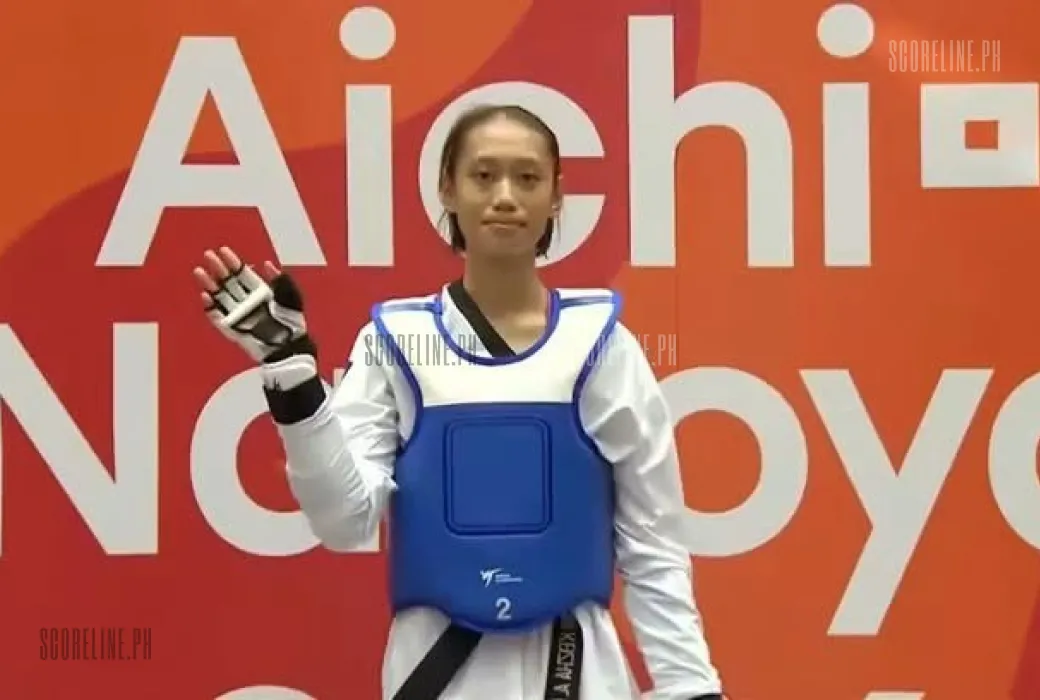
At the center of it was Jeus Gabriel Yape, who made history by capturing the inaugural individual virtual taekwondo gold. He wasn't finished there, adding a bronze in individual poomsae to become one of the Philippines’ multi-medal performers in the Games.
Then came three more podium finishes.
Tachiana Mangin delivered silver in the women’s -49kg.
Kurt Barbosa followed with silver in the men’s -58kg.
And Juliana Candelaria added another silver in individual poomsae.
Different disciplines. Different opponents. Different routes to the podium.
Same mission. Same flag. Same fight. 🇵🇭
What makes the campaign particularly striking is the range of events in which Filipino taekwondo athletes found success. From poomsae to combat competition and the emerging virtual format, the Philippine contingent showed that its presence extends beyond a single discipline.
The medal haul also contributed to a historic overall Asian Games campaign for the Philippines, which recorded its biggest medal tally in more than six decades, according to the Philippine Sports Commission.
But medals don't simply appear on a scoreboard.
They come from years of repetition when nobody is watching, early mornings, painful sessions, technical adjustments, sacrifices, and the pressure of knowing that an entire country is watching when the moment finally arrives.
That is the part the medal tally cannot measure.
For Philippine taekwondo, Aichi-Nagoya was more than a collection of podium finishes.
It was a reminder that Filipino athletes can compete, adapt, and deliver across different formats on one of Asia’s biggest sporting stages.
Five medals later, the message is difficult to ignore:
Philippine taekwondo belongs in the conversation.
The Asian Games campaign is over.
The medals will go into the record books.
But for Yape, Mangin, Barbosa, Candelaria, and the athletes who will follow them, the next fight has already begun.