EDITORIAL TEAM/JET HILARIO
Jet Hilario
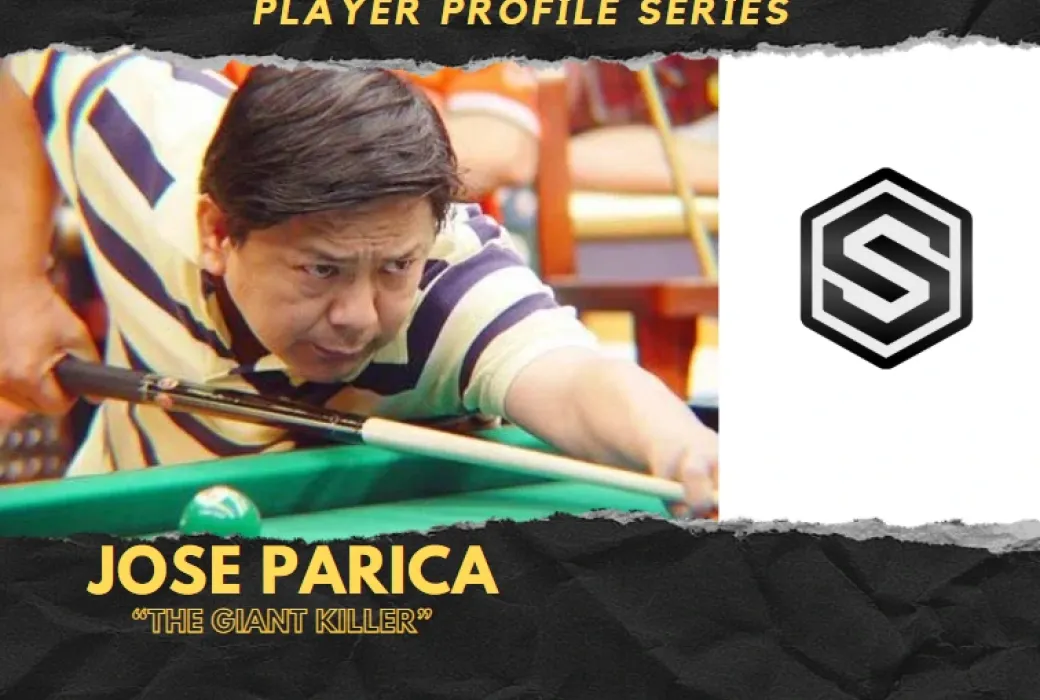
Player Profile Series: Jose Parica, known as “The Giant Killer”
Jose Parica is a legendary Filipino professional pool player from Manila, widely known by his nicknames “Amang” (meaning Father) and “The Giant Killer.” He is a Hall of Famer in the Philippines and internationally.
Parica is best known for spearheading the “Filipino invasion” of the American pool scene in the late 1970s, particularly in Nine-ball.
In his quest to secure better opportunities and recognition for Filipino billiard players, Jose Parica took a pioneering step by founding the Philippine Pocket Billiards Association in 1976, where he also served as its first president. This marked a crucial moment in the formal organization of the sport in the Philippines.
That same year, Parica began making waves internationally. He was invited to compete in the prestigious All Japan Championship, where he impressively finished second in the Rotation division, falling just short to Japanese cue artist Tetsuro Kakuto.
In 1978, Parica broke new ground as the first professional Filipino billiards player to compete in the United States, participating in the World Straight Pool Championship and finishing 11th — a strong showing for a debut on the world stage.
By 1979, Parica returned to the Philippines and asserted his dominance at home, capturing national titles in 3-Cushion, Rotation, and Snooker — a rare and remarkable triple crown that showcased his versatility and skill across multiple billiards disciplines.
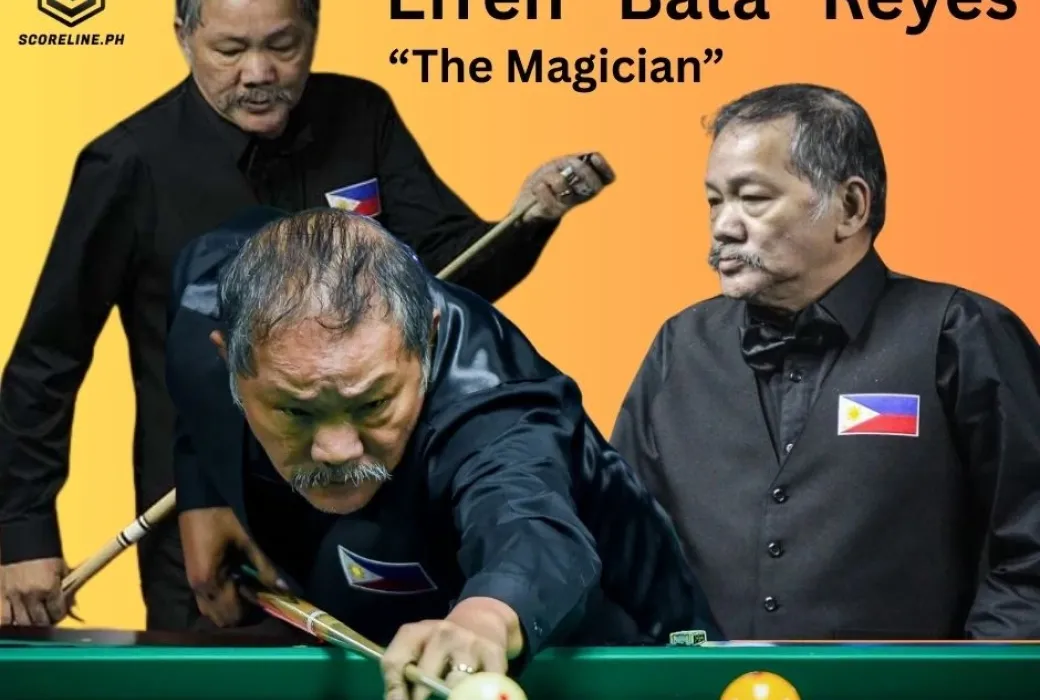
In 1985, Jose Parica was joined by fellow Filipino legend Efren “Bata” Reyes in the United States, marking the beginning of what would later be known as the iconic "Filipino Invasion" — a period that reshaped the global pool scene through the dominance of Filipino cue artists.
But even before that, Parica had already etched his name into history. In 1982, he won the Playboy All-Around Classic, becoming the first male Asian player to win a professional pool event in the United States — a groundbreaking achievement for Asian representation in the sport. His success continued to build.
In 1986, Parica claimed titles at both the Clyde Childress Memorial 9-Ball Open and the Classic Cup V, further proving his consistency and elite level of play.
With a career tally of over 100 international tournament victories — spanning the United States, the Philippines, and Japan — Parica’s résumé stands as one of the most decorated in billiards history.
Achievements:
1982 Playboy All-Around Classic Champion
→ First male Asian player to win a professional pool event in the United States.
1986 Clyde Childress Memorial 9-Ball Open Champion
1986 Classic Cup V Champion
1988 All Japan 9-Ball Championship Winner
1988 JPPA World 9-Ball Championship Winner
→ Defeated Efren Reyes 9–3 in the finals.
→ First male Asian to win a world championship in pocket billiards.
→ Tournament featured a record 900 participants.
1996 Multiple Tournament Wins
→ Defeated Efren Reyes three times in finals after returning to full-time play.
1997 Camel Tour Champion
→ Won 5 tournaments, ranked No. 1 on the professional tour.
→ Earned $50,000 overall bonus, defeating Buddy Hall in the finale.
→ Named Billiards Digest Player of the Year (1997).
In 1988, Parica dominated the Japanese circuit, winning the All Japan 9-Ball Championship.
Later that year, he captured the prestigious JPPA World 9-Ball Championship, which featured a record-breaking 900 participants. In a highly anticipated final, Parica defeated longtime rival Efren Reyes with a commanding 9–3 victory.
This triumph officially made Parica the first male Asian player to win a world championship in pocket billiards.
By 1996, he returned to full-time competition and quickly made an impact, winning four tournaments that year, including three finals victories over Reyes.
The following year, 1997, would be one of the greatest seasons of his career. Parica won five major tournaments, earned the No. 1 ranking on the professional tour, and clinched the Camel Tour overall bonus of $50,000 by defeating American legend Buddy Hall. His dominant season earned him the coveted Billiards Digest Player of the Year honor.
Despite his groundbreaking achievements and decades of dominance on the global stage, many fans and experts long felt that Jose Parica’s induction into the Billiard Congress of America (BCA) Hall of Fame was overdue. Widely regarded as a trailblazer for Asian players in professional pool, Parica continued to compete well into his 60s — not just to prove a point, but to earn the formal recognition that countless peers and pundits believed he had already long deserved.
That long-awaited honor finally came in 2014, when Parica was inducted into the BCA Hall of Fame at age 65, cementing his place among the all-time greats of the sport.
His induction was not just a personal milestone, but a symbolic victory for the entire Filipino billiards community — a testament to the generations of players he inspired and the global respect he helped Philippine pool command.
News
The Philippine Sports Commission (PSC) is pushing a landmark plan to open government-run golf courses to children aged 15 and below—completely free of charge.
Initiated by PSC chairman Patrick Gregorio, the proposal would give youth access to select courses, including Camp John Hay in Baguio and Intramuros Golf Club in Manila, starting at noon daily, seven days a week.
The plan, now with the Office of the President, awaits approval as President Ferdinand Marcos Jr. consults with golf industry stakeholders.
While some military-run courses may resist concerns about income and congestion, Gregorio believes the long-term benefits for grassroots golf outweigh the drawbacks. “If we want golf to grow, we have to let more Filipino kids touch a golf club—not just the ones who can afford it,” he said.
With golf’s high costs limiting access, the PSC hopes the initiative will spark broader participation, open doors to scholarships, and develop future champions from all backgrounds.

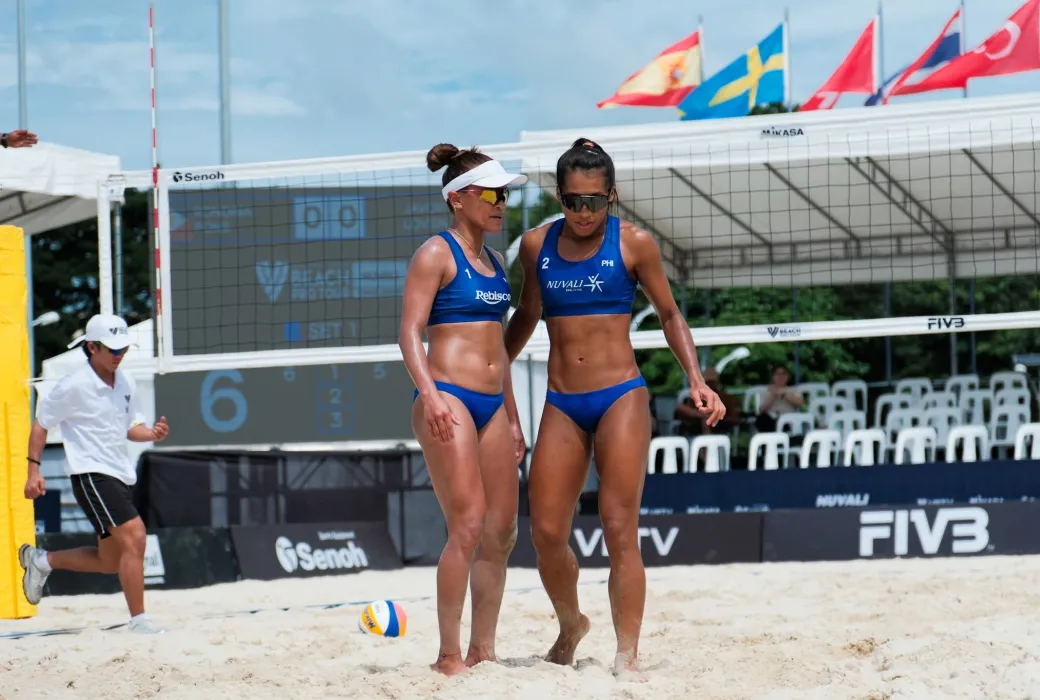
The Philippine women’s softball team—the Blu Girls—are eyeing nothing less than gold as they prepare to defend their title at the 33rd Southeast Asian Games this December in Thailand.
After softball’s two-edition absence from the SEA Games, head coach Ana Santiago said the team’s hunger for victory remains undiminished. “Nothing less than gold ang goal natin,” Santiago declared, recalling the Blu Girls’ last gold win at home in 2019.
A dominant force since 1979, the Blu Girls have collected 11 SEA Games golds and are returning as favorites. Team captain Charlotte Sales and power hitter Roma Cruz, both SEA Games debutantes, expressed confidence in the squad’s readiness, especially after a productive training camp in Taiwan.
“Malaking bagay ‘yung training camp namin. Nakatulong sa teamwork, communication, and ‘yung samahan,” Sales shared.
Cruz, who smashed five homers at the Asian Cup in China last July, is determined to prove herself on the SEA Games stage. “Gusto ko ipakita na kaya ko makipagsabayan,” she said.
While the Blu Girls topped Indonesia for gold in 2019, Santiago sees Singapore as this year’s biggest threat, citing their extensive preparations in Australia, Japan, and Taiwan.
The Philippines opens against Singapore on December 15, then faces Malaysia, Thailand, and Indonesia before the gold medal game on December 20.
Amateur Softball Association of the Philippines president John Henry Lhuillier’s marching order is clear: go for double gold in both women’s and men’s softball. “That’s the goal,” Santiago affirmed.
Cambodia has withdrawn from eight sports in the upcoming Southeast Asian Games in Thailand due to security concerns amid ongoing border tensions, an Olympic official confirmed last November 27.
The decision comes after intermittent military clashes between Cambodia and Thailand throughout the year, including a deadly July outbreak that left over 40 people dead.
Despite a US-brokered truce, diplomatic strains remain.
The National Olympic Committee of Cambodia (NOCC) informed the Southeast Asian Games Federation that it would skip events such as football, petanque, wrestling, judo, and karate, citing “significant security concerns” for its athletes and officials.
NOCC secretary-general Vath Chamroeun emphasized that the move was strictly about safety, reducing the delegation from 333 to 150 athletes competing in 13 sports.
The pullout is aimed at making monitoring easier amid heightened tensions over overlapping claims to ancient temples along the Cambodia-Thailand border.

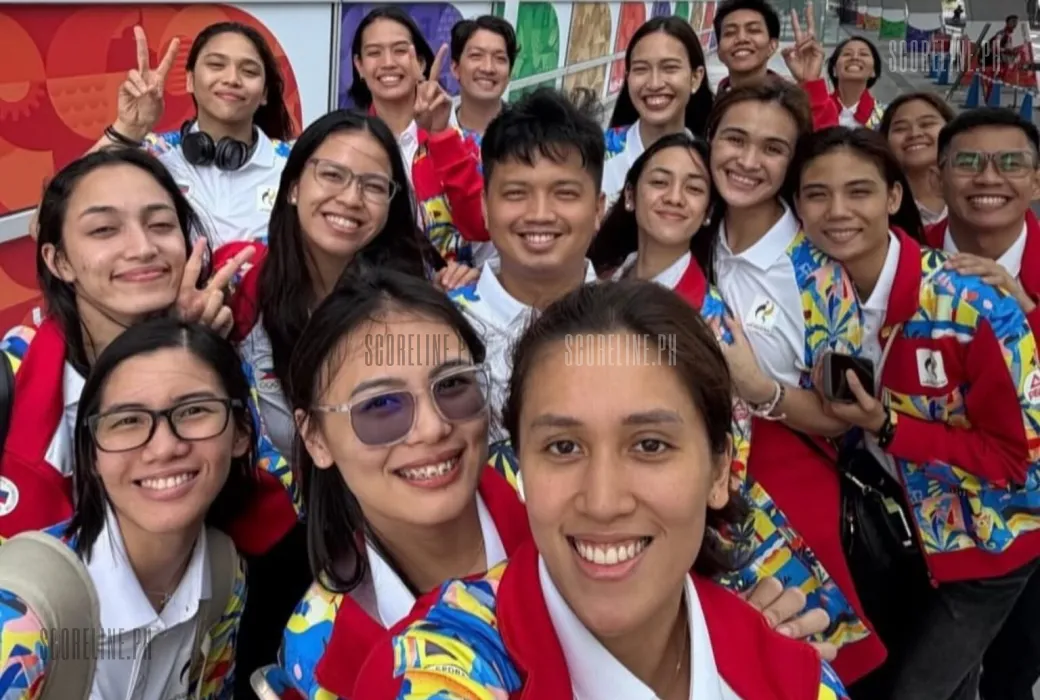
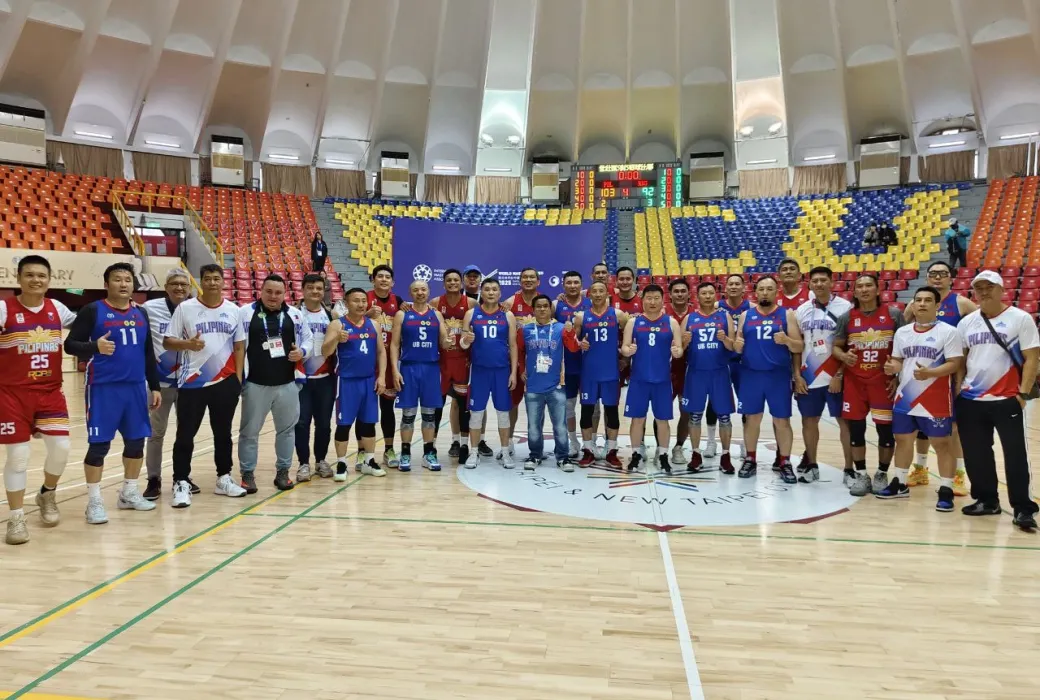
The Philippines will field its largest-ever delegation for the 2025 Southeast Asian Games in Thailand, sending 1,600 athletes, coaches, and officials to compete in 50 sports at the biennial meet during the 33rd 2025 send-off at Rizal Memorial Coliseum held last November 28.
Philippine Sports Commission Chairman Patrick “Pato” Gregorio said the decision to send a record-sized team was rooted in prioritizing exposure and athlete development over immediate results
“When you send a delegation, they learn. When you send a big delegation, they gain confidence and experience,” Gregorio said. “We want our athletes’ mindset and skills to toughen up so they can compete at the Asian Games and the Olympics.”
The 2025 SEA Games will feature 574 medal events, three demonstration sports—air sports, flying disc, and tug of war—and MMA as a value-added sport.
Gregorio emphasized that investing in athletes’ experience now lays the groundwork for future success. “We’re giving our athletes the exposure they need to compete better in the future,” he said.
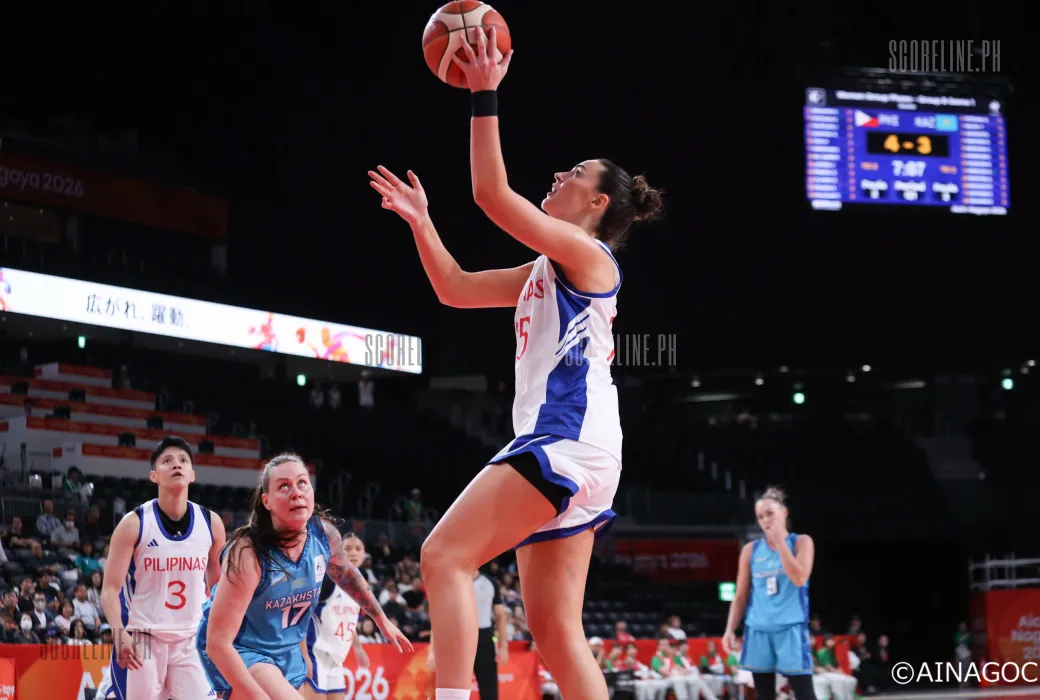
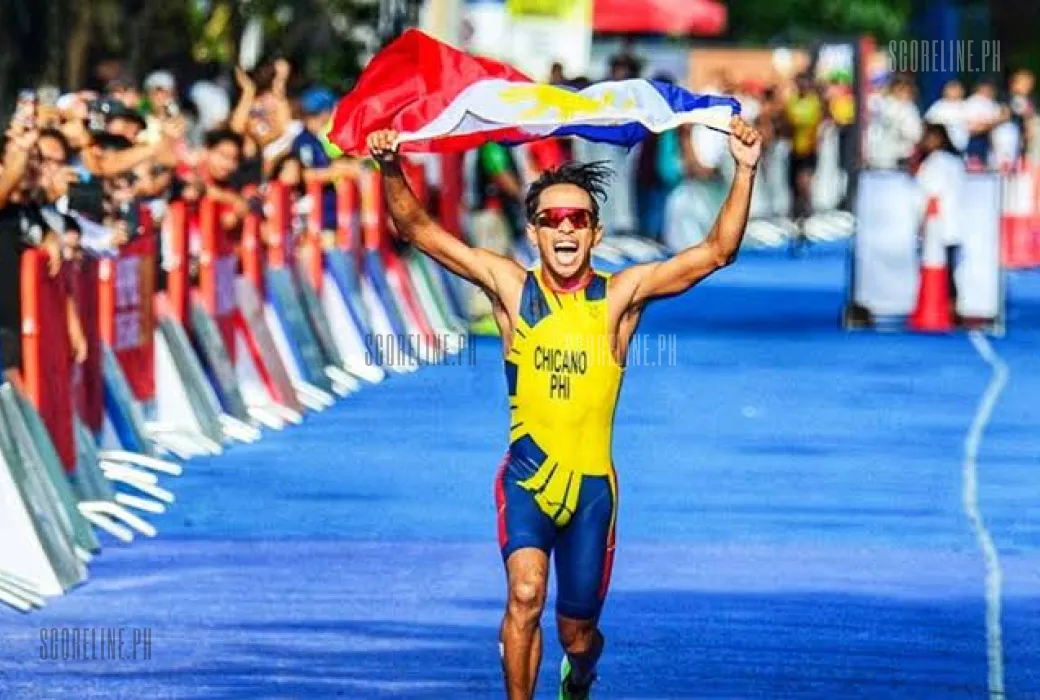
The Philippines will target podium finishes in medal-rich sports including basketball, esports, boxing, weightlifting, jiu-jitsu, and athletics when the SEA Games open on December 9.

In a heartfelt send-off, the senate committee on sports, Senator Bong Go, reminded the country’s national athletes of the immense pride and hope they bring as they head into international competitions.
“Always remember, you carry not just your name, but the spirit of every Filipino,” Go said. “When you win, the whole nation wins with you. No matter the result, you already carry the pride and admiration of the Filipino people.”
Reassuring the athletes of his unwavering support, the official added, “My office is always open for you. If you need anything—whether a solution or a problem—just come to my office.”
As the delegation prepared to embark on their journey, he encouraged them to fight with determination and honor the country. “Fight with all your heart. Bring home the bacon. The honor you bring to the country—you will carry it for the rest of your life. It is engraved in the history of the Philippines.”
He closed by urging the team to give their best, stay united, and make every Filipino proud: “Show the world how strong and united Filipinos can be.”