Your Connection to the Heart of Sports
Subscribe to our newsletter and our social medias

Top News

Rizal Memorial Tennis Center

The Philippines is getting another major dose of world-class tennis

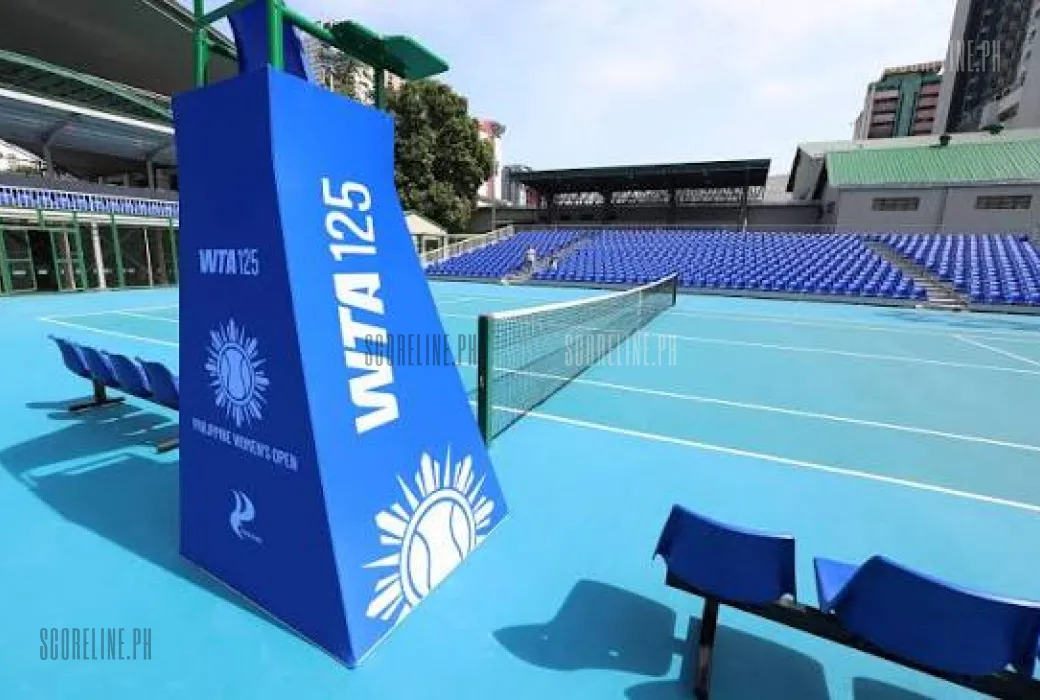
š— š—”š—”š—œš—Ÿš—” š—œš—¦ š—šš—˜š—§š—§š—œš—”š—š š— š—¢š—„š—˜ š—§š—˜š—”š—”š—œš—¦!  Manila is set to host two WTA tournaments in 2027, giving Filipino fans even more chances to watch elite women’s tennis on home soil.The WTA has approved Manila’s hosting application for a WTA 125, targeted for January and scheduled around the second week of the Australian Open.Then comes the bigger stage.Manila is also slated to host a WTA 250 in late October or early November 2027, according to Philippine Tennis Association (PHILTA) secretary general John Rey Tiangco.The double-header builds on the momentum of the successful WTA 125 Philippine Women’s Open staged in Manila earlier this year, further putting Philippine tennis on the international calendar.PHILTA  has also invited international players to include Manila in their 2027 schedules, adding more star power to what could be a landmark year for local tennis.And with Alex Eala continuing to make her mark on the global circuit, the prospect of seeing top-level WTA action — and potentially more international stars — on Philippine courts makes 2027 one to watch.TWO TOURNAMENTS. TWO WTA LEVELS. ONE TENNIS-HUNGRY NATION.MANILA IS READY TO SERVE.
11
Learn more
Jeus Gabriel Derick Yape

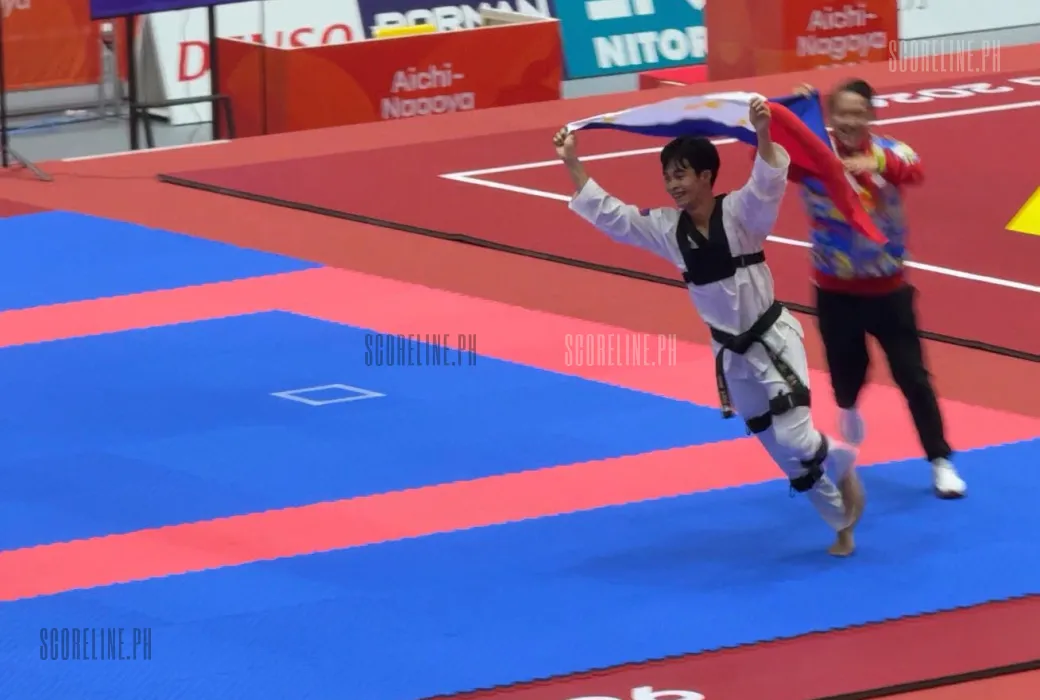
No mercy. No opening. No way through. Yape crushes Vietnam’s Chau Ngoc Tuyet Sang

YAPE’S GOLDEN BEATDOWN! FILIPINO JIN DELIVERS FOURTH ASIAD GOLD WITH 1,120-0 DEMOLITIONJeus Gabriel Derick Yape delivered a virtual taekwondo masterclass, crushing Vietnam’s Chau Ngoc Tuyet Sang in a commanding 2-0 sweep to secure the Philippines’ fourth gold medal at the 2026 Asian Games in Aichi-Nagoya.Yape was untouchable when it mattered most, shutting out Chau, 500-0, in the opening round before turning up the pressure in the second with another lopsided 620-0 victory. Across two rounds, the Filipino jin piled up a staggering 1,120-0 advantage in Remaining HP.The championship bout was a showcase of Yape’s attacking precision and defensive control. He registered 21 total kicks, including five head kicks, and five blocks, outproducing Chau in total kicks and blocks to seal the gold without surrendering a single point in Remaining HP.But Yape’s victory meant more than another medal for the Philippine delegation. His triumph brought the country to four golds, matching its haul at the 2022 Hangzhou Asian Games, while the Philippines surpassed its previous overall medal tally with additional silver and bronze medals.From the virtual mat to the medal stand, Yape made his statement loud and clear: the Filipino fight is alive, and the gold rush continues.One performance. Two dominant rounds. One more golden moment for the Philippines.Mabuhay, Jeus Yape!
11
Learn more
Philippine Team

Aichi-Nagoya was a Statement. Now, the Philippines must Build on it

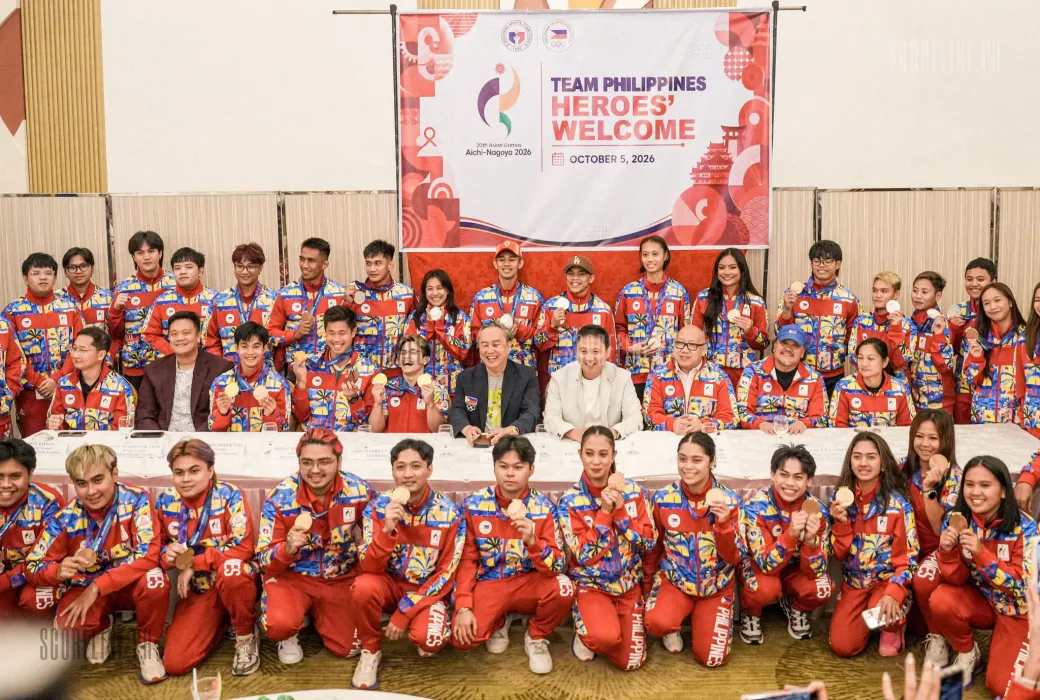
Four golds, 29 medals and the Philippines’ best Asian Games haul in 64 years have given the country something bigger than a celebration—a reason to rethink what Filipino sports can become.The medals are home.The athletes have returned from Japan carrying four golds, nine silvers and 16 bronzes, completing a 29-medal haul that PSC Chairman John Patrick C. Gregorio described as the Philippines’ best Asian Games performance in 64 years.But perhaps the biggest takeaway from Aichi-Nagoya is not the number of medals.Aichi-Nagoya gave Philippine sports a moment to celebrate. But it can also become something much bigger.A reminder that Filipino athletes are not short on ability. What matters now is building an environment where that ability can consistently reach its potential.The athletes have made their statement. Now the system has to make its own.Because if the Philippines truly wants to become a multi-sport nation, the goal cannot simply be to celebrate champions when they come home.It is the reminder of what Filipino athletes can accomplish when talent is matched with preparation, opportunity and the chance to compete on the biggest stage.This should be more than a celebration. It should be a wake-up call.Carlos Edriel Yulo once again showed the extraordinary ceiling of Filipino gymnastics, turning difficult routines into gold-medal performances.EJ Obiena continued to proves that the Philippines can produce world-class athletes even in disciplines traditionally outside the country's sporting spotlight.And they were not alone. Across the courts, fields, rings, pools and tracks of Aichi-Nagoya, Filipino athletes fought for every point, every second and every centimeter.Some won medals. Others fell short of the podium.But collectively, they delivered a message that should be impossible to ignore:The Philippines has the talent. The Philippines has the heart. The Philippines has athletes capable of competing with Asia's best.The danger after a successful campaign is believing the job is finished. It isn't.The medals are coming home, but the athletes who won them will eventually move on. Behind them is another generation—young athletes training in schools, local gyms, community courts and provincial facilities—waiting for its opportunity.And that is where Philippine sports faces its next challenge.Can the country provide the facilities, coaching, grassroots programs, equipment, competition exposure and long-term support needed to turn promising youngsters into international champions?Because developing athletes should not begin only when they are already winning medals.The system has to find them before they become champions—and build them into champions.The calendar is already moving. The SEA Games are next.Then comes the SEA Games Youth Plus, where the country's emerging athletes will get another opportunity to prove themselves.And beyond that sits the enormous stage of the Los Angeles 2028 Olympics.The next Carlos Yulo could already be training somewhere in the Philippines.The next EJ Obiena could already be clearing a bar. The next champion could already be dreaming.The question is whether the country will give that athlete enough reason to keep dreaming—and enough support to turn that dream into reality.The goal should be to create more of them. From Aichi-Nagoya to Los Angeles, the fire is burning. Now, let's build something that keeps it alive.
11
Learn more
Senator Bong Go

The future of athlete's must never become collateral damage in sports politics

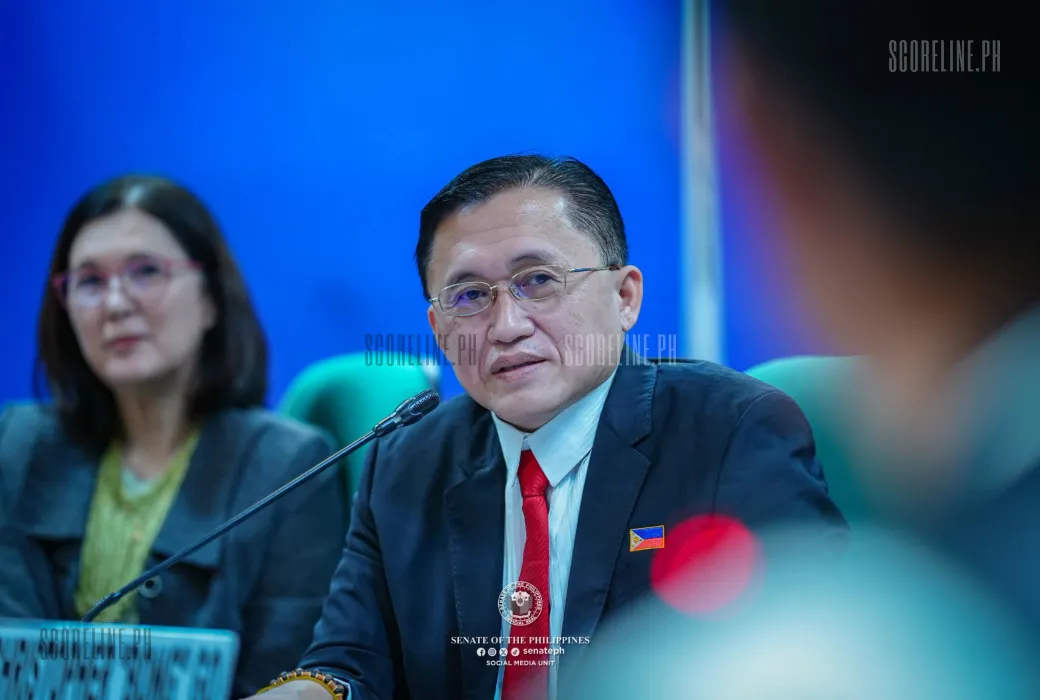
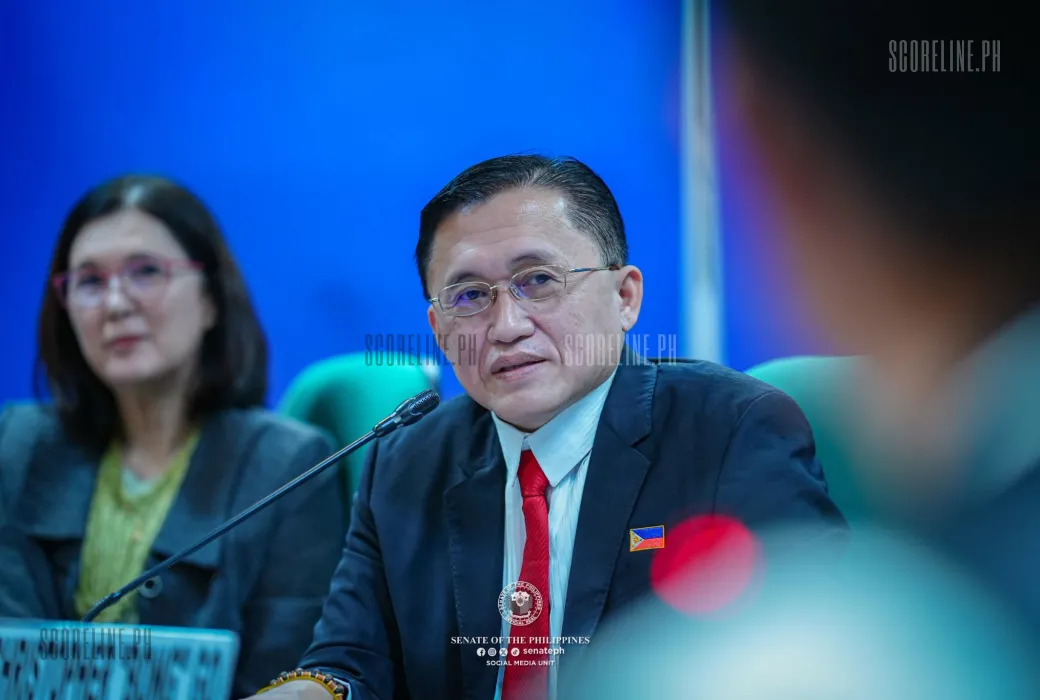
The flag belongs to the nation. The athletes carry it. Their future must never become collateral damage in sports politics.ā€œHindi dapat maapektuhan ang ating mga atleta ng sports politics.ā€Sen. Bong Go, chairperson of the Senate Committee on Sports, stressed a clear message during the post-evaluation of the Philippine delegation’s participation in the 20th Asian Games.Disagreements, governance issues, financial difficulties, and conflicts among sports organizations should never come at the expense of Filipino athletes.Our athletes train to win medals—not to get caught in boardroom battles and leadership disputes.They sacrifice years of their lives to represent the country. They deserve proper funding, quality preparation, stable leadership, and an environment where they can focus on competing—not worry about the politics surrounding their sport.Accountability matters. Good governance matters. But through it all, the welfare of athletes must remain the priority.Because when sports leaders clash, the consequences can reach far beyond the boardroom—and the athletes may be the ones left paying the price. 
11
Learn more
Alex Eala

The True Cost of Patriotism: Alex Eala’s Silent Battle with the Rulebook

THE HIDDEN PRICE OF REPRESENTING YOUR COUNTRY!For Alex Eala, playing for the Philippines is more than a tournament commitment. It's a matter of national pride.But behind that decision lies a difficult reality of professional tennis: choosing national team duty can create conflicts with mandatory tour commitments, ranking opportunities, and potential financial penalties.According to an account attributed to sports officials, Eala herself initiated the decision to represent the country. No pressure. No obligation. Just a Filipino athlete wanting to compete for her flag. šŸ‡µšŸ‡­AND THAT'S WHAT MAKES THIS ISSUE SO FRUSTRATING.Why should athletes have to choose between protecting their professional careers and representing their country?Why should answering the call of the national team potentially come at the expense of rankings, earnings, or tournament opportunities?PATRIOTISM SHOULD NEVER BE TREATED LIKE A PROFESSIONAL VIOLATION.Eala has worked hard to build her place in international tennis while continuing to represent the Philippines.Our athletes already sacrifice enough through training, travel, and competition. They shouldn't have to navigate unnecessary administrative obstacles simply to wear their national colors.This isn't just about Alex Eala. It's about every Filipino athlete trying to balance personal career ambitions with national pride.THE PHILIPPINE FLAG SHOULD BE A SOURCE OF HONOR—NOT A CAREER PENALTY.Sports organizations must work toward rules that recognize legitimate national team commitments without unfairly compromising athletes' professional opportunities.Because representing your country should be celebrated, not discouraged.
11
Learn more
UAAP

SBP Taps NBA 2K Tournament to Discover Future eGilas Stars

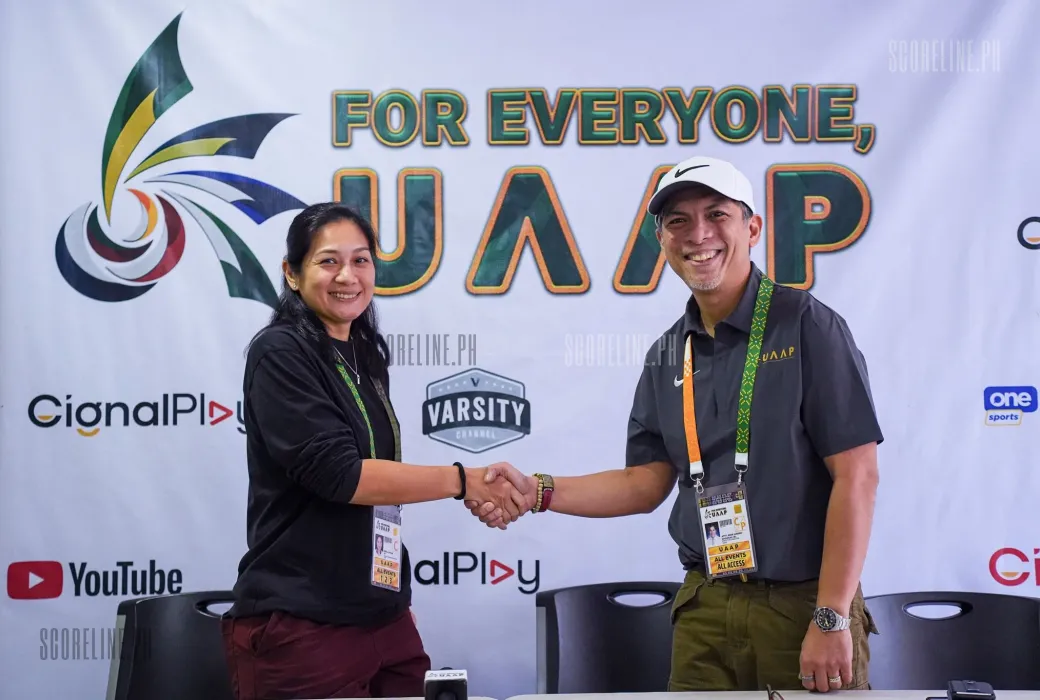
Defending eFIBA world champion Philippines strengthens its esports talent pipeline through collegiate competition.The next generation of Philippine basketball stars may not necessarily emerge from a traditional basketball court. Some could rise through the competitive world of esports.The Samahang Basketbol ng Pilipinas (SBP) is taking a major step to strengthen its national esports program by turning the UAAP NBA 2K tournament into a talent-identification platform for eGilas Pilipinas.Officially called the eFIBA x UAAP eGilas Talent Discovery Tournament, the initiative aims to identify promising collegiate esports athletes who could eventually represent the Philippines in international eFIBA competitions.The program comes as the Philippines looks to sustain its success after eGilas captured the eFIBA Season 4 World Finals championship in July 2026, establishing itself among the world's leading basketball esports teams.Building the Next Generation of World ChampionsSBP Executive Director Erika Dy emphasized the importance of developing a reliable pool of esports athletes, especially in a competitive environment where player turnover can be high.ā€œWe're glad that the UAAP continues to help us build our national teams, even in the esports realm,ā€ Dy said.She explained that collegiate tournaments provide an important opportunity to discover emerging talent and develop a sustainable pathway toward international competition.As esports continues to evolve, the SBP hopes the partnership will help eGilas remain competitive beyond its historic world championship victory.New Format, Bigger ChallengeThis year's UAAP NBA 2K competition will introduce the 5v5 Pro-Am format using NBA 2K27, bringing the tournament closer to the competitive standards used in international eFIBA events.The format emphasizes teamwork, communication, tactical execution, and the ability of individual players to perform specific roles within a coordinated five-player lineup.For eGilas Program Director Ryan Gregorio, the tournament represents an opportunity to establish a structured talent development system similar to the federation's approach in 3x3 basketball.Gregorio noted that the SBP previously used collegiate 3x3 competitions to identify promising players who eventually represented the Philippines in international tournaments.The federation hopes to replicate that development model in esports.UAAP Powerhouses Battle for NBA 2K SupremacyThe competition features eight UAAP universities battling for collegiate esports honors.Defending two-time NBA 2K champion Ateneo de Manila University enters the tournament seeking another title, while National University is aiming for a remarkable esports sweep after winning the Mobile Legends: Bang Bang and VALORANT competitions earlier this season.De La Salle University, University of Santo Tomas, Far Eastern University, University of the Philippines, University of the East, and Adamson University are also competing for the championship.The tournament is being staged at MVP Studios in Mandaluyong City, with the top two teams from each preliminary group advancing to the best-of-three crossover semifinals.The championship will also be decided through a best-of-three series.Beyond the collegiate title, the tournament offers participating players an opportunity to attract the attention of national team selectors.More Than Gaming: A Pathway to National RepresentationThe SBP's initiative highlights the growing importance of esports in Philippine sports development.For years, basketball excellence has been associated with physical conditioning, shooting ability, defensive discipline, and performances inside packed arenas.But basketball esports introduces another competitive environment where strategic thinking, quick decision-making, communication, and teamwork are equally important.The Philippines' eFIBA World Championship demonstrated that Filipino gamers can compete successfully against elite international opposition.However, sustaining that success requires continued talent development.Winning a world championship is a major achievement. Building a program capable of producing future champions is an even greater responsibility.The UAAP partnership could help establish a clearer pathway for student-athletes who want to pursue competitive basketball esports while representing their universities.The Bigger Challenge: Staying on TopAs defending world champion, eGilas now faces the challenge of maintaining its international standing.Other countries are expected to continue improving their competitive programs, making talent discovery and player development increasingly important.The SBP's decision to work with the UAAP offers a potential solution by creating opportunities to evaluate players in an organized collegiate environment.But identifying talent is only the beginning.Developing a successful national program will also require consistent training, experienced coaching, international exposure, and effective team chemistry.For Philippine esports, the opportunity extends beyond defending a title.It is about creating a sustainable system that allows talented Filipino gamers to develop into international competitors.The next eGilas world champion could already be competing in a UAAP NBA 2K match today.And if the SBP's development initiative succeeds, the Philippines could continue producing world-class basketball esports athletes for years to come.FROM CAMPUS COMPETITION TO INTERNATIONAL GLORY — THE ROAD TO THE NEXT eGILAS WORLD CHAMPIONSHIP STARTS IN THE UAAP.
11
Learn more
Ernie Gawilan

Ernie Gawilan's Extraordinary Journey From a Difficult Beginning to Philippine Para Swimming Greatness

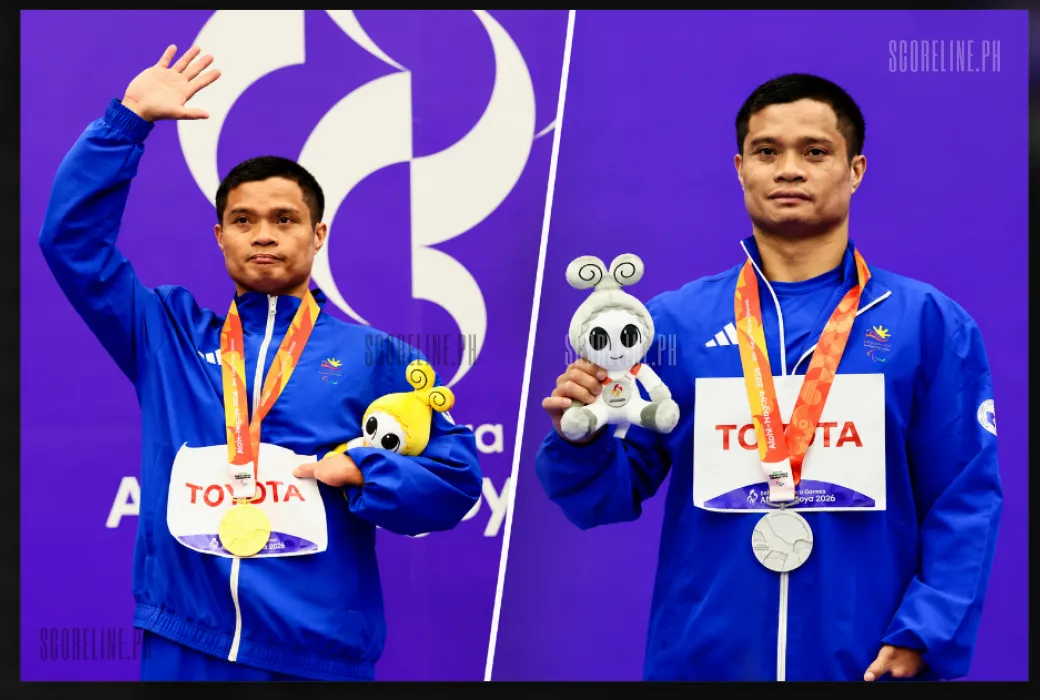
Two medals at the Aichi-Nagoya 2026 Asian Para Games tell only part of the story of a Filipino champion whose journey is defined by resilience, family, and a determination to inspire others.For Ernie Gawilan, standing on the Asian Para Games podium is about more than winning medals, hearing the Philippine national anthem, or adding another championship to an already remarkable career.It is about remembering where his journey began, honoring the people who gave him a chance to succeed, and showing persons with disabilities that sporting opportunities can open doors to extraordinary achievements.At 35, the veteran Filipino para swimmer continues to prove that experience, discipline, and determination can produce exceptional results against Asia's strongest competitors.His latest campaign at the Aichi-Nagoya 2026 Asian Para Games has already delivered two podium finishes — a gold medal in the men's 400-meter freestyle S7 and a silver in the men's 200-meter individual medley SM7.But behind those achievements is a deeply personal story that gives his victories special meaning.Gawilan is not simply collecting medals. He is building a legacy that extends far beyond the swimming pool.Gawilan has spoken openly about the circumstances surrounding his birth, sharing his belief that his underdeveloped lower extremities resulted from an unsuccessful abortion attempt during his mother's pregnancy.Rather than allowing the circumstances of his early life to define his identity, he found purpose and opportunity through competitive swimming.ā€œ'Yung kapansanan ko, nakuha ko po ito sa abortion. Hindi po siya naging negative sa akin. Nagamit ko po siya sa sports,ā€ Gawilan said.His words reflect the personal meaning he attaches to his journey.For Gawilan, swimming became a way to develop his abilities, discover his competitive potential, and eventually represent the Philippines internationally.He also believes that his life carries a purpose.ā€œ'Yun po 'yung ginawa sa akin, pero sa awa ng Diyos, hindi natuloy. Siguro may plano po para sa akin na magrepresenta sa bansa natin,ā€ he shared.His story has become an important part of his message to fellow persons with disabilities.But while his personal experiences inspire many, his achievements are also the product of years of training, technical development, and elite-level competition.His success deserves recognition not only because of the challenges he has faced, but because he has established himself as one of the Philippines' most accomplished para swimmers.Gawilan opened his latest Asian Para Games campaign with an outstanding performance in the men's 400-meter freestyle S7.Competing at the Rainbow Pool of the Nagoya City General Gymnasium, the Filipino swimmer clocked 4 minutes and 56.72 seconds to capture the gold medal.The victory delivered the Philippines' first gold medal of the Games and extended Gawilan's remarkable record in the event.It was his third consecutive Asian Para Games gold in the men's 400-meter freestyle S7.The achievement demonstrated his ability to remain competitive against younger international rivals.At 35, maintaining that level requires demanding physical preparation, consistent training, and the mental discipline necessary to perform under pressure.For Gawilan, finishing below five minutes was particularly satisfying.His performance reinforced his belief that age does not automatically prevent an athlete from delivering elite results.Just one day after winning gold, Gawilan returned to the pool determined to add another medal to the Philippine tally.He delivered once again.Competing in the men's 200-meter individual medley SM7, the Filipino veteran recorded 2 minutes and 52.72 seconds to claim silver.The result gave him two medals in as many days and improved his performance from the previous Asian Para Games, where he collected gold and bronze.ā€œSobrang happy ako sa performance ko. Noong last Asian Para Games, gold at bronze. Ngayon, umangat ng isa—gold at silver,ā€ Gawilan said.His improvement is particularly significant considering the physical demands of competing across multiple swimming events.The individual medley requires athletes to demonstrate proficiency in different strokes while maintaining endurance and technical consistency.For Gawilan, the silver medal was another indication that his training continues to produce results.And with the men's 100-meter backstroke still ahead in his campaign, he remains determined to finish the competition strongly.Behind Gawilan's international success are the people who helped raise him and supported his early development.Among the most important were his grandparents.Gawilan has credited them with giving him the care and support that allowed him to pursue his future.Although they passed away before witnessing his greatest sporting achievements, their influence remains central to his story.ā€œKahit hindi na nila naabutan 'yung tagumpay ko, maraming salamat. Dahil sa inyo, nadugtungan 'yung buhay ko at nakapagrepresenta ako ngayon sa bansa. Dahil sa inyo 'yon,ā€ he said.The tribute revealed the emotional significance of his accomplishments.Every international competition represents not only an opportunity to win medals, but also a chance to honor the sacrifices and support of those who helped him.His grandparents may no longer be present to celebrate his victories, but their influence remains part of every milestone he achieves.As Gawilan continues his international career, his priorities have also evolved.Now a husband and father, the Filipino champion says his greatest satisfaction comes from seeing his family happy.His wife and young child have become an important source of motivation.ā€œIlalaan ko ito sa mag-ina ko talaga. Kasi sa akin, okay na ako. Makita ko lang silang masaya sa achievement ko, okay na ako doon,ā€ he said.The statement reflects a different dimension of the veteran athlete's journey.While competition remains important, his achievements now carry meaning beyond personal recognition.He hopes the opportunities created by his sporting career will help provide a better future for his family.For an athlete who has spent years representing the country, that motivation adds another purpose to every training session and international competition.Stories about para-athletes often focus heavily on personal adversity.While those experiences can be meaningful, they should not overshadow the sporting achievements themselves.Gawilan's accomplishments are not simply inspirational moments.They are results earned through years of specialized training, competitive experience, technical preparation, and determination.His latest Asian Para Games performances demonstrate his ability to compete successfully at the highest continental level.Winning a third consecutive gold medal in the same event requires consistency across multiple competition cycles.Adding silver in another discipline highlights his versatility and endurance.Ernie Gawilan is not an accomplished athlete despite being a person with a disability. He is an accomplished athlete whose performances have earned him a place among Philippine para swimming's leading figures.That distinction matters.Recognizing para-athletes as elite competitors is essential to building a sports culture that values their achievements on equal sporting terms.Gawilan's success also brings attention to the continuing need for investment in Philippine para sports.International medals generate national pride, but long-term athlete development requires reliable institutional support.Para-athletes need accessible training facilities, specialized coaching, appropriate equipment, sports science services, rehabilitation support, and opportunities to compete internationally.These resources are particularly important for young athletes who may not have the financial means to pursue competitive sports independently.The Philippines has already demonstrated its ability to produce successful para-athletes.The challenge is ensuring that opportunities are available to a broader generation of competitors.Celebrating medals is important. Building the system that makes those medals possible is equally important.Gawilan's achievements should encourage continued discussion about how para sports can receive sustainable support beyond major international competitions.Giving Hope to the Next GenerationDespite his success, Gawilan continues to emphasize the message he hopes to share with other persons with disabilities.ā€œSana makapag-inspire din po ako sa mga may kapansanan na nawalan ng pag-asa sa buhay,ā€ he said.His message is rooted in his own experiences.Through swimming, he found opportunities to develop his talent, compete internationally, and establish a meaningful career.He hopes others can discover opportunities that allow them to pursue their own ambitions.Not everyone will become an Asian Para Games champion.But access to sports, education, employment, and community support can help persons with disabilities pursue fulfilling and independent lives.Gawilan's journey illustrates the importance of those opportunities.The Aichi-Nagoya 2026 Asian Para Games have already added another remarkable chapter to Gawilan's career.His gold medal in the 400-meter freestyle and silver in the 200-meter individual medley reinforce his status as one of the country's leading para swimming champions.But the lasting significance of his story cannot be measured solely by medals.It can also be found in his gratitude toward his grandparents, his dedication to his family, and his desire to encourage others.His competitive achievements have brought recognition to Philippine para sports.His personal journey has given those achievements deeper meaning.And his continued success at 35 demonstrates the value of experience, discipline, and sustained preparation.ERNIE GAWILAN'S MEDALS BRING HONOR TO THE PHILIPPINES. HIS JOURNEY REMINDS US WHY OPPORTUNITY, SUPPORT, AND DETERMINATION MATTER.From a difficult beginning to the top of the Asian Para Games podium, he has built a career defined by achievement and purpose.GOLD CAN BE WON IN A SINGLE RACE. A LEGACY IS BUILT OVER A LIFETIME.For Ernie Gawilan, that legacy is already bigger than gold.
11
Learn more
June Mar Fajardo

June Mar Fajardo Reaches 10,000 Career Points, Cements Legacy Among Basketball Legends

With nine MVP awards and 14 years of dominance, San Miguel Beermen superstar June Mar Fajardo adds another historic achievement to one of the greatest careers in Philippine basketball.Some basketball players make history with spectacular dunks, breathtaking three-pointers, or dramatic game-winning shots.For June Mar Fajardo, one of the most significant moments of his illustrious Philippine Basketball Association (PBA) career came from something he has perfected over the years.A simple, unstoppable jump hook.On Wednesday, October 21, 2026, the 6-foot-10 San Miguel Beermen superstar officially joined the PBA's exclusive 10,000-point club, becoming only the 19th player in league history to reach the remarkable scoring milestone.The historic basket came against the NLEX Road Warriors at the Ynares Center, adding another achievement to the career of the nine-time PBA Most Valuable Player.For Fajardo, it was another demonstration of the consistency, discipline, and dominance that have defined his professional basketball journey.Fourteen years. Nine MVP awards. Ten thousand career points. One extraordinary Filipino basketball legend.With only five points needed to reach the milestone entering the game, Fajardo wasted little time making history.At the 2:21 mark of the first quarter, the veteran center established his position inside the paint, received an entry pass, and executed his trademark turnaround jump hook over his defender.The shot looked ordinary by Fajardo's standards.But its significance was anything but ordinary.It officially pushed his career scoring total to 10,000 points, placing him alongside some of the most celebrated names in Philippine basketball history.There was something fitting about the way the milestone unfolded.No complicated offensive play. No desperation shot from beyond the arc. No flashy maneuver designed to impress the crowd.Just Fajardo doing what he has done successfully for more than a decade.Establish position. Receive the basketball. Execute with precision.The same fundamentals that built his career delivered one of its most memorable milestones.Reaching 10,000 career points is an achievement reserved for a select group of players who have demonstrated exceptional scoring ability and longevity.Fajardo became the 19th member of the prestigious club, joining an extraordinary collection of PBA legends.Among them are fellow Cebuano great Ramon Fernandez, Alvin Patrimonio, Abet Guidaben, Allan Caidic, Robert Jaworski Sr., Atoy Co, Nelson Asaytono, Phillip Cezar, Jojo Lastimosa, William "Bogs" Adornado, and Jerry CodiƱera.The list also includes Benjie Paras, Francis Arnaiz, James Yap, Mark Caguioa, Arwind Santos, Jayson Castro, and former import Norman Black.Castro was the most recent player to achieve the milestone before Fajardo, reaching the mark in May 2026.For the San Miguel center, joining this group represents another significant achievement in a career already filled with individual honors and team success.But his entry into the club carries a particularly interesting distinction.Unlike many prolific scorers who built their reputations through perimeter shooting and explosive offensive performances, Fajardo accumulated much of his scoring through traditional post play.His success has been built around size, footwork, positioning, touch, and an exceptional understanding of how to operate near the basket.In an era increasingly dominated by three-point shooting, Fajardo has demonstrated the enduring value of a dominant traditional center.Modern basketball has undergone a dramatic transformation over the past decade.Teams increasingly emphasize perimeter shooting, floor spacing, defensive switching, and versatile players capable of operating across multiple positions.Traditional centers have been challenged to adjust their games to faster and more perimeter-oriented systems.Yet Fajardo has continued to thrive.His offensive effectiveness is rooted in his ability to establish deep post position, read defenders, and finish efficiently around the basket.His jump hook has become one of the most recognizable offensive weapons in Philippine basketball.Opposing teams know it is coming.Defenders prepare for it.Coaches design schemes to limit his opportunities.But stopping the Kraken remains a difficult assignment.His combination of physical strength, soft shooting touch, and excellent footwork allows him to create scoring opportunities even against aggressive interior defenses.Everyone knows Fajardo's moves. Very few have consistently found a way to stop them.That reliability has helped make him the centerpiece of San Miguel's success for much of his professional career.Fajardo's 10,000-point achievement adds to an already remarkable collection of individual accomplishments.His nine PBA Most Valuable Player awards stand as a testament to his sustained excellence.Winning an MVP award requires an exceptional season.Winning multiple MVP awards demands consistency across several years.Reaching nine reflects a level of dominance rarely seen in Philippine professional basketball.Throughout his career, Fajardo has remained a central figure in San Miguel's championship campaigns, providing interior scoring, rebounding, defensive presence, and leadership.His ability to maintain a high level of performance across different seasons, opponents, and tactical systems has distinguished him from many of his contemporaries.For younger Filipino centers, his career offers an important lesson.Basketball excellence does not always require extraordinary athleticism or flashy offensive moves.Fundamentals, discipline, physical preparation, and continuous improvement can be equally valuable.Fajardo's greatness has never depended on reinventing his game every season. It has depended on mastering the skills that make him effective.Fajardo's journey from Cebu to becoming one of the PBA's most decorated players represents one of the defining success stories of modern Philippine basketball.Before becoming the Kraken, he was a promising young big man working to develop his abilities and establish himself against more experienced competitors.His rise required patience, training, and the determination to improve his game.Over time, he transformed into one of the most feared interior players in the league.His accomplishments have also brought recognition to Cebu, a province with a rich basketball tradition that has produced several notable Filipino players.Now, by joining the 10,000-point club, Fajardo shares another distinction with fellow Cebuano basketball icon Ramon Fernandez.Their careers belong to different generations, but both have left lasting marks on the history of Philippine basketball.For Fajardo, the latest milestone further strengthens his place among the country's greatest professional players.Whenever discussions turn to the greatest players in PBA history, Fajardo's name is increasingly difficult to ignore.His nine MVP awards, championship contributions, scoring achievements, and sustained dominance provide a compelling case for his inclusion among the league's all-time greats.However, comparing players from different generations remains complicated.Basketball rules, playing styles, competition levels, and team systems have changed considerably over the decades.Legends such as Ramon Fernandez, Abet Guidaben, and Benjie Paras established their reputations under different circumstances.Each brought unique strengths and accomplishments to Philippine basketball.But Fajardo's combination of individual awards, longevity, and offensive consistency ensures that he belongs in those discussions.The question is no longer whether June Mar Fajardo deserves to be considered among the PBA's greatest centers. His career achievements have already established his place in that conversation.The debate now centers on where his legacy stands alongside the sport's most celebrated figures.The significance of reaching 10,000 career points extends beyond the number itself.It represents thousands of possessions, countless hours of practice, and years of maintaining the physical conditioning necessary to compete professionally.It also reflects the trust placed in Fajardo by teammates and coaches throughout his career.For San Miguel, he has remained a reliable offensive option capable of producing points in demanding situations.For opposing teams, he has consistently presented one of the league's most difficult defensive challenges.And for Filipino basketball fans, he has become a symbol of sustained excellence.The historic basket against NLEX was merely one shot in a career filled with memorable performances.But it represented the accumulation of everything that came before it.Ten thousand points are not scored in one extraordinary game. They are earned through years of preparation, consistency, and commitment.Even after reaching another historic milestone, Fajardo's professional basketball journey continues.His retirement from Gilas Pilipinas has closed an important chapter of his international career, but his contributions to the PBA remain significant.At San Miguel, he continues to demonstrate the value of experience and leadership while competing against younger players eager to establish their own reputations.The league will eventually welcome another generation of talented centers.Some may possess greater speed, shooting range, or athletic versatility.But matching Fajardo's combination of individual achievements and sustained success will be an enormous challenge.His 10,000-point milestone adds another benchmark for future Filipino players to pursue.For 14 years, June Mar Fajardo has built his career around a simple basketball philosophy.Work hard. Master the fundamentals. Trust the process. Deliver when needed.Those principles have helped him become one of the most decorated players in Philippine basketball history.His latest milestone serves as another reminder that greatness can emerge from consistency rather than spectacle.On October 21, 2026, one familiar jump hook officially placed the Kraken among the PBA's most prolific scorers.But the significance of that moment reaches far beyond the basket itself.It represents a career defined by dedication, dominance, and an extraordinary commitment to excellence.NINE MVP AWARDS. FOURTEEN YEARS OF DOMINANCE. TEN THOUSAND CAREER POINTS.FROM CEBU TO PBA IMMORTALITY, JUNE MAR FAJARDO HAS WRITTEN ANOTHER GOLDEN CHAPTER IN PHILIPPINE BASKETBALL HISTORY.And as long as the Kraken continues stepping onto the court, his remarkable legacy will continue to grow.THE MOVE WAS FAMILIAR. THE MOMENT WAS HISTORIC. THE LEGACY IS LEGENDARY. 
11
Learn more
Alex Eala

Alex Eala Pushes World No. 13 Diana Shnaider but Falls Short in WTA 500 Battle

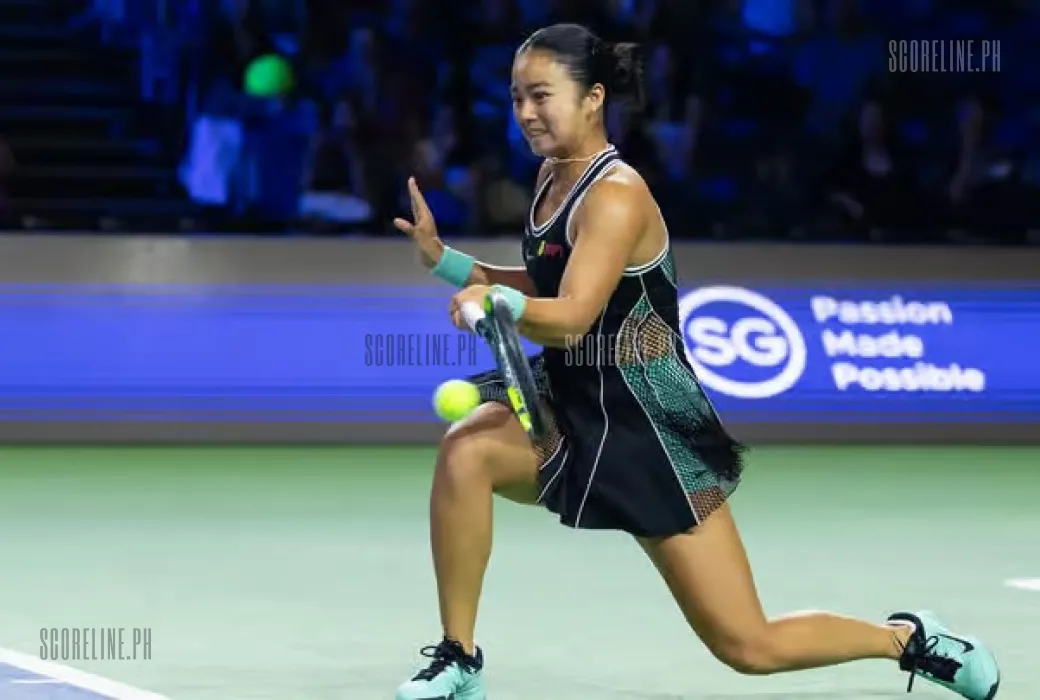
Despite a straight-set defeat, the 21-year-old Filipina showed flashes of her aggressive game against one of the world's top players. With Tokyo next on her schedule, consistency and execution remain the biggest challenges in her breakthrough WTA season.Alex Eala's search for consistency on the Women's Tennis Association (WTA) Tour continues after the Filipina tennis sensation suffered a hard-fought defeat against world No. 13 Diana Shnaider of Russia in the Round of 16 of the 2026 Ningbo Open.Competing at the Yinzhou Tennis Center, Eala pushed the highly ranked Russian in a competitive encounter before bowing out, 5-7, 4-6, in a match that lasted one hour and 55 minutes.The result ended the 21-year-old Filipina's campaign at the WTA 500 tournament, but the scoreline did not fully reflect the intensity of the contest.Eala challenged Shnaider in extended rallies, fought back from difficult positions, and displayed the aggressive baseline game that has helped establish her among the world's leading young players.However, crucial service breaks and missed opportunities during decisive moments ultimately prevented her from advancing to the quarterfinals.For Eala, the defeat was another reminder that competing against the world's best is one challenge — consistently beating them is another.The Ningbo showdown featured two aggressive left-handed players capable of generating pace and controlling rallies from the baseline.Shnaider entered the match as the more established competitor, carrying a world ranking of No. 13, five WTA singles titles, and a career-high ranking of No. 11.Eala, meanwhile, was looking to build momentum after a difficult stretch of early tournament exits.The opening set quickly developed into a competitive battle as both players attempted to establish control through their service games and powerful groundstrokes.Neither competitor was willing to surrender easy points.Shnaider eventually gained an advantage by breaking Eala's serve late in the set to move ahead, 5-4.But the Filipina refused to concede.Eala responded with a break of her own, leveling the score at 5-5 and briefly shifting the momentum.The comeback, however, proved insufficient.Shnaider immediately regained control, breaking Eala again before holding serve to capture the opening set, 7-5.Eala had demonstrated that she could challenge the Russian, but Shnaider proved more effective when the set reached its decisive stage.The second set followed a similar pattern, with both players struggling to consistently protect their service games.The opening six games featured repeated service breaks as Eala and Shnaider traded aggressive baseline exchanges.Eala eventually managed to hold serve and move ahead, 4-3, putting herself in a position to extend the match.It was an important moment for the Filipina.With the possibility of forcing a deciding set, Eala needed to maintain her momentum and apply pressure on Shnaider's next service game.But the Russian responded with the composure expected of a top-ranked player.Shnaider held serve to level the set at 4-4, then broke Eala for a 5-4 advantage.Serving for the match, the Russian completed the victory, 6-4, securing her place in the quarterfinals.Shnaider advanced to face American world No. 12 Iva Jovic.For Eala, the defeat was particularly frustrating because she had opportunities to challenge for both sets.The difference was not simply power or shot-making ability. It was the execution of crucial points when the pressure was greatest.Despite winning in straight sets, Shnaider acknowledged that the match had been far from comfortable.The Russian praised Eala's aggressive approach and recognized the difficulty of facing another powerful left-handed player."I'm obviously very happy with the way I played and competed today because Alex is a very dangerous and tough opponent. She's another lefty and a big hitter," Shnaider said after the match.She also highlighted Eala's willingness to attack during rallies."She never backs down. She steps in and rips the ball, so I knew it was going to be tough. I'm very proud and happy with the way I performed today."The comments reflected the competitive challenge Eala presented throughout the match.Although she failed to secure the victory, her ability to push an established top-15 player demonstrated the offensive weapons available in her game.Eala's aggressive groundstrokes and willingness to take control of rallies remain important strengths.However, converting those strengths into consistent victories against elite opposition will require continued improvement.Eala's defeat in Ningbo highlighted a familiar challenge in professional tennis.At the highest level, the difference between victory and defeat often comes down to a handful of crucial points.A missed first serve, an unforced error during a break-point opportunity, or a failure to protect a narrow lead can change the direction of an entire match.Against Shnaider, Eala demonstrated that she could compete in demanding baseline exchanges.But maintaining that level of execution across an entire match proved difficult.Her service games remain an important area for development.A more reliable serve could help Eala protect leads, reduce pressure during close sets, and create opportunities to attack opponents' returns.Equally important is her ability to manage crucial moments without allowing momentum to shift too easily.The next stage of Eala's development is not simply about hitting harder or playing more aggressively. It is about becoming more efficient, composed, and consistent when matches are on the line.Although Eala's campaign ended in the Round of 16, her performance represented an improvement over her previous tournaments.Before arriving in Ningbo, the Filipina had suffered opening-round defeats at the Singapore Open and Wuhan Open.Those results placed additional pressure on her to regain confidence and rediscover her winning rhythm.She responded by defeating France's Diane Parry in the opening round of Ningbo, earning another opportunity to test herself against elite opposition.Her victory over Parry ended a difficult stretch and provided a valuable confidence boost.The subsequent loss to Shnaider showed that challenges remain, but it also gave Eala another competitive experience against a highly ranked opponent.Professional tennis development rarely follows a straight path.Young players experience breakthrough victories, disappointing defeats, and periods of adjustment as they compete against increasingly difficult opposition.For Eala, the important task is to learn from those experiences and continue improving.Eala's Round of 16 appearance also brought financial and ranking benefits.The Filipina earned $17,795 in prize money, approximately ₱1.1 million, along with ranking points from her Ningbo campaign.While financial rewards are part of professional tennis, the more important long-term benefit comes from competing regularly at WTA 500 tournaments.Such events provide opportunities to face established international players, experience different playing conditions, and develop the physical and mental endurance required at the highest level.For Eala, those experiences will be valuable as she continues building her professional career.Eala's 2026 season has already marked a significant chapter in Philippine tennis.Her breakthrough WTA singles title in Washington, D.C., demonstrated her ability to succeed on the international professional circuit.Her rise into the world's top 20 further strengthened her position among the sport's emerging stars.But success also brings expectations.As her ranking improves, opponents become more familiar with her playing style and increasingly prepared to challenge her strengths.Maintaining a high ranking requires consistent results across different tournaments, surfaces, and playing conditions.That challenge becomes particularly demanding during a long season involving extensive international travel and repeated high-level competition.At 21, Eala remains in an important stage of her professional development.Her achievements have already demonstrated considerable potential.The next objective is sustaining that level of performance.Eala will now shift her attention to Japan, where she is scheduled to make her debut at the Toray Pan Pacific Open, beginning October 26 in Tokyo.The WTA 500 tournament represents another important opportunity to regain momentum before the final stretch of her season.Eala has expressed excitement about competing in Japan, particularly because of the Filipino community expected to support her.The tournament could provide an encouraging environment as she attempts to translate her recent lessons into stronger performances.But Tokyo will also present another demanding field of international competitors.Eala will need to improve her service-game consistency, execute more effectively during crucial points, and maintain confidence against experienced opponents.Following Tokyo, she is scheduled to compete at the Hong Kong Tennis Open before concluding her WTA season.She is also expected to return to the Philippines for an exhibition event at Philippine Arena on December 8.Eala's growing international profile has helped generate renewed interest in tennis across the Philippines.Her achievements have inspired young players and demonstrated that Filipino athletes can compete successfully on the professional women's tour.But the country's long-term tennis ambitions should extend beyond the success of one player.Developing future international competitors will require stronger grassroots programs, accessible training facilities, qualified coaching, and opportunities for young athletes to gain international experience.Eala's rise provides an example of what dedicated preparation and competitive exposure can achieve.Her journey should encourage greater investment in the next generation of Filipino tennis players.The goal should not simply be to celebrate Alex Eala's victories. It should also be to create opportunities for more Filipino athletes to follow her path.The Ningbo defeat was disappointing, particularly because Eala had opportunities to challenge for both sets.But it should also be viewed within the broader context of her development.She competed against one of the world's leading players and demonstrated the ability to produce aggressive, competitive tennis.Her opponent acknowledged her quality.And despite the defeat, Eala gained another opportunity to identify areas requiring improvement.The challenge now is converting those lessons into results.At the elite level, talent creates opportunities.Consistency determines how often those opportunities become victories.ALEX EALA HAS ALREADY PROVEN SHE CAN COMPETE WITH THE WORLD'S BEST. THE NEXT CHALLENGE IS LEARNING HOW TO BEAT THEM MORE CONSISTENTLY.As she prepares for Tokyo, the Filipina carries both the lessons of Ningbo and the determination to continue improving.The road ahead will not always be easy.But every match offers another opportunity to grow.ONE TOUGH LOSS DOES NOT DEFINE A CAREER. WHAT MATTERS IS HOW AN ATHLETE RESPONDS, IMPROVES, AND RETURNS STRONGER.NEXT STOP: TOKYO. THE JOURNEY CONTINUES FOR ALEX EALA.
11
Learn more
Michael Martinez

Michael Martinez Launches Figure Skating Comeback at 30 With a Bigger Mission for Philippine Winter Sports

Two-time Winter Olympian Michael Christian Martinez returns to competitive figure skating after years away, balancing intensive training and coaching while hoping to inspire the next generation of Filipino skaters.At 17, Michael Christian Martinez made history by becoming the first Filipino figure skater to compete at the Winter Olympic Games.At 30, he is preparing to write another chapter in his remarkable sporting journey.But this time, the goal is different.The two-time Winter Olympian is not returning to competitive figure skating simply to relive his younger years or chase the achievements that made him one of the Philippines' most recognizable winter sports athletes.He is returning with a mission that extends beyond personal glory.Martinez wants to bring Philippine figure skating back into the spotlight and help create greater opportunities for the next generation of Filipino skaters.After years away from competition, the former Olympian has resumed intensive training ahead of the 2026 Philippine National Figure Skating Championships, scheduled for November 19 to 21 at SM Skating Mall of Asia.His comeback represents both a personal challenge and an opportunity to renew public interest in a sport that continues to develop in a tropical country where access to ice facilities remains limited.Martinez became a household name when he represented the Philippines at the 2014 Sochi Winter Olympics.His appearance marked a historic breakthrough for Philippine figure skating and demonstrated that Filipino athletes could compete on the world's biggest winter sports stage.He returned to Olympic competition at the 2018 PyeongChang Winter Games, further establishing his place in Philippine sporting history.Those appearances inspired many young Filipinos to discover figure skating and consider pursuing the sport competitively.But after stepping away from international competition, Martinez gradually shifted his focus toward coaching and helping younger athletes develop their skills.For years, questions about a possible comeback followed him.His response was often uncertain.Returning to elite competition would require significant physical preparation, time, and commitment.Eventually, however, the possibility became too compelling to ignore.Now, at 30, Martinez has decided to return.Not to recreate the past, but to discover what he can still accomplish today.Martinez is taking his return seriously.The veteran skater has resumed intensive preparation, training approximately two hours a day, five days a week, while continuing his responsibilities as a coach.The schedule presents a demanding challenge.Elite figure skating requires a combination of technical precision, flexibility, balance, strength, endurance, and exceptional body control.Athletes must execute difficult jumps, spins, and footwork sequences while maintaining rhythm, artistry, and composure.For Martinez, returning to that level of physical preparation after years away from competition has required significant adjustments.He admitted that balancing his coaching responsibilities with personal training has not been easy."It's been very difficult. Honestly, I mean, I've been trying my best to go back and forth a long time," Martinez shared.He explained that he initially attempted to balance coaching with limited practice sessions before committing more fully to his comeback.Since announcing his return, however, he has intensified his preparation.The transition has demanded discipline and patience.At 30, Martinez understands that his body responds differently compared with his teenage years.His back, joints, and overall physical condition require greater attention.But rather than treating those limitations as reasons to abandon his comeback, he has chosen to approach training with a more mature perspective.'I'm Not Coming Back to Recreate What I Was at 17'Perhaps the most revealing aspect of Martinez's comeback is his mindset.The former Olympian has made it clear that he is not attempting to reproduce the performances of his younger self.Instead, he wants to understand what he can achieve with his current abilities, experience, and physical condition."I'm not coming back to recreate what I was when I was 17. I'm coming back so that I'm able to do what I'm capable of doing today," Martinez said.The statement reflects an important shift in his approach to competition.During his teenage years, Martinez was focused on establishing himself internationally and proving that a Filipino could compete in Olympic figure skating.Now, his motivation includes personal fulfillment, continued development, and the opportunity to inspire others.He also recognizes the importance of appreciating smaller achievements during training.For an athlete returning after a lengthy competitive absence, progress may come gradually.Regaining technical consistency, rebuilding endurance, and restoring confidence can require months of preparation.Martinez's comeback is not about proving that age has no consequences. It is about showing that athletic ambition can evolve with experience.While returning to competition is an important personal milestone, Martinez says his motivation extends beyond winning medals.He wants his comeback to generate greater awareness and support for Philippine figure skating."I'm not just doing this for myself. I'm honestly doing this to hopefully give more attention to Philippine sports, to Philippine figure skating because I feel like we do deserve it," he explained.For Martinez, the sport's future depends on developing young athletes who have the talent and determination to compete internationally.He believes the Philippines already has promising figure skaters capable of achieving significant results.But those athletes need opportunities to develop their abilities."I'm really doing this to really share awareness, not just awareness, but really to inspire my skaters and, of course, to really put attention to the sport and hopefully to help the next generation," Martinez said.He emphasized that young Filipino figure skaters are talented, hardworking, and dedicated.His hope is that their commitment will be matched by adequate support.The message is clear: talent exists in Philippine figure skating. The challenge is ensuring that talent receives the resources necessary to succeed.Why Philippine Figure Skating Needs Greater SupportFigure skating remains one of the more challenging sports to develop in the Philippines.Unlike countries with extensive winter sports infrastructure, the Philippines has limited access to ice-skating facilities.Training often requires athletes to travel to specialized rinks, pay for coaching, purchase expensive equipment, and dedicate substantial time to technical development.For families supporting young figure skaters, those requirements can create considerable financial pressure.International competition introduces additional expenses, including travel, accommodation, training camps, and professional coaching.These challenges can limit opportunities for talented athletes who may not have sufficient financial resources.Martinez's return could help bring renewed attention to these issues.His Olympic background and public recognition provide him with a platform to encourage stronger support for the sport.However, sustainable development requires more than public enthusiasm.It requires cooperation among sports organizations, training institutions, private sponsors, and government agencies.A successful national figure skating program must be built on accessible facilities, qualified coaching, athlete development, and consistent international exposure.From Competitor to Mentor — and Back AgainOne of the most interesting aspects of Martinez's return is his dual role as an athlete and coach.After stepping away from elite competition, he dedicated considerable time to helping younger skaters improve their skills.That experience has given him a different understanding of the sport.As a coach, Martinez observes the challenges faced by developing athletes and the importance of patience, discipline, and technical preparation.As a returning competitor, he must apply those same principles to himself.The combination creates an unusual but potentially valuable perspective.He understands the demands of elite competition because he has experienced them.He also understands the developmental challenges faced by younger skaters because he now helps guide them.His comeback could therefore become a powerful teaching experience.Young athletes will have the opportunity to observe how an experienced Olympian approaches training, manages physical limitations, and prepares mentally for competition.Martinez is not simply telling the next generation to work hard. He is demonstrating that commitment through his own return to the ice.Overwhelming Support Fuels the ComebackSince announcing his return, Martinez has received an enthusiastic response from Filipino sports fans.The support has surprised him."I'm very happy. I'm very grateful. I'm very surprised, and with all the love and support coming from everybody, honestly, I did not expect it," he said.For an athlete who spent years away from the competitive spotlight, the reaction has been meaningful.Martinez expressed appreciation that fans continue to remember his Olympic journey and recognize his contributions to Philippine figure skating.He also sees growing interest among younger Filipinos as an encouraging development."I'm honestly really happy for people [who] still remember me, and I feel like a lot of new generations are actually getting into figure skating," he shared.The response reinforces his belief that Philippine figure skating has a community worth supporting.It also provides additional motivation as he prepares for his return to competition.November 19–21: The National Championships AwaitMartinez's comeback will face its first major test at the 2026 Philippine National Figure Skating Championships, scheduled for November 19 to 21 at SM Skating Mall of Asia.The event will provide an opportunity to assess his competitive readiness after years away from the sport.It will also allow fans to witness the return of one of the country's most recognizable winter sports athletes.But expectations must remain realistic.Martinez is returning after a lengthy absence, and his current physical condition differs from his Olympic years.Rebuilding competitive consistency takes time.The national championships should therefore be viewed as an important step in his comeback rather than a final measure of his potential.Martinez has also expressed hope of eventually returning to international competition in 2027.Whether that goal becomes achievable will depend on his progress, physical condition, and competitive results.For now, the immediate objective is clear.Return to the ice, compete again, and rediscover the experience of performing as an athlete.More Than Nostalgia: A Chance to Inspire the FutureMartinez's comeback naturally brings memories of his historic Olympic appearances.His journey to Sochi and PyeongChang helped introduce Philippine figure skating to a wider audience.But focusing exclusively on those achievements would overlook the broader significance of his return.At 30, Martinez has an opportunity to use his experience and public recognition to help strengthen the sport's future.His comeback could encourage young skaters to pursue their ambitions.It could also generate renewed discussion about the resources needed to develop internationally competitive Filipino athletes.For sports officials and potential sponsors, his return presents an opportunity to examine how Philippine figure skating can become more sustainable.The country's young skaters need pathways that allow them to progress from local training to international competition.Martinez's experience demonstrates that those pathways can lead to the Olympic Games.The next challenge is ensuring that future Filipino skaters have stronger opportunities to follow that journey.The Legacy ContinuesMichael Christian Martinez has already secured an important place in Philippine sports history.As the country's first Olympic figure skater and a two-time Winter Olympian, his achievements helped establish the Philippines' presence in international figure skating.Nothing that happens during his comeback can erase those accomplishments.But his return offers something new.It allows him to compete again while using his experience to encourage younger athletes.His goals are no longer defined exclusively by medals, rankings, or Olympic qualification.They now include mentorship, awareness, and the development of Philippine figure skating.For Martinez, that broader purpose gives his comeback special meaning.HE IS NOT RETURNING TO BECOME THE 17-YEAR-OLD OLYMPIAN HE ONCE WAS. HE IS RETURNING TO DISCOVER WHAT THE 30-YEAR-OLD ATHLETE CAN STILL ACHIEVE.And perhaps more importantly, he wants to help the next generation achieve even more.The Olympian Returns, but the Mission Has ChangedAs November approaches, Martinez continues preparing for his return to competitive figure skating.The physical demands are significant.The expectations are growing.And the challenges of balancing coaching and personal training remain.But the former Olympian is embracing the process.He understands that success may look different this time.It may come through improved technical execution, renewed confidence, or simply the satisfaction of competing again.It may also come through inspiring a young Filipino skater to pursue an Olympic dream.That possibility could become one of the most meaningful outcomes of his comeback.MICHAEL MARTINEZ HAS ALREADY MADE HISTORY FOR PHILIPPINE FIGURE SKATING. NOW HE WANTS TO HELP BUILD ITS FUTURE.OLDER. WISER. STILL PASSIONATE. STILL WILLING TO COMPETE.THE OLYMPIAN RETURNS. THE DREAM EVOLVES. AND A NEW CHAPTER FOR PHILIPPINE FIGURE SKATING BEGINS. 
11
Learn more
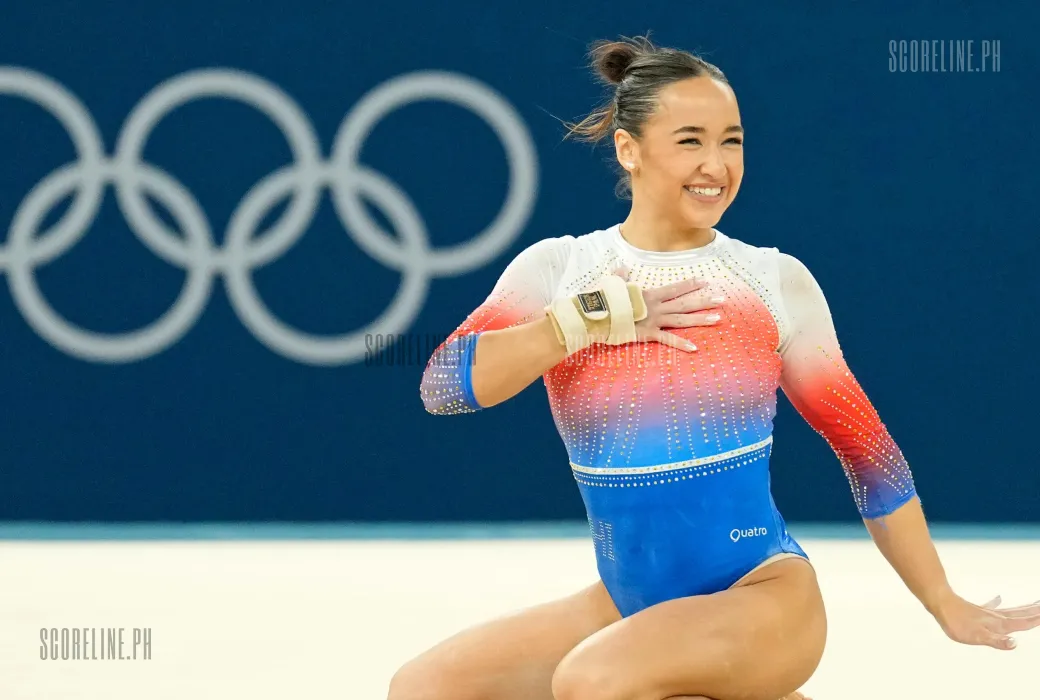
Filipina golfers Bianca Pagdanganan and Dottie Ardina exhibited their fighting spirit, displaying their clutch performances to end their respective campaigns in the Paris Olympics women’s individual stroke play at the Le Golf National on Saturday, August 10.

Pagdanganan, Ardina wrap up campaign in Paris Olympics

Filipina golfers Bianca Pagdanganan and Dottie Ardina exhibited their fighting spirit, displaying their clutch performances to end their respective campaigns in the Paris Olympics women’s individual stroke play at the Le Golf National on Saturday, August 10.Pagdanganan narrowly missed out on a historic medal for the Philippines as she finished at joint fourth with an impressive 4-under 68 in the fourth and final round. She was one stroke away from a bronze medal until China’s Janet Lin birdied in the 18th hole to seize the solo third and dash the Filipina’s medal hopes.
10
Learn more
Hopson

Hopson drops 46 as Converge defeats Terrafirma

Scotty Hopson scored 46 points to lead Converge in defeating Terrafirma, 127-95 at the Smart-Araneta Coliseum on Tuesday, August 21.Hopson's 46-point explosion was highlighted by his 3-of-3 shooting from beyond the arc and an impressive 75-percent shooting from the field. He also added eight rebounds, three assists, two blocks and one steal in his statline.Alec Stockton also added 21 points on 7-of-8 shooting from the field, while Schonny Winston scored 14 and Justin Arana put up 13 for the FiberXers who posted its largest win in team history.
10
Learn more
JMF

Fajardo’s buzzer beater hands ROS first loss of the conference

JuneMar Fajardo scored another highlight for his illustrious career as he sank a buzzer-beating jumper to lead San Miguel Beermen in giving Rain or Shine Elasto Painters their first loss of the season, 113-112 on Thursday night at the Ninoy Aquino Stadium.SMB was in trouble when Chris Ross fouled Felix Lemetti at the four-point area and the Rain or Shine rookie made all his free throws to give the Elasto Painters a one-point lead.Then, the heroics of the 8x MVP came when he sprinted down the court, received the forward pass from CJ Perez, and drained the game-winner.
10
Learn more
Filipina boxer Nesthy Petecio bared that she is determined to end the Philippines’ century-long quest for an elusive Olympic boxing gold.

Nesthy Petecio eyes ā€˜last shot’ at elusive boxing gold

Filipina boxer Nesthy Petecio bared that she is determined to end the Philippines’ century-long quest for an elusive Olympic boxing gold.It was a change of heart for the two-time Olympic medalist after insinuating at the 2024 Paris Games being her final curtain call of competing in the quadrennial showpiece.Despite once again missing out on the top prize, Petecio expressed her desire to give it a try again as the Olympic fire still ignites within her.
10
Learn more
PBA Season 49 Governor's Cup

RoS takes thriller Game 3 in OT against Magnolia

Rain or Shine takes Game 3 in a thrilling overtime game against Magnolia, 111-106, on Sunday night, September 29, at the Ynares Center, Antipolo City.Jhonard Clarito was named the Best Player of the Game after scoring 18 points and grabbing eight rebounds. He was supported by Gian Mamuyac and Andrei Caracut who scored 15 apiece for the Elasto Painters.
10
Learn more
Alas Pilipinas Men

Two losses. One familiar opponent. One more chance to turn the tide

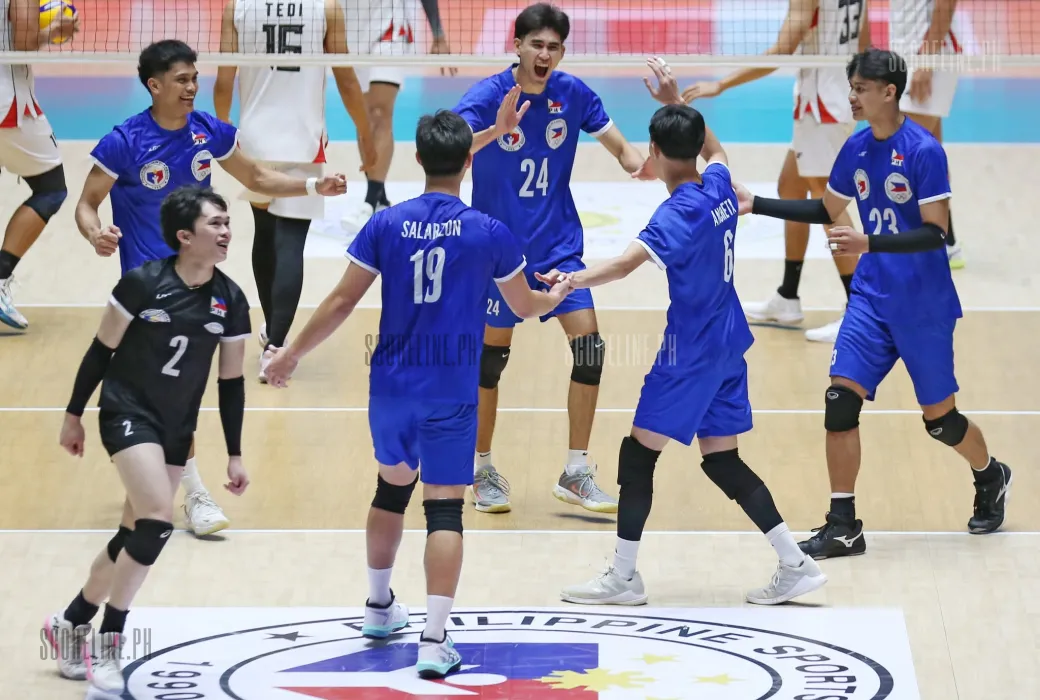
š—§š—›š—œš—„š—— š—§š—œš— š—˜ā€™š—¦ š—§š—›š—˜ š—–š—›š—”š—„š— ? š—”š—Ÿš—”š—¦ š— š—˜š—” š—–š—›š—”š—¦š—˜ š—•š—„š—˜š—”š—žš—§š—›š—„š—¢š—Øš—šš—› š—”š—šš—”š—œš—”š—¦š—§ š—œš—”š——š—¢š—”š—˜š—¦š—œš—”! Alas Pilipinas Men return to action in the 2026 Asian Games classification round, facing familiar Southeast Asian rival Indonesia as they look to finally break through against a team that has already beaten them twice this year.The Nationals finished at the bottom of Pool D after falling to Korea, China, and Chinese Taipei. After being swept in their first two matches, Alas managed to take a set from Chinese Taipei in their final preliminary-round assignment.Indonesia also had a difficult group stage, finishing with a 1-2 record. The Indonesians pushed both Thailand and Iran to five sets before falling short, while their lone win came against Kyrgyzstan in straight sets.Now, the rivalry gets another chapter.Thursday’s clash marks the third meeting between the Philippines and Indonesia this year. Indonesia swept Alas in the opening leg of the SEA V.Cup in July before taking a four-set victory in the second leg.For Alas Men, there is no need for extra motivation.Bryan Bagunas, Marck Espejo, Joshua Magalaman, and Owa Retamar will be among those expected to lead the charge as the Nationals hunt for a much-needed breakthrough in Aichi-Nagoya.They’ve seen Indonesia before.They know what went wrong.NOW, ALAS MEN GET ONE MORE SHOT TO CHANGE THE STORY.
10
Learn more
Team Sibol

Sibol’s Asian Games campaign has ended in stunning fashion

š—™š—”š—©š—¢š—„š—œš—§š—˜š—¦ š—”š—¢ š— š—¢š—„š—˜! šŸ‡µšŸ‡­šŸ’” Sš—œš—•š—¢š—Ÿā€™š—¦ š—šš—¢š—Ÿš—— š——š—„š—˜š—”š—  š—–š—„š—Øš—¦š—›š—˜š—— š—•š—¬ š—œš—”š——š—¢š—”š—˜š—¦š—œš—”From title favorites to quarterfinal casualties. The Philippines’ Mobile Legends: Bang Bang squad crashed out of medal contention after absorbing a painful 1-2 defeat to Indonesia in the quarterfinals of the 2026 Asian Games Aichi-Nagoya on Wednesday at Aichi Sky Expo.Carrying the core of four-time MPL Philippines champion Team Liquid, Sibol entered the tournament with massive expectations after sweeping Pool C with convincing wins over Jordan and Kazakhstan. But against Indonesia, the Filipinos struggled to counter their opponents’ relentless aggression.Sibol fought back to take Game 2 after losing the opener, raising hopes of another comeback. Indonesia, however, seized control early in the deciding game and never looked back.By the 10-minute mark, Sibol was already staring at a 7,000-gold deficit, with Indonesia dominating the map and choking off the resources of star jungler KarlTzy. The Indonesians eventually sealed the series, 12-6, in just 17 minutes.The elimination is a bitter blow for a squad widely tipped to contend for gold. Instead, Sibol’s MLBB campaign ended before the medal rounds, while its Identity V team also bowed out in the quarterfinals after losing to Malaysia.The Philippines still secured bronze medals in Honor of Kings and PokĆ©mon UNITE, but the MLBB exit leaves a major ā€œwhat could have beenā€ moment in the country’s esports campaign.One of the most anticipated gold-medal bids is over. The favorites are out. And Indonesia delivered the knockout blow.
10
Learn more
Carlo & AJ

Spain Edges Biado-Manas in Thrilling 10-Ball World Finale

SPAIN STEALS GOLD FROM BIADO-MANAS IN HEART-STOPPING WORLD FINALThey were one rack away from glory. Then, in the biggest moment, the table turned.Carlo Biado and 19-year-old AJ Manas came agonizingly close to conquering the world, settling for silver after Spain’s Francisco SĆ”nchez Ruiz and David Alcaide survived a pulsating hill-hill battle in the WPA Men’s Doubles 10-Ball World Championship on Monday.For the Philippines, it was a painful ending to a remarkable run.For Spain, it was a championship won by staying composed when everything was on the line.The Filipino pair—experience and youth in one formidable tandem—pushed the Spanish powerhouse duo to the absolute limit, splitting the first four sets at 2-2 and setting up a winner-take-all fifth.And then came the moment that changed everything.With the championship hanging in the balance, Manas stepped up to shoot the 7-ball in the fifth rack.The 19-year-old phenom missed his intended mark—and scratched in the corner pocket.It was the kind of mistake that can haunt a player.Spain immediately pounced.SĆ”nchez Ruiz and Alcaide converted the opening, taking a 3-2 rack lead before calmly finishing the deciding rack to capture the world championship. Just like that, the Filipino dream was over.The defeat denied 42-year-old Biado his first dedicated WPA Men’s Doubles world title and left Manas just short of what could have been his first senior WPA world championship crown.But the silver medal tells only part of the story.Biado brought the experience of one of the Philippines’ most accomplished cue artists.Manas brought the fearlessness of a teenager making his mark against the world's best.Together, they proved they belonged on the biggest stage.And now, they get another chance. There is barely any time to dwell on what happened in Bali.Biado and Manas now turn their attention to the Reyes Cup, where they will suit up for Team Asia in defense of its prestigious 9-ball crown.The third edition of the blockbuster event is scheduled for October 15 to 18 at the Makati Coliseum in the Philippines.This time, they return home. The crowd will be behind them.And after coming one rack short of a world championship, Biado and Manas will have something more than a trophy to chase.Redemption. The world title slipped away in Bali. The next battle begins on home soil.
10
Learn more
Senator Bong Go

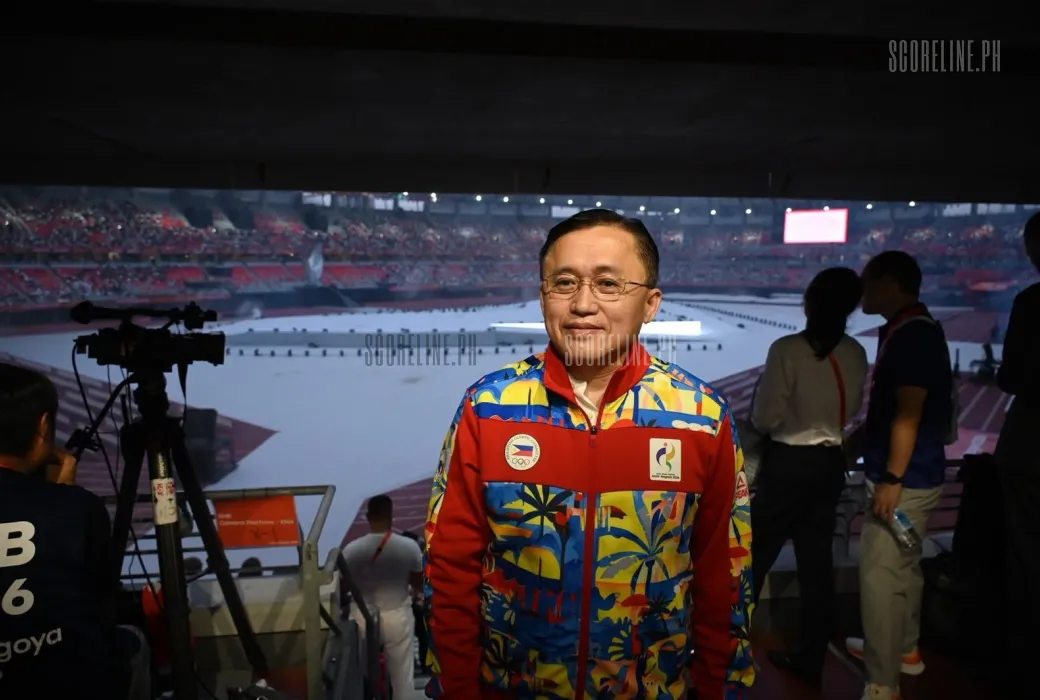
Senator Bong Go Sounds Alarm Over Sports Infrastructure in 2027 Budget Deliberations

What happens when world-class athletes are forced to train in facilities that are anything but world-class?That question is at the heart of Senator Christopher ā€œBongā€ Go’s push for stronger government funding for Philippine sports infrastructure as the Senate tackles the proposed 2027 national budget.The chairperson of the Senate Committee on Sports and Youth Development, called for adequate funding to upgrade and modernize training facilities, stressing that Filipino athletes need more than talent and determination to compete at the highest level.The senator has repeatedly raised concerns over the condition of sports facilities, including the need to improve major training venues such as the Rizal Memorial Sports Complex and PhilSports Arena. In previous budget deliberations, he pointed to the importance of providing athletes with proper training environments, equipment, nutrition and other forms of support.During the 2027 budget discussions,Senate Committee Chair on Sports and Youth Development Bong Go raised concerns over funding for sports infrastructure, including changes involving convergence funds previously lodged under the Department of Public Works and Highways (DPWH).The discussion puts the Philippine Sports Commission (PSC) and other agencies at the center of the question of how sports facilities will be funded and developed moving forward.For Sen. Go, the issue goes beyond buildings and playing surfaces. A champion needs somewhere to become a champion.Training halls, gyms, equipment and athlete facilities form the foundation of preparation long before an athlete steps onto an international podium.Sen. Bong Go has also pushed for bringing quality sports training closer to young athletes outside Metro Manila.His advocacy includes expanding access to the National Academy of Sports (NAS) through regional campuses, particularly in the Visayas and Mindanao, so promising athletes would not have to relocate simply to access specialized sports education and training.The proposal reflects a broader push to strengthen the grassroots pipeline and give athletes from the regions greater opportunities to develop their skills.The Philippines has repeatedly shown that Filipino athletes can compete—and win—against the world's best.But the next generation needs more than inspiration. They need facilities. Equipment. Training centers. Coaches. Support.And as Congress works through the proposed 2027 spending plan, the debate over sports funding puts a fundamental question on the table: If the Philippines expects world-class performances, can its training facilities be allowed to fall behind?For Go, the answer is clear: investment in sports infrastructure must be part of building the country's next generation of champions.
10
Learn more
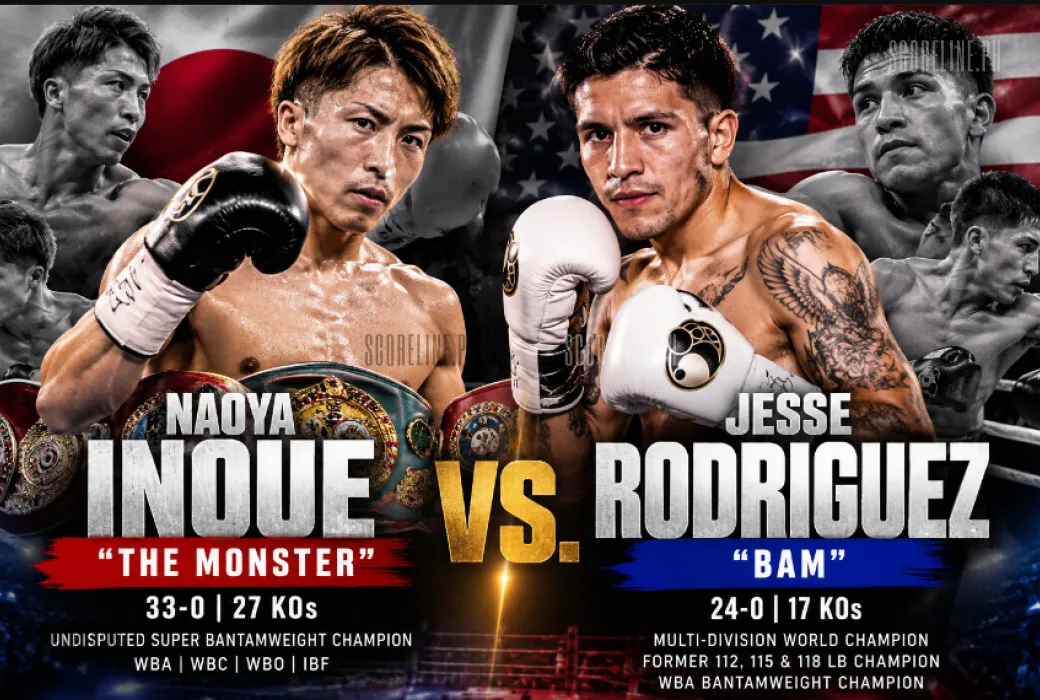
Inoue-Rodriguez

Boxing's Dream Superfight Faces Uncertain Future as Inoue Eyes Featherweight Move

Two undefeated pound-for-pound superstars, one potential blockbuster showdown, and a growing concern that boxing fans could miss one of this generation's greatest matchups of this generation.The boxing world may be on the verge of witnessing one of the most fascinating fights of the modern era.But just as anticipation builds for a possible 2027 showdown between Japanese superstar Naoya ā€œThe Monsterā€ Inoue and undefeated American sensation Jesse ā€œBamā€ Rodriguez, conflicting career plans are threatening to delay — or potentially derail — the highly anticipated encounter.Inoue, the undisputed super bantamweight champion, has established himself as one of boxing's most dominant pound-for-pound fighters.Rodriguez, meanwhile, continues his remarkable rise through the lower weight divisions, combining technical brilliance, speed, and finishing ability to build an undefeated championship career.On paper, the matchup has everything boxing fans could want.Two undefeated champions. Two elite technicians. Two devastating finishers. One potential generational superfight.Yet the biggest obstacle may not be either fighter's ability.It could be timing.Inoue enters the discussion with a remarkable professional record of 33 victories without defeat, including 27 knockouts.The Japanese superstar currently reigns over the 122-pound super bantamweight division, holding the WBA, WBC, WBO, and IBF world championships.His combination of explosive punching power, exceptional timing, precise counterpunching, and disciplined ring intelligence has made him one of the most feared fighters in boxing.Across the Pacific, Rodriguez has built an equally impressive reputation.The San Antonio, Texas native boasts an undefeated 24-0 record with 17 knockouts, establishing himself as one of America's most exciting young boxing talents.Rodriguez has captured world championships across multiple weight divisions, demonstrating his ability to carry speed, skill, and power as he moves up in weight.His recent sixth-round knockout of Antonio Vargas to capture the WBA bantamweight championship at 118 pounds brought him closer to Inoue's territory.With only four pounds separating the two fighters' current divisions, the possibility of a showdown at 122 pounds appeared increasingly realistic.For boxing fans, the dream matchup was no longer just fantasy. It was beginning to look achievable.Saudi boxing powerbroker Turki Alalshikh, one of the most influential figures behind the Riyadh Season boxing events, has reportedly expressed interest in staging the Inoue-Rodriguez showdown as early as January 2027.Tokyo and Nagoya have emerged as potential host cities.A fight in Japan would provide an extraordinary setting for the matchup.Inoue enjoys enormous popularity in his home country, where his championship appearances have become major sporting events.A showdown against another undefeated pound-for-pound star could attract worldwide attention and reinforce Japan's growing importance as a destination for elite professional boxing.Rodriguez would also have an opportunity to establish himself internationally against one of the sport's most accomplished champions.But despite the financial possibilities and global interest, negotiations face a major complication.Reports indicate that Inoue is considering moving up to the 126-pound featherweight division.The proposed move would allow the Japanese champion to pursue additional world titles and extend his legacy across another weight class.For a fighter who has already achieved undisputed status, conquering another division presents a significant career opportunity.However, moving to featherweight could place additional distance between Inoue and Rodriguez.While Rodriguez has recently advanced to 118 pounds, Inoue's potential move to 126 would create an eight-pound gap between their divisions.That difference could make negotiations more complicated, particularly if either fighter prefers to compete at a weight that best suits his physical development.The timing is equally important.Rodriguez's camp is reportedly considering a December bantamweight unification fight against WBO champion Christian Medina of Mexico.Such a bout would allow Rodriguez to pursue another championship objective before potentially moving up to super bantamweight.But it could also interfere with the proposed January 2027 schedule.The problem is becoming clear: Inoue may be ready to pursue bigger challenges at featherweight while Rodriguez still has unfinished business at bantamweight.If the fight eventually materializes, it would present one of the most intriguing technical matchups in boxing.Inoue's greatest weapon is not simply his punching power.It is his ability to create openings through positioning, timing, and precise offensive execution.The Japanese champion can attack the body, counter opponents attempting to close the distance, and finish combinations with devastating accuracy.His power has remained effective throughout his progression across multiple weight divisions.Rodriguez, however, offers a different set of challenges.The American southpaw is known for his intelligent footwork, sharp angles, combination punching, and ability to control exchanges through positioning.He frequently uses subtle movements to create attacking opportunities while avoiding unnecessary punishment.Against Inoue, Rodriguez's speed and technical adaptability could become crucial.The fight would likely feature a fascinating battle over distance, timing, and ring control.Inoue would attempt to impose his explosive offense and punish mistakes.Rodriguez would look to use his movement, precision, and tactical awareness to disrupt the Japanese champion's rhythm.MONSTER'S EXPLOSIVE POWER AND TIMING AGAINST BAM'S SPEED, ANGLES, AND TECHNICAL BRILLIANCE.It is the kind of matchup that could test both fighters in ways few previous opponents have managed.The Weight Question Could Decide EverythingAlthough both fighters have demonstrated success across different weight classes, moving up presents physical and tactical challenges.A fighter who dominates at 118 pounds may not immediately reproduce the same results against an elite opponent at 122.Differences in strength, punch resistance, and physical conditioning can become more significant at the highest level.For Rodriguez, moving up to challenge Inoue would require careful preparation.For Inoue, remaining at super bantamweight could mean postponing his ambitions of competing at featherweight.Neither fighter can be expected to make such decisions without considering long-term career goals.The ideal matchup would require a mutually acceptable weight agreement and sufficient preparation time.A rushed arrangement could undermine the quality of a fight that has the potential to become a major boxing event.Professional boxing has a long history of highly anticipated matchups being delayed by promotional negotiations, weight disagreements, scheduling conflicts, and competing championship obligations.Some eventually become legendary events.Others never happen.The possibility of Inoue versus Rodriguez raises concerns that boxing could once again struggle to bring together two elite fighters while both remain near their competitive peaks.The sport benefits when its leading champions face opponents capable of genuinely testing them.Such matchups generate excitement, attract new audiences, and provide opportunities to establish lasting sporting legacies.However, boxing is also a business in which athletes must carefully manage physical risks and career opportunities.The challenge is finding a balance between competitive ambition, commercial interests, and realistic preparation.A dream fight should not happen simply because fans demand it. But when two elite fighters are willing, and the conditions are right, the sport benefits from making those opportunities possible.For Inoue, defeating Rodriguez would add another elite name to an already remarkable rĆ©sumĆ©.A victory over an undefeated, multi-division world champion could further strengthen his standing among boxing's greatest fighters.For Rodriguez, defeating Inoue would represent a career-defining achievement.Overcoming one of the most dominant champions of the modern era could dramatically elevate his international profile and establish him among the sport's leading stars.Both fighters also face considerable risks.Inoue would be confronting a younger, technically gifted opponent capable of exploiting defensive mistakes.Rodriguez would be stepping into the ring against a naturally larger champion with exceptional punching power and championship experience.The uncertainty surrounding the result is precisely what makes the matchup compelling.Neither fighter needs this bout to establish his greatness. But facing each other could add an extraordinary chapter to both careers.The proposed January schedule remains ambitious.Rodriguez's potential December championship unification fight would leave limited recovery and preparation time for another major contest.Inoue's possible move to featherweight could further complicate the timeline.For the superfight to happen, both camps would need to reach agreements on weight, scheduling, financial terms, and championship considerations.Until those matters are resolved, the matchup remains a possibility rather than a confirmed event.Boxing fans may therefore need to wait longer than originally anticipated.But postponement does not necessarily mean cancellation.Both fighters remain undefeated, internationally recognized, and capable of generating enormous interest in a future showdown.Naoya Inoue and Jesse Rodriguez represent two of the finest talents in contemporary boxing.Their achievements across multiple weight divisions demonstrate extraordinary technical ability, discipline, and competitive ambition.A meeting between them could become one of the defining fights of the decade. But timing will be critical.If Inoue moves permanently to featherweight while Rodriguez continues building his career at bantamweight, the opportunity for a natural meeting at 122 pounds could become increasingly difficult.The sport has witnessed too many potential superfights lose momentum as fighters pursue different career paths.Inoue versus Rodriguez deserves serious consideration because it offers something increasingly valuable in professional boxing:Two undefeated elite champions with contrasting styles and a genuine opportunity to test each other's greatness.Whether the fight happens in Tokyo, Nagoya, or another international venue, its appeal would extend far beyond the championship belts involved.It would be a contest between two exceptional fighters seeking to strengthen their legacies.For now, boxing fans can only watch as the two camps determine their next moves.TWO UNDEFEATED STARS. ONE DREAM MATCHUP. A WINDOW OF OPPORTUNITY THAT MAY NOT REMAIN OPEN FOREVER.NAOYA ā€œTHE MONSTERā€ INOUE VS. JESSE ā€œBAMā€ RODRIGUEZ — THE SUPERFIGHT BOXING FANS WANT, BUT THE SPORT HAS YET TO DELIVER.

10
Learn more

Latest News

Coach Nicole Tiamzon

More than a volleyball star: Nicole Tiamzon's legacy goes beyond the court

5
RHJ

ā€œPinoy ako!ā€ — Rondae Hollis-Jefferson sparks Gilas Pilipinas speculation

4
Jamie Lim

Beyond the Skywalker's shadow: How Jamie Lim built her own legacy of greatness

3
Sen. Bong Go

FLAG FIRST BILL: Can Philippine Law Force Foreign Clubs to Release Gilas Players?

8
Michael Martinez

Michael Martinez Launches Figure Skating Comeback at 30 With a Bigger Mission for Philippine Winter Sports

11
PLDT HighSpeedHitters

PLDT Overcomes Coaching Absence, Snaps Losing Streak With Statement Win Over Capital1

13
Ravina Carpena

Ma. Ravinia Carpena Wins Asian Para Games Bronze With Career-Best Throw

10
Alex Eala

Alex Eala Pushes World No. 13 Diana Shnaider but Falls Short in WTA 500 Battle

11
Inoue-Rodriguez

Boxing's Dream Superfight Faces Uncertain Future as Inoue Eyes Featherweight Move

10
Bennie Boatwright

Bennie Boatwright Takes Oath of Allegiance as Race Against FIBA Deadline Begins

12
photo comparison

Why Asian Para Games Champions Receive Half the Cash Incentives

15
YAN YAN LARIBA

The Filipina athlete Who Made Olympic History at 21 and Left a Legacy That Will Never Be Forgotten

13
June Mar Fajardo

June Mar Fajardo Reaches 10,000 Career Points, Cements Legacy Among Basketball Legends

11
Ernie Gawilan

Ernie Gawilan's Extraordinary Journey From a Difficult Beginning to Philippine Para Swimming Greatness

11
Contributed Photo

Philippine Sports Faces a Decade-Long Wait for Crucial PAGCOR Funding

12
City of Malolos

Over 80 Teams Join Historic League as Province of Bulacan Embraces New Sports Movement

6
UAAP

SBP Taps NBA 2K Tournament to Discover Future eGilas Stars

11
FB Post of Michael Martinez

The ice king is back Michael Christian Martinez announces comeback at 30!

8
pnvf

New leadership structure. Bigger responsibilities. One mission: Build a stronger Alas Pilipinas

4
Senate Committee on Sports

GAB's 2027 budget moves forward Athlete protection and illegal gambling under the spotlight

5
sposts officials

No allowance, but expected to win medals? Athletes deserve better

8
PSC Officials

Baguio City Elevates Philippine Sports: World-Class Training Centers to Breed Future Champions

6
Efren Reyes

How Efren ā€œBataā€ Reyes Put Philippine Billiards on the World Map

12
Alex Eala & Snow Badua

Snow Badua to Alex Eala: Fame is temporary. Your game is your foundation.

6
LA2028 Logo

Earn Your Way In: The Brutal Road to LA28

6
PICKLEBALL

PH to become Asia's next pickleball powerhouse?

7
tim cone and bennie boatwright

Can Bennie Boatwright Become the Missing Piece in Philippine Basketball's Comeback?

8
June Mar Fajardo

June Mar Fajardo confirmed that his retirement from Gilas Pilipinas is Final

5
Alyssa Solomon

Alyssa Solomon Takes Another Bold Step in Her International Volleyball Journey

8
Coach Tim Cone

Gilas Pilipinas Asian Games Gold Defense Crippled by Missing Stars - Tim Cone

7
Eya Laure

Eya Laure Powers Choco Mucho, Sends Championship Warning to PVL Rivals

6
Batang Pinoy Logo

Bacolod Ready to Welcome Future Champions as 200+ LGUs Join Batang Pinoy 2026

12
EJ Obiena

Winning Medals is not enough - EJ Obiena

8
Carl Jammes Martin

Carl Jammes Martin Faces Mexican Powerhouse Alan Picasso in Career-Defining Riyadh Showdown

8
Premier Volleyball League

PVL's 10th Season Ushers in New Era in Cebu City

93
Alex Eala

The True Cost of Patriotism: Alex Eala’s Silent Battle with the Rulebook

11
Philippine Team

The Pinoy Athlete’s Curse: Why is Funding Always Lighter Than the Praise?

25
Aleah Finnegan

Beyond the Olympics: Aleah Finnegan is Building the Next Generation of Philippine Gymnastics

14
Senator Bong Go

The future of athlete's must never become collateral damage in sports politics

11
Justin Brownlee

Gilas Pilipinas did not just lose a star. It lost the heart of its championship identity.

8
Maria Sharapova and Alex Eala

Alex Eala’s obsession with perfection: The mindset behind the rise of a Filipino tennis star

12
Monico Puentevella

Philippine Olympic Committee should stay out of NSA affairs - Puentevella

4