Your Connection to the Heart of Sports
Subscribe to our newsletter and our social medias

Top News

Team Sibol

Sibol’s Asian Games campaign has ended in stunning fashion

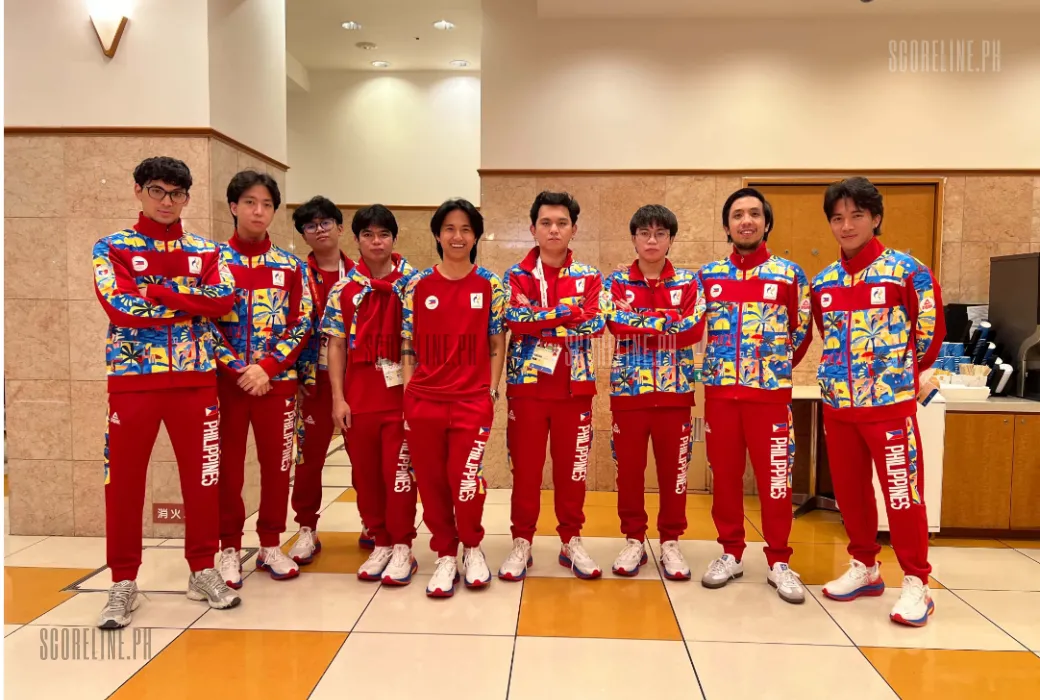
𝗙𝗔𝗩𝗢𝗥𝗜𝗧𝗘𝗦 𝗡𝗢 𝗠𝗢𝗥𝗘! 🇵🇭💔 S𝗜𝗕𝗢𝗟’𝗦 𝗚𝗢𝗟𝗗 𝗗𝗥𝗘𝗔𝗠 𝗖𝗥𝗨𝗦𝗛𝗘𝗗 𝗕𝗬 𝗜𝗡𝗗𝗢𝗡𝗘𝗦𝗜𝗔From title favorites to quarterfinal casualties. The Philippines’ Mobile Legends: Bang Bang squad crashed out of medal contention after absorbing a painful 1-2 defeat to Indonesia in the quarterfinals of the 2026 Asian Games Aichi-Nagoya on Wednesday at Aichi Sky Expo.Carrying the core of four-time MPL Philippines champion Team Liquid, Sibol entered the tournament with massive expectations after sweeping Pool C with convincing wins over Jordan and Kazakhstan. But against Indonesia, the Filipinos struggled to counter their opponents’ relentless aggression.Sibol fought back to take Game 2 after losing the opener, raising hopes of another comeback. Indonesia, however, seized control early in the deciding game and never looked back.By the 10-minute mark, Sibol was already staring at a 7,000-gold deficit, with Indonesia dominating the map and choking off the resources of star jungler KarlTzy. The Indonesians eventually sealed the series, 12-6, in just 17 minutes.The elimination is a bitter blow for a squad widely tipped to contend for gold. Instead, Sibol’s MLBB campaign ended before the medal rounds, while its Identity V team also bowed out in the quarterfinals after losing to Malaysia.The Philippines still secured bronze medals in Honor of Kings and Pokémon UNITE, but the MLBB exit leaves a major “what could have been” moment in the country’s esports campaign.One of the most anticipated gold-medal bids is over. The favorites are out. And Indonesia delivered the knockout blow.
8
Learn more
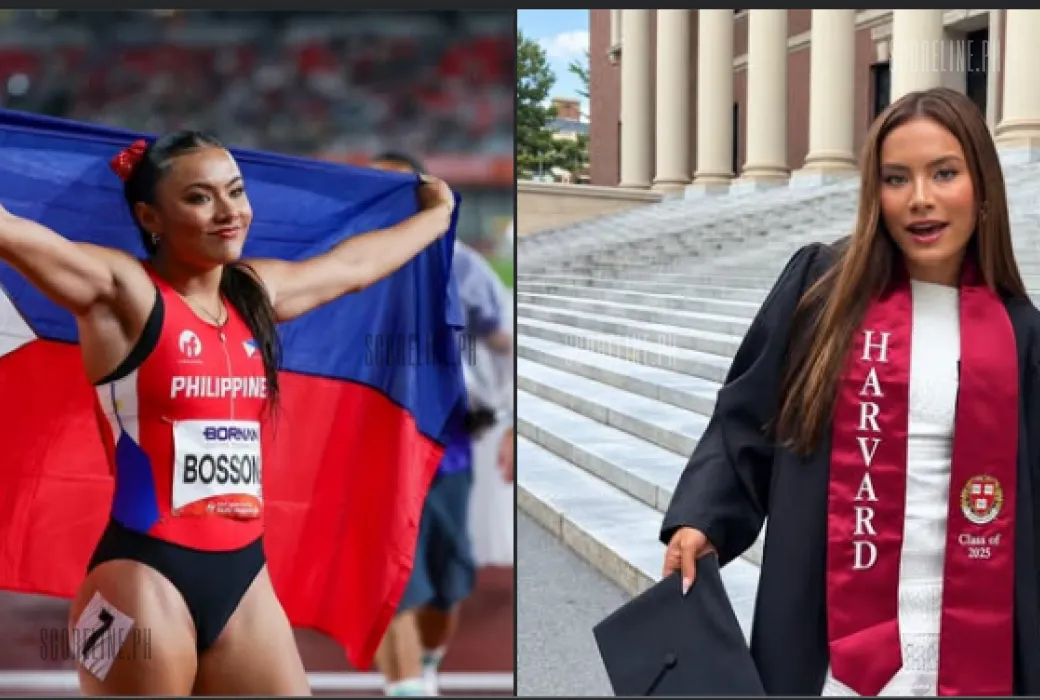
Victoria Bossong

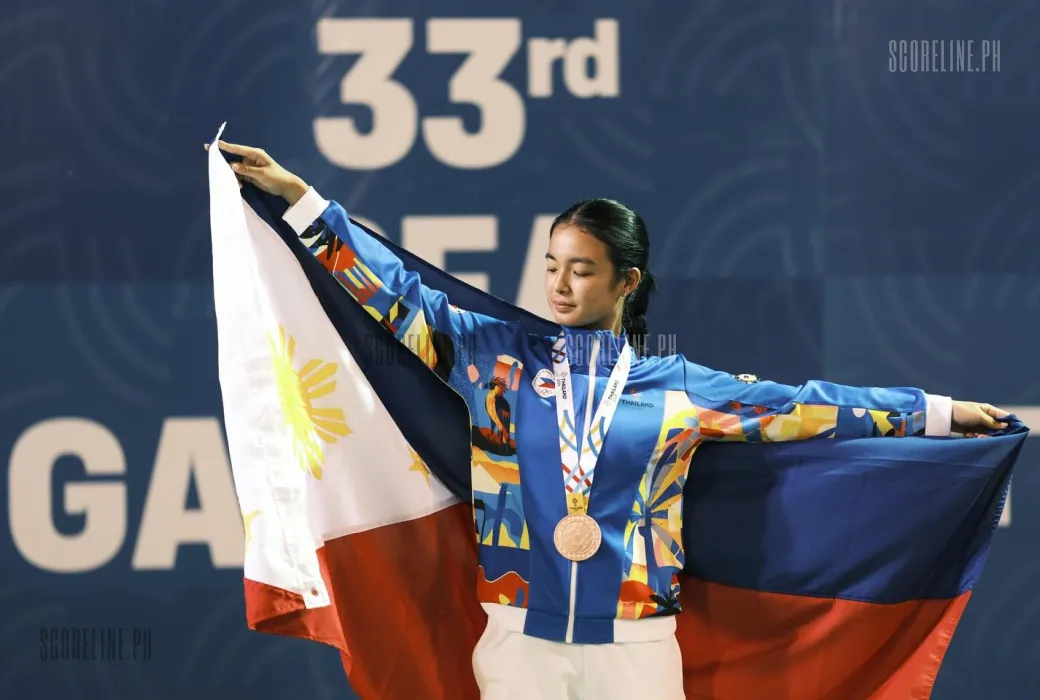
Victoria Bossong’s Asian Games bronze is impressive.

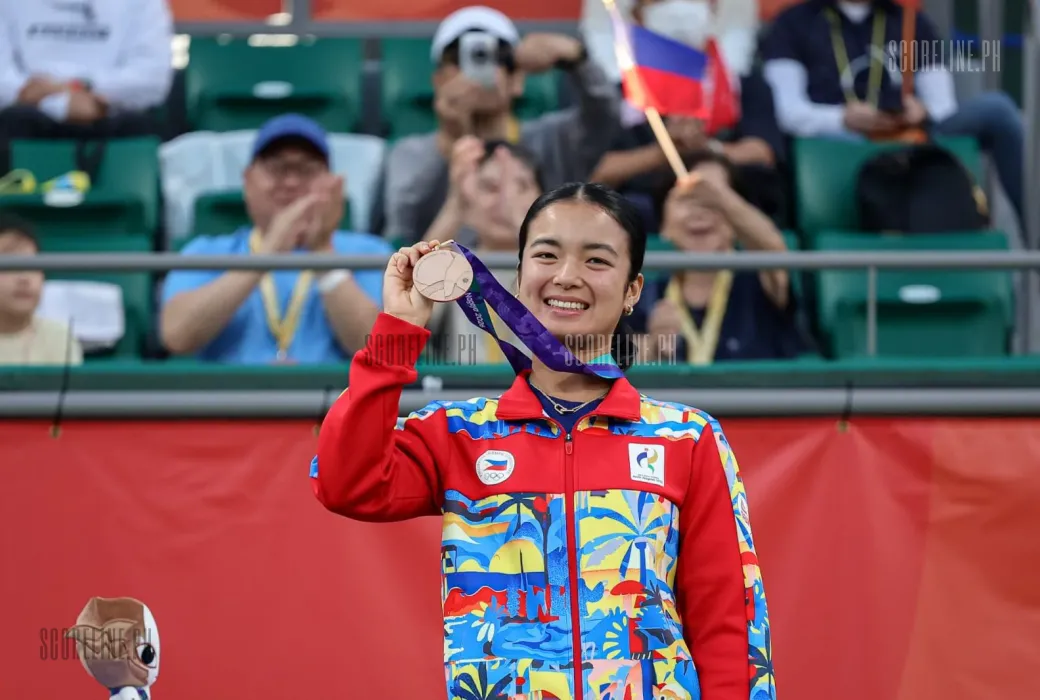
IBA TALAGA ANG FILIPINA ATHLETE.She runs fast. She thinks big. And she may only be getting started.Victoria Bossong came home from the Aichi-Nagoya Asian Games with a bronze medal around her neck.But look beyond the podium, and her story becomes even more fascinating.At 23, Bossong is already a Harvard University graduate with a degree in Neuroscience, a former NCAA student-athlete, and a researcher who worked in a laboratory at Harvard Medical School.Now she is a professional runner, testing just how far she can take a career built around the track.And that career came with a difficult choice.Bossong once had medical school in her plans. She could have moved directly from an elite academic environment toward a career in medicine.Instead, she chose to pause that path and give professional running a chance.That gamble has already taken her to an Asian Games podium.Competing for the Philippines, Bossong delivered a bronze-medal performance in the women’s 800 meters—adding another major milestone to a résumé that already looks remarkably different from the typical athlete’s.Think about the combination:Harvard.Neuroscience.Medical research.NCAA athletics.Professional running.Asian Games medalist.That is not simply a story about an athlete who can run fast.It is a story about range.Bossong’s journey is a reminder that athletic excellence does not have to exist in a vacuum. An athlete can chase podiums while pursuing serious academic goals. She can spend years studying science and still dedicate herself to the brutal demands of high-level competition.And perhaps most importantly, she has allowed herself to choose a path that is not completely predictable.For now, the track has her attention.The Philippines has already seen what happens when Bossong brings her talent to the biggest stage in Asia: a bronze medal and another reason to celebrate Filipino athletics. 🇵🇭🥉But there may be much more ahead.Another podium. Another personal best. Perhaps, one day, medical school.Whatever direction she takes, her story should not be reduced to the color of one medal.The bronze is the achievement she brought home from Nagoya. Her ambition is the story that continues.Victoria Bossong has already shown how fast she can run.Now comes the more intriguing question:How far can she go?
8
Learn more
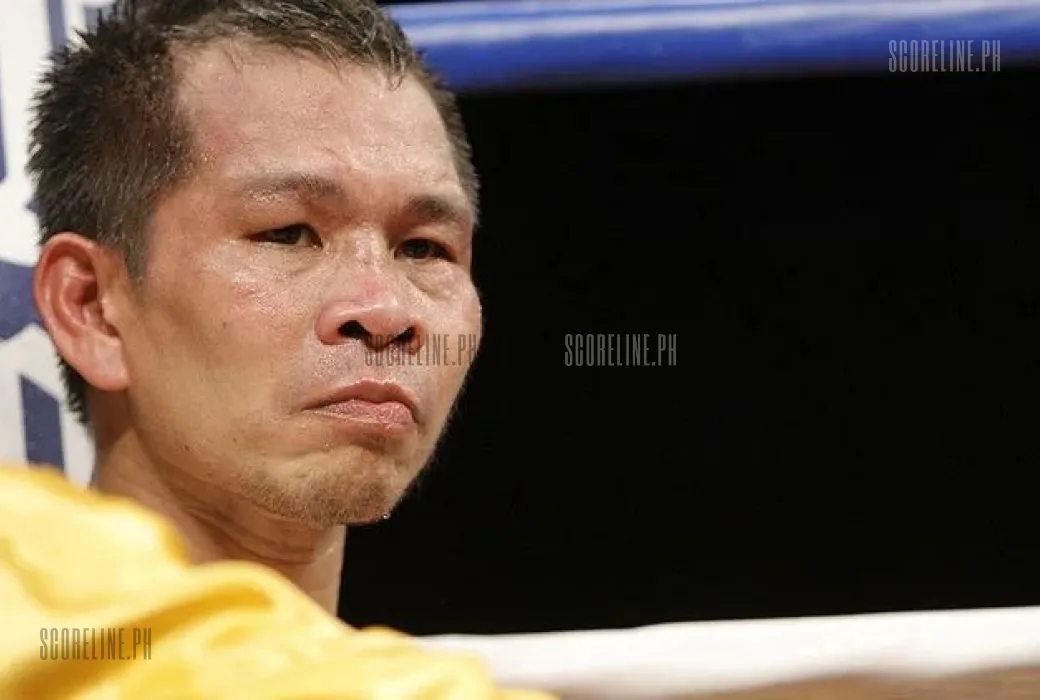
Gerry Peñalosa

He once conquered two weight divisions. Now, he’s fighting for the next generation

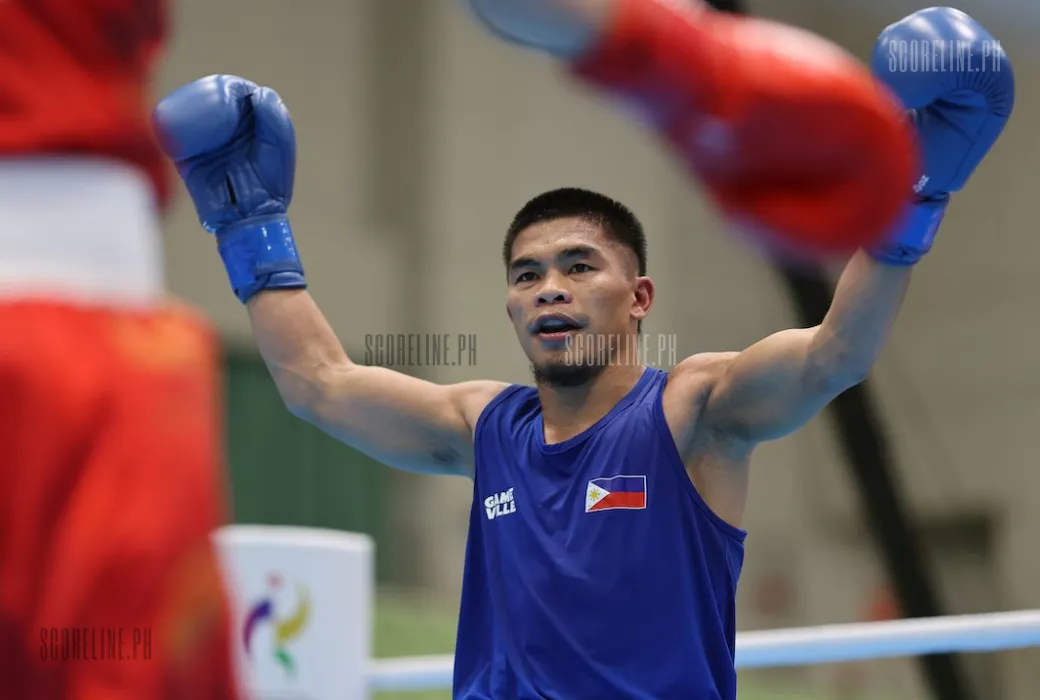
World titles made Gerry Peñalosa a champion. But what he does today could help create the next one.A two-division world champion, Peñalosa earned his place among the Philippines’ boxing greats by proving himself against the best inside the ring.Now, he’s trading his fighter’s role for that of a trainer and promoter, helping young Filipino boxers chase the same dream that once drove him: to become a world champion.The gloves may serve a different purpose now. The mission remains the same.Because boxing greatness isn’t measured only by the belts you win or the opponents you defeat. It’s also measured by the knowledge you pass on, the careers you help build, and the young fighters you inspire to believe they belong on the world stage.Peñalosa has already conquered two divisions.NOW, HIS NEXT LEGACY COULD BE THE CHAMPIONS HE HELPS CREATE. 🥊🔥The champion’s next fight? Building the next champion.Now you know.Every league. Every athlete. Every story.
8
Learn more
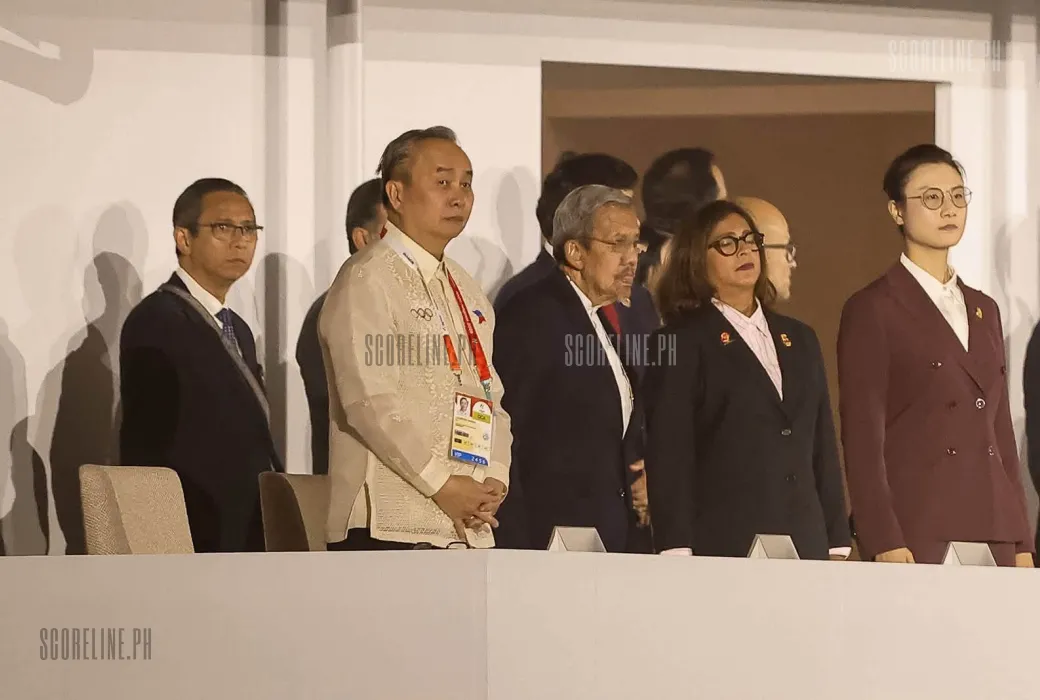
POC President Abraham Tolentino

From the podium to the leadership table

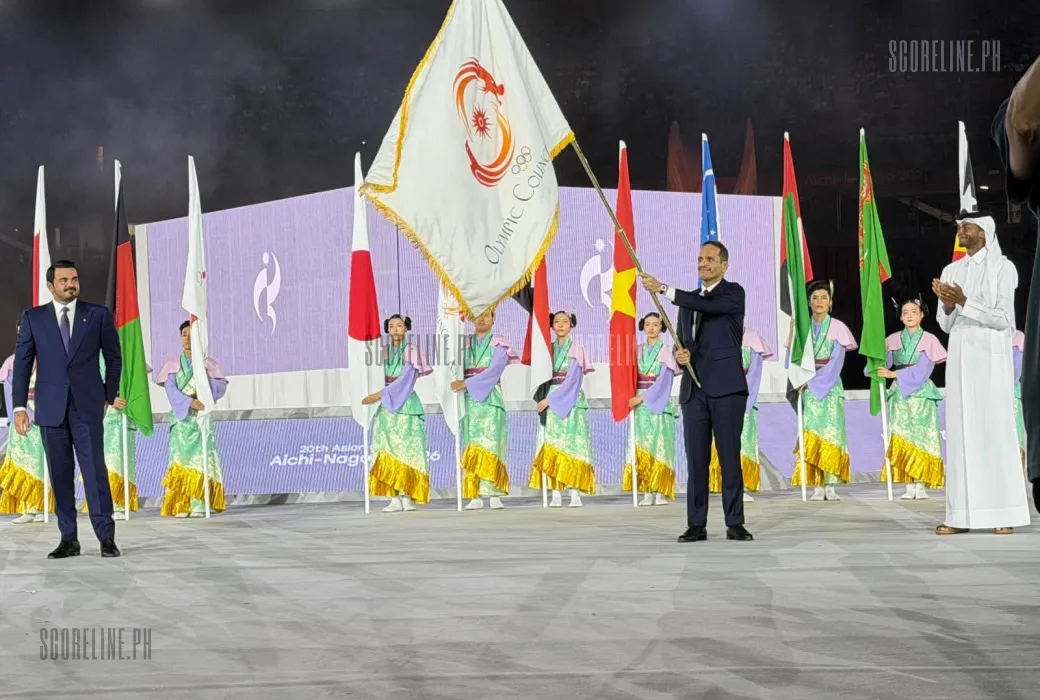
The Philippines didn’t just leave Aichi-Nagoya with medals.IT ALSO LEFT ITS MARK IN ASIAN SPORTS LEADERSHIP.Philippine Olympic Committee President and Olympic Council of Asia Executive Board Member Abraham “Bambol” Tolentino attended the closing ceremony of the 20th Asian Games at the Nagoya City Mizuho Park Athletics Stadium on Sunday, October 4.Seated alongside fellow OCA Executive Board Member HRH Prince Sufri Bolkiah of Brunei, Tolentino represented the Philippines as the continent’s biggest multi-sport event came to a close.On the field, Team Pilipinas finished with 4 GOLD, 9 SILVER, AND 16 BRONZE MEDALS in Olympic disciplines.But beyond the medal count, the closing ceremony also underscored something else:THE PHILIPPINES HAS A SEAT AT THE TABLE OF ASIAN SPORTS GOVERNANCE.Athletes fight for medals.Leaders help shape the environment in which those athletes compete.And as the Asian Games flame goes out in Nagoya, the work continues—not just for the next medal, but for the next generation of Filipino athletes.THE GAMES MAY BE OVER.THE MISSION ISN’T.
8
Learn more
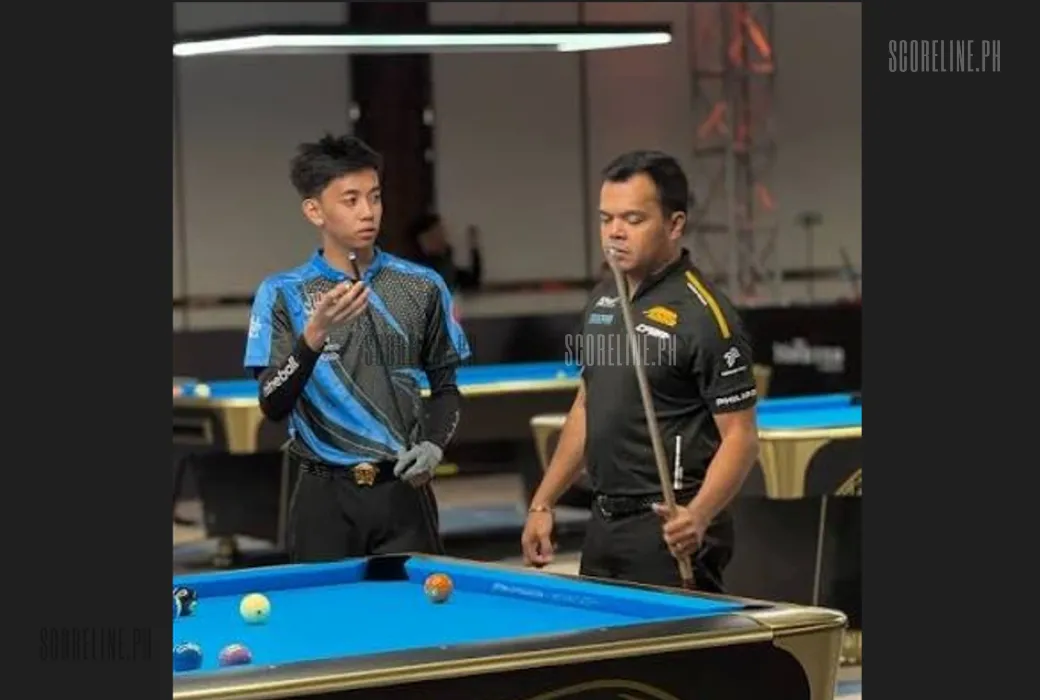
Carlo & AJ

Spain Edges Biado-Manas in Thrilling 10-Ball World Finale

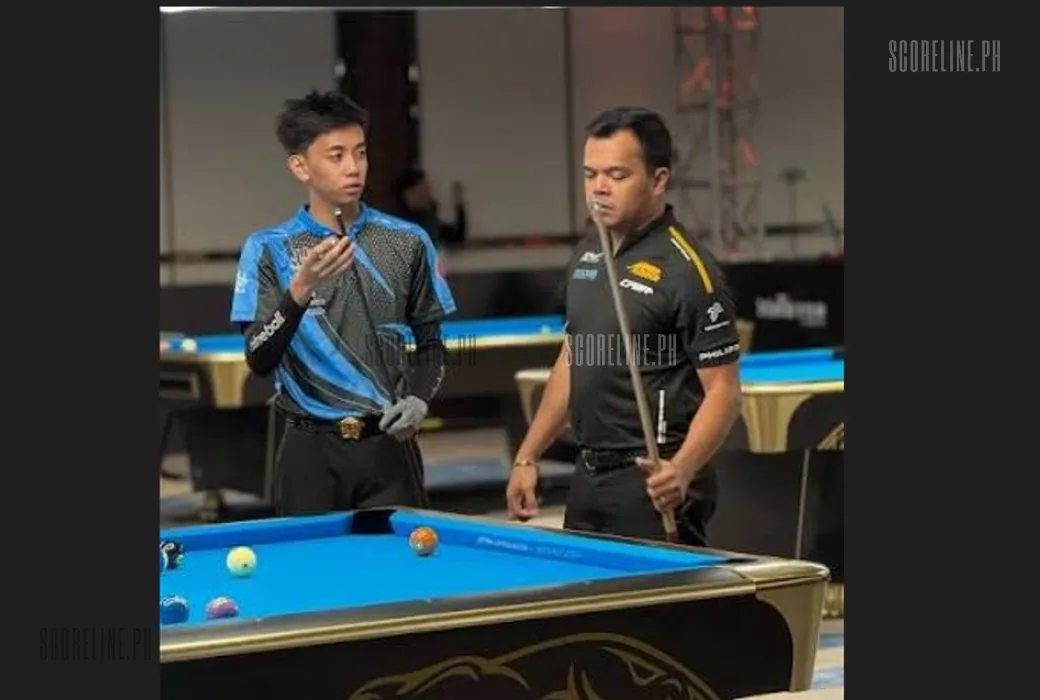
SPAIN STEALS GOLD FROM BIADO-MANAS IN HEART-STOPPING WORLD FINALThey were one rack away from glory. Then, in the biggest moment, the table turned.Carlo Biado and 19-year-old AJ Manas came agonizingly close to conquering the world, settling for silver after Spain’s Francisco Sánchez Ruiz and David Alcaide survived a pulsating hill-hill battle in the WPA Men’s Doubles 10-Ball World Championship on Monday.For the Philippines, it was a painful ending to a remarkable run.For Spain, it was a championship won by staying composed when everything was on the line.The Filipino pair—experience and youth in one formidable tandem—pushed the Spanish powerhouse duo to the absolute limit, splitting the first four sets at 2-2 and setting up a winner-take-all fifth.And then came the moment that changed everything.With the championship hanging in the balance, Manas stepped up to shoot the 7-ball in the fifth rack.The 19-year-old phenom missed his intended mark—and scratched in the corner pocket.It was the kind of mistake that can haunt a player.Spain immediately pounced.Sánchez Ruiz and Alcaide converted the opening, taking a 3-2 rack lead before calmly finishing the deciding rack to capture the world championship. Just like that, the Filipino dream was over.The defeat denied 42-year-old Biado his first dedicated WPA Men’s Doubles world title and left Manas just short of what could have been his first senior WPA world championship crown.But the silver medal tells only part of the story.Biado brought the experience of one of the Philippines’ most accomplished cue artists.Manas brought the fearlessness of a teenager making his mark against the world's best.Together, they proved they belonged on the biggest stage.And now, they get another chance. There is barely any time to dwell on what happened in Bali.Biado and Manas now turn their attention to the Reyes Cup, where they will suit up for Team Asia in defense of its prestigious 9-ball crown.The third edition of the blockbuster event is scheduled for October 15 to 18 at the Makati Coliseum in the Philippines.This time, they return home. The crowd will be behind them.And after coming one rack short of a world championship, Biado and Manas will have something more than a trophy to chase.Redemption. The world title slipped away in Bali. The next battle begins on home soil.
8
Learn more
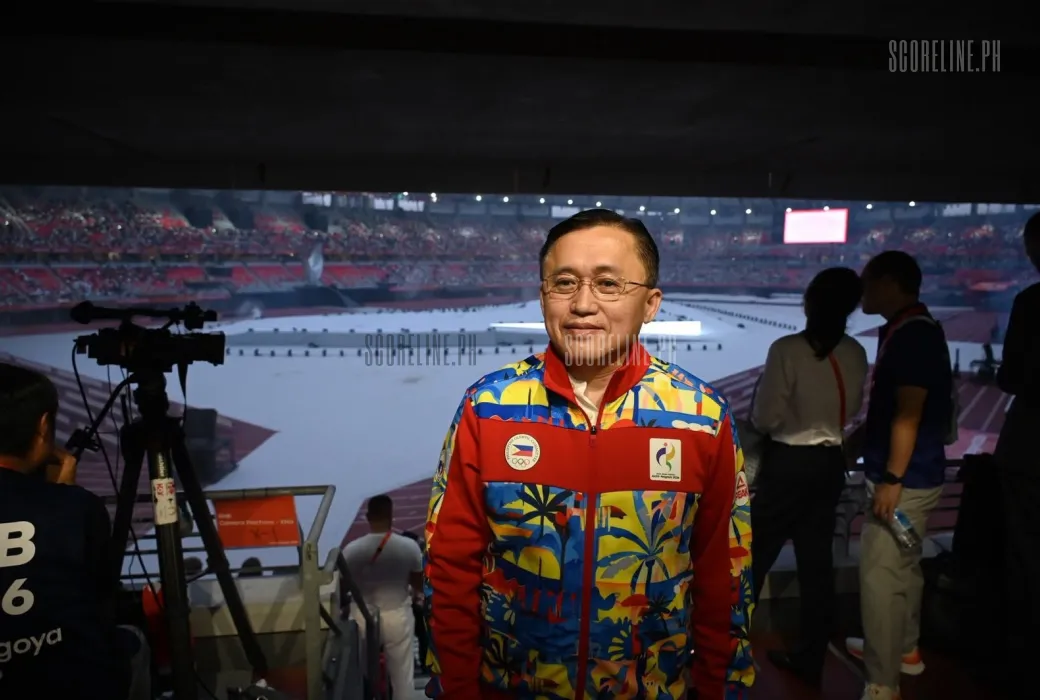
Senator Bong Go

Senator Bong Go Sounds Alarm Over Sports Infrastructure in 2027 Budget Deliberations

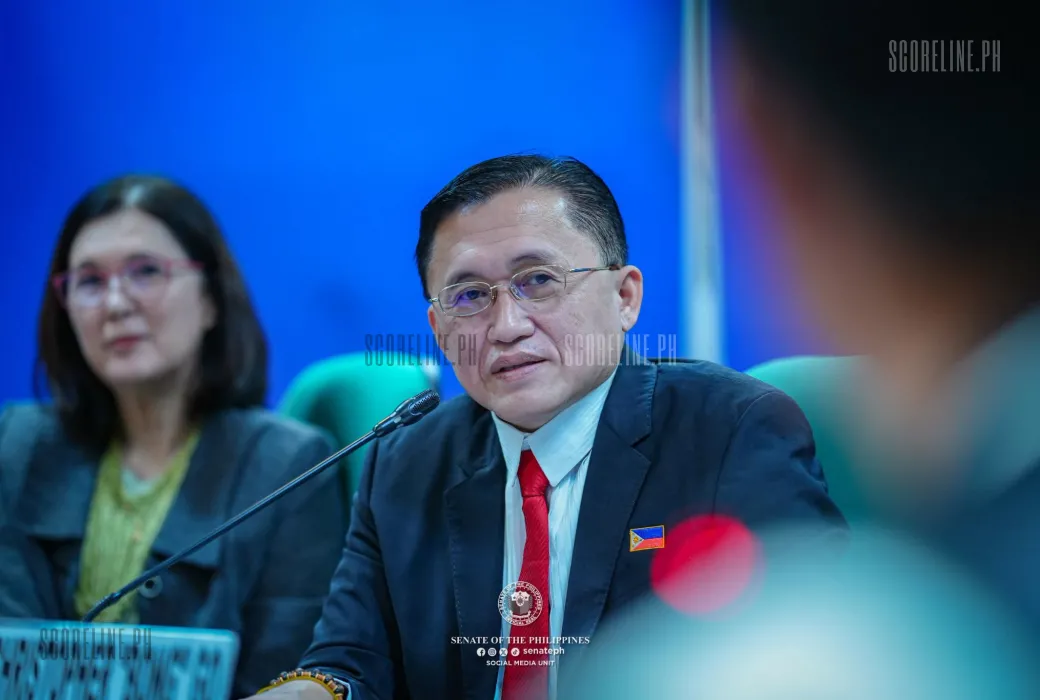
What happens when world-class athletes are forced to train in facilities that are anything but world-class?That question is at the heart of Senator Christopher “Bong” Go’s push for stronger government funding for Philippine sports infrastructure as the Senate tackles the proposed 2027 national budget.The chairperson of the Senate Committee on Sports and Youth Development, called for adequate funding to upgrade and modernize training facilities, stressing that Filipino athletes need more than talent and determination to compete at the highest level.The senator has repeatedly raised concerns over the condition of sports facilities, including the need to improve major training venues such as the Rizal Memorial Sports Complex and PhilSports Arena. In previous budget deliberations, he pointed to the importance of providing athletes with proper training environments, equipment, nutrition and other forms of support.During the 2027 budget discussions,Senate Committee Chair on Sports and Youth Development Bong Go raised concerns over funding for sports infrastructure, including changes involving convergence funds previously lodged under the Department of Public Works and Highways (DPWH).The discussion puts the Philippine Sports Commission (PSC) and other agencies at the center of the question of how sports facilities will be funded and developed moving forward.For Sen. Go, the issue goes beyond buildings and playing surfaces. A champion needs somewhere to become a champion.Training halls, gyms, equipment and athlete facilities form the foundation of preparation long before an athlete steps onto an international podium.Sen. Bong Go has also pushed for bringing quality sports training closer to young athletes outside Metro Manila.His advocacy includes expanding access to the National Academy of Sports (NAS) through regional campuses, particularly in the Visayas and Mindanao, so promising athletes would not have to relocate simply to access specialized sports education and training.The proposal reflects a broader push to strengthen the grassroots pipeline and give athletes from the regions greater opportunities to develop their skills.The Philippines has repeatedly shown that Filipino athletes can compete—and win—against the world's best.But the next generation needs more than inspiration. They need facilities. Equipment. Training centers. Coaches. Support.And as Congress works through the proposed 2027 spending plan, the debate over sports funding puts a fundamental question on the table: If the Philippines expects world-class performances, can its training facilities be allowed to fall behind?For Go, the answer is clear: investment in sports infrastructure must be part of building the country's next generation of champions.
8
Learn more
Philippine Team

Aichi-Nagoya was a Statement. Now, the Philippines must Build on it

Four golds, 29 medals and the Philippines’ best Asian Games haul in 64 years have given the country something bigger than a celebration—a reason to rethink what Filipino sports can become.The medals are home.The athletes have returned from Japan carrying four golds, nine silvers and 16 bronzes, completing a 29-medal haul that PSC Chairman John Patrick C. Gregorio described as the Philippines’ best Asian Games performance in 64 years.But perhaps the biggest takeaway from Aichi-Nagoya is not the number of medals.Aichi-Nagoya gave Philippine sports a moment to celebrate. But it can also become something much bigger.A reminder that Filipino athletes are not short on ability. What matters now is building an environment where that ability can consistently reach its potential.The athletes have made their statement. Now the system has to make its own.Because if the Philippines truly wants to become a multi-sport nation, the goal cannot simply be to celebrate champions when they come home.It is the reminder of what Filipino athletes can accomplish when talent is matched with preparation, opportunity and the chance to compete on the biggest stage.This should be more than a celebration. It should be a wake-up call.Carlos Edriel Yulo once again showed the extraordinary ceiling of Filipino gymnastics, turning difficult routines into gold-medal performances.EJ Obiena continued to proves that the Philippines can produce world-class athletes even in disciplines traditionally outside the country's sporting spotlight.And they were not alone. Across the courts, fields, rings, pools and tracks of Aichi-Nagoya, Filipino athletes fought for every point, every second and every centimeter.Some won medals. Others fell short of the podium.But collectively, they delivered a message that should be impossible to ignore:The Philippines has the talent. The Philippines has the heart. The Philippines has athletes capable of competing with Asia's best.The danger after a successful campaign is believing the job is finished. It isn't.The medals are coming home, but the athletes who won them will eventually move on. Behind them is another generation—young athletes training in schools, local gyms, community courts and provincial facilities—waiting for its opportunity.And that is where Philippine sports faces its next challenge.Can the country provide the facilities, coaching, grassroots programs, equipment, competition exposure and long-term support needed to turn promising youngsters into international champions?Because developing athletes should not begin only when they are already winning medals.The system has to find them before they become champions—and build them into champions.The calendar is already moving. The SEA Games are next.Then comes the SEA Games Youth Plus, where the country's emerging athletes will get another opportunity to prove themselves.And beyond that sits the enormous stage of the Los Angeles 2028 Olympics.The next Carlos Yulo could already be training somewhere in the Philippines.The next EJ Obiena could already be clearing a bar. The next champion could already be dreaming.The question is whether the country will give that athlete enough reason to keep dreaming—and enough support to turn that dream into reality.The goal should be to create more of them. From Aichi-Nagoya to Los Angeles, the fire is burning. Now, let's build something that keeps it alive.
8
Learn more
DJ Fenner

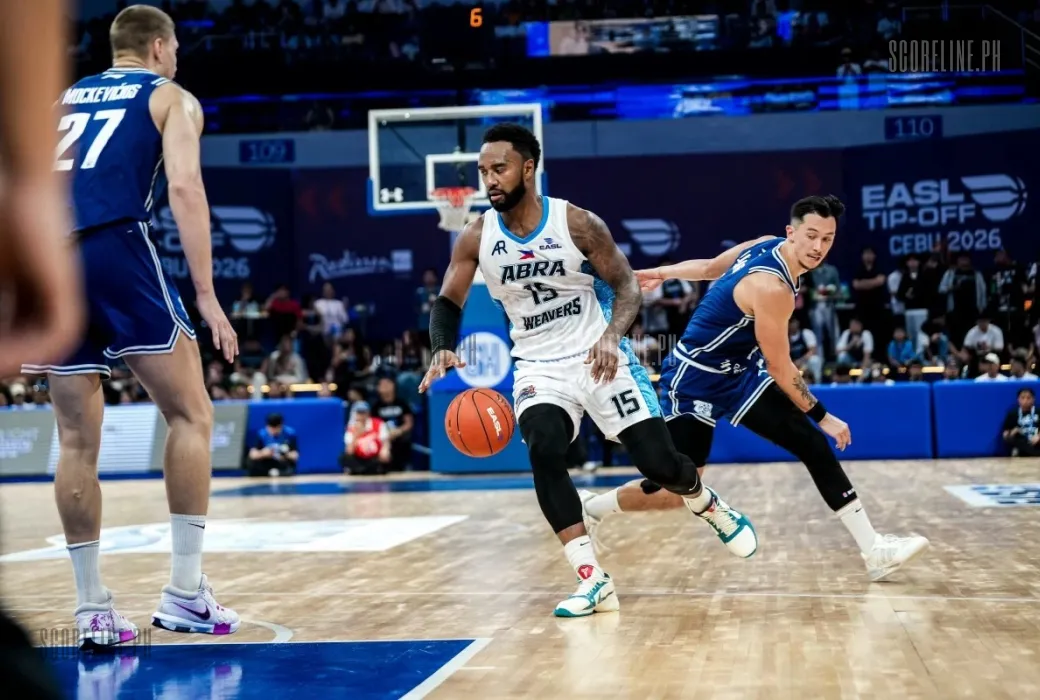
Abra Makes a Statement in EASL Debut With Character Win Over Hong Kong Eastern

Abra knew its character would be tested the moment it stepped onto the East Asia Super League stage.The Weavers answered that test with composure, grit and a statement victory.Making their EASL debut before a good-sized crowd at the newly inaugurated SM Seaside Cebu Arena, Abra held its nerve against Hong Kong Eastern to carve out a hard-earned 79-72 victory and announce that it belongs on the regional stage.For a team often viewed as the replacement for the usual PBA representatives in the tournament, the Weavers had something to prove—and they played like a squad determined to make the most of its opportunity.“It’s a character win for us,” said Abra star Dave Ildefonso after the game.For Ildefonso, the victory was about more than simply opening the EASL campaign with a win. It was about a group of players carrying something to prove stepping up when the pressure was highest.“If you look at our guys, if you look at our lineup, there’s a bunch of players who just want to prove themselves,” he said.Ildefonso pointed to the personal journeys of several teammates as part of what fueled Abra's performance.His own stint in Korea did not go as planned. Jake Figueroa experienced a similar setback, while veteran DJ Fenner continues to show that he can still perform at a high level despite his age.Mike Eric, meanwhile, is also determined to prove that he remains among the best players of his generation.“I’m still trying to prove that at my age I am still a high-level player,” Fenner said in Ildefonso’s account of the team's mindset.That collective hunger translated on the court.Ildefonso contributed nine points, four rebounds and a block, while Fenner finished with 13 points, five rebounds, three assists and three steals.Eric added 10 points and five rebounds, while Figueroa delivered a crucial three-pointer before his night ended after he was ejected for two technical fouls.Imports Jaylen Johnson and Freddy Ibrahim led the Weavers with 14 points apiece, providing the offensive punch Abra needed to keep Hong Kong Eastern at bay.For Ildefonso, however, the numbers only tell part of the story.The bigger accomplishment was proving that Abra could withstand the pressure of its first international assignment.“If you look at us, the team we’re really here to prove something to ourselves and to other people,” he said.“Siguro after this win, siyempre first game pa lang, but it is a step towards the right direction for most of us.”The Weavers now return their attention to another important mission—the MPBL playoffs, where they are the defending champions.Their EASL campaign will resume on November 4, when Abra faces the Ryukyu Golden Kings, the Japan B.League runner-up led by Filipino guard Kieffer Ravena.One game is in the books.But for Abra, the message from its international debut is already clear:The Weavers did not come to the EASL simply to fill a slot. They came to prove they belong.
8
Learn more
Maria Sharapova and Alex Eala

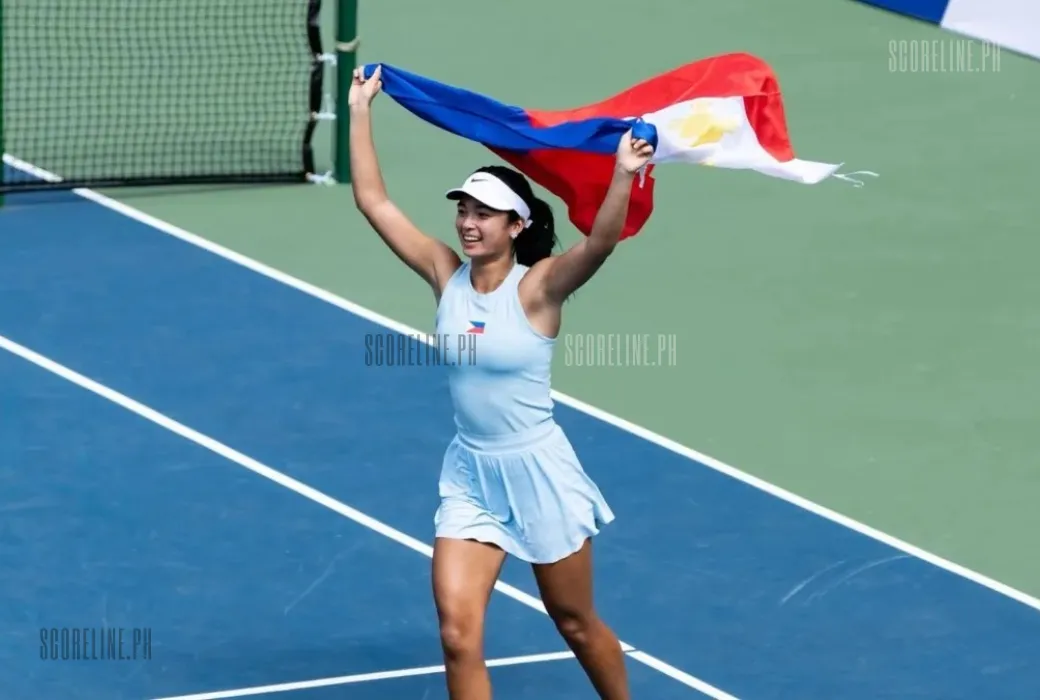
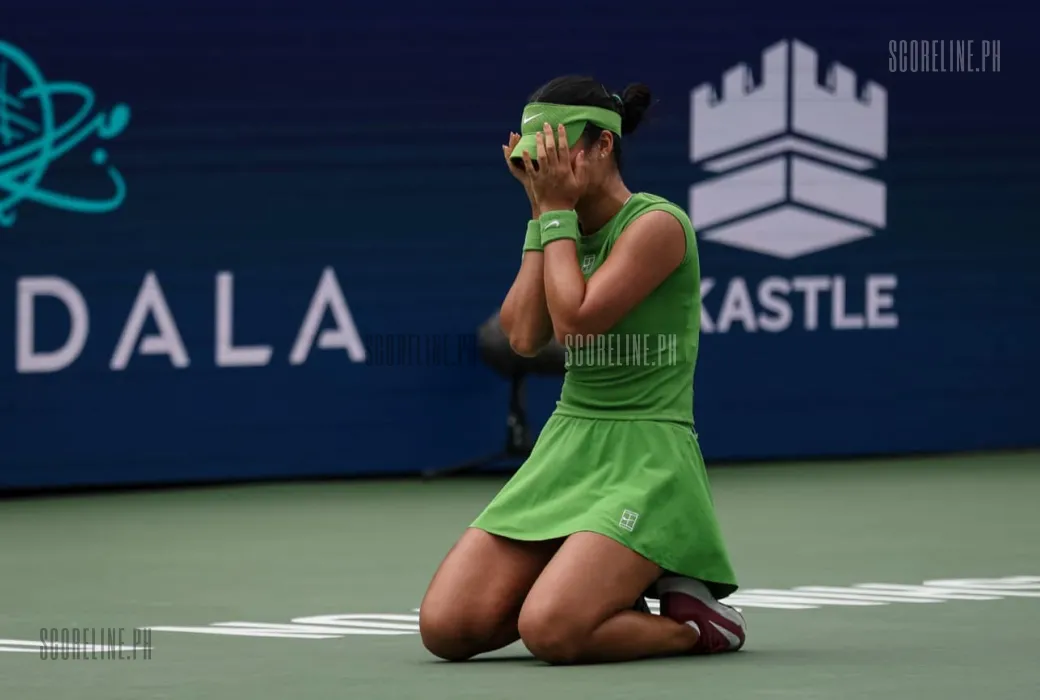
Alex Eala’s obsession with perfection: The mindset behind the rise of a Filipino tennis star

She grew up admiring Maria Sharapova. Now, the tennis legend is watching her rise—and recognizing a familiar champion’s mentality.For Alex Eala, sitting across from Maria Sharapova was more than a podcast appearance. It was a full-circle moment for a young player who once looked up to the Russian superstar and dreamed of reaching the heights she had conquered.“This is a dream. This is a dream for me,” Eala told the five-time Grand Slam champion on Sharapova’s Pretty Tough podcast.Sharapova’s response made the moment even more special.“It’s very, very mutual,” she said. “I’ve been following you for several years now.”But beyond the mutual admiration, their conversation revealed something far more compelling than a fan meeting her idol: the mentality that separates a promising talent from a player determined to become great.Eala, now ranked world No. 18 in women's singles, has never hidden her hunger for improvement.“I have a crush on perfection, and I always want to chase it,” she said.It is an ambitious statement—and a dangerous obsession if perfection becomes the only acceptable outcome. Tennis is too unpredictable, too unforgiving, and too dependent on split-second decisions for anyone to play flawlessly every time.But Eala appears to understand that chasing perfection is not necessarily about achieving it. It is about demanding more from herself, even when the scoreboard offers reasons to celebrate.THE BEAUTY OF THE FIGHTEala's rise has been fueled by moments that have tested both her game and her resolve.A semifinal appearance at the 2025 Miami Open announced her ability to compete on a major stage. Her victory over defending champion Iga Swiatek at Wimbledon in July 2026 further demonstrated her potential to challenge the sport's elite. Then came her first WTA Tour singles title in Washington in August.Those achievements are milestones, not guarantees of future success.The real test is what happens after the breakthrough—when opponents study her weaknesses, expectations grow, and winning becomes harder because everyone knows what she can do.Eala knows that competing at the highest level means embracing the uncomfortable.“I love competing. I love fighting. I love winning,” she said.She also spoke about discovering her “capacity to suffer,” describing how exhaustion and nerves no longer have to be signals to retreat. Instead, they can become familiar challenges she is prepared to face.That is where the Sharapova comparison becomes especially interesting.Sharapova built her career on fierce competitiveness, mental toughness, and an unwillingness to surrender easily. She understands the demands of being labeled a prodigy—and the burden of having the world watch every step of a young athlete's development.“It is so impressive to see how you’ve handled and navigated everything,” Sharapova told Eala.It was praise from someone who knows firsthand that talent may open the door, but resilience is what helps a player survive inside.CARRYING THE PHILIPPINESFor Eala, the pressure extends beyond rankings, trophies, and personal ambition.Every major victory draws more Filipino fans to tennis. Every breakthrough raises hopes that the country may have a genuine contender on the sport's biggest stages.Eala recognizes the significance of that responsibility.“I understand the weight that the representation holds,” she said.Representing millions can be a powerful source of motivation. It can also become a heavy burden if every match is treated as a national referendum on success or failure.The challenge is to carry the flag without allowing its weight to overwhelm the player beneath it.Eala's journey is a reminder that Filipino athletes can inspire an entire nation while still being allowed to learn, struggle, lose, and grow. She does not have to win every match to make her country proud. She has to keep building the player capable of competing at the highest level.And that process will inevitably include setbacks.“Success can be fleeting. It’s never guaranteed,” Eala said.Perhaps that is the most important lesson in her conversation with Sharapova. A title can disappear into yesterday's headlines. A ranking can rise or fall. The applause can fade.What remains is the work—the willingness to return to training, confront weaknesses, accept criticism, and compete again when the next difficult moment arrives.THE DREAM IS BIGGER THAN THE MOMENTEala once watched Sharapova as the champion she hoped to emulate. Now, she has earned recognition from the very player who helped shape her competitive imagination.That is a remarkable full-circle moment. But it is not the finish line.The temptation is to frame Eala as the next Sharapova or to measure her future against another champion's legacy. The better question is whether she can continue building a career on her own terms, with her own identity and her own definition of greatness.Her pursuit of perfection may never end. It probably should not.Because the goal is not to become a flawless tennis player. It is to become a better one—again and again, even when the process hurts.Alex Eala has already shown the Philippines what she can achieve. Now, her greatest challenge is to keep believing in what she has yet to become.The dream that once placed her in awe of a tennis legend is now becoming her own story.
8
Learn more
Alex Eala

The True Cost of Patriotism: Alex Eala’s Silent Battle with the Rulebook

THE HIDDEN PRICE OF REPRESENTING YOUR COUNTRY!For Alex Eala, playing for the Philippines is more than a tournament commitment. It's a matter of national pride.But behind that decision lies a difficult reality of professional tennis: choosing national team duty can create conflicts with mandatory tour commitments, ranking opportunities, and potential financial penalties.According to an account attributed to sports officials, Eala herself initiated the decision to represent the country. No pressure. No obligation. Just a Filipino athlete wanting to compete for her flag. 🇵🇭AND THAT'S WHAT MAKES THIS ISSUE SO FRUSTRATING.Why should athletes have to choose between protecting their professional careers and representing their country?Why should answering the call of the national team potentially come at the expense of rankings, earnings, or tournament opportunities?PATRIOTISM SHOULD NEVER BE TREATED LIKE A PROFESSIONAL VIOLATION.Eala has worked hard to build her place in international tennis while continuing to represent the Philippines.Our athletes already sacrifice enough through training, travel, and competition. They shouldn't have to navigate unnecessary administrative obstacles simply to wear their national colors.This isn't just about Alex Eala. It's about every Filipino athlete trying to balance personal career ambitions with national pride.THE PHILIPPINE FLAG SHOULD BE A SOURCE OF HONOR—NOT A CAREER PENALTY.Sports organizations must work toward rules that recognize legitimate national team commitments without unfairly compromising athletes' professional opportunities.Because representing your country should be celebrated, not discouraged.
8
Learn more
USA

Team USA survives Serbia, returns to Olympics finals

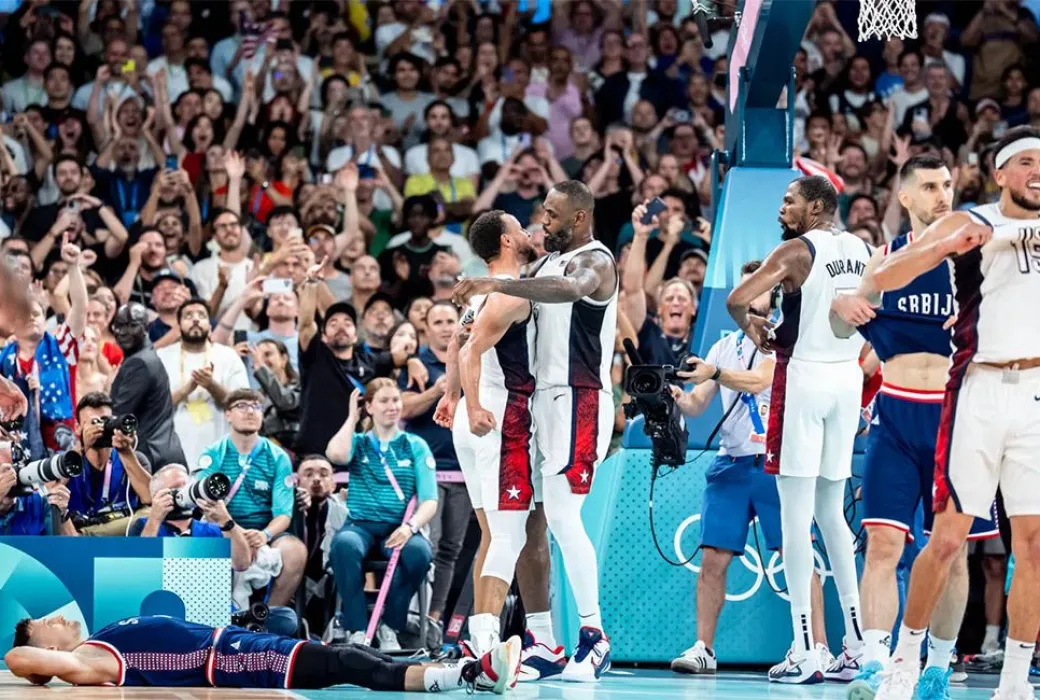
Team USA stormed back from a potential upset against Serbia to return to the gold medal game in the Olympics men’s basketball tournament.The Americans defeated the Serbians 95-91 at the Bercy Arena on Friday, August 9 (PH time), after bouncing back from a 17-point deficit.Stephen Curry showcased his best of the tournament by producing 36 points on 9 of 14 shooting behind the arc while LeBron James recorded his second triple double in the Olympics (first player to do it in history) by scoring 16 points, grabbing 12 boards and dishing off 10 assists.Entering the fourth period, the Serbians still have a 13-point cushion but Curry and James together with Joel Embiid and Kevin Durant showed their poise in the final canto where they went on a 14-2 run which turned an 84-77 deficit to a comfortable 91-86 lead with 1:41 remaining in the game.A three-point play from Bogdan Bogdanovic and a short stab by Nikola Jokic got Serbia to within two, the last time at 93-91 with 8.2 seconds remaining but Curry iced the game with his two free throws to finally put the Serbians away.Team USA will now have a finals rematch against host country France whom they also beat in the 2020 Tokyo Olympics to win their fourth straight gold in the Summer Games.The gold medal game will be scheduled at 3:30 a.m on August 11, Sunday (PH time).On the other hand, Serbia will battle Germany for the bronze medal at 5:00 p.m on August 10, Saturday (PH time).
7
Learn more
Team Archery

Amaya Cojuangco just rewrote the Philippine archery record book.

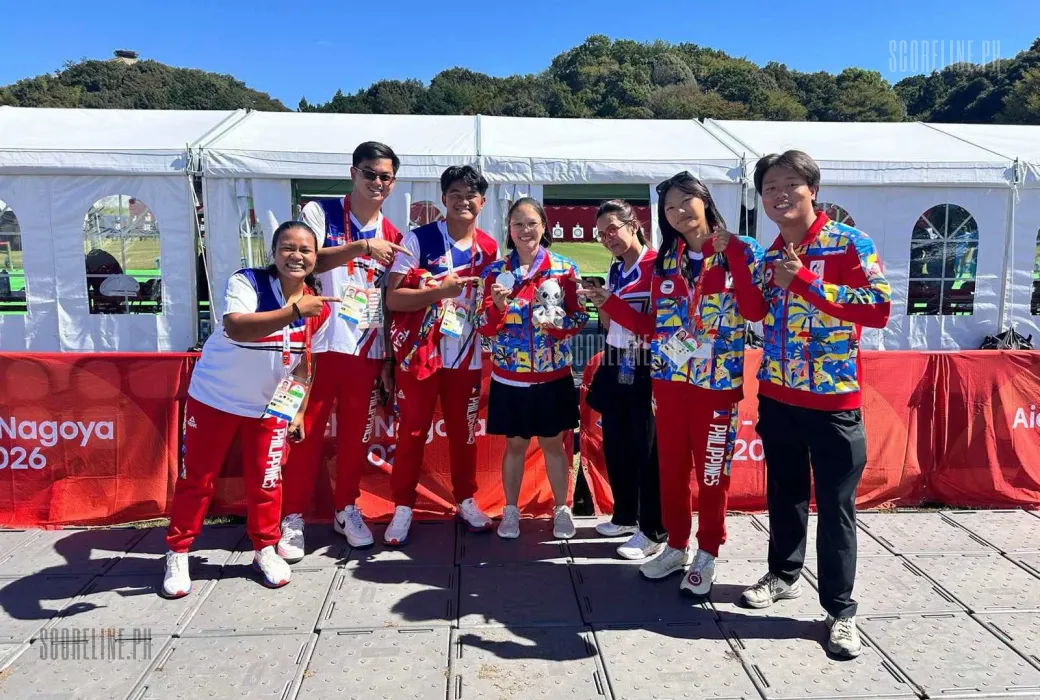
𝗡𝗢 𝗚𝗢𝗟𝗗, 𝗕𝗨𝗧 𝗔 𝗛𝗜𝗦𝗧𝗢𝗥𝗜𝗖 𝗦𝗜𝗟𝗩𝗘𝗥!  The veteran archer delivered a landmark performance at the 20th Asian Games in Japan, capturing the Philippines’ first-ever silver medal in archery after a thrilling gold-medal match at the Okazaki Chuo Sogo Park Multipurpose Square.More importantly, Cojuangco became the first Filipino archer to reach an Asian Games gold-medal match—a feat that had eluded the country for decades.She went toe-to-toe with Indonesia’s Nurisa Dian Ashrifah, splitting the first four ends before the Indonesian archer edged the deciding fifth end, 29-27, to win by just 139-137.That two-point margin says everything about how close this battle was.Cojuangco’s road to the final was just as impressive. She dominated Iran’s Bita Asheghzadeh Oskouei, 146-135, firing three perfect 30-point ends, before surviving South Korea’s Park Jungyoon, 142-141, in a nail-biting semifinal.A silver medal? Absolutely.But this feels bigger than silver.Cojuangco has now pushed the ceiling of Philippine archery higher than ever before, surpassing the bronze won by Paul Marton Dela Cruz in 2014 as the country’s best-ever Asian Games finish in the sport.THE PHILIPPINES HAS ARRIVED IN ASIAN GAMES ARCHERY.  And Amaya Cojuangco just made sure history will remember it.
7
Learn more
Jeus Gabriel Derick Yape

No mercy. No opening. No way through. Yape crushes Vietnam’s Chau Ngoc Tuyet Sang

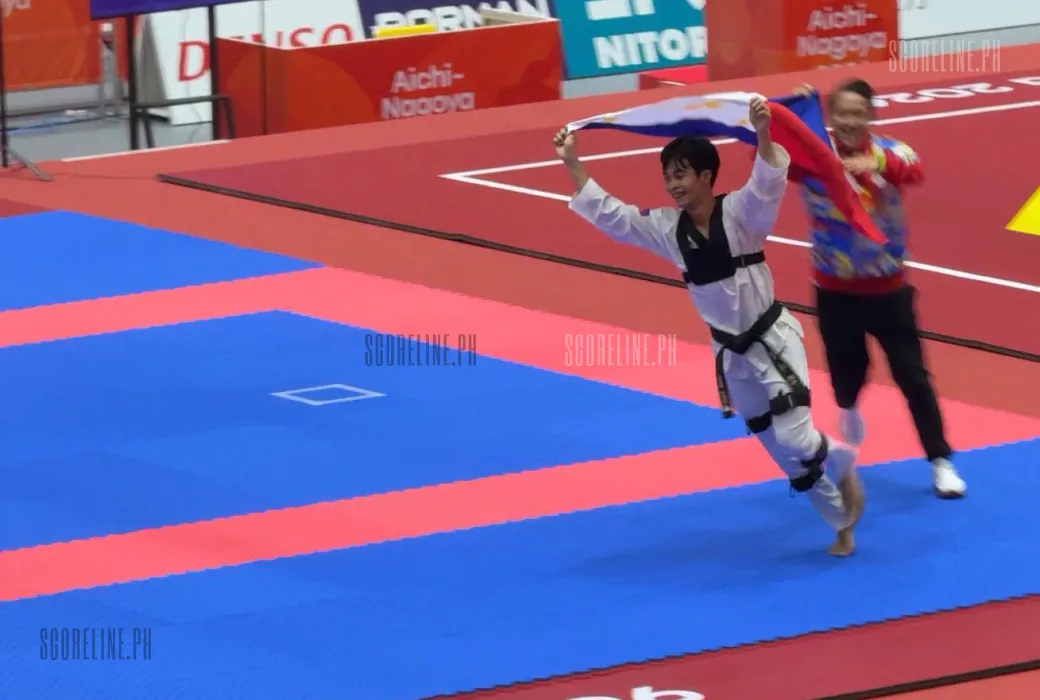
YAPE’S GOLDEN BEATDOWN! FILIPINO JIN DELIVERS FOURTH ASIAD GOLD WITH 1,120-0 DEMOLITIONJeus Gabriel Derick Yape delivered a virtual taekwondo masterclass, crushing Vietnam’s Chau Ngoc Tuyet Sang in a commanding 2-0 sweep to secure the Philippines’ fourth gold medal at the 2026 Asian Games in Aichi-Nagoya.Yape was untouchable when it mattered most, shutting out Chau, 500-0, in the opening round before turning up the pressure in the second with another lopsided 620-0 victory. Across two rounds, the Filipino jin piled up a staggering 1,120-0 advantage in Remaining HP.The championship bout was a showcase of Yape’s attacking precision and defensive control. He registered 21 total kicks, including five head kicks, and five blocks, outproducing Chau in total kicks and blocks to seal the gold without surrendering a single point in Remaining HP.But Yape’s victory meant more than another medal for the Philippine delegation. His triumph brought the country to four golds, matching its haul at the 2022 Hangzhou Asian Games, while the Philippines surpassed its previous overall medal tally with additional silver and bronze medals.From the virtual mat to the medal stand, Yape made his statement loud and clear: the Filipino fight is alive, and the gold rush continues.One performance. Two dominant rounds. One more golden moment for the Philippines.Mabuhay, Jeus Yape!
7
Learn more
Philippine Taekwondo Team

Philippine taekwondo leaves its mark in Aichi-Nagoya

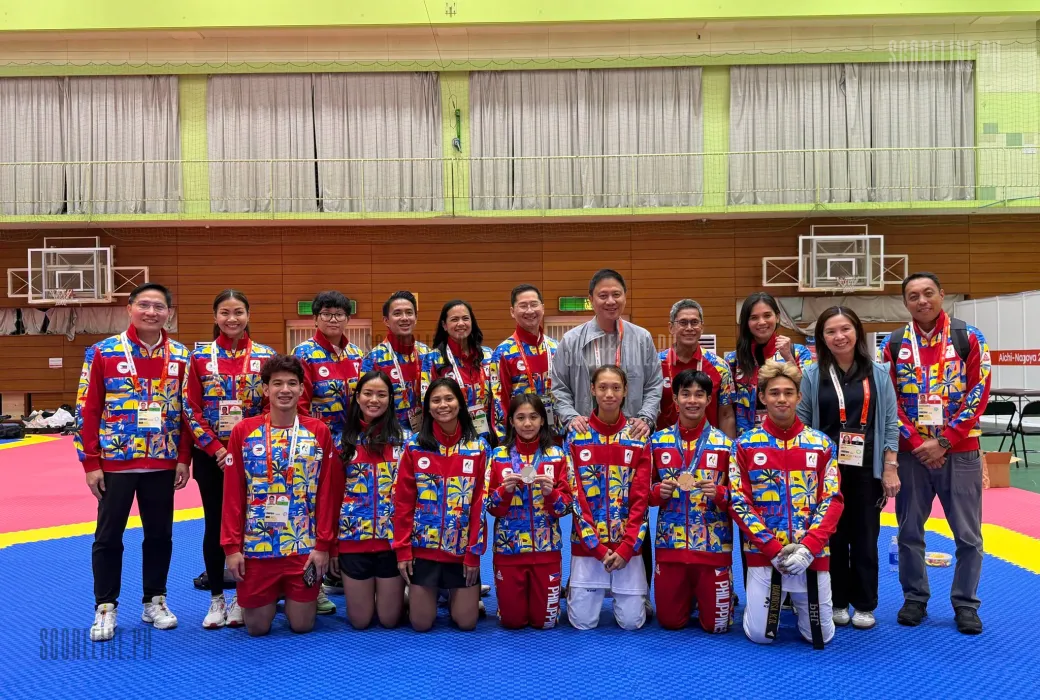
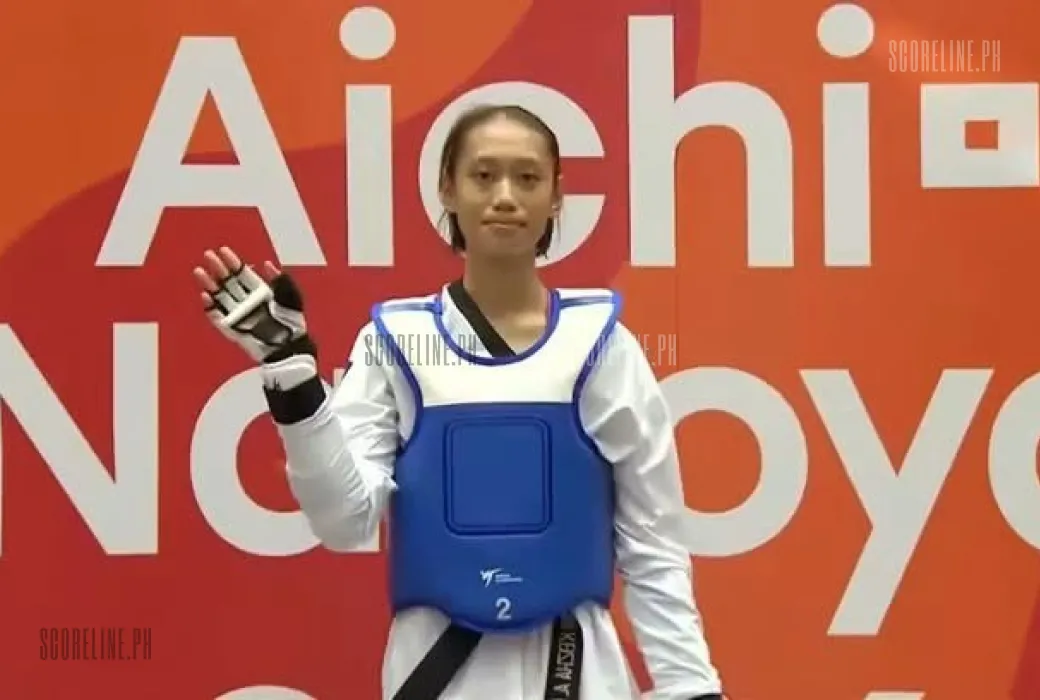
ONE GOLD. THREE SILVERS. ONE BRONZE. FIVE MEDALS—AND A STATEMENT FROM PHILIPPINE TAEKWONDO.Philippine taekwondo did not come to Aichi-Nagoya simply to participate.The Filipino jins came to make noise—and they did.When the campaign ended, the scoreboard showed a remarkable haul: one gold, three silvers, and one bronze.Five medals.Four athletes.One Philippine flag.And behind those numbers is a campaign that deserves more than a passing mention in the final medal tally.At the center of it was Jeus Gabriel Yape, who made history by capturing the inaugural individual virtual taekwondo gold. He wasn't finished there, adding a bronze in individual poomsae to become one of the Philippines’ multi-medal performers in the Games.Then came three more podium finishes.Tachiana Mangin delivered silver in the women’s -49kg.Kurt Barbosa followed with silver in the men’s -58kg.And Juliana Candelaria added another silver in individual poomsae.Different disciplines. Different opponents. Different routes to the podium.Same mission. Same flag. Same fight. 🇵🇭What makes the campaign particularly striking is the range of events in which Filipino taekwondo athletes found success. From poomsae to combat competition and the emerging virtual format, the Philippine contingent showed that its presence extends beyond a single discipline.The medal haul also contributed to a historic overall Asian Games campaign for the Philippines, which recorded its biggest medal tally in more than six decades, according to the Philippine Sports Commission.But medals don't simply appear on a scoreboard.They come from years of repetition when nobody is watching, early mornings, painful sessions, technical adjustments, sacrifices, and the pressure of knowing that an entire country is watching when the moment finally arrives.That is the part the medal tally cannot measure.For Philippine taekwondo, Aichi-Nagoya was more than a collection of podium finishes.It was a reminder that Filipino athletes can compete, adapt, and deliver across different formats on one of Asia’s biggest sporting stages.Five medals later, the message is difficult to ignore:Philippine taekwondo belongs in the conversation.The Asian Games campaign is over.The medals will go into the record books.But for Yape, Mangin, Barbosa, Candelaria, and the athletes who will follow them, the next fight has already begun.
7
Learn more
EJ Obiena

EJ Obiena, this Asian Games gold medal was more than another victory

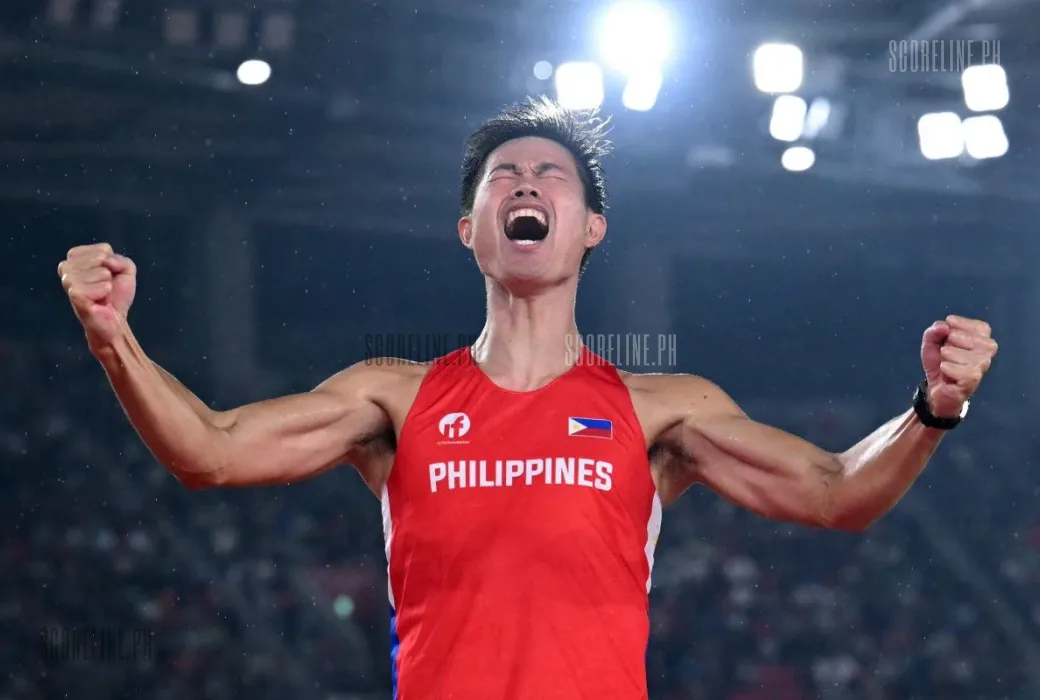
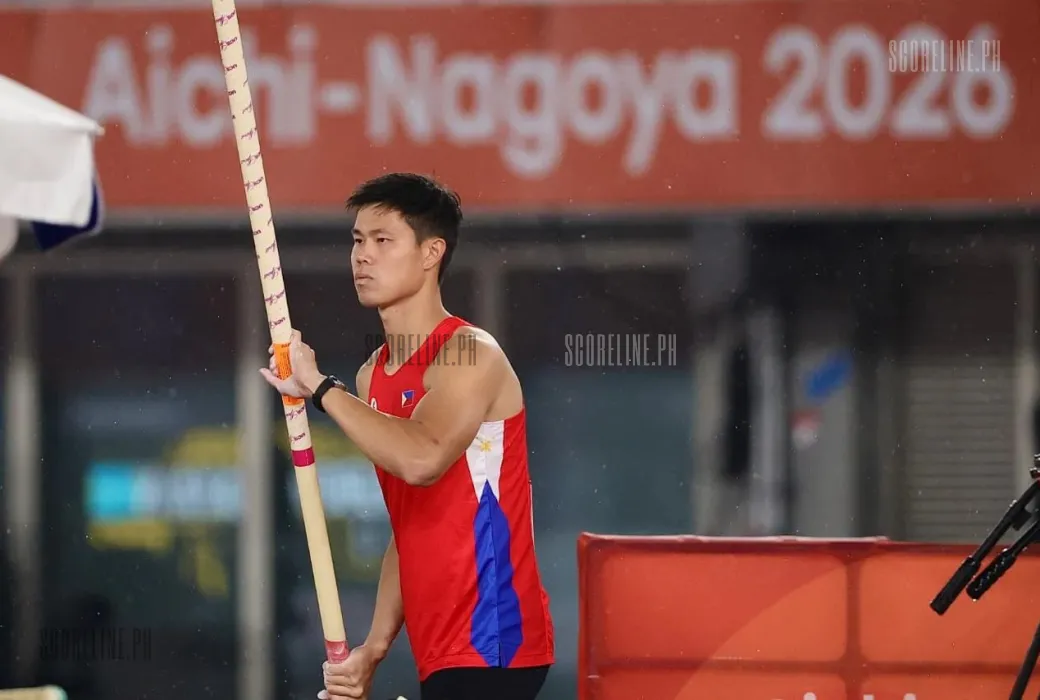
𝗘𝗝 𝗢𝗕𝗜𝗘𝗡𝗔 𝗜𝗦 𝗥𝗘𝗕𝗢𝗥𝗡. It felt like a fresh start.The two-time Olympian stamped his authority as Asia’s top pole vaulter on Tuesday, clearing 5.91 meters at Paloma Mizuho Stadium to win gold and establish a new Asian Games record.But the number on the scoreboard wasn't the biggest story.Obiena says he has found himself again.After admitting that he struggled to enjoy the sport following the 2024 Paris Olympics, the 30-year-old Filipino said his latest triumph brought back something he had been missing—the excitement, pressure and emotion that made him love competing.“It’s a bit of a reborn, a little bit of a different me.”And perhaps that is the most dangerous version of Obiena—not simply the athlete chasing heights, but the athlete who is having fun again.He acknowledged feeling somewhat empty in the period after Paris, saying he had lost some of the excitement he once felt in training and competition.Now, that fire is back.And suddenly, Los Angeles 2028 doesn't look so far away. 🇺🇸🔥Obiena said he sees no reason not to chase another Olympic appearance—as long as he remains healthy, qualifies and, most importantly, continues enjoying the sport.That last part might be the biggest development of all.Because when an athlete stops chasing medals and starts enjoying the climb again, the ceiling can get very high.For now, Obiena will take a well-earned break in Manila with his family before returning to training in Athens, Greece.Rest now.Then jump again.THE REBORN EJ OBIENA IS READY TO FLY.
6
Learn more
Khy Progella and Sofiah Pagara

The gold-medal dream is gone, but the fight isn’t over

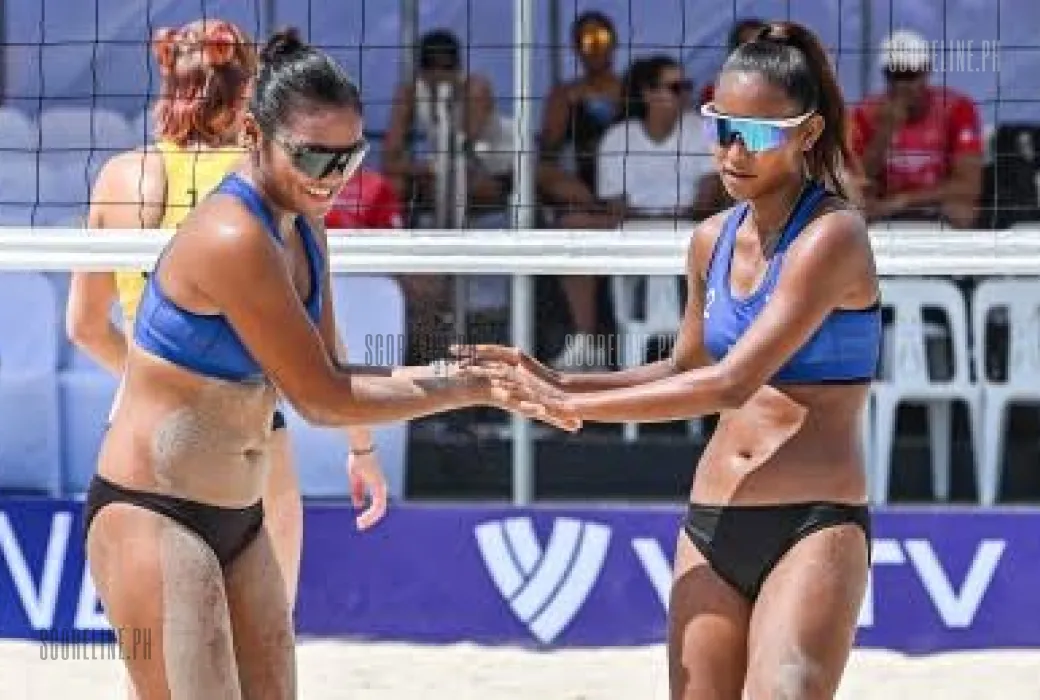
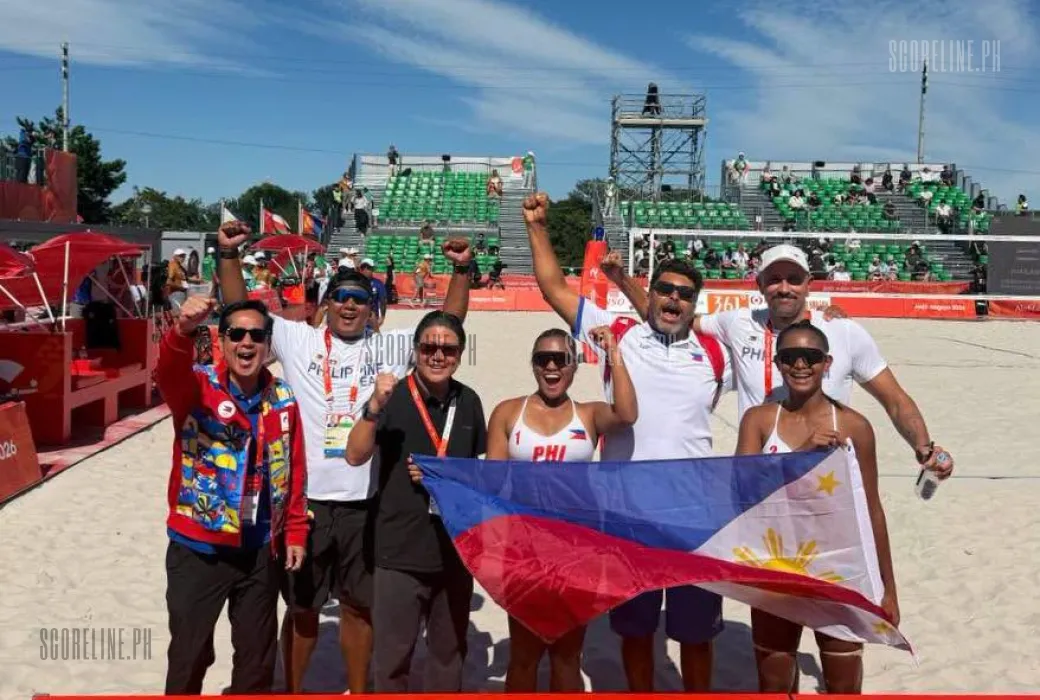
𝗢𝗡𝗘 𝗟𝗢𝗦𝗦. 𝗢𝗡𝗘 𝗠𝗢𝗥𝗘 𝗙𝗜𝗚𝗛𝗧. Alas Pilipinas’ Khy Progella and Sofiah Pagara suffered their first loss of the tournament Thursday, falling to Thailand’s Worapeerachayakorn Kongphopsarutawadee and Taravadee Naraphornrapat, 21-23, 18-21, in the women’s beach volleyball semifinals of the 20th Asian Games.The Filipinas came within striking distance in both sets but could not find the finishing touch against the Thai pair, who advanced to the gold-medal match.For Progella and Pagara, the defeat was especially painful.They entered the semifinal unbeaten and had already survived a tough quarterfinal battle against Japan to book their place in the final four.They also carried unfinished business after Sisi Rondina and Bernadeth Pons were beaten by the same Thai tandem just a day earlier.But Thailand once again had the final say.Still, there is no time to dwell on what slipped away.A medal is still within reach.Progella and Pagara will battle China’s Cao Shuting and Dong Jie on Friday with a bronze medal on the line.The road to gold may have ended.The road to the podium hasn’t.One more match. One more chance to finish this Asian Games campaign with a medal around their necks.𝗔𝗟𝗔𝗦, 𝗚𝗜𝗥𝗟𝗦. 𝗙𝗜𝗚𝗛𝗧 𝗙𝗢𝗥 𝗕𝗥𝗢𝗡𝗭𝗘.  
6
Learn more
Philippine Olympic Committee and UAE Jiu-Jitsu Federation, Asian Jiu-Jitsu Union

Beyond the mat: The real fight is building jiu-jitsu’s future

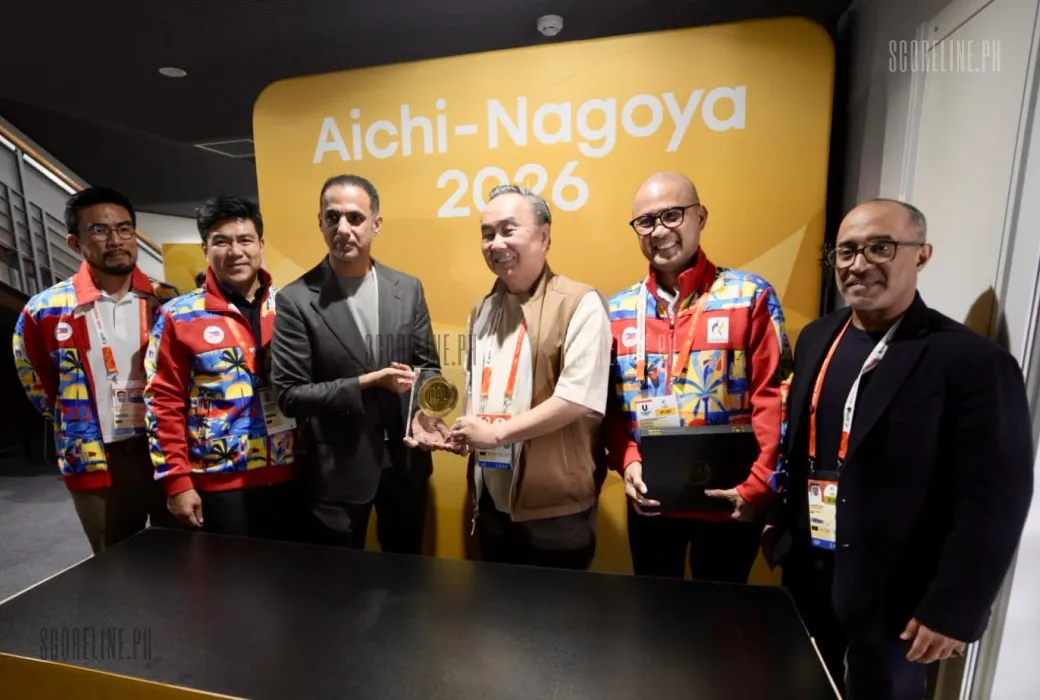
MEDALS ARE WON ON THE MAT. BUT THE FUTURE OF THE SPORT IS BUILT BEHIND THE SCENES. In sports, not every game-changing move happens in competition. Some happen across the table, where partnerships are forged and the groundwork for future opportunities begins.That was the message behind the meeting between Philippine Olympic Committee (POC) President Abraham “Bambol” Tolentino and Fahad Ali Al Shamsi, general secretary of both the UAE Jiu-Jitsu Federation and the Asian Jiu-Jitsu Union, on the sidelines of the Aichi-Nagoya 2026 Asian Games.Tolentino presented Al Shamsi with an official POC token of appreciation—a gesture symbolizing friendship, cooperation, and a shared interest in advancing jiu-jitsu across Asia.But beyond the ceremonial exchange lies a bigger picture.For Filipino grapplers, international connections can open doors.Stronger ties among sports organizations can help create opportunities for athlete development, international competition, and greater exposure to the sport’s evolving standards. While these benefits depend on how partnerships translate into concrete programs, building relationships is part of the work required to strengthen a sport beyond a single tournament.For the Philippines, where athletes continue to test themselves against the continent’s best, that work matters. Medals celebrate what athletes achieve today; sustained development helps prepare the next generation for tomorrow.The meeting in Nagoya may not have produced a score or a podium finish, but it highlighted another side of international sports: the people working to create opportunities beyond the competition floor.Because the mission is bigger than one match, one medal, or one Asian Games campaign.The fight is not just to win medals. It is to build a stronger future for Filipino jiu-jitsu—and that fight takes more than one team.
6
Learn more
Kaila Napolis

She fought for it: Kaila Napolis is an Asian Games medalist

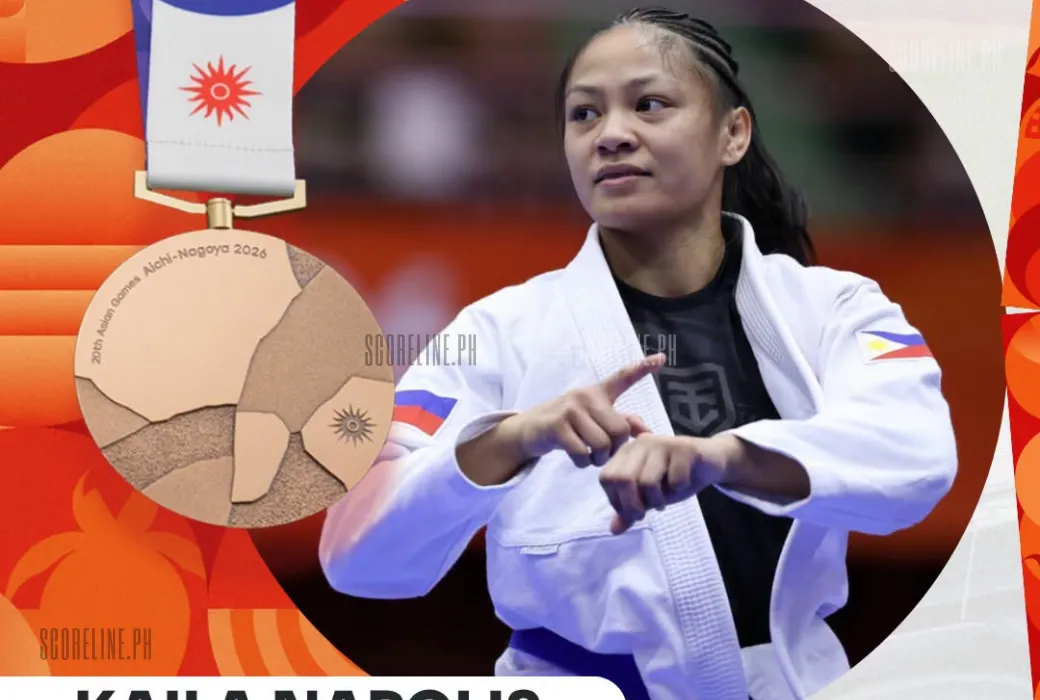
WHEN THE MEDAL WAS ON THE LINE, KAILA NAPOLIS DIDN’T BLINK.She stepped onto the mat with one thing at stake—a place on the Asian Games podium.And when the final exchange was over, the Philippine flag was coming home with another medal. 🇵🇭🔥Filipina grappler Jenna Kaila Napolis battled her way to bronze in the women’s -52kg at the 20th Asian Games in Aichi-Nagoya, Japan, closing her campaign with a hard-earned victory over Mongolia’s Tsagaanbileg Altangerel.The score read 2-0.But the number doesn't tell the entire story.Behind those two points were the composure, tactical discipline, and relentless fight required to deliver when the pressure was at its highest. Napolis kept her focus, stayed in the battle, and finished the job when the medal was within reach.No shortcuts. No surrender. Just fight.For a country that continues to produce athletes willing to go toe-to-toe with Asia’s best, Napolis’ bronze is another reminder that Philippine grappling belongs on the continental stage. 🥋🇵🇭She may not have stood on the top step of the podium—but she stood there.And sometimes, earning that spot is a victory in itself.KAILA NAPOLIS IS AN ASIAN GAMES MEDALIST. 🥉🔥Another medal for Team Philippines. Another Filipino athlete who showed up when it mattered most.Salamat sa laban, Kaila. You made the nation proud.
6
Learn more
Asian Games Closing

Small steps. One giant leap

THE MEDALS TELL ONE STORY. THE FIGHT BEHIND THEM TELLS ANOTHER.29 Medal, A haul of hard-earned bronzes.At the 20th Asian Games in Aichi-Nagoya, Team Pilipinas stood against Asia’s finest in a competition where 50 world records and 11 junior world records fell.The bar was higher than ever. The competition was relentless. Yet Filipino athletes kept fighting, proving that the Philippine flag belongs on the biggest sporting stages.From the track to the ring.From the pool to the mats.From the court to the field.Every medal carried sacrifice. Every victory carried pride. And every athlete who wore the national colors carried the hopes of a nation.NOT EVERY HERO CAME HOME WITH GOLD. NOT EVERY BATTLE ENDED IN VICTORY. BUT EVERY ATHLETE WHO GAVE EVERYTHING FOR THE FLAG DESERVES OUR RESPECT.Behind these performances were coaches, families, sports officials, and supporters who helped make the journey possible.Now, the Asian Games flame has gone out. But the fire of Philippine sports must burn brighter.The SEA Games are next. AIMAG awaits. And beyond them lies the enormous challenge of LA 2028.The mission is bigger than medals. It is about building stronger programs, giving athletes the support they deserve, and turning today's breakthroughs into tomorrow's Olympic dreams.Because national pride should not end when the closing ceremony does. It should fuel the work that follows.SMALL STEPS TODAY. ONE GIANT LEAP TOMORROW.To every Filipino athlete who fought in Aichi-Nagoya: maraming salamat for carrying our flag with courage, heart, and pride.You represented more than a country. You reminded us what Filipinos can achieve when given the chance to compete.MABUHAY ANG ATLETANG PILIPINO! LABAN PILIPINAS!
6
Learn more
PSC Chair Patrick Gregorio & POC Pres. Abraham Tolentino

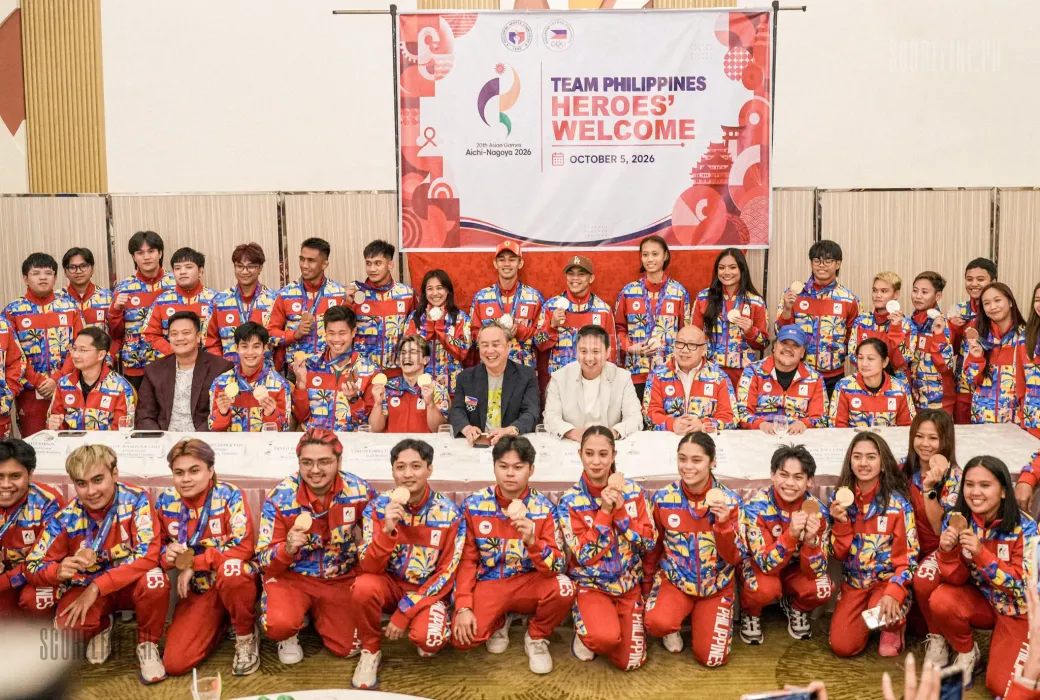
The real story behind Team Philippines’ Aichi-Nagoya campaign

Four gold medals. Nine silvers. Sixteen bronzes. Twenty-nine medals in all.For Philippine Olympic Committee President Abraham “Bambol” Tolentino, however, the nine silvers told another story.They represented medals that, in his view, could have easily changed the color of the Philippines’ Aichi-Nagoya campaign.The target was eight golds. The country won four. But Tolentino insists the eight-gold projection was never unrealistic.“I can say that hindi ko pwedeng ikahiya na kaya talaga yung eight [gold medals],” Tolentino said during the Team Philippines homecoming press conference in Manila yesterday.And his explanation was simple. “Doon lang tayo pipitas sa silver.”Team Philippines matched its four-gold haul from the 2018 Jakarta-Palembang and 2022 Hangzhou Asian Games, with Carlos Yulo winning two golds in gymnastics, EJ Obiena taking pole vault gold and Jeus Yape capturing the country's historic virtual taekwondo gold.But the POC chief believes the tally could have been much higher.He pointed to Carlo Paalam's silver medal, as well as silver-medal finishes in jiu-jitsu and taekwondo, where he questioned the impact of officiating and referee decisions.“Kay Paalam, nakita niyo naman. 'Di ba? Kayo na humusga doon. That's a sure gold,” Tolentino said.He also cited two jiu-jitsu and taekwondo silver medalists who, according to his account, received zero scores from referees in crucial moments.Then there was MMA fighter Saclag.Tolentino believed the young Filipino simply became too aggressive in the final, but still saw something more valuable beneath the silver medal.“May nakatago yung silver niya,” he said.In other words, Tolentino was not looking at nine silver medals as nine failures to win gold. He was looking at nine opportunities that came agonizingly close to becoming victories.Tolentino went even further, pointing to Victoria Bossong's bronze in the women's 800 meters. Bossong topped the preliminary heats in 2:02 but clocked 2:04 in the final.For Tolentino, the performance raised another “what if.”“One bronze that should have been gold, with due respect to Victoria,” he said.His point was clear: the eight-gold projection was not simply a number pulled from thin air.Several Filipino athletes entered Aichi-Nagoya with legitimate medal chances.Some delivered gold. Others came home with silver. Some narrowly missed the podium altogether. That is the brutal mathematics of elite sport.Strip away the gold-medal argument for a moment and another number demands attention.It was the Philippines' biggest Asian Games medal haul in six decades, dating back to the 1966 Bangkok Asiad.That makes the conversation more complicated than simply asking why the country fell four golds short of its target.The more revealing question may be. How many of those 25 non-gold medals can Philippine sports eventually turn into gold?That is where the real work begins. Because silver means the athlete is already close.Bronze means the athlete has already broken through the highest level of continental competition. The challenge now is converting proximity into dominance.Meanwhile, PSC Chairman Patrick “Pato” Gregorio sees reason for optimism beyond the medal count.He noted that several of the country's medalists are only 20 years old or younger.For Gregorio, that is one of the most encouraging takeaways from the Games.“Talagang mga bata. Talagang very promising,” he said, pointing to the development programs being built for the next generation.The next steps include grassroots initiatives, regional training centers and the Southeast Asian Games Youth Plus scheduled in December.That matters because medals at the senior level are rarely created overnight.They are built years earlier—in school gyms, local training centers, provincial competitions and youth programs.The athletes standing on the Asian Games podium today can become the foundation of the Philippine team of tomorrow. PSC Chair, Gregorio also had a message for the athletes amid the social-media criticism surrounding the four-gold haul.Don't let the noise become bigger than the achievement.“Tuloy-tuloy po ang suporta namin sa inyo,” Gregorio said.His message was particularly relevant in an era where every medal is immediately dissected online and every missed opportunity can become a target for criticism.Athletes see those comments. They read them. But their job is still the same: train, compete and represent the Philippines.Perhaps the biggest significance of Aichi-Nagoya is that many of the sports where the Philippines won medals are also part of the Olympic program.For Tolentino, that makes the Asian Games performance an important indicator heading toward the 2028 Los Angeles Olympics.The objective is no longer simply to collect medals at one continental Games.It is to build athletes capable of competing—and winning—on the world's biggest sporting stage.That requires sustained investment. It requires international exposure. It requires world-class coaching, sports science, facilities, recovery and competition opportunities. And it requires funding.Gregorio said the next crucial battle for Philippine sports will not take place inside an arena. It will take place in the halls of Congress.Sports officials are preparing to defend their budget before the Senate, with funding needed for the 2027 Southeast Asian Games, SEA Games Youth Plus, Asian Beach Games and the Los Angeles Olympics.The message from the PSC is straightforward:The athletes have shown what they can do. Now the system has to keep up.Under Republic Act No. 10699, an Asian Games gold medal carries a P2-million incentive, while silver medalists receive P1 million and bronze medalists P400,000.Those rewards recognize the athletes' achievements. But incentives alone cannot build an Olympic pipeline. That requires long-term investment.So, did Philippine sports fall short in Aichi-Nagoya?If the only measure is the eight-gold projection, then yes. But if the question is whether the country produced a competitive, medal-producing team capable of challenging Asia's best, the 29-medal haul paints a much broader picture.Four golds matched the country's recent Asian Games high. Nine silvers showed how close several athletes came to the top.Sixteen bronzes demonstrated the breadth of the country's medal-producing program. And the presence of young athletes on the podium suggests that this may not be the finished product. The goal should not be to celebrate four golds as though the work is done.Nor should it be to dismiss 29 medals as though nothing was accomplished. Both can be true: Philippine sports made progress—and Philippine sports still has a lot more to prove. The silver medals are not excuses.They are targets. The bronze medals are not consolation prizes. They are starting points. And the four golds are not the ceiling.They are the standard that the next generation must be challenged to surpass. Aichi-Nagoya is over.The road to Los Angeles has already begun.
6
Learn more

Latest News

Premier Volleyball League

PVL's 10th Season Ushers in New Era in Cebu City

86
Alex Eala

The True Cost of Patriotism: Alex Eala’s Silent Battle with the Rulebook

8
Philippine Team

The Pinoy Athlete’s Curse: Why is Funding Always Lighter Than the Praise?

15
Aleah Finnegan

Beyond the Olympics: Aleah Finnegan is Building the Next Generation of Philippine Gymnastics

11
Senator Bong Go

The future of athlete's must never become collateral damage in sports politics

9
Justin Brownlee

Gilas Pilipinas did not just lose a star. It lost the heart of its championship identity.
4
Maria Sharapova and Alex Eala

Alex Eala’s obsession with perfection: The mindset behind the rise of a Filipino tennis star

7
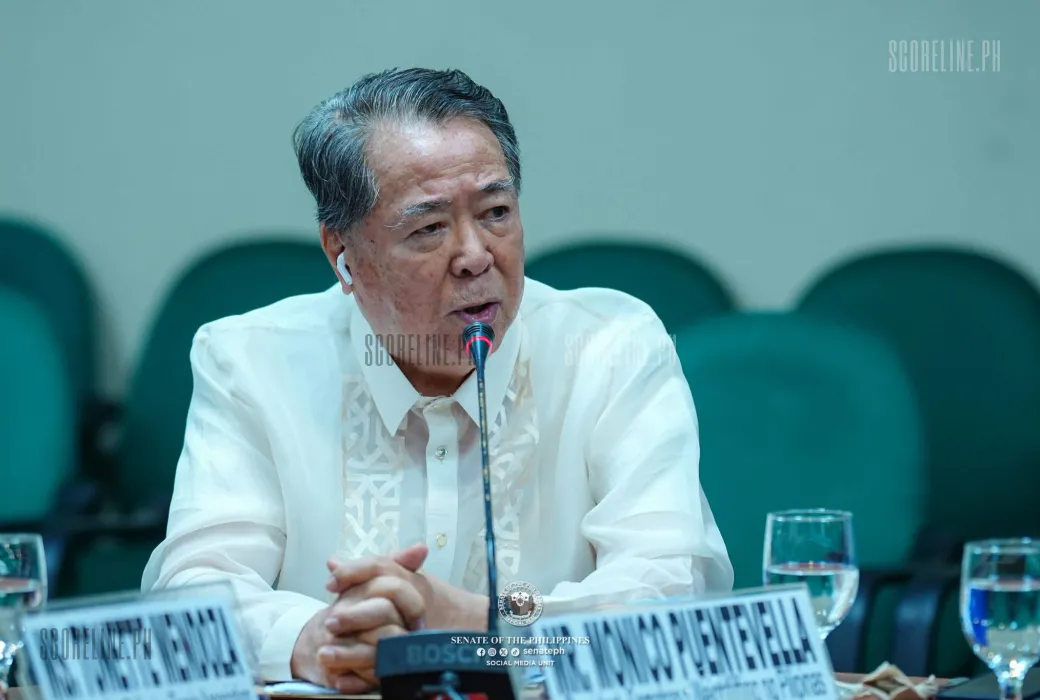
Monico Puentevella

Philippine Olympic Committee should stay out of NSA affairs - Puentevella

4
DJ Fenner

Abra Makes a Statement in EASL Debut With Character Win Over Hong Kong Eastern

8
PSC Chair Patrick Gregorio & POC Pres. Abraham Tolentino

The real story behind Team Philippines’ Aichi-Nagoya campaign

6
Alex Eala

Eala chose the Philippines, but it cost her a shot at the WTA Finals

13
Alex Eala

Alex Eala’s value beyond the tennis court She's building Global Sports Empire

12
New Games in Asian Games

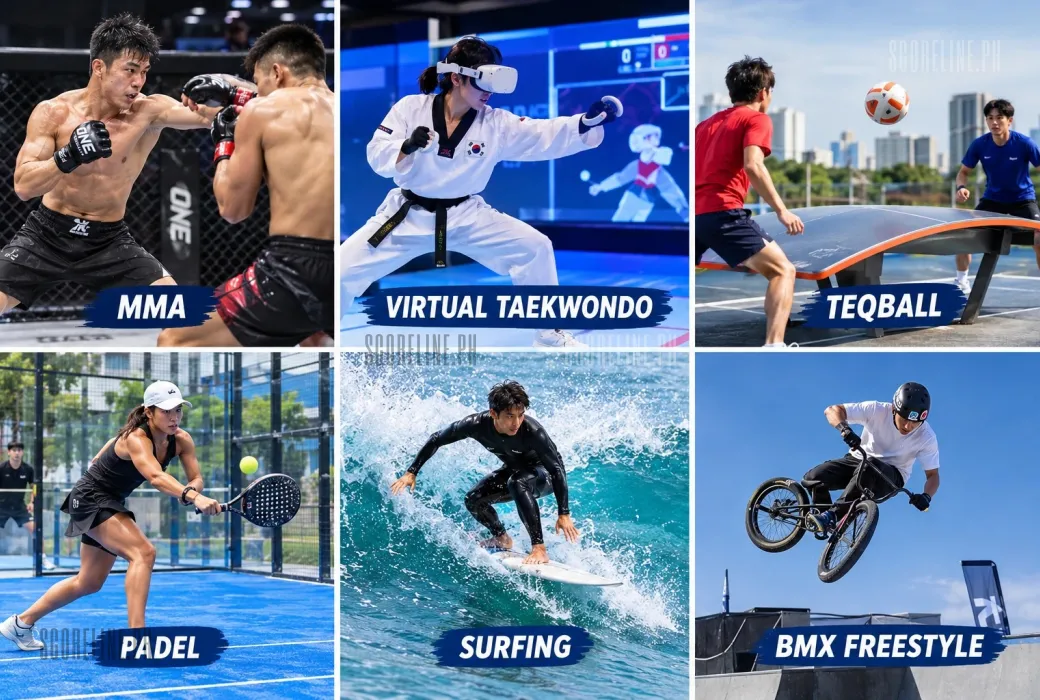
The Asian Games Just got wilder as Aichi-Nagoya,welcomes new generations of Sports

22
SGA Team

Apology Made. Damage Done. Jones Cup Format Change Puts SGA in the Crossfire

11
Philippine Team

Aichi-Nagoya was a Statement. Now, the Philippines must Build on it

7
Aichi-Nagoya Japan

Japan has built a reputation for precision, efficiency and world-class sporting events

17
Senator Bong Go

Senator Bong Go Sounds Alarm Over Sports Infrastructure in 2027 Budget Deliberations

8
Carlo & AJ

Spain Edges Biado-Manas in Thrilling 10-Ball World Finale

8
 Margielyn Didal

She borrowed a skateboard. Then she conquered Asia.

21
Jaja Villena

Jaja Villena parts ways with Akari Chargers, opens door for new opportunity

11
Carlo Biado and Albert James Manas

Five sets, one massive fight, one final to go

11
Gilas Pilpinas vs. Australia

Gilas Girls suffer rude awakening against Australia

15
POC President Abraham Tolentino

From the podium to the leadership table

8
Khy Progella and Sofiah Pagara

LA2028 feels like the natural next target, not just a nice possibility

21
Gerry Peñalosa

He once conquered two weight divisions. Now, he’s fighting for the next generation

8
Julianna Candelaria

18 years old. First Asian Games. Straight into the medals. Remember her name

10
Asian Games Closing

Small steps. One giant leap

6
Amaya Paz-Cojuangco

From Asiad silver to an Olympic dream: Philippine archery sets its sights on LA 2028

17
Breanna Labadan

One gymnast, one flag, one region: Breanna Labadan stands tall in Asian Games final

37
EJ Obiena

EJ Obiena defends his crown and smashes his own Asian Games record

14
Brisbane Olympic

Brisbane 2032’s big reveal spoiled: Marketing win or planning blunder

15
2026 Asian Games Logo

The medals will be counted The records will be written The flame will go out

13
Philippine Taekwondo Team

Philippine taekwondo leaves its mark in Aichi-Nagoya

7
Tachiana Mangin

Tachiana Mangin the Filipina taekwondo standout has already made her mark on the Asian stage

9
Alex Eala

Alex Eala keeps the Asian Games podium streak alive

12
Victoria Bossong

Victoria Bossong’s Asian Games bronze is impressive.

7
Kaila Napolis

She fought for it: Kaila Napolis is an Asian Games medalist

6
Philippine Olympic Committee and UAE Jiu-Jitsu Federation, Asian Jiu-Jitsu Union

Beyond the mat: The real fight is building jiu-jitsu’s future

6
Alas Pilipinas Mens Volleyball team

Breakthrough at last: Alas Pilipinas Men finally crack the win column in Asiad

10
Carlo Paalam

From bronze to silver: Carlo Paalam climbs another rung on the Asian Games podium

11
Alas Pilipinas Women

Comeback on the sand: Alas Pilipinas makes beach volleyball history with Asian Games bronze

12
Glowlyn Malipol and her daughter, Christine May Morales

A golden day for daughter, a silver moment for mom

12