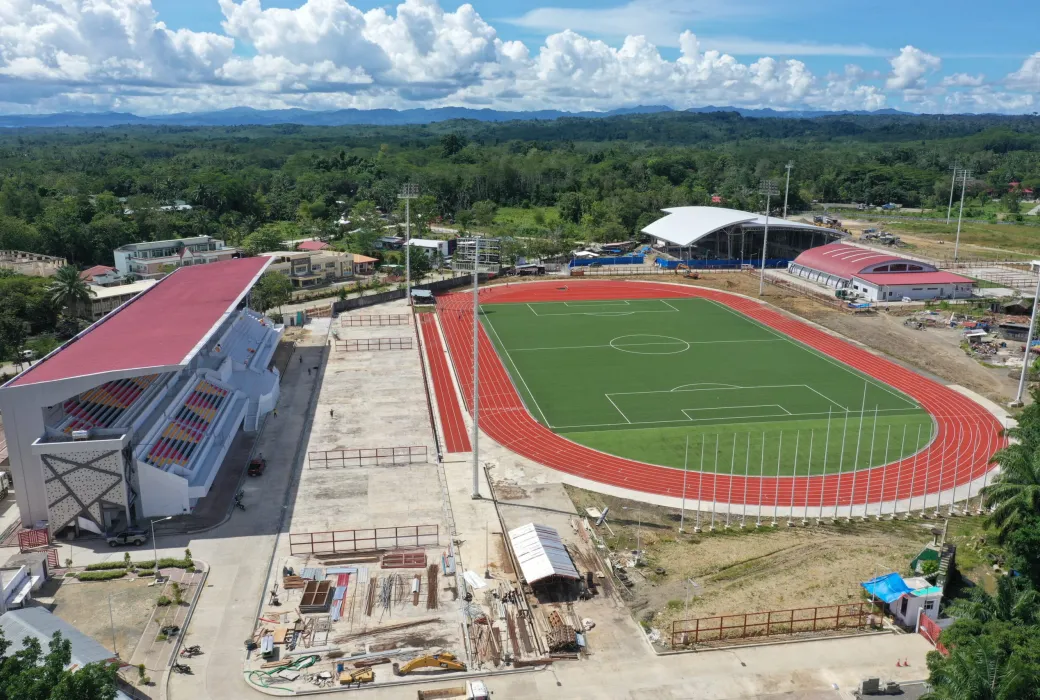
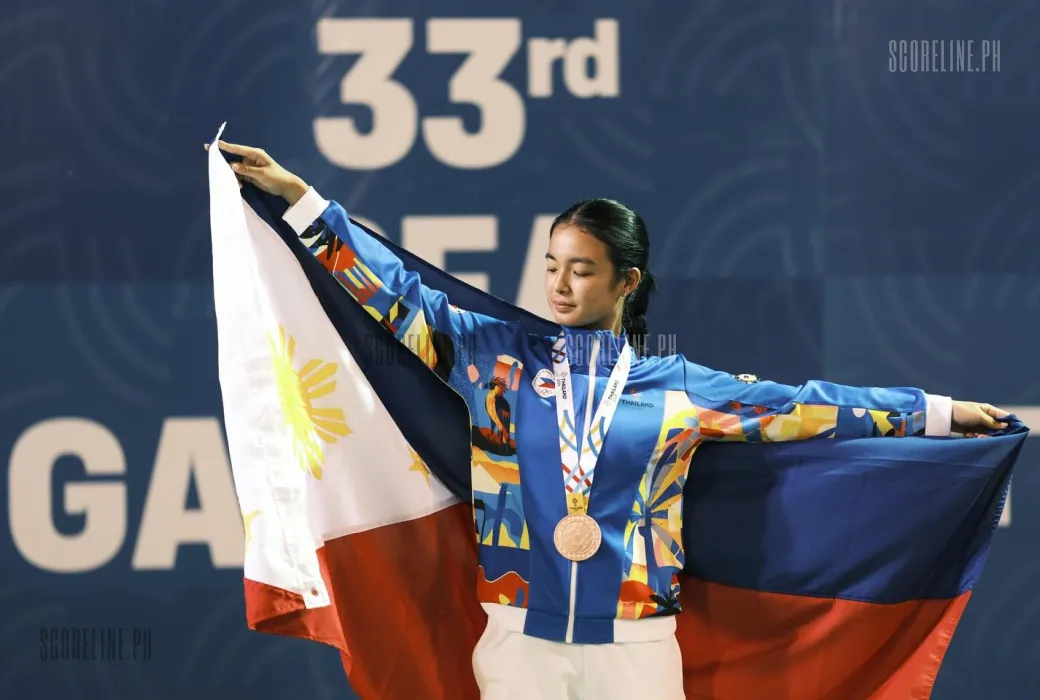
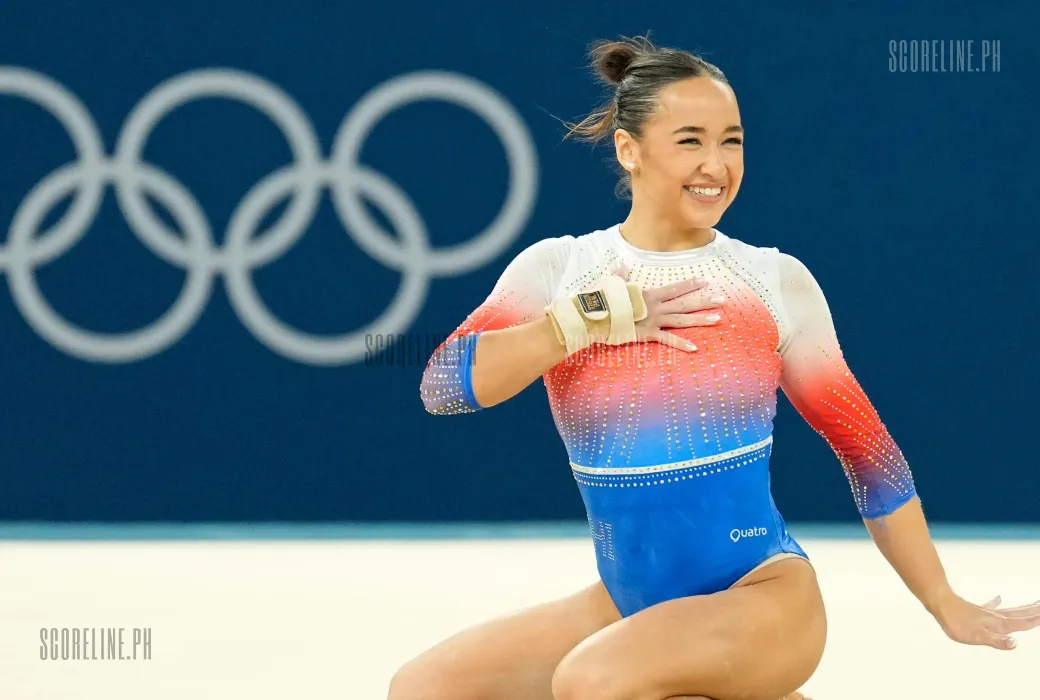
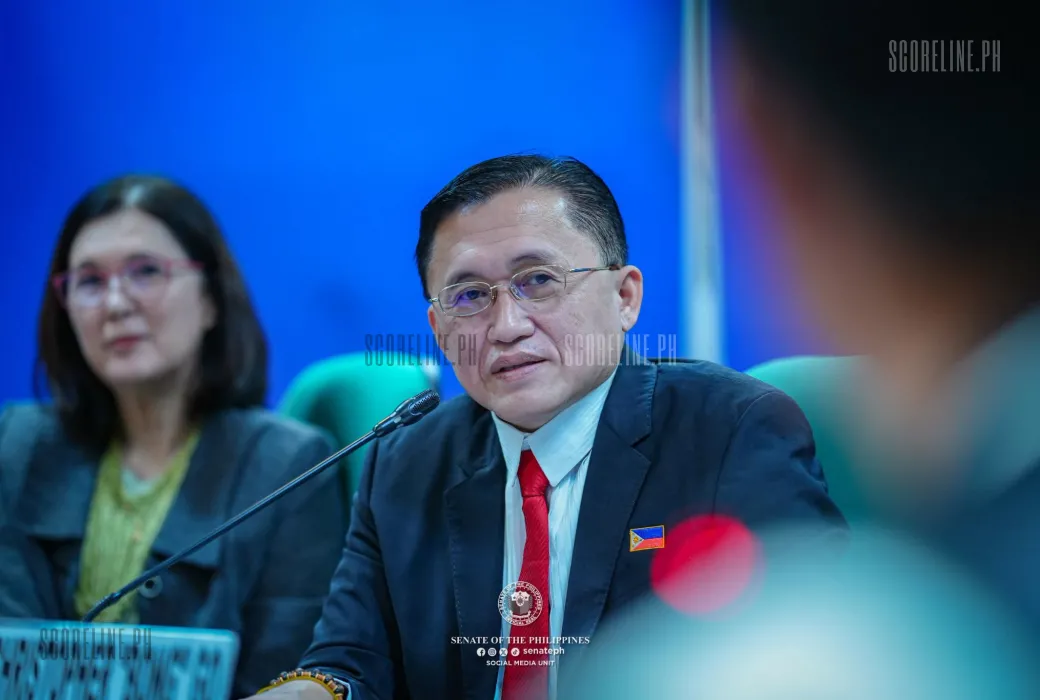
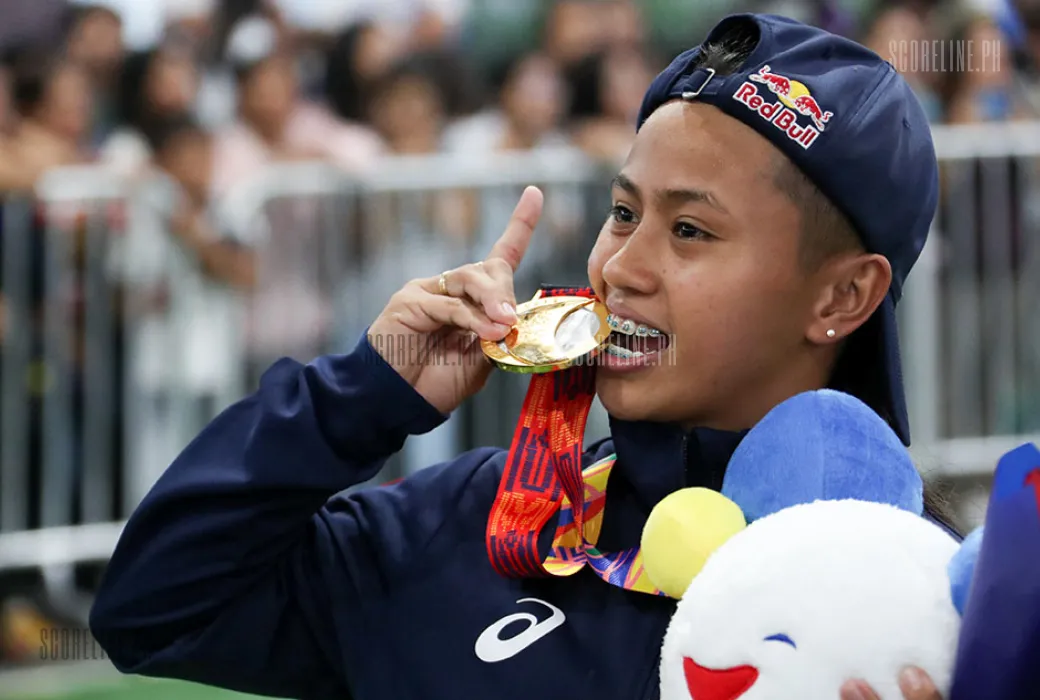
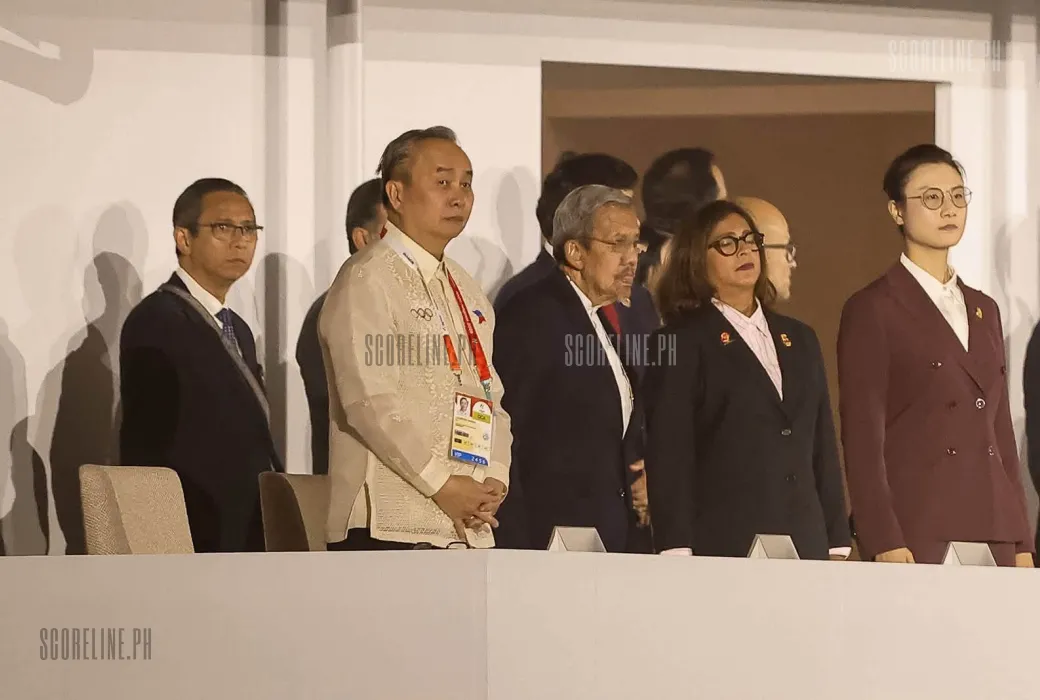
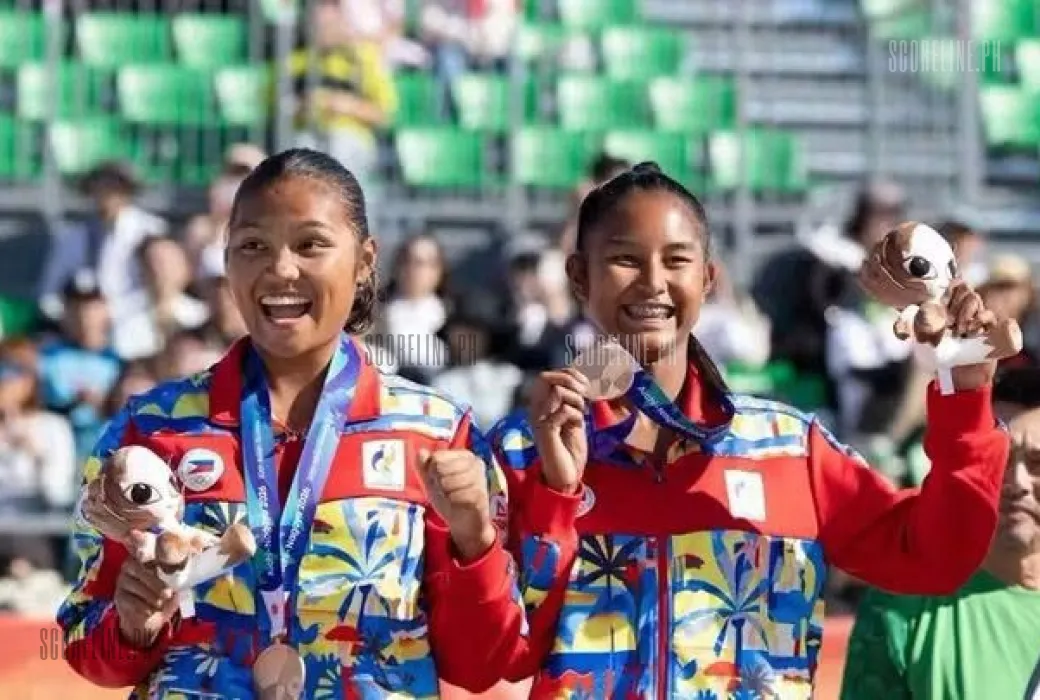
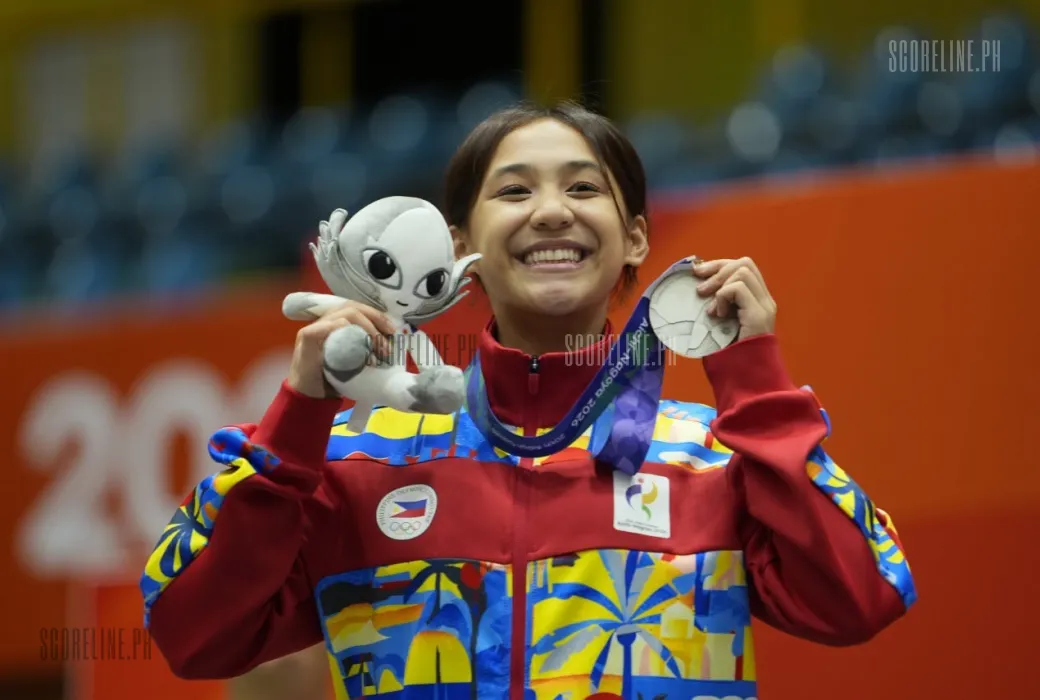
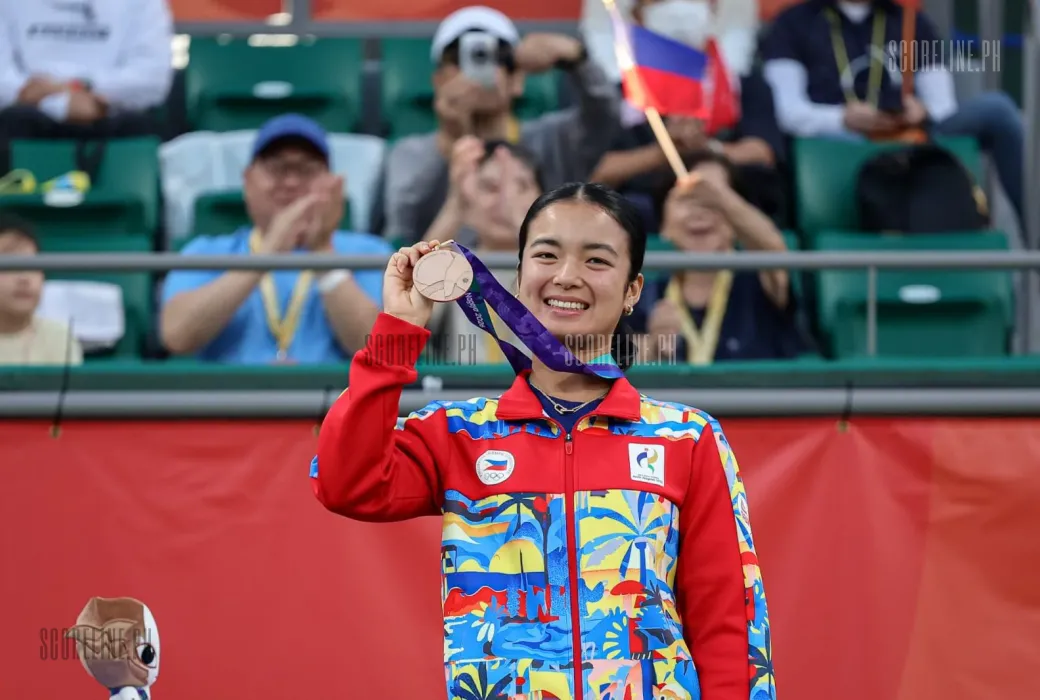
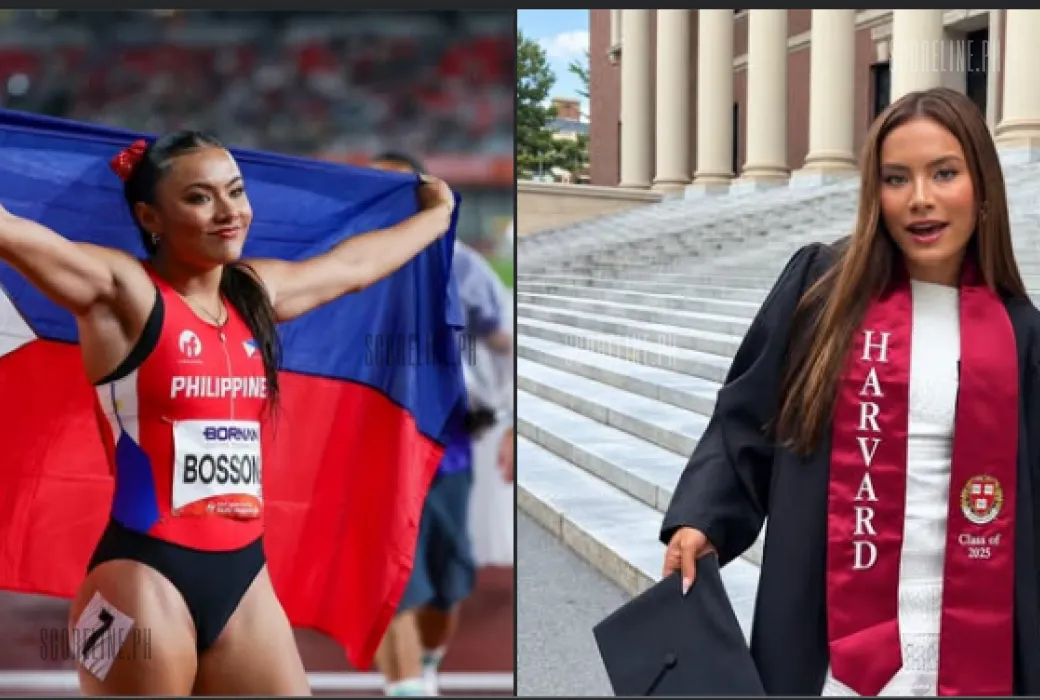
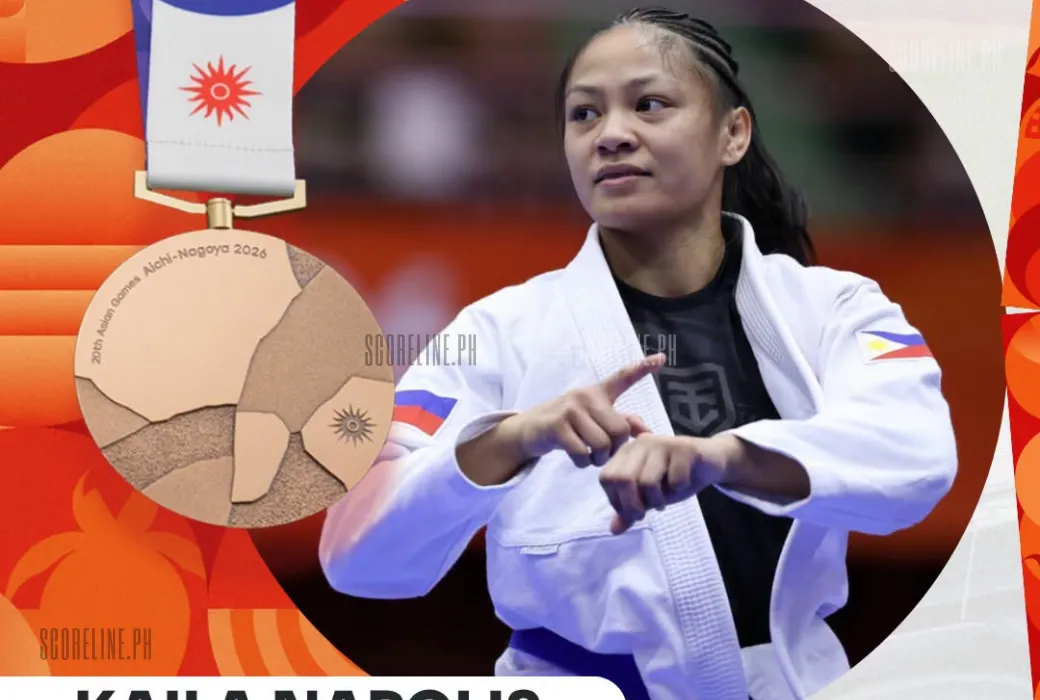
In Philippine sports, there is a recurring, deeply frustrating cycle that plays out like clockwork.An athlete leaves the country quietly, sometimes carrying nothing but borrowed gear, absolute grit, and an empty bank account. They endure sleepless nights, physical agony, and the crushing mental weight of wondering how they will pay for their next meal or training camp. Quite often, it is their parents who double their shifts, take out loans, or knock on the doors of private benefactors just to keep the dream alive.Then, the miracle happens. The athlete wins a medal. They shock the world.Suddenly, airport arrivals are flooded with marching bands. Politicians push each other out of the way to get into the photo-op frame. Congressional resolutions are drafted in record time, and social media is overwhelmed with high-ranking officials claiming the victory as a national triumph.It begs a glaring, uncomfortable question: Why is a government resolution or a congratulatory post always faster to produce than actual, baseline financial support?The Gold Medal IllusionOur sports system has a toxic habit of practicing retrospective patriotism. We only care about the athlete when they are already standing on the podium.When Carlos Yulo won historic double gold, or when our gymnasts and boxers made waves globally, the rewards rained down. Millions in cash incentives, houses, condos, and corporate endorsements. While those rewards are deeply deserved, they highlight a massive structural flaw: you have to prove you don't need the money anymore before anyone actually gives it to you.This is a backward approach to sports development. Ribbons, plaques, and courtesy calls at the palace do not buy high-protein meals. They do not fund plane tickets to Olympic qualifiers. They do not hire world-class coaches or physical therapists.By the time an athlete wins a medal, the hardest part of their journey—the part where they actually needed the government’s help—is already over.The Real Priority: Grassroots over Glory-ChasingIf we are to choose between celebrating champions or funding dreamers, the answer is absolute: continuous, institutionalized support for training must take absolute priority.A sports program that focuses entirely on recognizing winners is nothing more than a vanity project. It is parasitic, feeding off the organic sacrifices of private families while claiming the credit. Real sports development means investing heavily in the athlete before they are famous.• Praise is cheap; infrastructure is not. We need to stop relying on the narrative of the "impoverished but resilient Pinoy athlete." Resilience is a coping mechanism for a lack of funding, not a sports strategy.• The Pipeline Concept: For every superstar athlete who makes it to the world stage, hundreds of equally talented children drop out of sports simply because their parents cannot afford the grassroots training fees. Without consistent monthly allowances, proper nutrition, and state-of-the-art local facilities, we are actively suffocating our own potential.The Verdict: Support the Climb, Not Just the SummitIt is easy to clap when the national anthem plays. It costs absolutely nothing to type "Proud to be Pinoy" on Facebook. But true national pride is measured by the budget allocated to the Department of Education’s sports programs and the Philippine Sports Commission long before the Olympic flame is ever lit.If our leaders truly want to build an "army" of world-class athletes, they need to put down the cameras and pick up the funding sheets. The support must start at the starting line, not the finish line. Until we shift our budget from superficial rewards to structural training, we are not developing sports—we are just getting lucky.