Jake Jarman
Photo Courtesy: REUTERS/Hannah Mckay (GMA News)
Rico Lucero

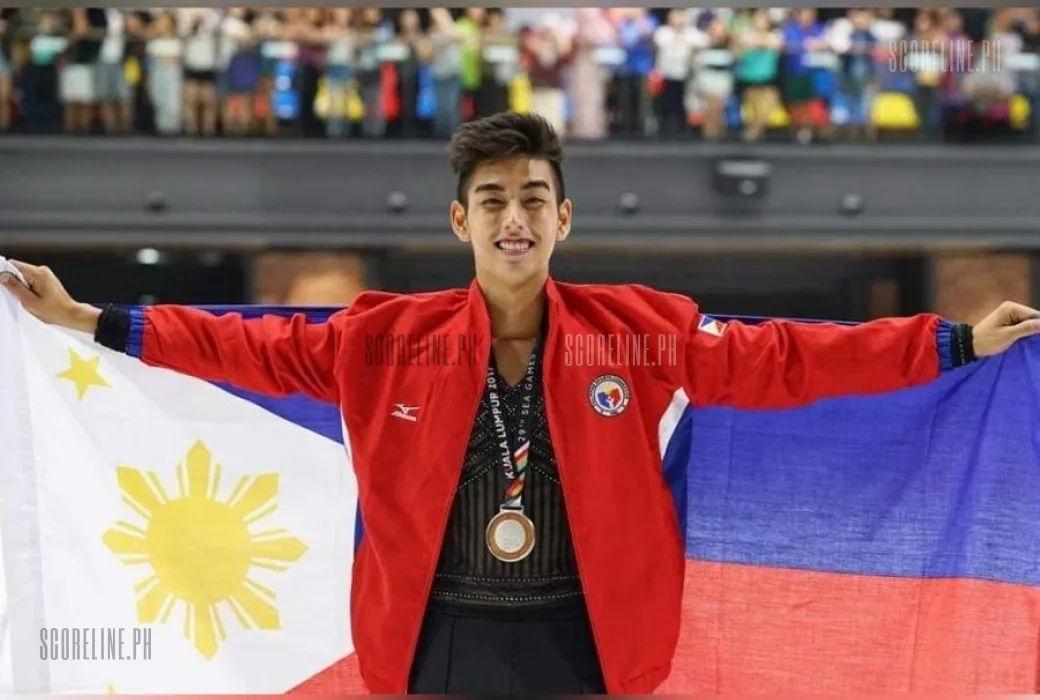
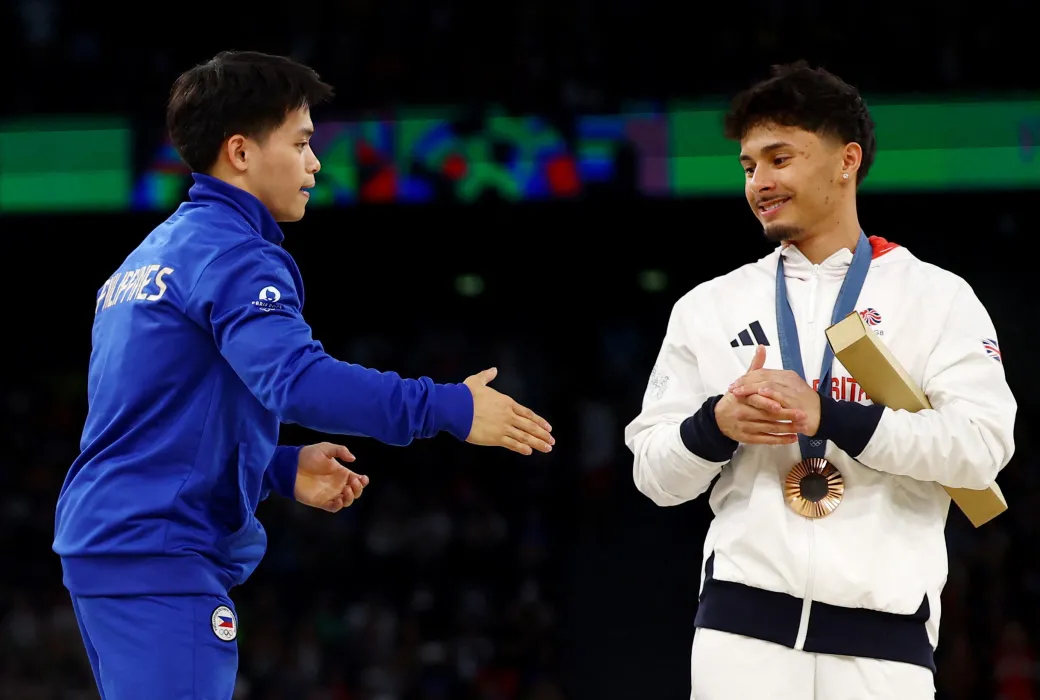
Fil-Brit Jake Jarman wants to represent the Philippines at 2028 Olympics

After achieving a historic win for the Philippines. The Filipino-Britain bronze medalist Jake Jarman expressed his desire to represent the Philippines in the 2028 L.A Olympics. Gymnastics Association of the Philippines (GAP) president Cynthia Carrion confirmed in an interview. 

According to Carrion, it is going to be easy for Jarman because he already has his Philippine passport.

They will also seek permission from the International Gymnast Federation if Jarman receives a ‘yes’ or ‘no’ from FIG. 

“Next Olympics, he wants to play for the Philippines. So we’ll seek FIG’s permission. I will write a letter and we’ll see if FIG says yes or no, “Ang importante may Philippine passport siya,”  said Carrion.

But it all depends if Great Britain will allow him and GAP will still have to work it out. 

“It will also depend on the decision of the British if they will release an Olympic bronze medalist to another country.”  Carrion added

Carrion says the country’s national sporting association (NSA) for gymnastics wants to sustain the momentum of the Philippines brought by Carlos Yulo during his performance in floor exercise and in vault apparatus of the Paris Olympics. 

Carrion also has new prospect gymnasts to form a rock-solid team that will compete in the men's all around event of the L.A Games four years from now.

Among them are Carlos Yulo, Eldrew Yulo, Miguel Besana and bronze medalist Filipino-British Jake Jarman. 

The GAP president hoped that their “Dream Team” Plan could come to fruition in the next four years.

News

SGA Team

Apology Made. Damage Done. Jones Cup Format Change Puts SGA in the Crossfire

CTBA admits Strong Group Athletics was the “biggest victim” of the controversial format change—but for the two-time champions, an apology may not be enough.

The apology has been made.

But for Strong Group Athletics, the damage already been done.

The Chinese Taipei Basketball Association (CTBA), organizer of the 2026 William Jones Cup, has publicly apologized over a sudden change to the tournament format that put SGA's bid for a historic three-peat in jeopardy.

And in a striking admission, the organizers themselves acknowledged that the Philippine-based squad may have been the “biggest victim” of the new format.

That acknowledgment, however, does little to erase what happened on the court.

SGA entered the final stretch of group play with a 4-1 record, seemingly putting Charles Tiu's squad in prime position for another deep run.

But the new format changed the equation.

CTBA decided to guarantee a semifinal berth for Chinese Taipei Blue, despite the host team sitting at the bottom of Group A with a 1-4 record.

For SGA, it created a problem. A team with four wins could now be watching the semifinals from the sidelines.

The complicated situation became even more difficult because of the tournament's margin-of-victory tiebreaker.

SGA needed to beat South Korea's Wonju DB Promy by at least 32 points to strengthen its chances of advancing.

Instead, the Korean side—powered by Ethan Alvano—handed SGA a 110-79 defeat in their opening meeting.

South Korea's position at the top of Group A secured the other semifinal spot, leaving SGA dependent on the results of other games.

Suddenly, the defending two-time champion was no longer in control of its own destiny.

The rationale?

Chinese Taipei Blue had been hit by injuries, leaving the team depleted and forcing younger, less experienced players into the lineup.

For the host, the change offered another chance.

Although, CTBA explained that the format adjustment was made partly to allow Chinese Taipei Blue to remain competitive and give local fans an opportunity to see their hometown team reach the semifinals.

The organizers also said scheduling adjustments were made to provide teams with more adequate rest.
But CTBA recognized the obvious consequence. SGA already paid the price.

“The two-time champion Philippine SGA team… may be the biggest victim of the new competition format this year.”

That is quite an admission.

The organizers also praised SGA for its performance throughout the tournament and thanked the team for contributing to the competition.

But here's the uncomfortable question:

Should a team with a 4-1 record have to depend on other results simply because the rules changed during the tournament?

There is nothing wrong with acknowledging a mistake. In fact, CTBA's public apology is important.
But an apology does not add another win to SGA's record. It does not erase the 32-point requirement.
It does not restore the team's control over its semifinal destiny. And it certainly does not guarantee another Jones Cup championship.

For a team chasing a historic three-peat, those details matter.

Despite the controversy, SGA don't quit.

The Philippine-based squad still faced Chinese Taipei Blue in its final group assignment, knowing that even a victory may not guarantee a Final Four berth.

Japan's result against South Korea also factors into the equation.

That is the frustrating part. SGA did the work on the court.

The Jones Cup has apologized. But for SGA, the message is simple: Again, an apology can acknowledge the damage. It cannot undo it.

And if SGA somehow survives this mess and reaches the semifinals, it won't just be playing for another Jones Cup title.

It will be playing with something to prove. Let's find out what's next for them. 

6
Learn more
Philippine Team

Aichi-Nagoya was a Statement. Now, the Philippines must Build on it

Four golds, 29 medals and the Philippines’ best Asian Games haul in 64 years have given the country something bigger than a celebration—a reason to rethink what Filipino sports can become.

The medals are home.

The athletes have returned from Japan carrying four golds, nine silvers and 16 bronzes, completing a 29-medal haul that PSC Chairman John Patrick C. Gregorio described as the Philippines’ best Asian Games performance in 64 years.

But perhaps the biggest takeaway from Aichi-Nagoya is not the number of medals.

Aichi-Nagoya gave Philippine sports a moment to celebrate. But it can also become something much bigger.

A reminder that Filipino athletes are not short on ability. What matters now is building an environment where that ability can consistently reach its potential.

The athletes have made their statement. Now the system has to make its own.

Because if the Philippines truly wants to become a multi-sport nation, the goal cannot simply be to celebrate champions when they come home.

It is the reminder of what Filipino athletes can accomplish when talent is matched with preparation, opportunity and the chance to compete on the biggest stage.

This should be more than a celebration. It should be a wake-up call.

Carlos Edriel Yulo once again showed the extraordinary ceiling of Filipino gymnastics, turning difficult routines into gold-medal performances.

EJ Obiena continued to proves that the Philippines can produce world-class athletes even in disciplines traditionally outside the country's sporting spotlight.

And they were not alone. Across the courts, fields, rings, pools and tracks of Aichi-Nagoya, Filipino athletes fought for every point, every second and every centimeter.

Some won medals. Others fell short of the podium.

But collectively, they delivered a message that should be impossible to ignore:

The Philippines has the talent. The Philippines has the heart. The Philippines has athletes capable of competing with Asia's best.

The danger after a successful campaign is believing the job is finished. It isn't.

The medals are coming home, but the athletes who won them will eventually move on. Behind them is another generation—young athletes training in schools, local gyms, community courts and provincial facilities—waiting for its opportunity.

And that is where Philippine sports faces its next challenge.

Can the country provide the facilities, coaching, grassroots programs, equipment, competition exposure and long-term support needed to turn promising youngsters into international champions?

Because developing athletes should not begin only when they are already winning medals.

The system has to find them before they become champions—and build them into champions.

The calendar is already moving. The SEA Games are next.

Then comes the SEA Games Youth Plus, where the country's emerging athletes will get another opportunity to prove themselves.

And beyond that sits the enormous stage of the Los Angeles 2028 Olympics.

The next Carlos Yulo could already be training somewhere in the Philippines.

The next EJ Obiena could already be clearing a bar. The next champion could already be dreaming.

The question is whether the country will give that athlete enough reason to keep dreaming—and enough support to turn that dream into reality.

The goal should be to create more of them. From Aichi-Nagoya to Los Angeles, the fire is burning. Now, let's build something that keeps it alive.

4
Learn more
Aichi-Nagoya Japan

Japan has built a reputation for precision, efficiency and world-class sporting events

WHEN THE GAMES BECAME THE STORY, AICHI-NAGOYA’S ORGANIZATIONAL NIGHTMARE

THE ATHLETES CAME TO MAKE HISTORY. INSTEAD, THE ORGANIZERS SOMETIMES BECAME THE HEADLINE.

But after the curtain fell on the 2026 Aichi-Nagoya Asian Games, it was the Games’ organizational problems—not just the medals and records—that dominated much of the conversation.

The continental showcase officially closed on October 4, ending two weeks of extraordinary athletic performances that included world and Asian records.

Yet alongside the sporting brilliance came a long list of logistical headaches: accommodation shortages, transport failures, airport delays, anthem mix-ups and complaints over cramped athlete housing.

For some officials, the problems were serious enough to warrant a failing grade.

“If I were to give them a grade, it would be an F,” Korean Sport and Olympic Committee president Ryu Seung-min said during the Games.

One of the most controversial decisions was the decision not to build a traditional Athletes' Village.

Instead, organizers relied on hotels, a cruise ship and temporary container accommodations to house thousands of participants.

The scale was enormous: roughly 17,000 athletes and officials took part, making the Asian Games larger in participant numbers than the upcoming Olympics.

The alternative housing system quickly became a source of complaints.

Some athletes assigned to the container units reported leaking water and beds that were too short, while others staying aboard the cruise ship raised concerns over accommodation and meals.

What was presented as a cost-conscious and environmentally minded approach instead became one of the defining controversies of the Games.

Then came transportation. Athletes reported delayed or missing shuttles, while some teams were taken to the wrong locations.

South Korea's football team arrived late for a match after its bus driver got lost. Its basketball team reportedly missed a scheduled shootaround because its shuttle did not arrive.

In another mix-up, a bus assigned to South Korea picked up Pakistan's team instead, while Pakistan's designated bus collected the South Koreans.

For elite athletes working around tightly scheduled training, recovery and competition windows, those aren't minor inconveniences.

Timing is part of performance. Perhaps the most striking mistake came before a men's hockey match involving South Korea.

Instead of South Korea's anthem, organizers played the North Korean national anthem.

The organizing committee apologized, while the Korean Sport and Olympic Committee lodged a formal complaint and demanded measures to prevent a repeat.

It was one of several protocol problems reported during the Games, including an issue with South Korea's flag during the men's football medal ceremony.

There was another uncomfortable sight: sparse crowds at some venues.

The Games struggled to generate consistently strong attendance, with reports of empty sections even as athletes delivered world-class performances.

The contrast was striking. On the field, track, pool and courts, records were falling.

In the stands, thousands of seats remained empty.

The story, however, is not entirely one-sided. The Olympic Council of Asia defended the Games as a success, pointing to strong viewership, increased revenue and a remarkable haul of 54 world records and 89 continental records. The event also avoided leaving behind a massive new permanent sports complex burden.

And the athletes themselves delivered spectacular moments.

Teenage stars emerged. Records fell. New sports made their Asian Games debut. Champions were crowned.

The sporting product survived.

The question is whether the organizational experience matched the standard expected from Japan. That may be the bigger legacy of Aichi-Nagoya.

Japan has previously hosted major global sporting events, including the Tokyo 2020 Olympics, but that edition was followed by controversies over costs and a bribery scandal. Public resistance also contributed to the shelving of Sapporo's bid for the 2030 Winter Olympics.

The Aichi-Nagoya experience now gives future Japanese hosting ambitions another issue to confront: trust.

Can athletes trust the transportation system? Can delegations trust their accommodations? Can teams trust that basic protocols will be handled correctly?

And can the country convince the international sporting community that it is ready to take on another mega-event?

Those questions will not be answered by one bad bus ride or one anthem mistake.

But when the problems keep piling up, they become more than isolated incidents.

The athletes came to compete. Japan came under a microscope.

And after Aichi-Nagoya, the next bid may have to prove that the country can once again make the organization of sport as impressive as the sport itself.

9
Learn more
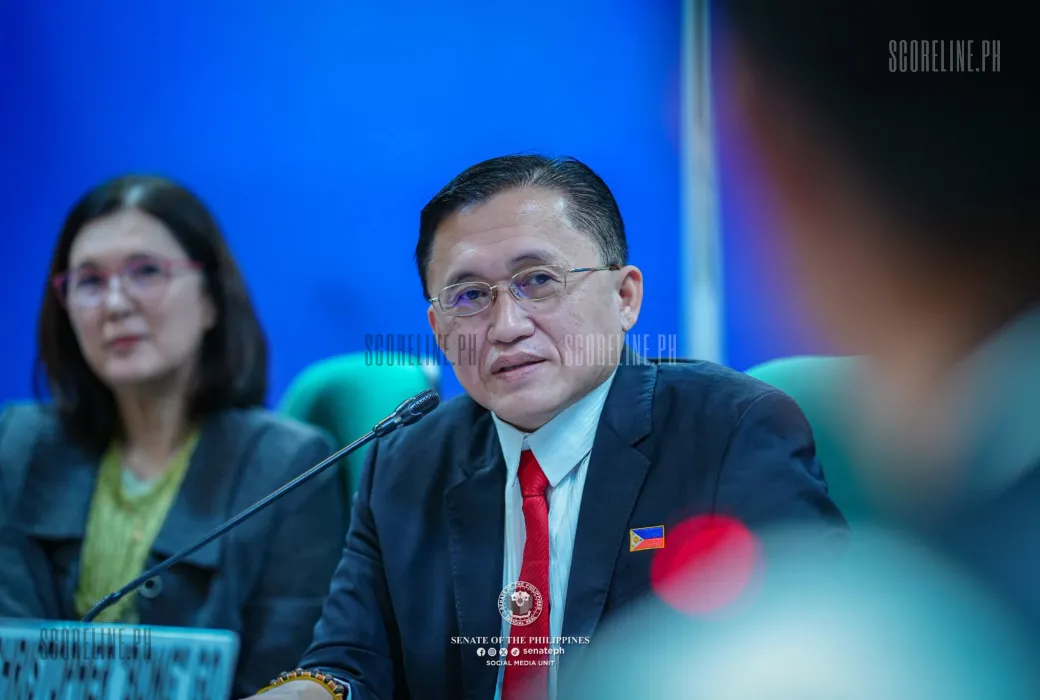
Senator Bong Go

Senator Bong Go Sounds Alarm Over Sports Infrastructure in 2027 Budget Deliberations

What happens when world-class athletes are forced to train in facilities that are anything but world-class?

That question is at the heart of Senator Christopher “Bong” Go’s push for stronger government funding for Philippine sports infrastructure as the Senate tackles the proposed 2027 national budget.

The chairperson of the Senate Committee on Sports and Youth Development, called for adequate funding to upgrade and modernize training facilities, stressing that Filipino athletes need more than talent and determination to compete at the highest level.

The senator has repeatedly raised concerns over the condition of sports facilities, including the need to improve major training venues such as the Rizal Memorial Sports Complex and PhilSports Arena. In previous budget deliberations, he pointed to the importance of providing athletes with proper training environments, equipment, nutrition and other forms of support.

During the 2027 budget discussions,Senate Committee Chair on Sports and Youth Development Bong Go raised concerns over funding for sports infrastructure, including changes involving convergence funds previously lodged under the Department of Public Works and Highways (DPWH).

The discussion puts the Philippine Sports Commission (PSC) and other agencies at the center of the question of how sports facilities will be funded and developed moving forward.

For Sen. Go, the issue goes beyond buildings and playing surfaces. A champion needs somewhere to become a champion.

Training halls, gyms, equipment and athlete facilities form the foundation of preparation long before an athlete steps onto an international podium.

Sen. Bong Go has also pushed for bringing quality sports training closer to young athletes outside Metro Manila.

His advocacy includes expanding access to the National Academy of Sports (NAS) through regional campuses, particularly in the Visayas and Mindanao, so promising athletes would not have to relocate simply to access specialized sports education and training.

The proposal reflects a broader push to strengthen the grassroots pipeline and give athletes from the regions greater opportunities to develop their skills.

The Philippines has repeatedly shown that Filipino athletes can compete—and win—against the world's best.

But the next generation needs more than inspiration. They need facilities. Equipment. Training centers. Coaches. Support.

And as Congress works through the proposed 2027 spending plan, the debate over sports funding puts a fundamental question on the table: If the Philippines expects world-class performances, can its training facilities be allowed to fall behind?

For Go, the answer is clear: investment in sports infrastructure must be part of building the country's next generation of champions.

3
Learn more
Carlo & AJ

Spain Edges Biado-Manas in Thrilling 10-Ball World Finale

SPAIN STEALS GOLD FROM BIADO-MANAS IN HEART-STOPPING WORLD FINAL

They were one rack away from glory. Then, in the biggest moment, the table turned.

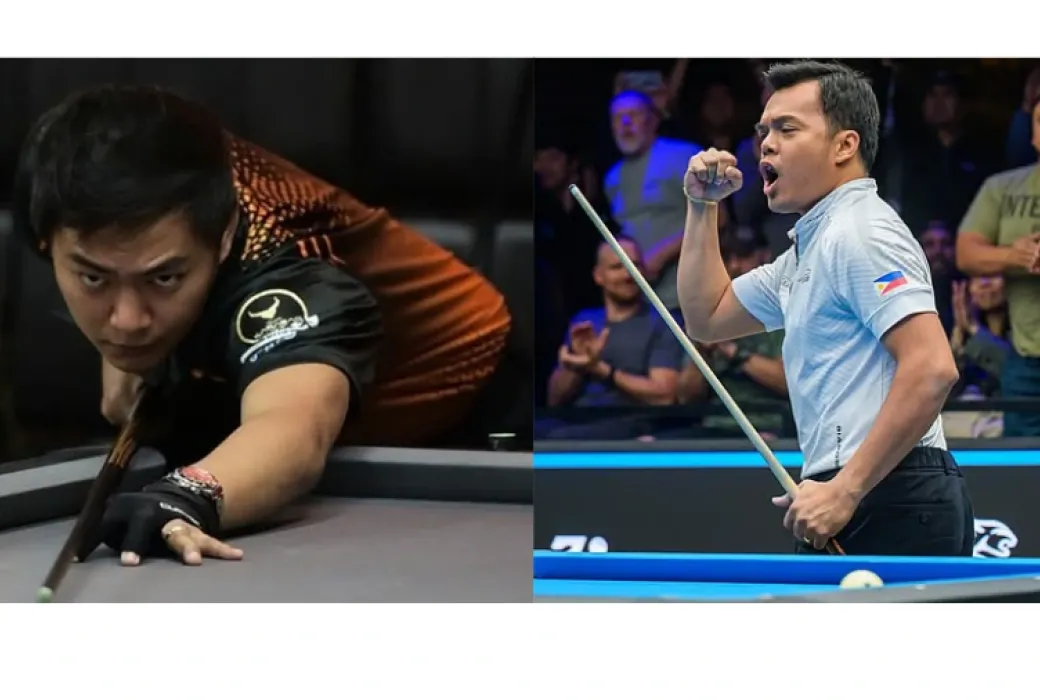
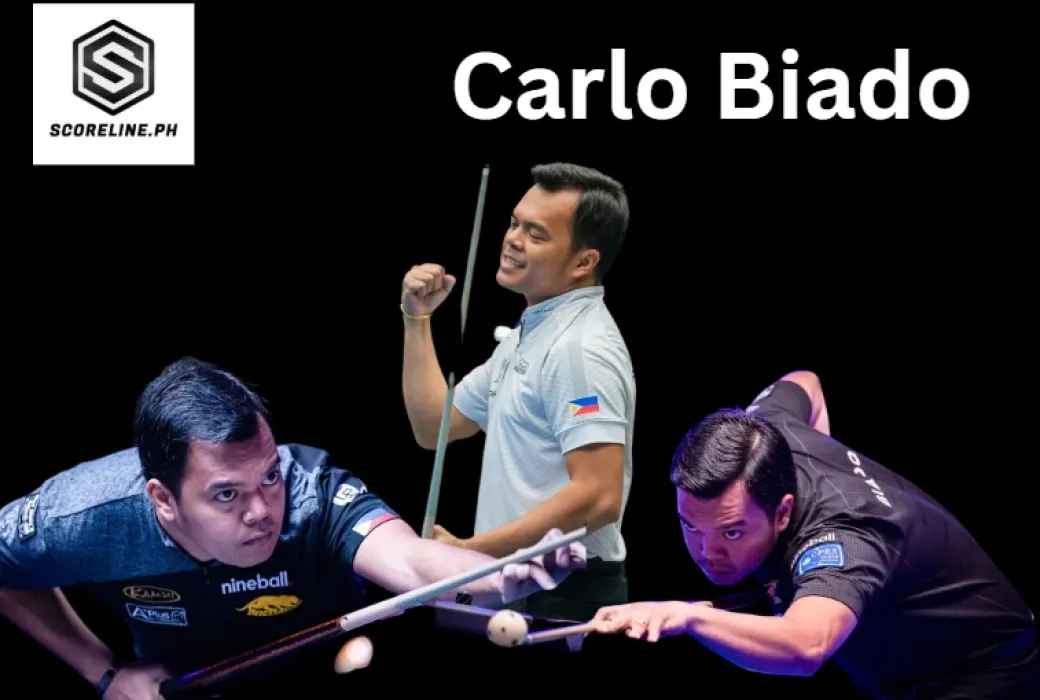
Carlo Biado and 19-year-old AJ Manas came agonizingly close to conquering the world, settling for silver after Spain’s Francisco Sánchez Ruiz and David Alcaide survived a pulsating hill-hill battle in the WPA Men’s Doubles 10-Ball World Championship on Monday.

For the Philippines, it was a painful ending to a remarkable run.

For Spain, it was a championship won by staying composed when everything was on the line.

The Filipino pair—experience and youth in one formidable tandem—pushed the Spanish powerhouse duo to the absolute limit, splitting the first four sets at 2-2 and setting up a winner-take-all fifth.

And then came the moment that changed everything.

With the championship hanging in the balance, Manas stepped up to shoot the 7-ball in the fifth rack.

The 19-year-old phenom missed his intended mark—and scratched in the corner pocket.

It was the kind of mistake that can haunt a player.

Spain immediately pounced.

Sánchez Ruiz and Alcaide converted the opening, taking a 3-2 rack lead before calmly finishing the deciding rack to capture the world championship. Just like that, the Filipino dream was over.

The defeat denied 42-year-old Biado his first dedicated WPA Men’s Doubles world title and left Manas just short of what could have been his first senior WPA world championship crown.

But the silver medal tells only part of the story.

Biado brought the experience of one of the Philippines’ most accomplished cue artists.

Manas brought the fearlessness of a teenager making his mark against the world's best.

Together, they proved they belonged on the biggest stage.

And now, they get another chance. There is barely any time to dwell on what happened in Bali.

Biado and Manas now turn their attention to the Reyes Cup, where they will suit up for Team Asia in defense of its prestigious 9-ball crown.

The third edition of the blockbuster event is scheduled for October 15 to 18 at the Makati Coliseum in the Philippines.

This time, they return home. The crowd will be behind them.

And after coming one rack short of a world championship, Biado and Manas will have something more than a trophy to chase.

Redemption. The world title slipped away in Bali. The next battle begins on home soil.

3
Learn more

Top News

Kenji Moral

Kenji Moral’s Fast Break to Rising Star in PH's Youth Basketball

2,158
Mario Barasi Jr.

Mario Barasi Jr.: Rising Big Man ready for the PBA stage

822
Michael Martinez

Michael Martinez: The Filipino Athlete Who Funded His Own Olympic Dream

390
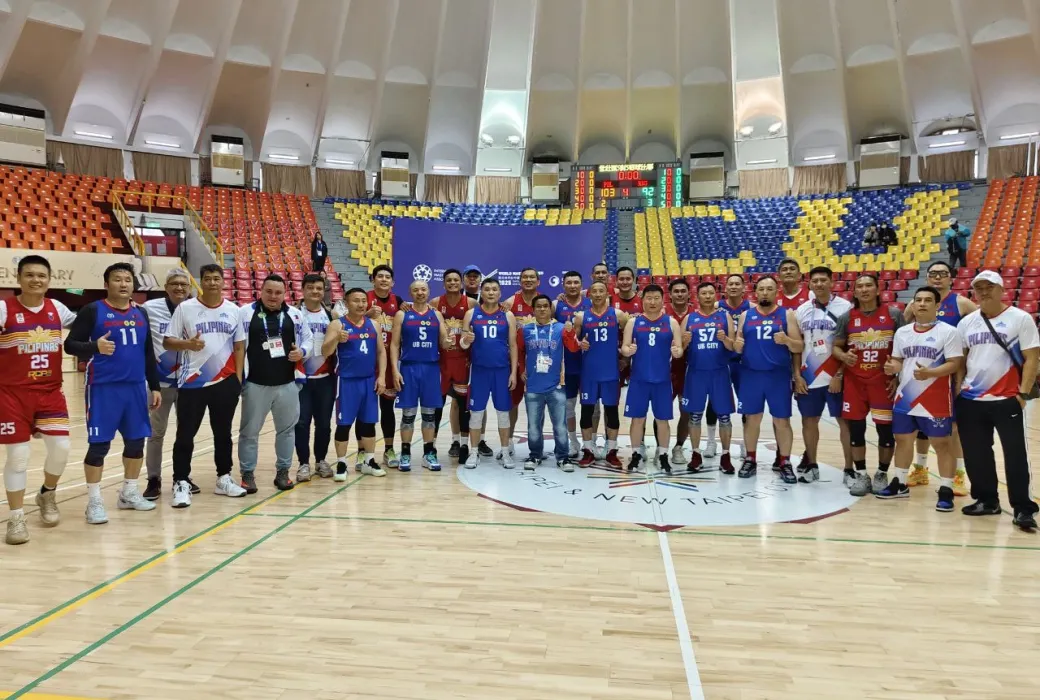
Masters Pinoy Pilipinas Basketball squad with team Mongolia.

Masters Pinoy captures basketball gold at the World Masters Games

383
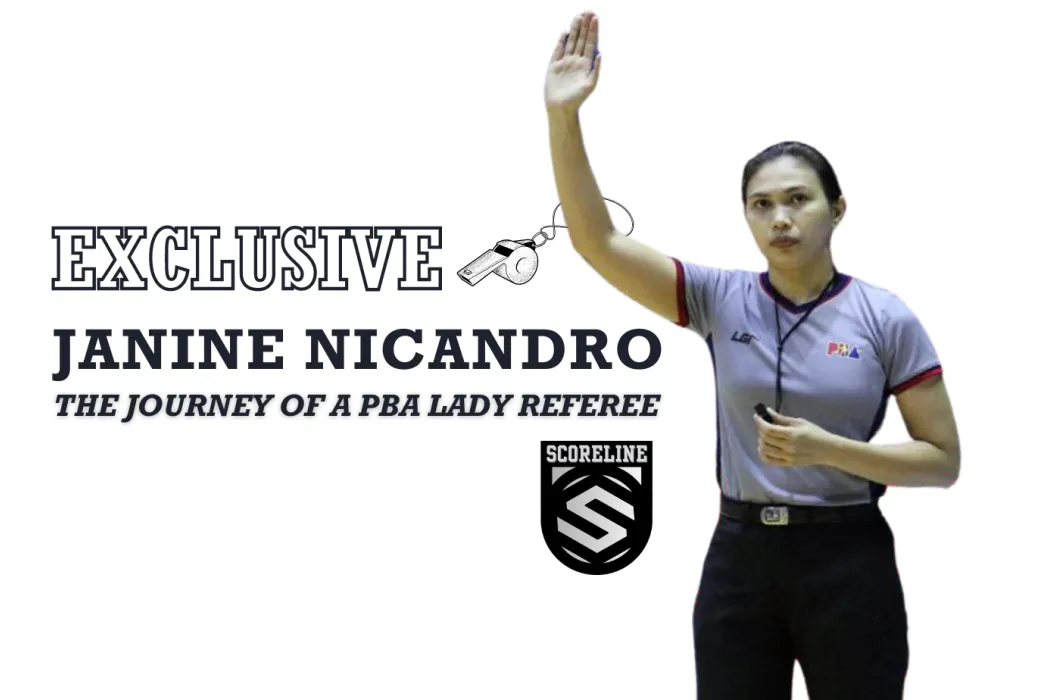
janine

Exclusive: Janine Nicandro, The Journey of a PBA Referee

360
Loren Brill

Loren Brill: Reigniting a basketball legacy born of champions

329
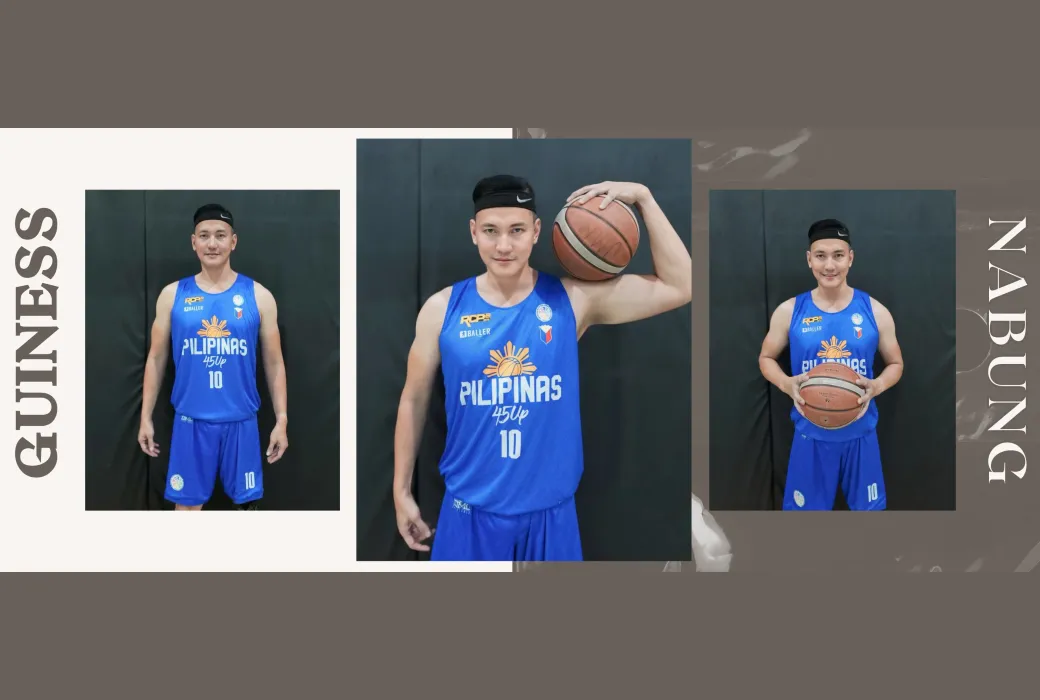
Guiness Nabung of Masters Pinoy Pilipinas Basketball team.

Guiness Nabung - Masters Pinoy Pilipinas Basketball Profile

296
Isaiah Africano poses for Scoreline.ph during the PBA 50th Rookie Draft

Isaiah Africano joins Guam National Team for FIBA WCA Qualifiers

296
Johann Chua & Carlo Biado

17 Filipino cue artists eye glory at World Pool Championship in Saudi Arabia

286
Gilas Pilipinas

Gilas Pilipinas begins Asian Games title defense with a new-look squad

283
Efren Reyes

Player Profile Series: “The Magician” Efren “Bata” Reyes

271
Andre Jamgerald Ugaddan

Andre Jamgerald Ugaddan – “Batang Mamaw” ng Reg. 4A

267
Kevin Quiambao

UAAP: UP fighting Maroons fall short to Green Archers, forced to Game 3

264
Dr. Obet Vital is the new Assistant Coach of the UP Fighting Maroons Women's Volleyball Team

Looking Ahead: Obet Vital's new era of growth and opportunity

256
Paul Reguera

Paul Reguera - Masters Pinoy Pilipinas Basketball Profile

232
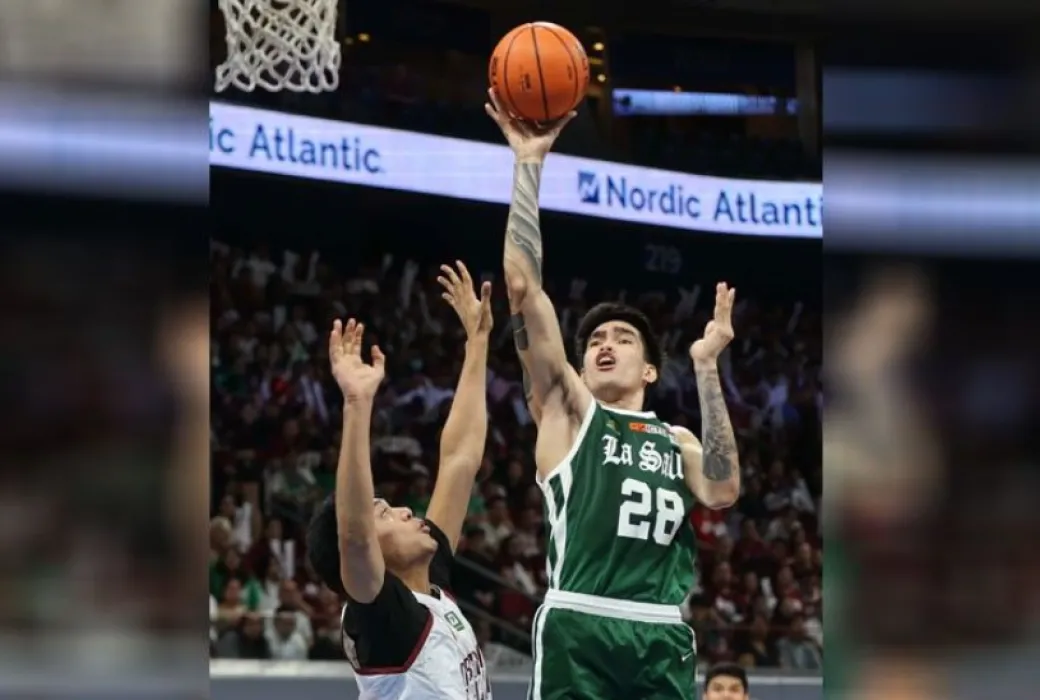
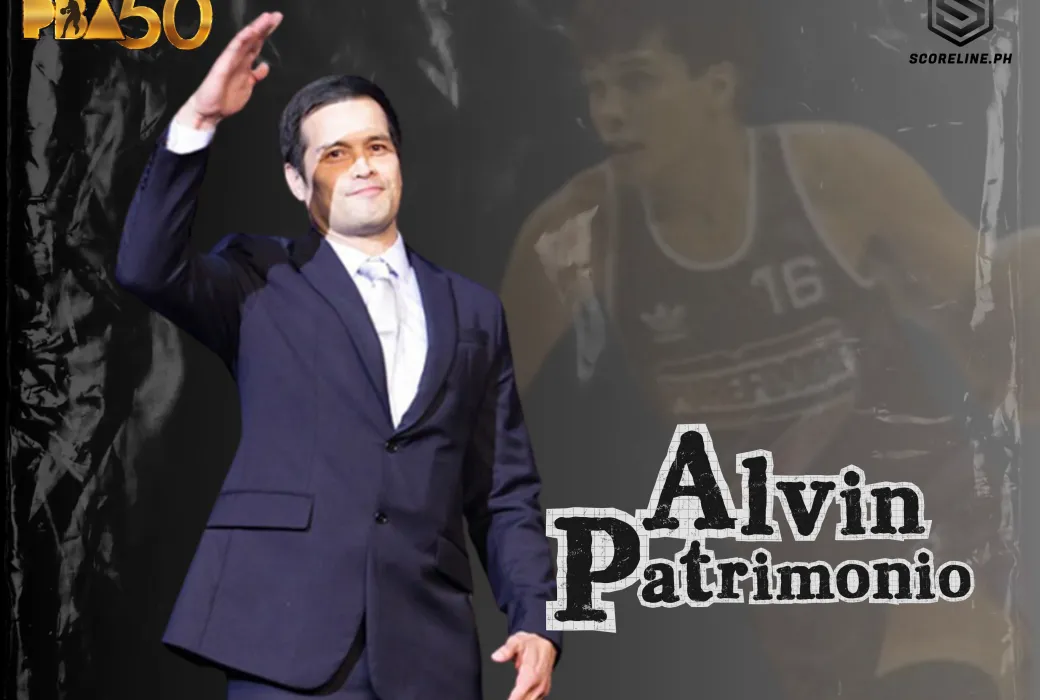
Alvin "The Captain" Patrimonio - a player with a lion heart.

Player Profile Series: “The Captain” Alvin Patrimonio’s lion heart

232
Ricky Ricafuente

Ricky Ricafuente - Masters Pinoy Pilipinas Basketball Profile

217
Deanna Wong

Player Profile Series: Deanna Wong, The Court’s Quiet Leader

216
First ever PBA MVP William "Bogs" Adornado.

Player Profile: William "Bogs" Adornado - First PBA MVP

212
Oliver Agapito of Masters Pinoy Pilipinas Basketball team.

Oliver Agapito resharpens his basketball form with Masters Pinoy

210
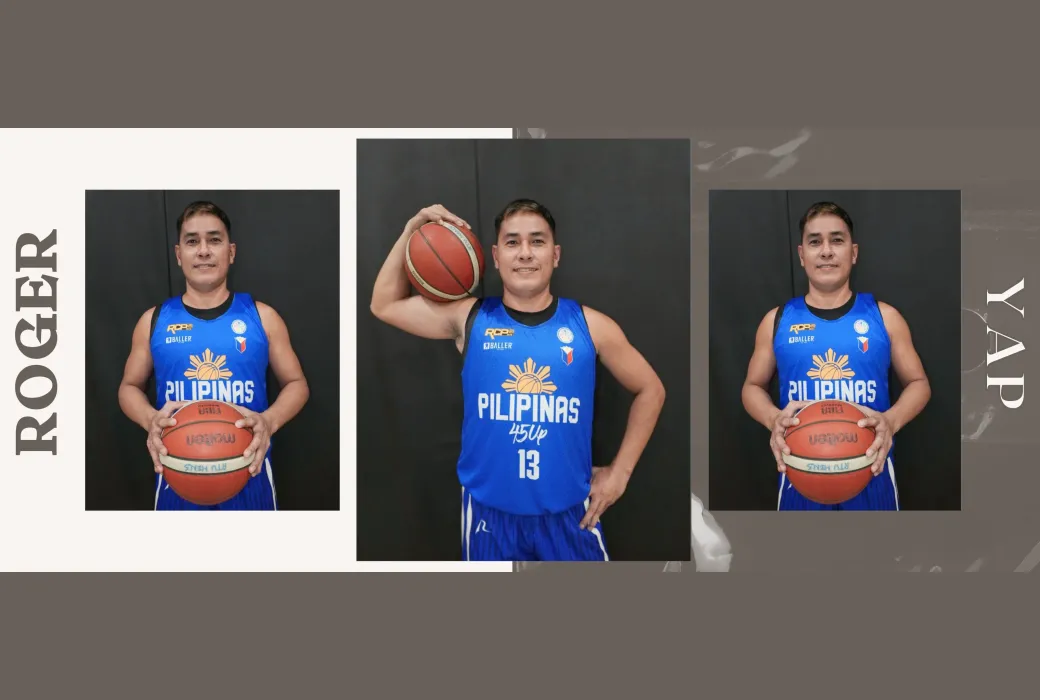
Roger Yap of Masters Pinoy Pilipinas Basketball team.

Roger Yap - Masters Pinoy Pilipinas Basketball Profile

203
Captain Nica Celis of the UP Fighting Maroons Women's Volleyball Team

Nica Celis aims to helm Fighting Maroons' escape from bottom spot

193
Toshihiko Era

Japanese boxer scores a remarkable victory in Bangkok at age 50

184
Alberto "Abet" Guidaben - PBA 50 Greatest Players (2000)

Player Profile Series: Abet Guidaben – PBA Legend, 2 Slams

180
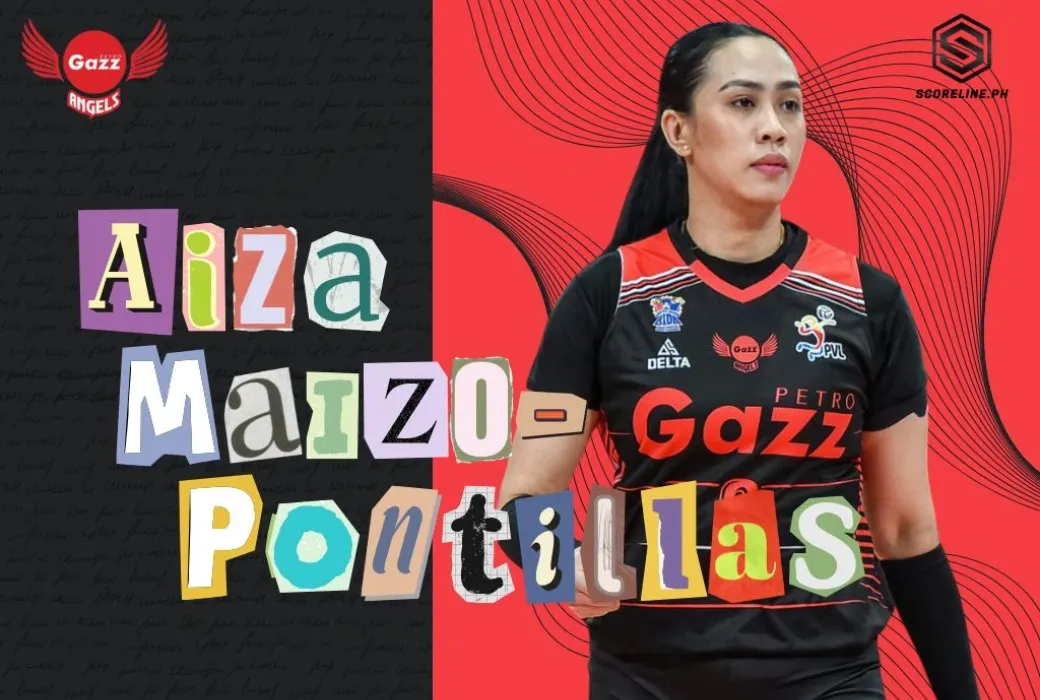
Aiza Maizo-Pontillas

Player Profile Series: The fierce journey of Aiza Maizo-Pontillas

176
Cloanne Mondonedo

Player Profile Series: Clo Mondoñedo’s journey to setter glory

173
Johann Chua

Player Profile Series: Johann Gonzales Chua - The "Bad Koi"

171
Sisi Rondina and Bernadeth Pons

Rondina, Pons claim first Challenge win at Beach Pro Tour Nuvali

171
Association of Boxing Alliances in the Philippines

13-strong boxers to lead PH Boxing Team in 2025 SEA Games

167
Kamille Cal

Player Profile Series: Kamille Cal brings precision to Akari

164
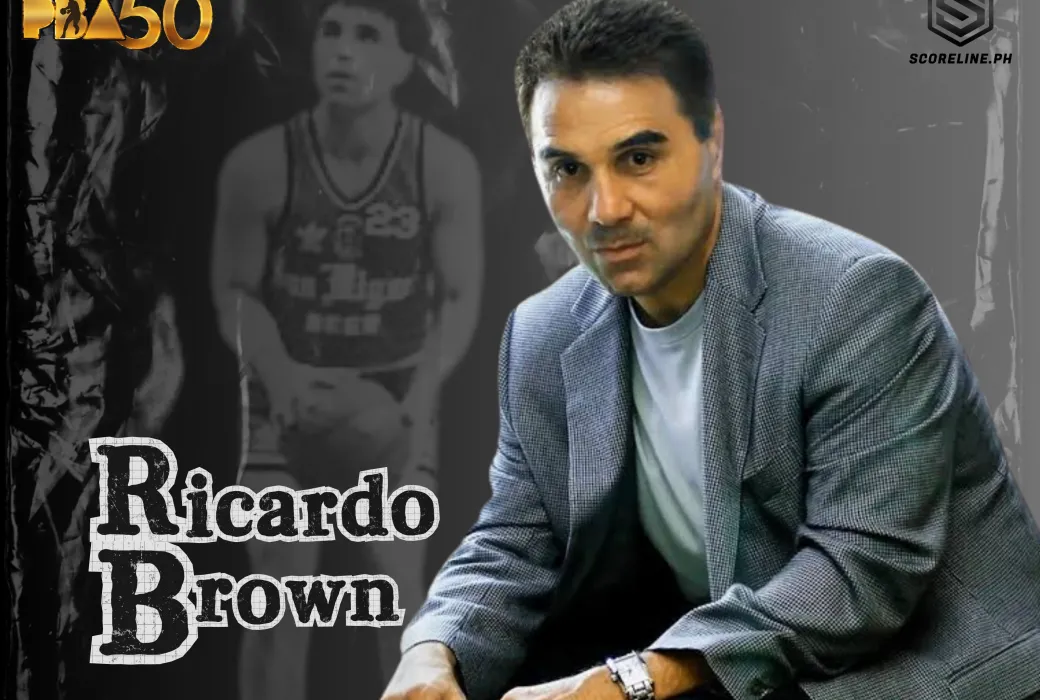
"The Quick Brown Fox" - Ricardo Brown

Player Profile Series: Ricardo Brown – "The Quick Brown Fox"

160
Sisi Rondina

Player Profile Series: Sisi Rondina, Volleyball’s Cherry Bomb

160
Alex Pagulayan

Player Profile Series: Billiards' "Lion Heart" Alex Pagulayan

159
Spike and Serve with Petro Gazz Angels & Volleybukids

Spike and Serve reaches out to Volleybukids in Morong, Bataan

148
PBA Commissioner Willie Marcial

PBA Season 50 eyes more overseas tours and foreign guest teams

146
Arena Fitness Dojo

From Grassroots to Global: Arena Fitness Dojo

145
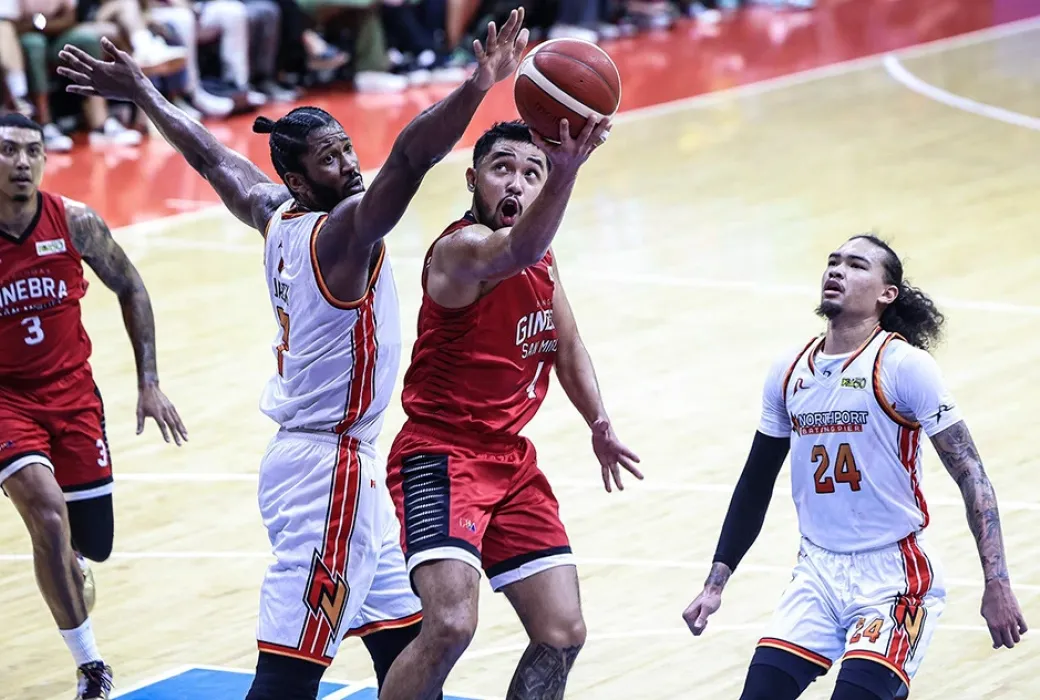
Ginebra's RJ Abarrientos tries to score against NorthPort's import Kadeem Jack.

Ginebra dominates NorthPort to get Game 1 of their Semis series

142
Ricky Ricafuente

Ricky Ricafuente brings his global experience to Masters Pinoy

141
Jelena Todorovic is the new Head Coach of Fortaleza Basquete Cearens.

Brazil’s NBB gets first female coach in Jelena Todorovic

137
Carlo Biado

Player Profile Series: Carlo Biado, the WPA World 9-Ball Champion

136
General Trias City Sports Park

General Trias City LGU eyes vows world-class sports facilities for youth

136
Francisico Bustamante

Player Profile Series: The iconic Francisco "Django" Bustamante

135